Barbara Palka Winek: Painting as a Continuum of Perception, Materiality, and Transcendence
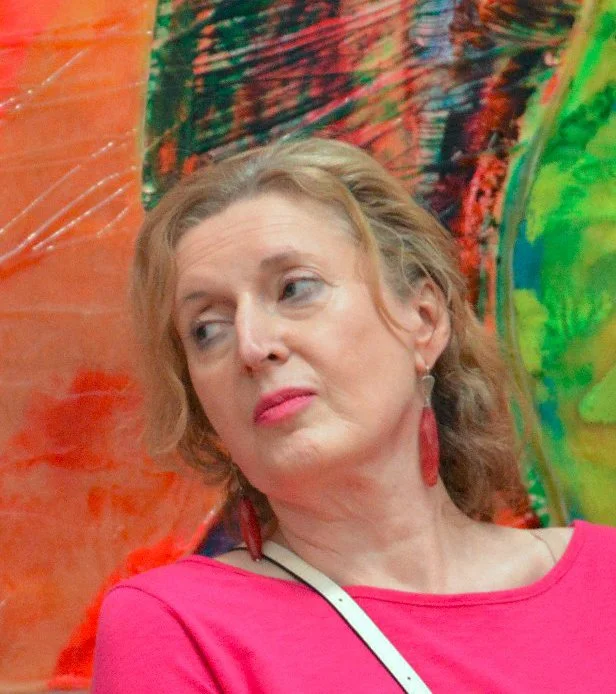
Barbara Palka Winek: Painting as a Continuum of Perception, Materiality, and Transcendence
Barbara Palka Winek is a Polish painter whose practice is grounded in a sustained investigation of perception, material transformation, and the shifting boundary between the physical and the immaterial. Born in Upper Silesia and currently based in Krakow, she graduated from the Academy of Fine Arts in Krakow in 1983. Over more than four decades of work, she has developed a coherent yet open-ended painterly language that positions painting as both a sensory field and a conceptual structure shaped by serial thinking.
Her practice is defined by the development of interconnected cycles rather than isolated bodies of work. These series form an evolving continuum in which emotional states, perceptual phenomena, and metaphysical questions are repeatedly revisited and reconfigured. Among them are Screens, Woman Imago, Stream of Time, Obsessions, and Archetypes, with the most recent cycle, Time Stream, reflecting an engagement with cosmological ideas such as the multidimensionality of time, spatial infinity, and the conceptual possibility of parallel realities. Rather than illustrating these themes directly, she translates them into material and optical conditions within the painting itself.
A recurring foundation of her work is the figure of the woman, which appears not as portraiture or individual identity but as an archetypal and mutable structure. Across different cycles, this presence shifts between sensuality, introspection, transformation, and dissolution. The woman becomes a field through which psychological and emotional contradictions are articulated, including states of desire, reflection, withdrawal, and metamorphosis. Over time, this motif has expanded into variations such as floral embodiment, imago-like transformations, and broader archetypal configurations, forming one of the most persistent threads in her oeuvre.
Her approach to painting is equally defined by a rigorous engagement with materiality. Working with oil and acrylic, she continuously explores how transparency, layering, and surface tension can generate spatial complexity. A central concern in her practice has been the search for a medium capable of conveying permeability between pictorial planes, something she describes in terms of fluid, almost plasma-like behavior. This pursuit has led to a technique in which soft, transparent passages coexist with dense, materially assertive zones, producing works that oscillate between fluidity and resistance.
Light plays a decisive role in this structure. Rather than functioning as a uniform element, it behaves differently depending on surface density, texture, and chromatic layering. As a result, the paintings generate shifting perceptual conditions in which the image is never fully fixed. Transparent layers create optical depth while thicker passages interrupt and reconfigure spatial reading. This interplay produces a sense of continuous transformation, where perception itself becomes unstable and active.
At the core of Palka Winek’s practice is the belief that a painting must carry an internal necessity and not exist as a purely decorative surface. Each work is conceived as part of a broader emotional and conceptual system, where idea and material are inseparable. Her paintings are structured to require sustained viewer engagement, inviting attention not only to composition but also to the subtle transitions between surface states, tonal shifts, and the behavior of light across different textures.
Emotional content in her work is not expressed through narrative but through material relationships. States such as longing, anticipation, melancholy, and reflection emerge through the interaction of color, density, and transparency. These emotional conditions are not isolated but interwoven, suggesting a model of experience in which feelings coexist and permeate one another. In this sense, painting becomes a space where psychological complexity is made visible through physical means.
Her work has been widely exhibited across the international art circuit, reflecting both sustained critical recognition and active participation in global contemporary painting discourse. She has shown in major art centers including New York, Paris, London, Tokyo, Shanghai, Venice, Florence, and Monaco, as well as at prominent fairs such as Art Basel Miami Beach, ARTXPO New York, and the Tokyo International Art Fair. Her participation in events such as the Venice Biennale further situates her within a broader institutional framework of contemporary art presentation.
In addition to international exposure, Palka Winek has presented solo exhibitions in institutional contexts, including the Palace of Art in Krakow. Her work is included in public collections such as the Diocesan Museum in Katowice, the Museum of Silesia in Katowice, and the Southern Nevada Museum of Modern Art in Las Vegas, underscoring its transnational reception and institutional presence.
Across these contexts, her painting consistently resists closure. Instead, it operates as a system of ongoing transformation in which surface, light, and emotional resonance remain in continuous negotiation. The result is a practice that positions painting as a threshold condition, where material fact and metaphysical inquiry intersect without resolution, allowing each work to function as both object and experiential event.
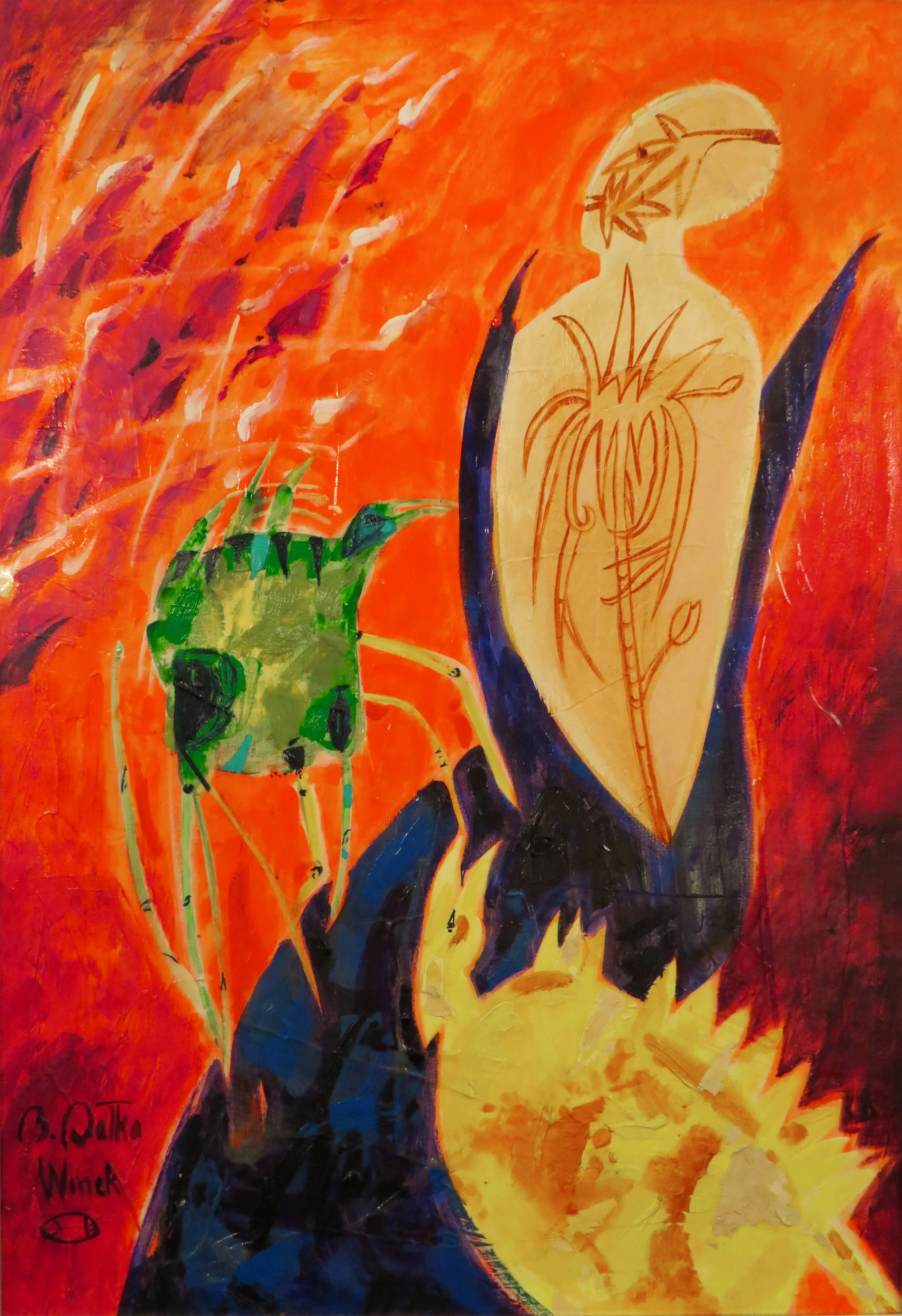
DREAM MIRAGES, 2010, oil and own tech. on canvas, 140x100cm
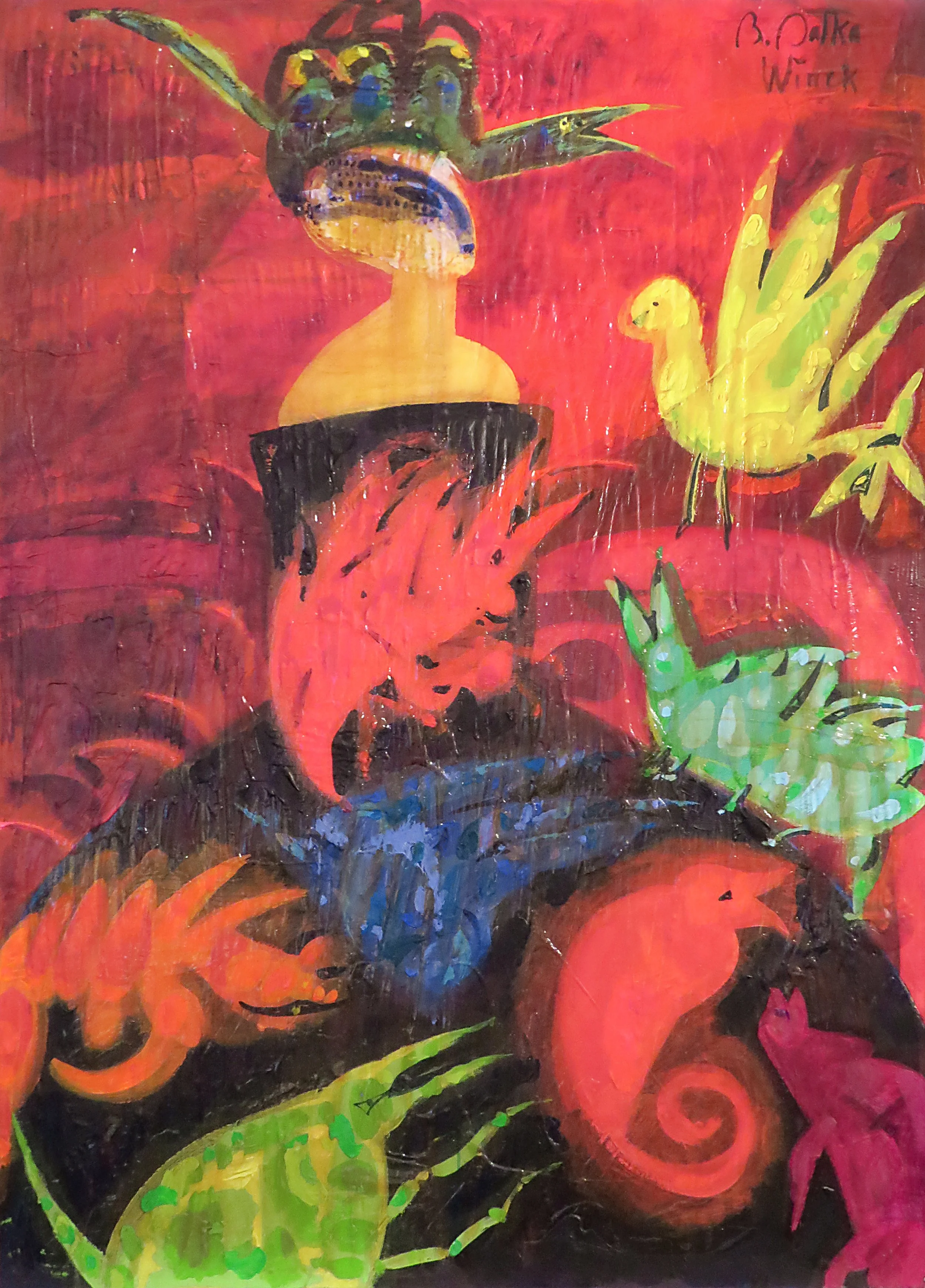
FANTASTIC ANIMALS, 2010, oil and own tech. on canvas, 140x100cm
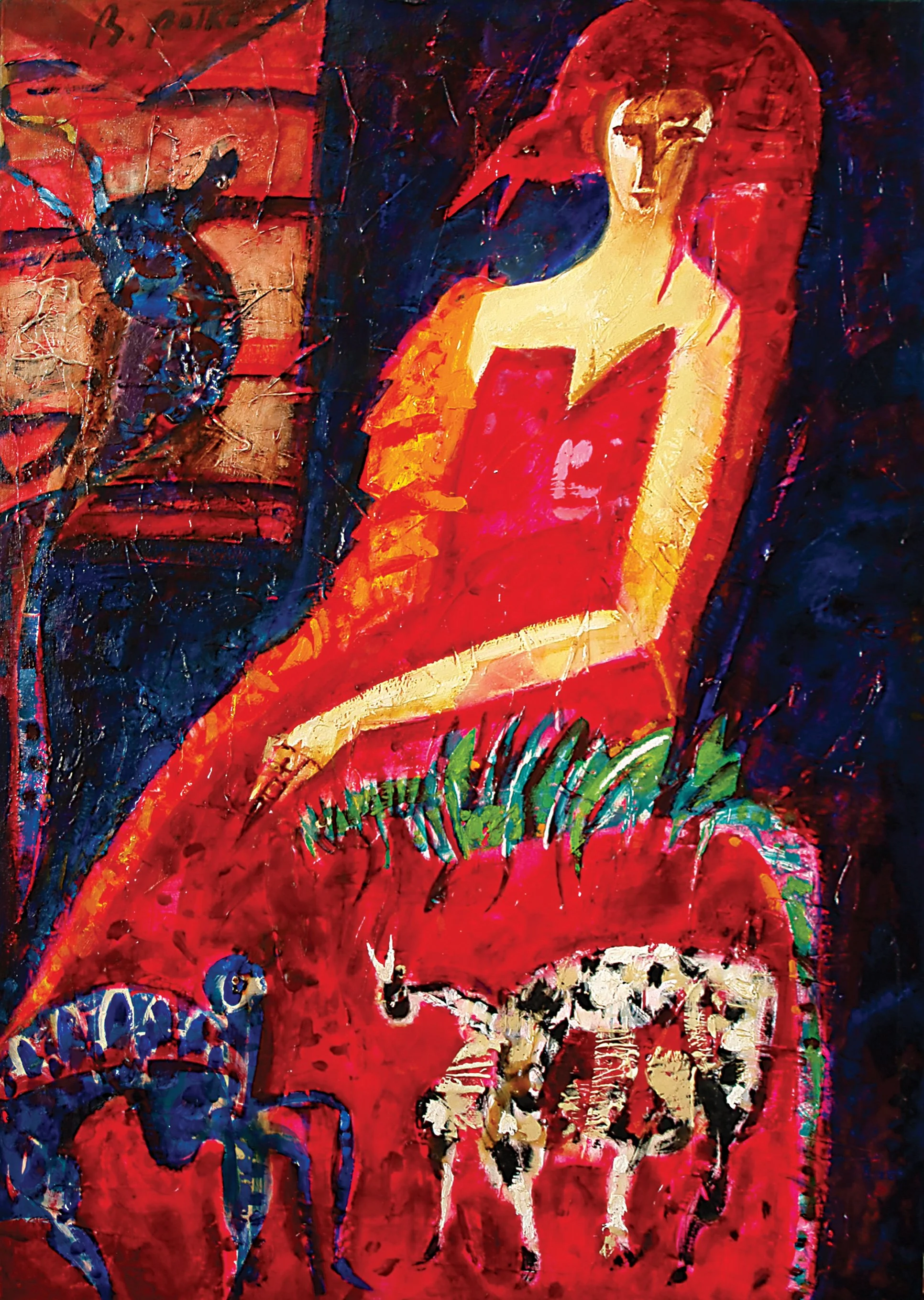
FOBIOSA, 2009, oil and own tech. on canvas, 140x100cm
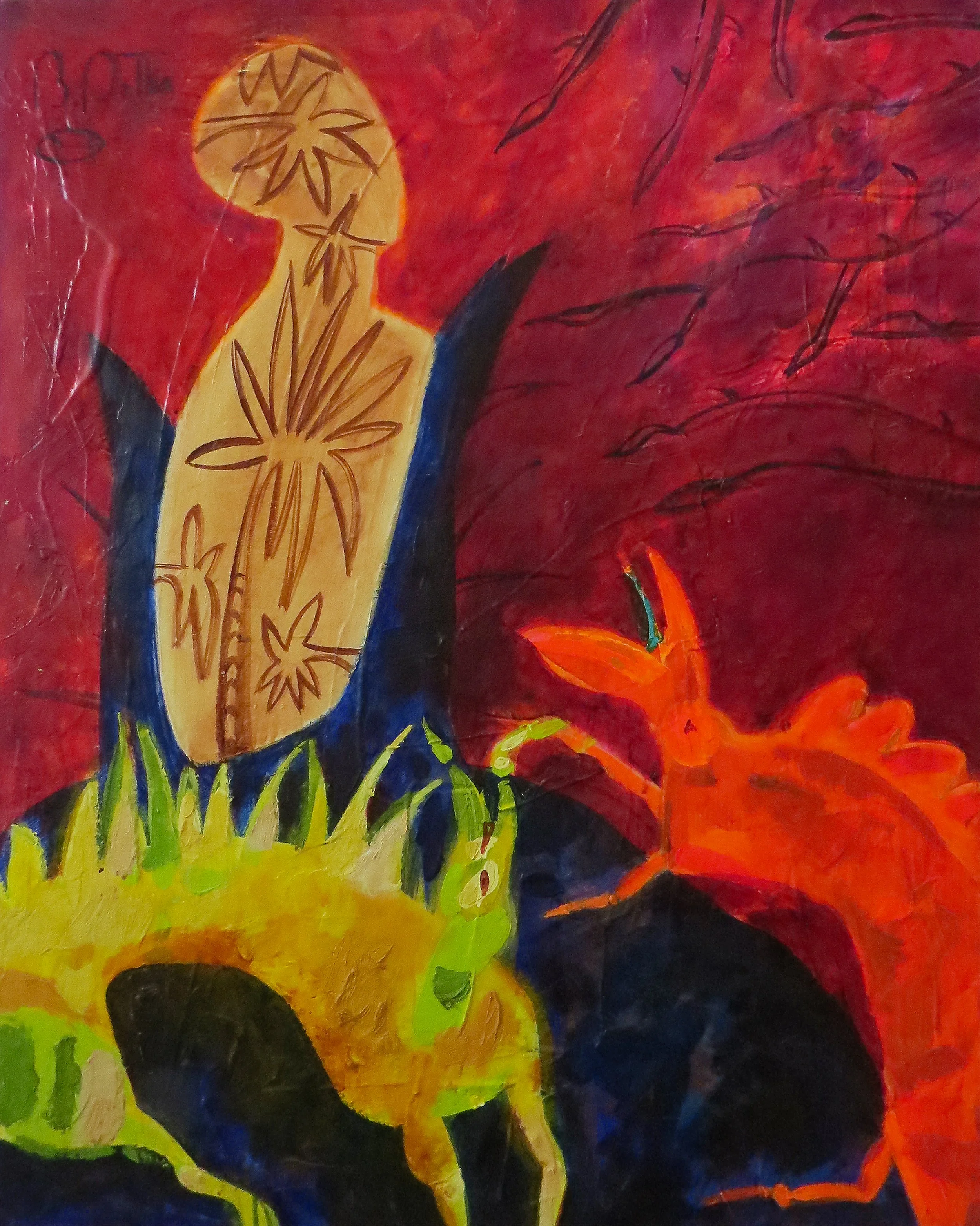
FOBIOTURES, 2010, oil and own tech. on canvas, 100x80cm
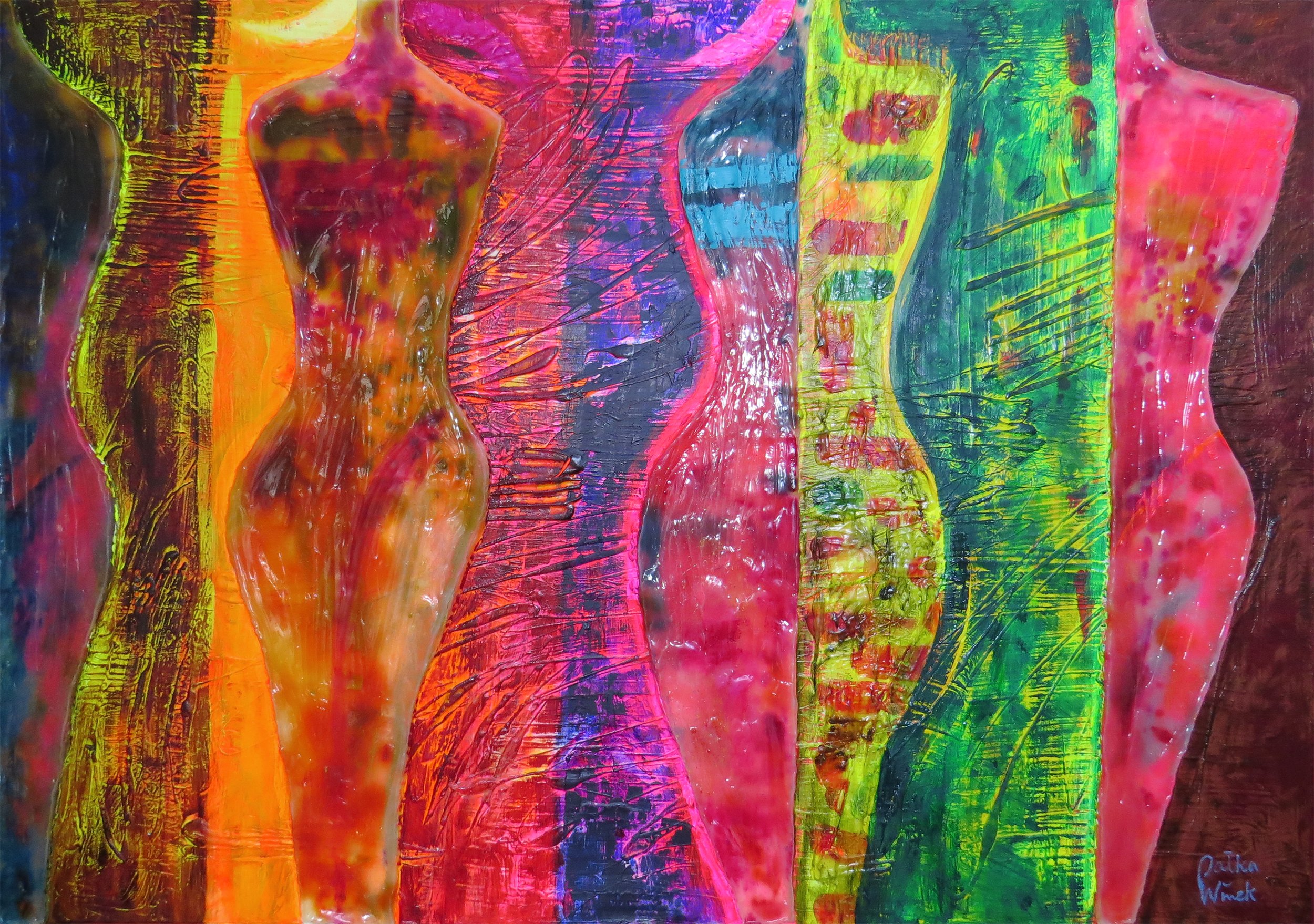
SCREENS, 2026, oil and own tech. on cavas, 140x200cm
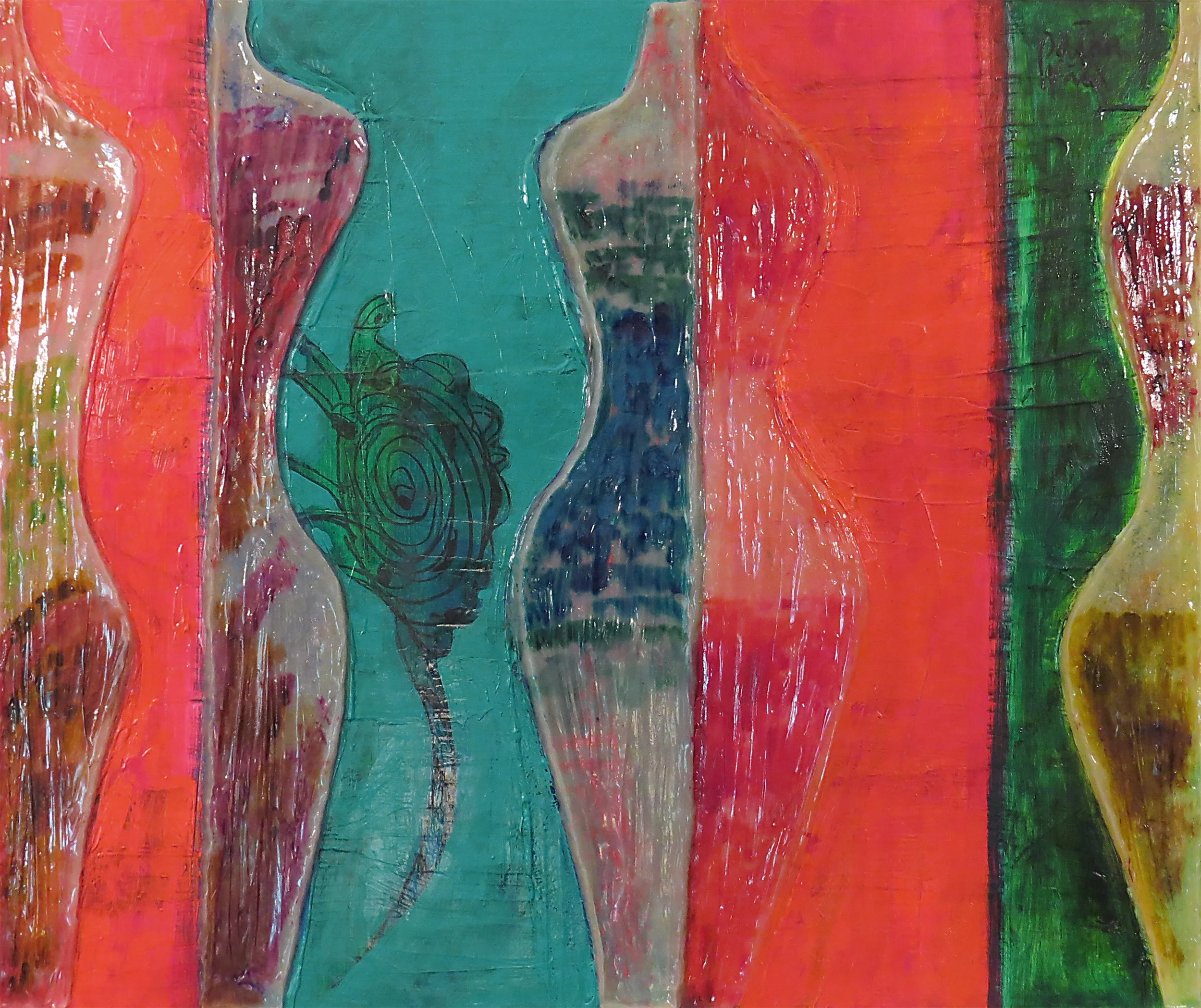
SCREENS CCCI, 2022, oil and own tech. on canvas, 100x120cmSCREENS CX
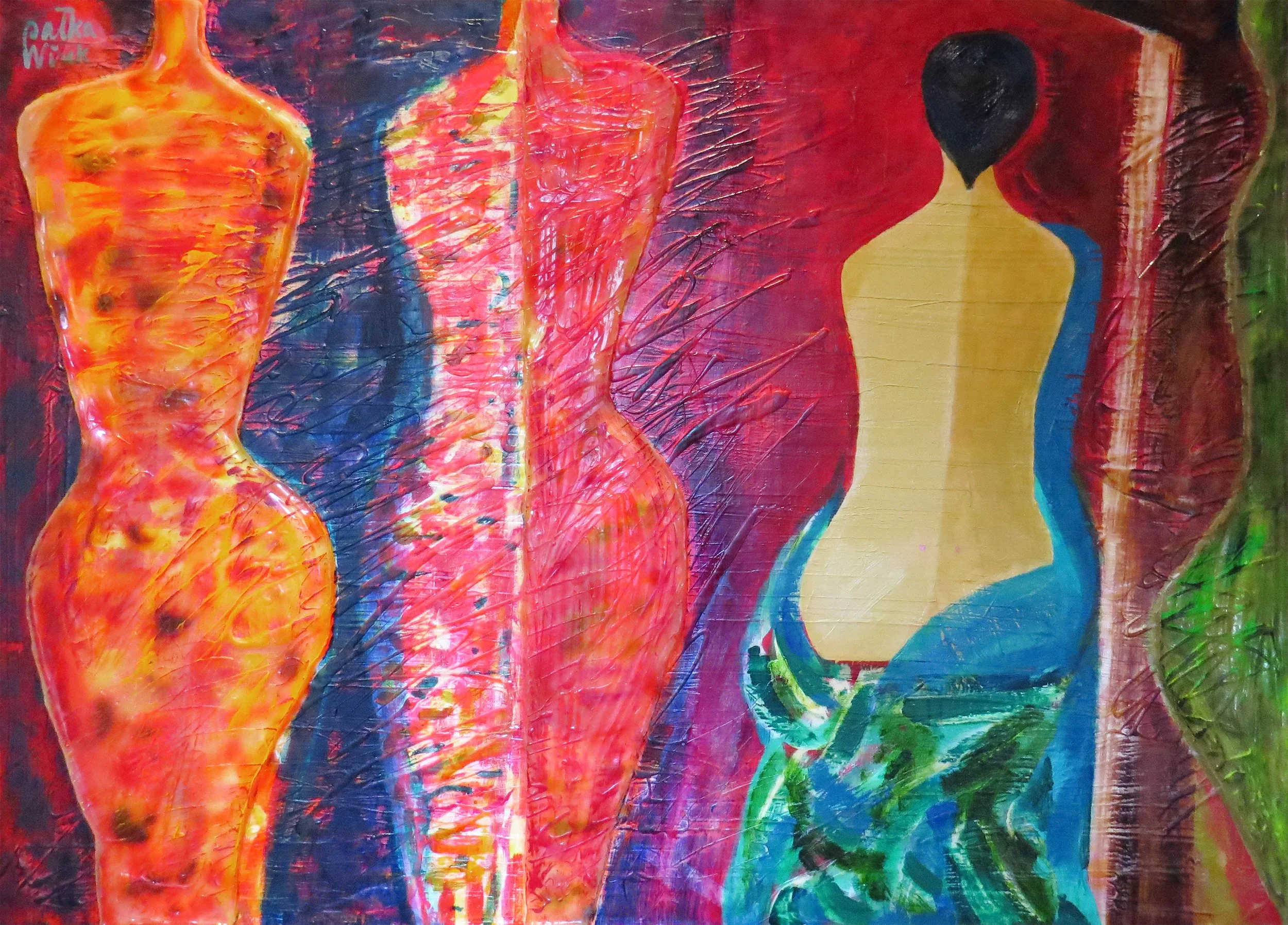
SCREENS CX, 2026, oil and own tech. on canvas, 100x140cm
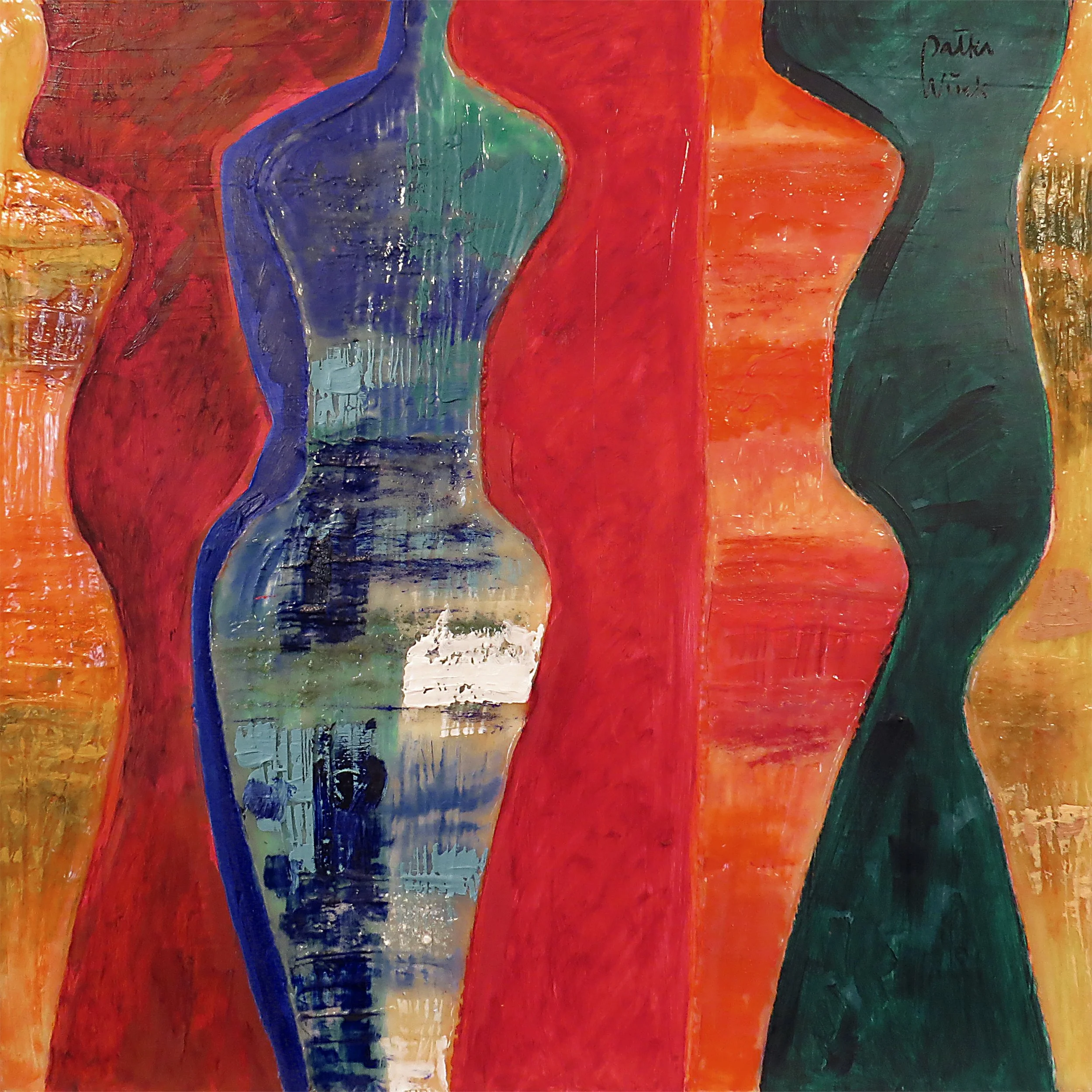
SCREENS XXV, 2022, oil and own tech. on canvas,120x120cm
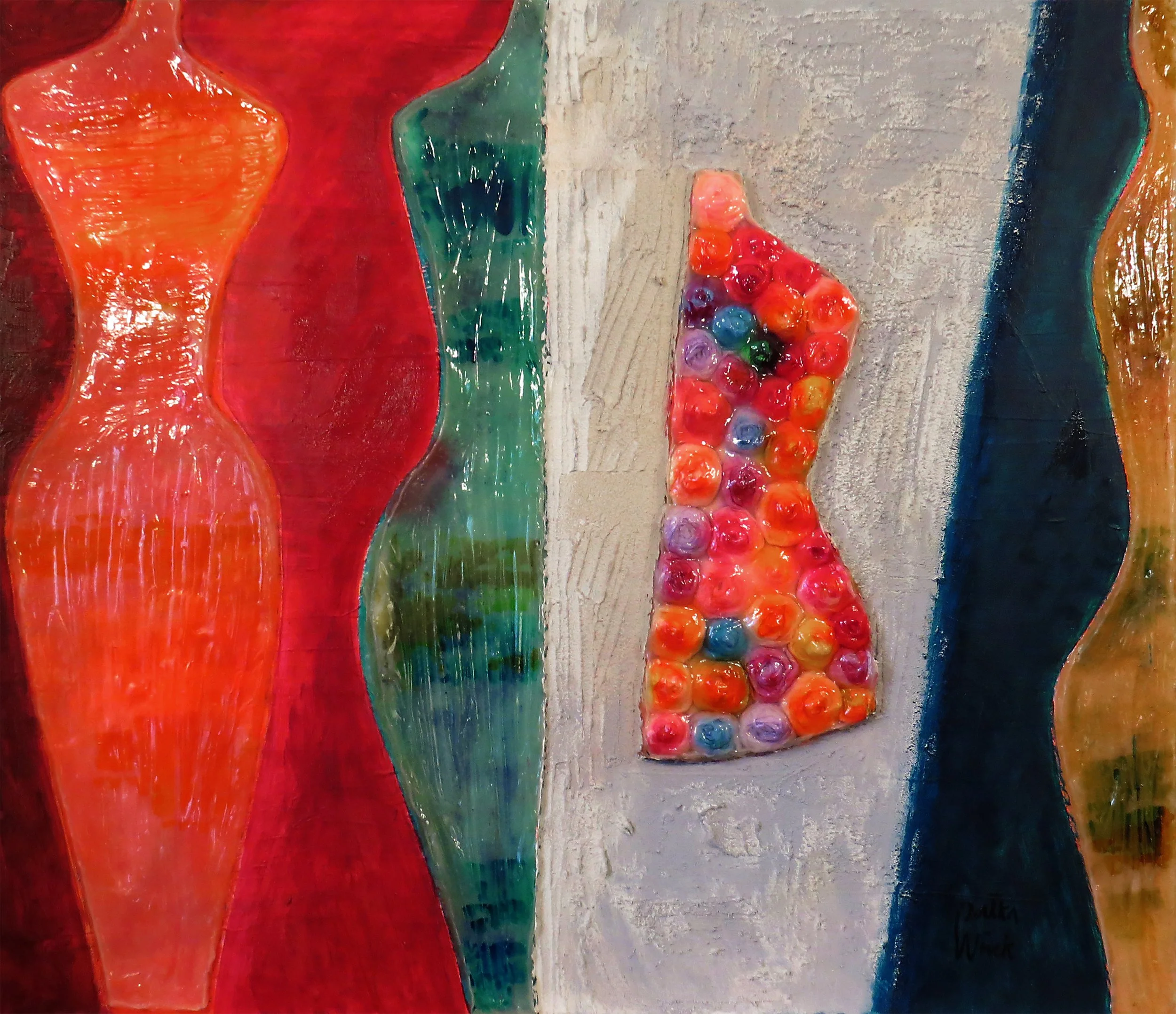
SCREENS XXX, 2022, oil and own tech. on canvas, 120x140cm
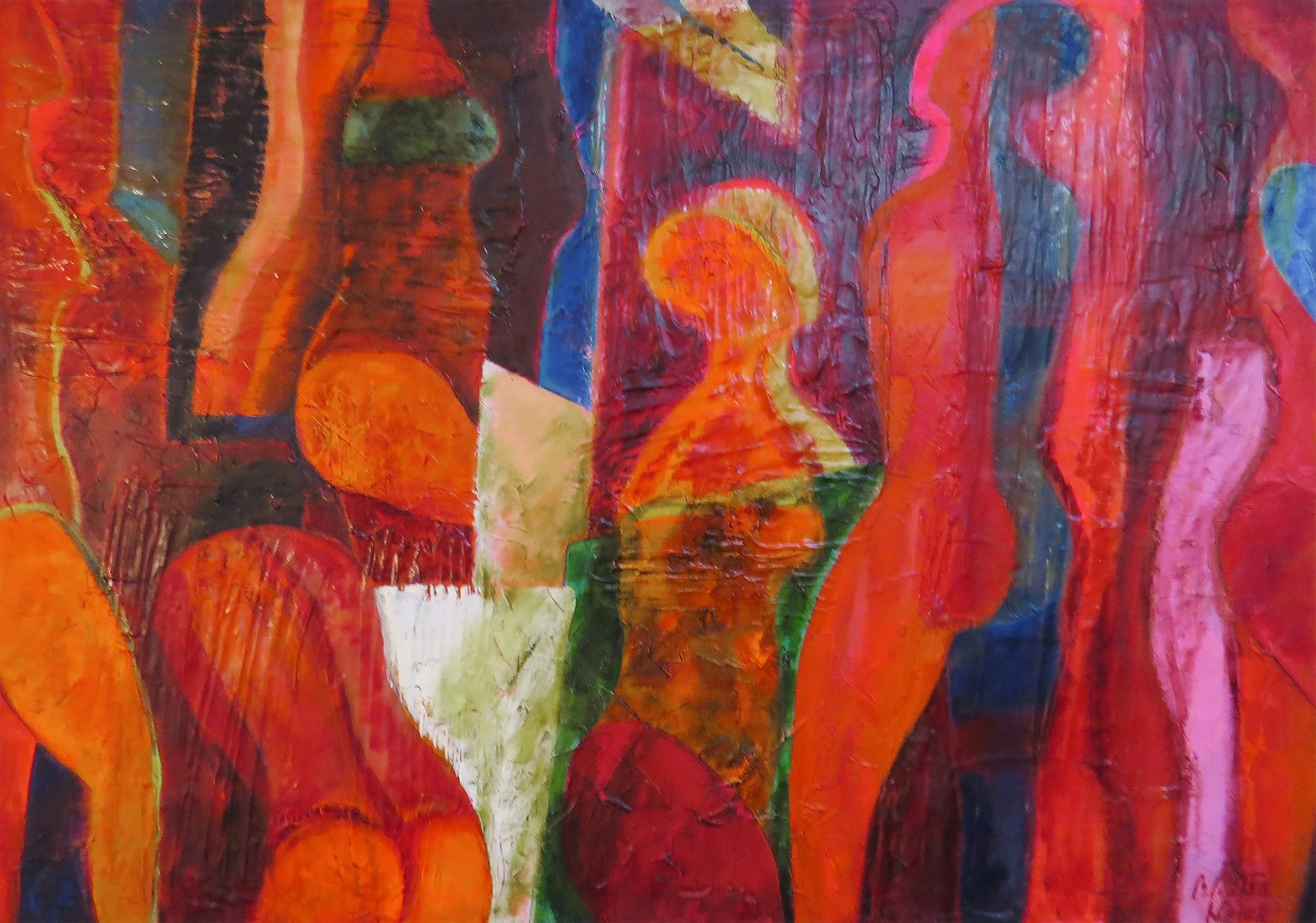
SOMA AND PSYCHE, 2020, oil and own tech. on canvas, 140x200cm