Orna Feinstein: Expanding the Language of Printmaking Through Sculpture, Material Innovation, and Global Exploration

Orna Feinstein: Expanding the Language of Printmaking Through Sculpture, Material Innovation, and Global Exploration
In an art world increasingly defined by interdisciplinary practices, few artists have challenged the traditional boundaries of printmaking as consistently and successfully as Orna Feinstein. Over the course of a career spanning more than two decades, the Houston-based artist has developed a distinctive visual language that merges printmaking, sculpture, installation, and painting into a singular body of work rooted in the structures of the natural world.
Internationally recognized for her innovative approach to monoprinting and three-dimensional works, Feinstein has established herself as a leading voice in contemporary printmaking. Her practice examines the intersection of organic growth, geometric order, and material experimentation, resulting in works that invite viewers to reconsider the relationship between surface, space, and perception.
Educated as both a sculptor and printmaker, Feinstein earned a Bachelor of Fine Arts in Sculpture from the University of Houston and later completed a diploma in Printmaking at the Glassell School of Art. This dual foundation would become central to her artistic evolution. Rather than viewing printmaking and sculpture as separate disciplines, Feinstein has spent years dissolving the boundaries between them, creating works that occupy a territory somewhere between image and object.
At the core of her practice is a fascination with the hidden geometries embedded within nature. Tree rings, cellular structures, botanical forms, and organic growth patterns serve as recurring points of departure. Feinstein explores these systems not as literal representations but as visual frameworks through which broader questions of transformation, time, and perception can be examined.
Her investigation into printmaking processes led to one of her most significant contributions to the medium: the development of highly layered three-dimensional monoprints that extend beyond the traditional flat picture plane. Through the use of unconventional materials including fabric, plastics, Plexiglas, threads, and mixed media components, Feinstein transforms printed imagery into sculptural constructions that generate physical depth and the illusion of optical movement.
These works challenge long-held assumptions about printmaking as a primarily two-dimensional discipline. Layers shift and interact, creating dynamic visual experiences that appear to move as viewers change their position. The resulting compositions occupy a compelling space between precision and spontaneity, where carefully developed techniques coexist with chance occurrences generated through experimentation.
Material exploration remains fundamental to Feinstein's creative process. Her willingness to embrace non-traditional surfaces and processes introduces an element of unpredictability into the work, allowing intuition and serendipity to play a meaningful role in the final outcome. In recent years, this investigation has expanded further through the incorporation of concrete, paint, and textile elements, producing works that blur distinctions between sculpture, painting, and print.
This commitment to innovation has earned Feinstein substantial institutional recognition. Her work has been presented in numerous solo and group exhibitions throughout the United States and internationally, appearing in galleries, art centers, and museums across multiple continents. A major retrospective, Now and Zen: Fifteen Years of Contemporary Printmaking, toured several Texas museums between 2014 and 2015, offering a comprehensive survey of her evolving practice and affirming her position within the contemporary printmaking landscape.
Today, Feinstein's work is represented in significant public and private collections worldwide. Corporate collectors including Microsoft, Hilton USA, Fidelity, and Kendra Scott have acquired her works, while museums in Taiwan, Portugal, Denmark, and throughout Texas hold examples of her practice. Particularly noteworthy is the presence of eight artworks in the permanent collection of the Museum of Fine Arts, Houston, a distinction that reflects both the consistency and significance of her artistic contributions.
Her institutional visibility continues to expand. In 2025, A drawing by Feinstein was exhibited alongside works by influential figures such as Brice Marden, Sol LeWitt, and Gego at the Museum of Fine Arts, Houston, while one of her sculptures was on view at the Museum of Biblical Art in Dallas." Currently, a monoprint by Feinstein is included in the exhibition Line into Space at the Museum of Fine Arts, Houston.
Beyond exhibitions and collections, Feinstein has also contributed to the documentation and scholarship surrounding her work. In 2018 she published Treetopia, a substantial volume celebrating two decades of artistic exploration centered on the motif of the tree trunk. The publication features extensive imagery from the series and includes a comprehensive essay by Dena M. Woodall, Associate Curator of Prints and Drawings at the Museum of Fine Arts, Houston. The book offers valuable insight into the conceptual and technical development of one of the artist's most enduring themes.
In recent years, Feinstein's practice has taken on an increasingly global dimension. A lifelong traveler, she has consistently drawn inspiration from diverse environments and landscapes. This spirit of exploration reached a remarkable milestone in 2023 when she undertook artistic expeditions to both Antarctica and the North Pole. Creating work on location in some of the planet's most remote environments, Feinstein subsequently exhibited the resulting artworks at both poles, becoming the first artist known to have accomplished such a feat.
The project, Pole to Pole, attracted significant attention for its combination of artistic ambition, environmental engagement, and logistical complexity. It also reinforced a recurring theme within Feinstein's career: a willingness to push beyond established limits, whether technical, geographical, or conceptual.
For collectors and institutions, Feinstein's work occupies a compelling position within the contemporary art market. Her practice bridges multiple collecting categories, including contemporary printmaking, sculpture, mixed media, and installation. At a time when interdisciplinary approaches increasingly define museum programming and collector interest, her work offers both historical depth and continued relevance.
What distinguishes Feinstein most clearly is her sustained commitment to reinvention. While many artists spend decades refining a single visual formula, she has consistently expanded her vocabulary through experimentation with materials, processes, and formats. Yet despite this evolution, her work remains anchored by a recognizable intellectual framework: an enduring fascination with the unseen structures that shape the natural world.
As contemporary art continues to embrace cross-disciplinary practices, Orna Feinstein stands as a compelling example of how traditional mediums can be transformed through innovation, curiosity, and technical mastery. Her work demonstrates that printmaking, far from being a fixed historical discipline, remains a fertile field for exploration, capable of generating new forms, new experiences, and new ways of seeing.
www.ornafeinstein.com
Instagram @ornafeinstein
Reeves Gallery, Houston
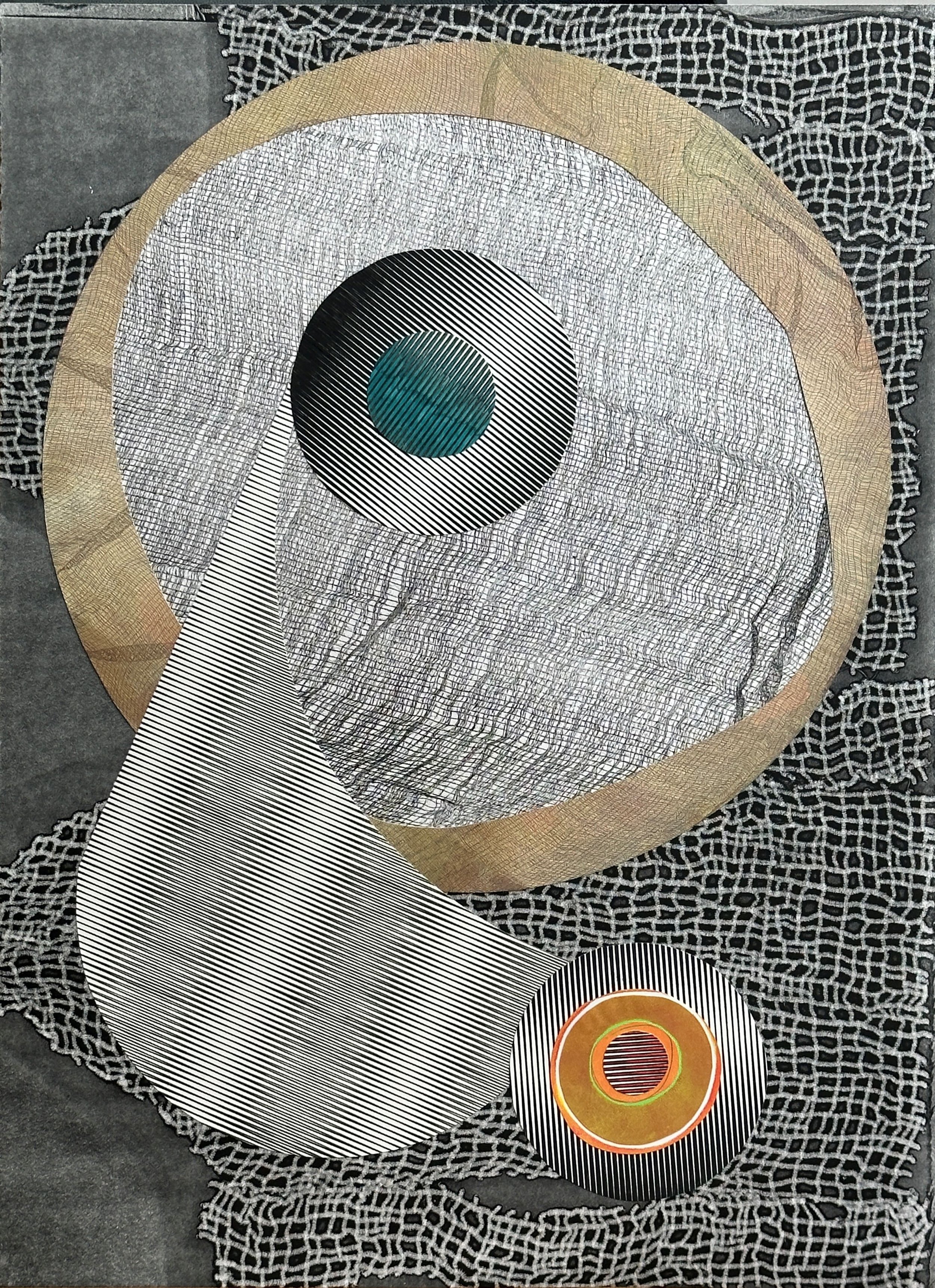
Dendriform #39 2024
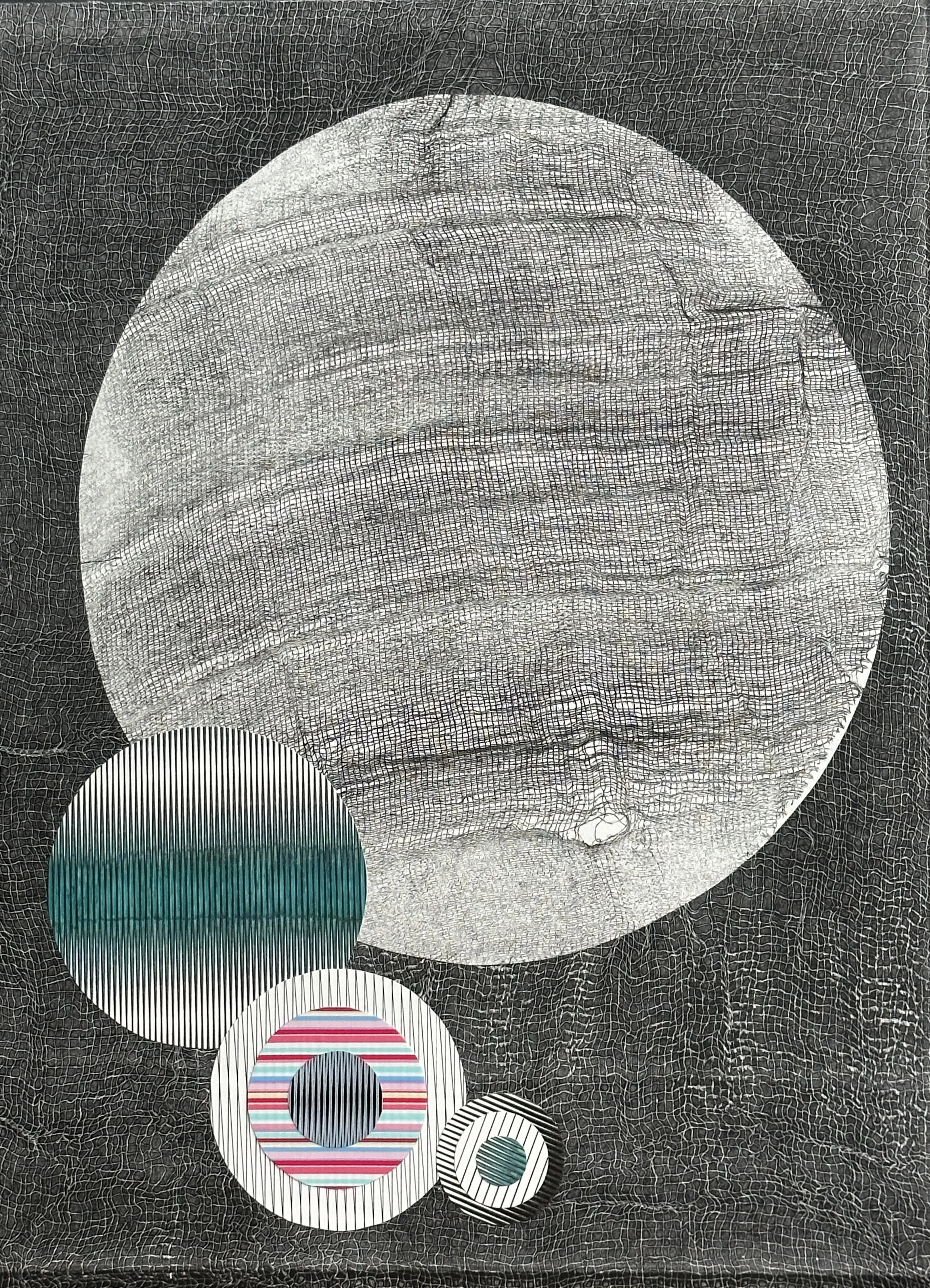
Dendriform #38 2024
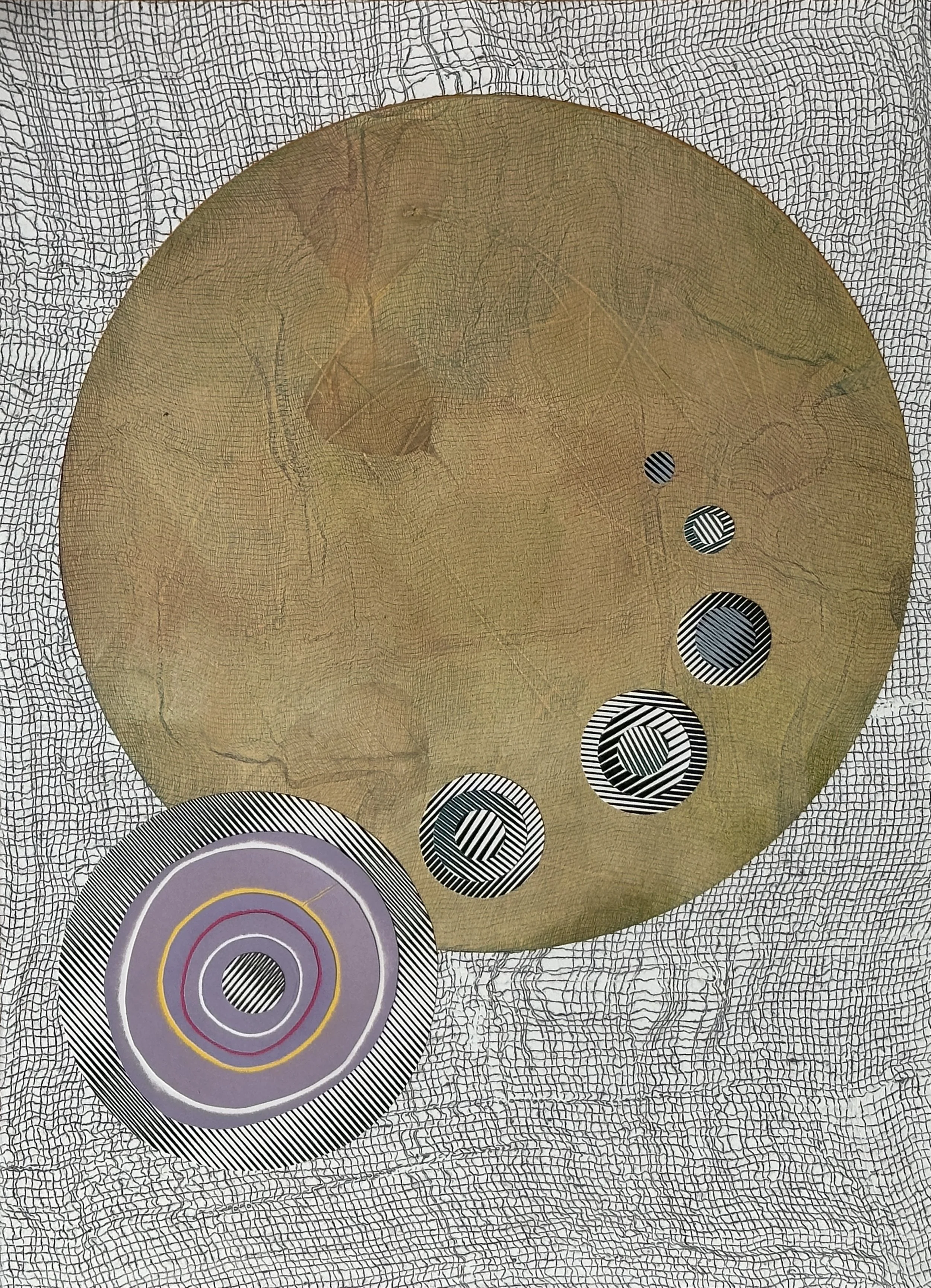
Dendriform #40 2024
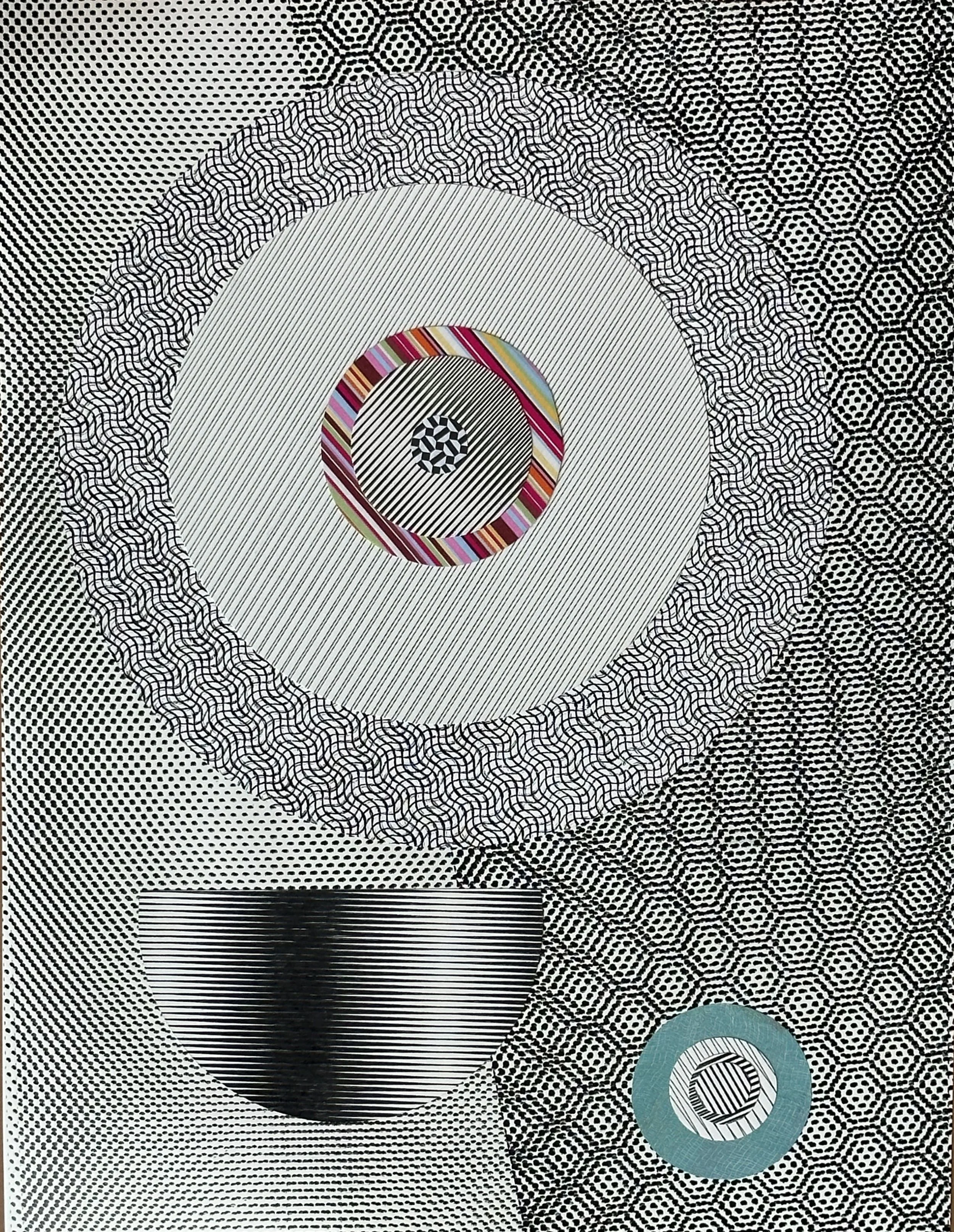
Dendriform #41 2024
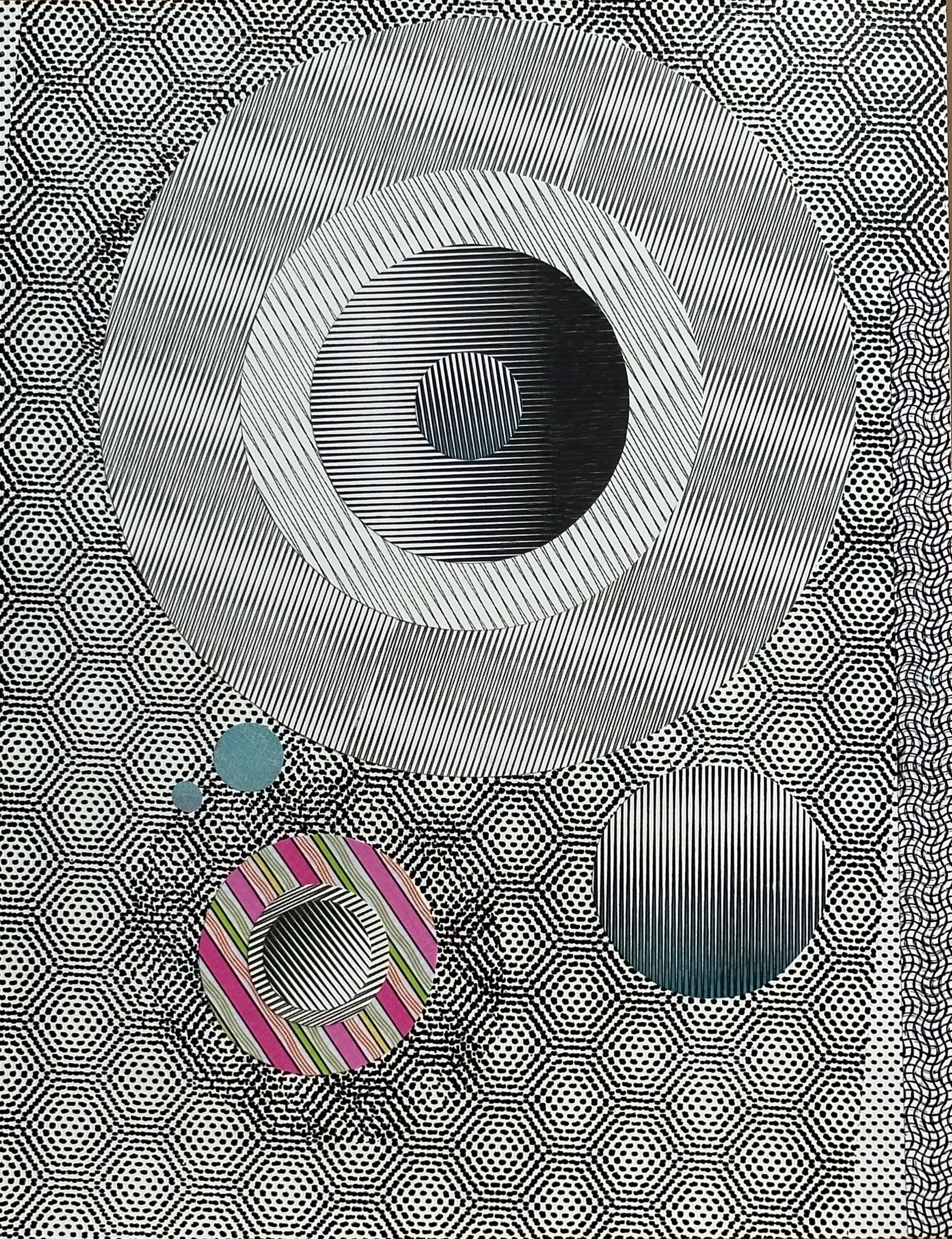
Dendriform #42 2024
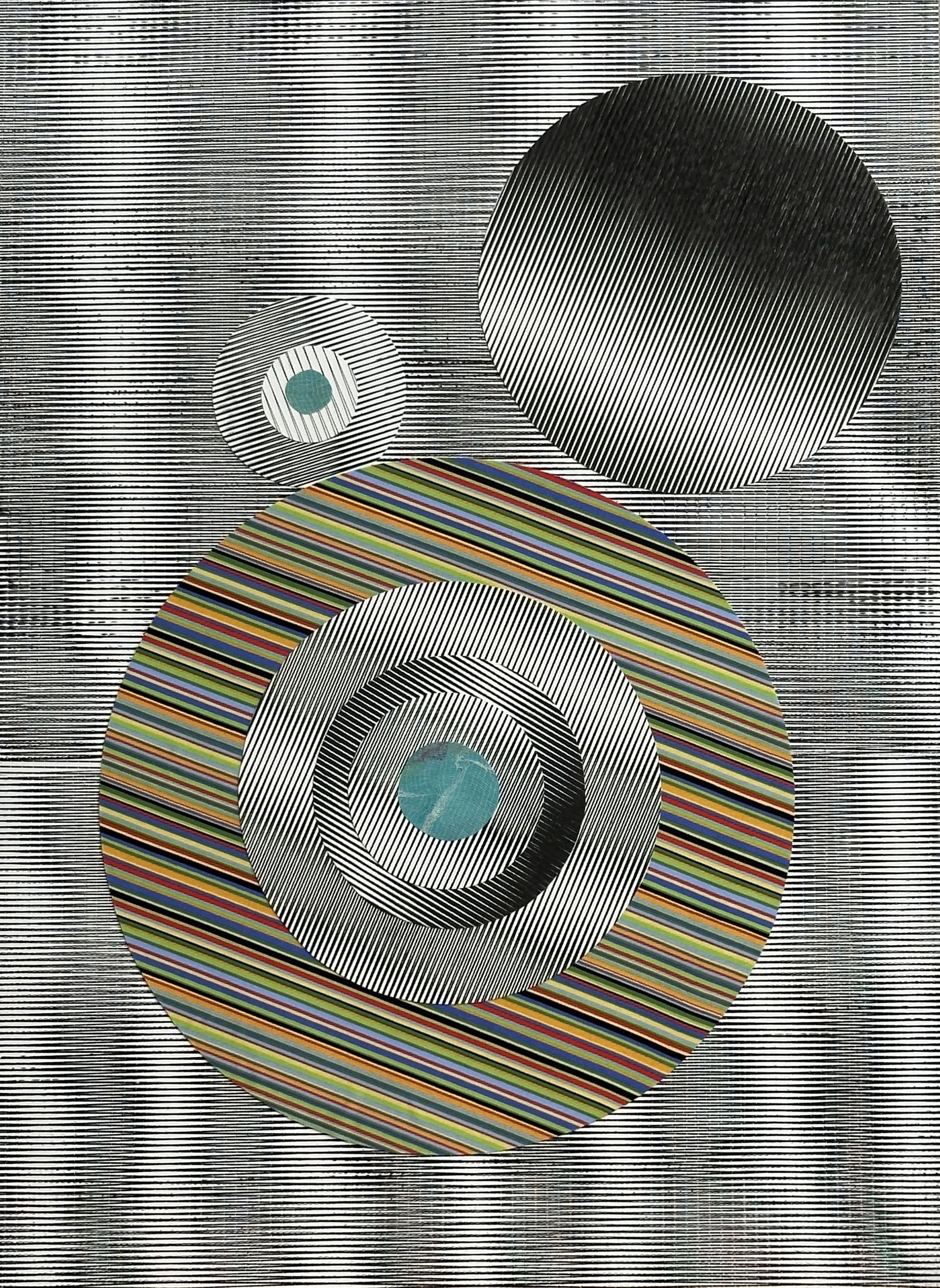
Dendriform #43 2024
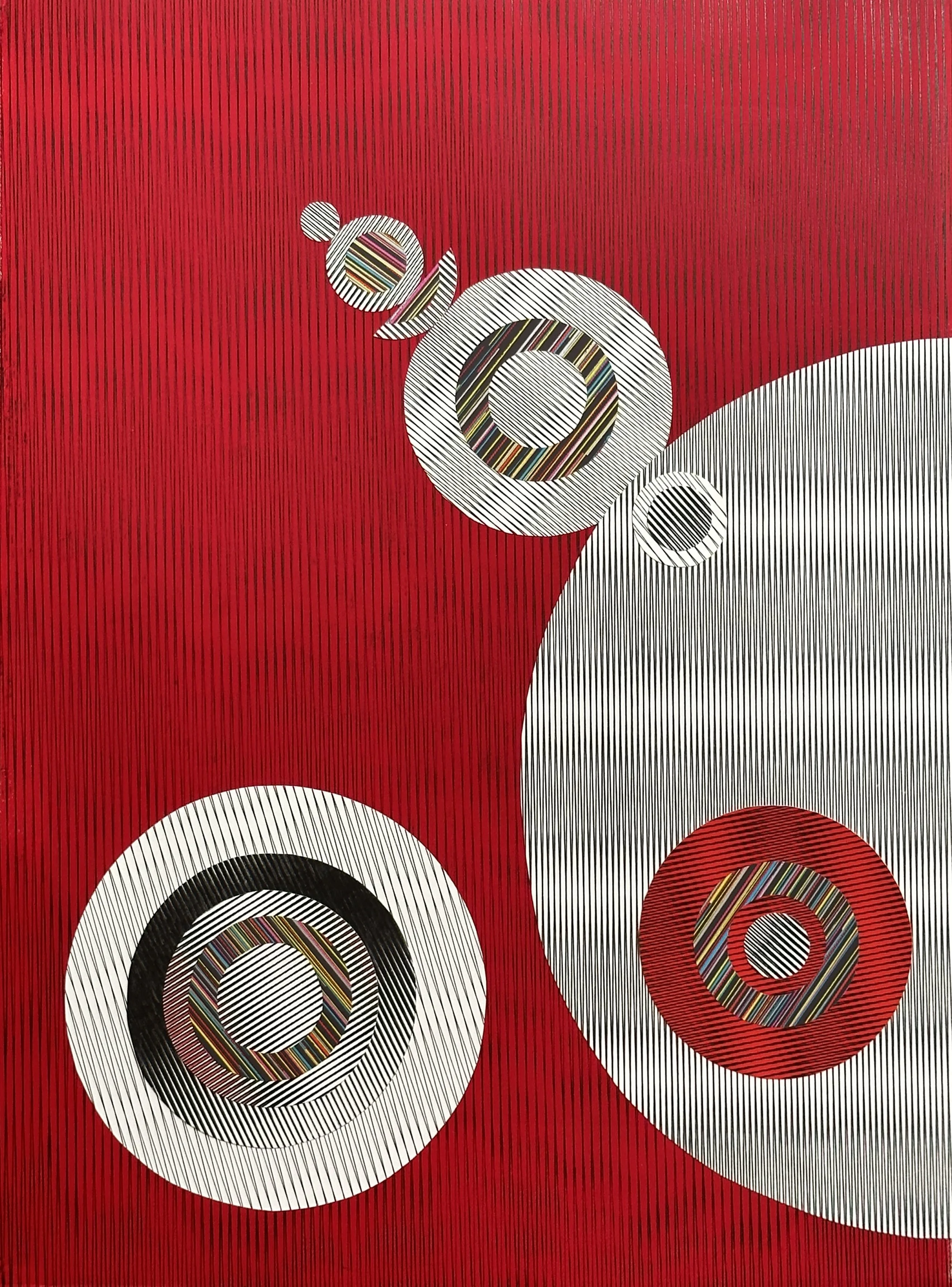
Dendriform #37 2024
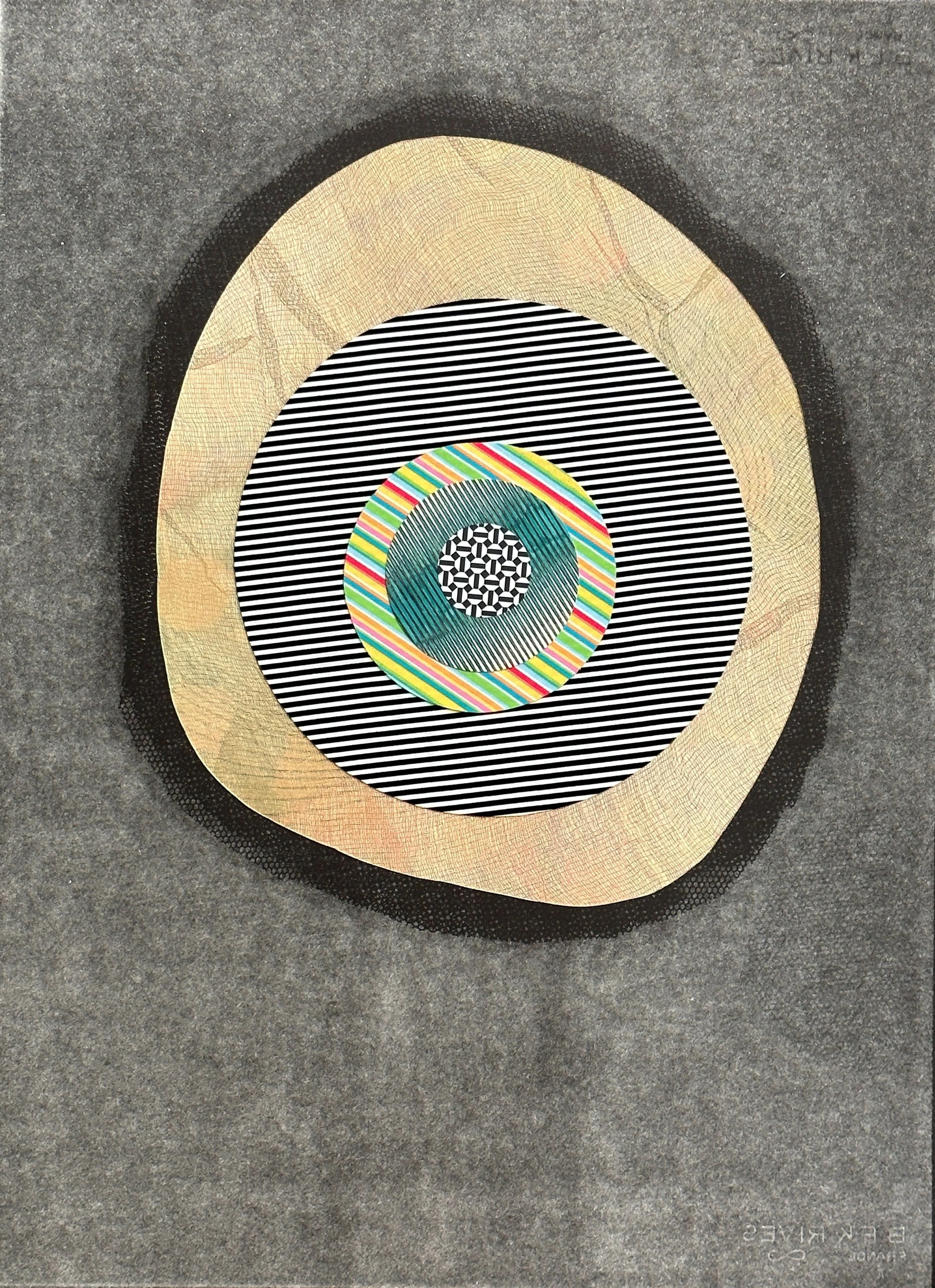
Dendriform #35
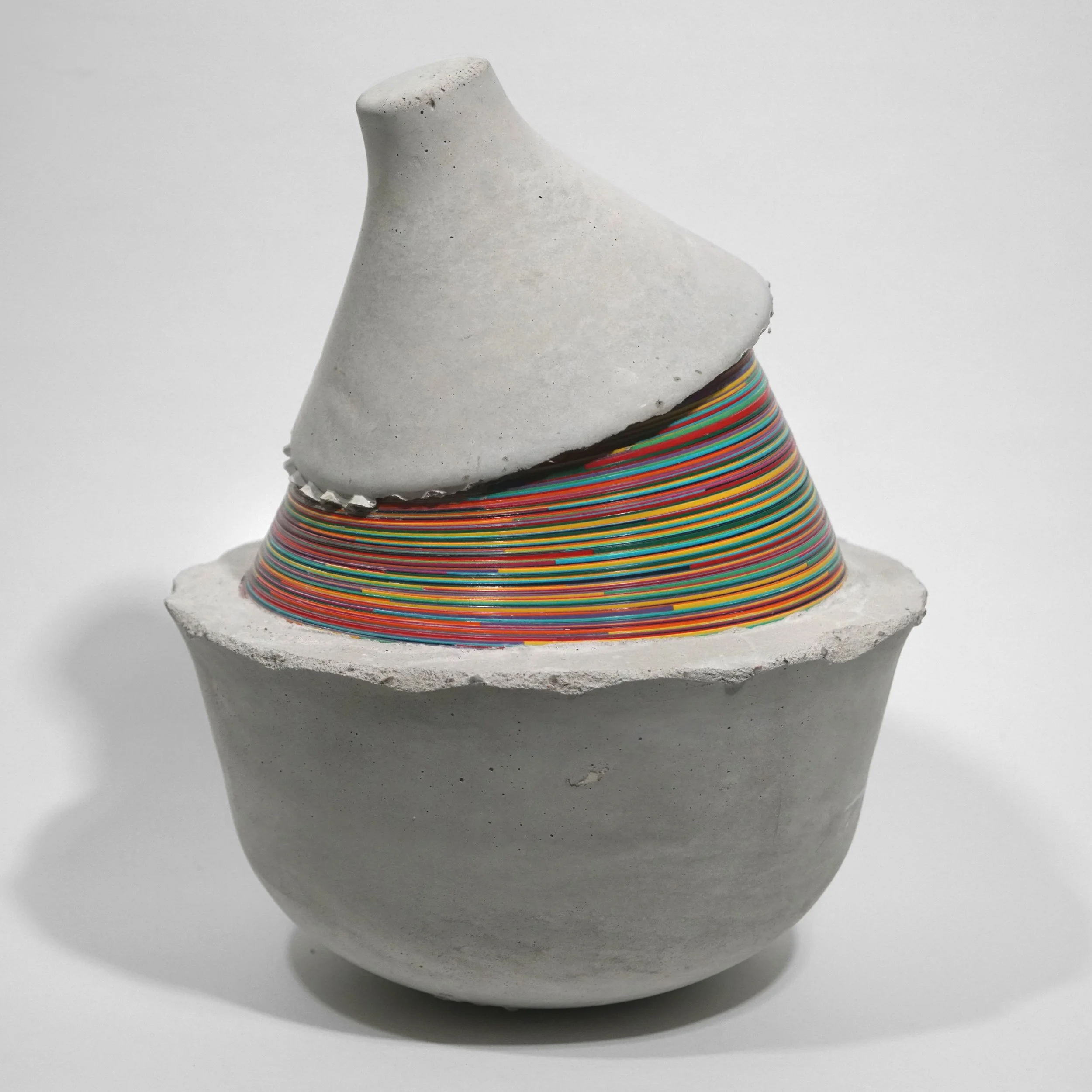
Bio Morph #1 2021
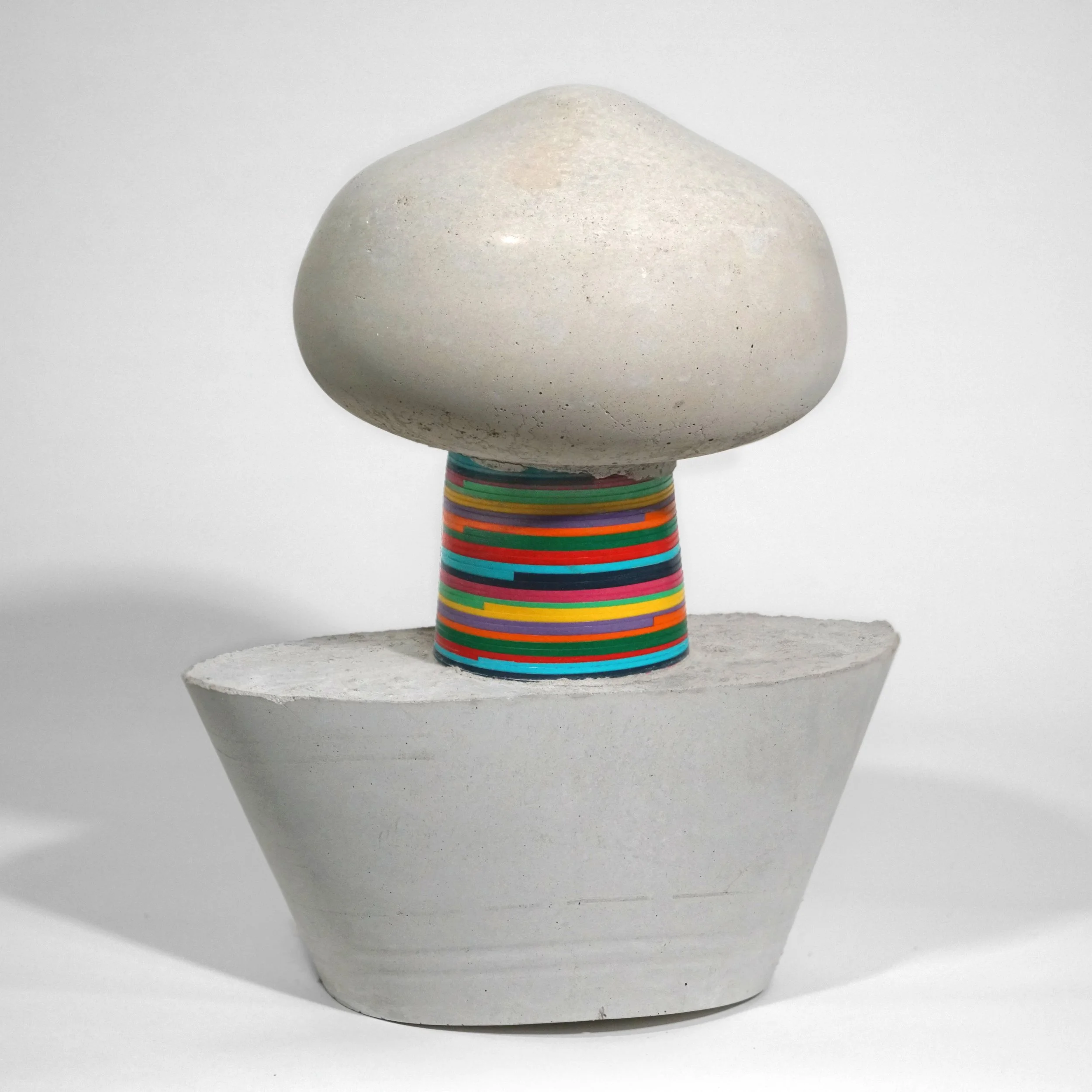
Bio Morph #2 2021