Raúl Vega: From Editorial Authority to Expansive Photographic Abstraction
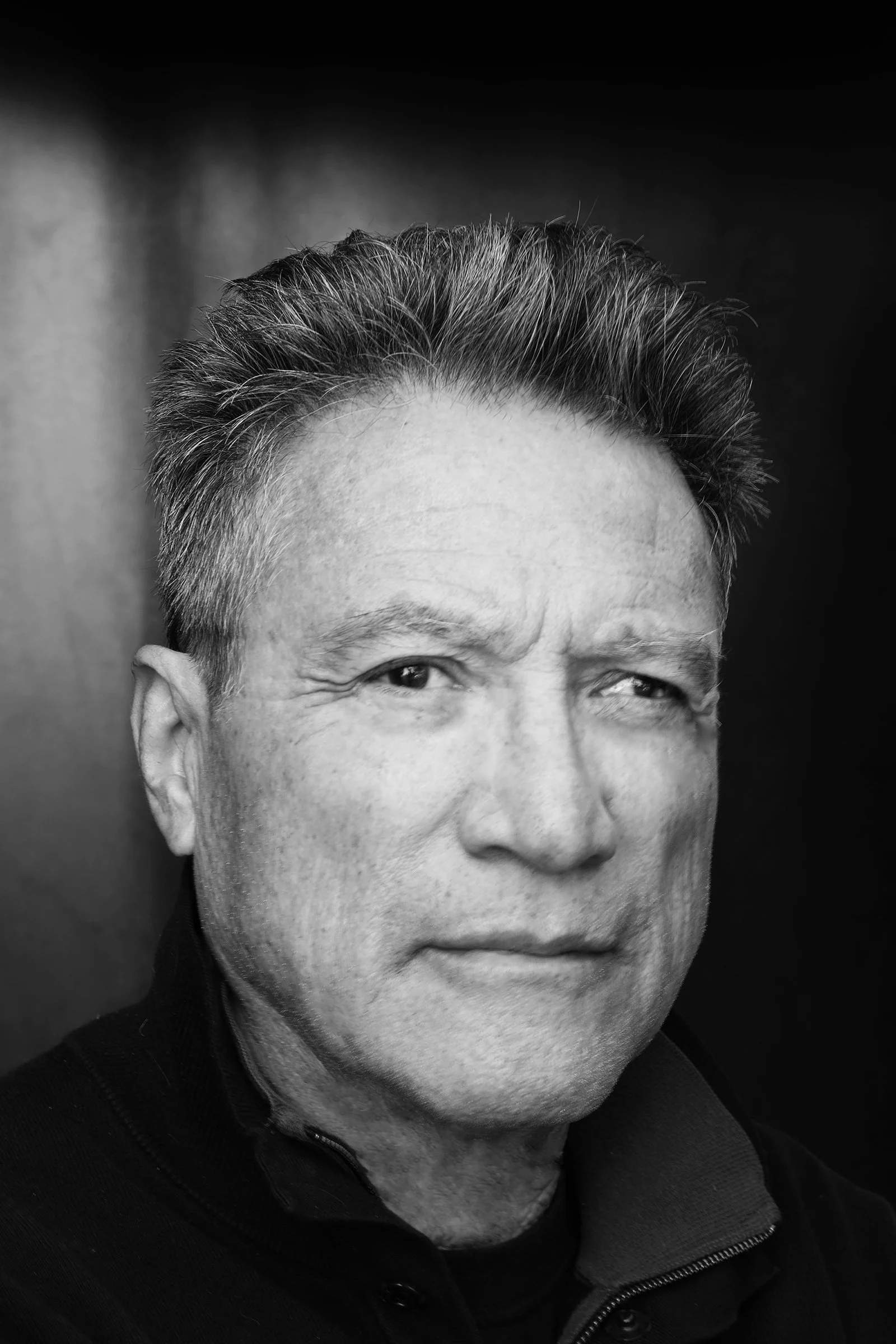
Raúl Vega: From Editorial Authority to Expansive Photographic Abstraction
Raúl Vega’s trajectory from architectural training to internationally exhibited photographer reflects a disciplined yet exploratory approach that continues to evolve within today’s art market. Educated at California Polytechnic State University and the University of Florence, Vega’s early immersion in structure, form, and spatial logic remains embedded in his visual language, even as his practice has shifted decisively toward abstraction.
Following his academic formation, Vega rapidly established himself within the editorial sphere, producing images that defined an era of magazine photography. His work has appeared prominently, often as cover imagery, in leading publications including Time, Esquire, The New Yorker, The New York Times, Vogue, and Vanity Fair. This breadth of publication positioned him within a highly competitive commercial ecosystem, where visual clarity and narrative immediacy are paramount.
Among his most recognized works is his portrait of Carl Sagan, which was selected for inclusion in the exhibition “Forces of Nature: Voices that Shaped Environmentalism” at the National Portrait Gallery. The image not only underscores Vega’s capacity for cultural portraiture but also reflects the institutional validation that often anchors long-term market credibility. His contribution to Time featuring Sagan also earned him a National Publications Design Award, further cementing his editorial legacy.
Vega’s commercial practice extended into music and fashion, where he photographed a wide range of cultural figures including Rod Stewart, David Byrne, Dolly Parton, and Red Hot Chili Peppers. This work contributed to a visual archive of late 20th century celebrity culture while reinforcing his versatility across industries. Campaign and editorial collaborations with brands such as J.Crew further demonstrate his fluency in translating artistic sensibility into commercial contexts.
In parallel with his editorial success, Vega has cultivated a fine art practice that marks a significant conceptual departure. His recent abstract works build upon a foundation of photographic realism but deliberately disrupt it through layered references to architecture, cultural iconography, and material experimentation. The resulting compositions occupy a liminal space between representation and abstraction, reflecting what the artist describes as an engagement with “randomness and chaos” inherent in daily life.
This shift aligns with broader market trends that favor multidisciplinary and process-driven practices, particularly those that challenge the boundaries of photography as a medium. Vega’s work, in this context, appeals to collectors interested in hybrid visual languages that merge technical precision with conceptual openness.
His exhibition history reinforces this positioning. Vega has presented work at the Annenberg Space for Photography and has collaborated as a co-curator with the Leica Gallery, indicating both institutional engagement and curatorial influence. Internationally, his exhibitions in London, Venice, and Paris, including a solo presentation in Paris, signal growing transatlantic visibility.
Recent accolades, such as the Future of Art Global Masterpiece Award and the Voices of Tomorrow award from Contemporary Art Curator Magazine, suggest increasing recognition within contemporary art circuits. While such awards are not definitive market indicators, they contribute to an artist’s momentum, particularly when paired with a strong exhibition record and institutional affiliations.
Vega also maintains an active pedagogical role, teaching through the Los Angeles Department of Cultural Affairs and Otis College of Art and Design. This engagement with education reinforces his position within the cultural ecosystem, extending his influence beyond production into mentorship and discourse.
For collectors and market observers, Vega represents a compelling case of an artist who has successfully navigated commercial prominence while evolving toward a more experimental, fine art-driven practice. His work embodies a dialogue between control and unpredictability, structure and disruption, offering a visual language that resonates with contemporary sensibilities while remaining grounded in technical mastery.
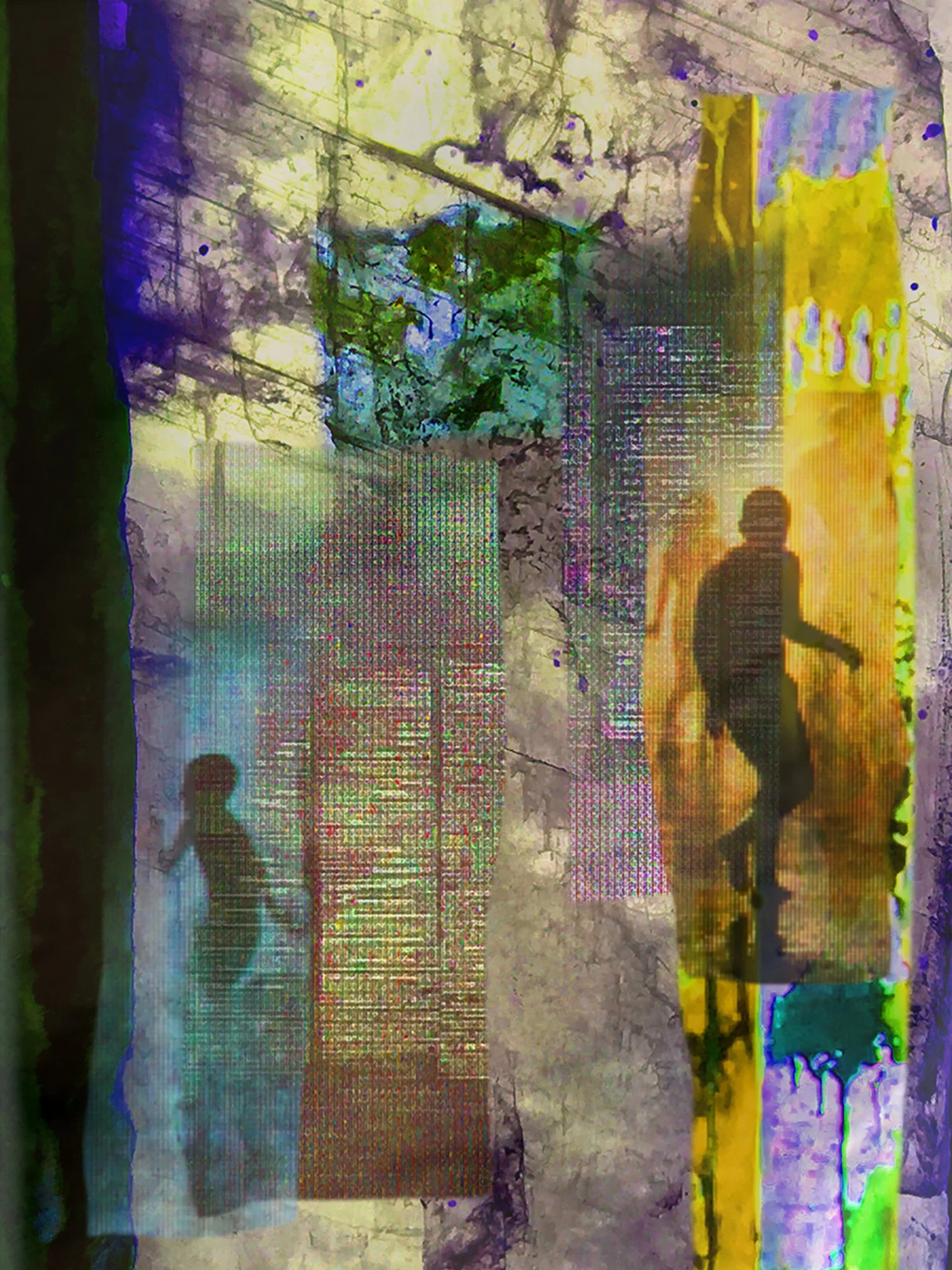
Dancing in the Street 2019
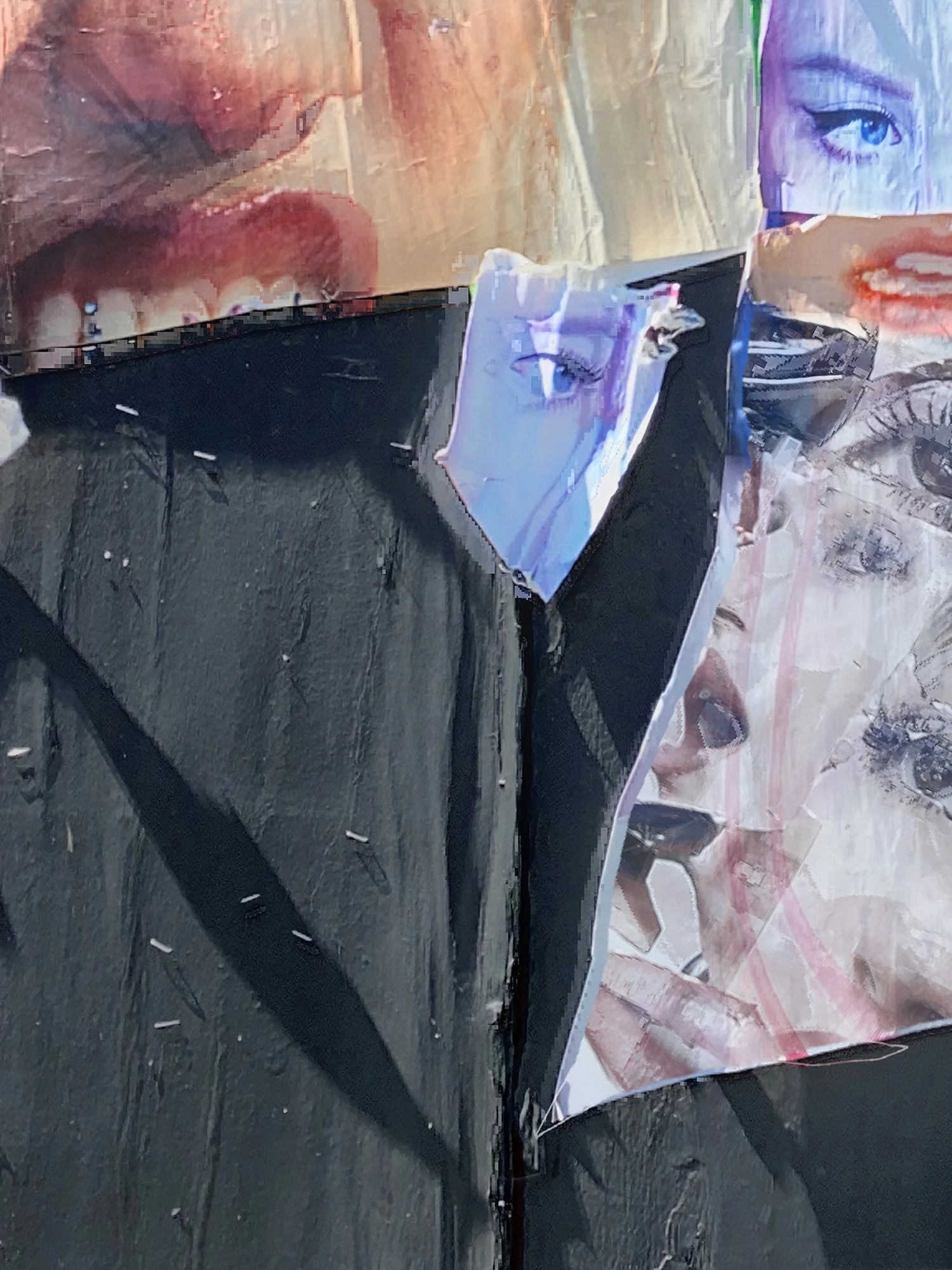
palimpsest 1 2025
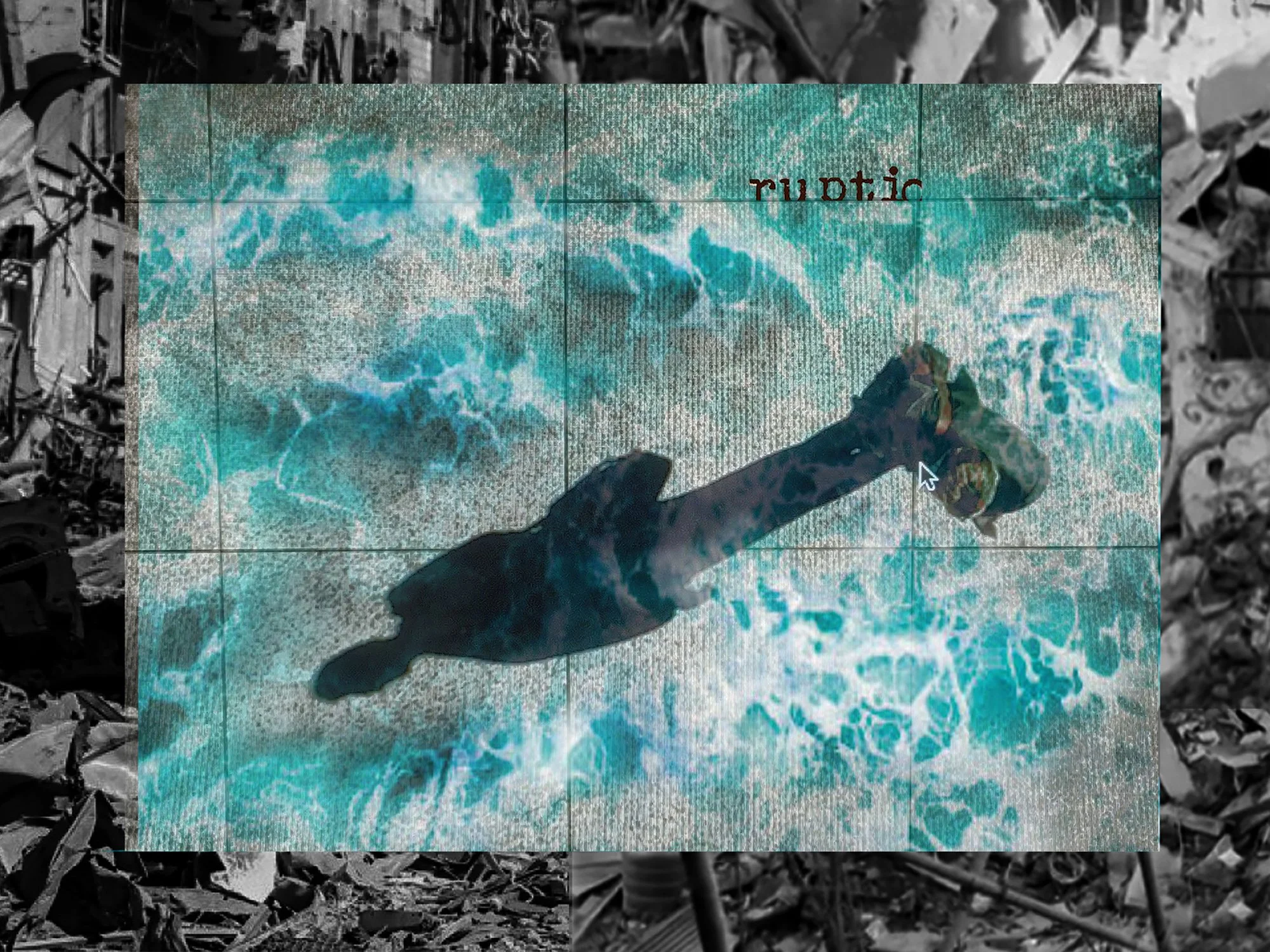
ruptio 2025
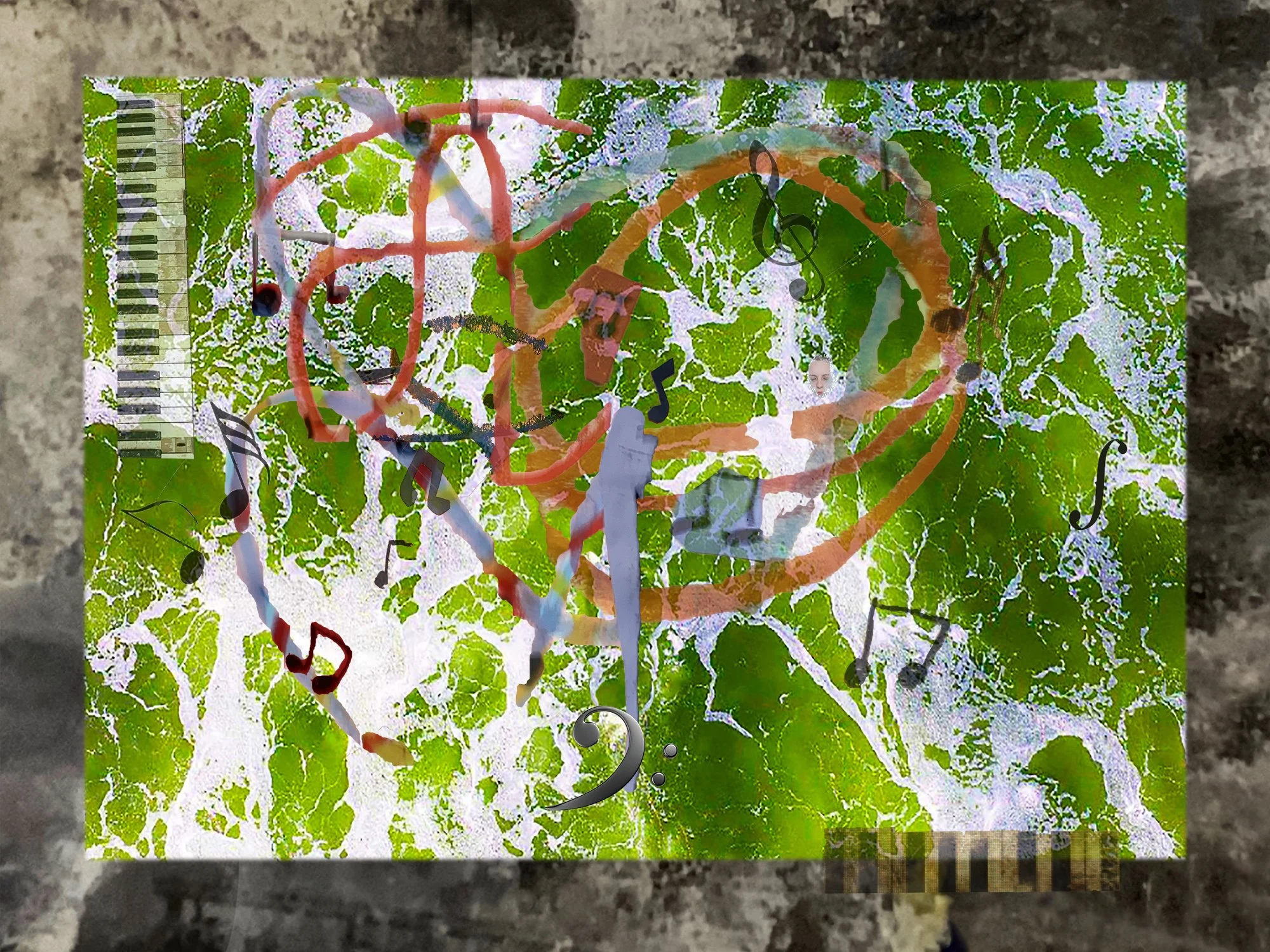
untitled current 2025
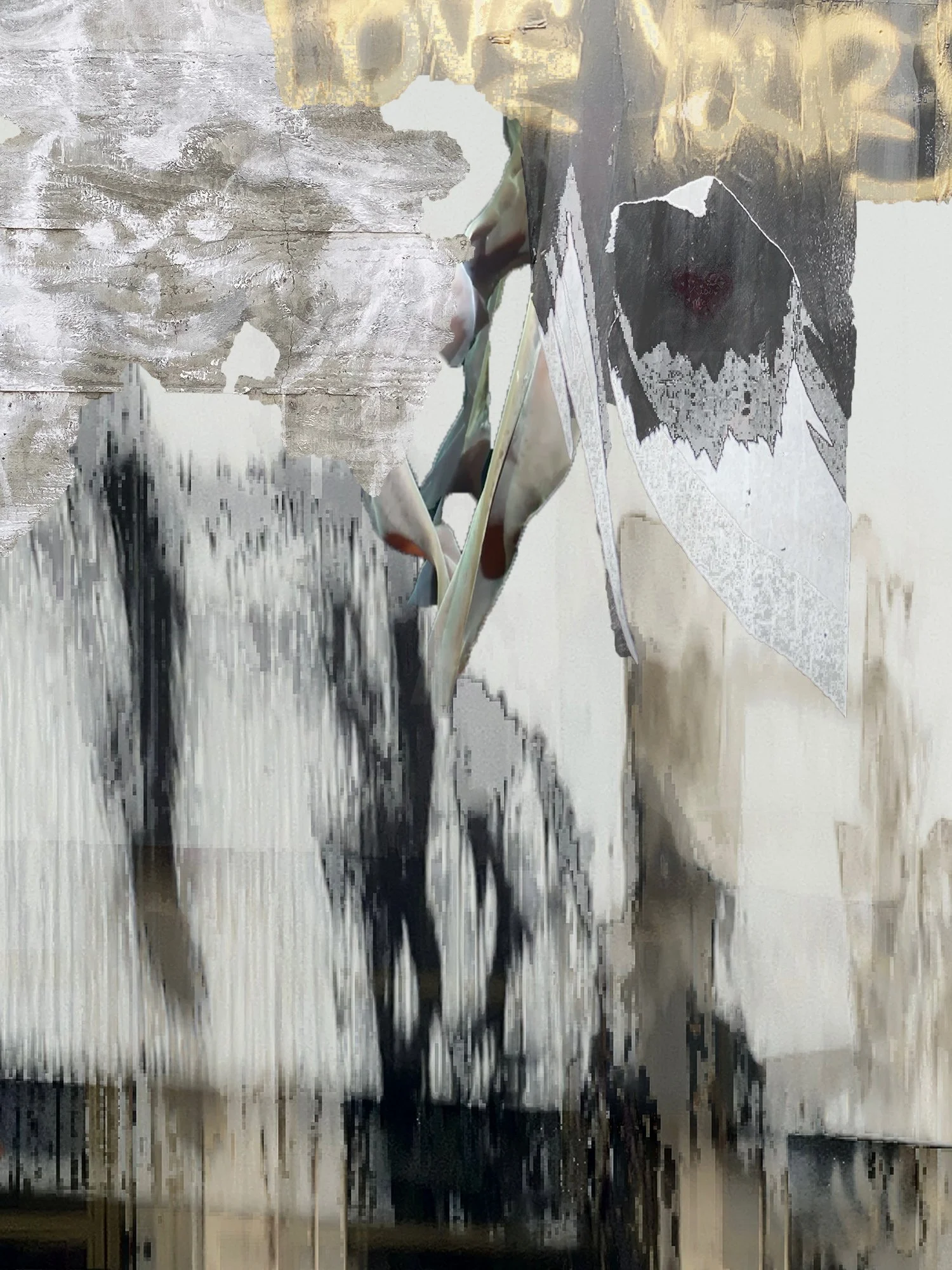
love yours 2026
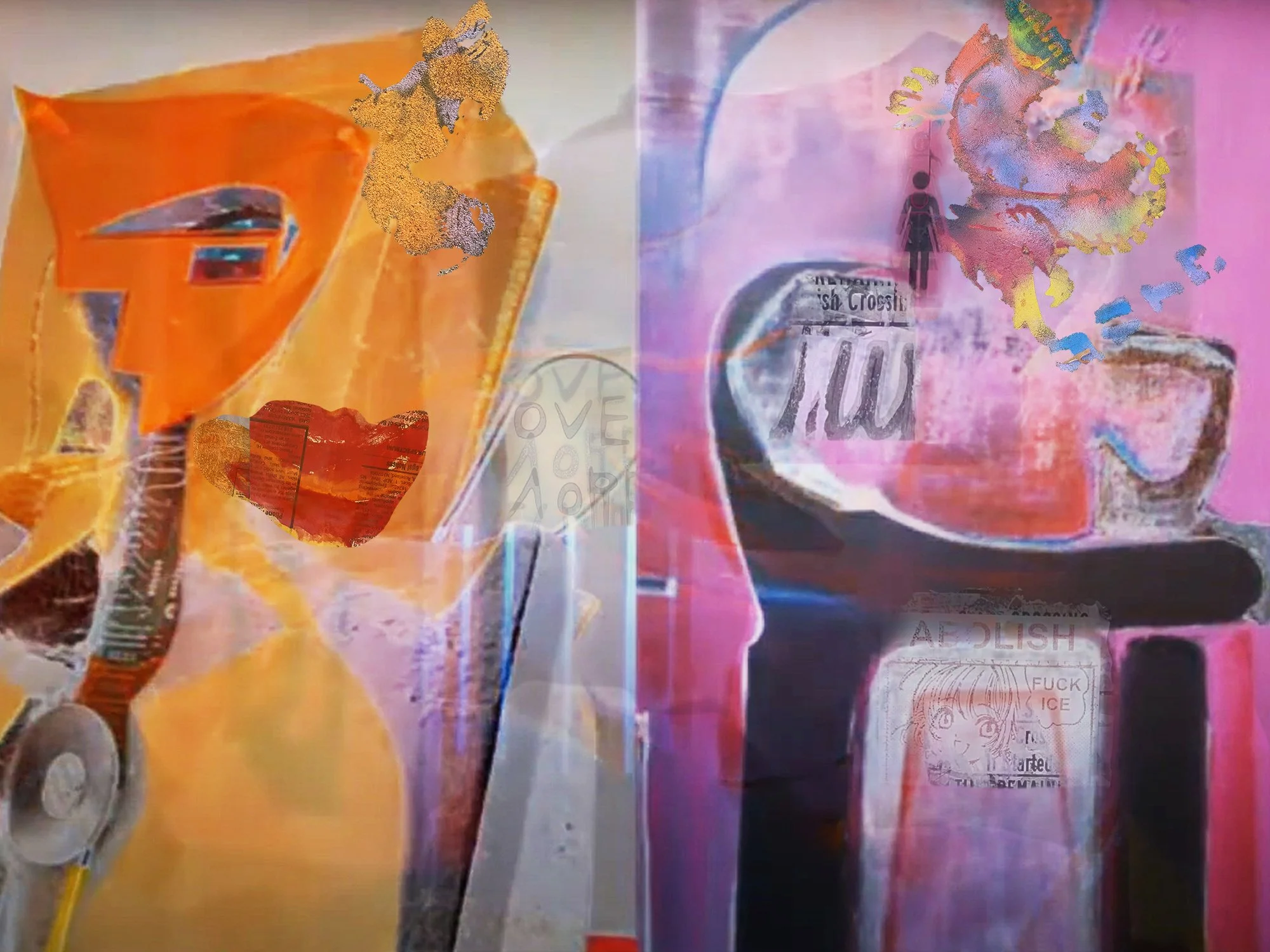
Ovemor
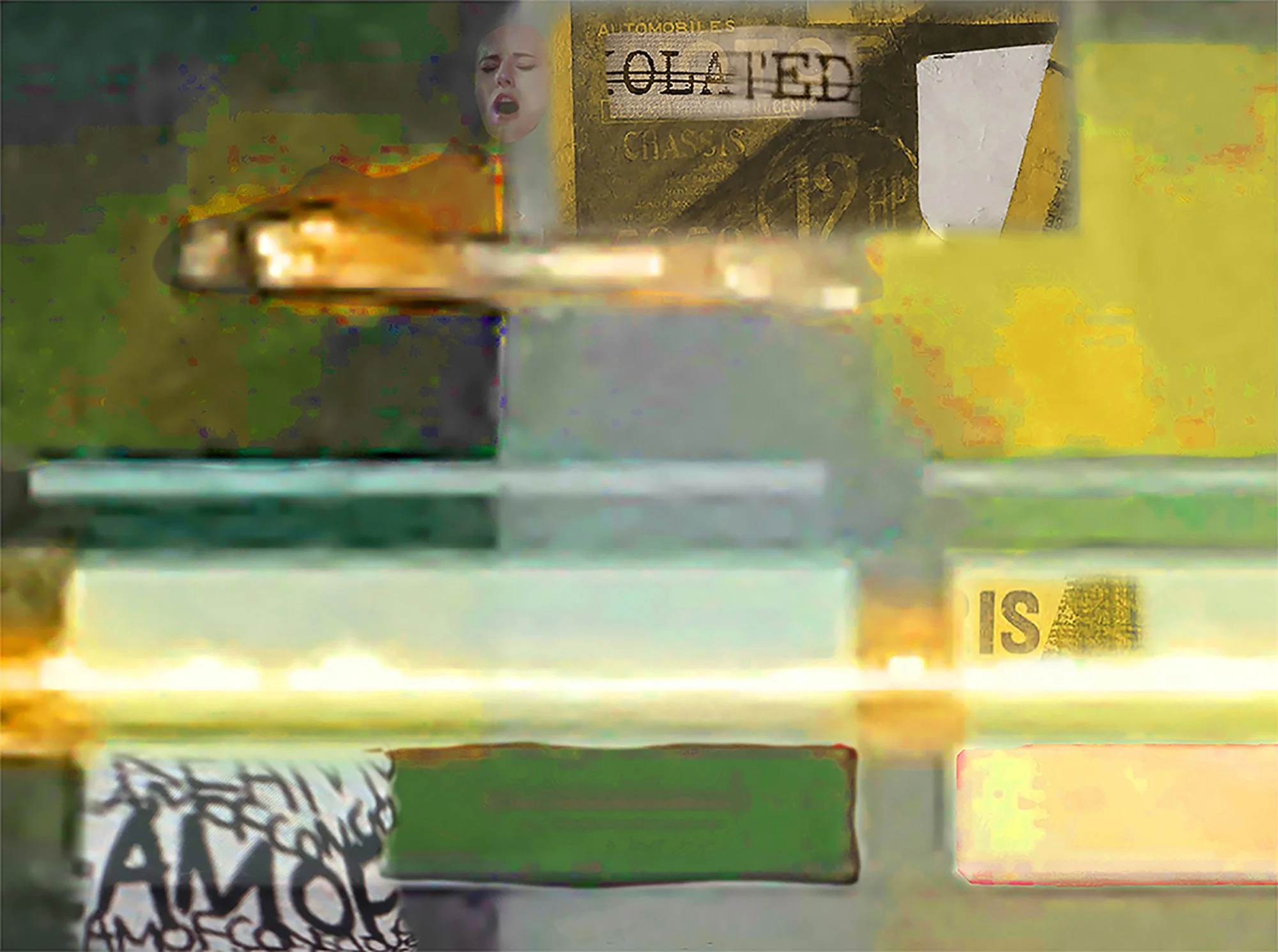
olated 2024
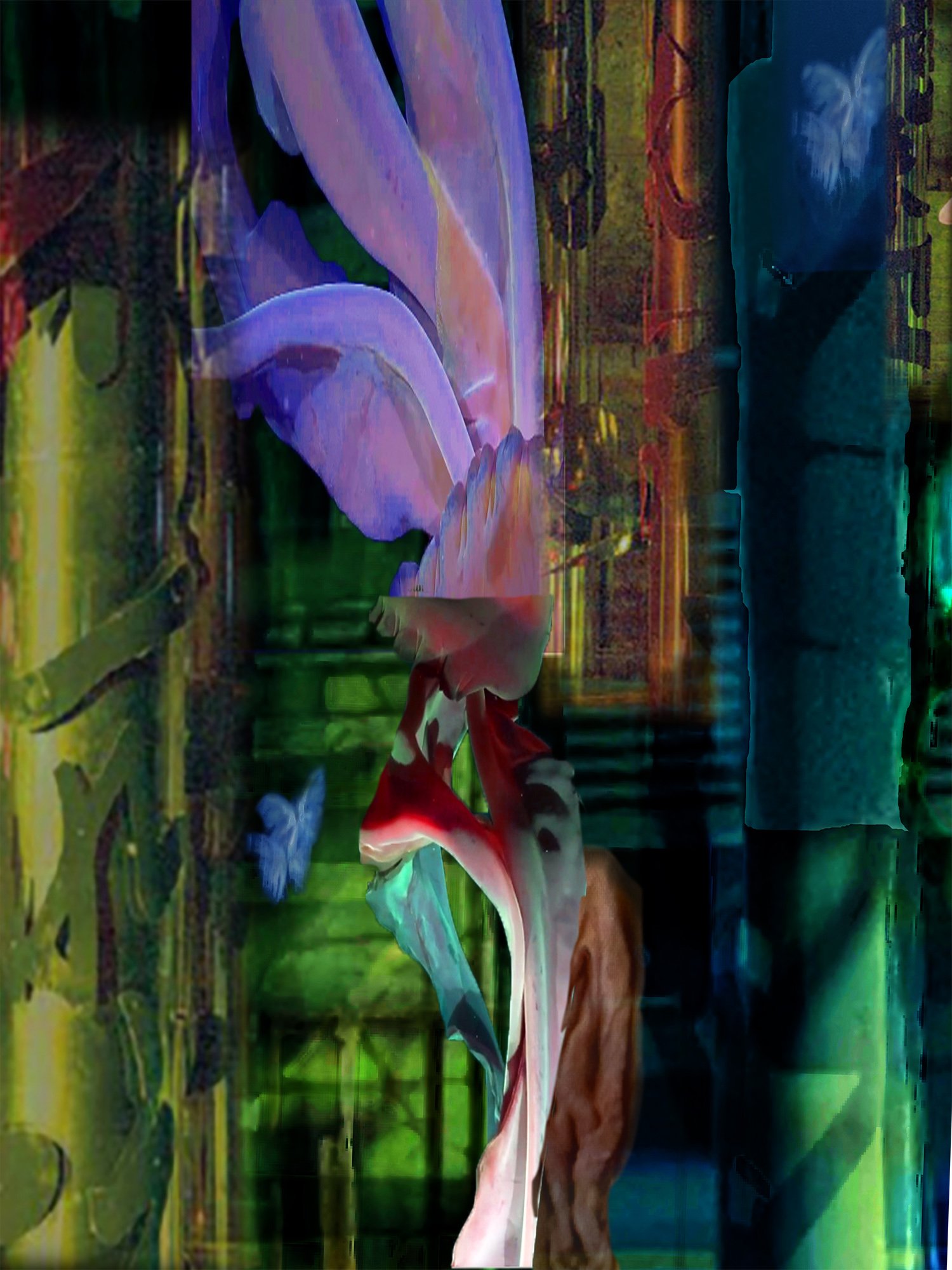
jelstage 2026
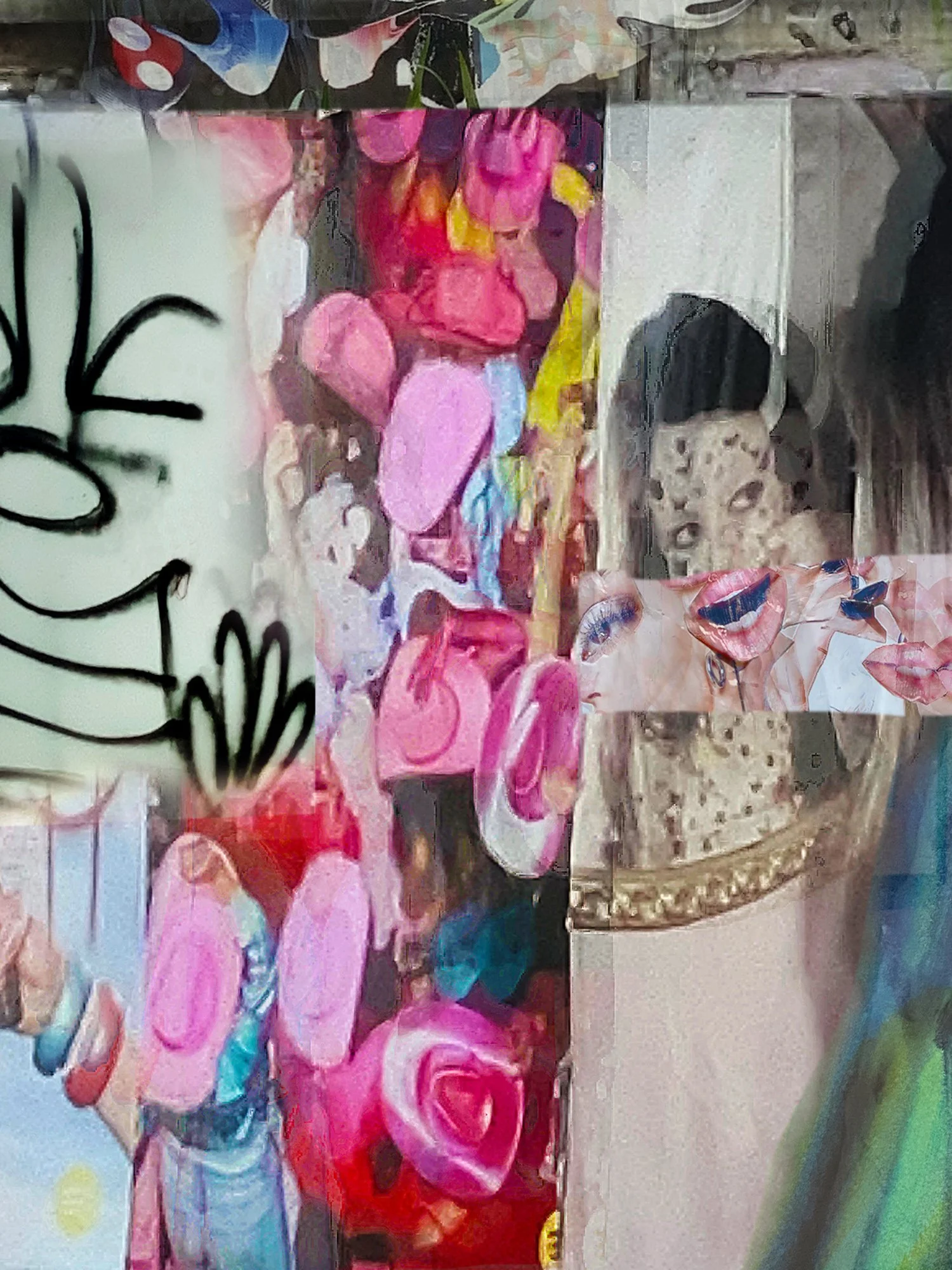
palimpsest 3 2025
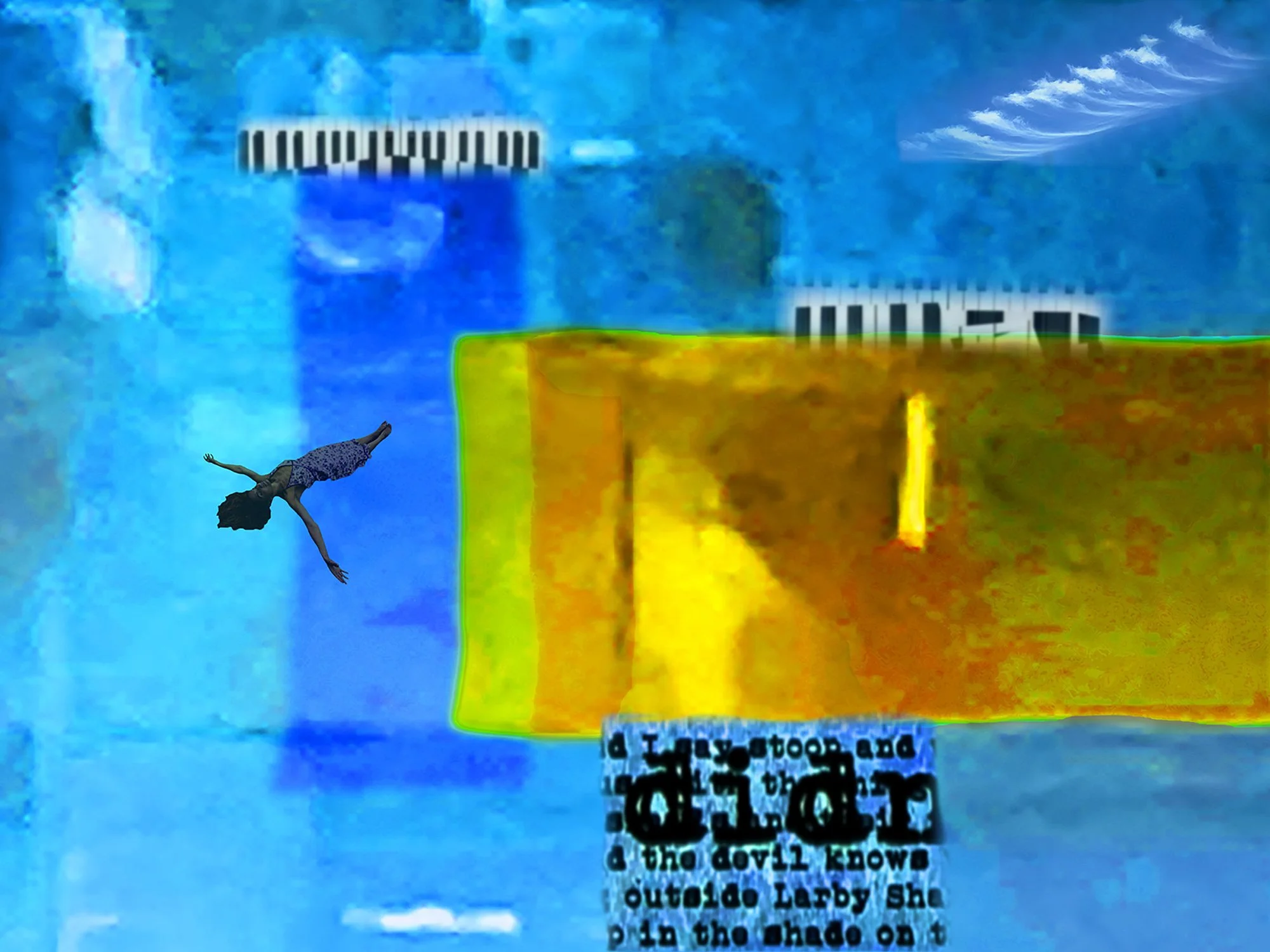
sontal 2024