Harmonies in Color: Toshiko Kitano Groner’s Dual Practice of Abstraction and Memory
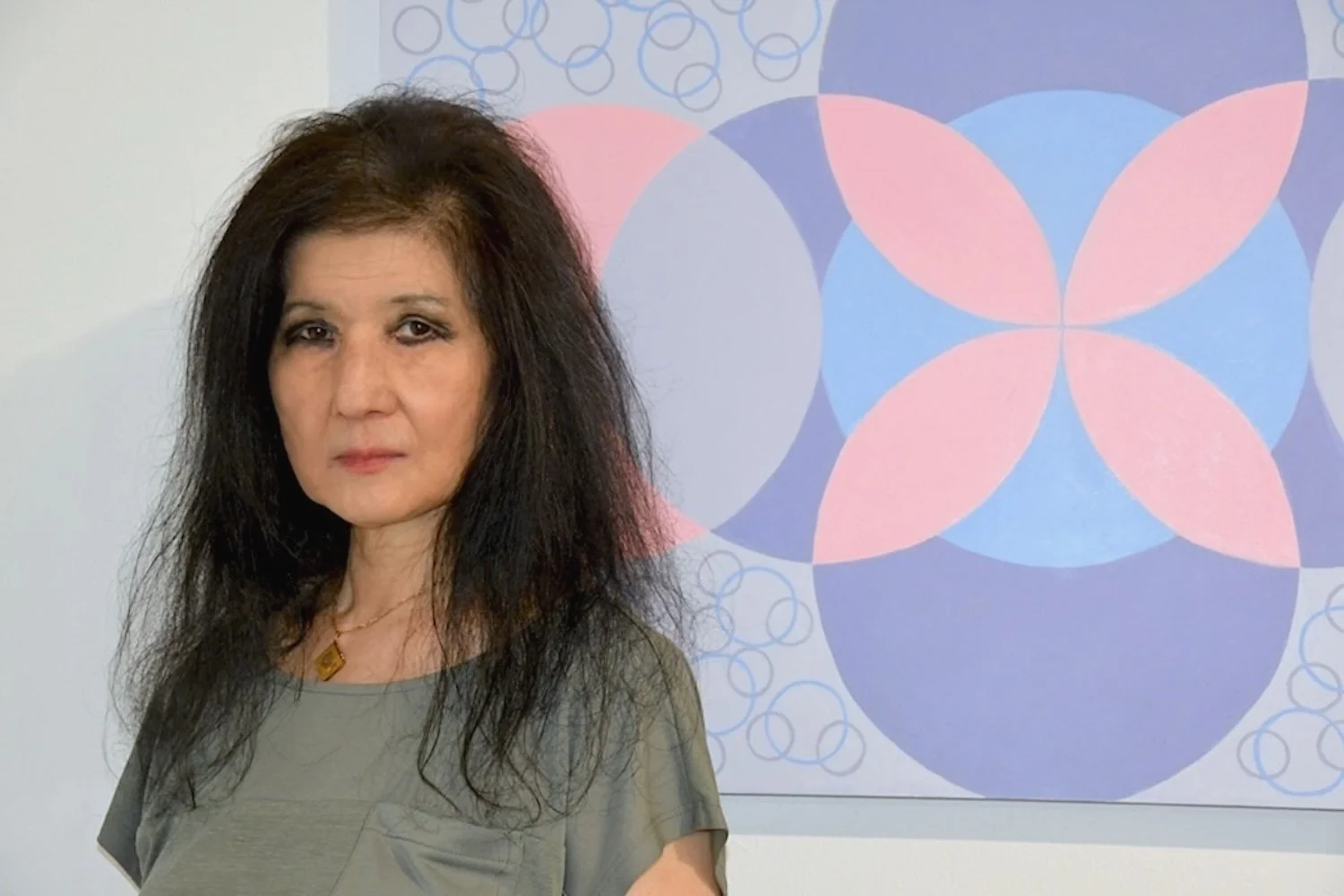
Harmonies in Color: Toshiko Kitano Groner’s Dual Practice of Abstraction and Memory
In the crowded landscape of New York’s contemporary art scene, Toshiko Kitano Groner has developed a distinctive visual language grounded in the orchestration of color and form. Her work operates at the intersection of geometric abstraction and semi-abstract figuration, shaped by a prior career in music and an intuitive approach to composition. The result is a body of work that speaks as much to rhythm and harmony as it does to visual perception.
Kitano Groner’s practice currently unfolds across two parallel series. The first explores geometric abstraction through circles and linear structures. These compositions are formally restrained yet conceptually layered, balancing simplicity with an underlying structural complexity. The second series departs from geometry and enters a more fluid territory of semi-abstract floral scenes. These works emerge from fleeting impressions, images briefly encountered and retained in memory before being reconfigured on canvas. Rather than depicting botanical subjects directly, Kitano Groner distills them into fields of color and gesture, allowing suggestion to replace representation.
Central to both series is her identity as a colorist. Kitano Groner approaches painting as an act of harmonization, carefully calibrating relationships between hues to construct visual coherence. Her canvases are not driven by narrative but by the internal logic of color interactions, where tonal balance and chromatic tension guide the composition. This sensitivity reflects a transposition of her earlier artistic training.
Before committing fully to visual art, Kitano Groner was active as a singer and songwriter in New York City. She wrote and performed her own material, eventually earning membership in ASCAP. The cognitive process behind songwriting continues to inform her painting. The coordination of melody and lyrics finds its parallel in the alignment of color and shape. In both disciplines, she constructs compositions mentally before translating them into a sensory experience.
Her transition into the art world was not initially intentional. Born in Japan, Kitano Groner moved to New York City with the aspiration of experiencing freedom of choice and artistic expression in music and art. At the same time, she wanted to help her brother, an abstract expressionist painter living in Japan, in securing exhibition opportunities which she accomplished. During a meeting with a local curator about her brother's artwork, a painting of her own placed incidentally in the room drew unexpected attention from the curator. Encouraged to exhibit, she entered a group show, marking the beginning of her public career as visual artist.
This moment catalyzed a broader shift. Having already established herself within New York’s music community, Kitano Groner began to take her visual practice seriously. She pursued formal training at the Art Students League of New York, completing a four year certificate in fine arts painting. Her early works were representational, often inspired by travels through France, Italy, and Japan. Over time, her focus moved decisively toward abstraction, where she has concentrated her efforts for the past several years.
Kitano Groner's exhibition history reflects steady integration into the New York art ecosystem. She has shown work across Chelsea and the Lower East Side, as well as in venues such as RIVAA gallery, Equity Gallery, Gallery MC, Loy Lou Space and Onishi Gallery, formerly located in Chelsea, where Kitano Groner exhibited her contemporary paintings. Her recent solo exhibition Arrangements at The Octagon Lobby Gallery marked a significant milestone, while her participation in juried and invitational exhibitions underscores ongoing institutional recognition. Publications and features, including those by Sfumato Art Creatives and Visionary Art Collective, have further expanded her visibility.
Her work has also entered private collections across multiple states, including New York, New Jersey, California, and Texas. This geographic spread suggests a growing collector base responsive to her nuanced approach to abstraction and color field painting.
Within the broader market context, Kitano Groner’s practice aligns with renewed interest in abstraction that prioritizes material sensitivity and perceptual experience over conceptual opacity. Her dual focus on geometric clarity and organic emergence offers collectors two complementary entry points into her work. At the same time, her background in music provides a compelling narrative framework, reinforcing the coherence of her artistic identity.
As her practice continues to evolve, Toshiko Kitano Groner remains committed to the disciplined exploration of color and composition. Her paintings do not seek to overwhelm but to resonate, inviting sustained attention and rewarding it with subtle complexity. In a market often driven by immediacy, her work stands apart through its insistence on harmony, both seen and felt.
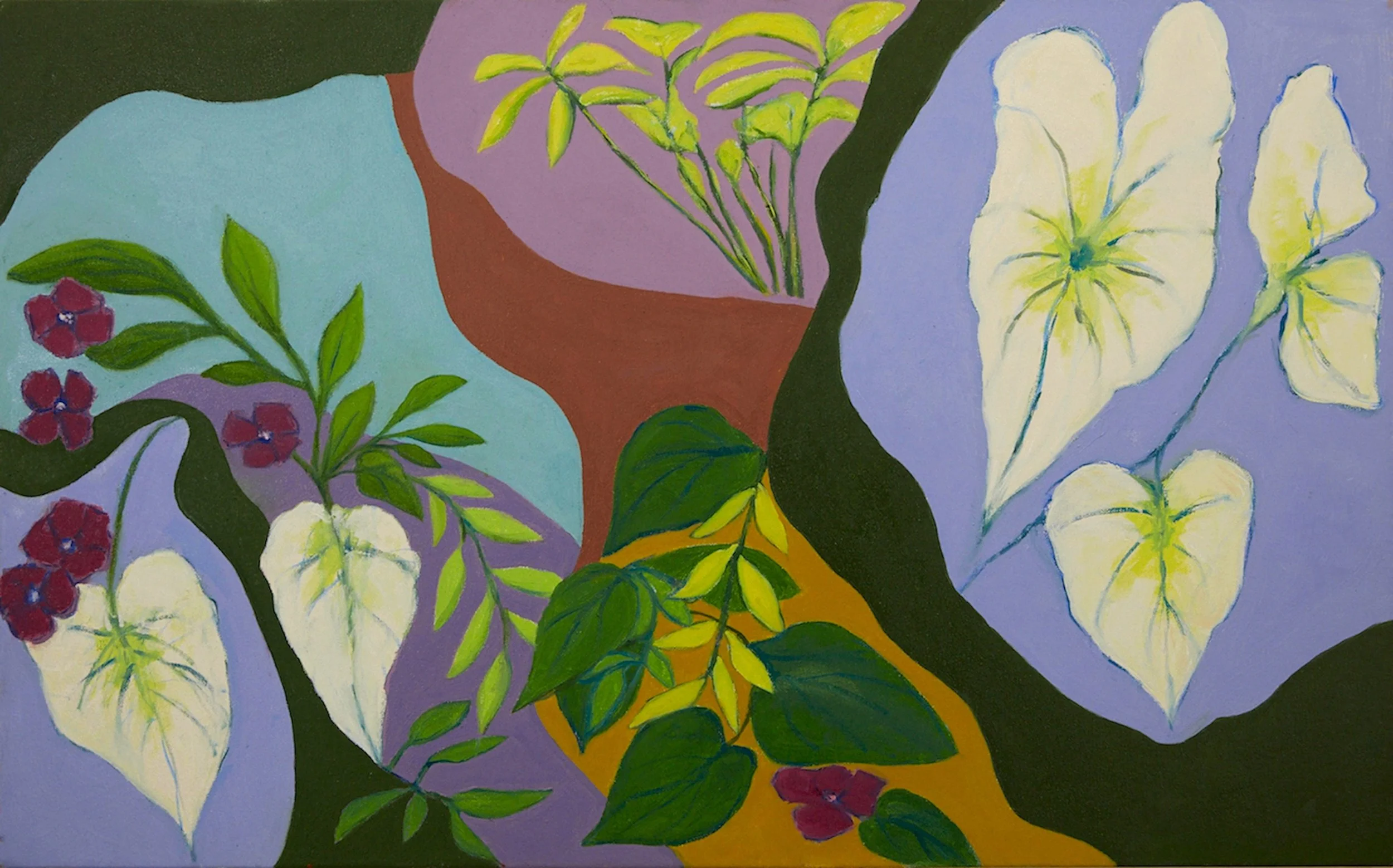
Murasaki, 2023
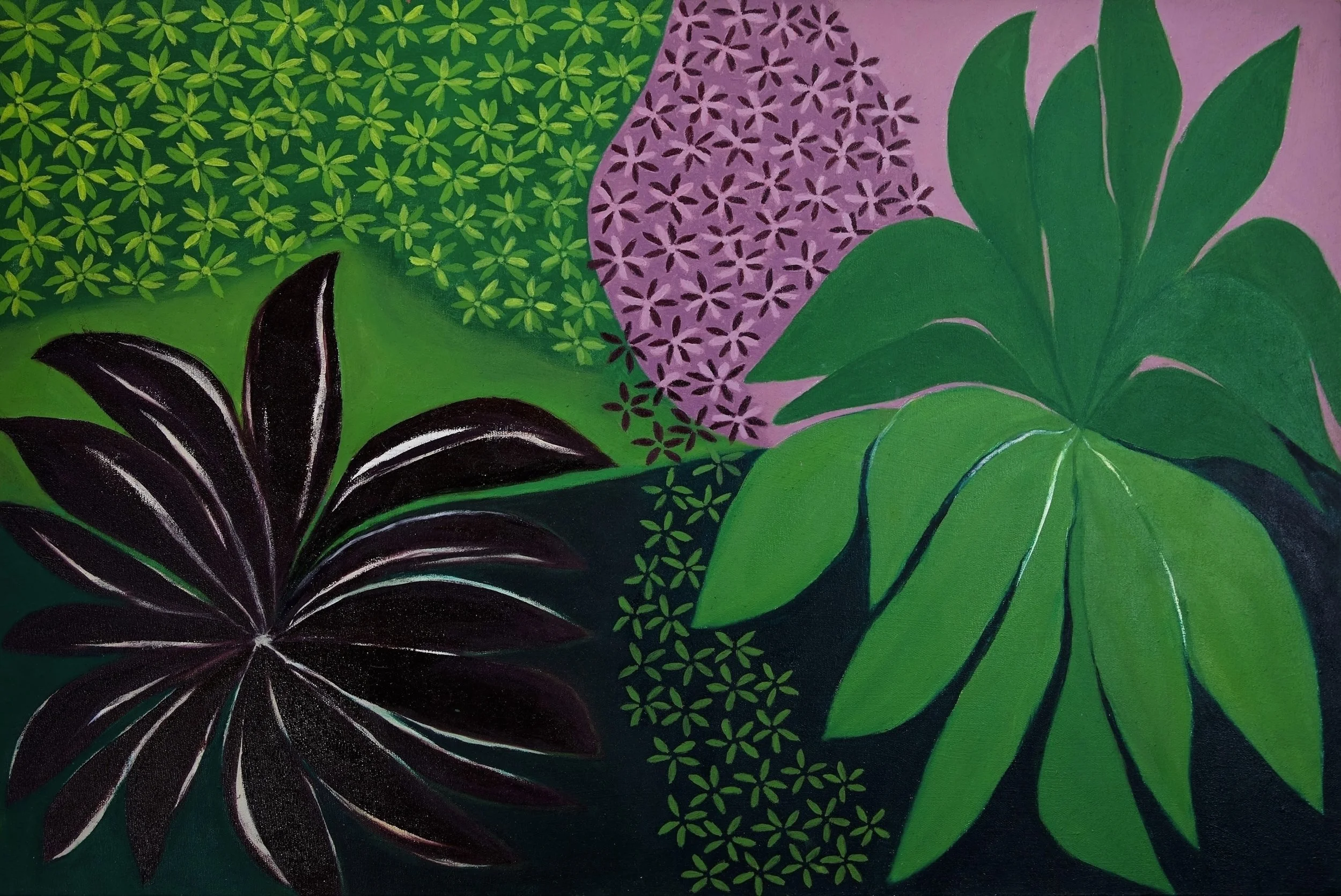
Nagare, 2024
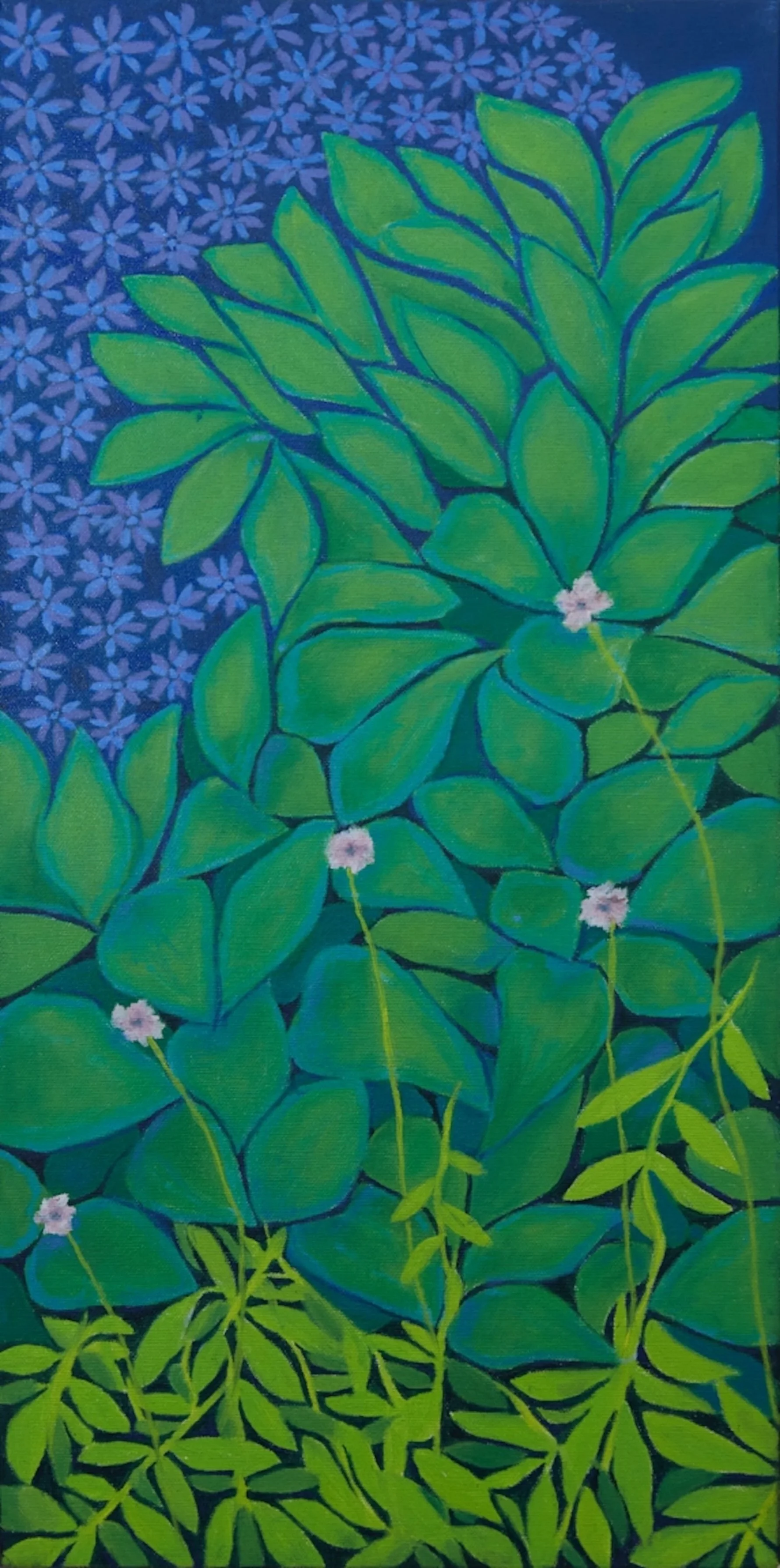
Tsubomi, 2025
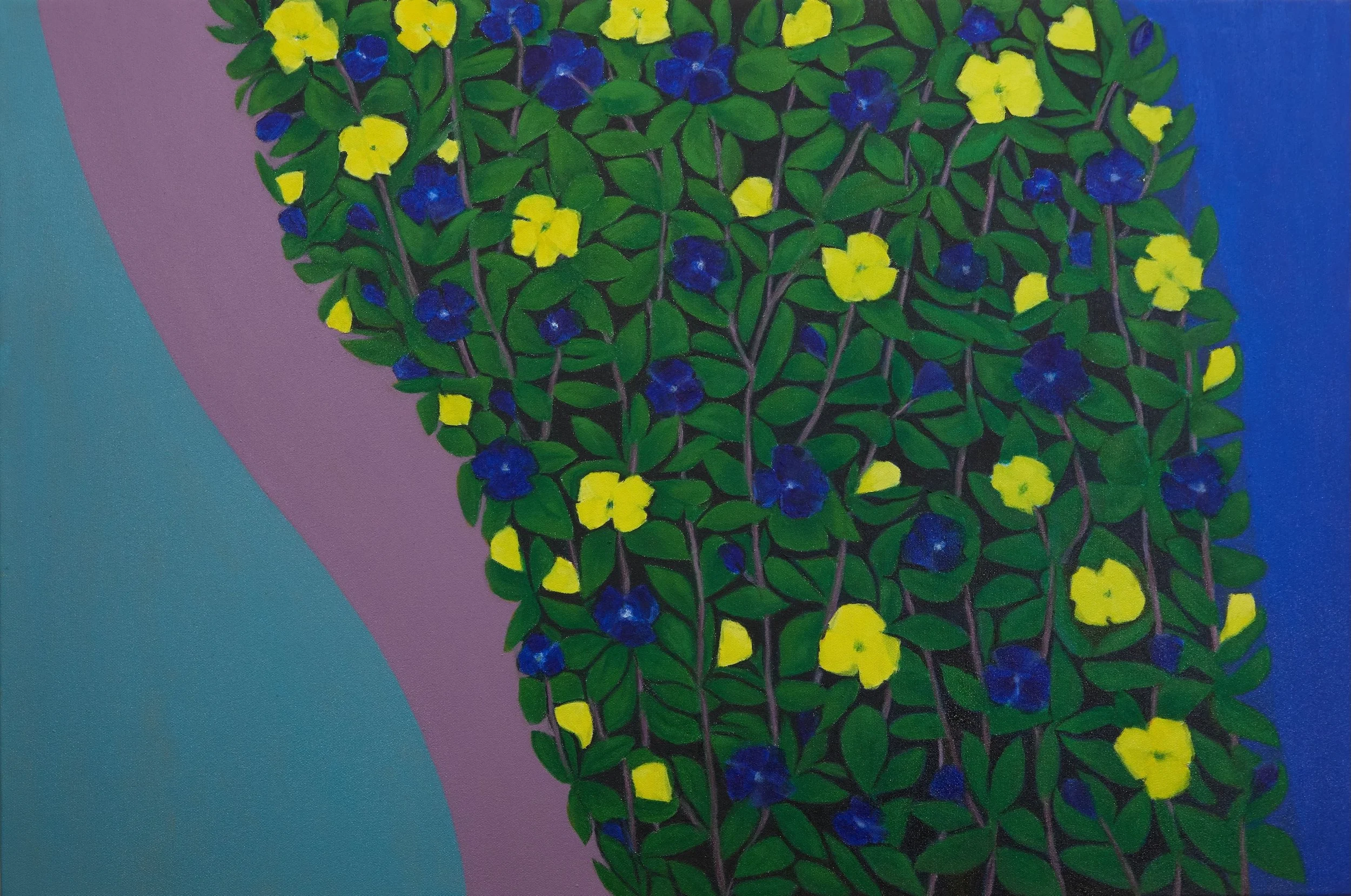
Pansy Wall, 2026
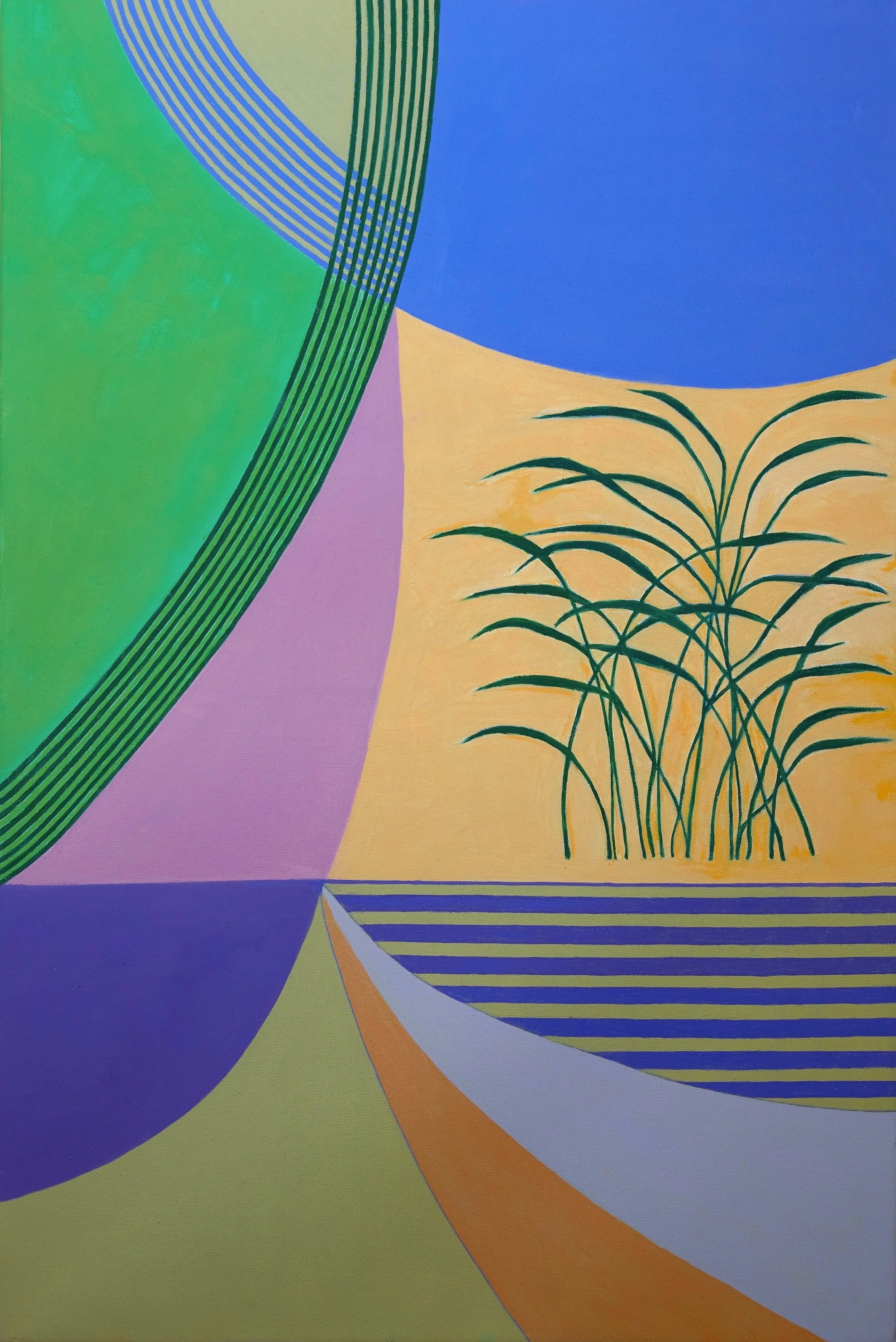
Minori, 2025
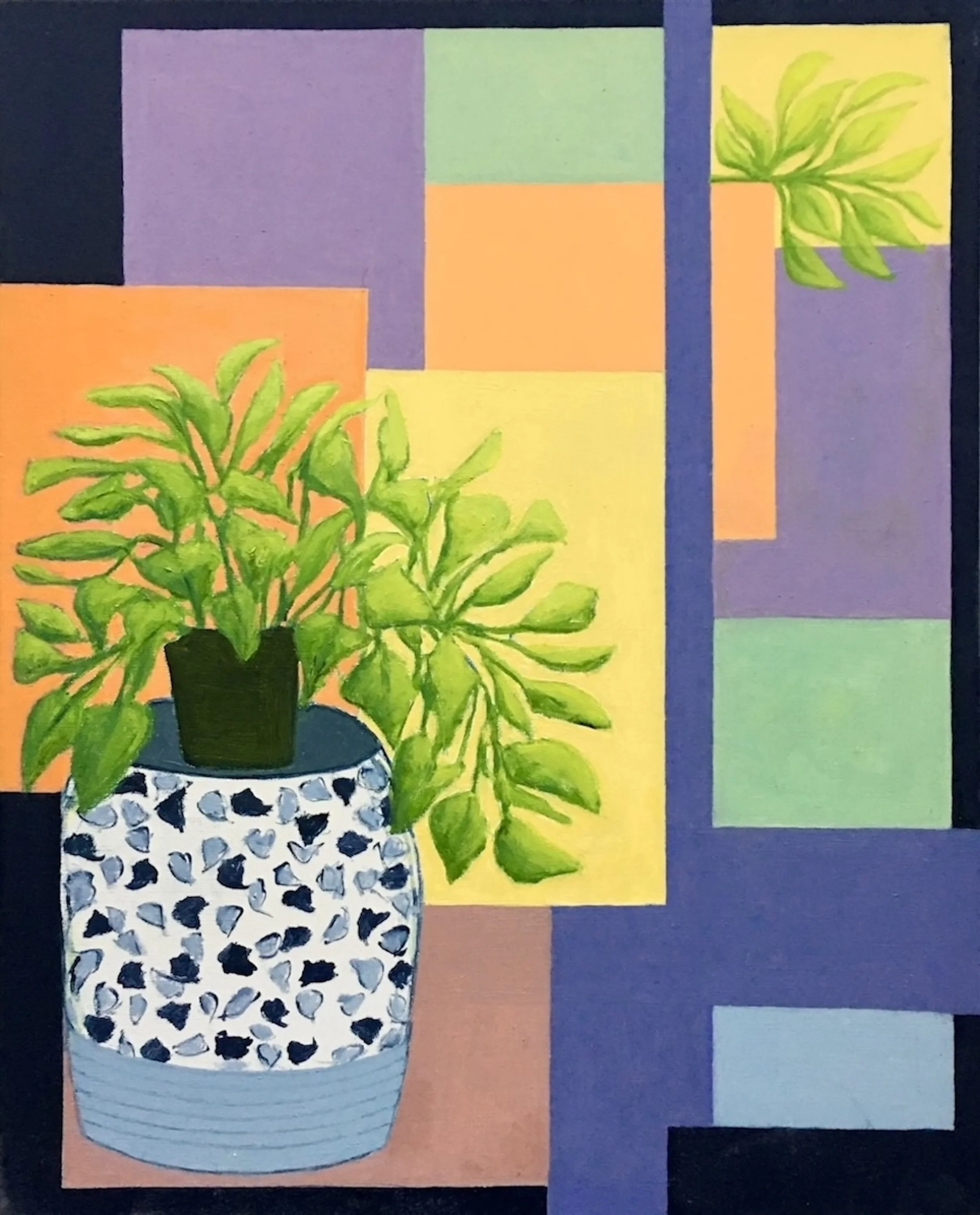
Window, 2023
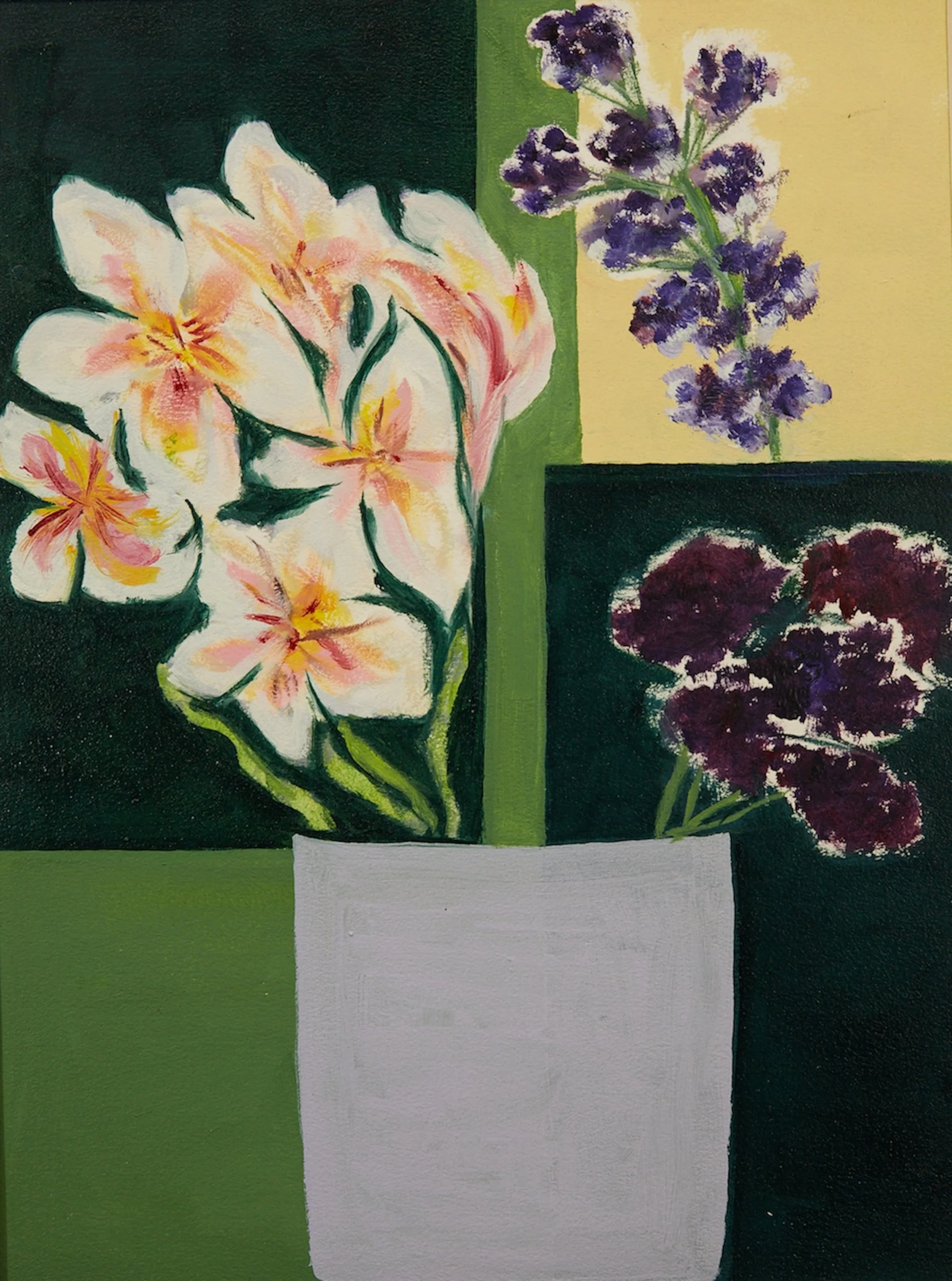
Arrangement 1, 2022
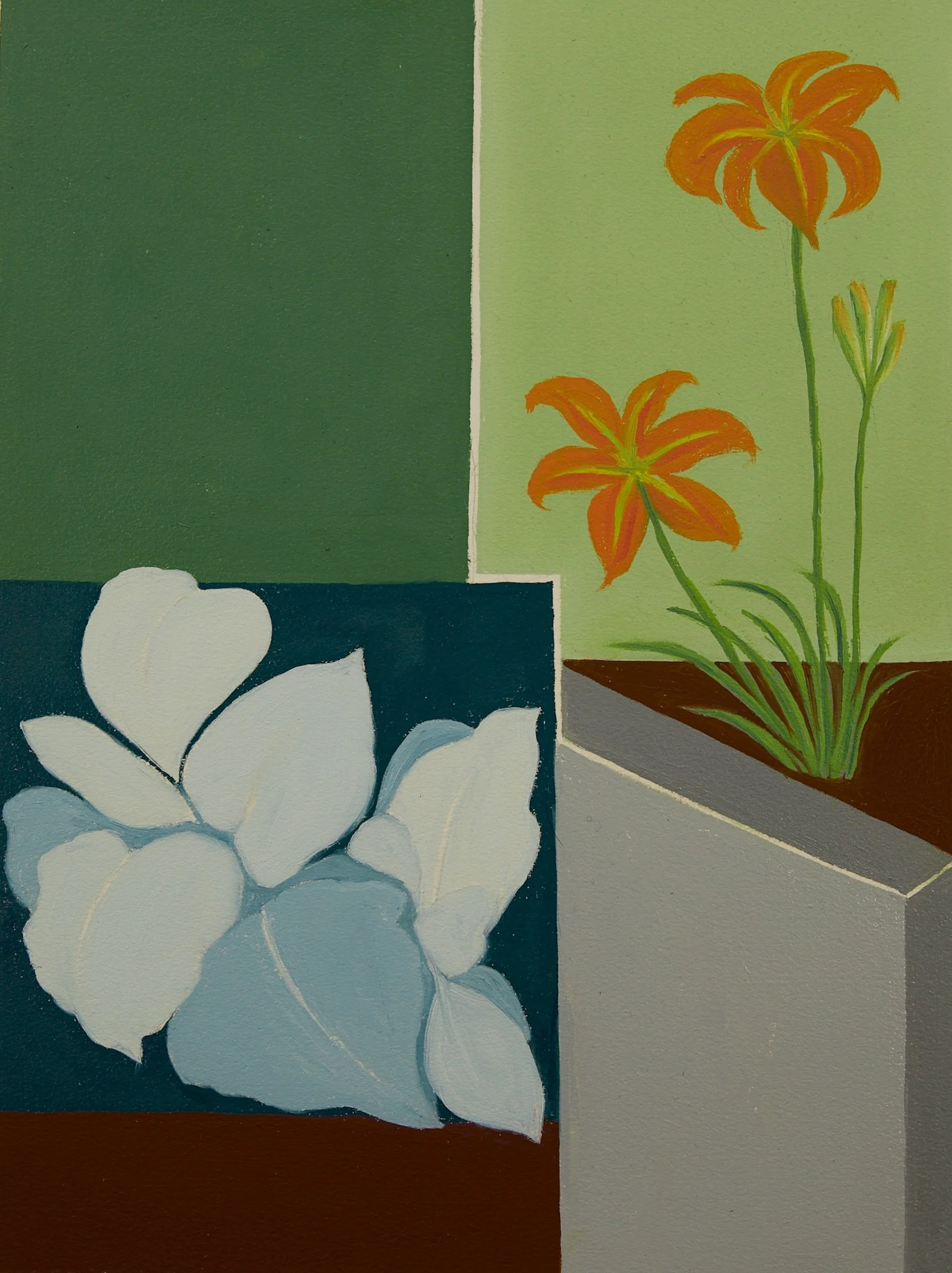
Arrangement 2, 2022
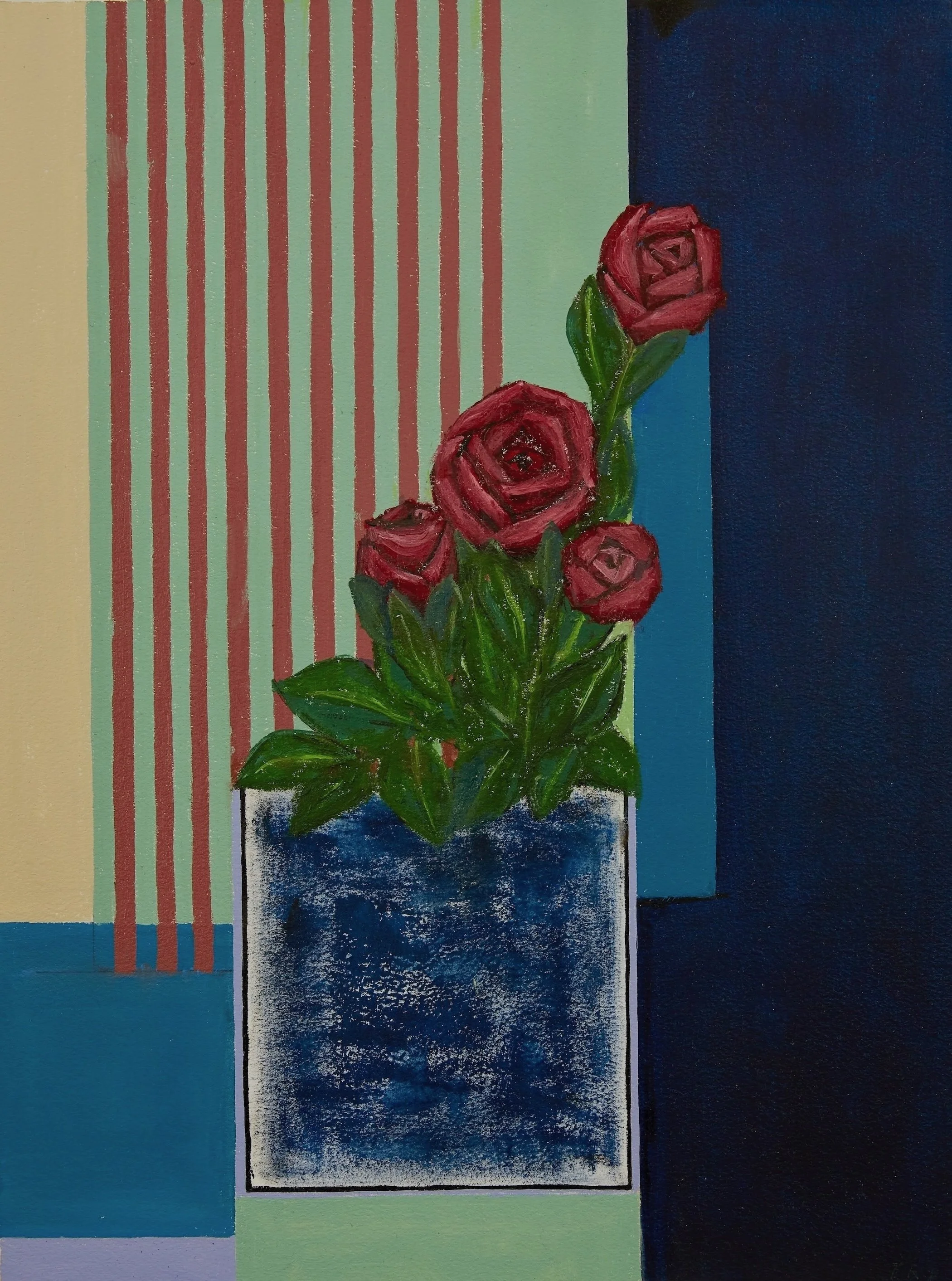
arrangement 3, 2022
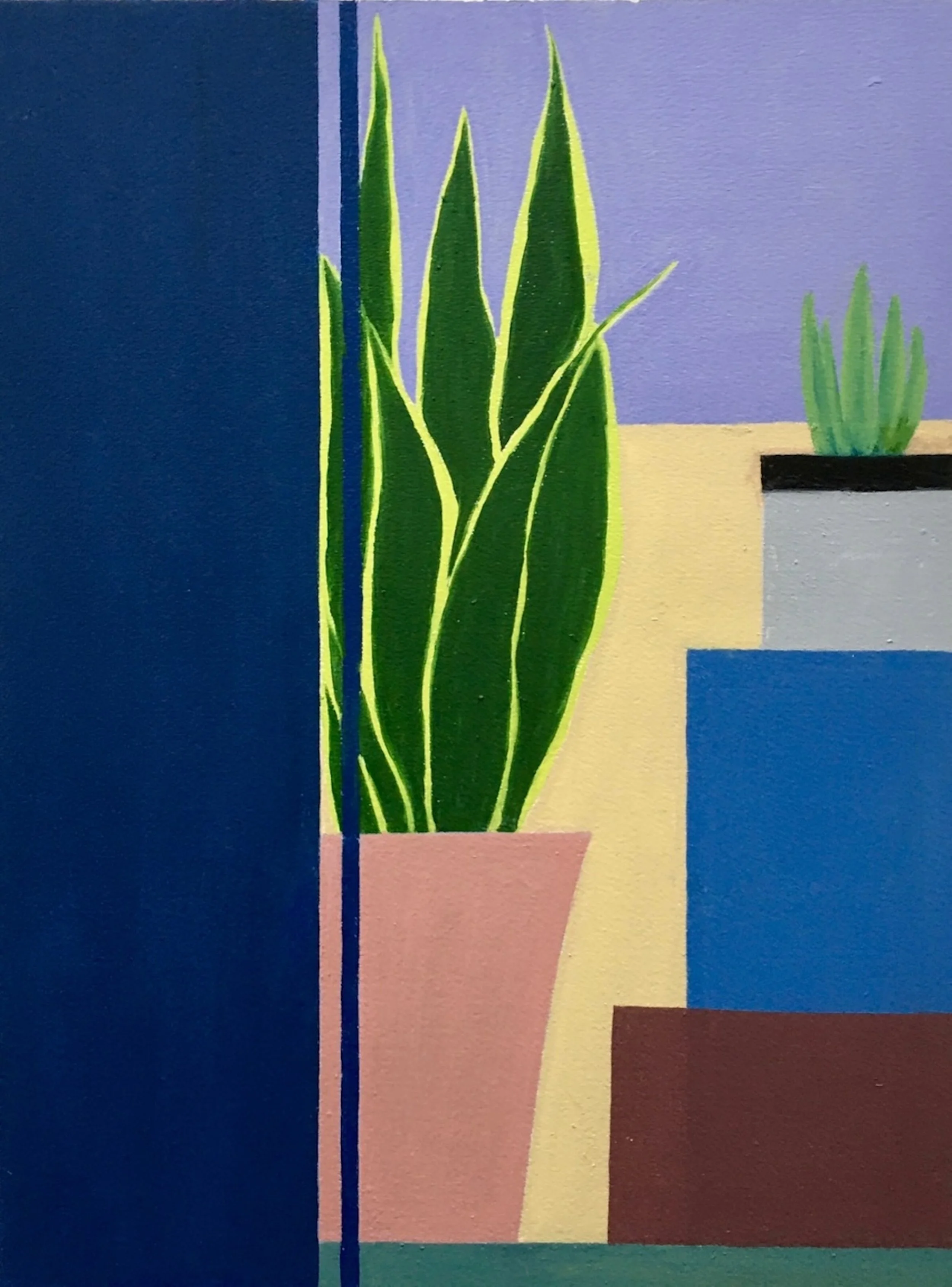
Arrangement 4, 2022