Vasco Diogo and the Market for Perceptual Instability
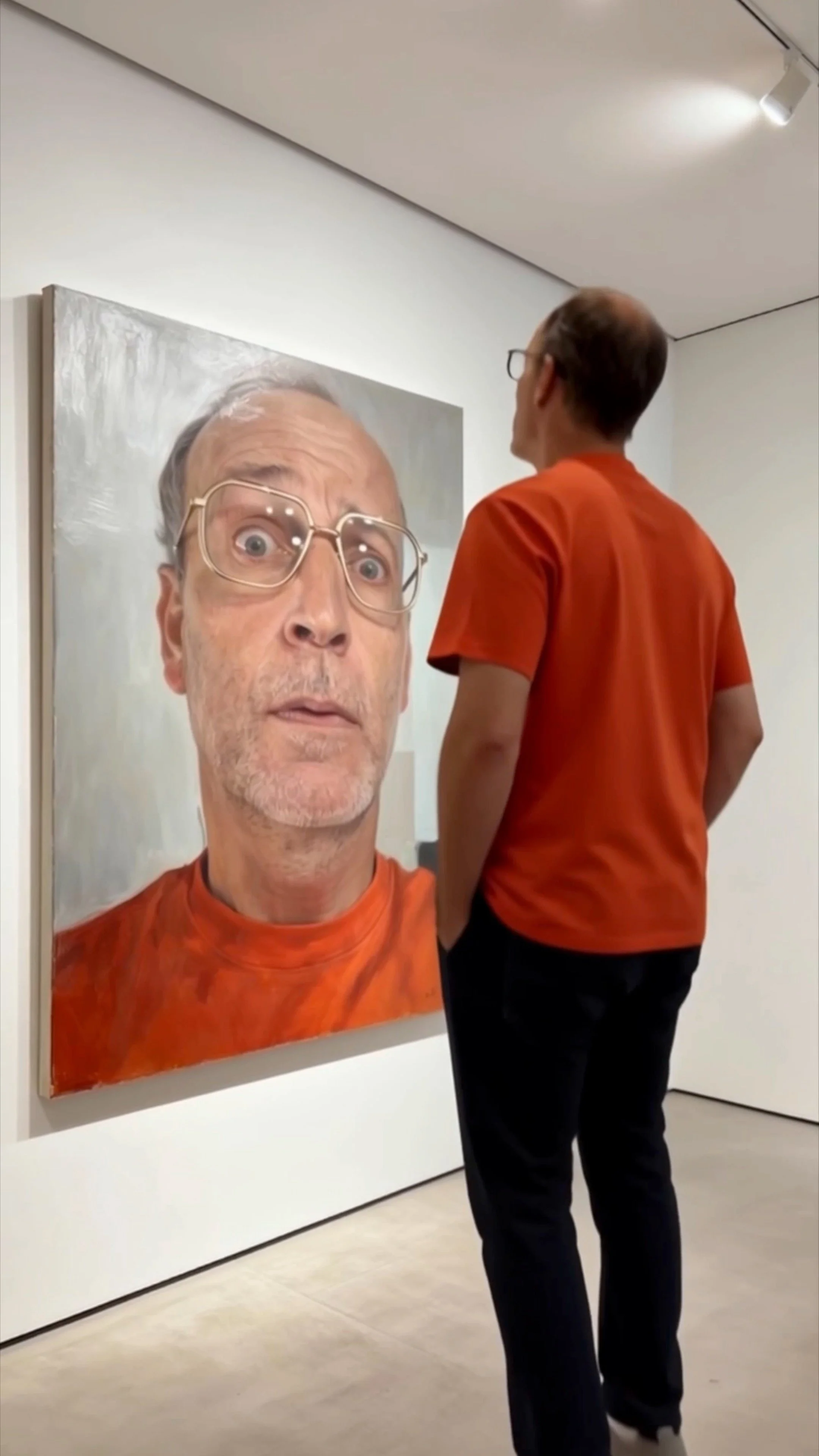
Vasco Diogo and the Market for Perceptual Instability
In a contemporary art landscape increasingly shaped by technological acceleration and expanded notions of authorship, Portuguese artist Vasco Diogo occupies a distinct and intellectually rigorous position. Working across experimental cinema, video art, performance, and archival practices, his work resists easy categorization while engaging with some of the most pressing questions facing collectors and institutions today. These include the status of identity in a post-digital era, the authority of images, and the evolving role of artificial intelligence in artistic production.
Diogo’s practice unfolds outside the conventions of both industrial cinema and historical avant-garde frameworks. Rather than adhering to narrative structures or fixed interpretative systems, his moving image works privilege process, transformation, and perceptual ambiguity. This emphasis aligns with a broader shift in contemporary art away from meaning as a stable endpoint and toward experience as an open field of encounter. For collectors, this positions his work within a lineage of conceptual and time-based practices that prioritize engagement over resolution, often challenging traditional modes of acquisition and display.
At the core of his methodology is what the artist terms digital primitivism. This concept signals an intuitive and non-instrumental engagement with emerging technologies, particularly artificial intelligence. Rather than treating these tools as mechanisms of control or efficiency, Diogo approaches them as generative forces capable of destabilizing authorship and expanding perception. In market terms, this situates his work within a rapidly growing sector of AI-driven art, yet distinguishes it through its philosophical depth and resistance to spectacle.
His recent projects demonstrate a consistent interrogation of memory, identity, and authorship. In Missing Meaning, a year-long exploration built from personal photographs and videos processed through AI systems, Diogo examines the erosion of meaning and a contemporary nostalgia for coherence itself. The work operates less as a narrative and more as a durational condition, inviting viewers into a space where recognition dissolves into uncertainty.
Similarly, Portraits of an Unverified Self addresses the instability of subjectivity in an era of digital reproduction and surveillance. By foregrounding the impossibility of confirming identity, the work resonates with current discourses around data, authenticity, and representation. It also reflects a growing collector interest in practices that critically engage with the infrastructures of image production.
In This Archive Is Not Mine, Diogo turns to found family archives, dismantling notions of ownership and authorship. The project proposes a transpersonal understanding of history, where memory is no longer tied to individual possession but circulates as a shared and mutable construct. Such concerns place his work in dialogue with institutional critiques of the archive, while offering curatorial flexibility across exhibition contexts.
Materially, Diogo’s works are layered compositions that integrate voice performance, digital noise, painterly textures, and archival fragments. These elements coalesce into environments that challenge linear temporality and stable identity. For collectors and institutions, this hybridity raises important questions regarding conservation, display, and the long-term stewardship of technologically mediated works. At the same time, it reflects a broader market shift toward interdisciplinary practices that blur the boundaries between object, image, and experience.
Underlying this formal complexity is a sustained engagement with spiritual inquiry. Without aligning with any doctrinal framework, Diogo approaches art as a site of transformation and self-knowledge. His works often function as ritualistic processes in which distinctions between subject and image, self and other, begin to dissolve. This dimension, while less immediately legible within market structures, contributes to the depth and longevity of his practice, positioning it within a lineage of artists for whom art operates as both aesthetic and existential investigation.
Diogo’s background in academic research and pedagogy further informs his approach. His engagement with concepts such as glitch, error, and interruption reflects a broader theoretical interest in the limits of systems and the productive potential of failure. These concerns are increasingly relevant in a market that values criticality alongside innovation, particularly in the context of digital and post-digital art.
As the art market continues to expand its engagement with time-based media, artificial intelligence, and transdisciplinary practices, artists like Vasco Diogo offer a compelling model for navigating these territories with both conceptual rigor and poetic sensitivity. His work does not seek to resolve the tensions it inhabits. Instead, it amplifies them, creating spaces where perception is unsettled and new forms of experience can emerge.
For collectors attuned to the evolving conditions of contemporary art, Diogo’s practice represents not only an aesthetic proposition but an investment in a mode of thinking that is increasingly central to the cultural present.
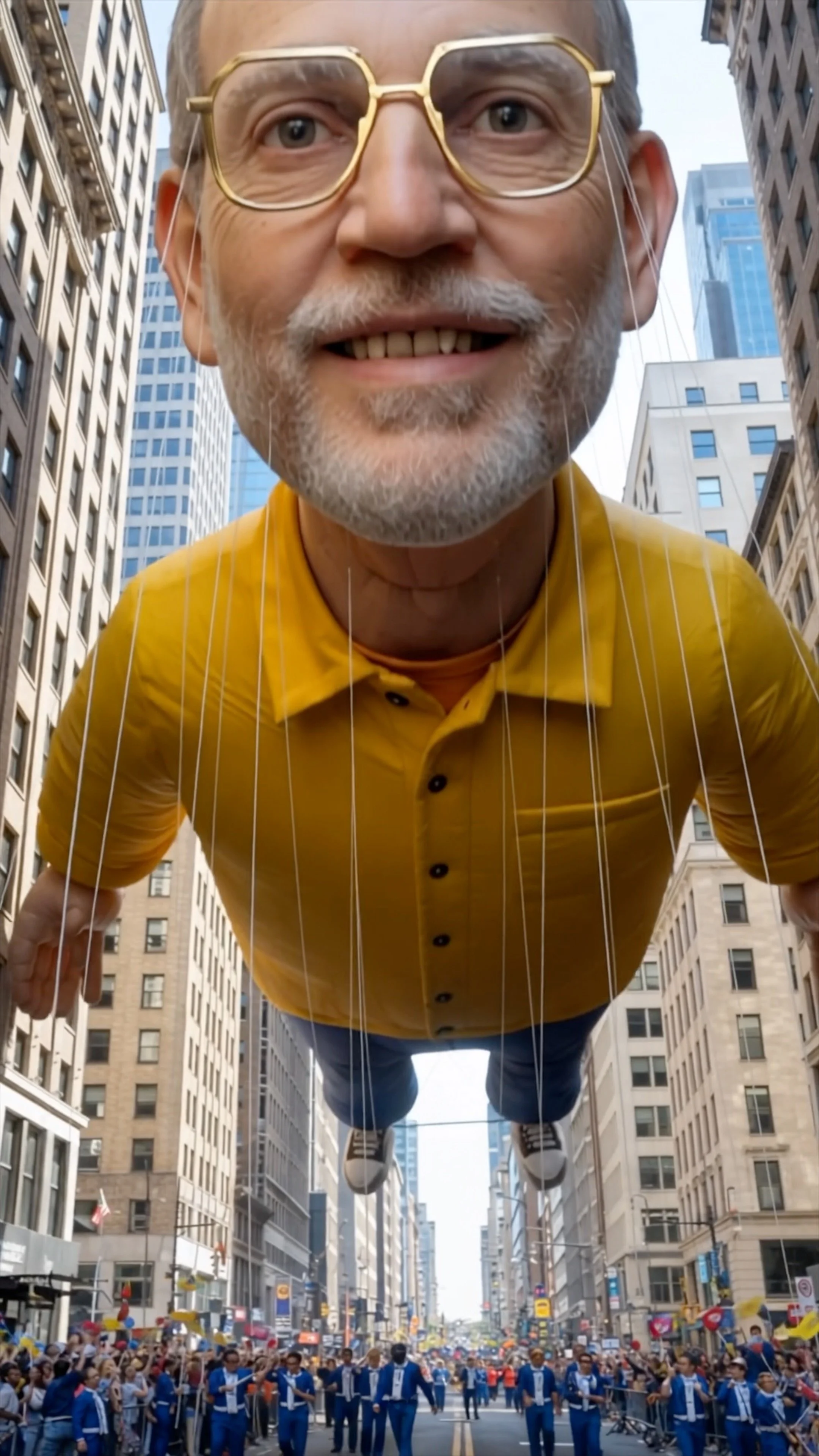
Portraits of an Unverified Self, 2026, video art
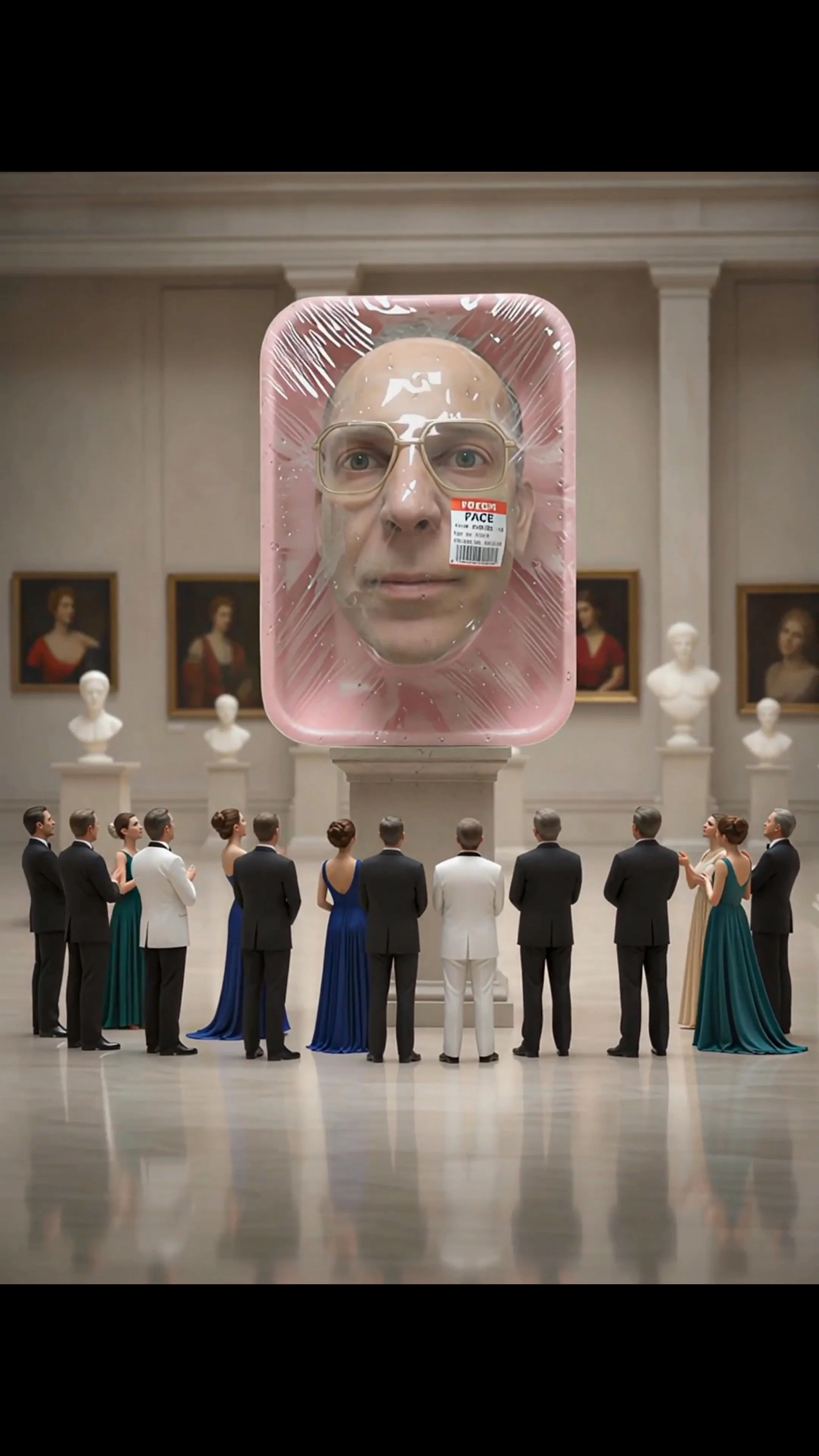
Portraits of an Unverified Self, 2026, video art
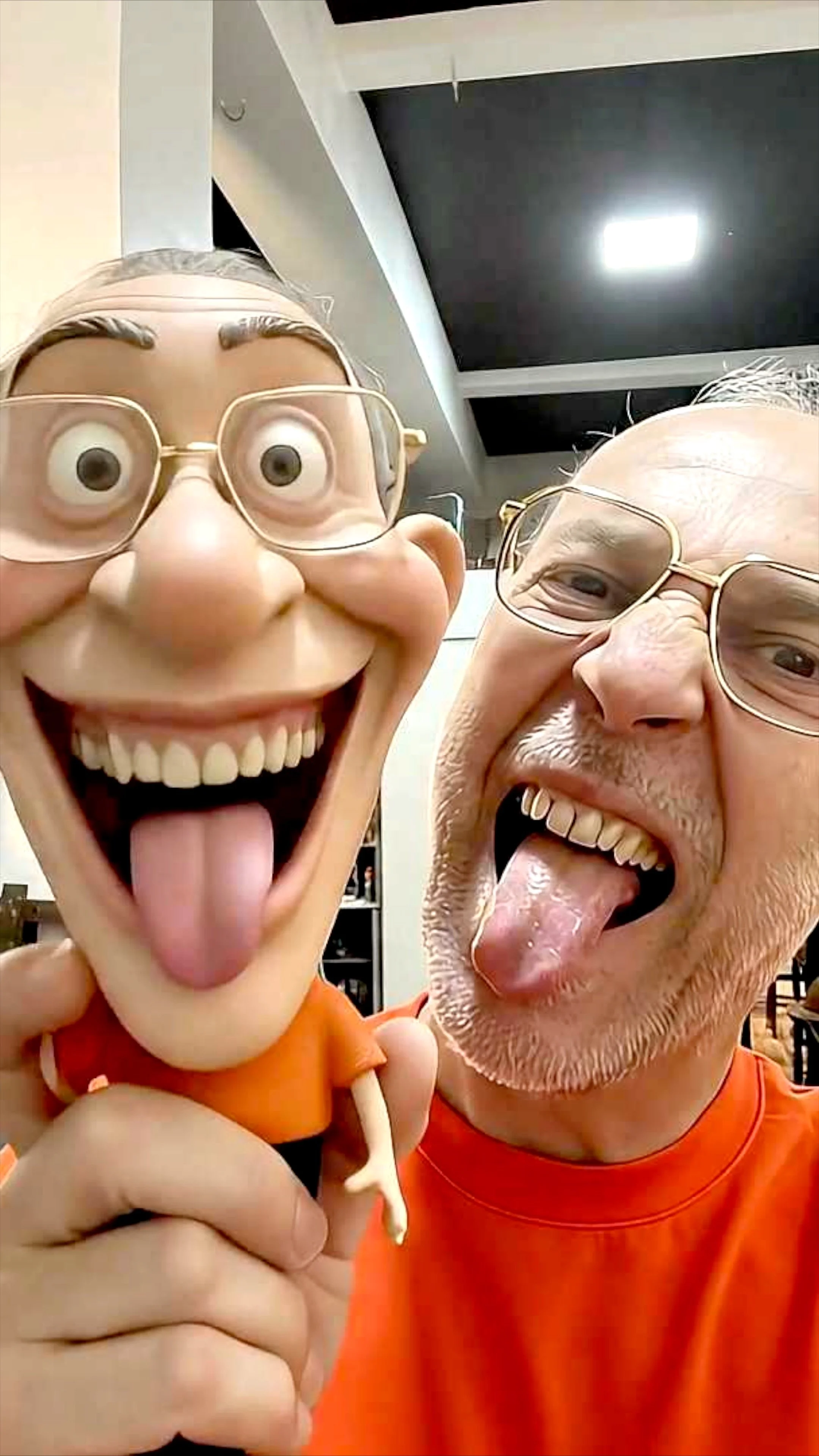
Portraits of an Unverified Self, 2026, video art
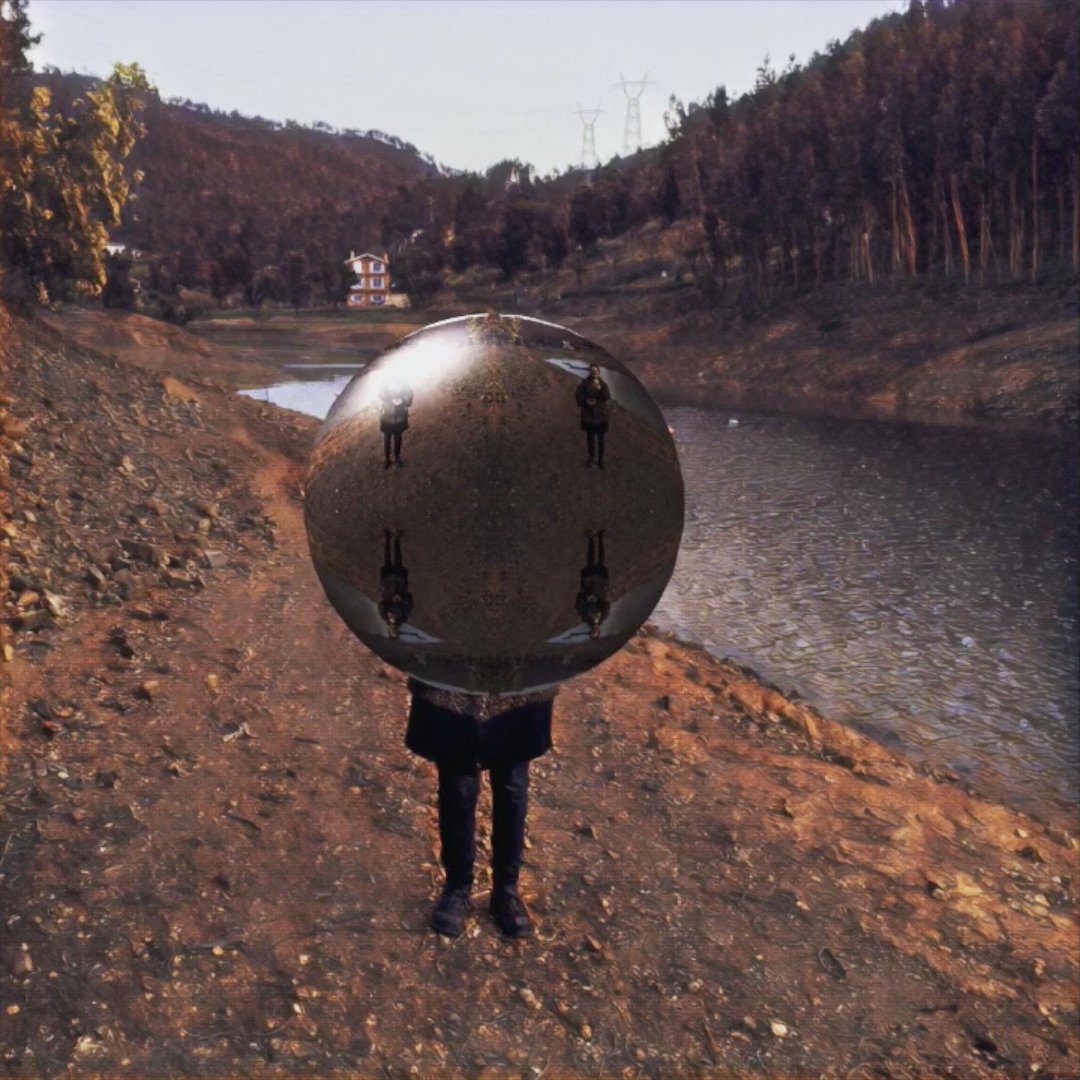
Super Cut Free Way, 2018, video art
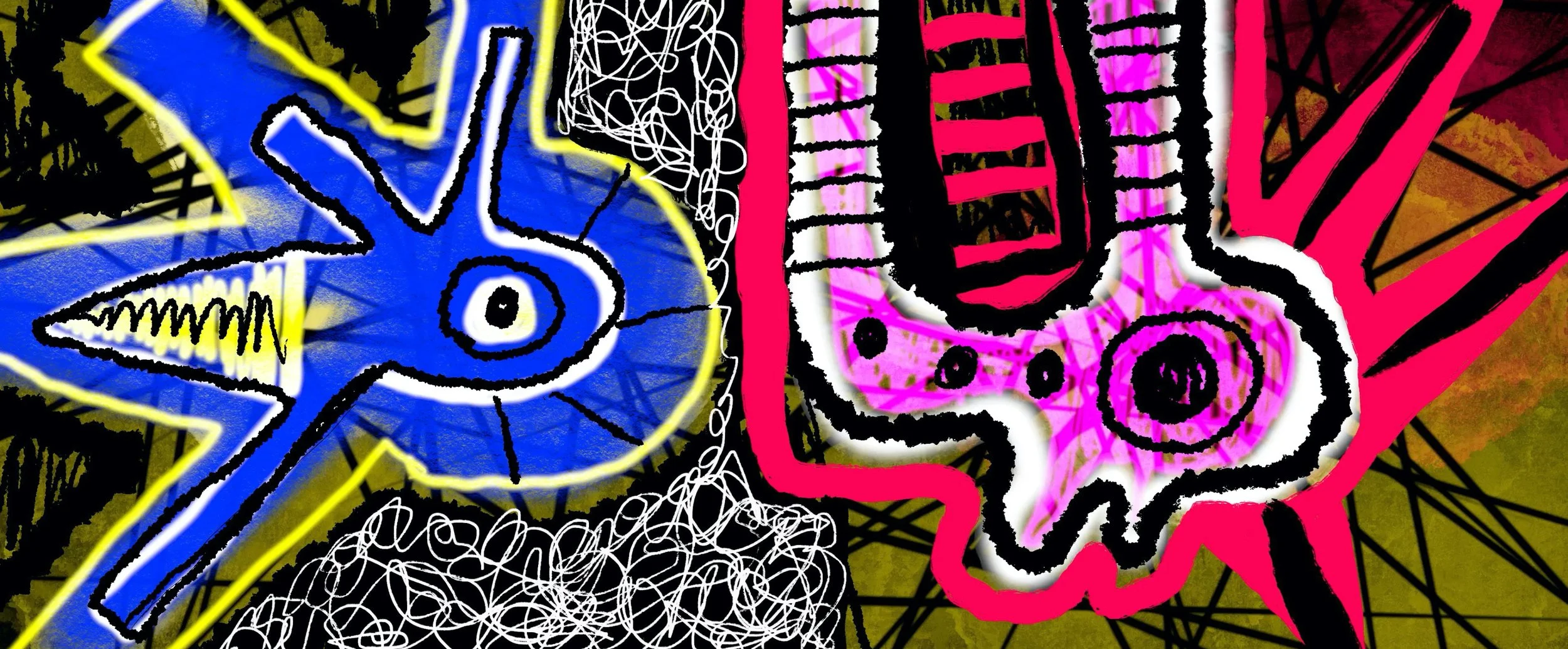
Anima Series, 2024, experimental animation
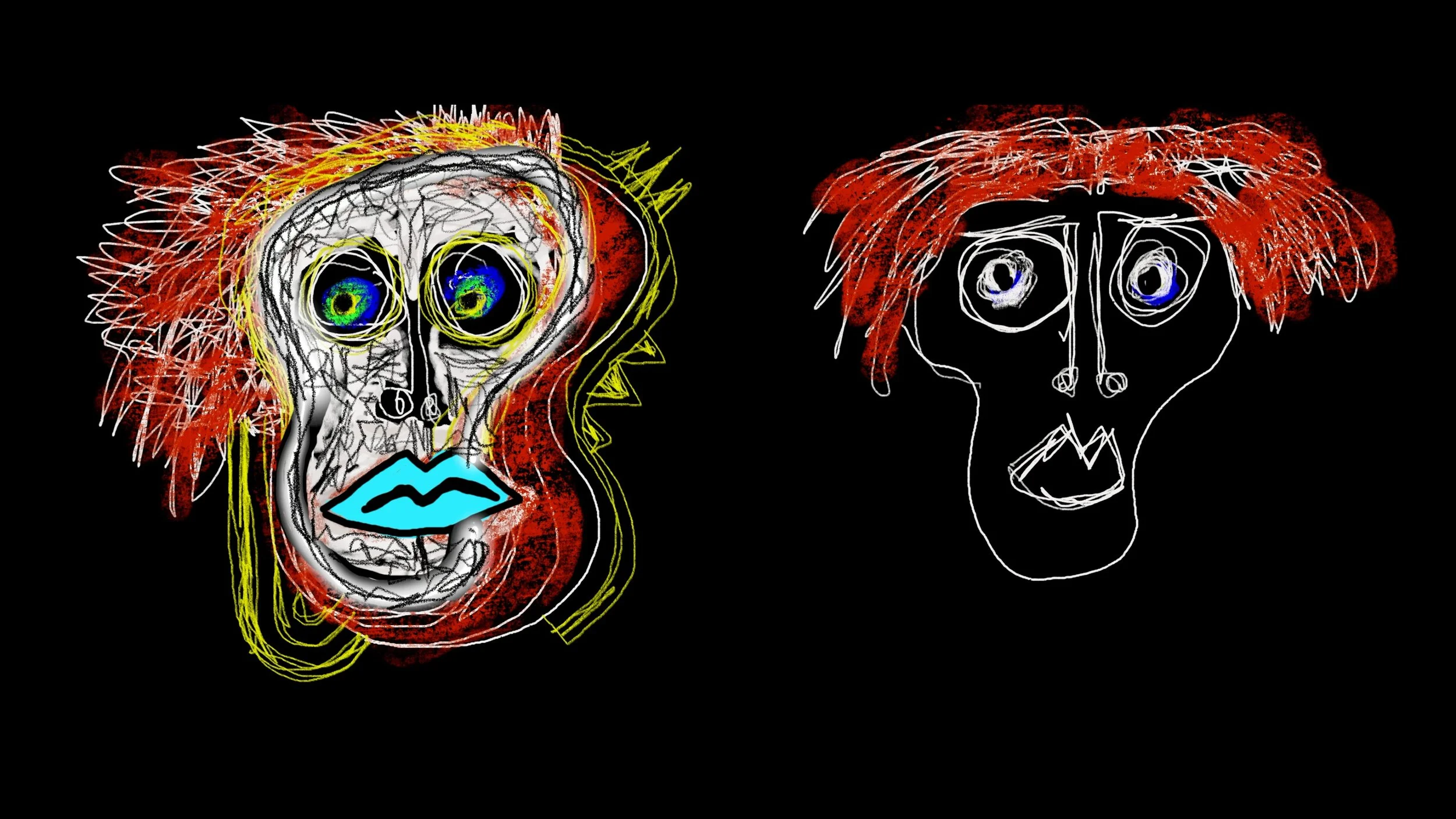
Anima Series, 2024, experimental animation
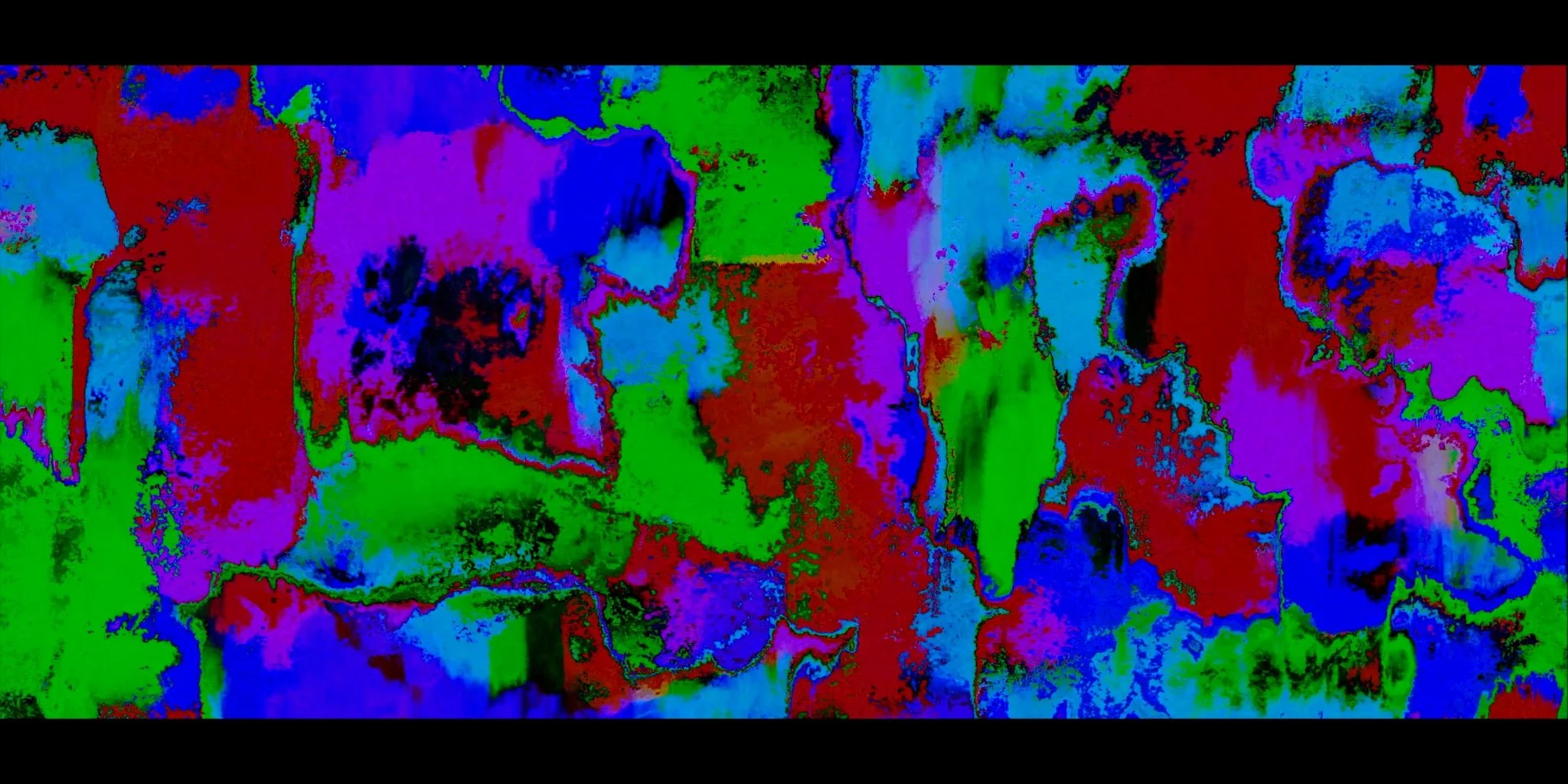
Paint On Paint, 2022, experimental animation
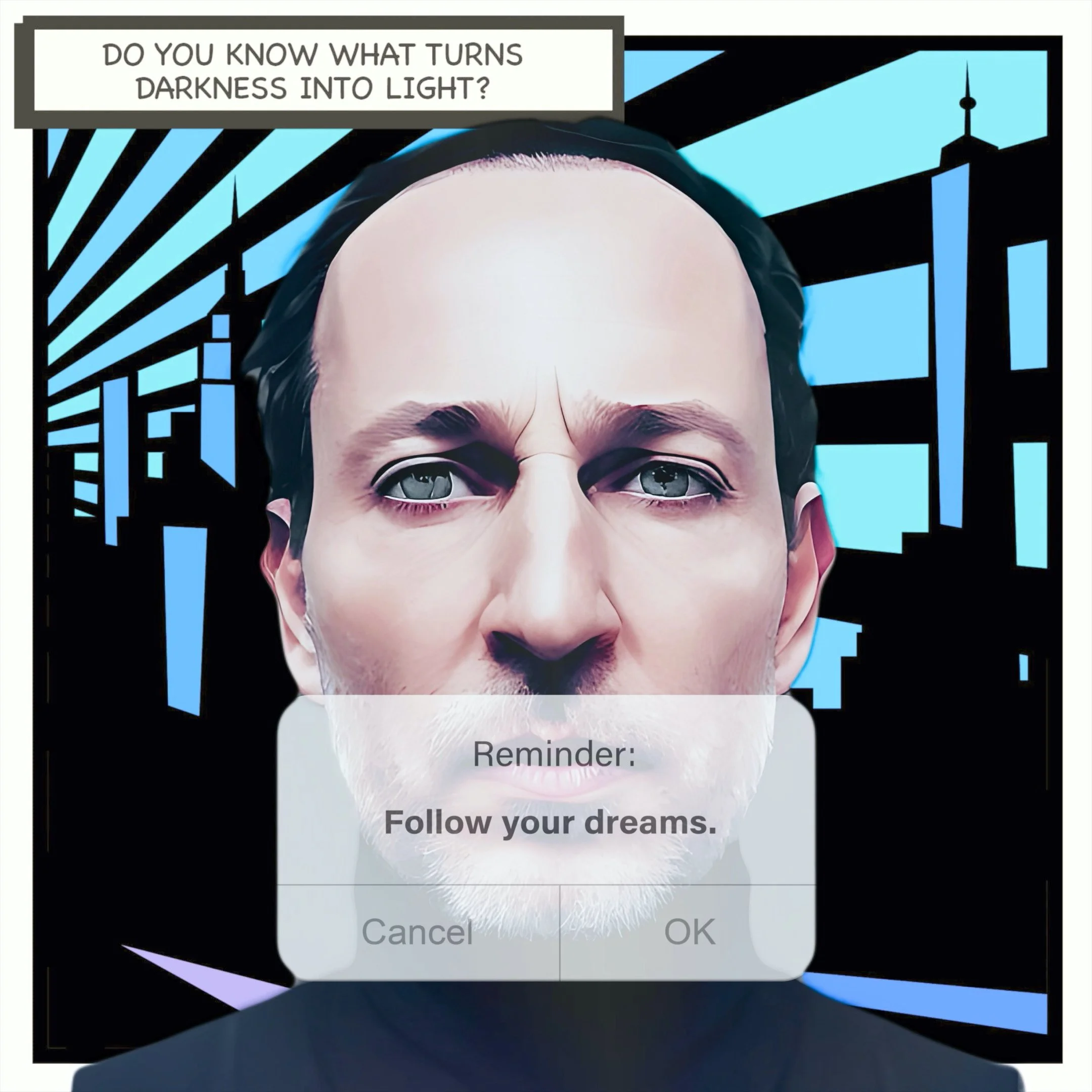
Old New Age, 2023, video art
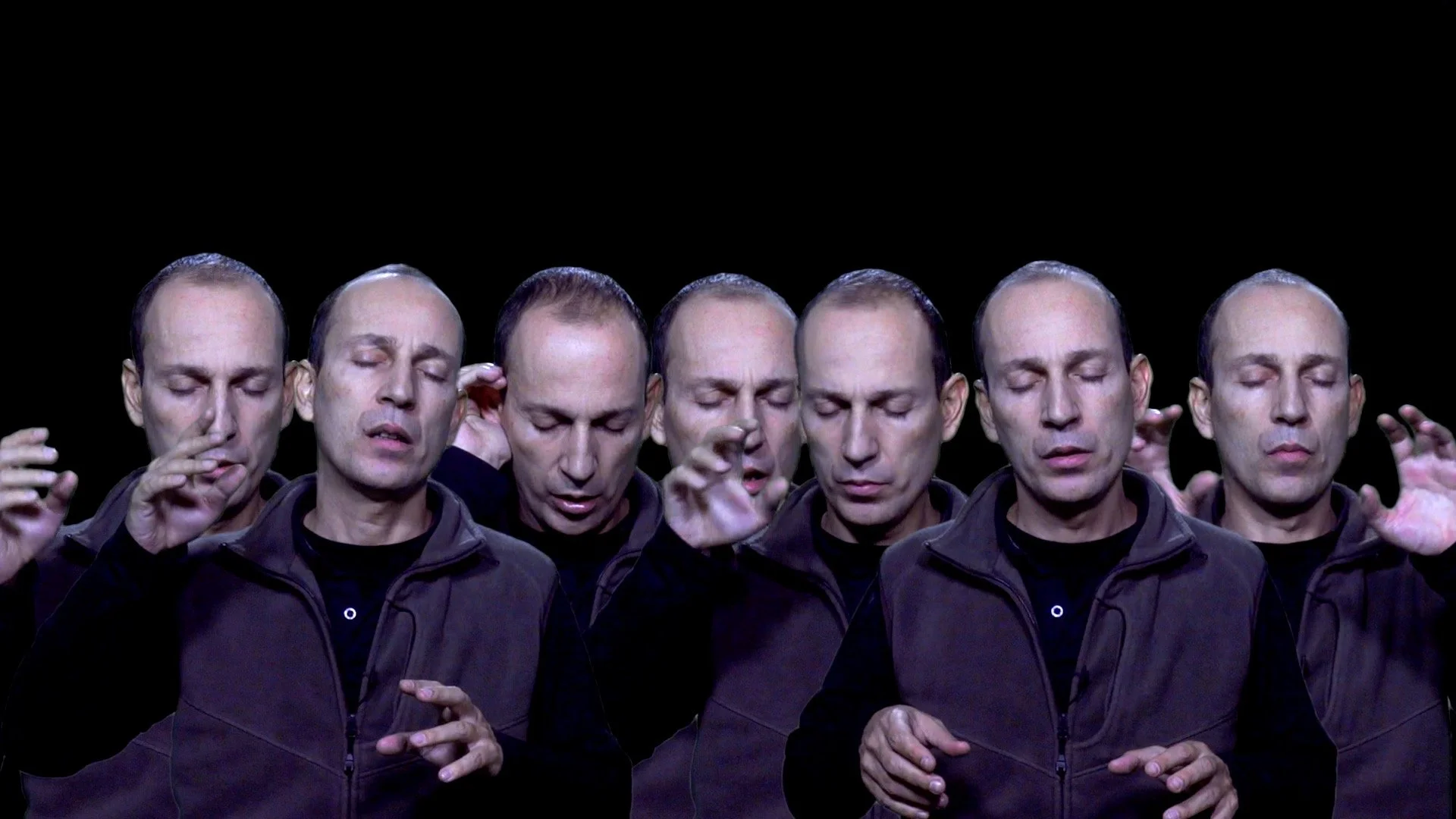
Anexperimentalviralvlog, 2016, video art
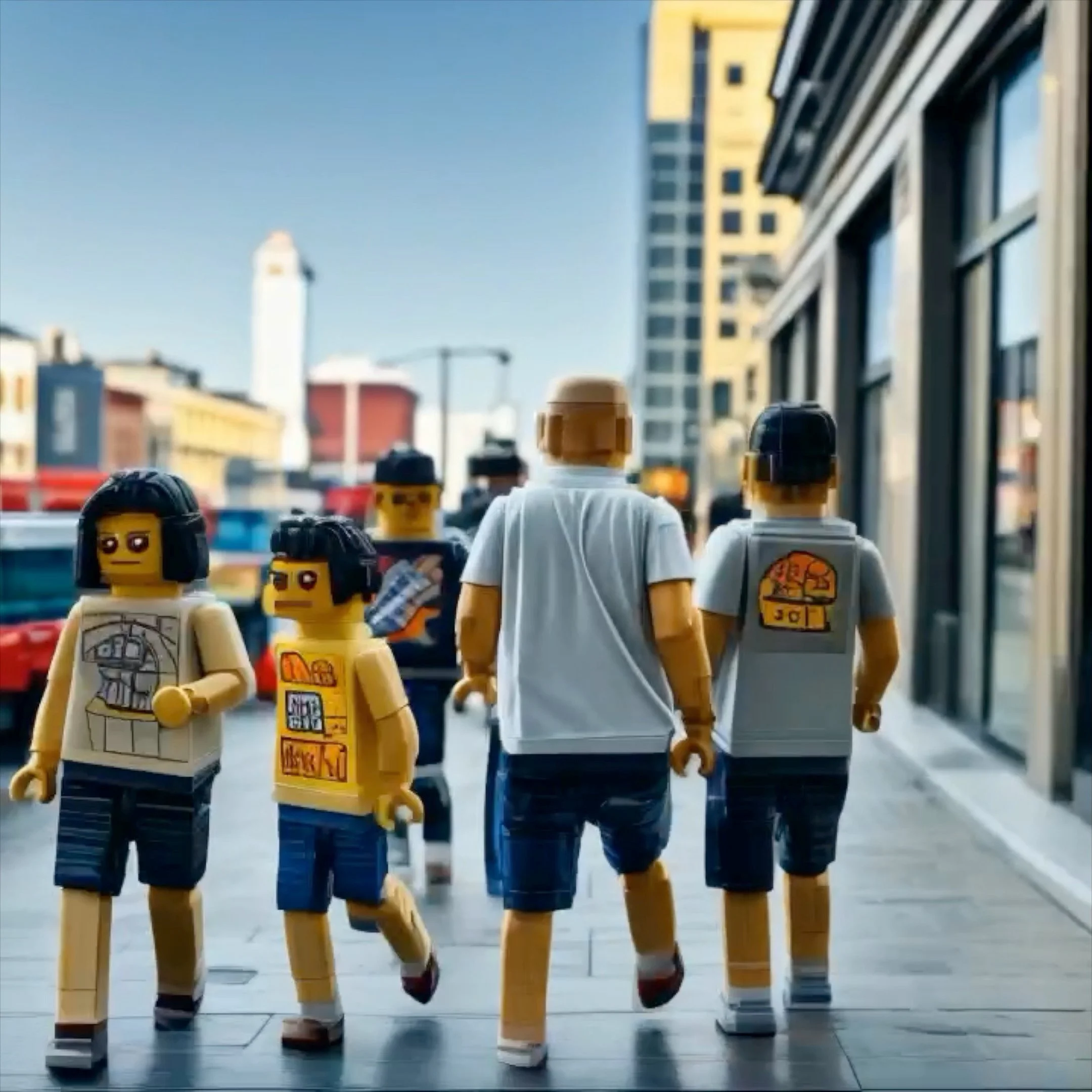
Missing Meaning, 2024, video art