Bianca Severijns
-
Selected Publications:
→ 2024 - Fiber Art Now - vol. 13 Spring issue - p. 16 -17
→ 2023 - Feast on Paper - One Family - Shanghai International Paper Art Biennale p.20
→ 2023 - What is the Measure of Man - Tel Aviv Biennale of Craft & Design p. 148 + p.500
→ 2023 - Rag & Pulp - Creativity with Paper p.94 - p. 103
→ 2022 - Faszination Papier - p. 108 - p.111
→ 2021 - Feast on Paper - Shanghai International Paper Art Biennale p.25 + P.195
→ 2020 - First Person Second Nature - Tel Aviv Biennale of Craft & Design p. 166 + p.414
→ 2020-21 - IAPMA bulletin 60 Power p.56 - P.57
→ 2020 - Art Market Magazine edition #47 May p. 15 -27 plus front cover
→ 2020 - Haaretz Designer edition 57 March p. 42 - 45
→ 2019 - 4th Di Carta Biennale Internazionale Catalog p.97 + p.130
→ 2019 - Venice 2019 Art Biennial Catalog by ECC- Personal Structures - Identities p. 450-1
→ 2019 - Jerusalem Post 10.11 p.10 -11
→ 2019 - The Calcalist 27.10 p. 30
→ 2018 - ArtReveal Magazine #39 - interview p.66 -72
→ 2017 - 360 Design - Concept and Design Magazine edition 68 - interview p.12- 17
Selected Online Publications
→ Times of Israel
https://blogs.timesofisrael.com/paper-trail-bianca-severijns-artistic-journey-from-holland-to-israel/→ Art Dealer Street
https://www.artdealerstreet.com/single-post/bianca-severijns-eclectic-with-paper→ Art and Museum
https://artandmuseum.com/en/portraits/bianca-severijns-contemporary-paper-artist→ Art Spiel
https://artandmuseum.com/en/portraits/bianca-severijns-contemporary-paper-artist→ Portfolio
https://www.prtfl.co.il/archives/120852→ Jerusalem Post
https://www.jpost.com/israel-news/the-artist-of-re-rooting-604674→ Juliet-Art
https://www.juliet-artmagazine.com/en/personal-structures-identities→ Designyoutrust
https://designyoutrust.com/2018/11/superb-paper-art-creations-of-the-contemporary-artist-bianca-severijns/→ AllthingsPaper
https://www.allthingspaper.net/2017/01/monochromatic-hand-torn-paper-art.html -
Solo & Duo Exhibitions:
→ 2025 Light as a Feather, TINT Gallery, San Francisco, California, USA
Curator: Michelle Edelman→ 2019 Protective Blanket, Gallery Periscope, Tel Aviv, Israel
Curators: Tal Beck & Sari ParanSelected Group exhibitions:
→ 2025 Exhibition Trace of Time, between Craft, Memory and Place, Teo Gallery, Herzliya, Israel
Curators: Tamar Lamdan & Carmit Shine→ 2025 Exhibition In Balance, Wertheimer Gallery, Tel Aviv, Israel
Curator: Nathalie Wertheimer→ 2025 Exhibition Summer Unveiled II, Wertheimer Gallery, Tel Aviv, Israel
Curator: Nathalie Wertheimer→ 2024 Exhibition Charcoal and Chlorophyll, Wertheimer Gallery, Tel Aviv, Israel
Curator: Nathalie Wertheimer→ 2023 Feasts on Paper, Shanghai Paper Biennial 2023, China
Curator: Anson Ou→ 2023 As if there is no Tomorrow, Dizengoff Center, Tel Aviv, Israel
Curator: Nava Benzion→ 2023 What is the Measure of Man? The 2nd Crafts & Design Biennale, MUZA Eretz Israel Museum, Tel Aviv, Israel
Curators: Henrietta Eliezer Brunner, Nir Harmat, Tomer Sapir→ 2023 Vessels Gallery 187 Contemporary, Tel Aviv, Israel
Curators: Tamar Lamdan & Carmit Shine→ 2022 Paper Fascination Gustav Lübcke Museum, Hamm, Germany
Curator: Diana Lenz-Weber→ 2022 Tribute to Earth Artists House, Tel Aviv, Israel
Curators: Sari Paran and Ilana Lanner→ 2022 Treasures of Nature, Municipal Art Gallery, Rishon Lezion, Israel
Curators: Efi Gen, Vera Pilpoul, Keren Weishouse→ 2022 5th International Paper Biennial 2022, Trumpeldor Gallery, Be'ersheva, Israel
Curator: Laura Behar→ 2022 International Paper Biennial, Kunststichting Perspectief vzw, Haacht, Belgium
Curators: Maurice van der Speeten, Danielle van Belle→ 2021 Liquid Love, Theo Culture Center, Herzliya Pituach, Israel
Curator: Daria Kaufman→ 2021 Feasts on Paper, Shanghai Paper Biennial 2021, China
Curator: Anson Ou→ 2021 Origin & Destination, University of Tasmania, Australia & Shanghai Biennial 2021, China
Curator: Angela Barbour→ 2021 Reflections, during illustration week, Tel Aviv
Curators: Sima Barber & Ronit Dayan Vishovski→ 2020 Not by the Dress Alone, Museum on the Seam, Jerusalem
Curator: Raphie Etgar→ 2020 1st Craft & DesignTLV Biennial, Eretz Israel Museum, Tel Aviv
Curators: Henrietta Eliezer Brunner, Yuval Sa'ar, Meirav Rahat, Nir Harmat, Liora Rosin→ 2019 Venice Biennial 2019, Personal Structures - Identities, Palazzo Mora, Venice, Italy
Chief Curator: Valeria Romagnini, Exhibition Curators: Shira Davidi and Dorit Lautman→ 2019 Art on Paper, Site: Brooklyn Gallery, New York, USA
Curator: Rebecca Lax→ 2019 Di Carta Papermade 4th Paper Biennial, Palazzo Fogazzaro, Schio, Italy
Curator: Valeria Bertesina→ 2017 Art Beyond Waste, Trade Centres of Electra, Rishon Lezion, Israel
Curator: Ronit Reik -
→ 2022 - Gold List Award Artist - Art Market Magazine
-
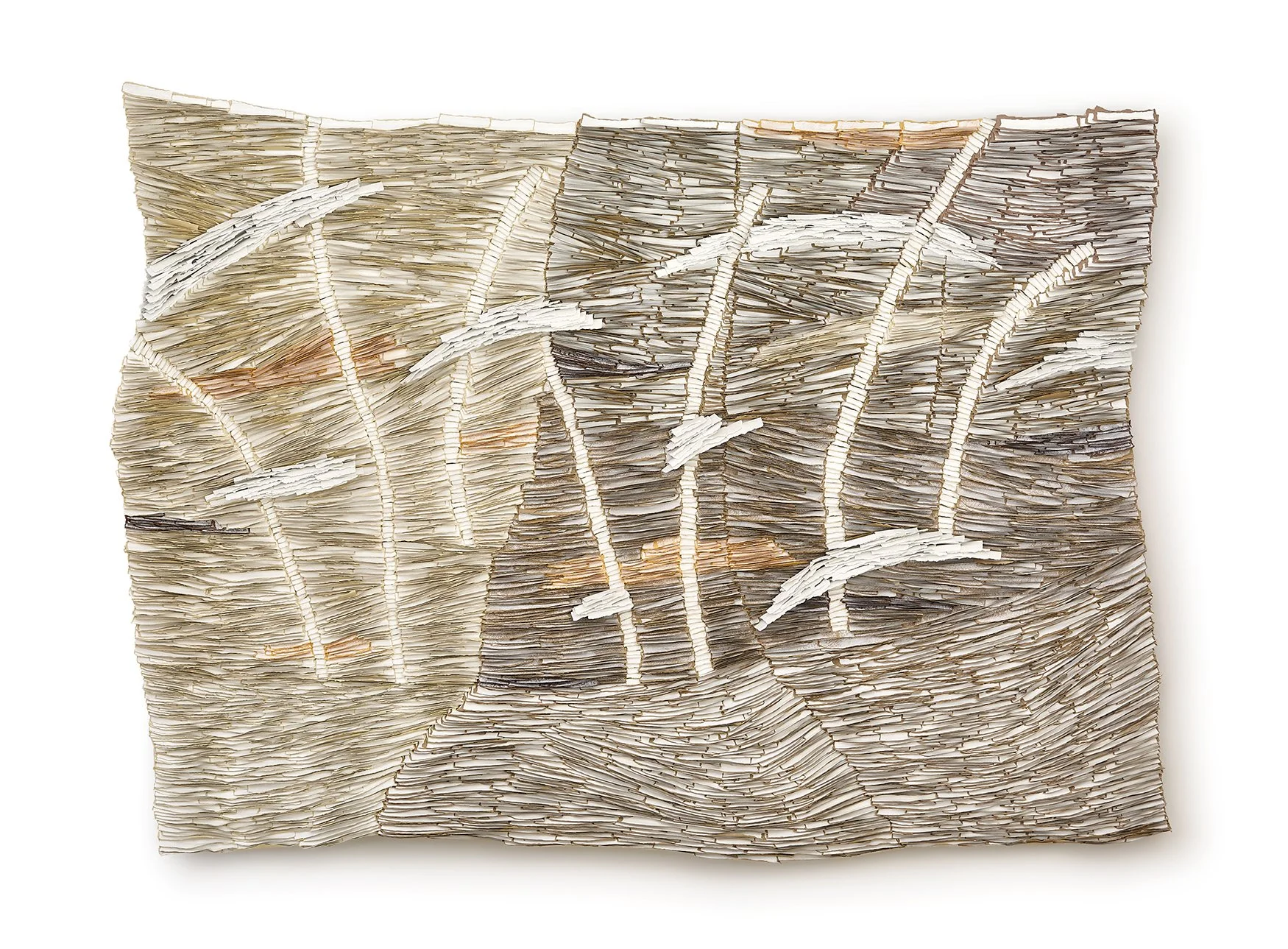
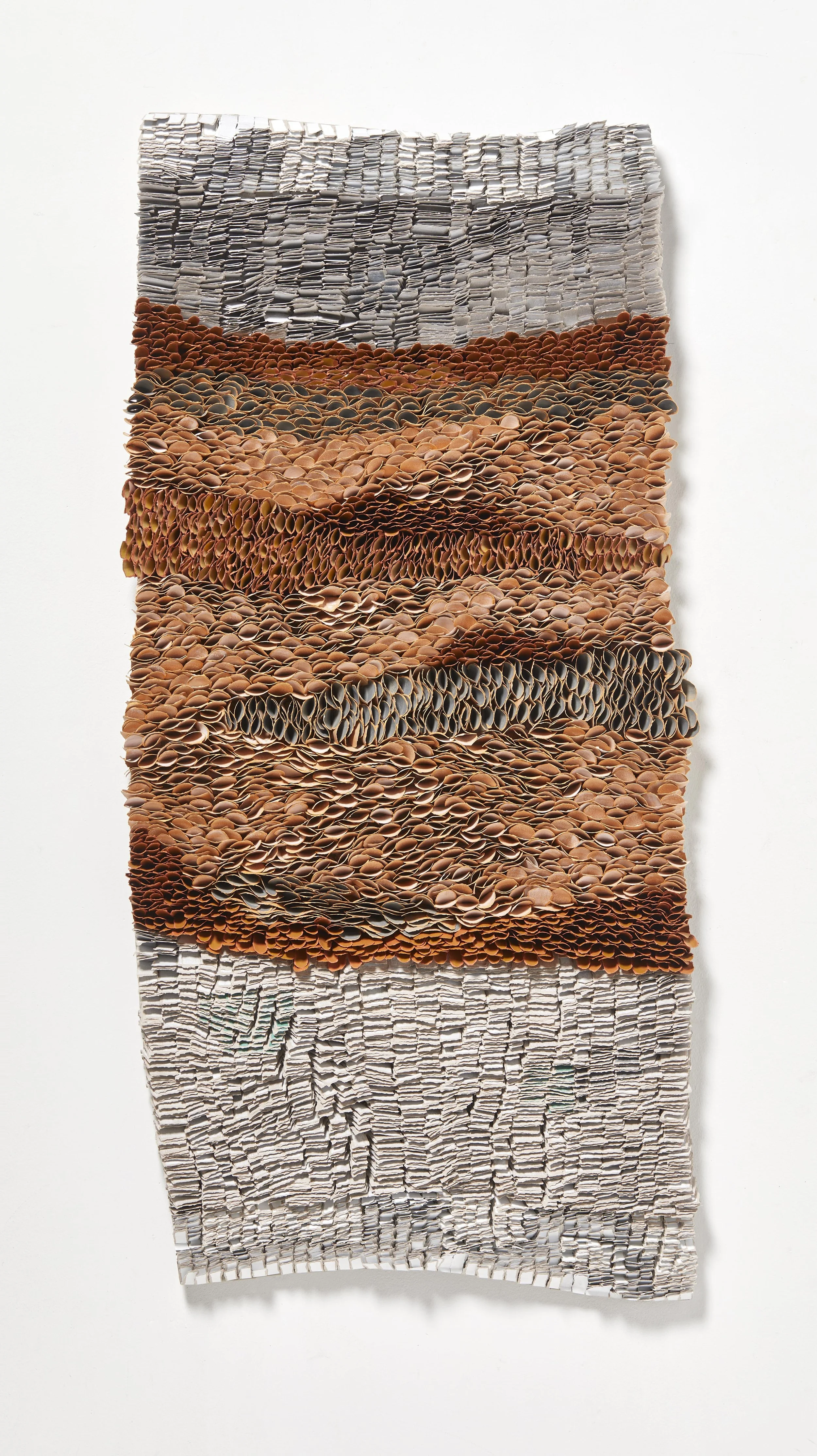
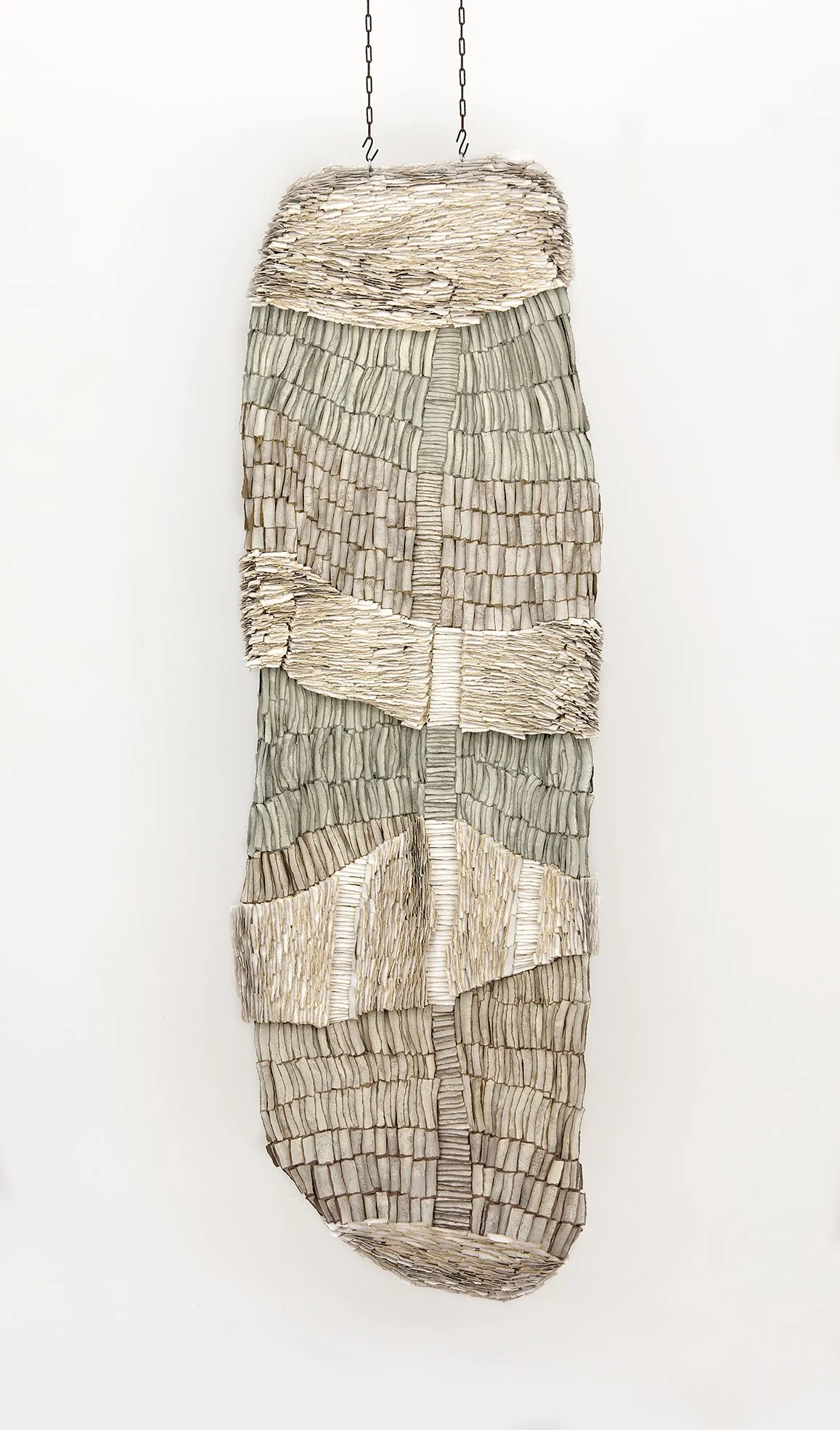


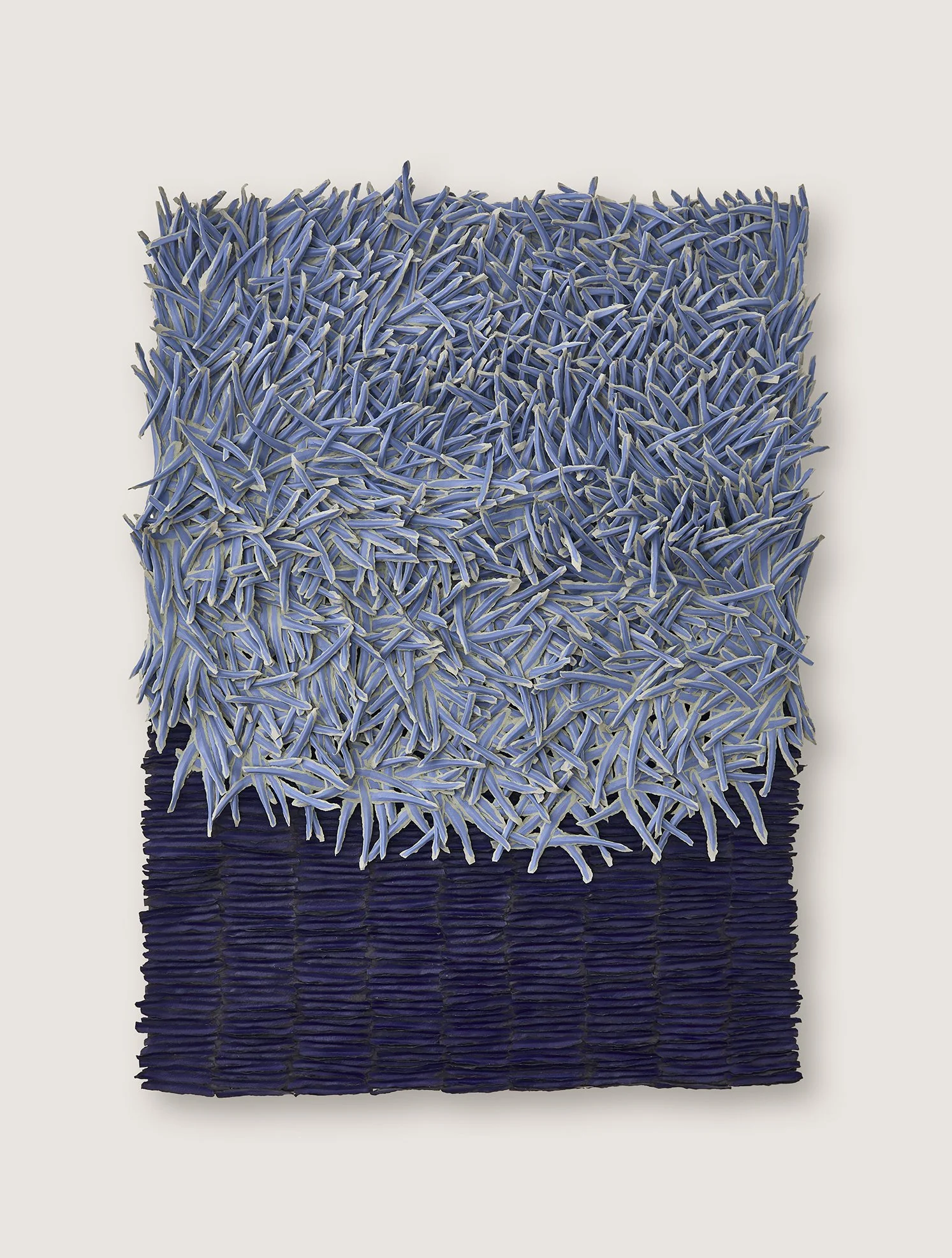
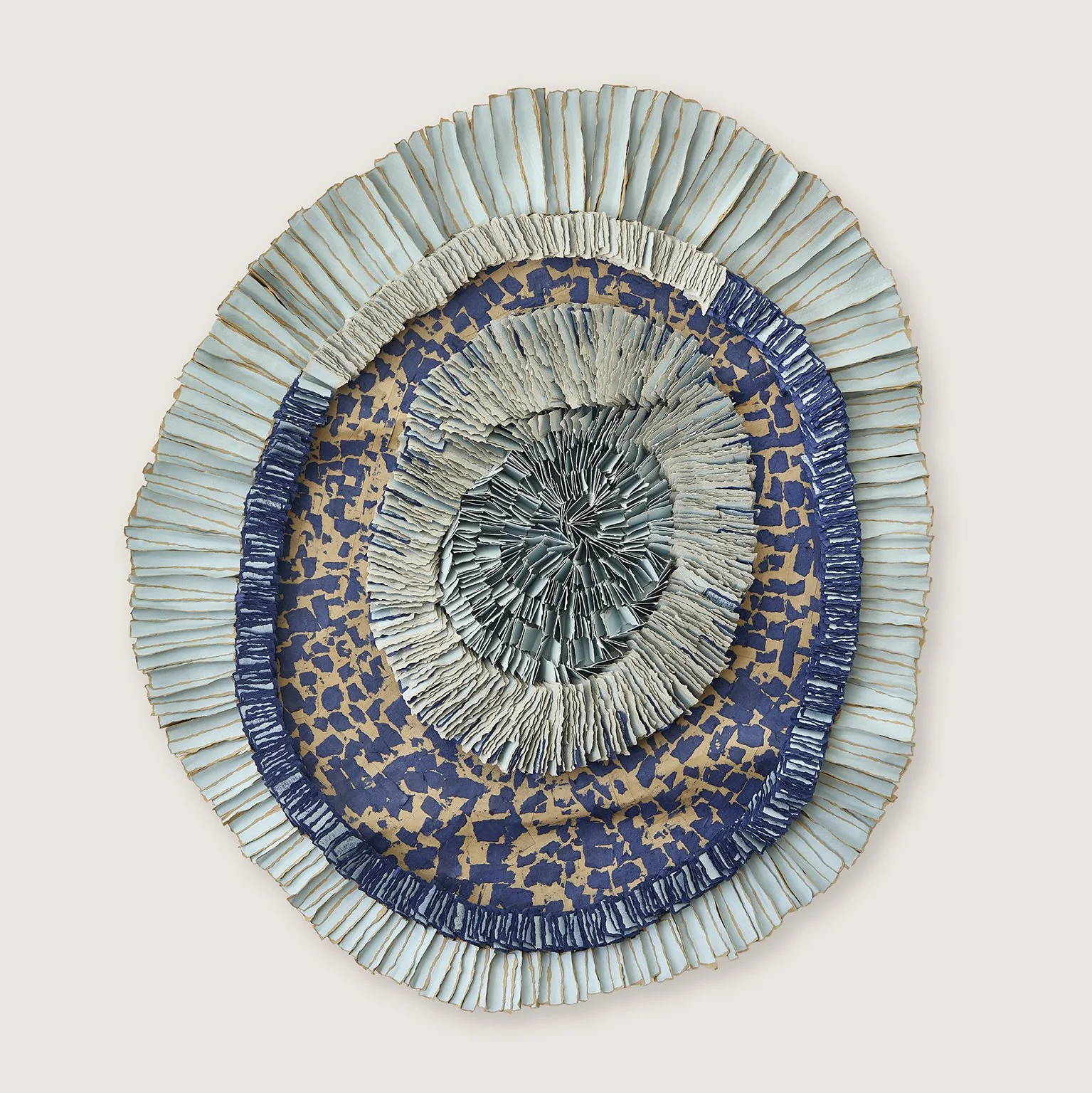

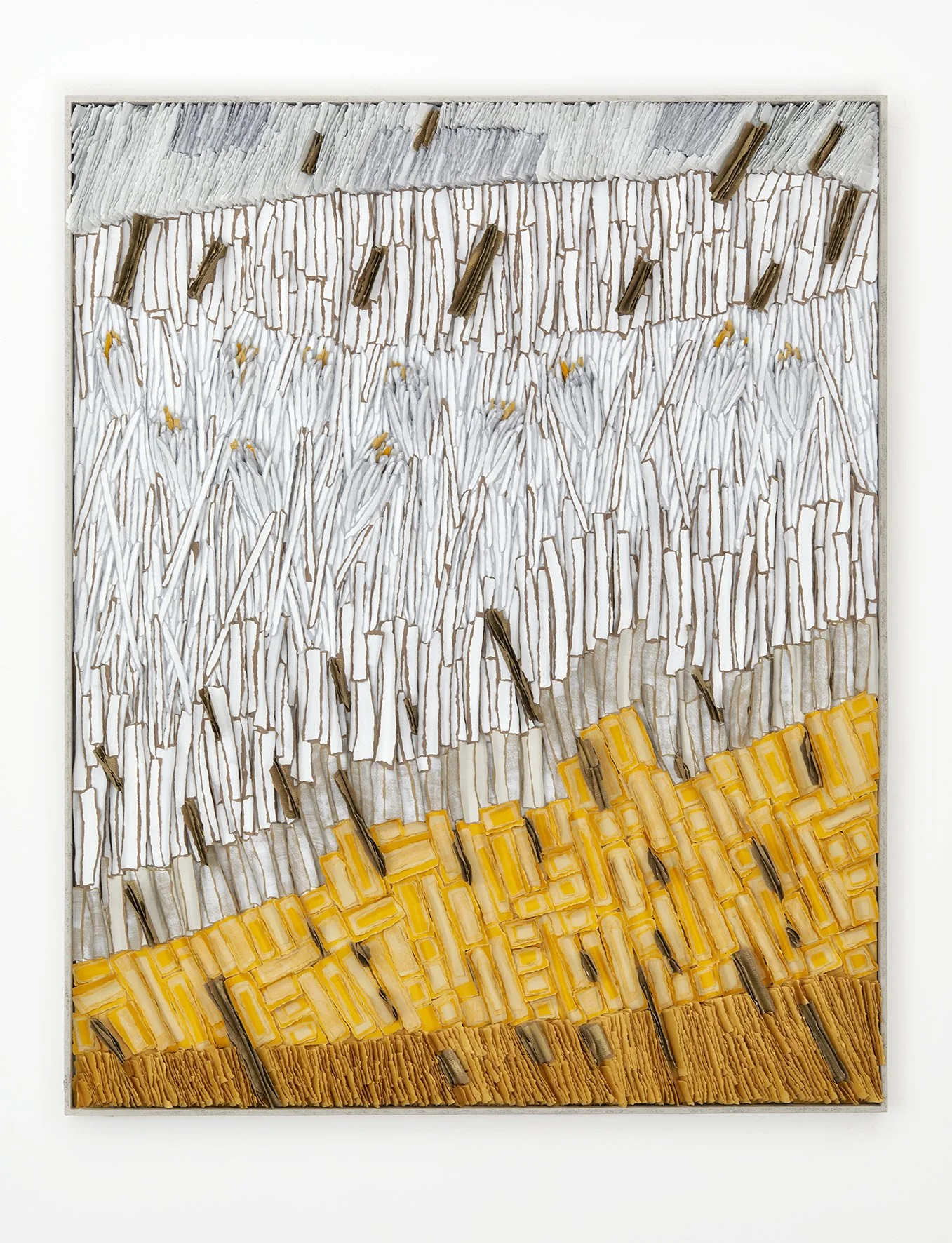
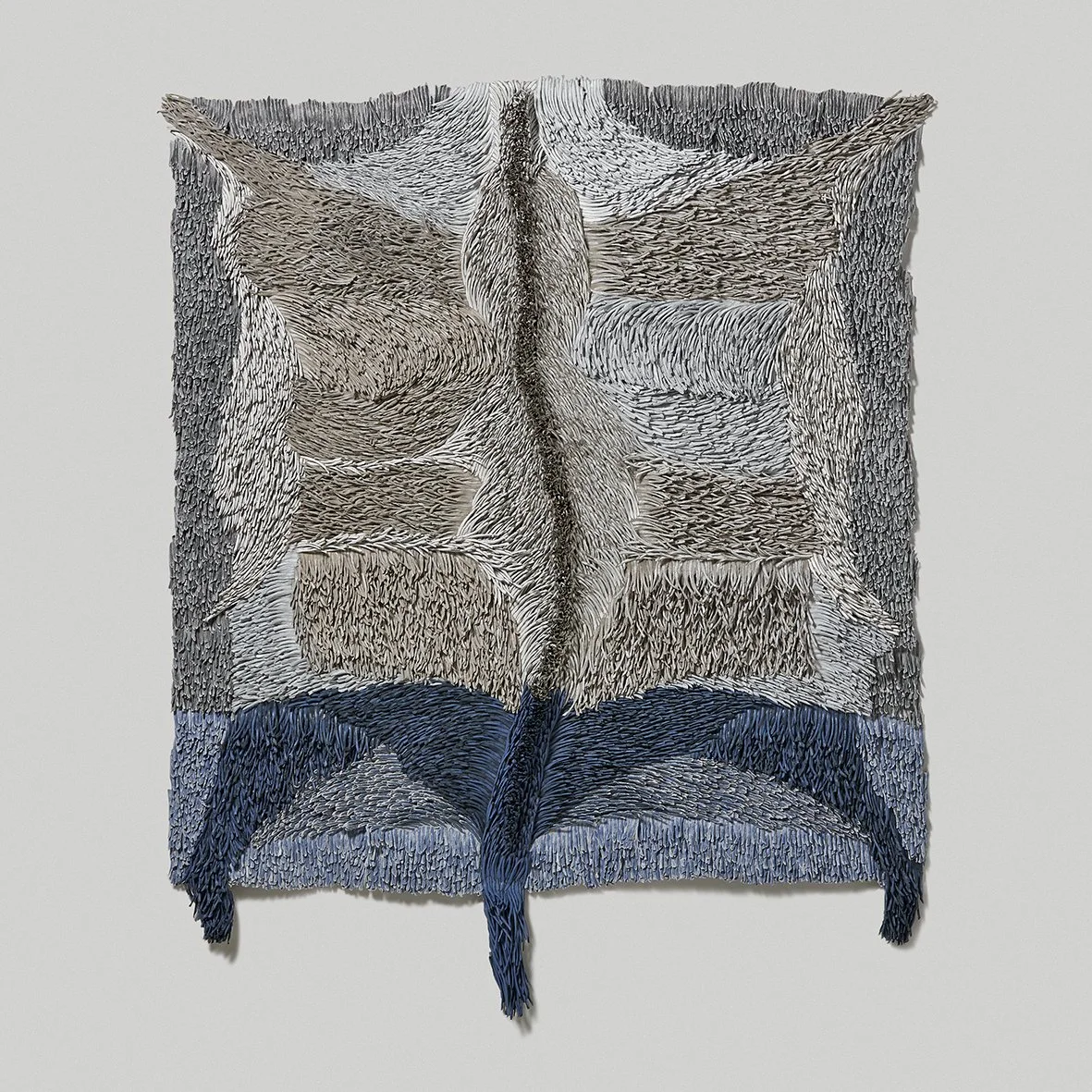
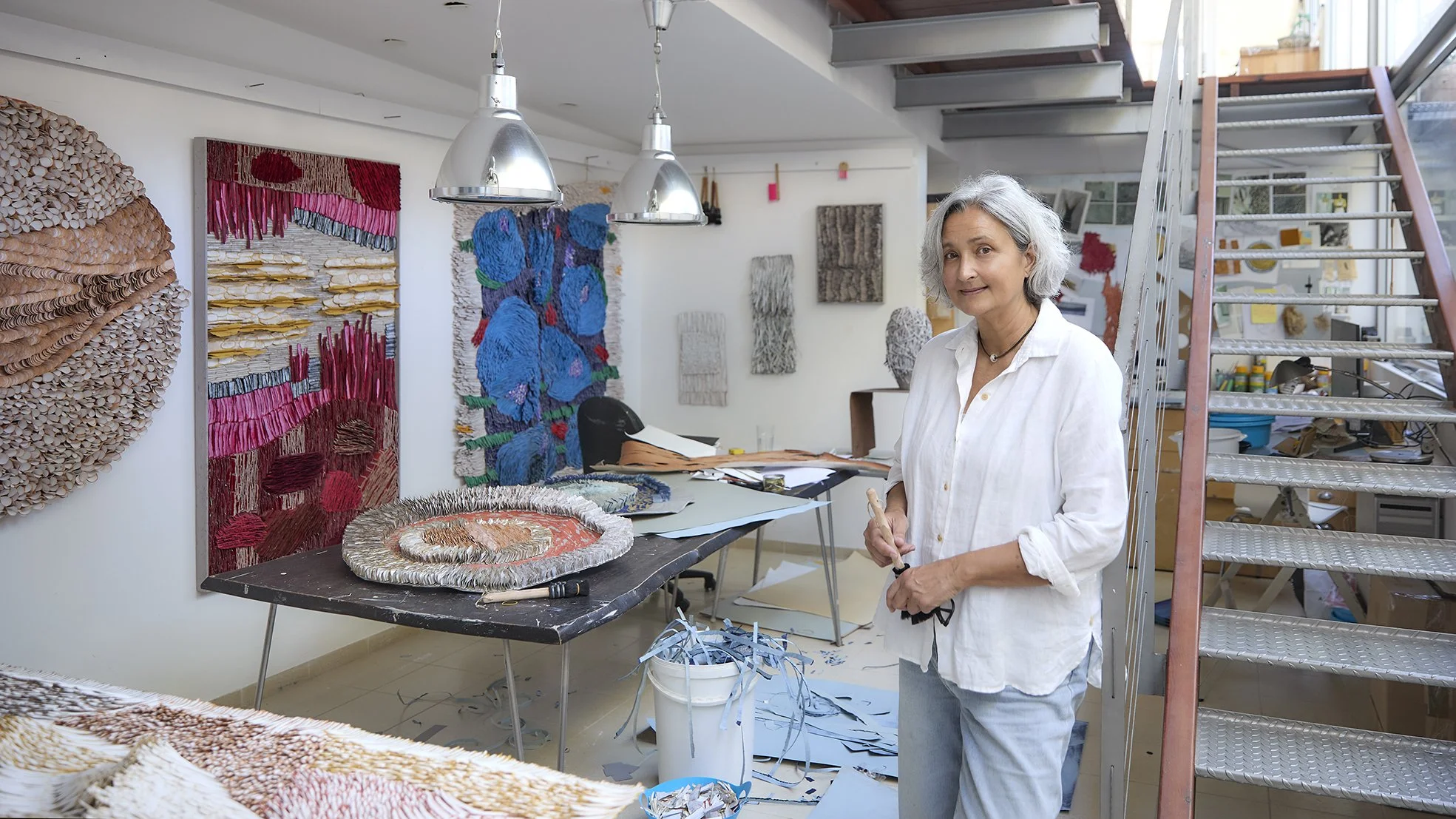
Bianca Severijns’ work emerges from a life shaped by movement, cultural multiplicity, and the quiet resilience required to build a sense of home while in transition. Born in the Netherlands in 1964 to a multicultural family, Severijns has lived and worked across continents for nearly two decades. Although her relocations were by choice, the lived experience of uprooting, arrival, and adaptation has become the emotional and conceptual ground from which her art practice evolved.
Working primarily with paper, Severijns has developed a distinctive hand-tearing technique that lies at the heart of her practice. The repetitive, meditative act produces hundreds of small fragments with raw, uneven edges, each piece carrying the imprint of imperfection. Through careful assembly, destruction is transformed into structure, fragility into strength. Paper, often perceived as delicate and ephemeral, becomes a metaphor for both vulnerability and endurance.
Her recent works were created against the backdrop of times of war and global crisis. They reflect fractured realities marked by loss and uncertainty, while simultaneously holding space for hope, healing, and renewal. Earlier in her practice, Severijns explored displacement through natural cycles: nesting, decay, and rebirth, drawing parallels between environmental rhythms and human experience. This inquiry later deepened into an examination of the most fundamental human needs arising from displacement.
This evolution led to her signature series, Protective Blankets, in which Severijns reimagines humanitarian first aid not only as a physical object but as a symbolic language of care. These works speak quietly yet powerfully of security, protection, dignity, acceptance, and freedom, values that transcend borders and politics.
In her most recent body of work, Earth Skins, Severijns turns her focus toward the elemental cycles of nature and existence itself. Inspired by the circular rhythms found in the natural world, she explores how the earth’s surfaces, its skins, shift, erode, regenerate, and transform over time. The works reflect both the slow movements of landscapes across geological ages and the more immediate changes shaped by seasonal cycles.
Earth Skins considers decay not an end but a generative force, one that feeds renewal and gives rise to new life. Grace and beauty coexist with erosion, rot, and dissolution; death becomes inseparable from becoming. Through layered paper fragments, Severijns evokes geological strata, weathered terrains, and organic textures that feel both ancient and alive, hovering between fragility and permanence.
Severijns’ contemporary paper works take form as sculptural tapestries, reliefs, murals, and three-dimensional objects. Influenced by minimalism and organic systems, her abstract compositions are richly textured and meticulously composed, inviting close observation and quiet contemplation.
Her work has been exhibited internationally, including at the Venice Biennale, museums across Europe and Israel, and significant international paper biennials. Her artworks are held in private collections worldwide, as well as in museum collections. She is a member of the International Association of Papermakers and Paper Artists (IAPMA).
After nearly two decades of living and working across different cultural landscapes, Severijns is now preparing to return to Europe.
My work is rooted in the act of transformation. I work with paper, tearing it by hand in a slow, repetitive, and meditative process. Each fragment carries an irregular edge, a trace of rupture. Through careful assembly, these fragments are brought together into new structures, where destruction becomes construction and fragility reveals strength.
I am drawn to cycles, those found in nature and those lived within human experience. Displacement, erosion, decay, and renewal recur throughout my work, not as opposing states but as interconnected phases of existence. What falls apart becomes the ground for what emerges.
In my recent series, Earth Skins, I observe the Earth's surfaces as living entities. Landscapes shift, weather, and transform across seasons and ages, bearing the marks of time. Decay is not an ending, but a vital process through which life is sustained and regenerated. Within these works, grace and beauty coexist with rot and dissolution; death becomes inseparable from becoming.
Paper allows me to work at the threshold between vulnerability and resilience. Its softness holds memory; its layers suggest accumulation, erosion, and time. By working slowly and intuitively, I seek to create spaces of quiet contemplation. Works that invite the viewer to pause, sense, and reflect on impermanence, continuity, and the delicate balance that sustains life.