Richard Harpum
-
→ Circle Foundation for the Arts. See the link: [Richard Harpum - Circle Foundation for the Arts]
→ iCanvas published an article on their blog commemorating US Veterans Day. It was entitled "Top 5 Veterans Day Art: Honoring & Capturing the Heart of Heroes." My painting 'Tommy' was his No. 1 choice. See the link: https://lnkd.in/eAETeUvP
→ Bradford Exchange released a limited edition print in 2019 to commemorate the Victoria Cross, which included my print of Tommy.
→ Martin House Hospice for children & young people; Charity Christmas card 2017 using Winter Morning, Fountains Abbey, North Yorkshire.
→ Sumitomo (Japan) corporate calendar 2016; 6 images.
→ Community Update Magazine #868, March 2015. Article about Commitment to Excellence Award.
→ Bucks, Berks & Oxfordshire Guardian, Issue 48, December 2014. Article.
→ Western Guardian, November 2014. Article.
→ Aspire Magazine, Issue 375, November 2014. Article.
→ Racing Pigeon Pictorial International - World War 1 Special Issue; Tommy selected as inside cover picture.
→ House of Commons, December 2013. Winter Sun, Houses of Parliament, London used as the House of Commons' Christmas card.
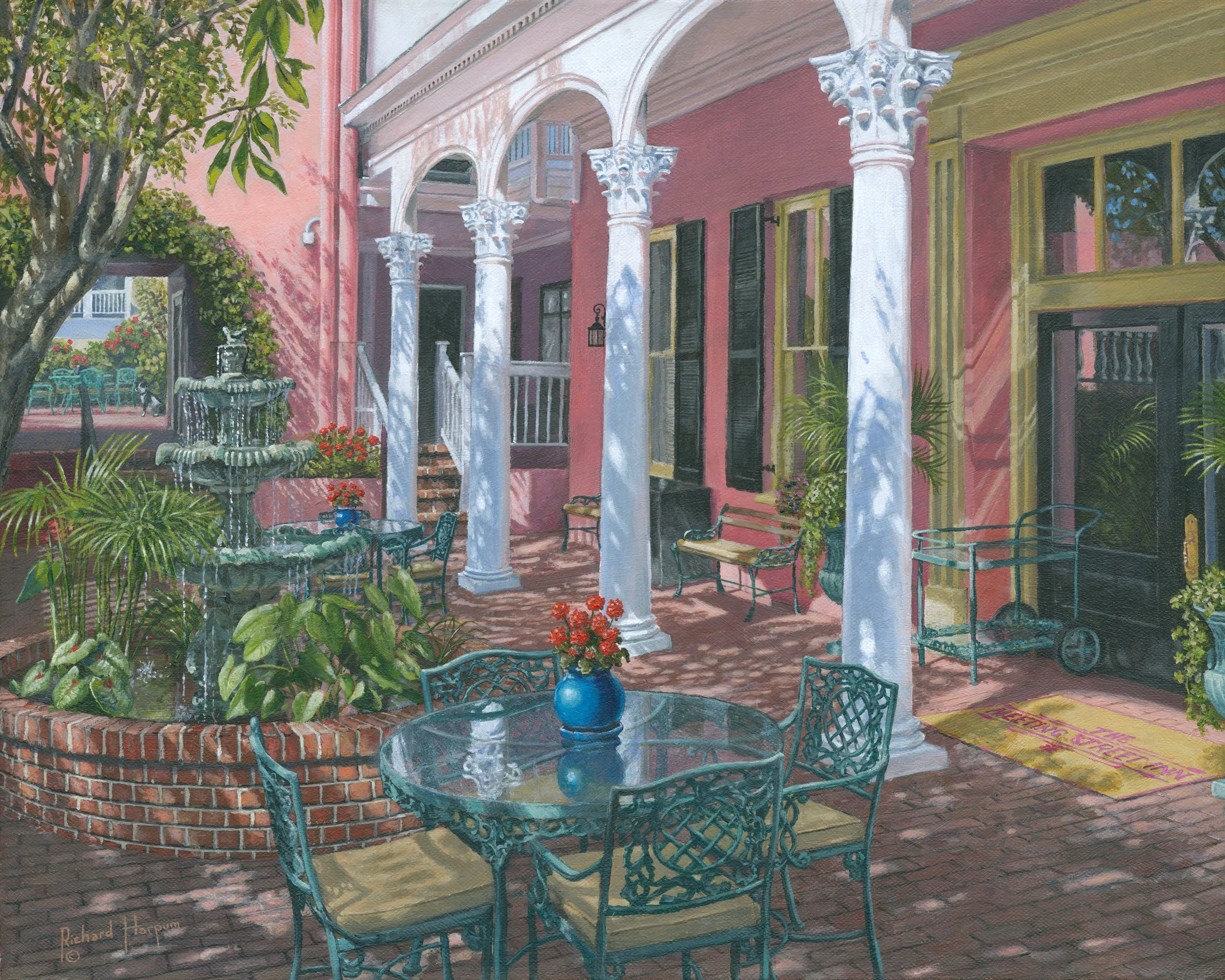
→ The Artist Magazine, September 2013. Artist of the Year Awards with Meeting Street Inn, Charleston.
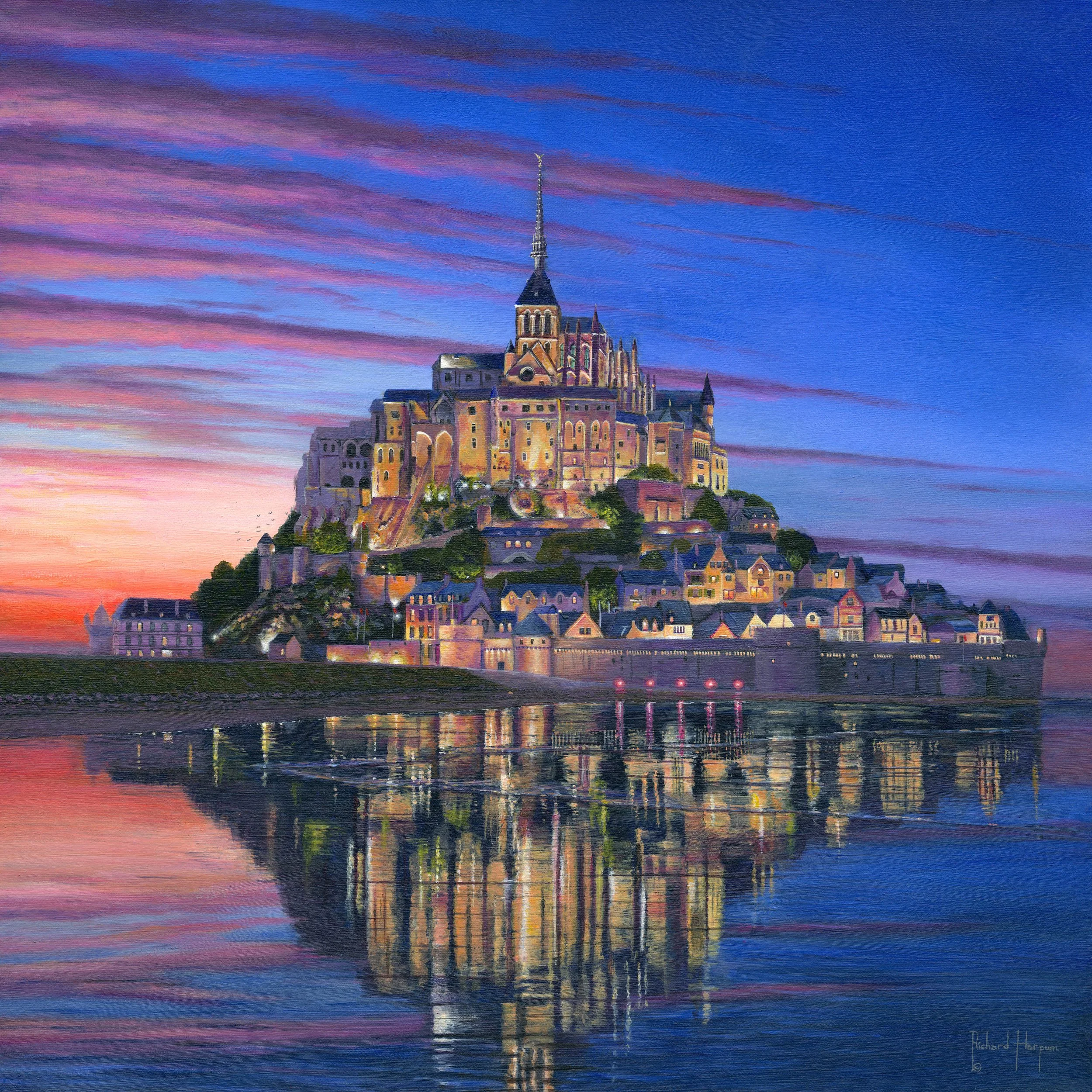
→ Artists & Illustrators Magazine, May 2013; Mont Saint-Michel Soir selected in the monthly Portfolio.
→ Artist & Illustrators Magazine's website, March 2013; Featured Artist. Mont Saint-Michel Soir was also featured in the print edition.
→ Paint Magazine, May 2013.
→ Artists & Illustrators Magazine, September 2012; Sandcastles selected as Picture of the Month.
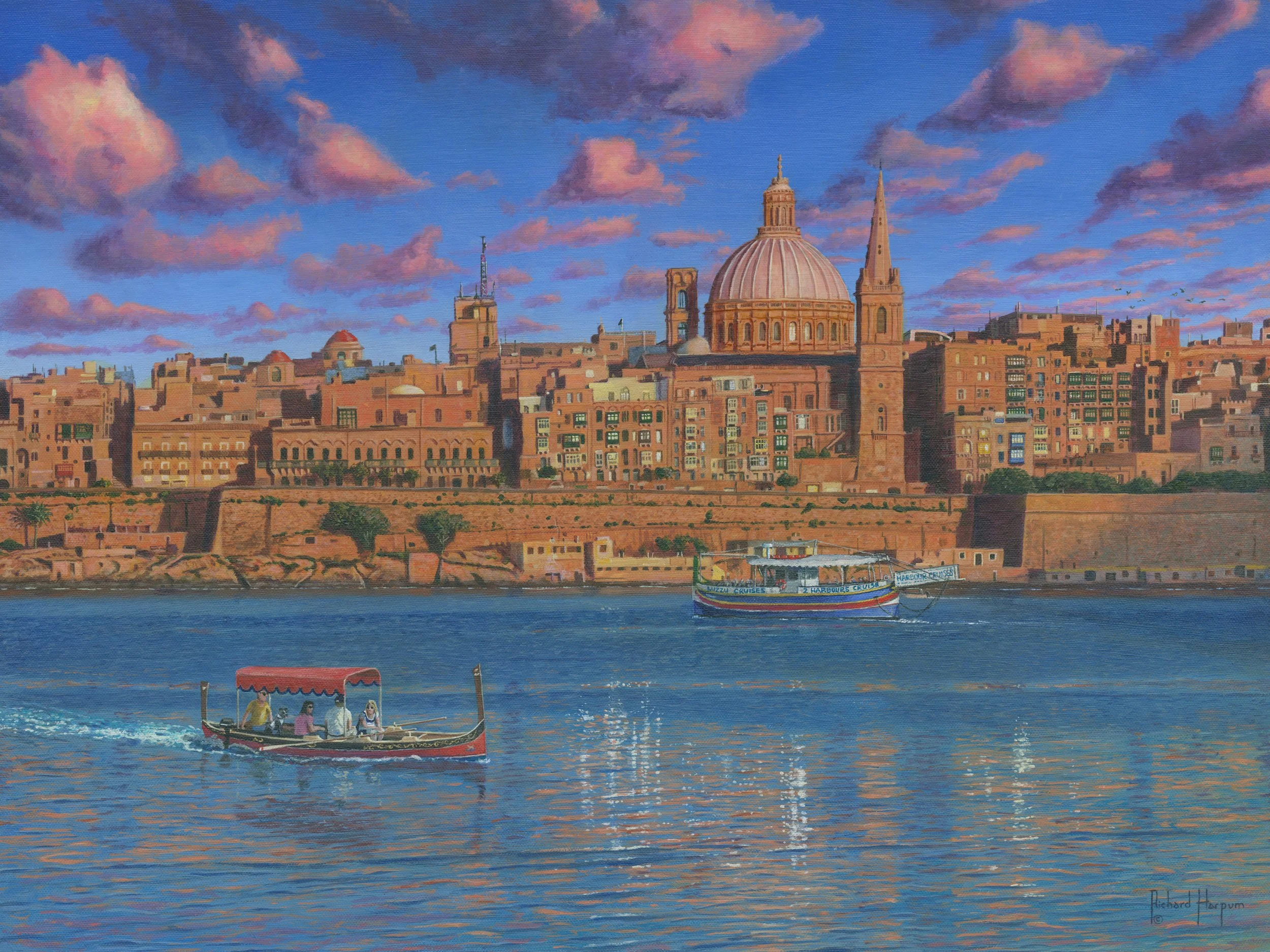
→ Paint Magazine, July 2012. Artist of the Year 2012 article on winning painting - Hera II, Valetta, Malta.
→ Paint Magazine, May 2012. Painting - La Lampareria, Albacin, Granada.
→ Paint Magazine, March 2011. You and Me.
→ Artists & Illustrators Magazine, January 2011. Prague at Dusk selected in the monthly Portfolio.
→ International Artist Magazine, Issue 73, June 2010; 10-page feature article.
→ Knaresborough Post, 12 March 2010. Article about my painting Knaresborough, Yorkshire.
→ International Artist Magazine, Issue 71, February 2010. Competition finalist with Knaresborough, Yorkshire.
→ Rotherham Advertiser, 19 February 2010. Article.
→ Paint Magazine, January 2010.
→ Doncaster Star, 2 March 2009. Article.
→ Retford Times, 26 February 2009. Article.
→ Rotherham Advertiser, 27 February 2009. Article.
-
2025
→ Red Dot Miami; 3 - 7 December 2025
2020
→ PaintersOnline Virtual Patchings Art Festival; from 9 July 2020
2019
→ Expo Metro London 2019; 'Mont Saint Michel Soir' on display at Green Park Tube Station
2018
→ ARTBOX.PROJECT, Armory Artweeks, New York City; 5 - 16 March 2018
2016
→ Art in the Gardens, Sheffield; 2 - 4 September 2016
2015
→ Patchings Art Festival and Exhibition; 4 June - 18 July 2015
2014
→ Mall Galleries, London; January 2014
→ International ArtExpo, New York; 4 - 6 April 2014
→ Thoresby Gallery, Wide Open Exhibition; 5 April - 5 May 2014
→ Patchings Art Festival and Exhibition; 5 June - 19 July 2014
→ Great Sheffield Art Show; 27 - 29 June 2014
→ Art in the Gardens, Sheffield; 5 - 7 September 2014
2013
→ Thoresby Gallery, Wide Open Exhibition; 20 April - 19 May 2013
→ Patchings Art Festival and Exhibition; 7 June - 21 July 2013
→ Great Sheffield Art Show; 4 - 7 July 2013
→ Art in the Gardens, Sheffield; 6 - 8 September 2013
2012
→ Thoresby Gallery, 16th Open Exhibition; September/October 2012
→ Art in the Gardens, Sheffield; 31 August – 2 September 2012
→ Great Sheffield Art Show; 28 June - 1 July 2012
→ Thoresby Gallery, Wide Open Exhibition; 19 May – 10 June 2012
2011→ Doncaster Open Art Exhibition; 22 October - 3 December 2011
→ Thoresby Gallery, Conflict Exhibition; September/October 2011
→ Art in the Gardens, Sheffield; 2– 4 September 2011
→ Great Sheffield Art Show; 7– 10 July 2011
→ Patchings Art Festival; 9 – 12 June 2011
→ Thoresby Gallery, Seaside Exhibition; 23 April – 30 May 2011
2010
→ Doncaster Open Art Exhibition; 23 October - 4 December 2010
→ Art in the Gardens, Sheffield; 3 – 5 September 2010
→ FEVA, Knaresborough (at Art in the Mill); 13-22 August 2010
→ Holmfirth Art Week; 4 - 10 July 2010
→ Great Sheffield Art Show; 8 – 11 July 2010
→ Art in the Park, Sandbeck Park; 26-27 June 2010
→ Patchings Art Festival; 10 – 13 June 2010
→ Thoresby Gallery, Seaside Exhibition; 22 May – 22 August 2010
2009
→ Doncaster Open Art Exhibition; 24 October - 6 December 2009
→ Harrogate Autumn Flower Show; 18 – 20 September 2009
→ Art in the Gardens, Sheffield; 4 – 6 September 2009
→ It's all about Art, London; 23 - 25 July 2009
→ Great Sheffield Art Show; 9 – 13 July 2009
→ Patchings Art Festival; 4 – 7 June 2009
→ Harrogate Flower Show; 23 – 26 May 2009
2008
→ Doncaster Open Art Exhibition; 18 October - 7 December 2008
→ Thoresby Hall Open Art Exhibition; 12 September - 11 October 2008
-
→ Richard Harpum Fine Art was an SME Northern Enterprise Awards 2023 winner.
→ The Artist Magazine Patchings 2020 Competition; "Whitby Harbour, North Yorkshire" was selected for the PaintersOnline Virtual Patchings Festival.
→ ARTBOX.PROJECT, Armory Artweeks, New York City: "The Treasury, Petra, Jordan".
→ The Artist Magazine Patchings 2017 Competition; "Whitby Harbour, North Yorkshire" was highly commended.
→ Fine Art World: Artist of the Month, November 2016.
→ The Artist Magazine Patchings 2016 Competition; "The Red Boat, Polperro, Cornwall" was highly commended.
→ The Artist Magazine Patchings 2015 Competition; "Positano Vista, Amalfi Coast, Italy" was selected for the exhibition.
→ Fine Art America; 2nd place in 'Prague' contest, May 2015 with "Misty Dawn, Charles Bridge, Prague".
→ Fine Art America; Winner of 'Paintings of Soldiers' contest, March 2015 with "Tommy".
→ Community Update Magazine, 2015; Commitment to Excellence Award 2015.
→ American Art Awards, 2014 - Landscapes with Figures:
→ 5th place for "Great Wall Of China – Mutianyu Section"
→ 6th place for "The Treasury, Petra, Jordan"
→ The Artist Magazine Patchings 2014 Competition; "Great Wall of China - Mutianyu Section" was selected for the exhibition.
→ STYPEPODS IKON-16 Awards, March 2014; Artist winner.
→ Great Sheffield Art Show 2013; "Cadiz Garden" was voted Best Professional Artwork in Show.
→ The Artist Magazine Patchings 2013 Competition; "Meeting Street Inn, Charleston" was selected for the exhibition and won the Atelier Interactive Award.
→ Patchings 2013 Competition; "Shem Creek Shrimpers, Charleston" was selected for the exhibition.
→ Patchings 2013 Competition; "Mont Saint-Michel Soir" was Highly Commended.
→ Fine Art America; Winner of 'Children and Water' contest, April 2013 with "Sandcastles".
→ Society for all Artists; Professional Artist of the Year 2012 with "Hera II, Valletta, Malta".
→ Fine Art America; Winner of 'Historic Britain and Ireland - The Best of 2011' contest, December 2011 with "Winter Sun, Houses of Parliament, London".
→ Fine Art America; Winner of 2nd and 3rd prizes in 'Amazing Geological Formations' contest, September 2011 with:
→ "Sunset at Delicate Arch, Utah"
→ "Dawn at Mesa Arch, Canyonlands, Utah"
→ Patchings 2011 Competition (Artists Category); "Winter Sun, Houses of Parliament, London" was Highly Commended.
→ Fine Art America; Winner of 'Historic Britain and Ireland' Contest, April 2011 with "Winter Sun, Houses of Parliament, London".
→ Liquitex Artist of the Month, August 2010.
→ Fine Art America; Winner of 'Trompe L'Oeil Painting' competition, May 2010 with "Amalfi Vista".
→ Fine Art America; Winner of 'Sunset or Sunrise in Acrylic' competition, February 2010 with "Sunset over Delicate Arch, Utah".
→ Finalist in International Artist magazine's Landscape Art Challenge No. 55 and published in Issue 71, February/March 2010 with "Knaresborough, Yorkshire".
→ Art in the Gardens Gold Award for exhibition stand, Sheffield, September 2009.
→ Society for All Artists’ Artist of the Year Competition 2009; Commended Finalist with "Barrington Court Gardens".
-
→https://www.richardharpum.com/
→https://visit.virtualartgallery.com/harpumart
→https://www.facebook.com/RichardHarpum/
→https://www.instagram.com/richardharpum7
→https://www.linkedin.com/in/richardharpum/
→https://www.asgard-arts.com/ourshop/cat_704778-Richard-Harpum-MA-Camb.html
→https://mglart.com/artist/richard-harpum/
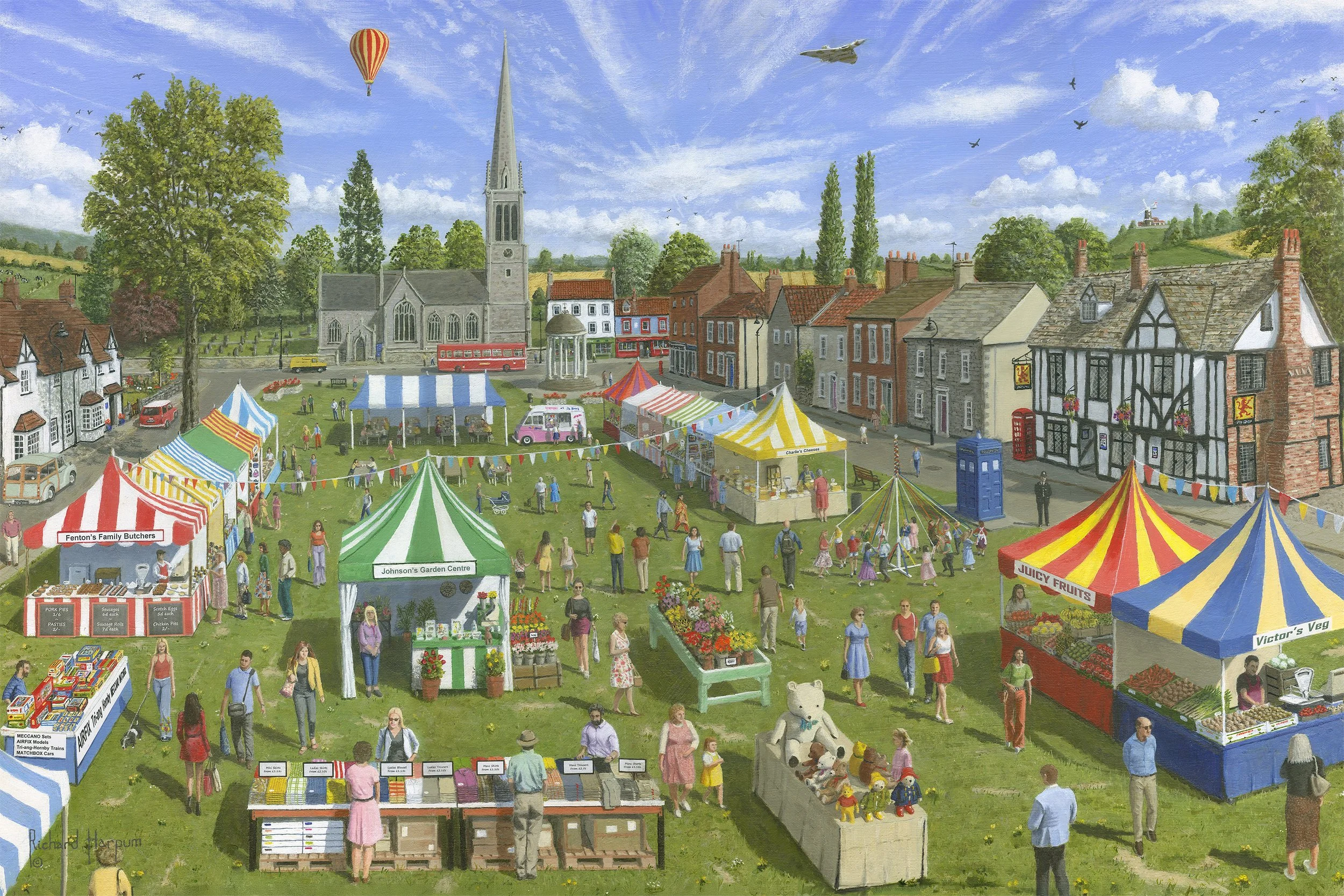
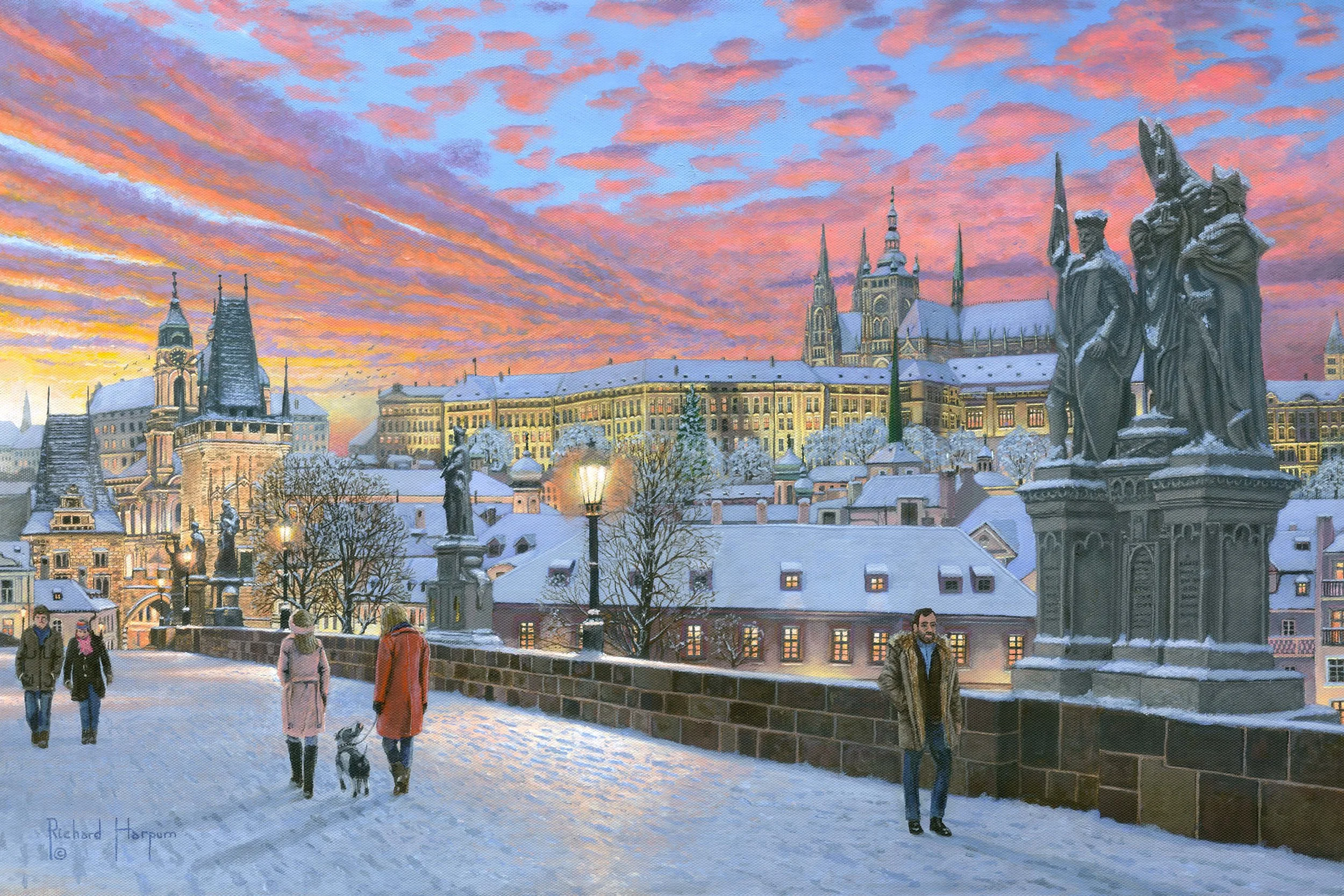
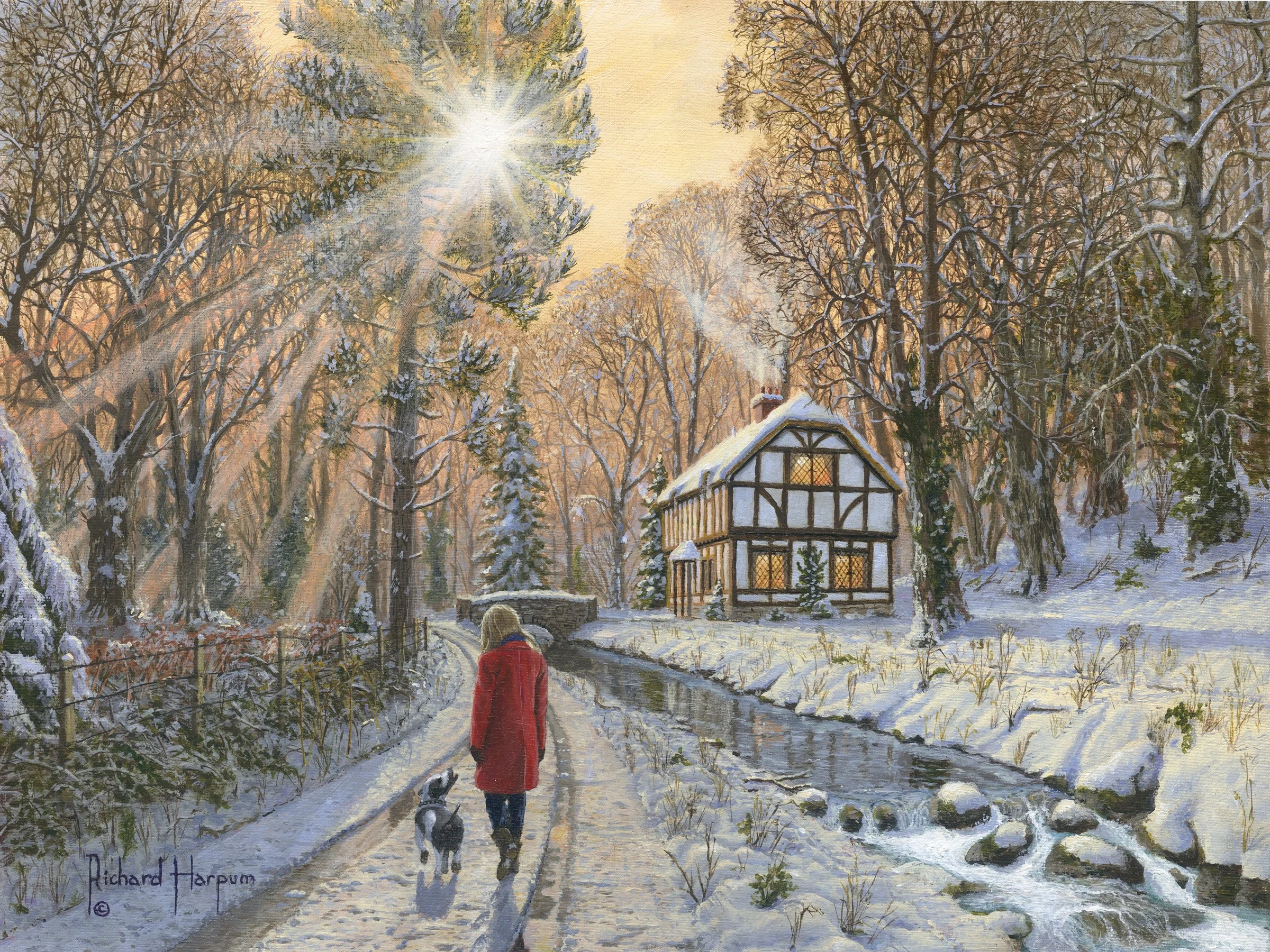
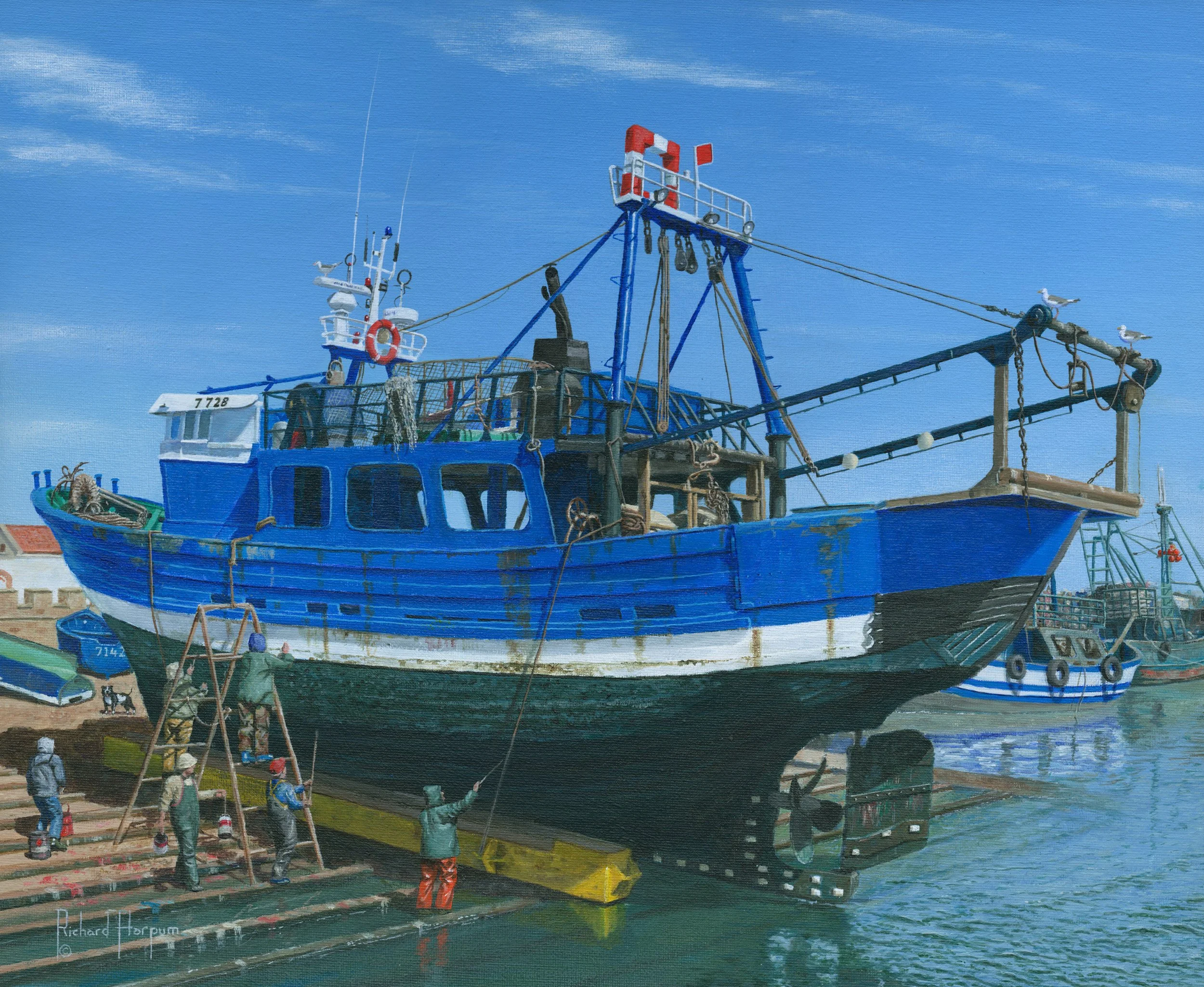
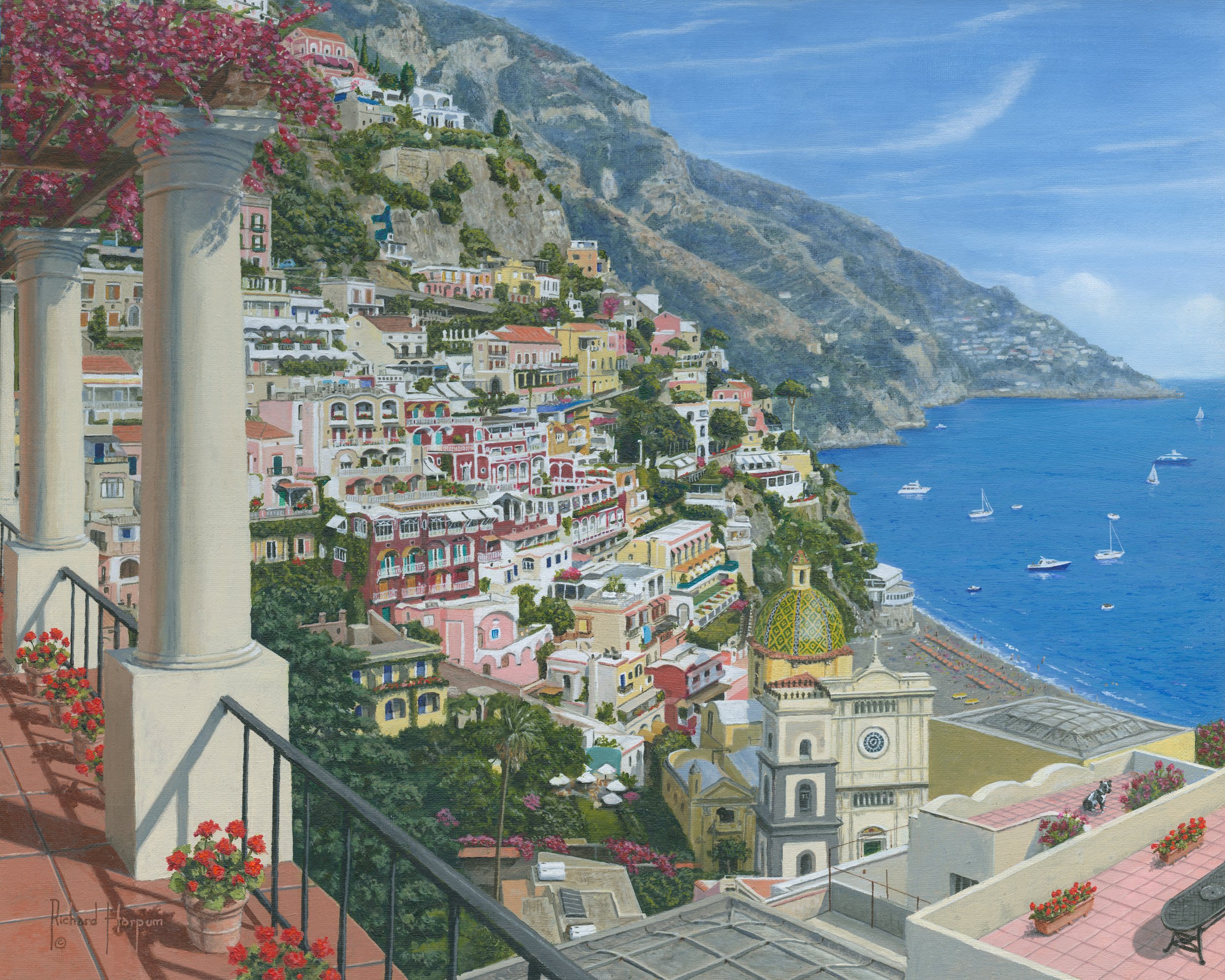
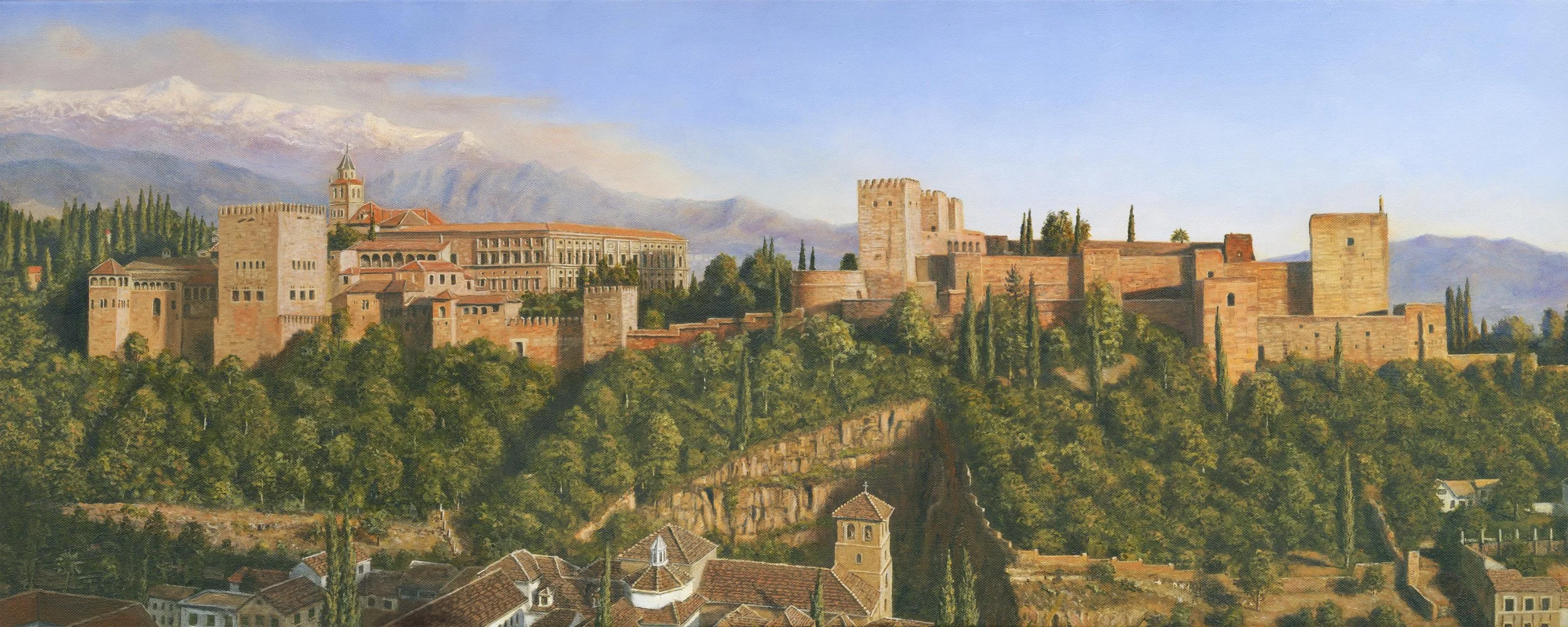
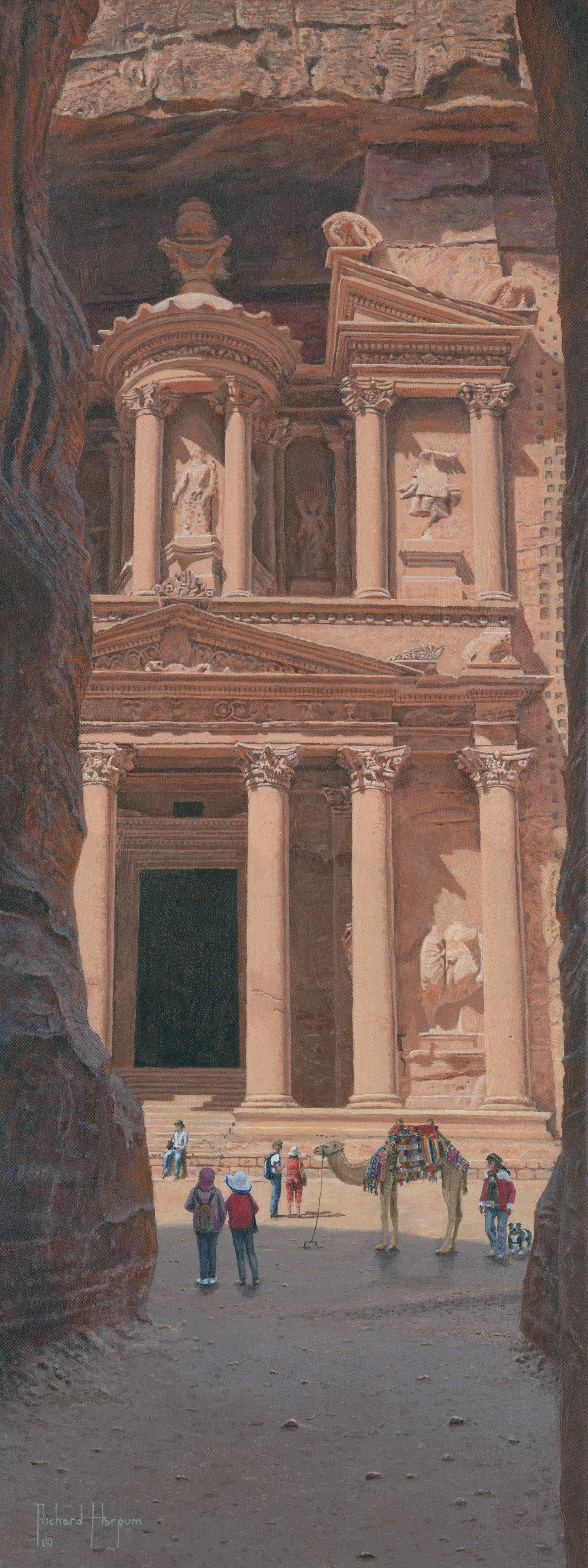
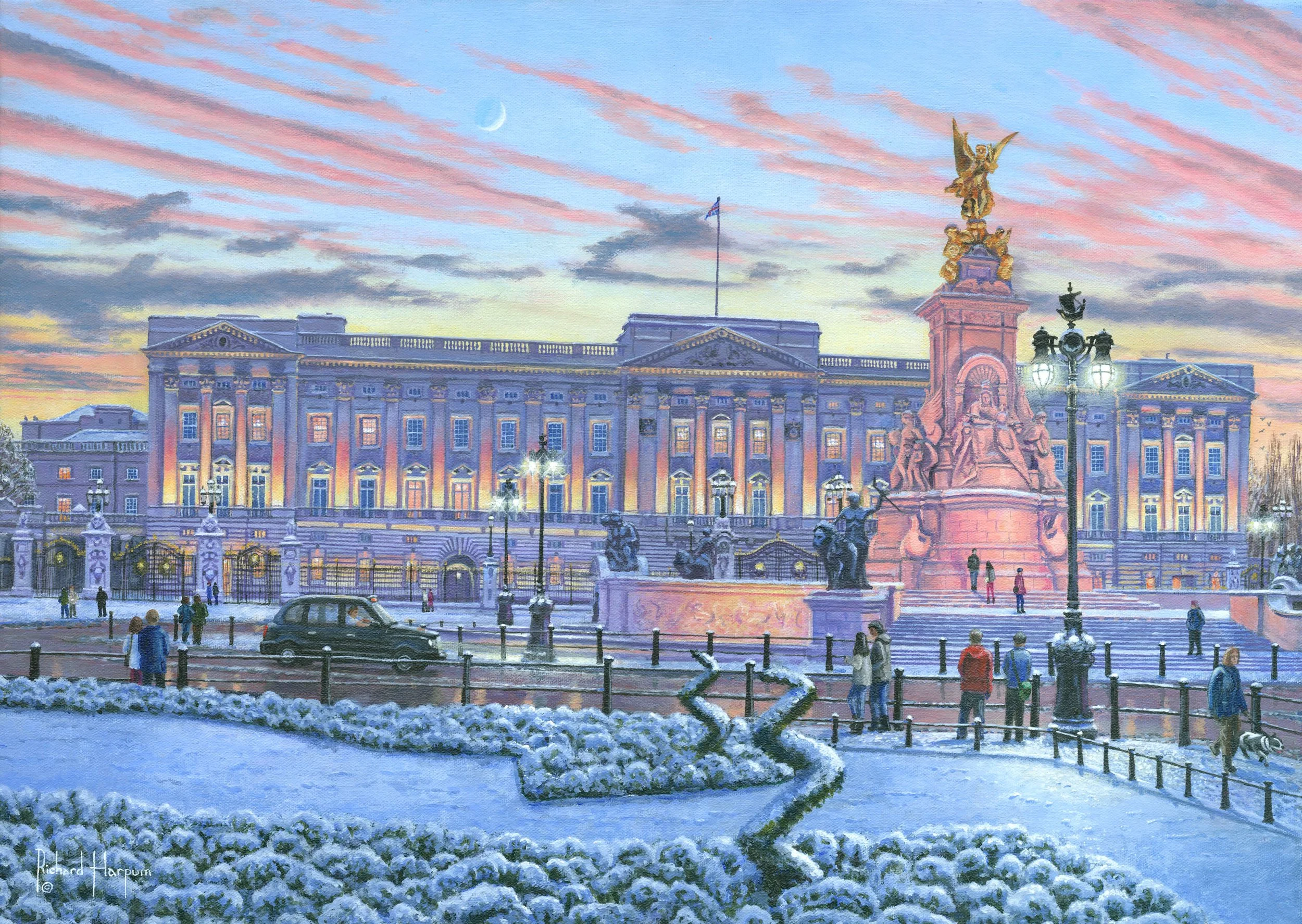
Award-winning artist, Richard Harpum, paints mainly with acrylics on canvas or board but also paints watercolour florals. He works in a realist style and pays meticulous attention to detail.
Richard's primary areas of focus are landscapes, seascapes and cityscapes but he also paints still lifes, portraits and florals. The effective use of light is a key ingredient to all of Richard’s works and he spends a great deal of time before starting a painting in selecting a composition that provides both drama and contrast.
Born in Bromley, England, in 1951, Richard has had a passion for drawing and painting from a very young age. As a youngster, he was always drawing and became a prolific painter after he received an oil painting set for Christmas when he was 12. He has a Master of Arts degree from Cambridge University.
Richard has won numerous art competitions and awards, including Professional Artist of the Year, 2012 by the Society of All Artists (SAA). His work is widely published, notably in jigsaws, where dozens of his images have been used over the years.
He is a strong advocate for using the golden ratio (Phi - 1:1.618) in his paintings. You may note that the position of the sun or some other key feature or length often fits this ratio. In some of his works there are several used. Richard believes that this gives his paintings a better balance than using the more traditional "rule of thirds".
During his life Richard has lived in many parts of England and currently lives in South Yorkshire . He has also travelled extensively for both pleasure and business and has lived abroad in Africa, the USA, Australia and Germany for a total of 20 years. This has given him a very broad perspective of the world, as well as providing him with wonderful sources of inspiration for his paintings.
Painting is one of my most satisfying pastimes. Although I drew and painted in oils as a youngster, a career in the British Army, followed by many years as a senior business executive, meant that painting was only a sporadic activity and I did not start pursuing my passion again in earnest until I was in my 50s. I am so glad that I did. Since a friend recommended that I try acrylics, I have never looked back; I am a very impatient person, so the fast drying time really suits me. Acrylics also give me options that are not necessarily available in other mediums, although I do occasionally paint in oils.
I am an engineer by training and although I love the Impressionists, I have a great deal of difficulty being “loose” in my own paintings. Having tried and failed, I decided to take the route of being a realist artist. I have become a fanatic for detail. However, I am not interested in achieving photorealism – plus I don’t have the patience for it!
My time-consuming technique pretty much prohibits painting en plein air, so I use photographs and sketches for reference in my studio. Consequently, I take a camera everywhere. Although this drives my wife nuts, it means that I’m never short of things to paint.
In general, I try to avoid painting direct copies of my photos. Indeed, I usually make lots of changes, often combining a variety of references to achieve a broader or a more interesting view. First, I will often adjust the perspective, so as to create focal points on one or more “Golden Ratio” (see “tactics” below). I may also change the lighting, moving shadows and illuminated areas to maximise impact. I nearly always change the sky, referring to my large library of photos. And I often add features, such as flowers, to create contrast and interest.
I have deliberately avoided the temptation to focus on a common theme. I am always exploring what is possible, so paint what I enjoy and anything that I think is interesting, be it a landscape/seascape, still life, botanical, animal or portrait/figure. I want to avoid being “type cast” as having a particular style or subject matter.
I mainly use ARA, Atelier Interactive and Daler-Rowney acrylics. The latter’s Prussian blue still works best for me, as does their Titanium buff, which I seem to use more of than any other colour. ARA paints are my favourites; they are smooth and easy to apply, and the nozzles on their containers allow me to extrude the desired amount of paint, resulting in minimal waste. I also use Liquitex acrylic inks, both for my floral paintings and also for painting fine lines on my other paintings.
Although I used to paint on an easel, when I started suffering from acute shoulder pain, I invested in a drafting table. Not only did this cure the shoulder pain but it also dramatically improved the accuracy of my painting.
As an artist, I am self-taught but am constantly learning, not only by painting (every painting is an education) but by exhaustive reading and looking in detail at how other artists paint. I love attending art shows, as I not only learn and get ideas from other artists but also enjoy helping them by passing on my experiences.