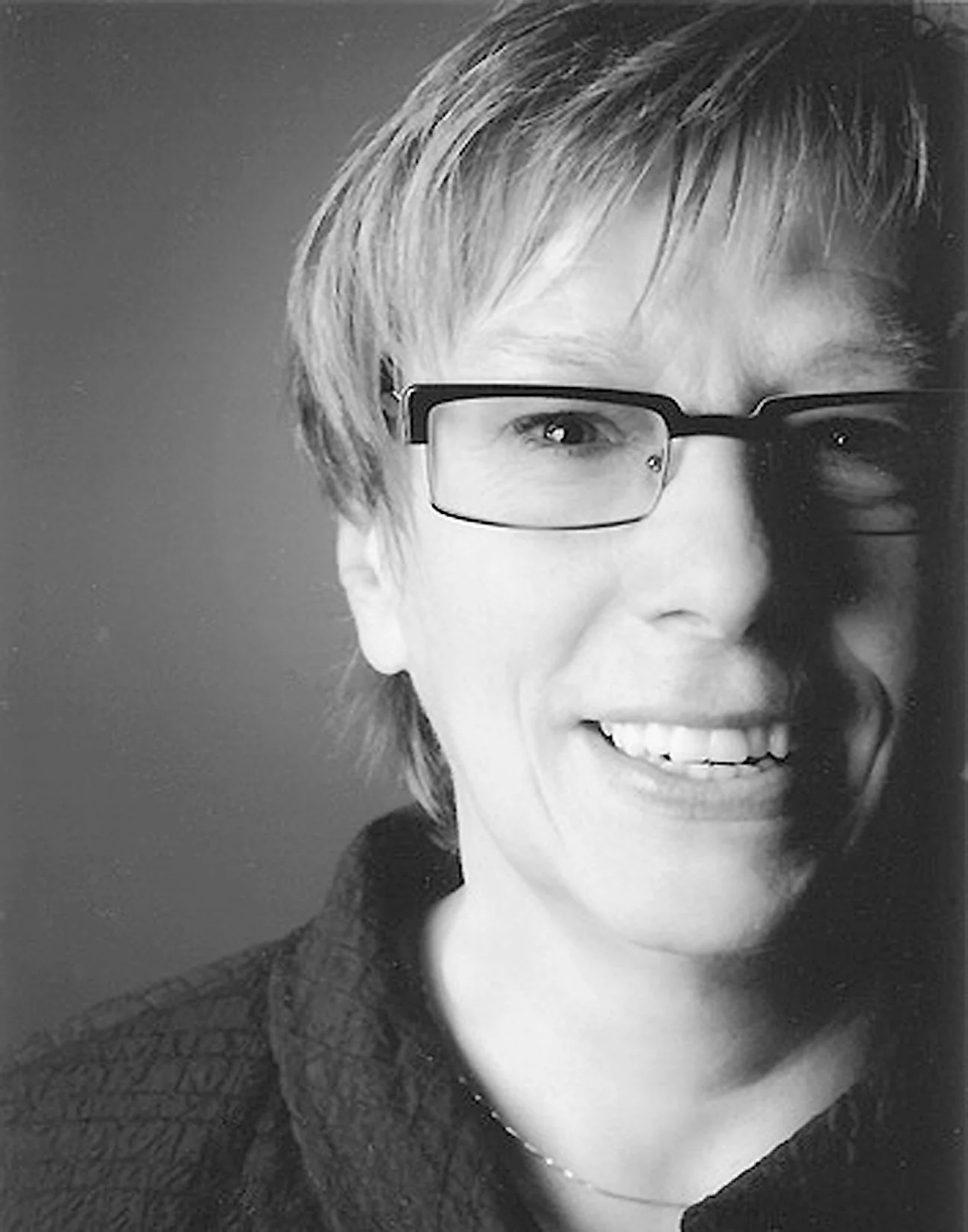
Ursa Schoepper
-
→ ARTISTA INDEX 2025
→ OBSCURA, January 2026
→ MONOGRAPH URSA SCHOEPPER ISBN 978 84 19526 36 6
→ ART MARKET EXPERTS 2025
→ IMAGO 4 PHOTOGRAPHY BOOK
→ IMAGO 3 PHOTOGRAPHY BOOK
→ IMAGO 2 PHOTOGRAPHY BOOK
→ AATONAU, Japanese Article Published
→ AATONAU Blog, Rezension Ewan Shah
→ ONLINE BOOK_Biography-Contemporary art__Edizioni La Notizia
→ WOMAN’S ESSENCE, The Woman of the Contemporary Art, Paris 2022, ISBN 978-88-946260-1-8
→ PHOTOGRAPHY, VISUAL CULTURE, ISBN 978-88-88891-38-5
→ Art Collector's Choice book, Middle East, Vol II, Contemporary Art Station, London, ISBN 978-84-18287-92-3
→ WE Contemporary 2021, MUSA International, ISBN
→ Art Collector's Choice book, Japan Contemporary Art Station, Japan, ISBN 978-1-913179-48-9
→ World of Art Magazine, ISBN 9 789 189 685406
→ ART COLLECTOR’S CHOICE | Japan By Curators for Collectors Published March ISBN 978-1-913179-48-9
→ INTERVIEW CONTEMPORARY ART MAGAZINE
→ INTERVIEW NOBLE ART CONVERSATION
→ INTERVIEW CONTEMPORARY ART CURATOR MAGAZINE
→ INTERVIEW Artitious Interview
→ INTERVIEW Contemporary Art Curator Magazine 2021
→ INTERVIEW Contemporary Art Curator Magazine
→ INTERVIEW Contemporary Art Station_Ursa Schoepper
-
→ 2025 ART3f BORDEAUX 2025, MUSA International
→ 2025 SEOUL, IDENTITY PROJECT, MUSA INTERNATIONAL, in collaboration with Siwon Art and Insa Art Center Seoul
→ 2025 MONACO ART KUNSTMESSE, MONAT GALLERY, MADRID
→ 2025 SOLO ESPACE VISION'ART, PARIS
→ 2025 ART FAIR PARIS ESPACE VISION'ART, PARIS
→ 2024 MARBELLA DESIGN & ART, MONAT GALLERY, MADRID
→ 2024 7 DEATHLY SINS, ESPACE VISION ART, PARIS
→ 2024 CARROUSEL DU LOUVRE, Art Fair, ESPACE VISION ART, PARIS
→ 2024 SOLO Palazzo Pisani Revedin, Venice, during period Biennale Venice, Arte Borgo Gallery, Rom, Solo
→ 2024 AROUND ROM, Palazzo Velli, Rom, Arte Borgo Gallery Rom
→ 2024 AROUND ROM, Biblioteca Angelica, Rom, Arte Borgo Gallery Rom
→ 2024 IRYO, MONAT GALLERY, Madrid
→ 2023 International Exhibition PALAZZO DELLA CANCELLERIA VATICANA, ARTE BORGO Gallery, Rom; Oktober 2023
→ 2023 Opening Espace Vision'Art, Paris, Oktober 2023
→ 2023 Exhibition "CROSSROADS", Gallery MONAT, Madrid
→ 2023 International Art Exhibition EQUIVALENZE, ARTE BORGO Gallery, Rom
→ 2022 BIENNALE DI VENEZIA MUSA PAVILION at 59th BIENNALE DI VENEZIA
→ 2022 International Exhibition PALAZZO DELLA CANCELLERIA VATICANA, Contemporary Icons, ARTE BORGO Gallery, Rom
→ 2022 Museo Diocesano, San Matteo, Salerno, Sublinina, International Art Exhibition
→ 2021 Crocetti Museum in Roma, Aequilibrium, Arte Borgo Gallery, ROMA
→ 2021 TOKIO ART EXPO, EXHIBITION, GALLERY CONTEMPORARY ART STATION, LONDON/TOKYO
→ 2021 NEW ERA, CONTEMPORARY ART STATION, LONDON
-
→ 2025 COLLECTORS ART PRIZE ART LEGENDS OF OUR TIME
→ 2025 PREMIER ARTIST PRIZE 2025
→ 2024 PERSONA ART HONOURS MMXXIV
→ 2024 Global ART VIRTUOS. ELITE ARTISTIC CAREER ACHIEVEMENT AWARD
→ 2023 GLOBAL CONSCIOUSNESS ART PRIZE
→ 2022 FACE OF PEACE ART PRIZE, Contemporary ArtCurator Magazine, Barcelona
→ 2022 TOKYO WORLDWIDE ART PRIZE, Nomination
→ 2022 THE VOICES OF TOMORROW ART AWARD, by Contemporary Art Curator Magazine
→ 2022 WAA WOMAN ART AWARD 2022, MUSA International, Italy
→ 2022 Contemporary Expressions Award 2022, Contemporary Art Station, Barcelona, Nomination
→ 2022 Worldwide Artist Award by FIABCN, Barcelona, Nomination
→ 2021 Awarded with "HERMES, the Messenger of Gods", Accademia ”Italia in Arte nel Mondo” Associazione Culturale, Brindisi
→ 2021/2022 Verleihung Title NUNTIUS ARTIS, von der Accademia ”Italia in Arte nel Mondo” Associazione Culturale, Brindisi
→ 2021 Awarded with the prestigious Power of Creativity Art Prize, Contemporary Art Curator Magazine
→ 2021 NEW ERA AWARD Contemporary Art Station, London
→ 2021 AWARDED WITH THE COLLECTOR'S VISION INTERNATIONAL ART AWARD, Contemporary Art Curator Magazine
→ 2020 KUNSTWERK DES MONATS BEI ARTSY
-
→https://www.virtuelledenkraeume.de
→https://artitious.com/artist/ursa-schoepper
→https://artitious.com/artworks/ursa-schoepper_glow
→https://www.helmholtz-berlin.de/zentrum/kunst-hzb/schoepper_de.html
→https://www.icmgestoracultural.com/index-2025/blog-post-title-one
→https://www.galartery.com/artists-new-1/schoepper-ursa
→https://www.artsper.com/de/zeitgenossische-kunstler/deutschland/112038/ursa-schoepper
→https://www.contemporaryartstation.com/new-era-exhibition-1/ursa-schoepper
→https://www.contemporary-art-collectors.com/noble-art-conversations/ursa-schoepper
→https://www.contemporaryartcuratormagazine.com/home-2/ursa-schoepper
→https://www.aircube.at/ursa-schoepper-transformation-der-wirklichkeit-a_lnz

State examination in natural sciences with subsequent teaching examination. In addition the start of a new university education in cultural management with a university degree. The degree in cultural management included the focus on fine arts and new media under Prof. Dr. Eckart Pankoke, Prof. Dr. Ulrich Krempel and Prof. Dr. Michael Bockemühl. As a cultural manager responsible for the conception and realization of various projects in the field of cultural education systems, Awarded a media prize in North Rhine-Westphalia for the Museum of Absent Images, a conception and implementation as a social network in 2001. Since 2003 experimental artist in the field of experimental fine art photography, honored with many national and international awards. Ursa Schoepper lives and works in the Rhineland near Bonn.
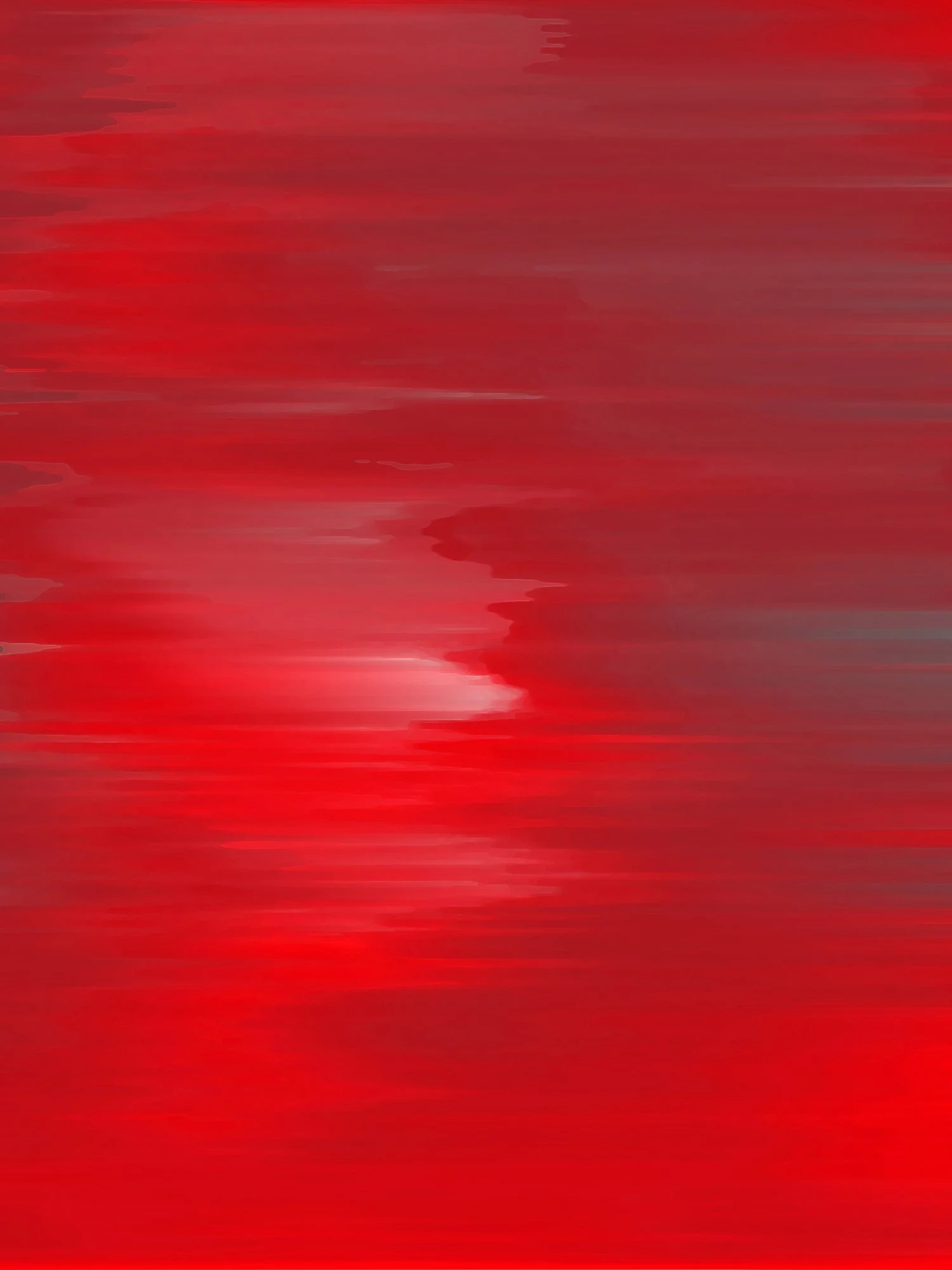
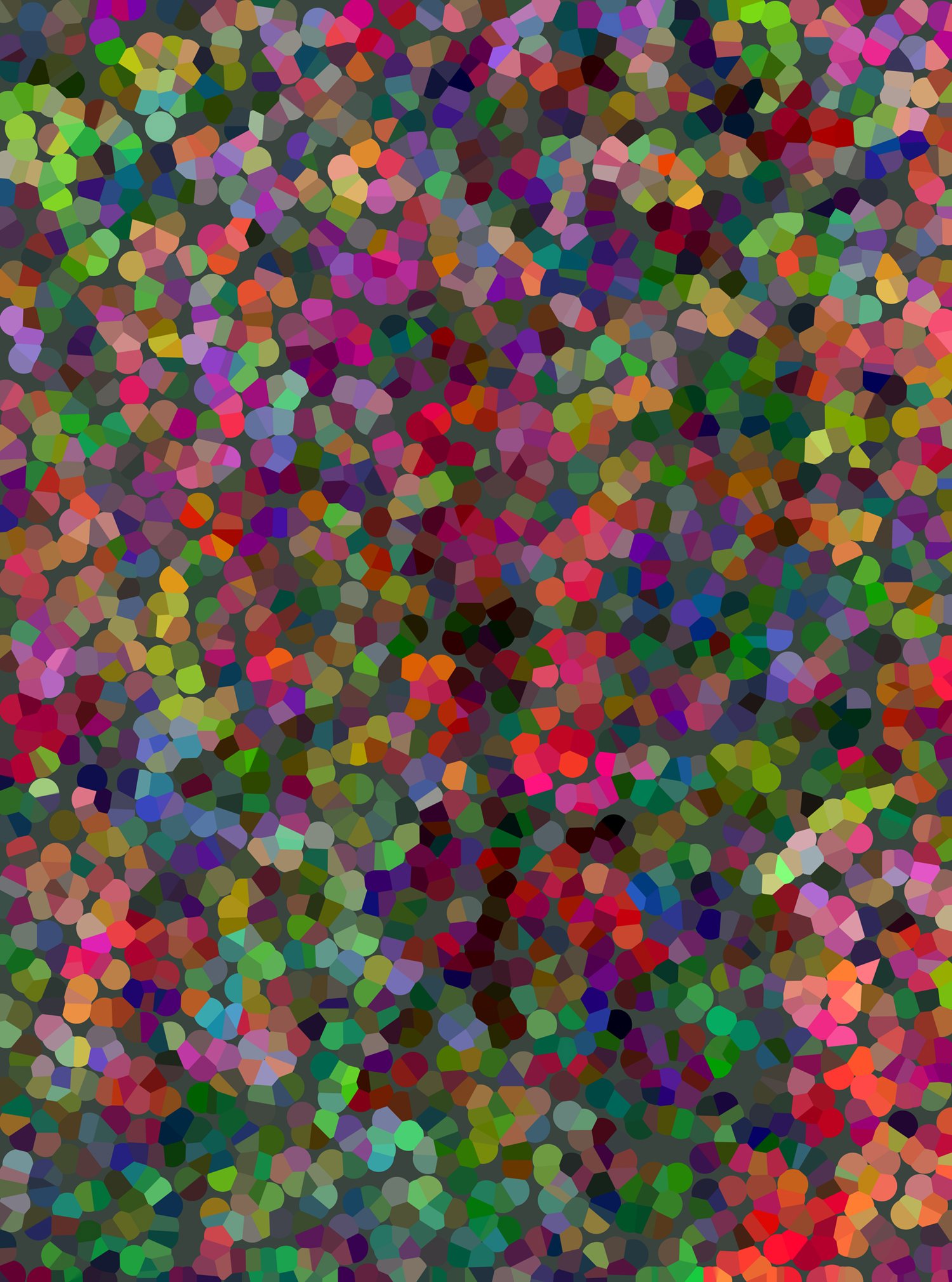
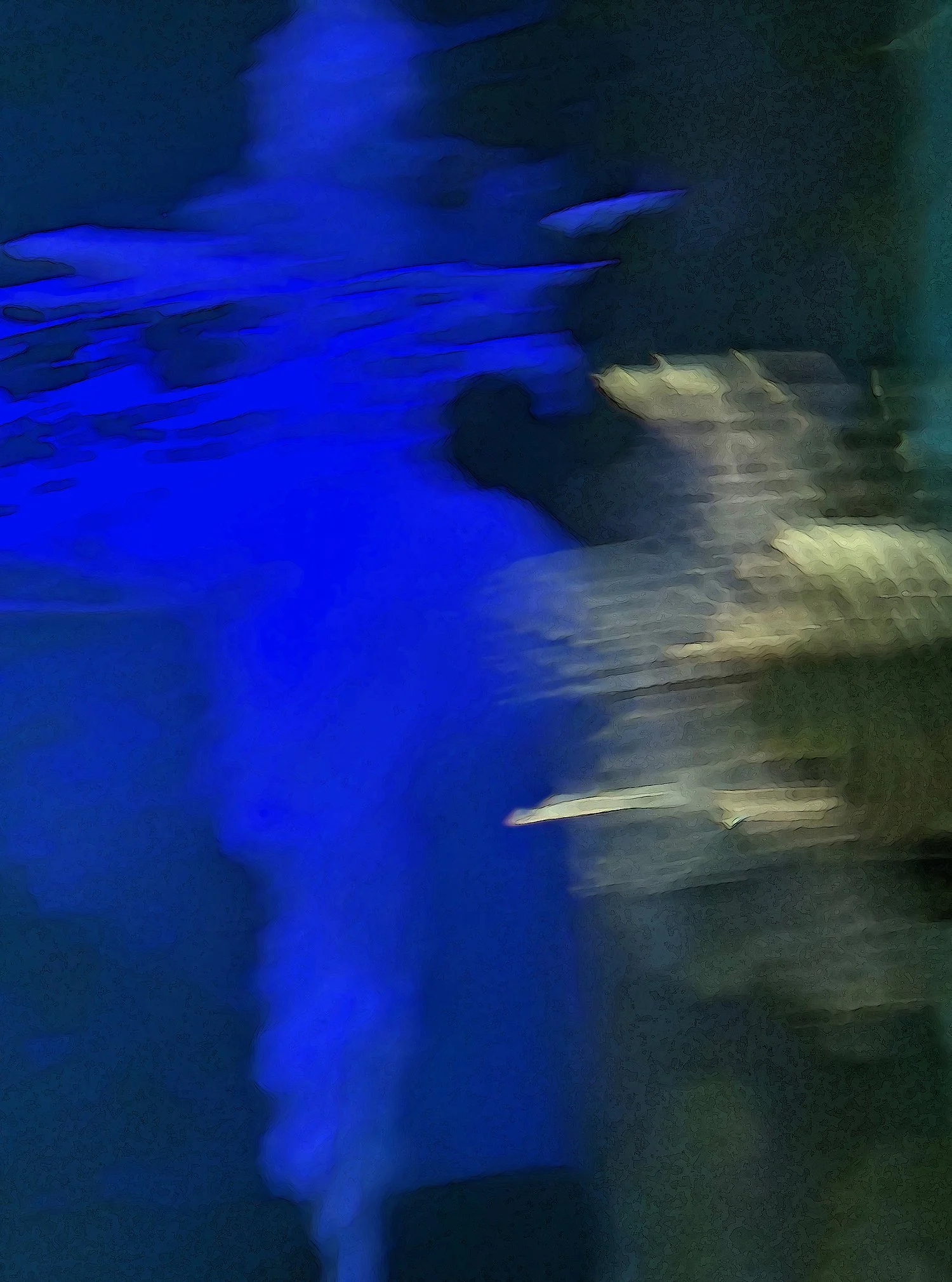
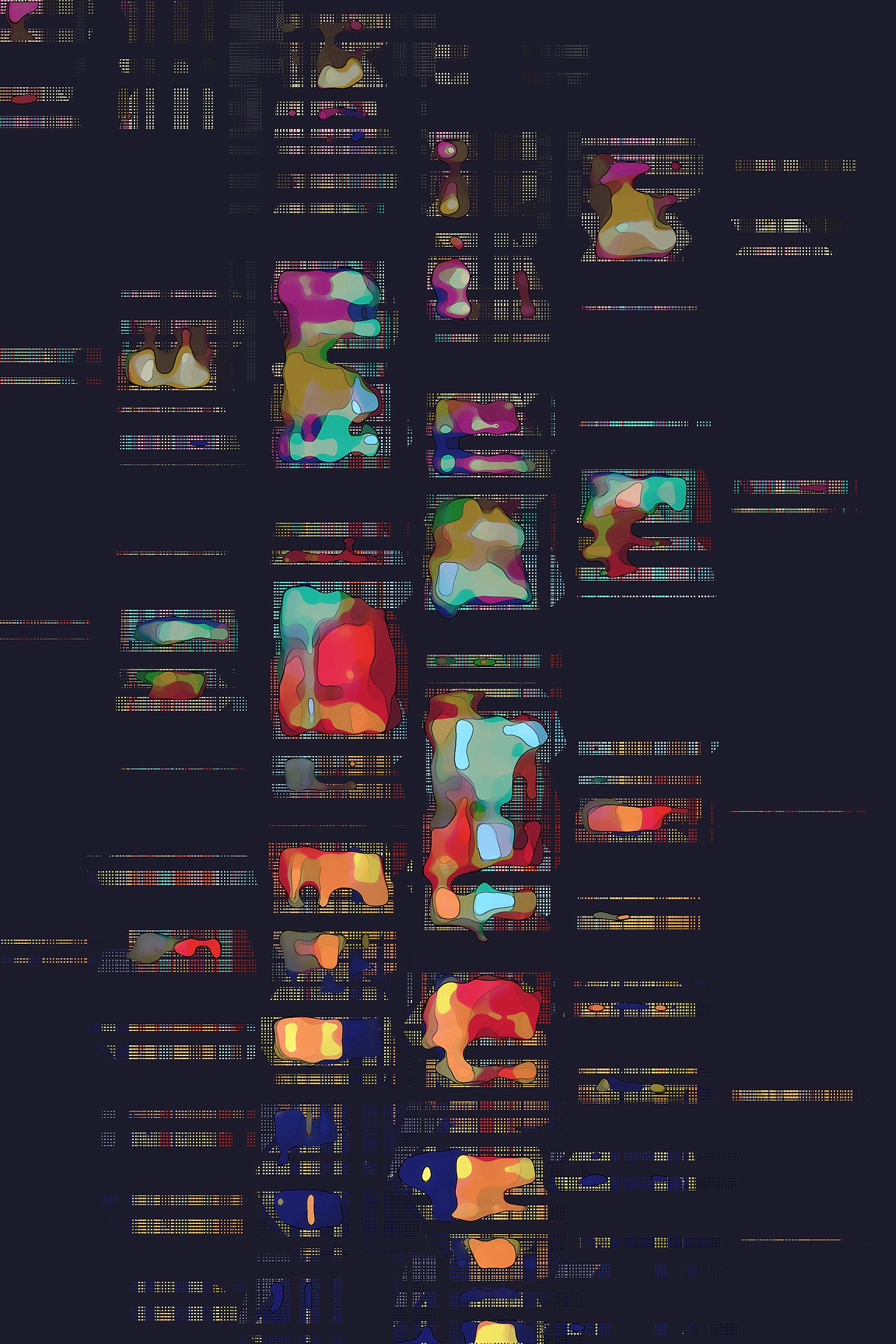
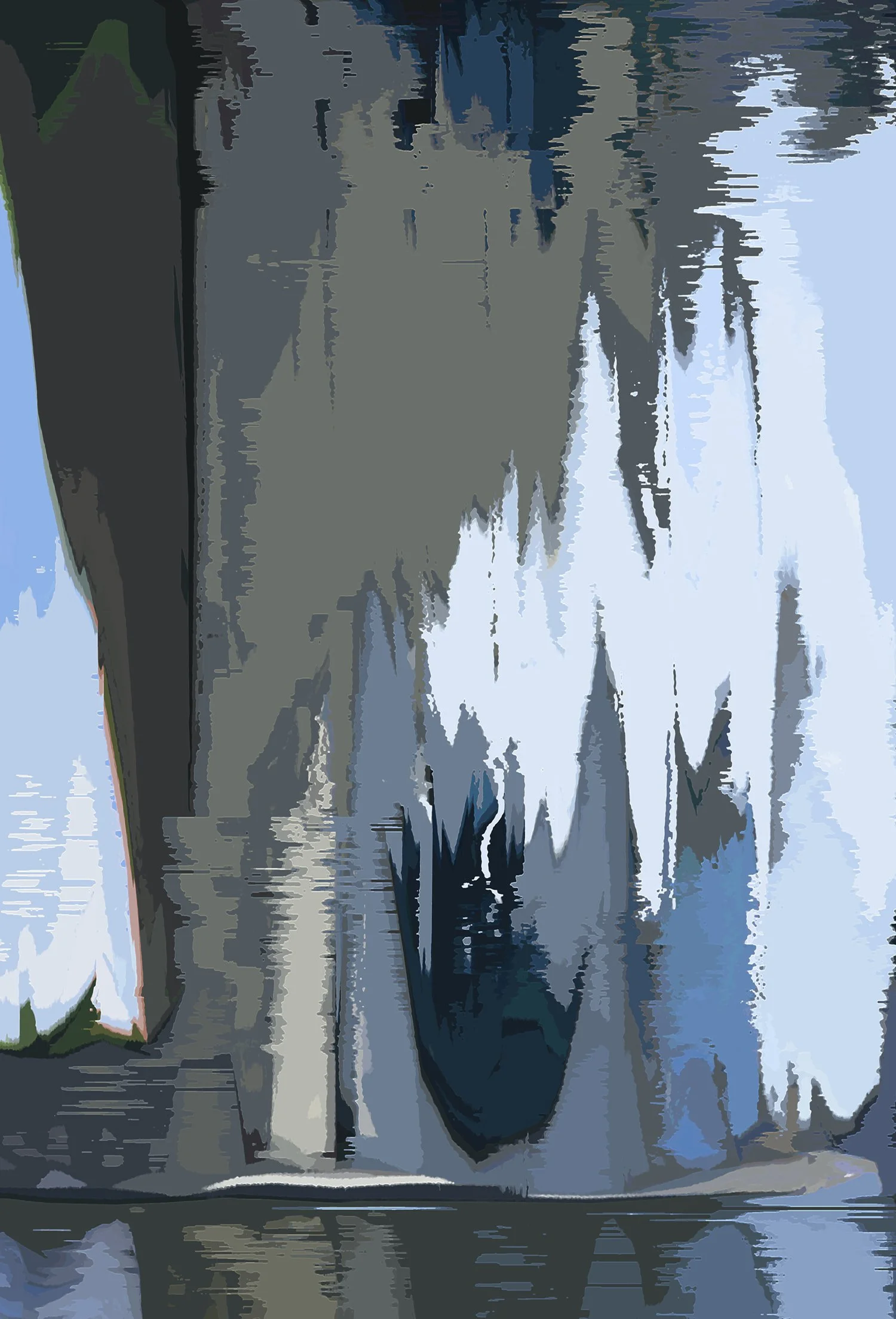
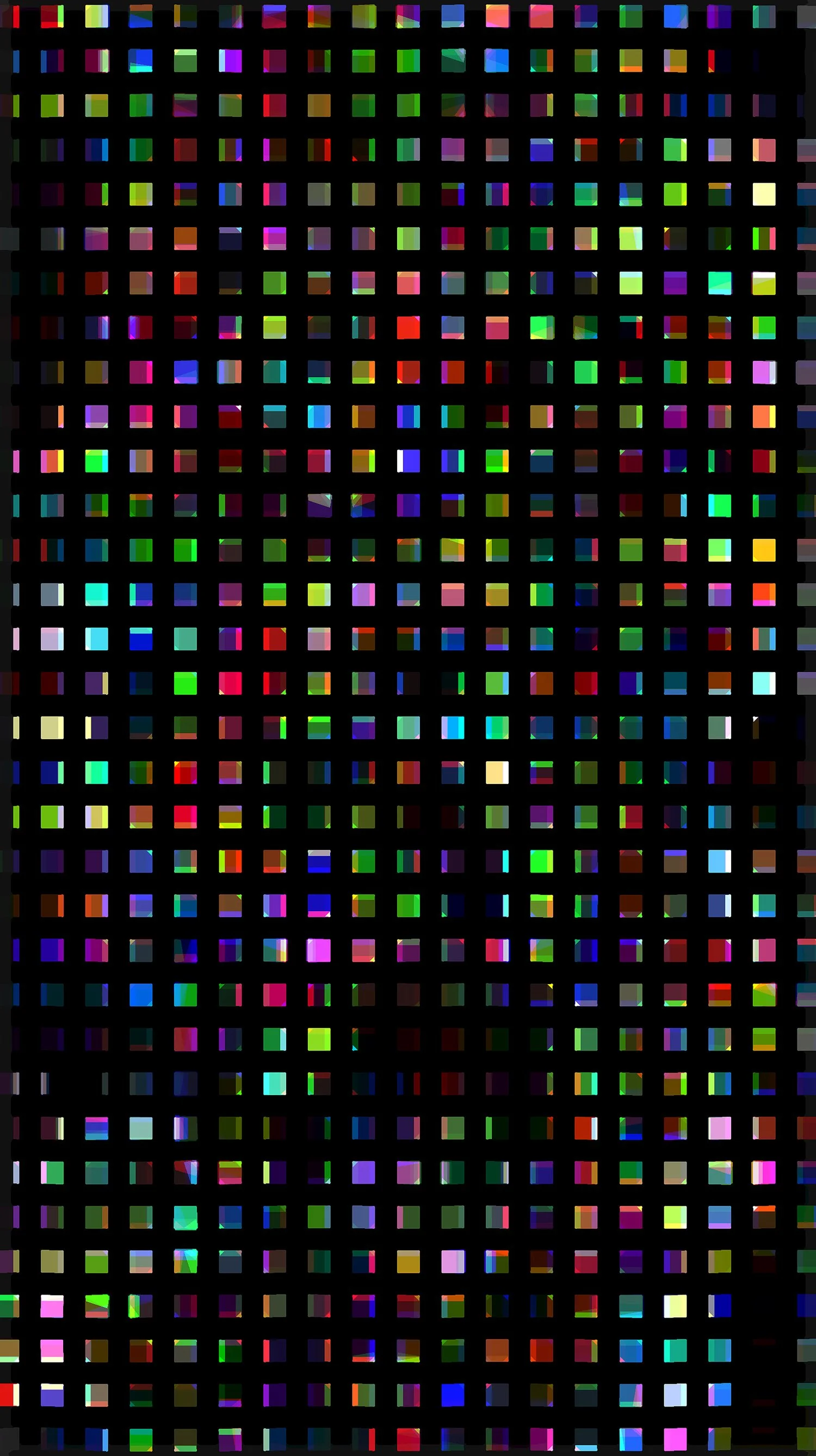
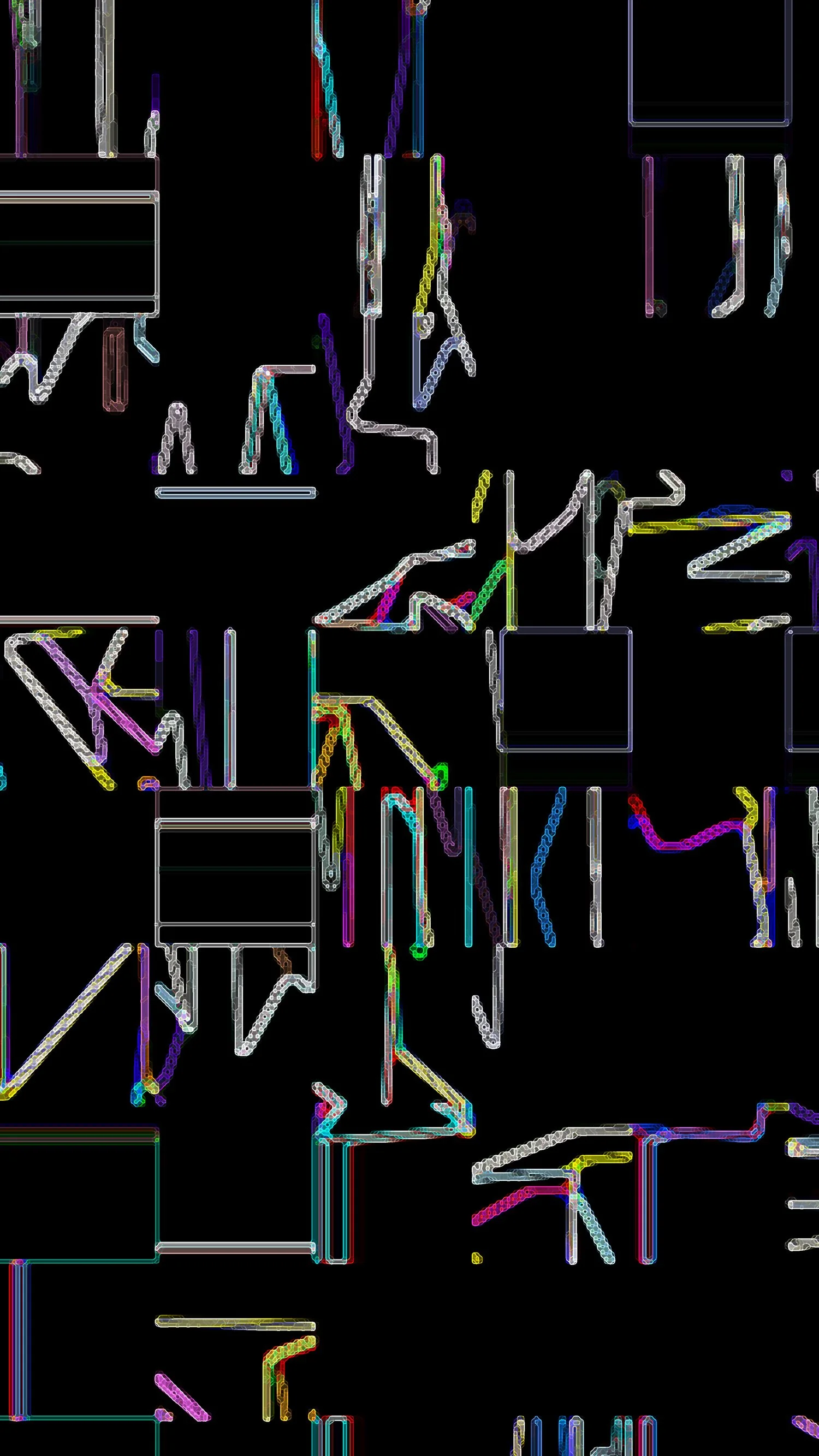
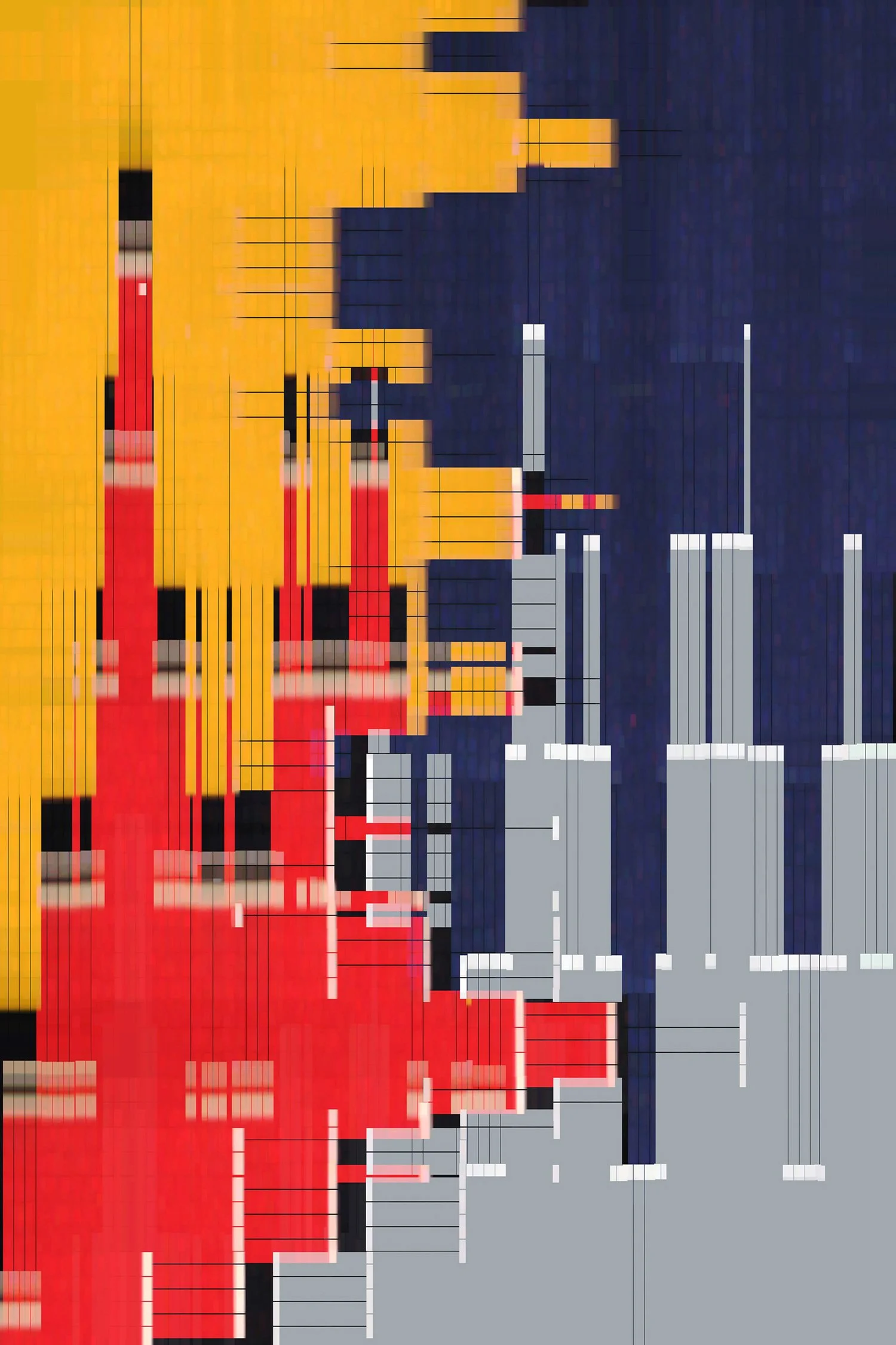
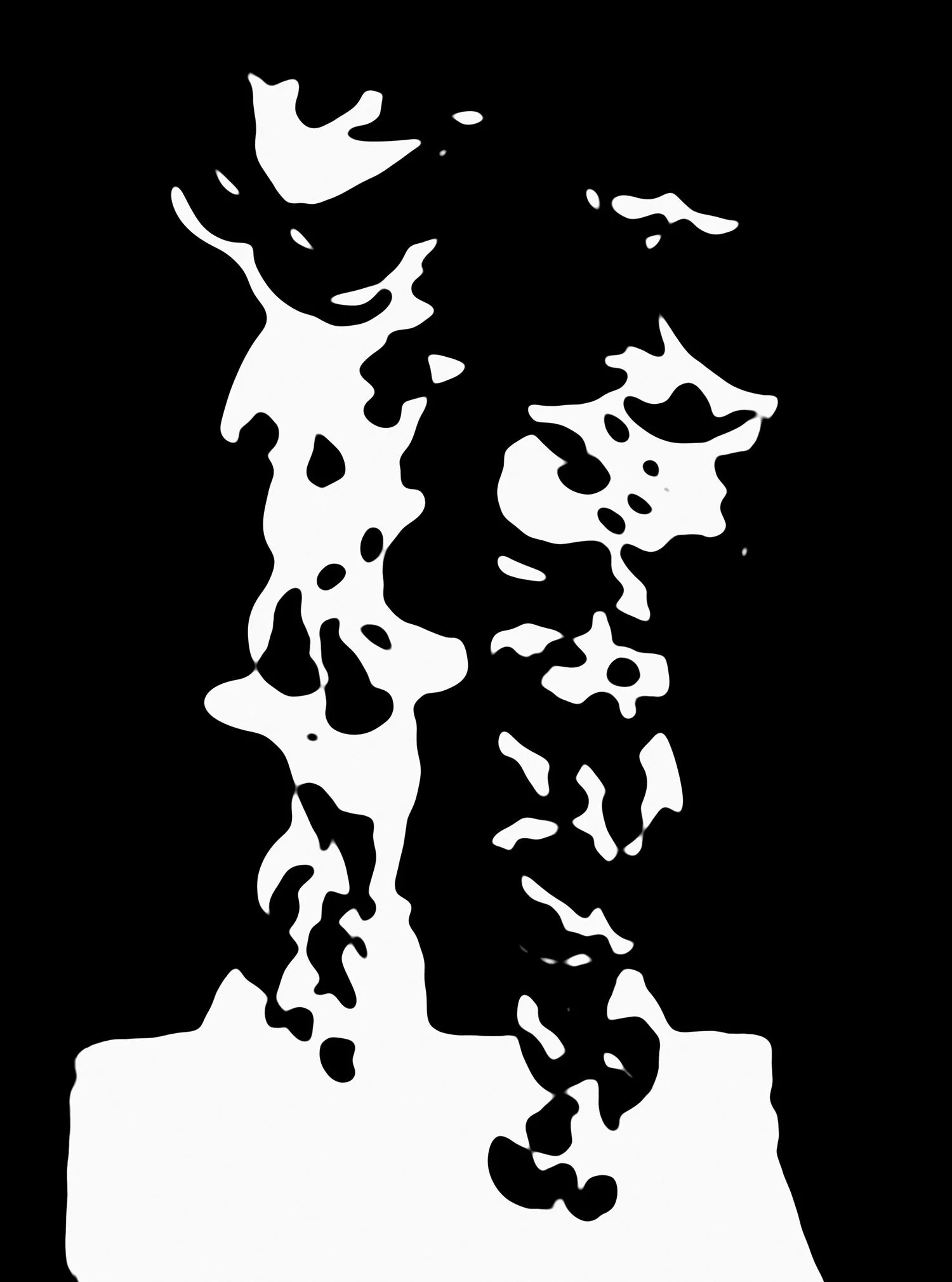
The beauty of experimental art lies in the fact that the value of an idea cannot be mathematically calculated. Digital resources operate according to the code of "either/or." However, playing with an artistic idea is not computable. Creativity and innovation follow a both/and principle. The photographic artist as constructor is a creator, not a draftsman, not a graphic artist, not a copyist. As a phantom of light, photography becomes the bearers for an artistic vision. Image skin, artificial skin, forms the blueprint for another possibility.
How can such a creative process unfold? A comparison with a symphony can clarify these connections. The perceived music corresponds to the image. The score of the symphony can be compared to the digital representation. The notes of the score can be accentuated differently, individual passages can be particularly emphasized for selected instruments. Thus, a new piece of music can emerge based on the score. In this case, the artist is both composer and conductor. The irrational, the virtual possibility is inherent in everything real. One simply has to peel it out. The appearance is the objective form of subjective perception. (Michael Bockemühl).
Just as different images emerge in dance, so too can the seemingly fixed objects depicted in a reality be rearranged; their systems are not static. In quantum theory, Heisenberg's uncertainty principle leads to the conclusion that nothing that exists exists exactly and can therefore be changed. Whenever an equilibrium state loses stability, new patterns emerge, which can be traced back to sine waves or a combination of different sine waves. Scientists therefore also refer to sine waves as the structural atoms of nature. This offers many different possibilities for creatively creating novel works of art. My experimental photographic artworks always contain an inherent processuality. In addition to socially relevant topics, biological processes in nature, such as spontaneous mutations, have also influenced my work.
Physiological vision plays a subordinate role in the creation of my experimental photographic art. Crucial is inward-directed vision, imagination. It is not a finished work, but rather the ongoing development of an idea. Thinking without reason. Reordering through experimentation. It is a breaking down of perceptual routines. For "Whoever seizes their opportunity, like the artist and the strategic genius, risks breaking down perceptual routines and, in extreme cases, (self-)destruction. But only the risk of destruction can pave the way for innovation." - Eckart Pankoke. Due to the technical, physical-mathematical foundations, deconstruction is experimentally possible with digital photography. Art, and certainly experimental photography as well, does not take into account any reality outside of artistic reality. It possesses its own sphere of reality. © Ursa Schoepper 2025