Pilbri Britta Neumärker

-
→ Interview Contemporary Art Curator Magazine
https://www.contemporaryartcuratormagazine.com/home-2/britta-alias-pilbri
→ Frauenboulevard:
-
Solo Exhibitions - Selection
→ 2012: Kunsthaus Hilden, Kaleidoscope, DE
→ 2011: Rathaus Hilden, Mystic Stones - Stonehenge, DE
→ 2011: Kunsttatorte Kreis Mettmann, DE
→ 2010: Haus der Unternehmerverbände Saarbrücken, Structures and Thoughts, DE
→ 2010: Schillerschule Saarbrücken, Mystic Stones, DE
→ 2010: Galerie M Beck, City Views, Homburg, DE
→ 2010: Kulturfenster im Kulturhauptstadtjahr in Essen, DE
→ 2009: Stadthalle Erkrath, Train Stories with Poems, DE
→ 2009: Museum Lokschuppen Erkrath, Train Stories, DE
→ 2008: Haus Hildener Künstler, When Eyes See Differently, DE
→ 2006: Rathaus Hilden, Structures and Thoughts, DE
→ 2005: Stadtsparkasse Hilden (Cultural Office Hilden), DE
→ 2004/2006: Fordwerke Köln Niehl, Untitled, DE
→ 2004: Historischer Trinsenturm Ratingen, Exhibition of Works, DE
Group Exhibitions - Selection
→ 2021: Artbox Project, Zürich, CH
→ 2019: Galerie Zàzvorka, Anniversary Exhibition H 6 Mestké Muzeum, Nove Mesto, CZ
→ 2014: Final Exhibition of the Free Master Class Painting and Drawing, Düsseldorf, DE
→ 2012: Photo Project H6 Light and Dark, DE
→ 2012: Kunsthaus Hilden, Kaleidoscope, DE
→ 2012: H6 Hilden, Photo and Fusing Kaleidoscope with Birgit Lemm, DE
→ 2010: Nominated Exhibition Nature and Man, St. Andreas Art Prize in St. Andreasberg, DE
→ 2010: 16th City Art Exhibition Lokart Erkrath, DE
→ 2009: 15th City Art Exhibition Lokart Erkrath, DE
→ 2009: Art Domain Gallery Leipzig, Nominated Exhibition Palmart Award, DE
→ 2009: LACDA Los Angeles Center of Digital Art, Snap to Grid, Los Angeles, US
→ 2008: Art Fair Salzburg, represented by KFI Switzerland, CH
→ 2008: Städtische Galerie Hilden, Cultural Office Hilden, DE
→ 2008: International Art Exhibition Collmar, FR
→ 2007: Kunstforum International (KFI) 5th International Seetal Competition, CH
→ 2006: Kunstforum International (KFI), 4th International Seetal Competition, Merit Award, CH
→ 2005: Art Domain Gallery Leipzig, Palm Art Award Exhibition, DE
Exhibitions with the Artist Group KuER (Art from Erkrath) 2006-2011
→ 2011: Haus Hildener Künstler, Friends Exhibition with KuER, DE
→ 2010: Haus Hildener Künstler, Traveling Exhibition The Wonderful Deeds of Homo Oecologicus, DE
→ 2009: Johanniter Erkrath, Traveling Exhibition The Wonderful Deeds of Homo Oecologicus, DE
→ 2008: Kunsthaus Mettmann, Traveling Exhibition Look Through the Hole, DE
→ 2007: Johanniter Erkrath, Traveling Exhibition Emotional Worlds, DE
→ 2007: Bildungsstätte Berlin, Integration, DE
-
→ Pilbri received several awards throughout her artistic career.
→ Most recently, she received the Future of Art Global Masterpiece Award from Contemporary Art Curator Magazine in 2024.
→ In January 2025, Pilbri was honored as Artist of the Year 2025 at the Palazzo Pucci in Florence.
-
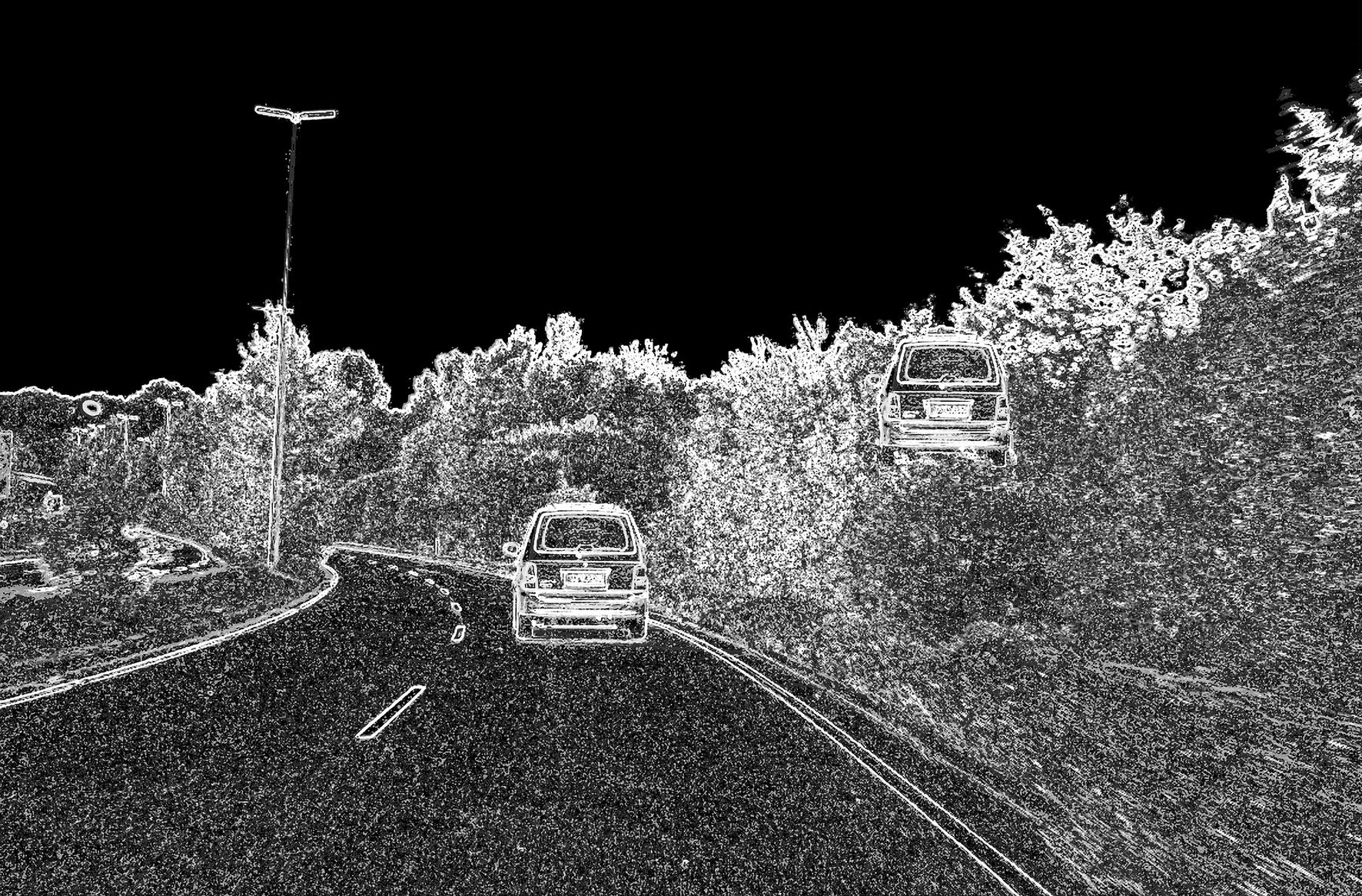
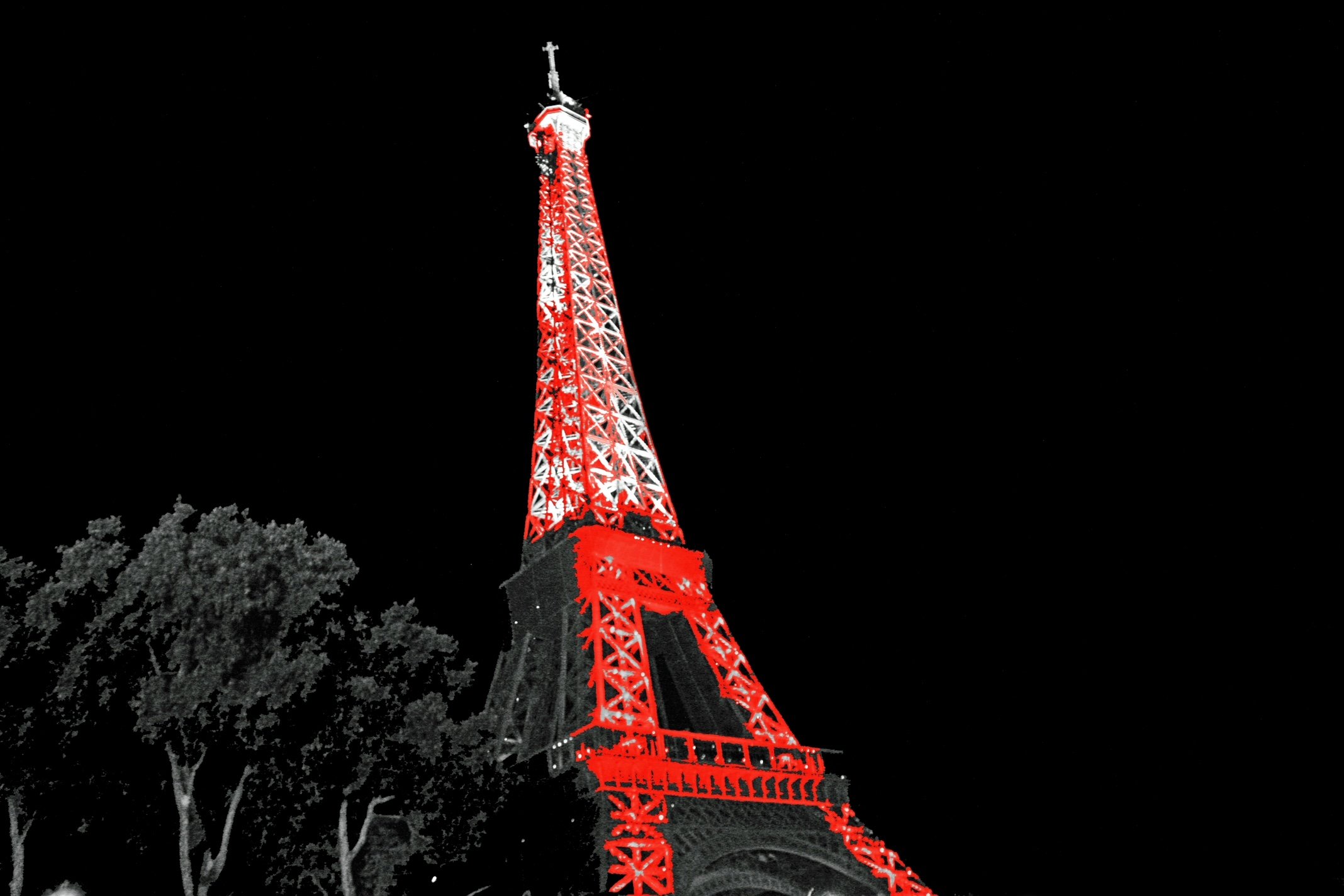
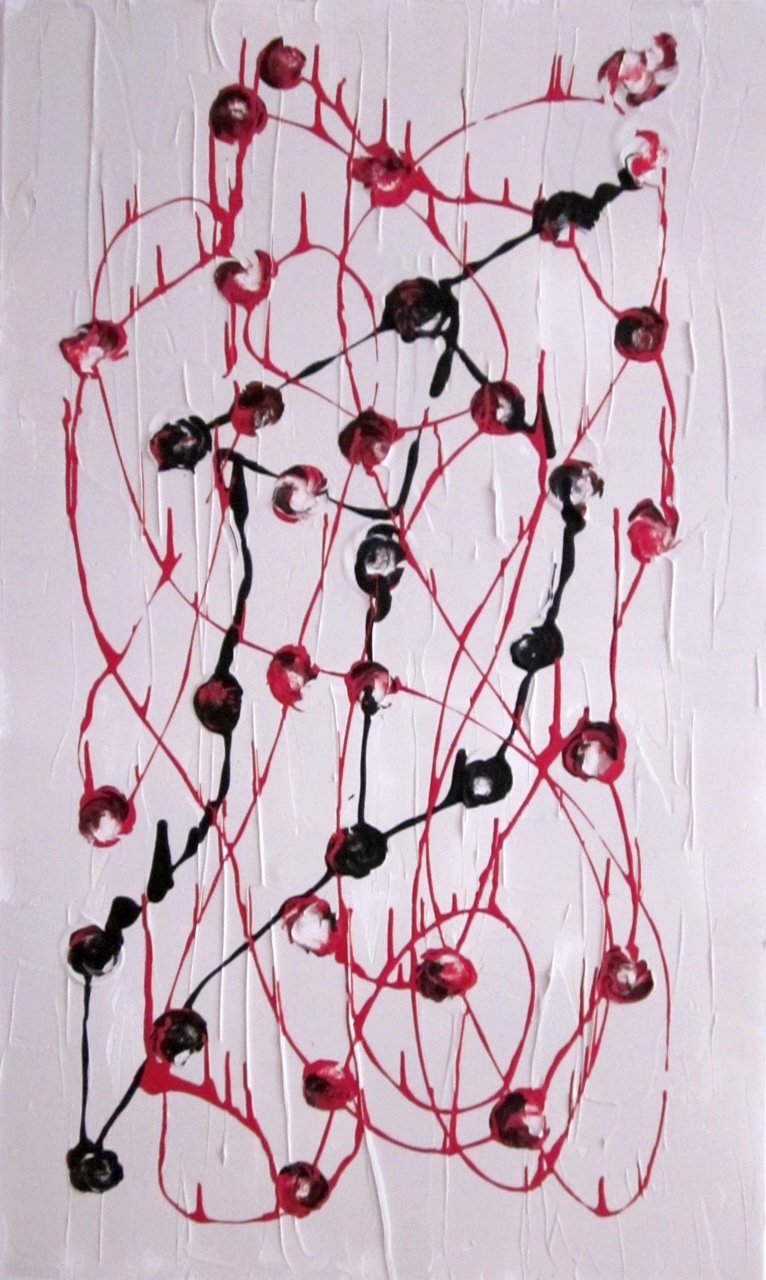
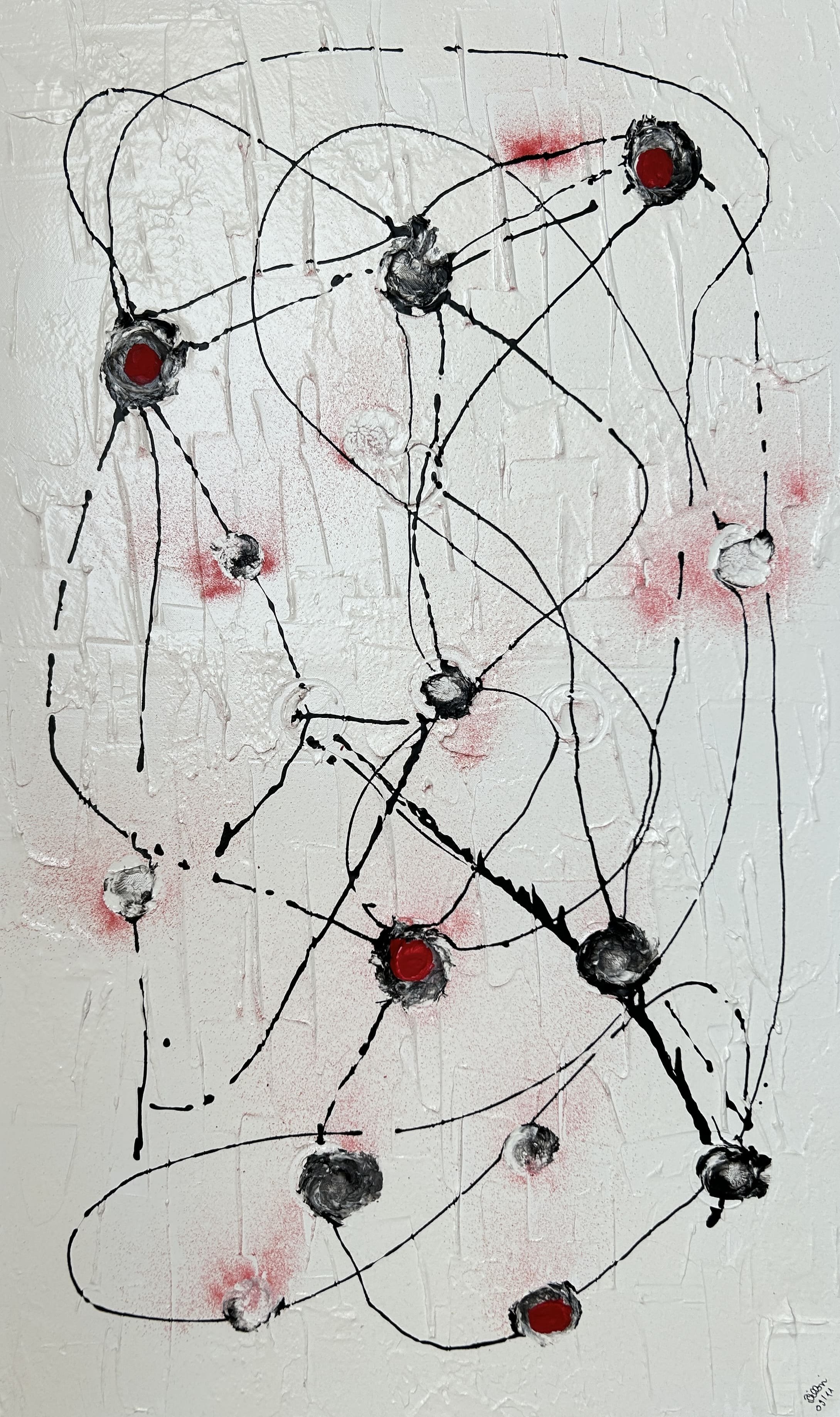
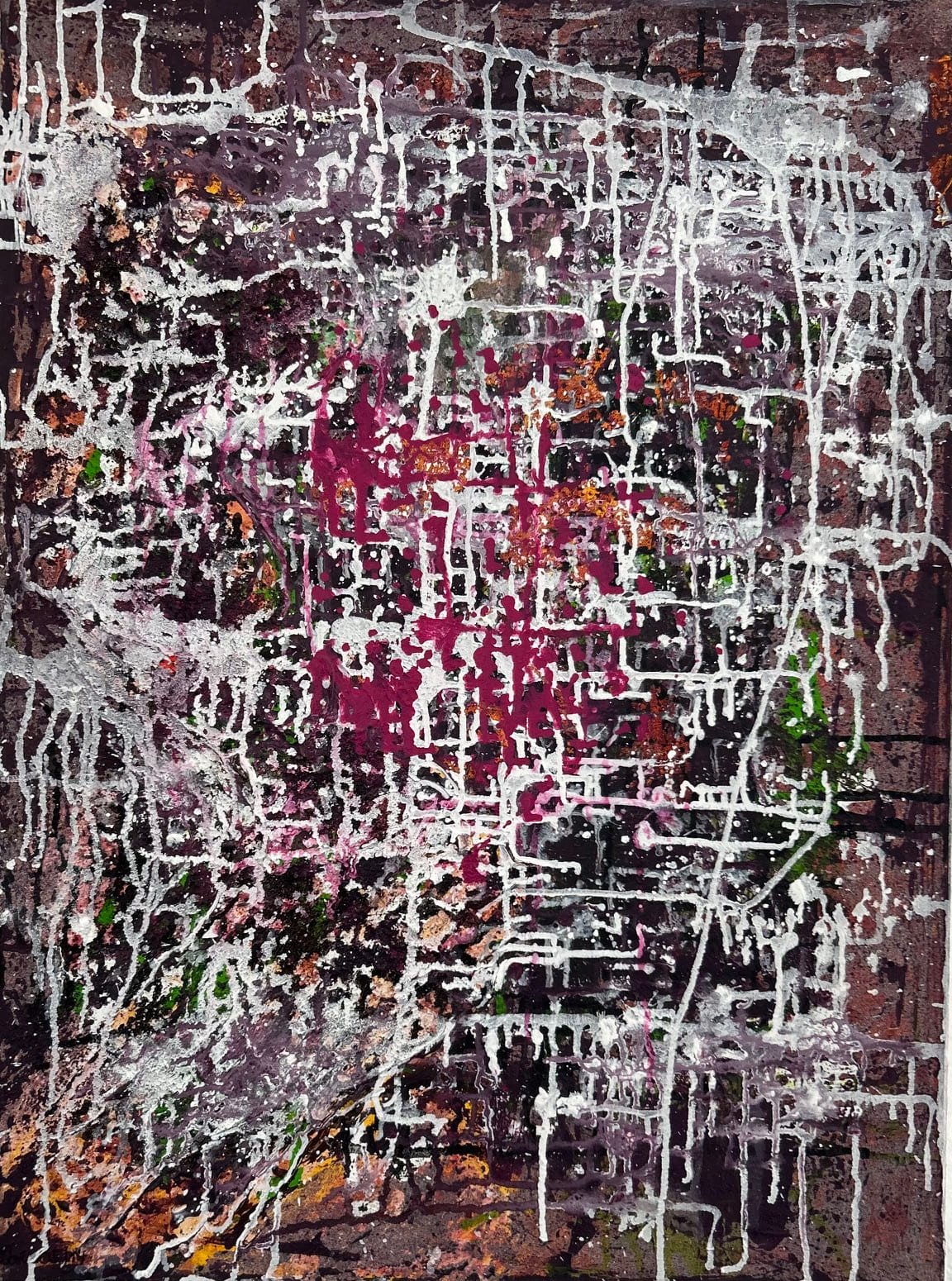
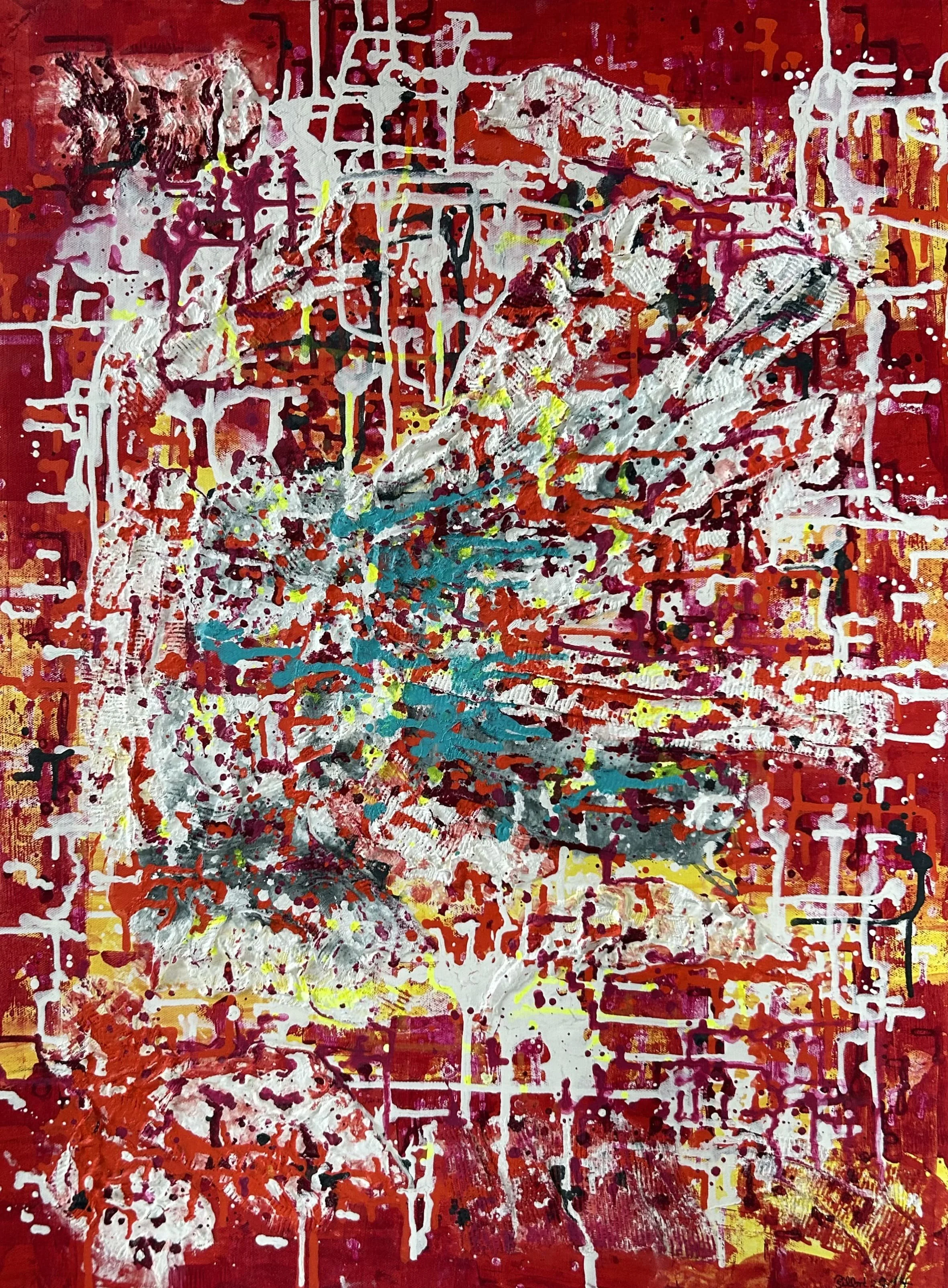
The first works of art in the long-standing artistic career of the German artist Pilbri, who was born and lives in the Rhineland, were influenced by Impressionism and Expressionism. Her role models: Monet, Macke, Münter, Kandinsky, and the Blue Rider group as a whole.
2005: First own studio
In 2006/2007, the name Pilbri, the signature of her works, was registered and registered as a trademark with the German Patent and Trademark Office.
2004-2007: Various exhibitions, including with a themed artist group
2008: Processing her illness of permanent double vision caused by an accident in a regional solo exhibition.
2007/2008: Pilbri Design Line: Art in Modules
This series was created precisely at the time when Pilbri had to accept that no doctor could help her with her double vision.
She sought order and created the series "Art in Modules," using aluminum Dibond panels, canvases, and acrylic glass panels as individual pieces, which she freely combined. This allowed for the creation of small and large wall objects.
The connections and arrangement created orderly conceptual art. This gave Pilbri orientation and control in her overstimulated world of double images.
In 2008, through intensive study of her double vision, Pilbri was able to process it artistically and developed a small series of works on her special vision. "When Eyes See Differently" was the title of her 2008 solo exhibition, which referenced her double images.
Shortly after, in 2008, art photography was added.
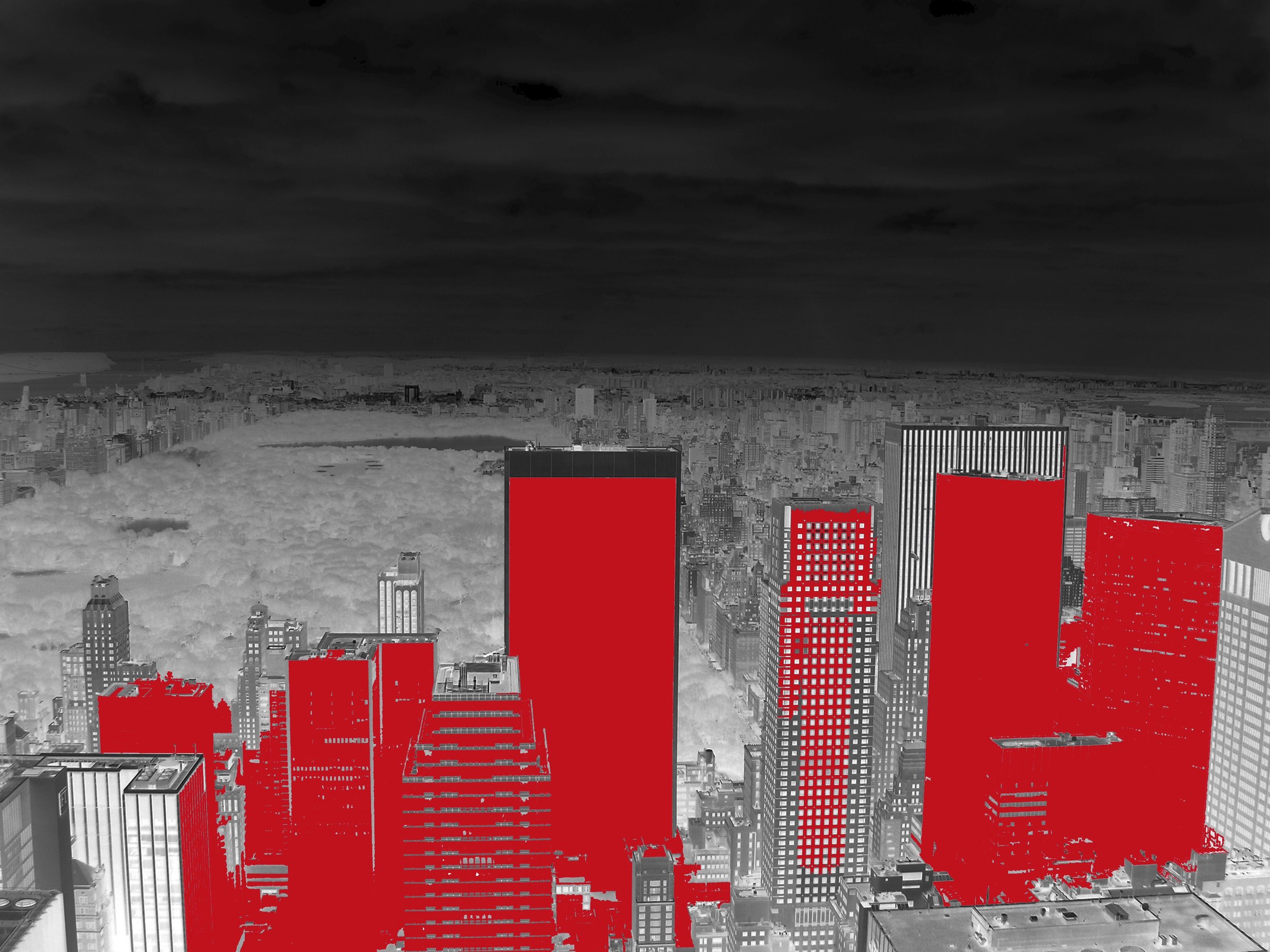
With the idea of rediscovering familiar things, Pilbri developed series such as City Views, featuring cityscapes of New York, Venice, Lisbon, and Paris, as well as the Stonehenge series.
A gallery owner once said at an exhibition of these works that the images were as if born from dreams.
In these works, day and night are intangible due to the alienation, and perspectives partially dissolve.
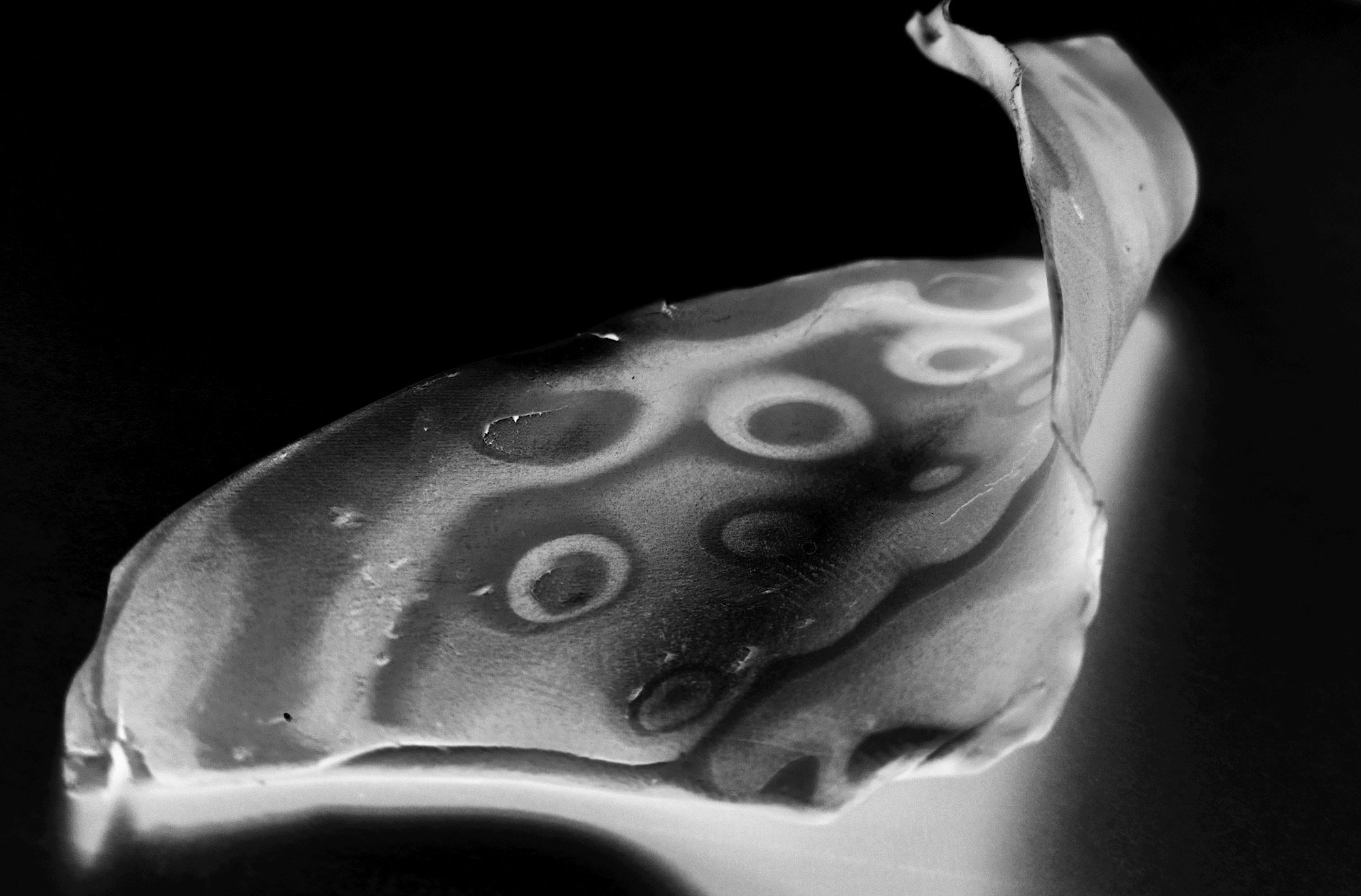
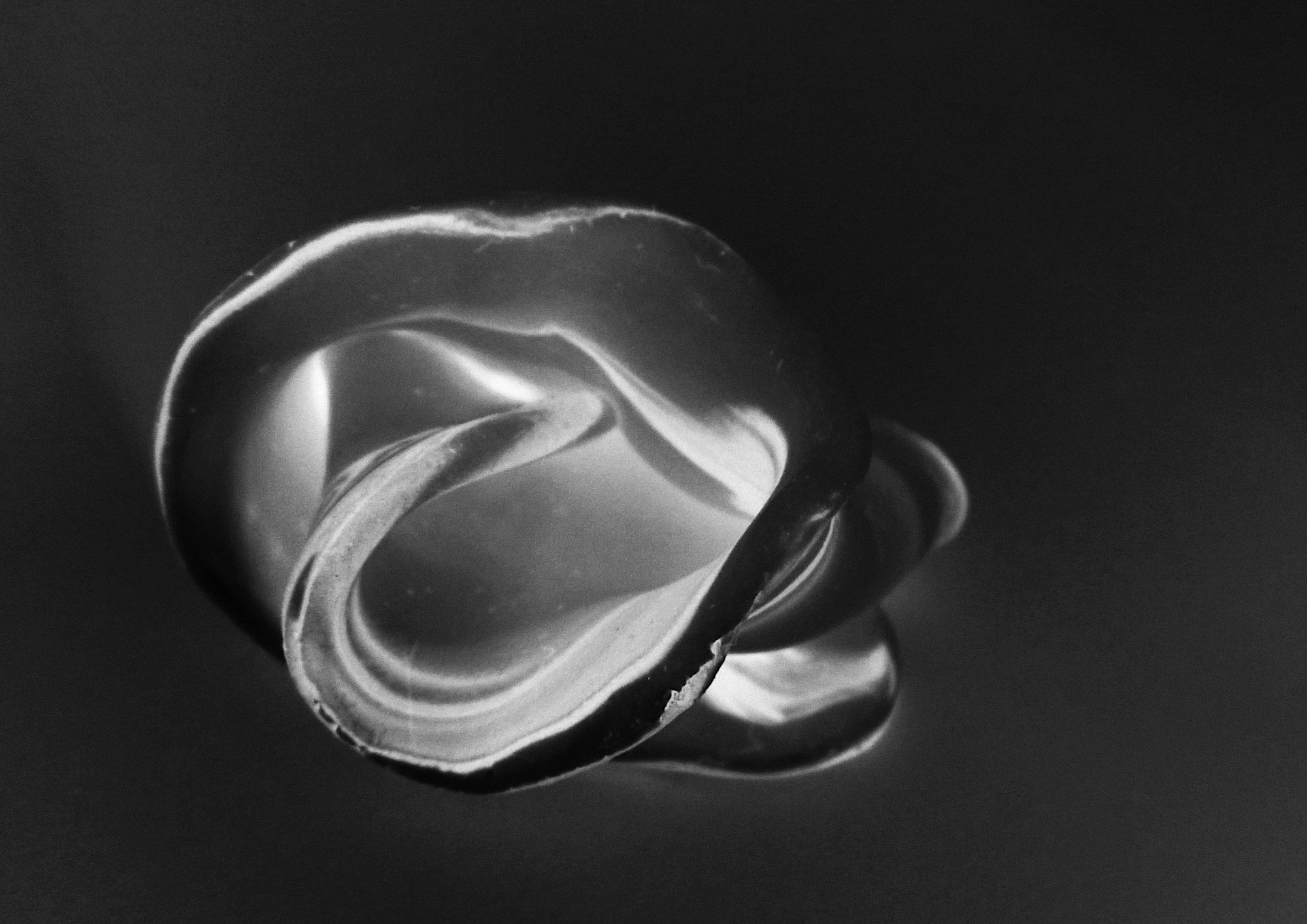
In 2010, Pilbri explored the material glass and created glass jewelry.
The glass further inspired her to create a photo series with glass.
When photographing, a real image is always distorted.
These series were followed by series such as Floating Objects and Fascination of Glass in art photography.
2013/2014: Two years of independent master class in painting and drawing with Hannelore Busch, a Beuys student, culminating in an exhibition and certificate.
During this master class, Pilbri learned various painting and drawing techniques and media.
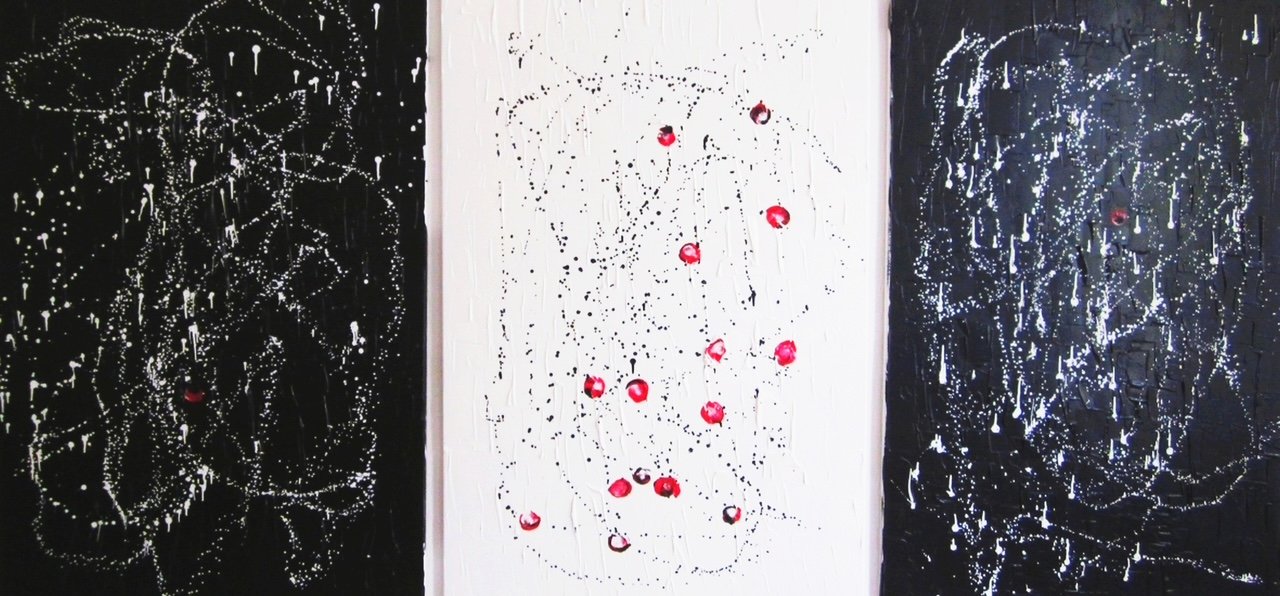
After the independent master class, her painted pictures became increasingly abstract with a new, modern expressionist influence.
Her series "Brain Art" was created, and as a continuation of this series, her ongoing series "Art with a Smile," which originated in the Corona crisis, was created.
In all of Pilbri's works, she is always concerned with seeing beyond. Since the different way of seeing through her double vision was the trigger for her professional artistic work, she is interested in "seeing" in all its facets, both literally and as a metaphor. She is also interested in everything related to the brain and its abilities.
"You can only see well with your heart. What is essential is invisible to the eye." from the book , The little Prince by Antoine de Saint-Exupéry is the leitmotif for the life and for 20 years, also for the art of Pilbri - Britta Neumärker.
In her art, Pilbri deals with 'looking behind' what is not visible at first glance. For Pilbri art is a medium for making the invisible visible.
Pilbri works mainly in series.
The largest series are City Views, Stonehenge, Universe, Kaleidoscope and Floating Objects in photography, and ‘Double Vision- when eyes see different’ , White Line, Brain Art/Art with a smile in paintings.
It is the snippets of people's souls, communication with each other and with themselves, the living out and suppression of needs and feelings, the vulnerability of one's own person, the discrepancy and blurriness of the real and virtual world, the overstimulation of the brain, the merging of space and time that she processes in her art.
In her art she is concerned with the changing times and their consequences. Pilbri thinks that time is ahead of humans and that humans haven't kept up with this situation.
She believes that we humans are drawing more and more boundaries, thereby blocking ourselves and our development. It seems that we seem to need these boundaries to maintain control and a certain order.
Pilbri wants to use her art to maintain hope and give each other a smile.
Boundaries create blockages, lack of freedom, and mistrust.
During the Corona period, the term "turning point" was coined.
A significant word for the artist Pilbri.
For her, a turning point means that we humans, with the help of our ingenious brains/mind, are learning to open ourselves up to new things, new technologies, new ways of thinking, AI, and learn to utilize these things with the help of our minds to become more than a blink of an eye in the history of the evolution.
Of course, everything can be abused, but we have the power to use all positive innovations for the benefit of humanity through our brilliant collective mind.
Pilbri hopes that we will learn to use it correctly in the future.
Hope begins with a smile.
Smile is the only language with global meaning that everyone understands and is born with a thought.
If we have no hope as a collective, we will become a blink of an eye in evolution.