Aga Cela: Portraiture, Inner Freedom, and the Art of Defending Identity
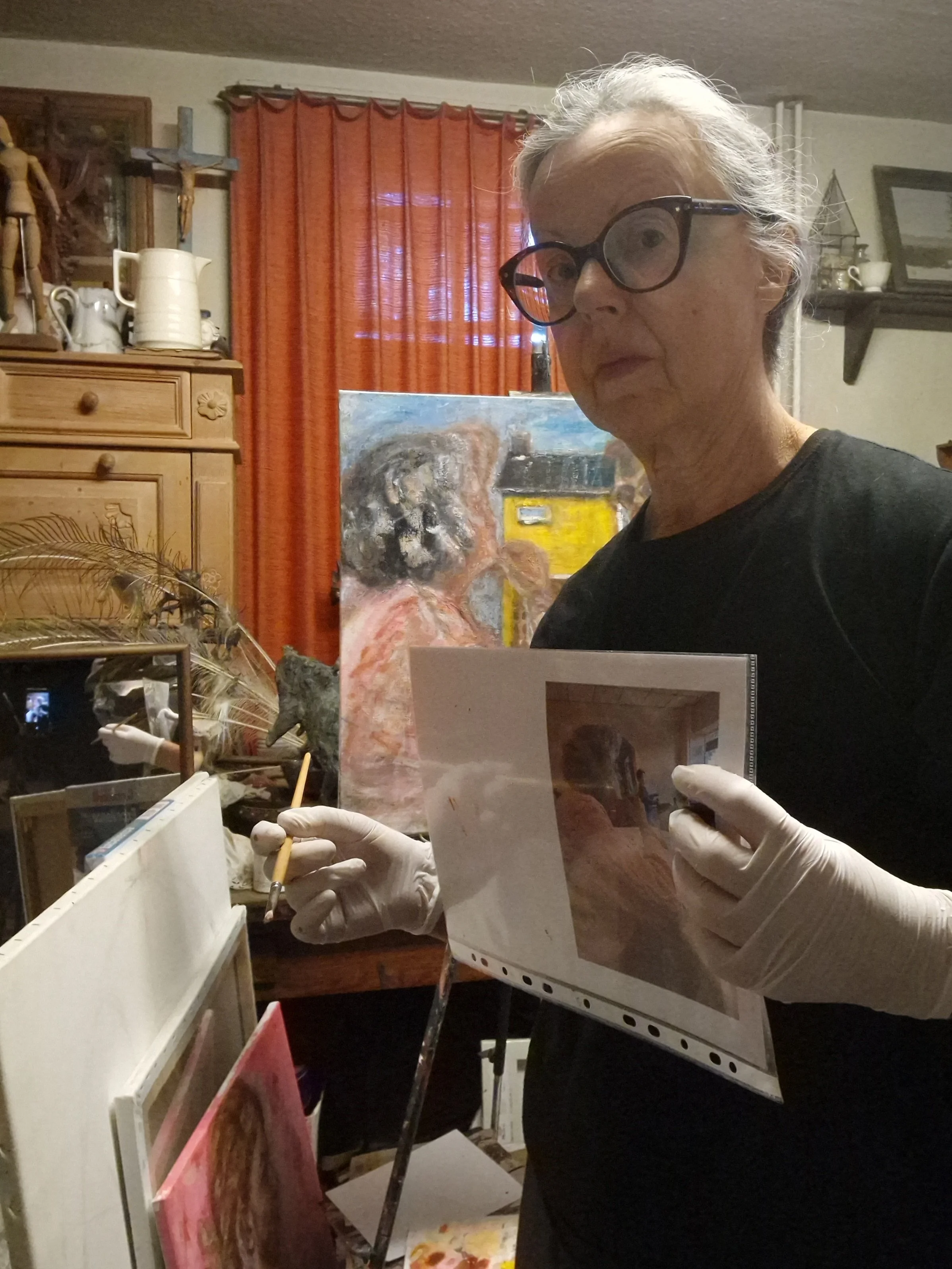
Aga Cela: Portraiture, Inner Freedom, and the Art of Defending Identity
For Aga Cela, art is neither an embellishment nor a separate professional pursuit. It is a sustaining force, a means of self-preservation, and an enduring assertion of personal freedom. Born Angelika Classen on August 1, 1959, in Heinsberg, Germany, and now living and working in Echt, the Netherlands, Cela has developed a practice that moves between portraiture, abstraction, drawing, painting, and poetry. Across these forms, she examines vulnerability, silence, movement, memory, and the individual’s right to inhabit an authentic identity.
Cela has been an artist since childhood, dedicating much of her available time to drawing and painting. Although she later worked as an educator in Greek, Latin, and French, her engagement with art remained continuous. The intellectual discipline associated with language and teaching existed alongside a more instinctive creative life, one governed by emotional urgency rather than institutional expectations. In 1997, she began teaching art, bringing these two dimensions of her experience into closer alignment.
Her development has been largely self-directed. Growing up in a conservative environment that allowed limited personal freedom, Cela came to regard artistic independence as essential. She studied the work of other artists closely, but resisted the authority and restrictions she associated with conventional instruction. This decision was not a rejection of knowledge. Rather, it reflected her conviction that artistic development must remain responsive to the individual’s inner life.
For many years, Cela did not fully understand why she felt compelled to draw and paint. In retrospect, she recognized that the impulse was connected to survival. “I understood later that it had to come from an impulse that also kept me alive in a way,” she has explained. Her motivation remains fundamentally introspective: to follow her innermost thoughts and feelings and give them material form.
This position is central to understanding Cela’s work. Her art does not begin with a fixed theoretical program or a calculated response to market trends. It emerges from an emotional encounter that demands expression through line, color, texture, or form. At times the result is recognizably figurative. At others, emotion is translated into an abstract structure that retains the psychological presence of the human figure without describing it literally.
Portraiture forms one of the principal foundations of her practice. Working in pencil, chalk, charcoal, watercolor, ink, acrylic, oil, and mixed media, Cela approaches the portrait as more than a record of external appearance. Her subjects often appear quiet, exposed, or psychologically withdrawn. They occupy a space in which sensitivity is not treated as weakness, but as a heightened condition of perception.
Cela is especially drawn to people who seem vulnerable, including representations of herself. Her perspective is summarized in her observation that an artist is not necessarily the person with “the strongest elbows,” but the one who is most sensitive. This sensitivity informs both the atmosphere of her portraits and the economy of her gestures. A face, posture, or partially defined body can become the site of an interior drama, suggesting that what remains unspoken may be as significant as what is visibly depicted.
Silence, in Cela’s work, is not an absence of content. It is a psychological and pictorial condition. Her figures often appear suspended between revelation and concealment, inviting sustained attention rather than immediate interpretation. In a contemporary visual culture frequently dominated by speed and spectacle, this restraint gives the work a distinctive presence. The viewer is asked to remain with the image and recognize subtle states of uncertainty, introspection, and emotional exposure.
Alongside portraiture, Cela has produced abstract studies of the inner self. These works extend her exploration of the human soul beyond observable physiognomy. Lines, colors, and forms become carriers of emotional experience, allowing her to address aspects of identity that resist straightforward representation. Her abstraction is therefore not a withdrawal from the human figure, but another method of approaching it.
Cela’s early artistic development was shaped by her engagement with Rembrandt, Francisco Goya, and Henri de Toulouse-Lautrec. Their different approaches to light, psychological characterization, social observation, and the moving body contributed to her understanding of figurative art. As her practice evolved, she also drew inspiration from Jackson Pollock and Mark Rothko. Their influence encouraged a more expansive relationship with gesture, color, and abstraction, opening possibilities beyond the descriptive image.
These references do not resolve into a single stylistic formula. Instead, they reveal the range within which Cela works. The psychological density of historical portraiture coexists with the emotional directness of modern abstraction. Her art moves between concentration and release, likeness and dissolution, controlled observation and spontaneous response.
The artist’s material experimentation reinforces this openness. She initially immersed herself in drawing with pencil, chalk, and charcoal, while also learning to prepare oil paint from raw pigments. Oil eventually became an important medium for many of her major works, although she has continued to use watercolor, ink, acrylic, and mixed media. Each material offers a different relationship between intention and accident. Charcoal permits immediacy and tonal depth, watercolor introduces transparency and unpredictability, while oil provides physical richness and the possibility of sustained revision.
Movement provides another important dimension of Cela’s practice. She frequently draws during concerts, dance presentations, circus events, and acrobatic performances. In these settings, she responds directly to bodies in motion, attempting to capture the rhythm and emotional charge of an event before it disappears. These drawings are not conventional records of performances. They translate fleeting gestures into condensed visual statements.
Her concert drawings, including works presented at Stadhoes Echt in 2024 in connection with Kultkefee, demonstrate this ability to convert temporal experience into line. The resulting images exist between observation and improvisation. They preserve something of the performer’s movement while also registering the artist’s own physical and emotional response. In this sense, drawing becomes a form of participation.
Cela’s literary activity further expands the relationship between image and inner experience. Her book Portrait Painting, published by Boekscout in 2011, examines her approach to portraiture and offers insight into the techniques and ideas underlying her practice. She subsequently published Peyer Psalmen in 2018 and Winterfarben in 2019. These publications establish writing and poetry as integral parts of her creative identity rather than supplementary activities.
The drawings associated with Peyer Psalmen were exhibited at the Denkmalkirche in Hückelhoven in April 2022. The project illustrates Cela’s ability to bring visual and literary expression into dialogue. Both forms originate in the same introspective impulse, but each offers a different structure for articulating memory, spirituality, emotion, and personal experience.
Her marriage to artist Leon Daemen in 2001 also played an important role in her artistic life. The marriage took place despite initial resistance from her family, reinforcing the broader theme of self-determination that runs through her life and work. The couple organized studio exhibitions approximately every two years and exhibited together at venues including New Place Art Gallery in ’s-Hertogenbosch in 2014 and Terpkerk in Urmond in 2016. Following Daemen’s death in 2018, Cela presented her work alongside his at Terpkerk in 2019, creating a poignant continuity between shared artistic experience and personal remembrance.
In 2019, the formal inclusion of her artist name on her identity card carried particular significance. Aga Cela had originated as a professional name that allowed her to establish a degree of freedom from the constraints of her career and inherited identity. Its official recognition transformed that chosen name into a public affirmation of artistic selfhood. Within the context of her practice, this was more than an administrative change. It embodied her continuing effort to define and protect her identity through art.
Cela describes this position as a form of activism. Her activism does not depend on overt slogans or a separation between political commitment and artistic production. Instead, it lies within the act of making itself. “Be activist through my art, not beside my art,” she states. To create from an inner necessity, particularly after growing up in an environment of restriction, becomes an assertion of autonomy.
Her professional exhibition history reflects a steady expansion from regional presentations to broader international visibility. A 2009 exhibition at Agora Gallery in New York coincided with coverage in ArtisSpectrum. Her work was subsequently discussed in the 2010/11 edition of Realism magazine. She exhibited at Museum van de Vrouw in Echt in 2017 and participated in the Limburg Biennale in Maastricht in 2020.
That year also brought a nomination in the Jan Mankes art competition. The acquisition of her work Approaching Joseph Beuys by the Beuys Archive represents another notable point in her career. The title suggests an encounter with the legacy of an artist who radically expanded the relationship between creative practice, identity, and social thought, concerns that resonate with Cela’s own understanding of art as a lived position.
Her continued participation in Dutch and European exhibitions has strengthened the public context of her work. In 2021, she took part in the Brabantse Prijs voor de Rooms-Katholieke Schilderkunst in Aarle-Rixtel. As a member of Kunstcorridor 61, also known as KC61, she has participated in group exhibitions in Urmond, Roermond, Rolduc, Sittard, Beek, and Echt.
In 2022, Cela participated in Weekend van het Portret, organized in connection with the Nederlandse Portretprijs in Amsterdam. The exhibition situated her portrait practice within a wider contemporary discussion about likeness, psychology, and the continuing relevance of painted and drawn representations of the human subject.
Her work was included in Atelier op Tafel at Museum Valkenburg in 2023, followed by an online presentation through HMVC Gallery in New York and a KC61 exhibition at Mariapark in Sittard. From November 2023 to January 2024, she participated in Tabula Rasa at Museum Valkenburg. In February 2024, her work appeared in The Dark Side at Boomer Gallery in London, extending her international exhibition record.
Further presentations in 2024 included the Forest Art Fair in Malle, Belgium, and another KC61 exhibition at Terpkerk in Urmond. In 2025, she exhibited with KC61 at Beek City Hall and At Gallery Molom in Sittard. Her 2026 program included Undercurrents and Dwelling at Galleria Tilde in Palermo, Echo’s at Museum van de Vrouw in Echt, and Ingetogen at Gallery Molom in Sittard.
Cela was also a member of the Nationale Associatie voor Beeldend Kunstenaars from 2011 to 2024, with her work included in the association’s yearbooks in 2013 and 2020. This sustained professional involvement, combined with exhibitions in the Netherlands, Germany, Belgium, Italy, the United Kingdom, and the United States, positions her practice within a widening network while preserving its deeply personal foundation.
From an art market perspective, Cela’s work occupies a compelling intersection between contemporary portraiture, expressive figuration, and psychologically driven abstraction. Her long exhibition history, published writings, institutional presentations, and consistent engagement with artist associations provide an established professional framework. Yet the relevance of her practice ultimately rests on its conceptual coherence. Across different media and periods, she has remained committed to the same essential questions: how identity is formed, how vulnerability can be represented, and how art can protect an interior freedom that external circumstances may deny.
Her home and studio are closely integrated, with art extending through the spaces of daily life. This physical absence of separation reflects the deeper structure of her practice. Art is not something Cela enters and leaves according to a schedule. It is embedded in how she observes, remembers, and understands experience.
Aga Cela’s career demonstrates the cumulative strength of a practice built through persistence rather than conformity. Her portraits, abstractions, performance drawings, and writings form a sustained investigation into sensitivity as both an artistic faculty and a mode of resistance. Rather than presenting identity as fixed, she treats it as something continually created, questioned, and defended. In doing so, her work offers collectors and institutions a body of art grounded in personal history while addressing enduring concerns about freedom, human dignity, and the fragile complexity of the inner self.
https://www.aga-cela.com/
https://www.instagram.com/aga_cela/
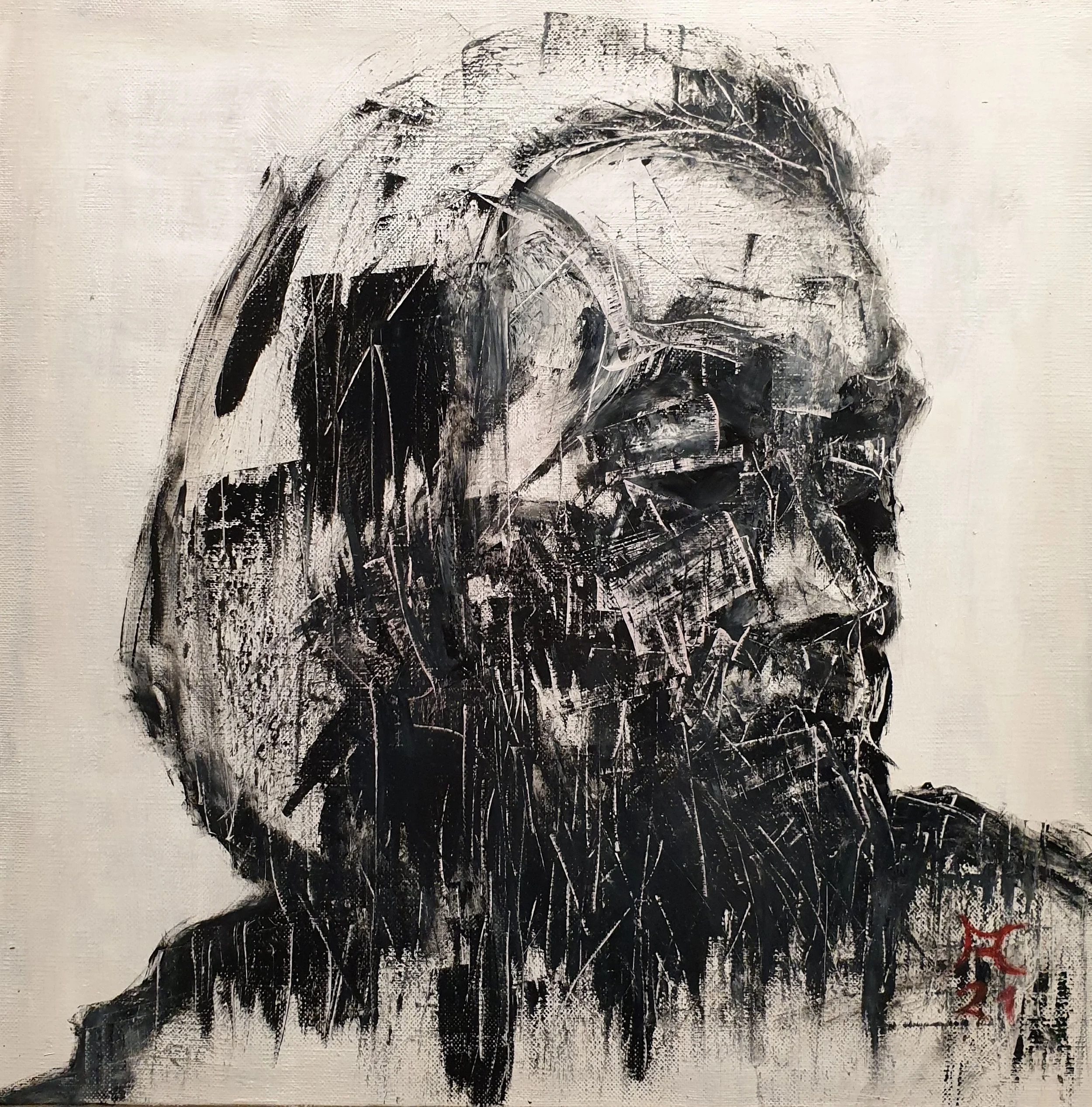
Antonin Artaud, 2021. Oil on canvas, 40x40cm
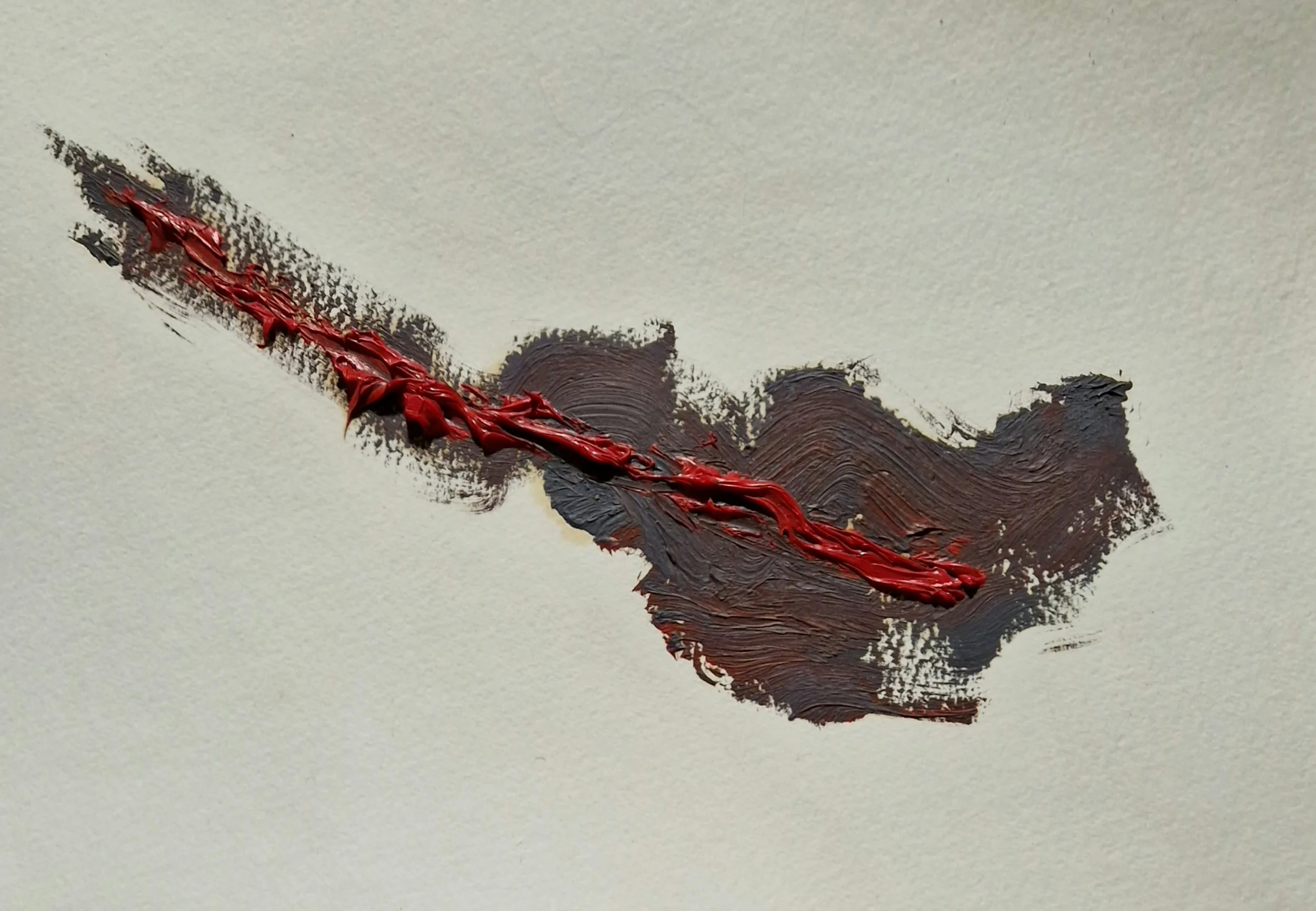
The Wound, 2020. Oil on paper, 24x30cm
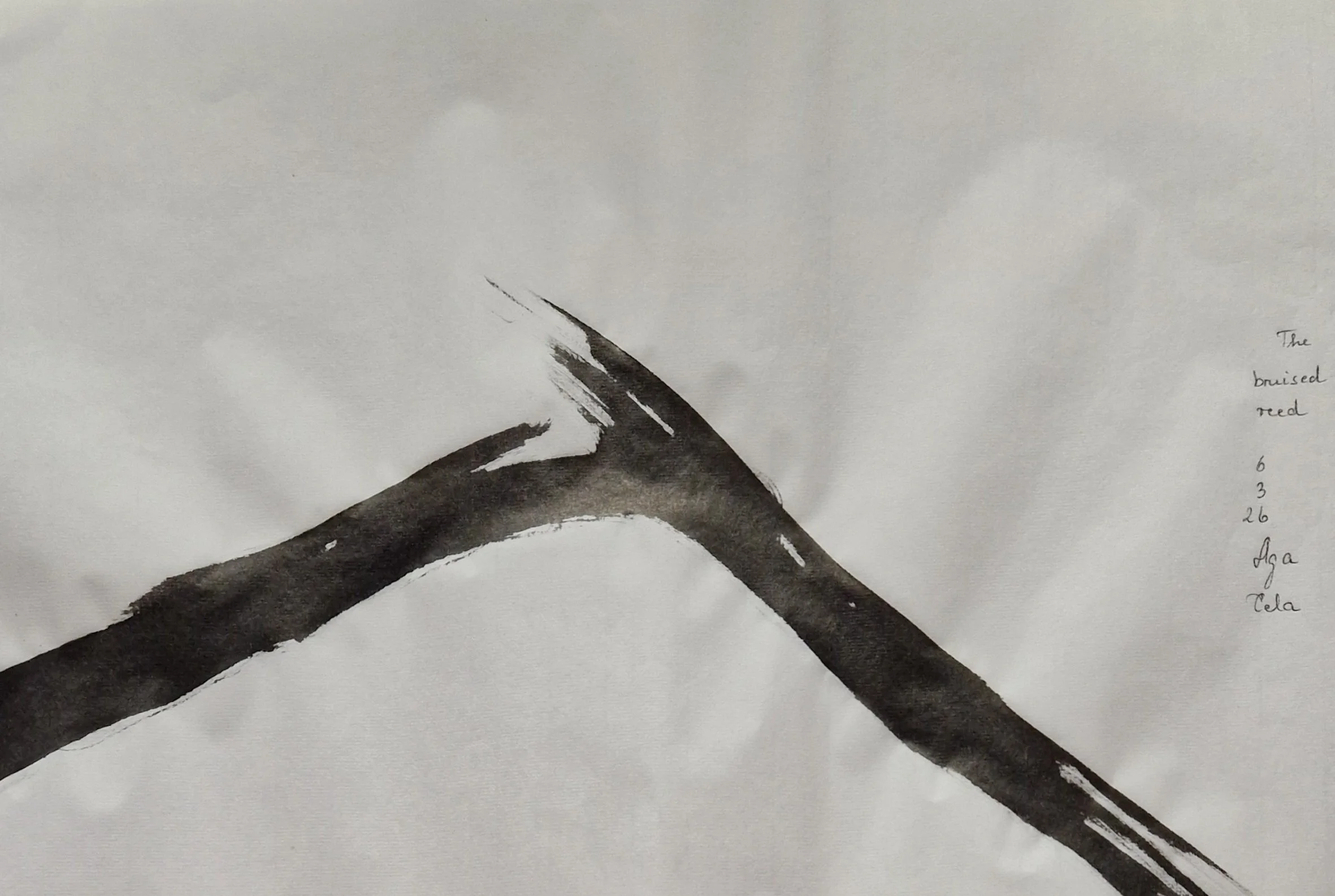
The Bruised Reed,2026. Ink on rice paper, 26x38cm

Old Man with Dog, 2023. Oil on canvas 60x60cm
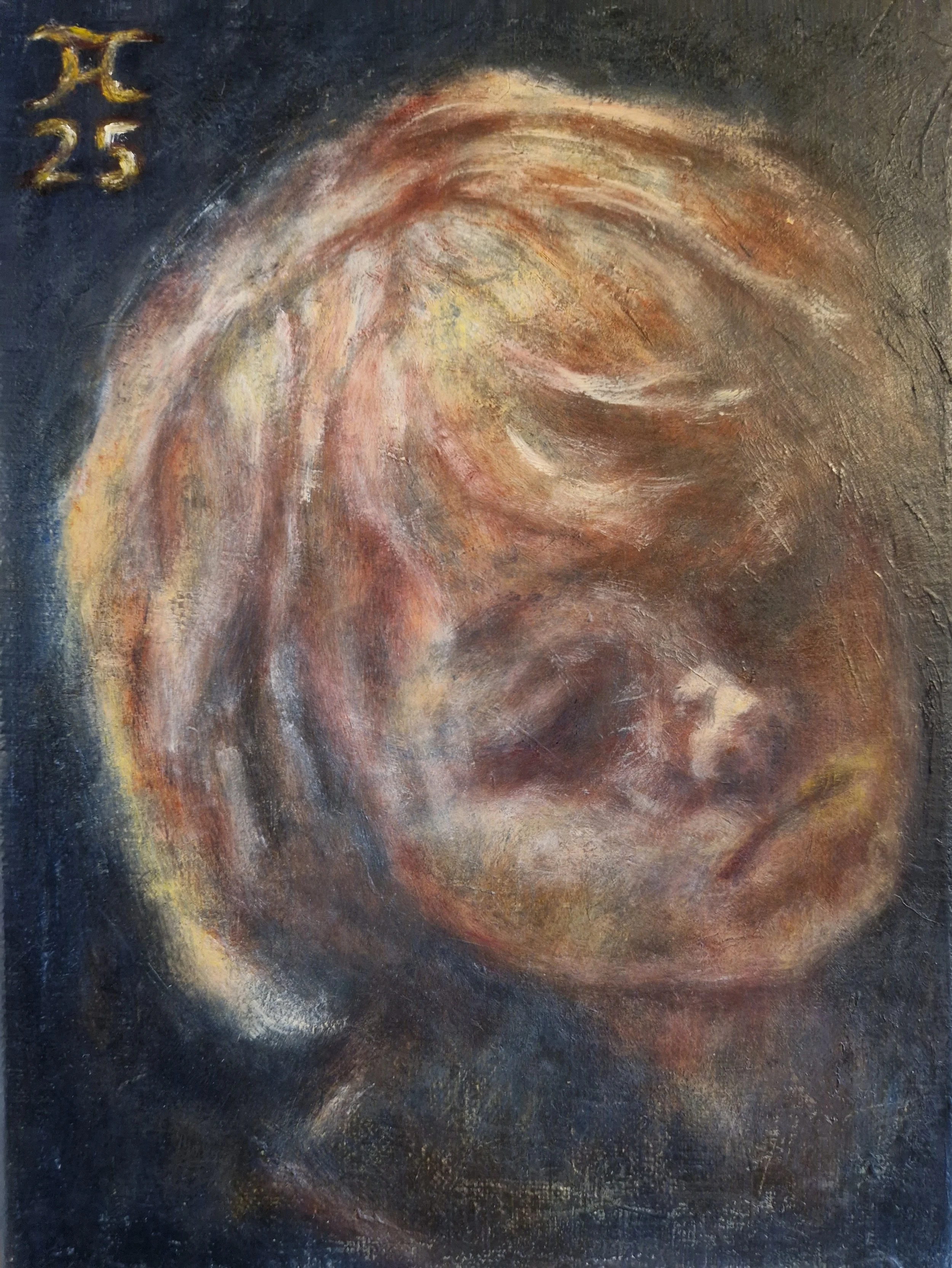
The little Pianist, 2025. Oil on canvas, 24x18cm

Boy in a Wheelchair, 2024. Oil on canvas, 60x80cm
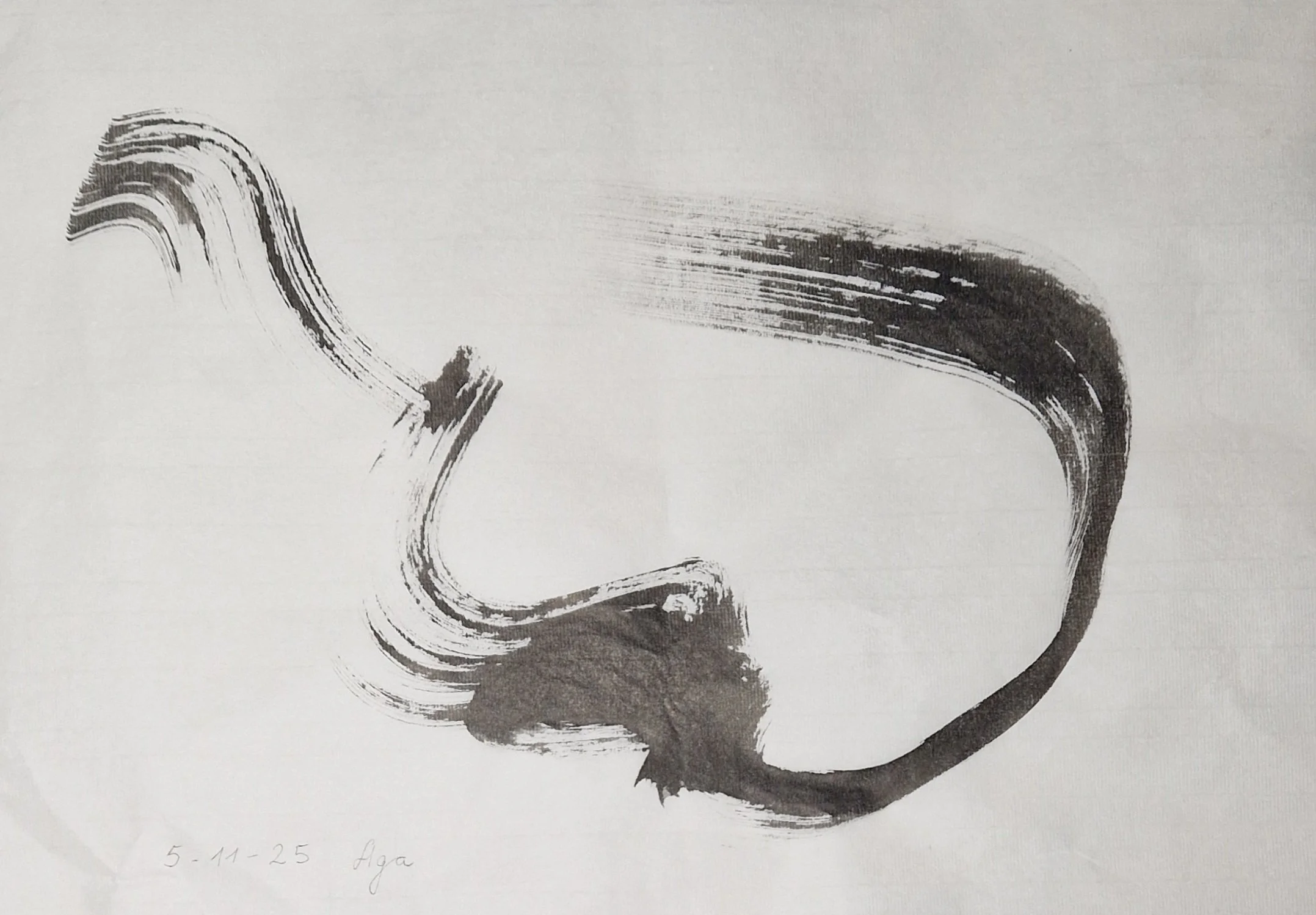
05 11 25, 2025. Ink on rice paper, 26x38cm
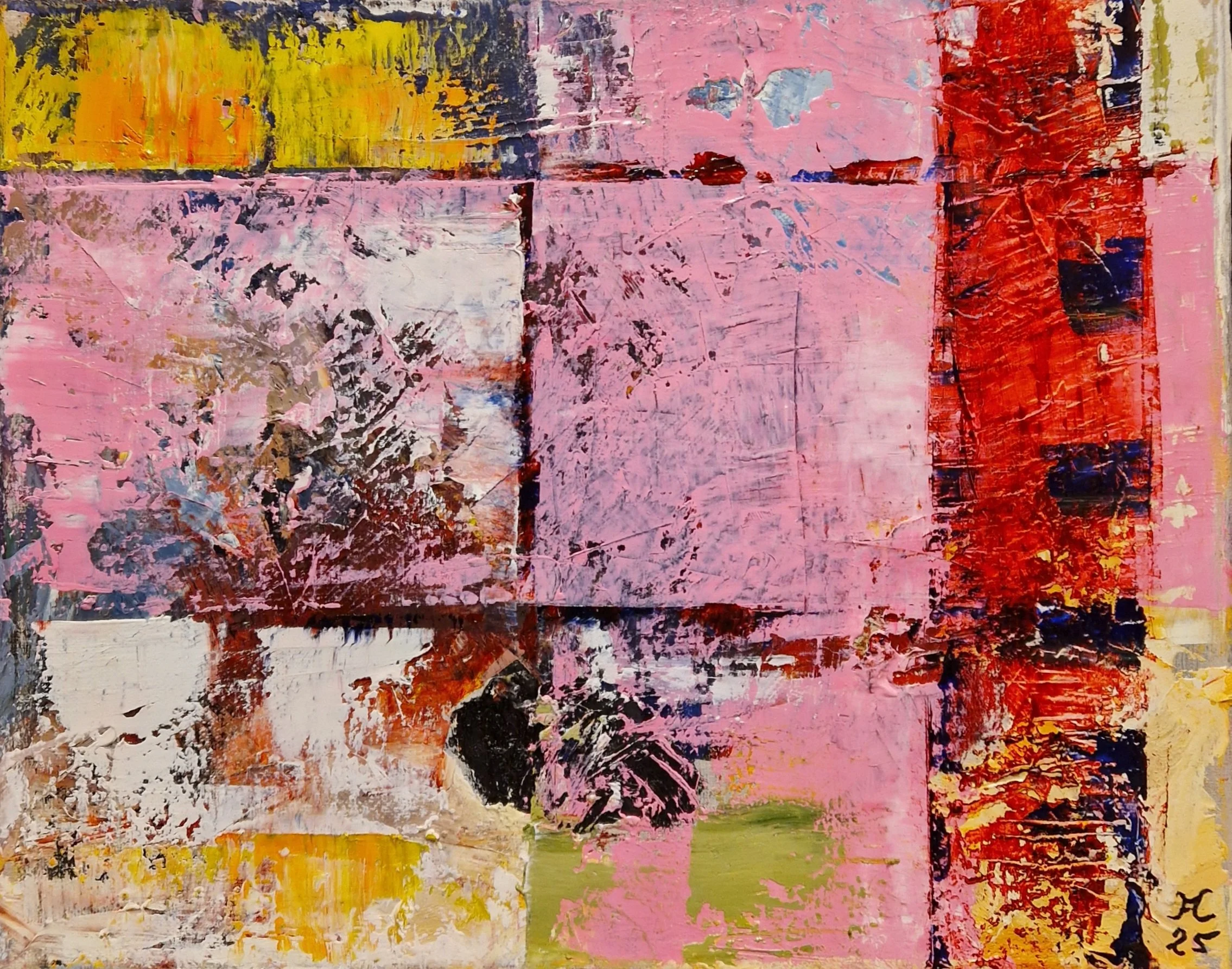
Abstract, 2025. Mixed media on canvas, 24x30cm

The Boy in the Moon, 2026. Oil on canvas 30x24cm
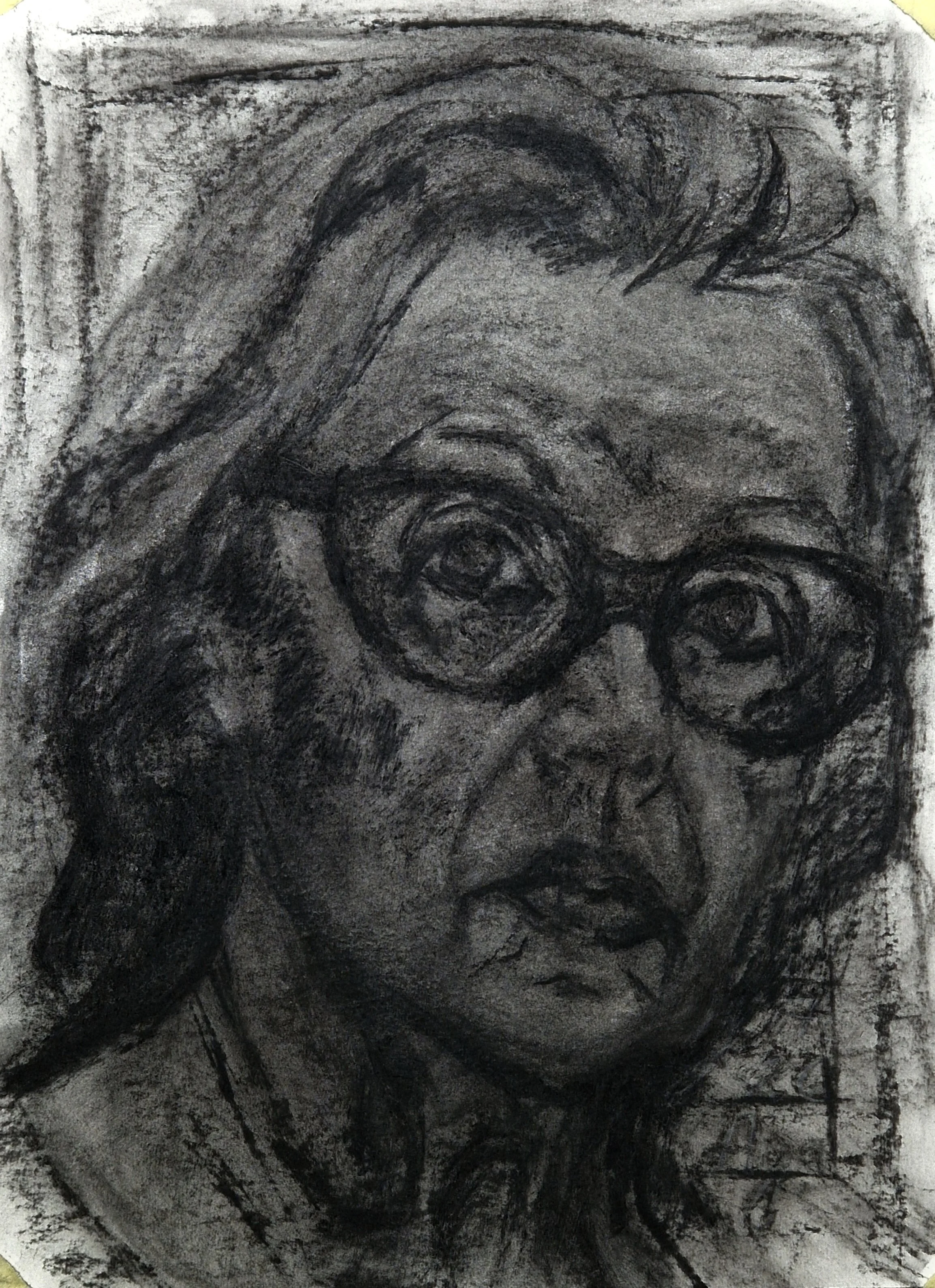
Self Portrait, 2026. Charcoal on paper, 40c30cm