Alisa Chernova: Mapping the Psychology of Control Through Contemporary Painting
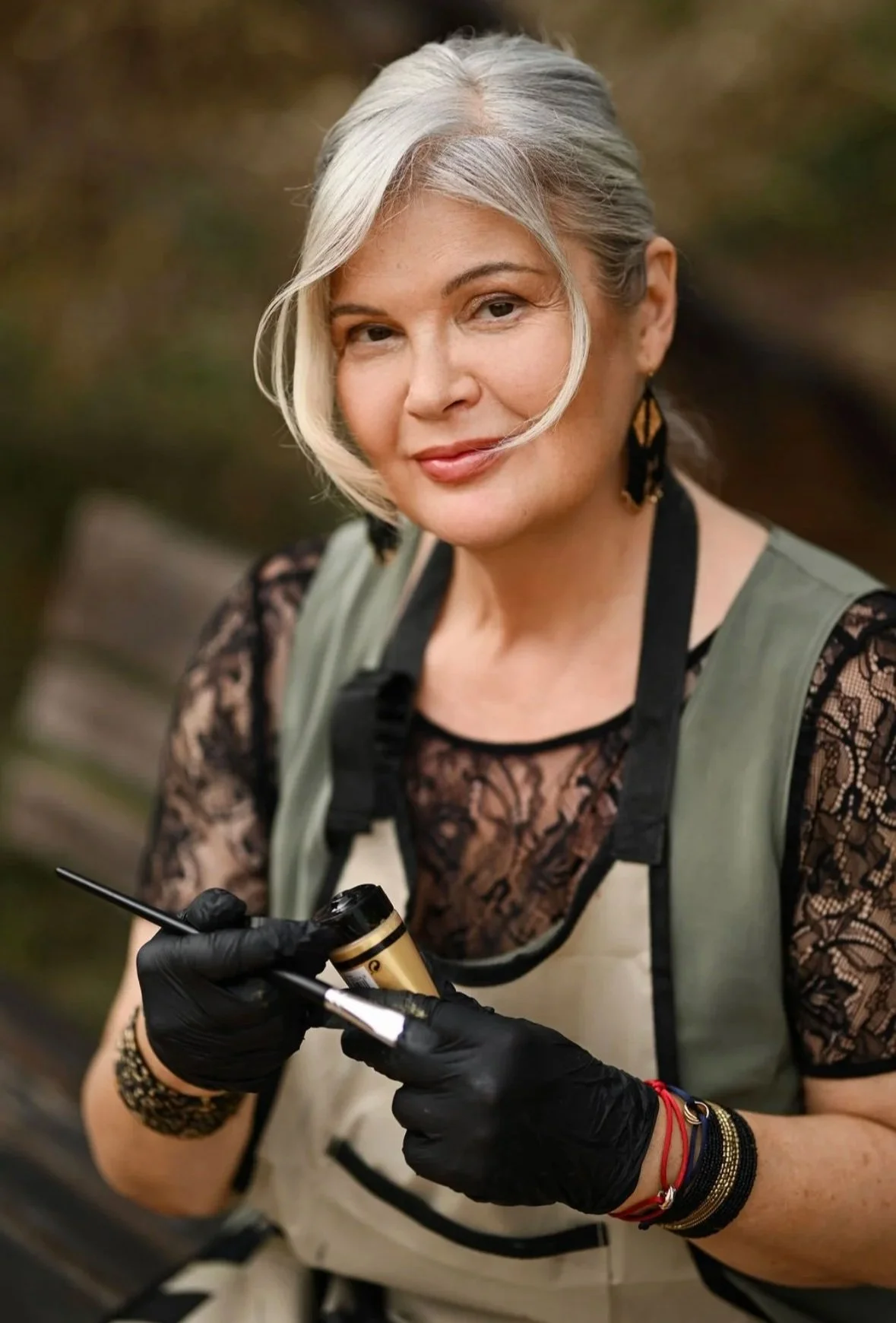
Alisa Chernova: Mapping the Psychology of Control Through Contemporary Painting
In an increasingly complex contemporary art landscape, artists who successfully bridge intellectual inquiry with emotional resonance are attracting growing attention from collectors and institutions alike. Among this emerging generation is Alisa Chernova, a Ukrainian-born artist based in Spain whose psychologically driven practice examines the fragile architecture of identity, vulnerability, and the human desire for control.
Drawing upon a background in psychology and art therapy, Chernova has developed a distinctive visual language that positions painting as both an aesthetic and investigative tool. Her work explores the hidden emotional structures that shape human behavior, revealing the tensions that exist between internal reality and the social identities individuals construct in pursuit of certainty, acceptance, and security.
At the center of her practice lies an enduring fascination with the human psyche. Influenced in part by the theories of Sigmund Freud, Chernova examines the fears, desires, conflicts, and unconscious mechanisms that often remain concealed beneath everyday appearances. Rather than illustrating psychological concepts directly, she transforms them into material experiences, allowing viewers to encounter emotional complexity through texture, structure, and visual disruption.
Her paintings frequently begin with surfaces that appear harmonious and controlled. Yet beneath this apparent stability, fractures emerge. Cracks, mesh structures, ruptures, and deformations interrupt carefully balanced compositions, exposing underlying vulnerability. These interventions function as more than formal devices. They become metaphors for moments when established systems of self-perception begin to collapse, revealing deeper truths that exist beyond social performance and psychological defense.
This investigation reaches a particularly compelling expression in her ongoing series Illusion of Control. The body of work examines the fragile frameworks individuals construct to maintain order and predictability in their lives. Rather than presenting control as a source of strength, Chernova reveals its inherent instability. The paintings capture the psychological threshold where familiar structures can no longer sustain themselves, creating what might be described as a point of no return.
Within these moments of rupture, however, the artist identifies the possibility of transformation. Breakdown becomes a precursor to renewal. The dissolution of certainty opens space for redefinition, allowing a more authentic form of integrity to emerge. This nuanced perspective distinguishes her work from purely existential narratives, positioning vulnerability not as weakness but as a necessary condition for personal evolution.
A parallel exploration unfolds in her conceptual project In the Company of Sigmund Freud. Through this series, Chernova investigates the emotional territories that exist beneath conscious awareness, visualizing the psychological tensions that influence human behavior while often remaining invisible. The project reflects her broader interest in the relationship between fantasy, desire, and reality, themes that continue to resonate across contemporary discussions surrounding identity and selfhood.
The strength of Chernova's practice lies in her ability to balance conceptual rigor with emotional accessibility. Her paintings invite reflection without prescribing conclusions. Viewers are encouraged to engage in an intimate psychological dialogue, confronting questions of authenticity, perception, and self-construction through their own experiences.
This intellectual depth has increasingly attracted international attention. Her work has been presented at numerous global exhibitions and art fairs, including the Tokyo International Art Fair, Red Dot Miami during Art Basel Miami Week, and the Basel Biennale during Art Basel Basel. In 2025, her painting Guardian Angel was featured on a digital billboard in Times Square, New York, while additional works have appeared in international projects across Venice, Rome, London, Paris, Amsterdam, Los Angeles, Seoul, Toronto, Athens, and Tokyo through collaborations with leading contemporary art platforms.
Beyond exhibitions, Chernova's growing visibility has been reinforced through a series of notable publications and professional recognitions. Her work has been featured in Contemporary Art Curator Magazine, which published both an analytical review and an extensive interview examining the philosophical foundations of her practice. The publication described her as an artist who expands the function of art beyond representation and into a space where visual language intersects with philosophy and therapeutic inquiry.
Her profile has also been highlighted by Visual Art Journal, AATONAU, and Art Market Experts, reflecting increasing interest from international art media. Most significantly from a market perspective, Chernova was included in the international publication Top Investable Artists 2026: The Definitive Guide for Collectors, Investors, and Art Professionals. The selection places her among a curated group of contemporary artists identified for their artistic development, market visibility, and growing relevance within the global collecting community.
Additional recognition includes her inclusion in the international publication 100 Artists of Europe, which showcases contemporary artists contributing to the evolving European cultural landscape. In 2025, she also received the Honorary Award for Achievements from the Consulate for Humanitarian Affairs and Culture in Chania, Greece, acknowledging both the originality of her artistic vision and her contribution to contemporary art.
From a market perspective, Chernova represents a category of artist increasingly valued by today's collectors: practitioners whose work combines conceptual substance, psychological relevance, and international exposure. As contemporary collecting continues to shift toward narratives that engage with identity, mental health, and the complexities of modern existence, her practice occupies a particularly timely position.
Currently working from her studio in Marbella, Spain, Chernova continues to develop new chapters of her psychological exploration through painting. Her work remains rooted in a fundamental question that resonates across cultures and generations: what lies beneath the identities we construct, and what emerges when those structures begin to break apart?
By transforming psychological inquiry into a sophisticated visual language, Alisa Chernova offers more than aesthetic experience. She creates spaces for reflection, confrontation, and transformation, qualities that increasingly define the most compelling voices in contemporary art today.
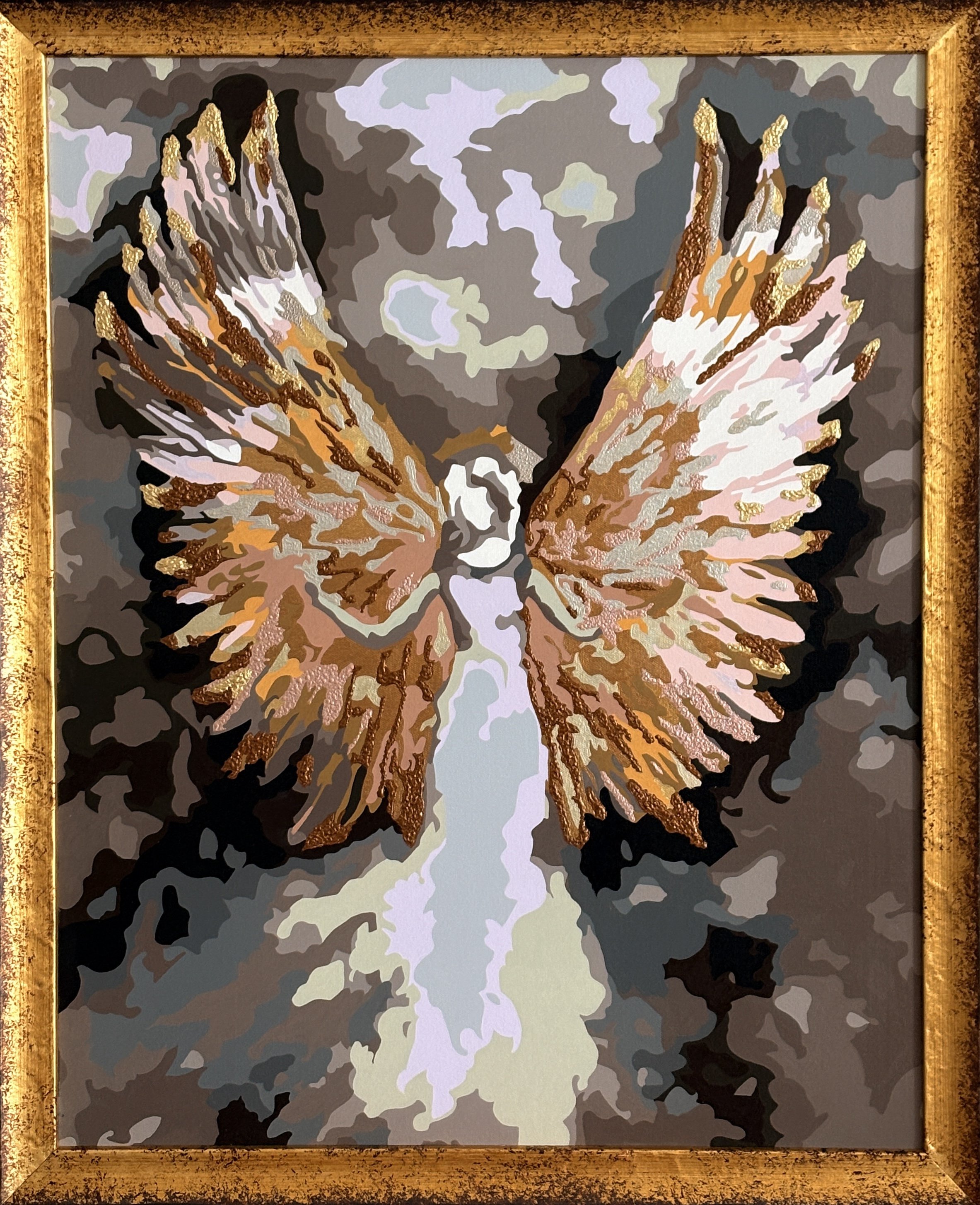
Guardian Angel. 2021. Canvas, acrylic. 80/65cm
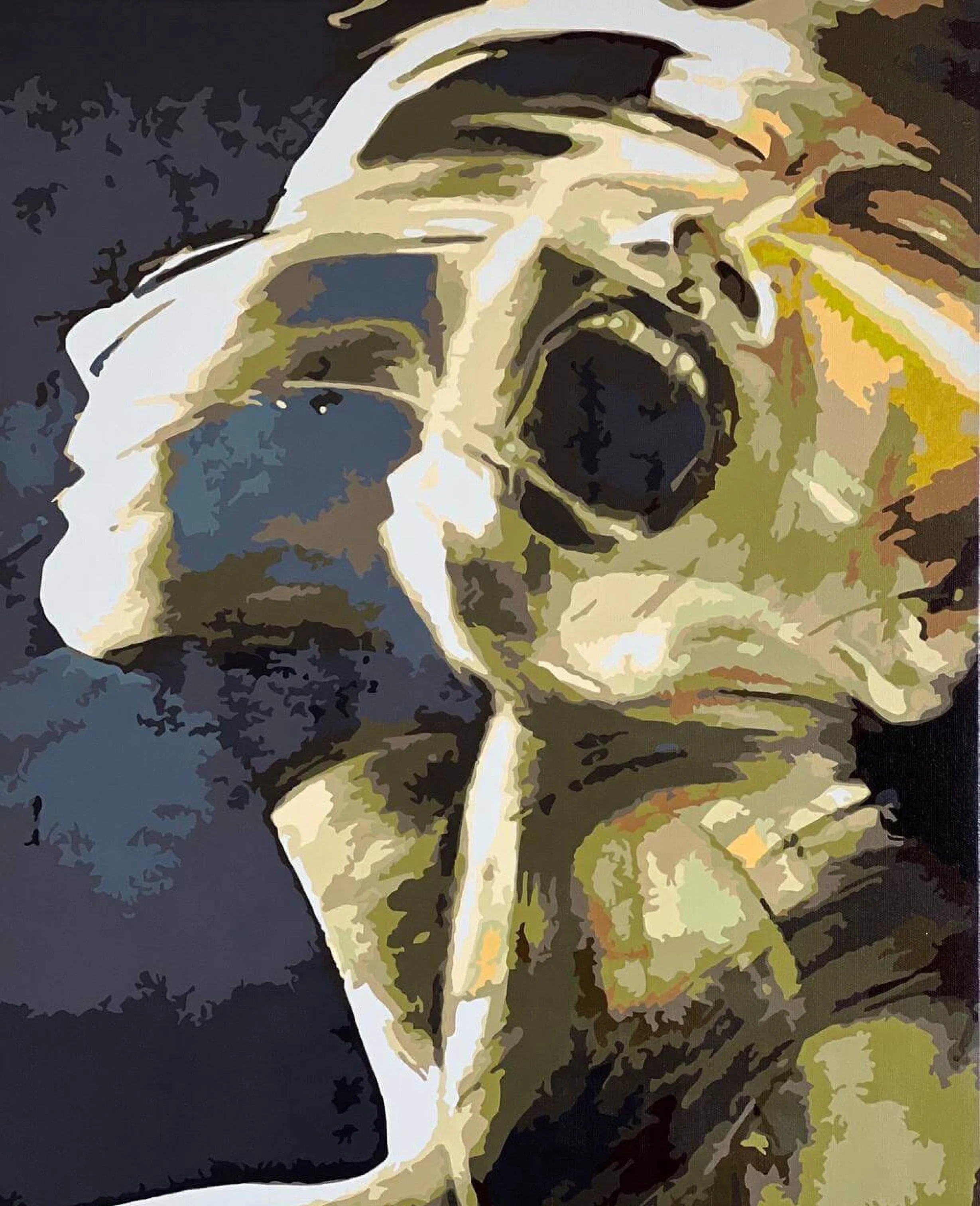
Panic attack. 2022. Canvas, acrylic.80/65cm
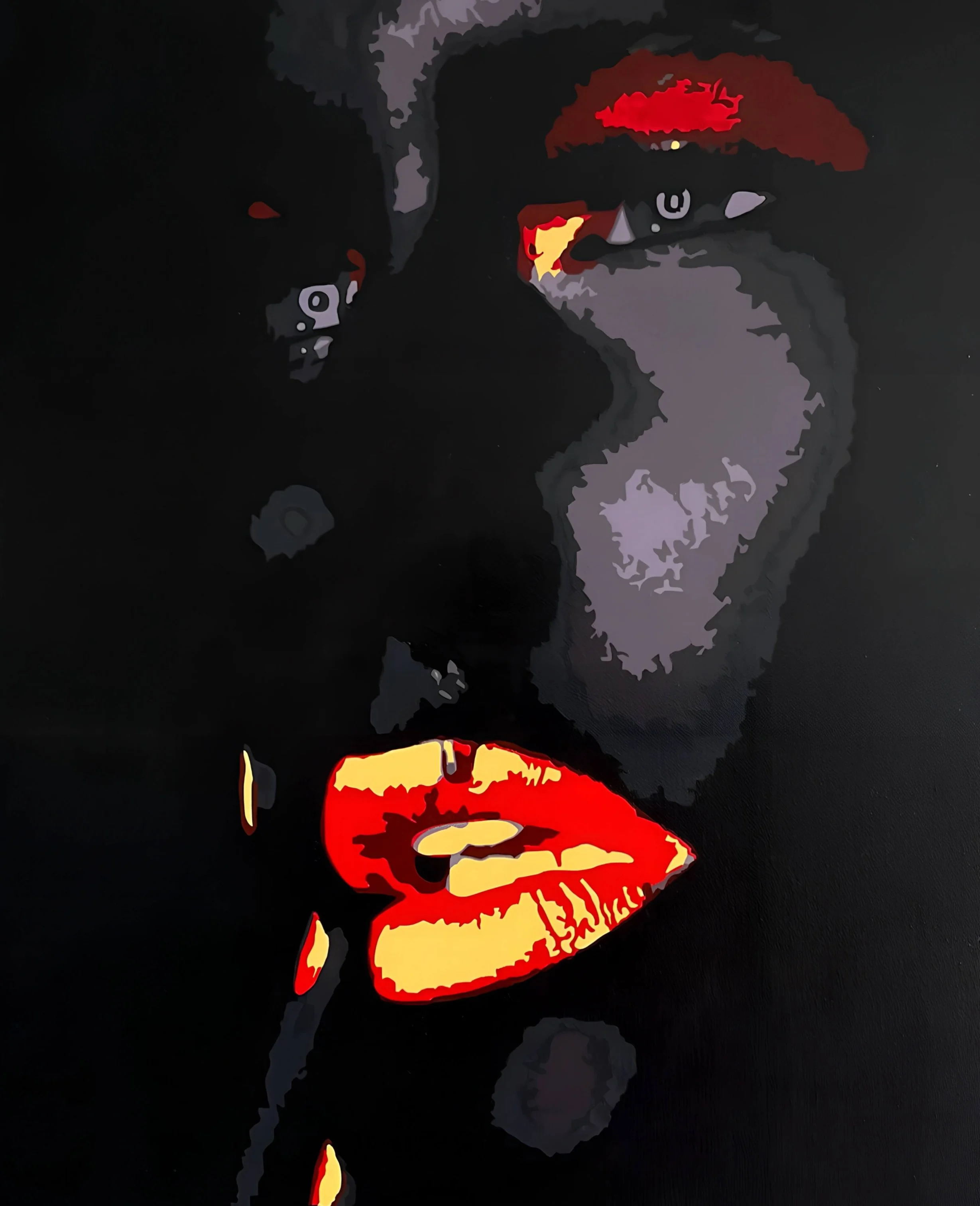
Deep Depression. 2024 Canvas, acrylic. 80/65cm
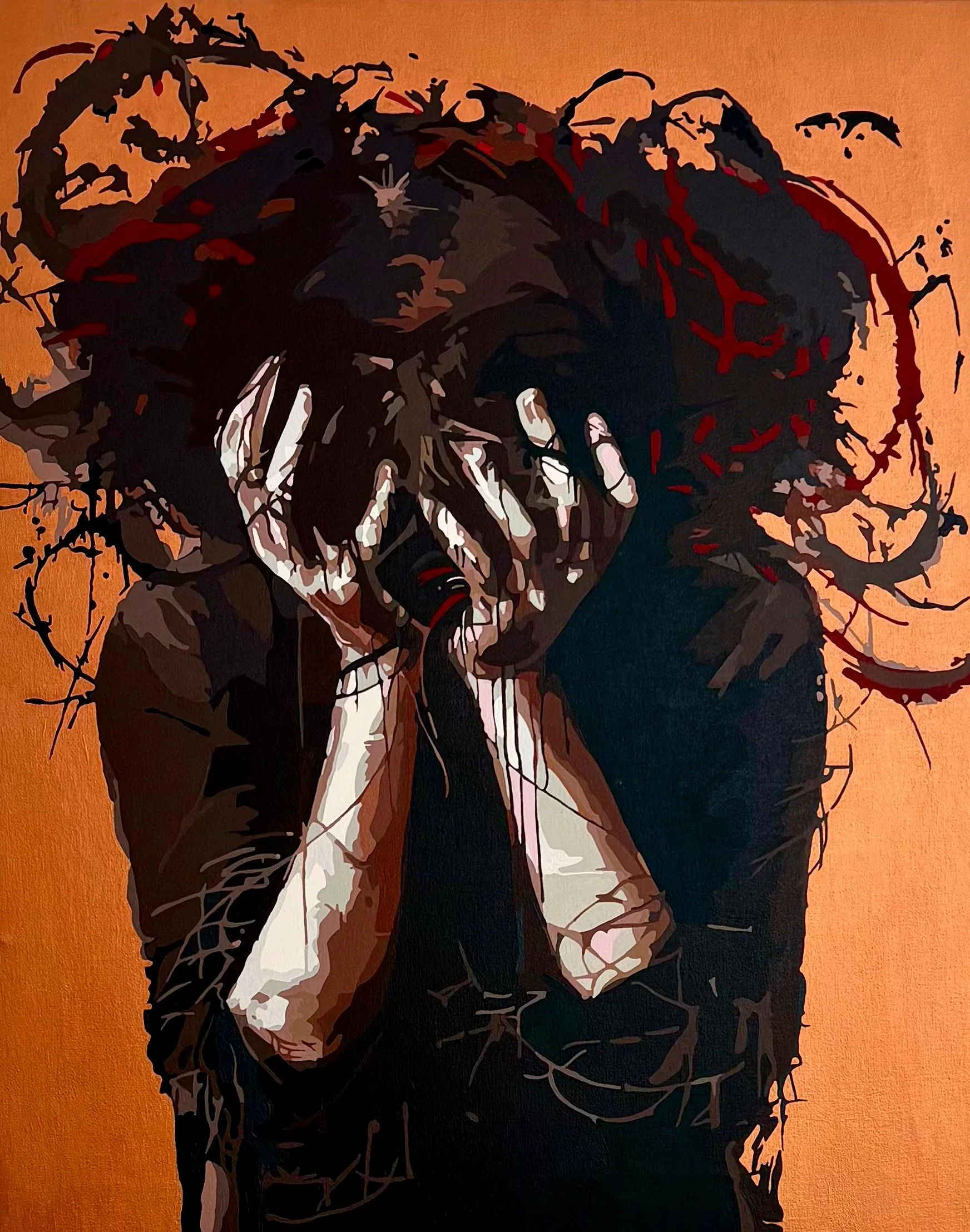
Despair. 2025. Canvas, acrylic. 80/65cm
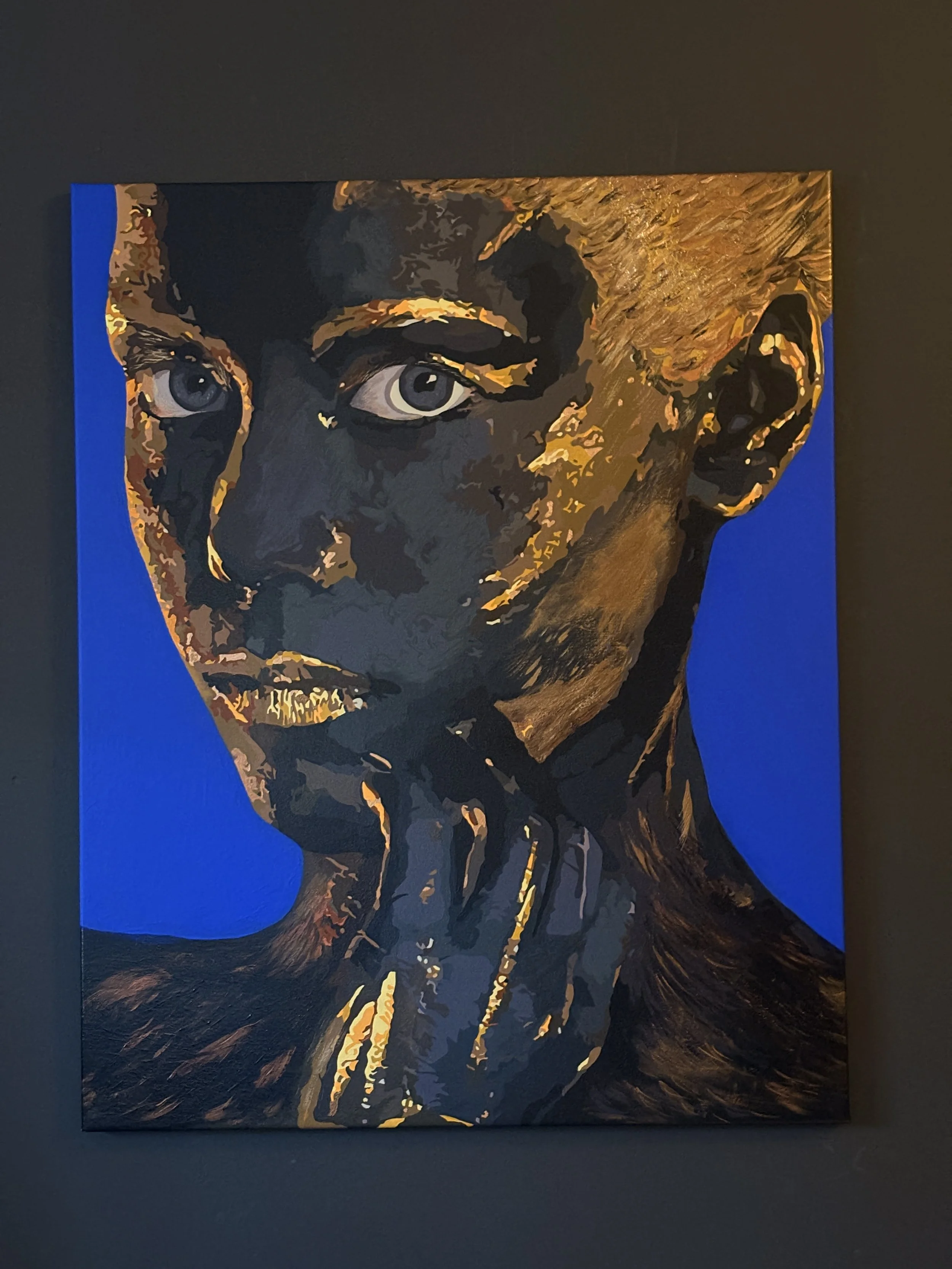
Rain Man. 2025. Canvas, acrylic. 80/65cm
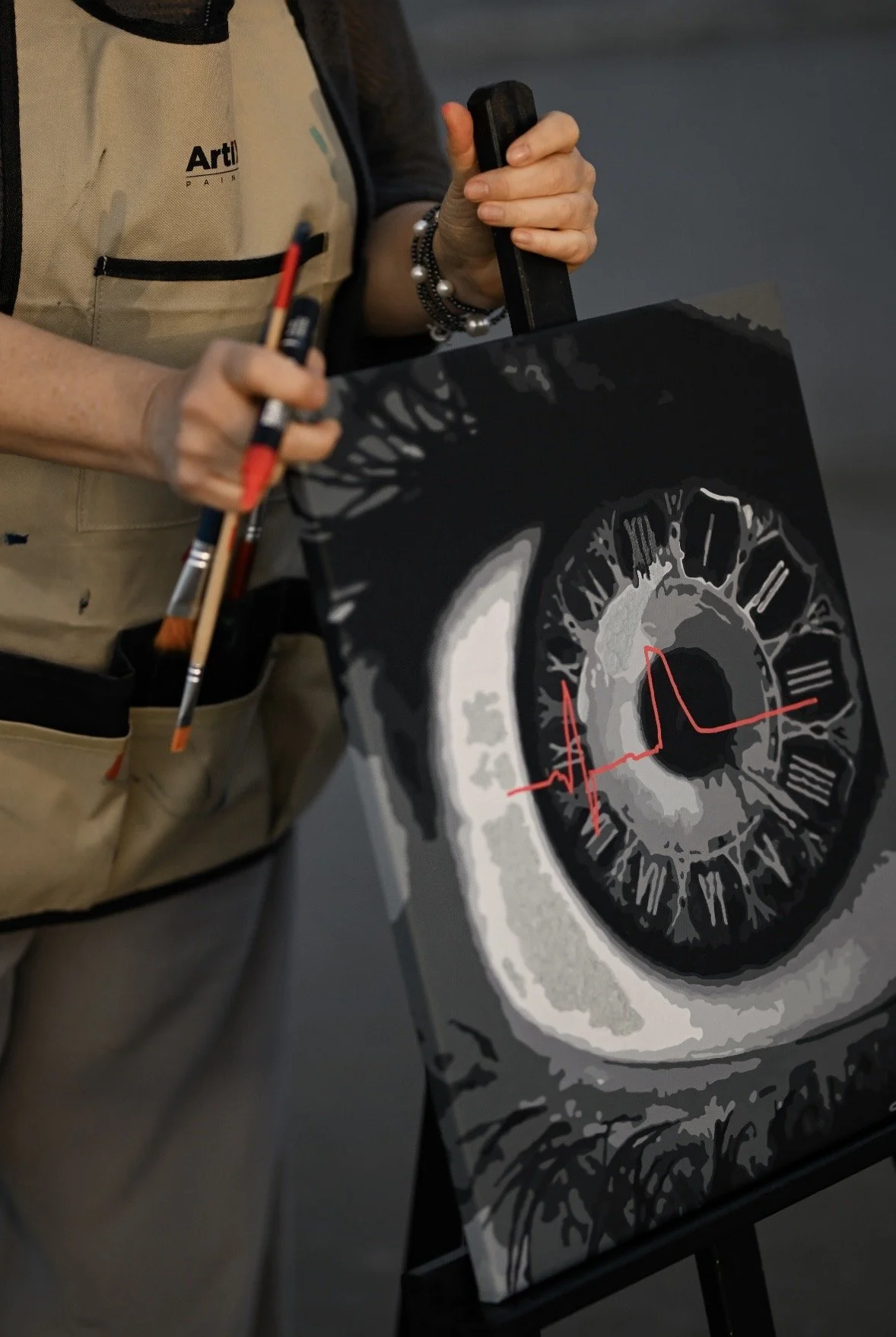
Lost Time. 2025. Canvas, acrylic. 46/56cm
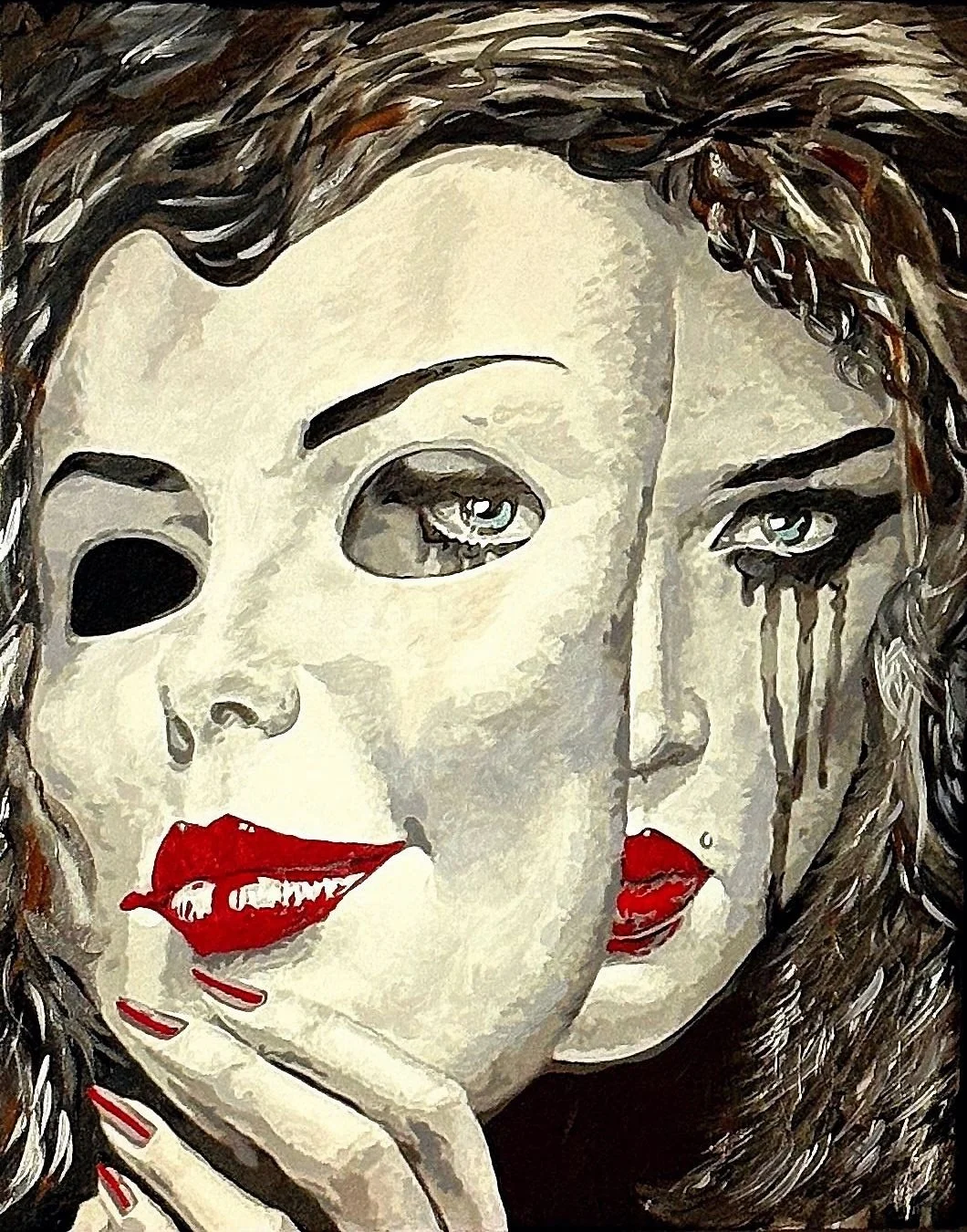
Mask of someone else’s role. 2025. Canvas, acrylic. 50/60 cm
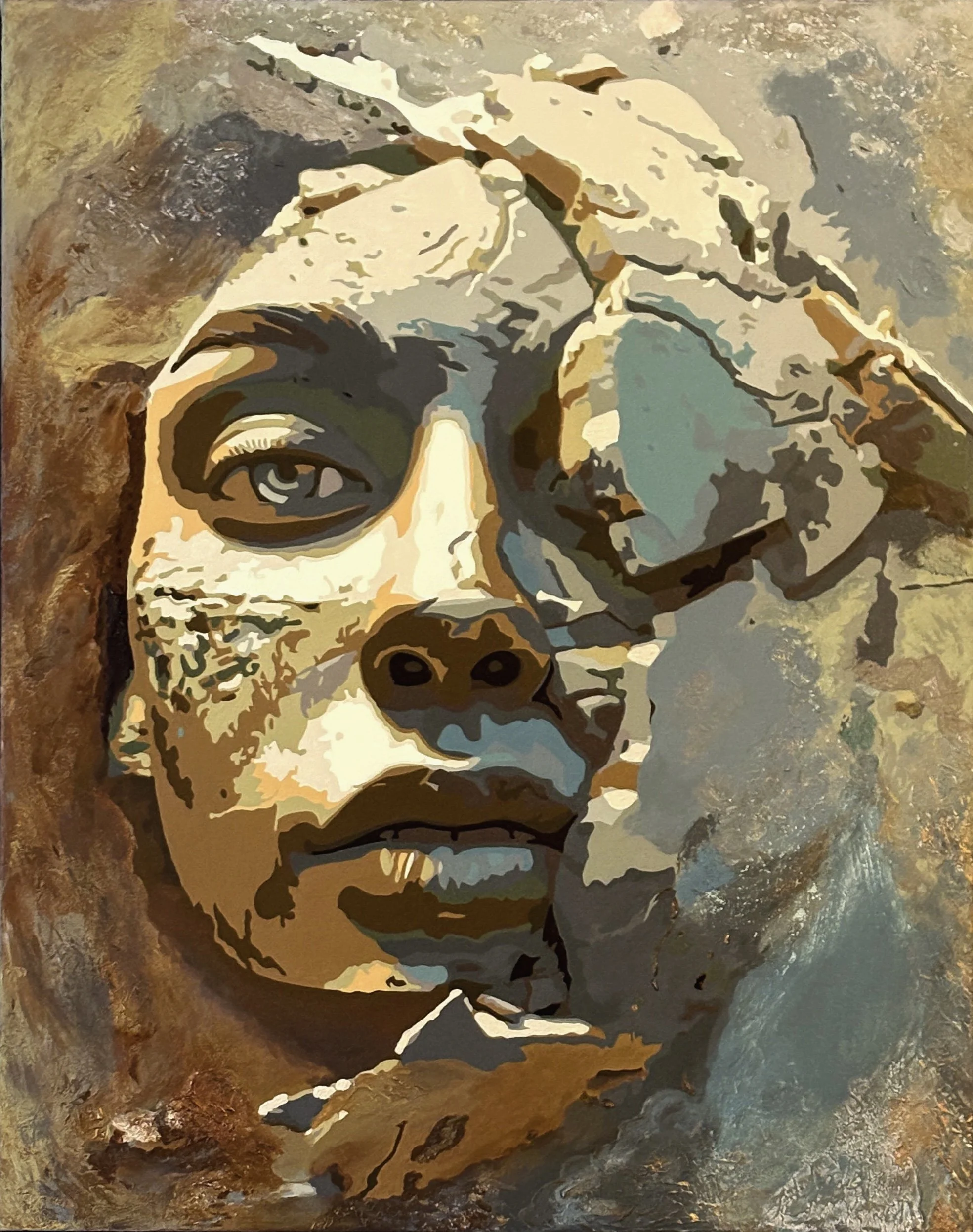
Who am I? Monologue with myself. 2025. Canvas,acrylic.80/65cm
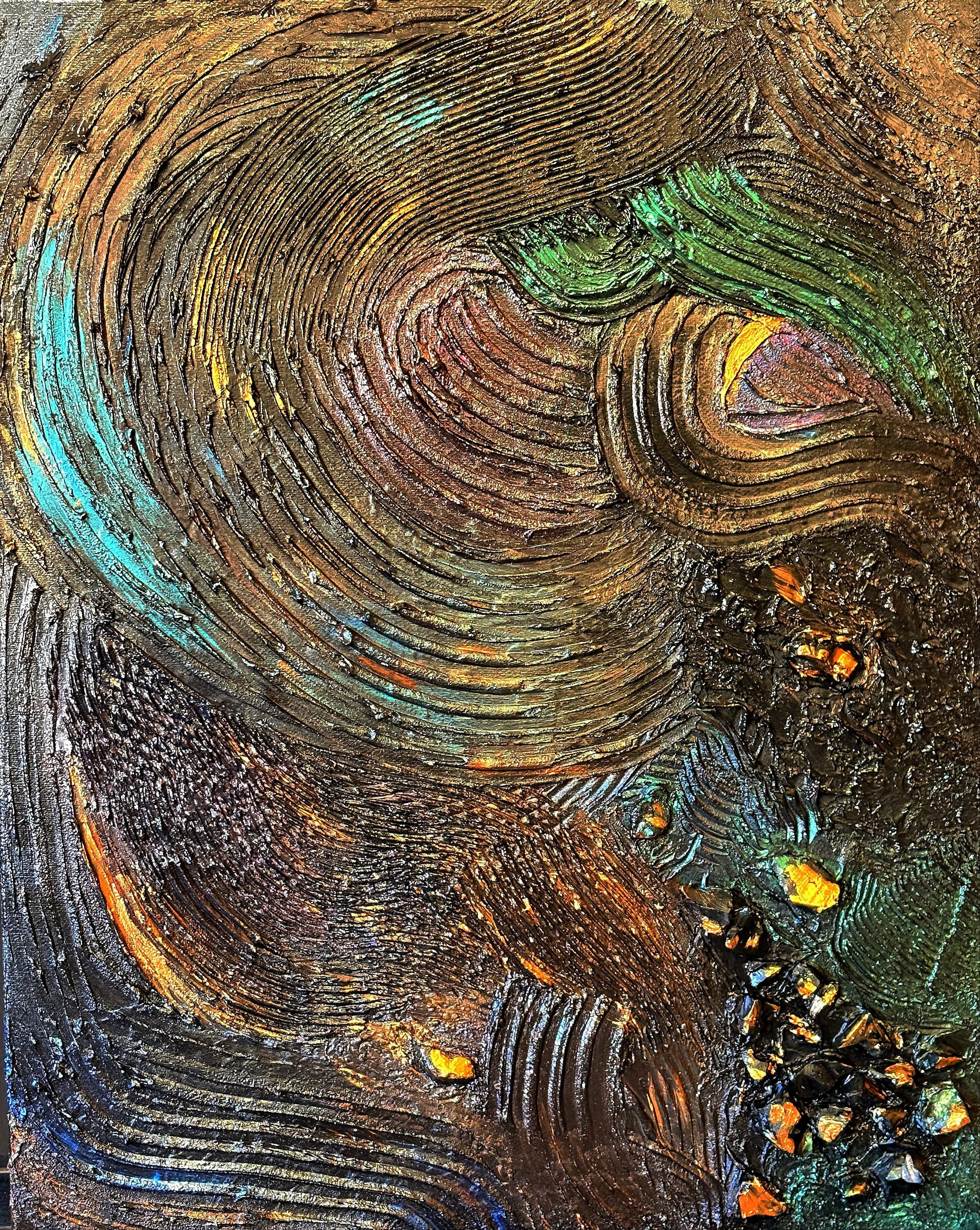
Decorative emptiness. 2026. Canvas, acrylic, texture paste. Mixed media. 55/65cm
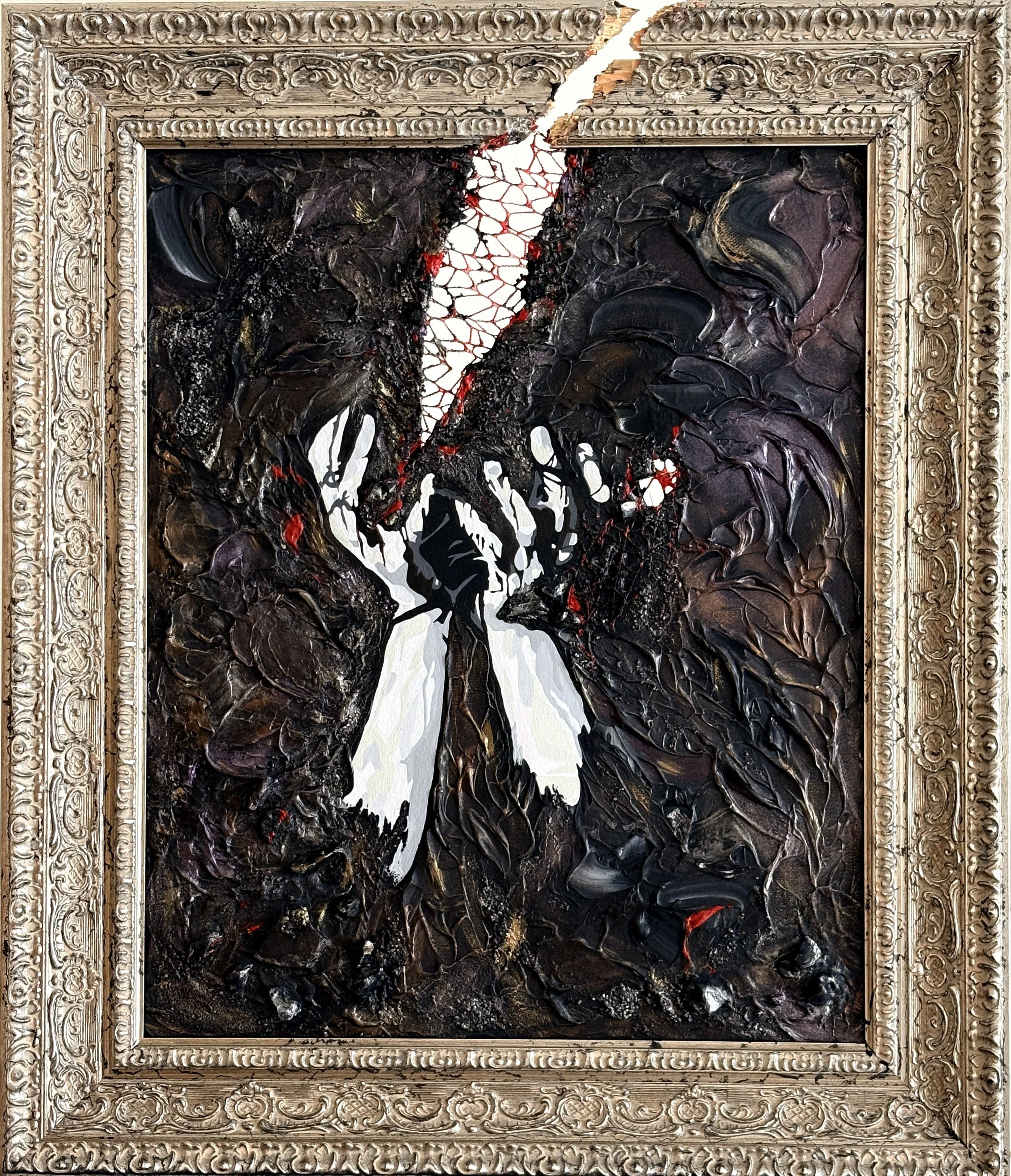
Point of no return. 2026. Canvas, acrylic, texture paste. Mixed media. 55/65 cm