Carlotta Mantovani: Mapping the Emotional Landscape of Contemporary Abstraction
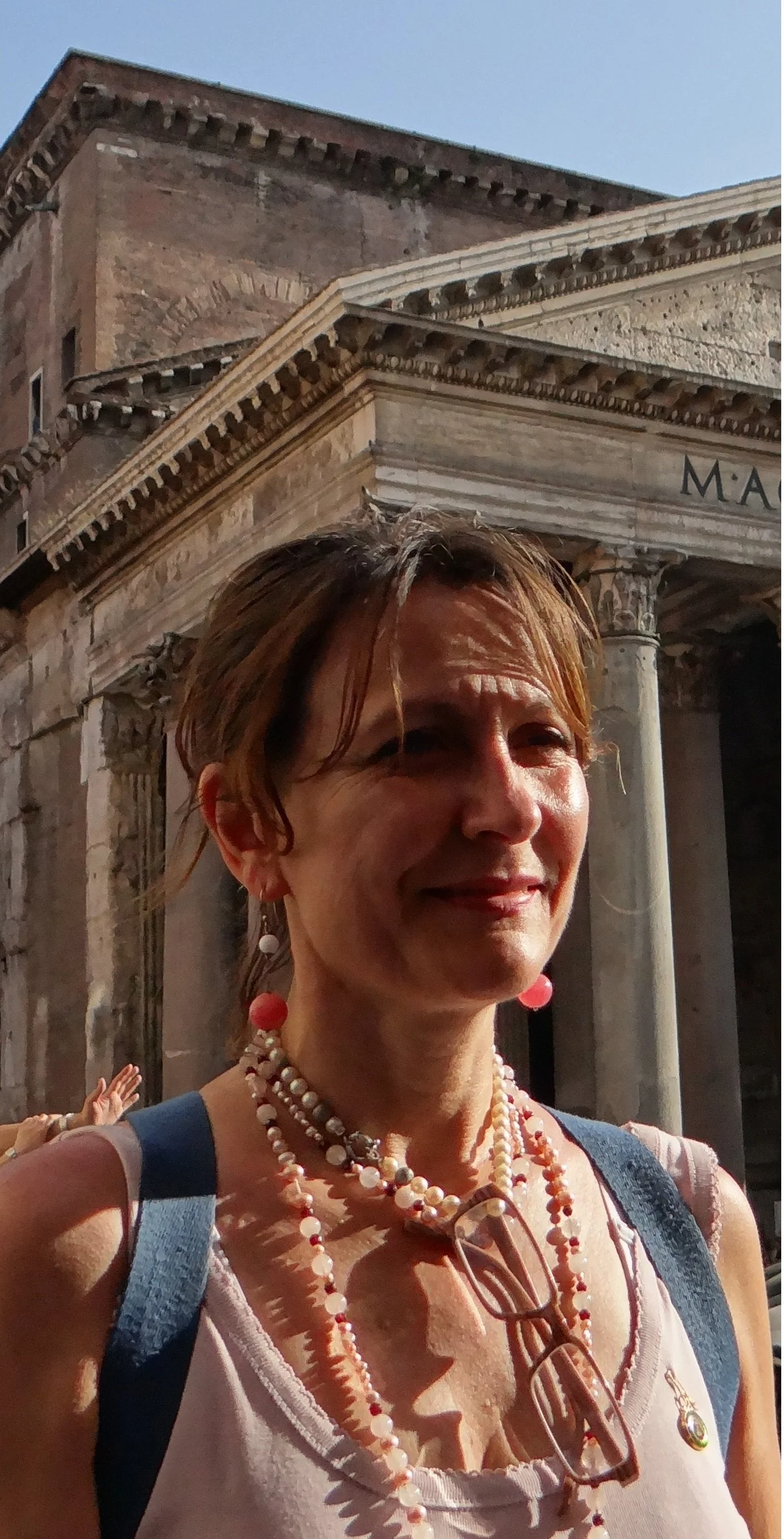
Carlotta Mantovani: Mapping the Emotional Landscape of Contemporary Abstraction
In an art world increasingly driven by conceptual frameworks, technological experimentation, and shifting market narratives, the work of Italian artist Carlotta Mantovani offers a compelling return to one of art's most enduring concerns: the exploration of human experience through emotion. Rooted in a multidisciplinary intellectual inquiry that spans spirituality, psychology, history, and existential reflection, Mantovani's practice occupies a distinctive position within contemporary abstraction, where painterly experimentation becomes a vehicle for introspection and transformation.
Born in Ferrara in 1961, Mantovani's artistic trajectory reflects an unusually rich intersection of visual art, education, illustration, graphic design, and literature. After graduating from the Academy of Fine Arts in 1982, she initially pursued both teaching and professional design work, contributing to educational publishing and working extensively as an illustrator and technical designer. These formative experiences cultivated a rigorous visual discipline that would later inform the complexity and intentionality of her artistic language.
Although she began exhibiting shortly after graduating, participating in a group exhibition at the historic Cloister of San Romano in Ferrara in 1983, Mantovani's artistic path was characterized by a prolonged period of reflection and professional diversification. Her return to painting marked not a continuation of earlier investigations but a profound rediscovery of artistic identity, one that would become increasingly visible through an active exhibition program across Italy and internationally.
Over the past decade, Mantovani has established a growing exhibition record through appearances at venues in Rome, Florence, Bologna, Milan, Venice, Turin, New York, and Padua. Notable milestones include participation in the RomArt Biennale, exhibitions at Galleria La Pigna in Rome, Galleria S. Vidal in Venice, Palazzo Pallavicini in Bologna, and Saphira & Ventura Gallery in Manhattan. Her work has also entered permanent exhibition contexts, notably through the MACO Museum in Veroli and the New York presentation at Saphira & Ventura Gallery.
Her current inclusion in the Academic Center Gallery Maison d'Art in Padua, together with forthcoming exhibition and auction projects in New York and Venice, reflects a trajectory of increasing institutional and market visibility.
What distinguishes Mantovani's work within contemporary abstraction is her rejection of stylistic permanence. Rather than adhering to a single recognizable visual formula, she embraces continuous experimentation as an essential component of her practice. This approach is not driven by aesthetic uncertainty but by a philosophical commitment to inquiry itself.
"The search" emerges as the central theme running throughout her oeuvre. For Mantovani, painting functions as a method of investigation, an attempt to understand both individual consciousness and humanity's broader place within an evolving universe. Her canvases become spaces where questions of origin, spirituality, memory, vulnerability, and regeneration can coexist without requiring definitive answers.
This intellectual openness resonates strongly with traditions associated with Abstract Expressionism, a connection explored by critic Marta Lock in her analysis of the artist's work. Like the postwar American painters who sought to reclaim emotion as a legitimate subject of artistic inquiry, Mantovani prioritizes subjective experience over representation. Yet her interpretation of abstraction is less concerned with gesture as spectacle and more focused on painting as a meditative process of self-discovery.
The resulting works oscillate between luminosity and darkness, fluidity and tension. Color becomes an emotional vocabulary through which psychological states are articulated. In paintings inspired by transformation and growth, aquatic blues and translucent tonalities evoke movement, impermanence, and renewal. Elsewhere, darker compositions confront fear, uncertainty, and existential fragility, transforming shadow into a space of reflection rather than despair.
This duality is particularly evident in works such as Beyond the Border into the Depths, created in response to the collective uncertainty of the pandemic period. Here, abstraction becomes a means of navigating psychological terrain, inviting viewers to engage with vulnerability while maintaining faith in the possibility of change. Similarly, works including The Shape of Darkness investigate how moments of difficulty can become catalysts for awareness and renewal, suggesting that light is not the opposite of darkness but its inevitable counterpart.
Another significant aspect of Mantovani's practice is her persistent engagement with themes of continuity and interconnectedness. Throughout her artist statement, she repeatedly returns to the notion of an underlying life force that links generations, experiences, and forms of existence. This perspective informs a body of work that seeks not merely to depict emotion but to reveal the invisible energies that shape human experience.
The symbolic language of water frequently appears within this framework. Works such as Aquatically and Liquid Womb employ fluid visual structures to evoke states of transition, memory, and protection. Water functions simultaneously as metaphor and medium, representing both the passage of time and the possibility of transformation. Through these compositions, Mantovani encourages viewers to surrender to uncertainty rather than resist it, framing change as a necessary condition of growth.
Critical recognition has accompanied the development of her artistic career. Among her distinctions are the Nike of Samothrace Award, the Golden Mercury Award, the Isabella d'Este International Contemporary Art Award, and the European Artist Award 2023. Her work has also received multiple Artistic Merit Certificates and critical attention from scholars and curators who have emphasized the emotional resonance and poetic qualities of her visual language.
Notably, Mantovani's creative identity extends beyond the visual arts. An accomplished poet and short story writer, she has received literary awards throughout her career, including the City of Fucecchio First Prize for her poetry collection The Key to the Window. This literary dimension enriches her visual practice, contributing to the reflective and often lyrical atmosphere that characterizes her paintings.
From a market perspective, Mantovani's work occupies a compelling position within contemporary European abstraction. Collectors increasingly seek artists whose practices combine technical authenticity with a strong conceptual foundation and a coherent personal narrative. Mantovani's multidisciplinary background, consistent exhibition activity, critical recognition, and philosophical depth align closely with these criteria.
More importantly, her work speaks to broader cultural concerns that continue to shape contemporary collecting: the search for meaning, emotional resilience, spiritual inquiry, and the relationship between individual experience and collective existence. Rather than offering easy resolutions, Mantovani invites viewers into a sustained process of contemplation.
In a period often characterized by fragmentation and uncertainty, her paintings propose an alternative vision. They suggest that instability can become a source of knowledge, that vulnerability can generate strength, and that the act of searching may itself be the most meaningful destination. Through abstraction, Carlotta Mantovani transforms personal reflection into a universal language, creating works that resonate far beyond the boundaries of the canvas.
https://carlottamanu.art/
https://www.instagram.com/mantovani.carlotta/
https://www.maisondartpadova.com/mantovani-carlotta/
https://www.pitturiamo.com/it/pittore-contemporaneo/carlotta-mantovani-21821.html
https://www.womenartbra.it/it/mantovani-carlotta
https://www.lopinionista.it/sperimentazioni-pittoriche-carlotta-mantovani-148164.html
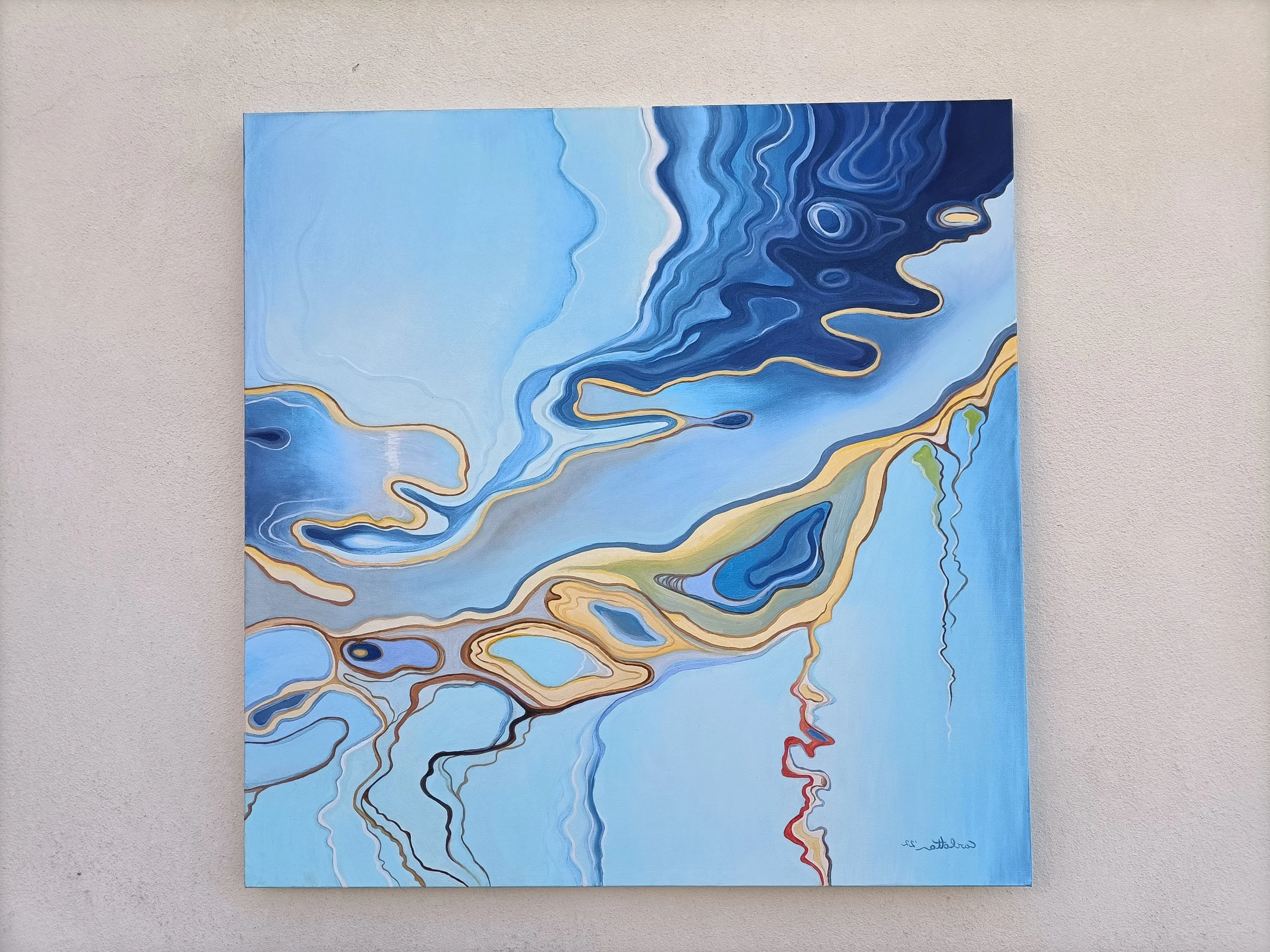
"Grembo Liquido" A. 2022 Olio su Tela
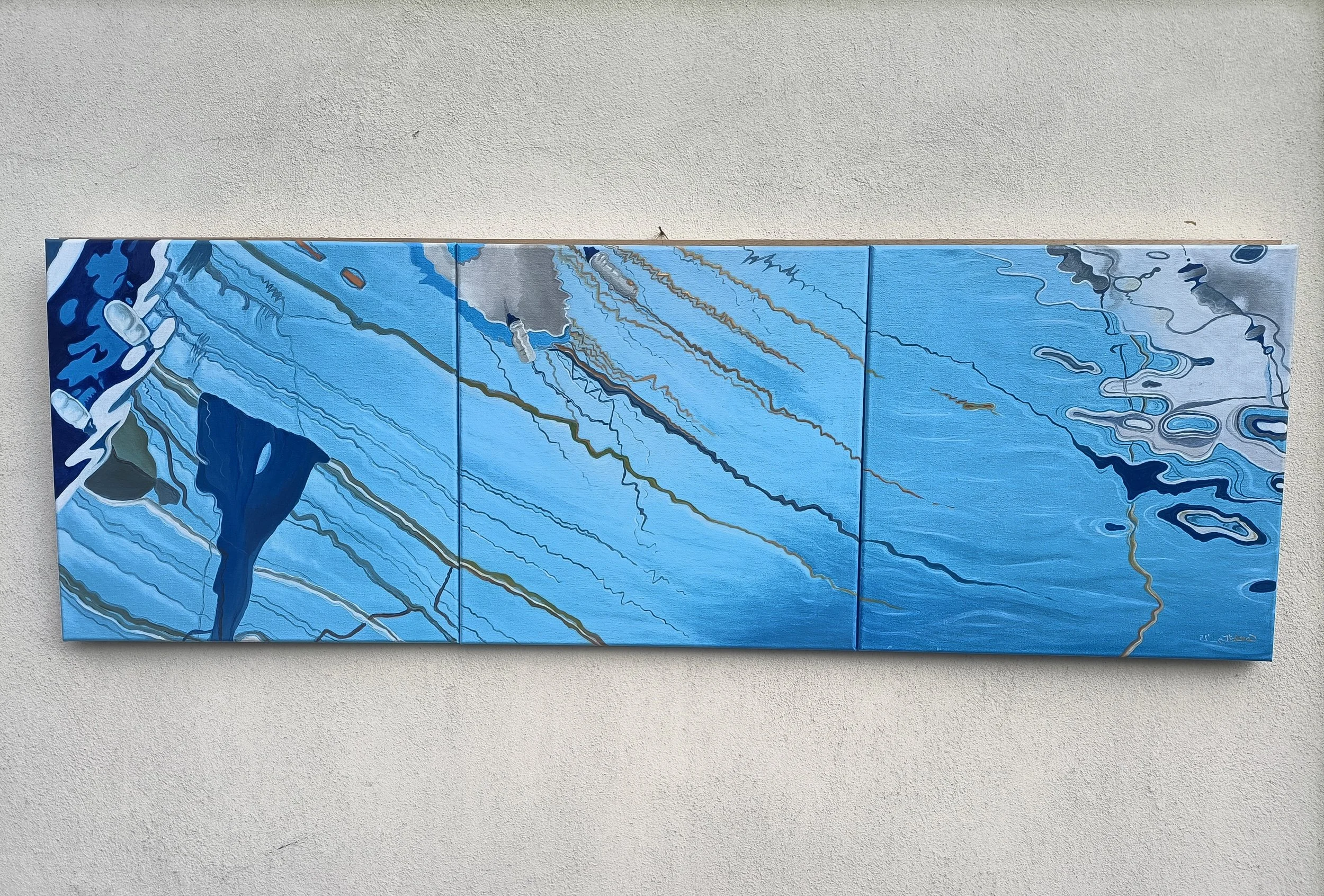
Trittico: "Acqua mossa" A. 2025 Olio su Tela
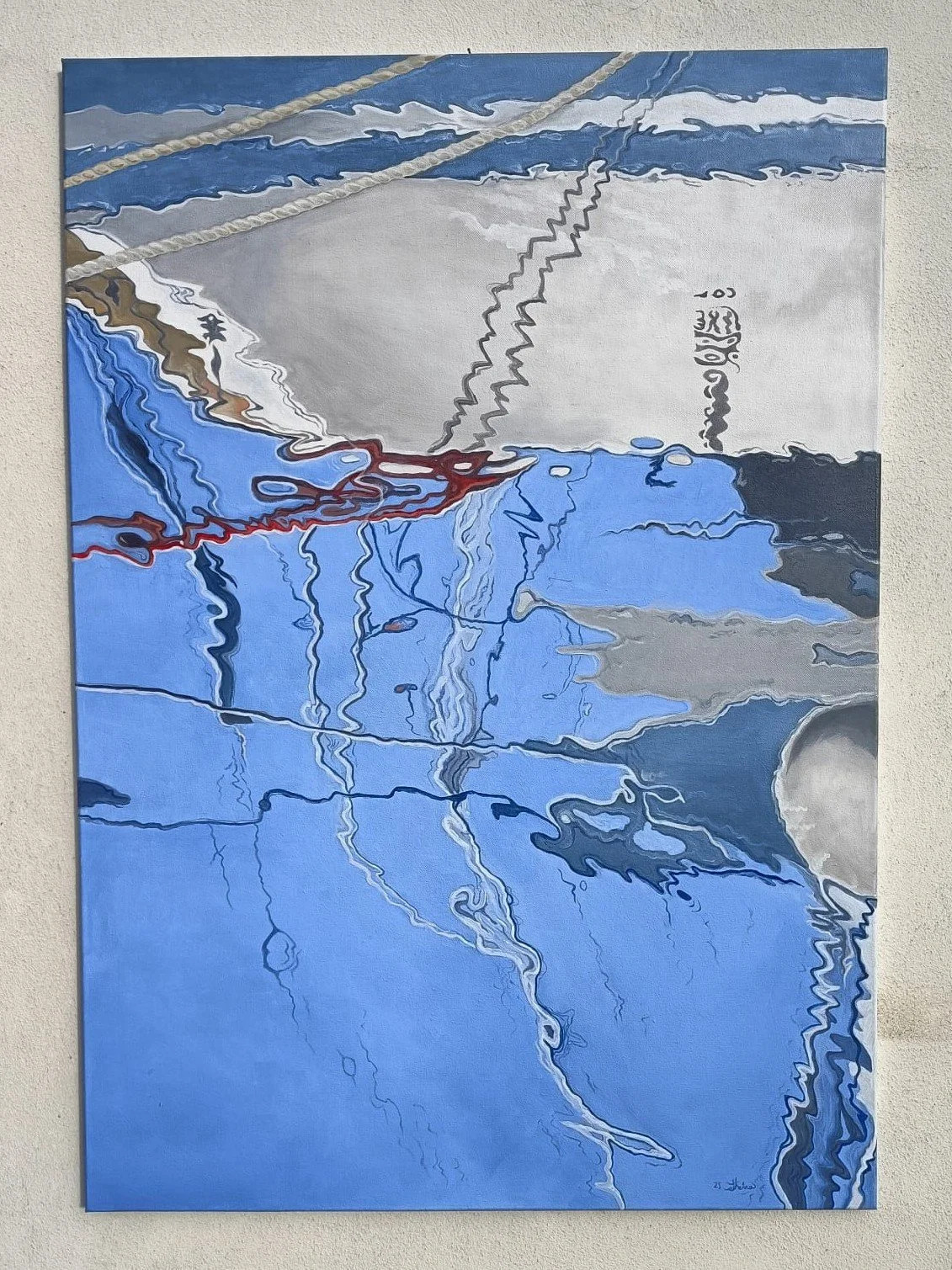
"Instabile in Luce" A. 2025 Olio su Tela
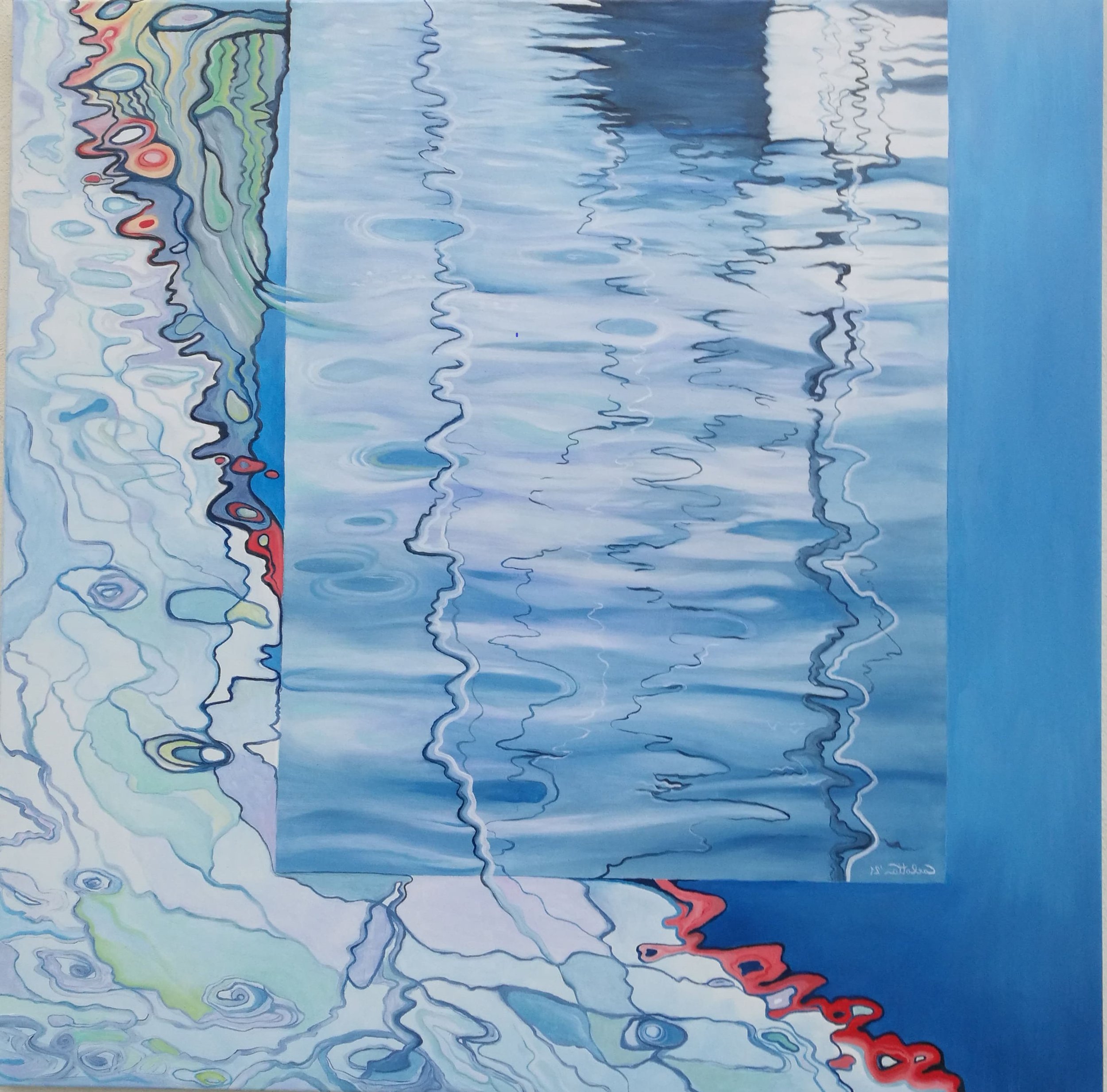
"Acquaticamente" A. 2021 Olio su Tela
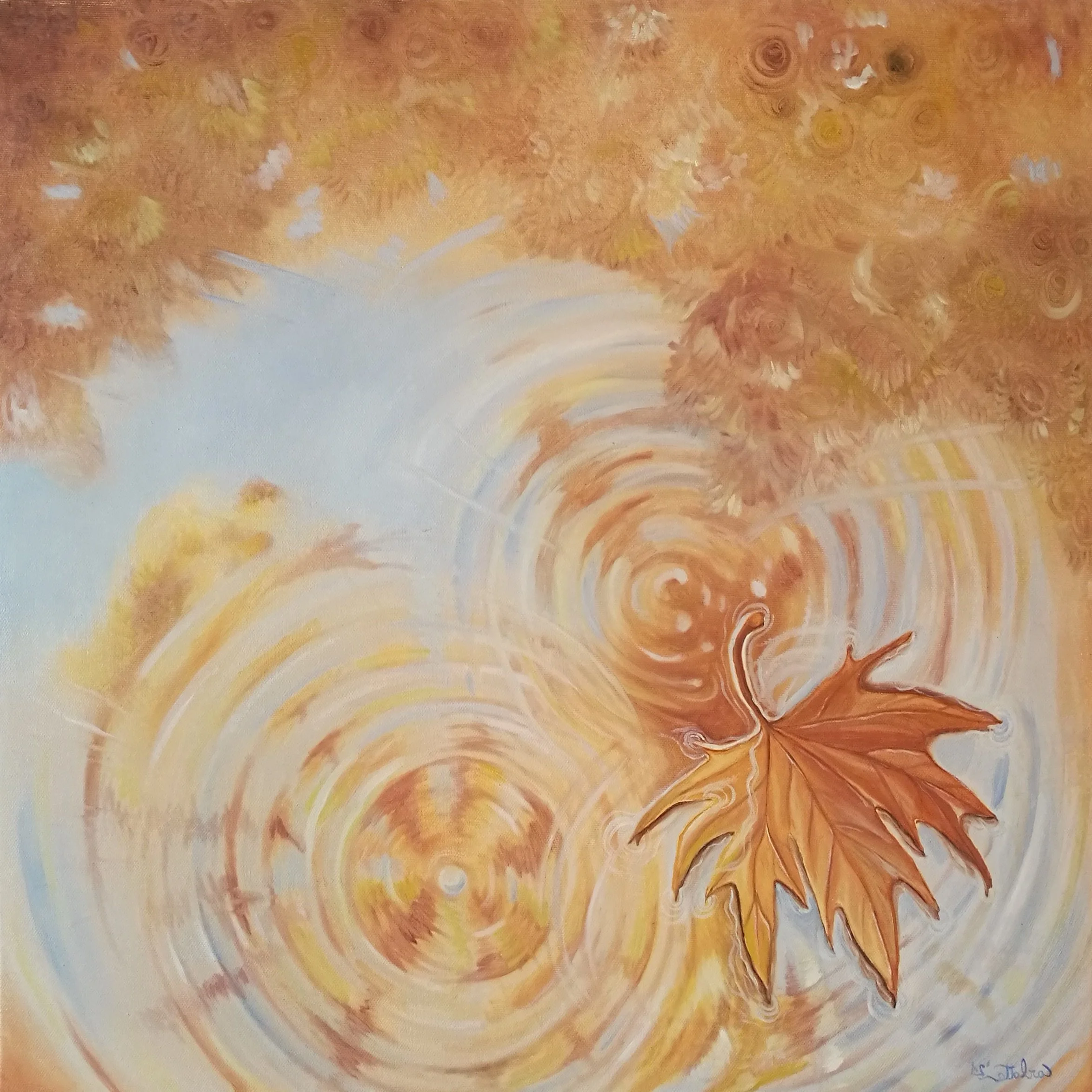
"Respiro Autunnale" A. 2021 Olio su Tela
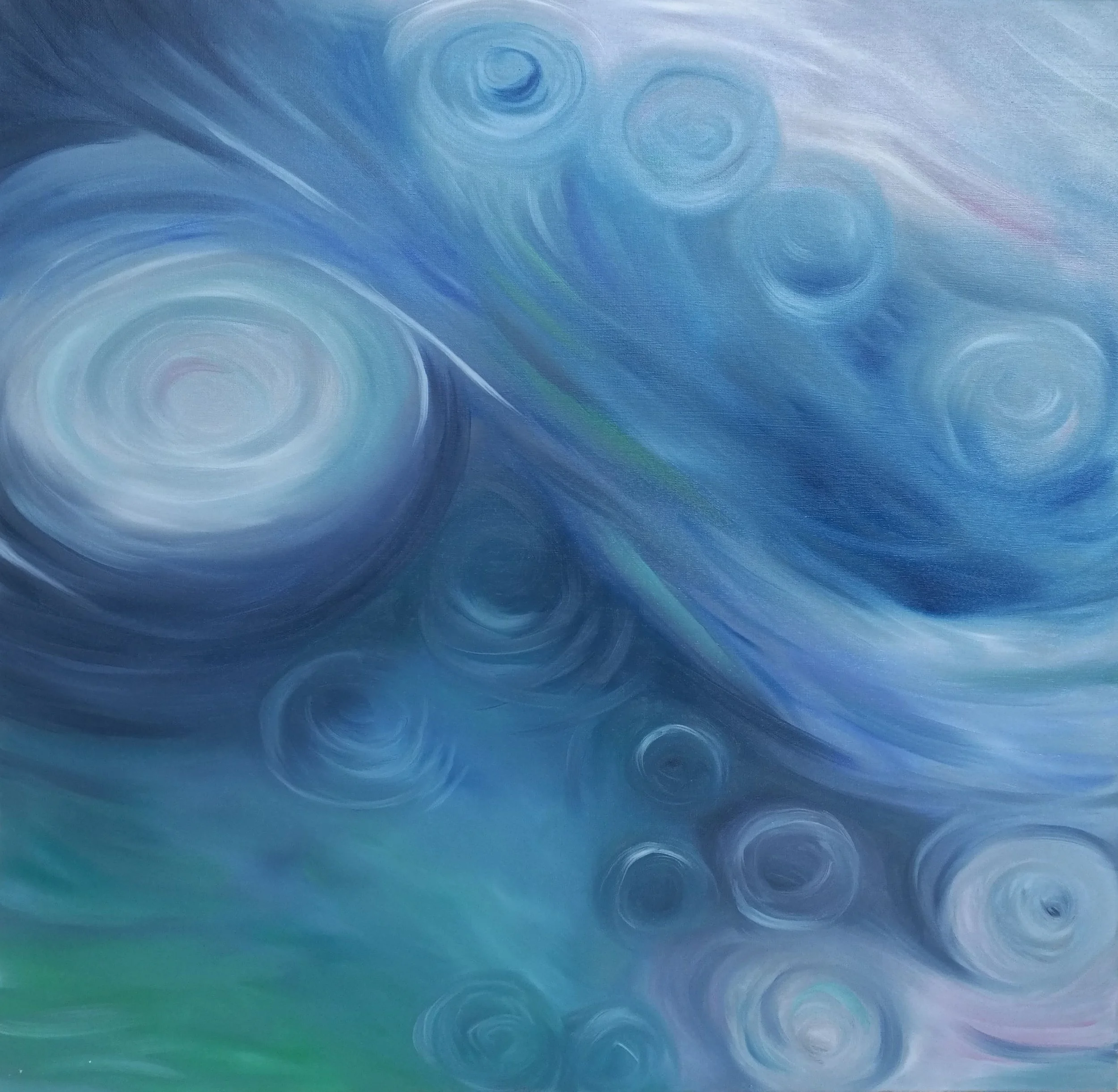
"Correnti di Pensiero" A.2020 Olio su Tela
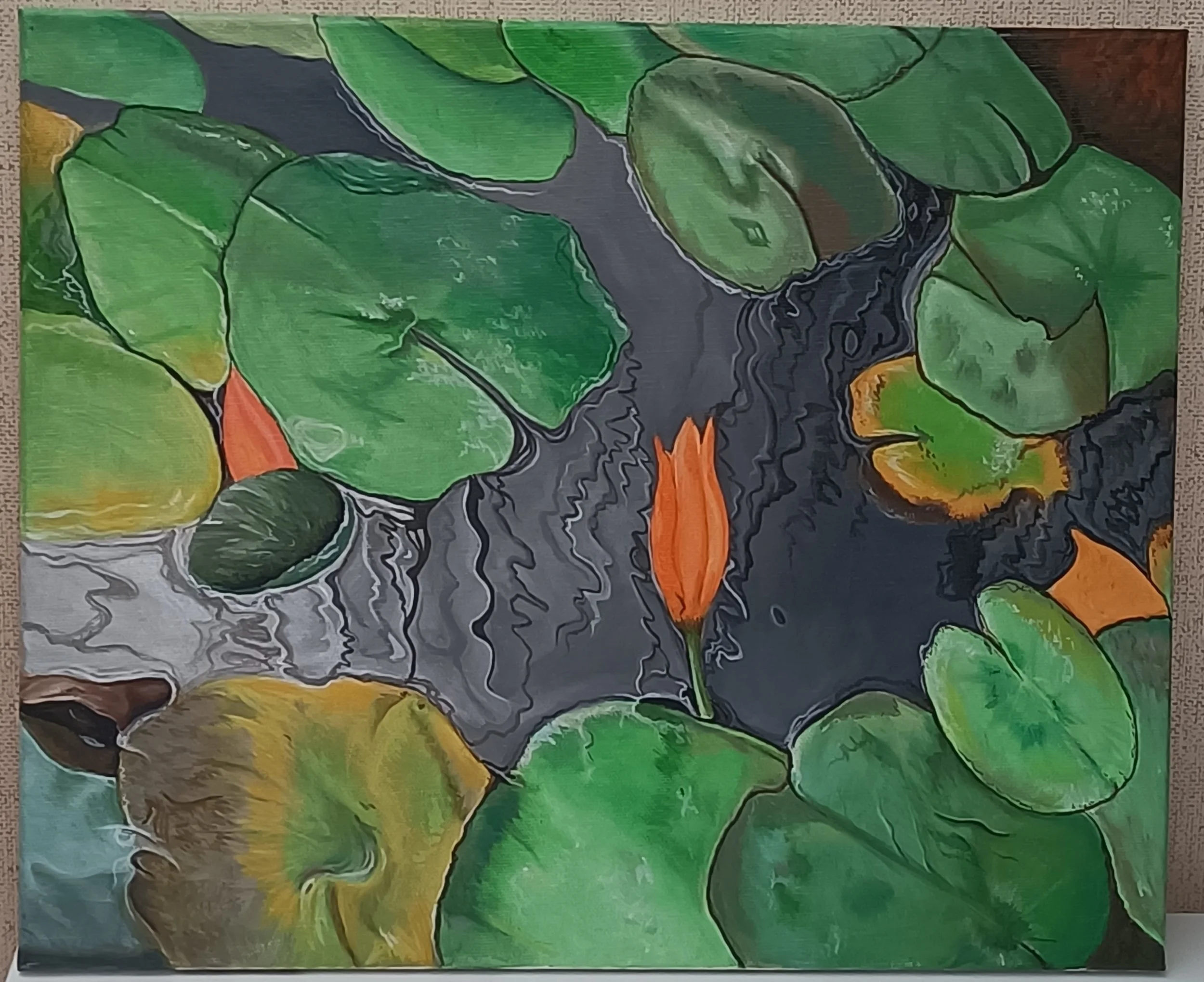
"Ninfee Canarie" A.2023 Olio su Tela
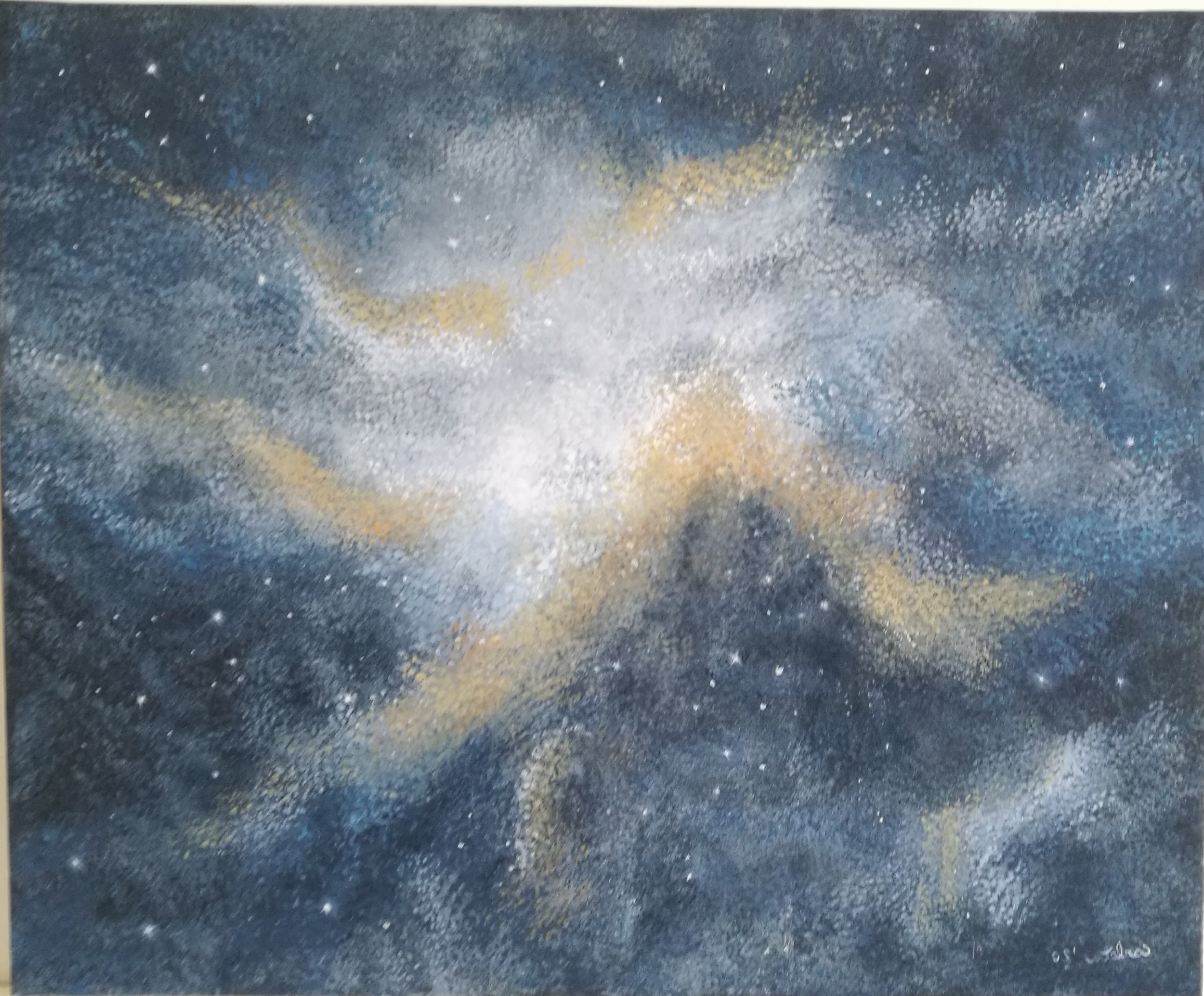
"La Forma del Buio" A. 2020 Olio su Tela
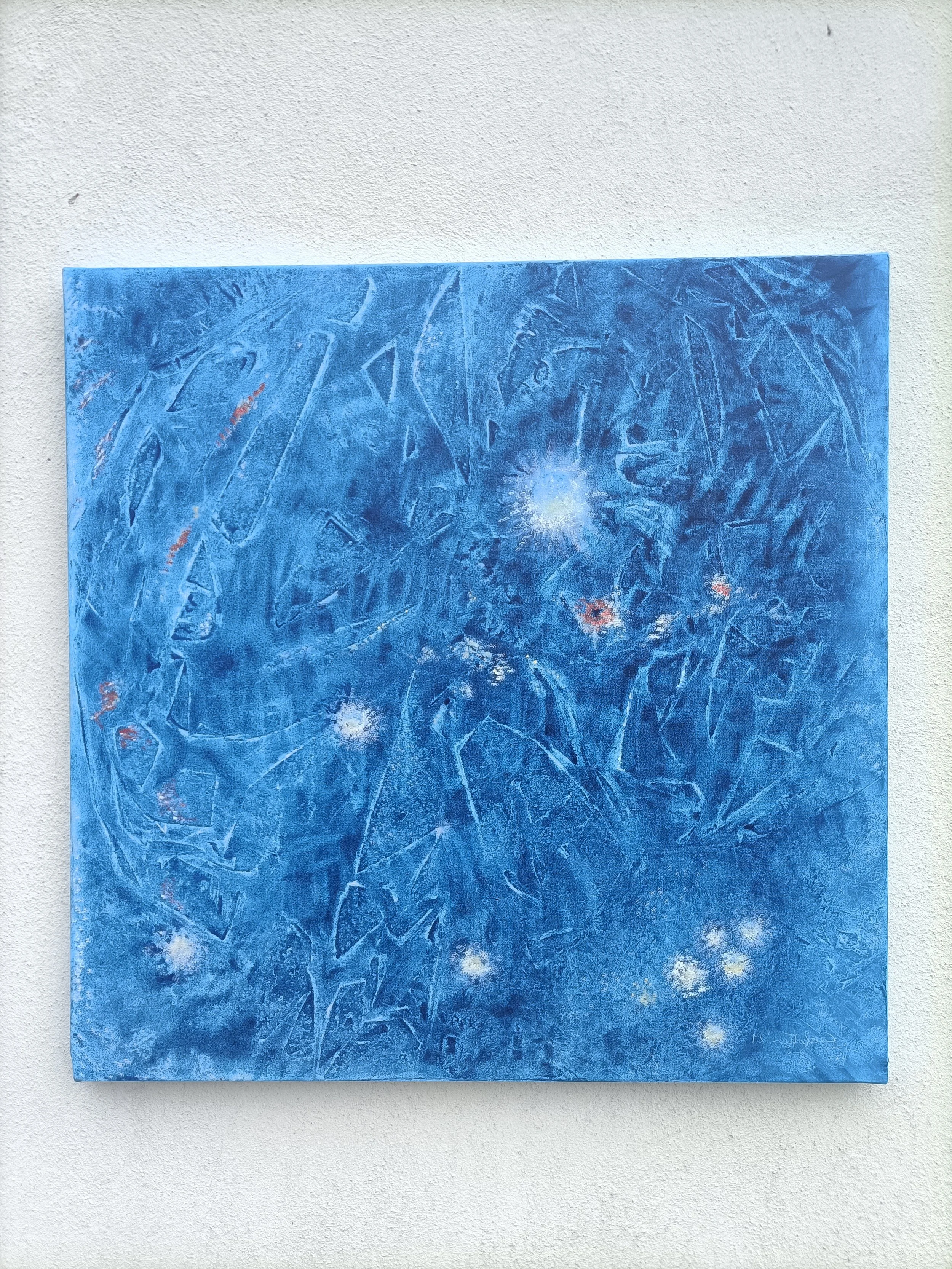
"Luci in astratti pensieri" A. 2021 Olio su Tela
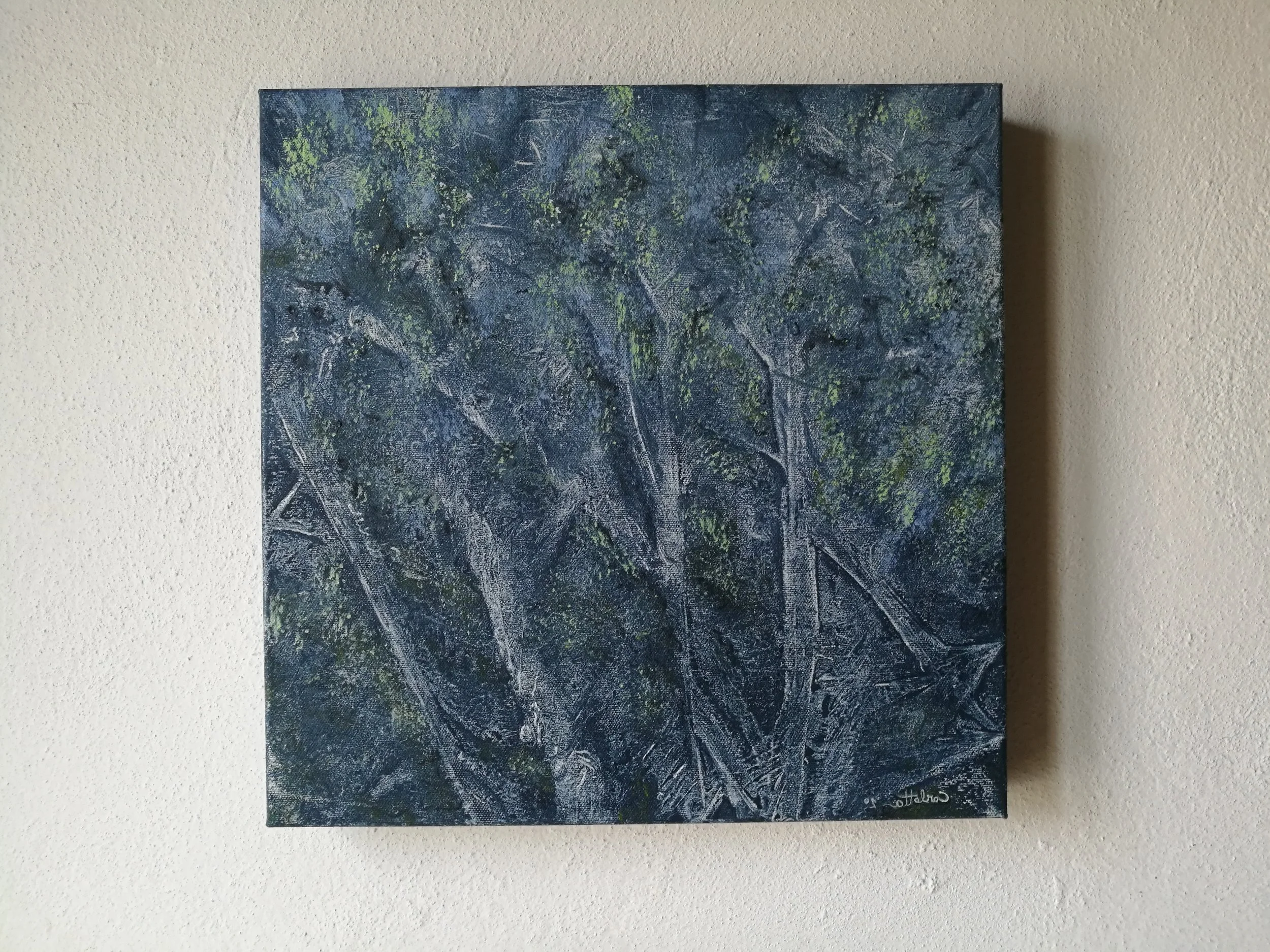
"Notturno" A. 2020 Olio su Tela