Ann-Christin Brune: Painting the Inner Landscape of Healing Wilderness
Ann-Christin Brune: Painting the Inner Landscape of Healing Wilderness
At a time when environmental concerns increasingly shape cultural discourse, a growing number of contemporary artists are redefining the relationship between aesthetics and ecological responsibility. Among them, German painter Ann-Christin Brune has developed a distinctive artistic position that places nature at the center of both visual experience and ethical reflection. Rather than presenting wildlife as spectacle or landscape as idyllic escape, Brune explores wilderness as a psychological and spiritual condition, inviting viewers to rediscover their connection with the natural world while confronting its growing fragility.
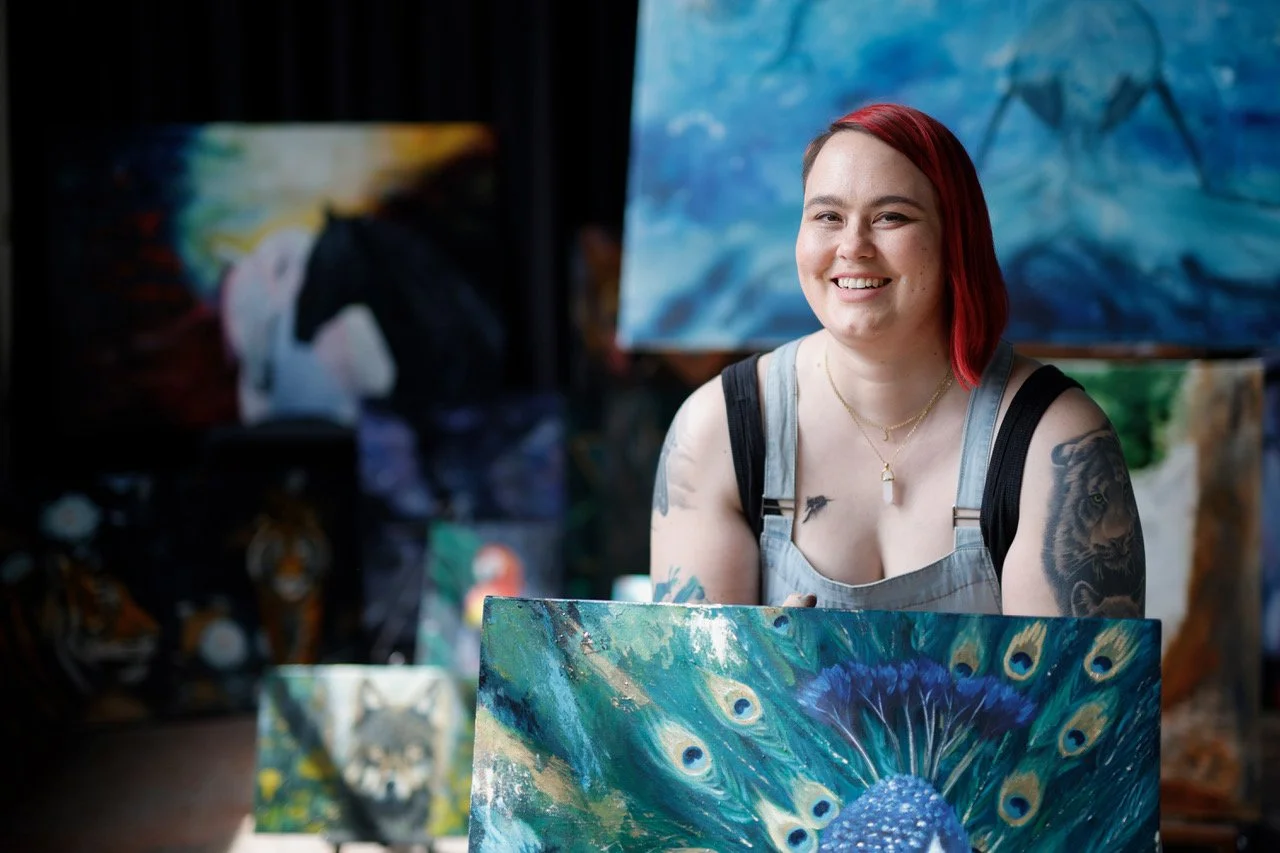
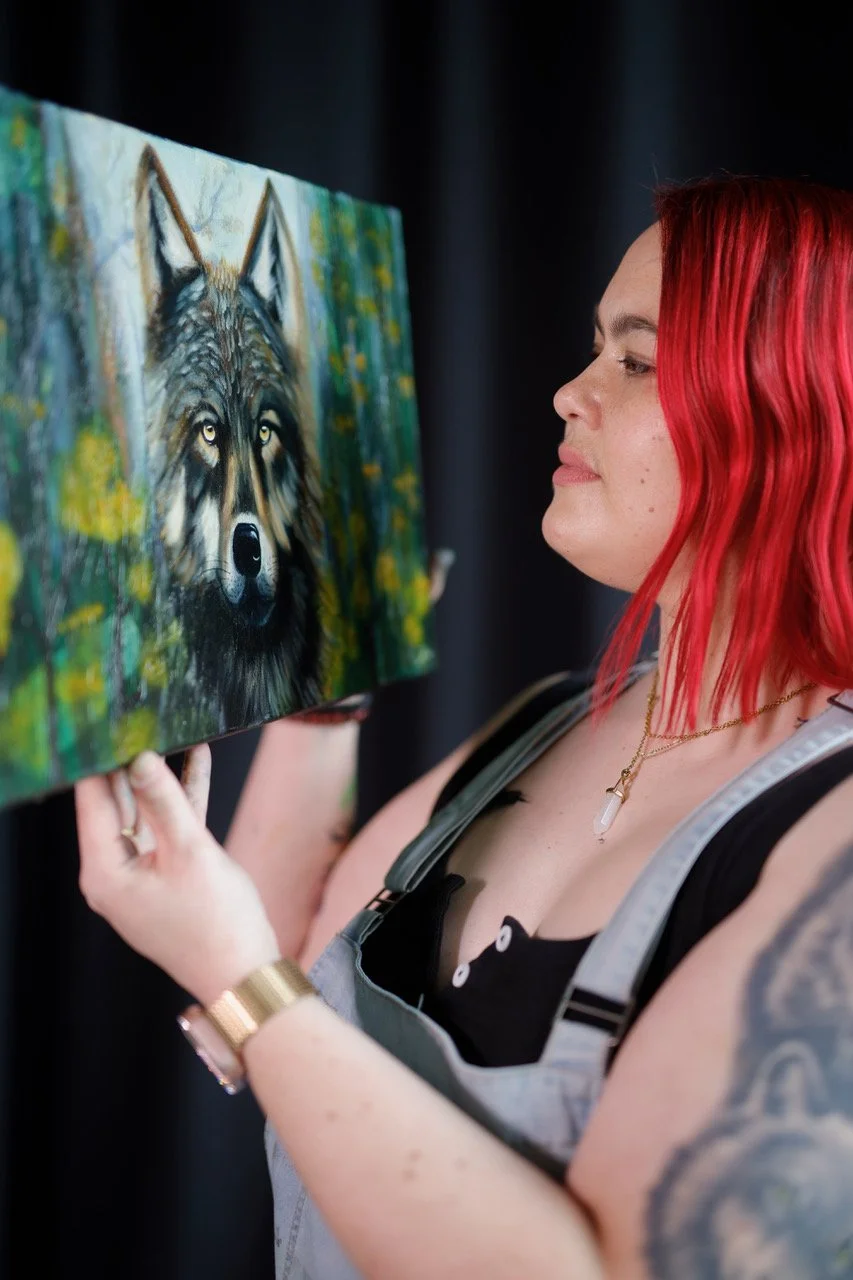
Born in Heidelberg in 1991 and now based in Waghäusel, Baden-Württemberg, Brune's artistic practice is rooted in a lifelong affinity with forests, mountains, coastlines, and wildlife. Raised in a rural environment, she found her earliest sense of belonging in moments of quiet immersion in nature. These formative experiences continue to shape an artistic language that seeks not simply to represent the natural world but to communicate its restorative power.
Her artistic direction became increasingly defined during her academic training. Although she experimented with a range of subjects, she repeatedly returned to animals and landscapes, recognizing them as the most authentic expression of her creative vision. What began as instinct gradually evolved into a clear artistic philosophy: painting should extend beyond visual appeal to embody meaning, responsibility, and emotional resonance.
Brune describes wilderness as far more than a physical place. For her, it represents an inner state where stillness, clarity, and reconnection become possible. This philosophy informs every aspect of her work. Her paintings are not conceived as decorative objects but as spaces of contemplation. Animals emerge as calm yet commanding presences, while landscapes become mirrors of emotional experience, offering viewers moments of reflection rather than narrative.
This search for stillness is balanced by an equally strong commitment to conservation. Brune believes that art can function as both refuge and catalyst, encouraging audiences to recognize nature not merely as something to admire but as a living system deserving active protection. Her practice therefore bridges aesthetic experience with environmental responsibility, reflecting the conviction that human well-being and ecological preservation are inseparable.
A defining moment in this evolution came during a visit to the Alternative Wolf and Bear Park in Germany's Black Forest. Already familiar with the sanctuary's mission, Brune realized that her paintings could actively contribute to wildlife conservation rather than simply depict its subjects. The collaboration led to a dedicated exhibition and marked the beginning of an ongoing partnership between her artistic practice and conservation initiatives. This approach later expanded through cooperation with the Whale and Dolphin Conservation organization, reinforcing what has become the central concept of her work: Healing Wilderness, a philosophy that unites artistic expression with tangible environmental action.
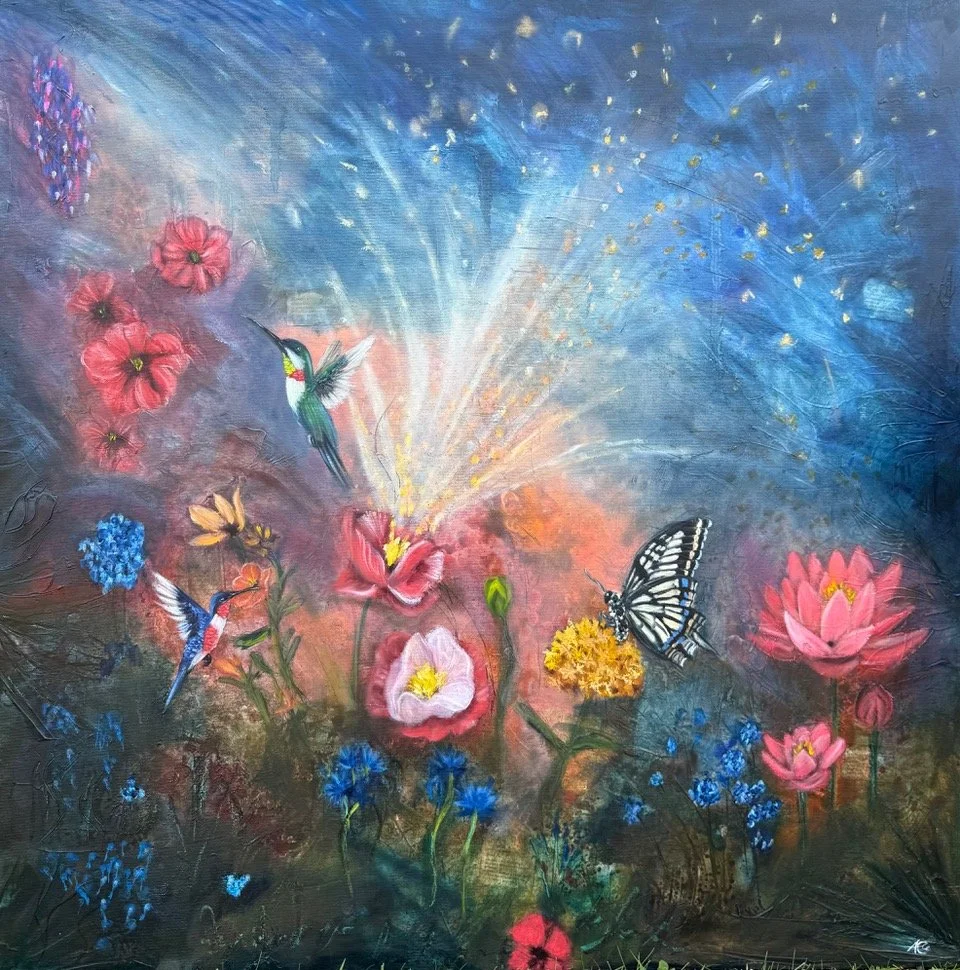
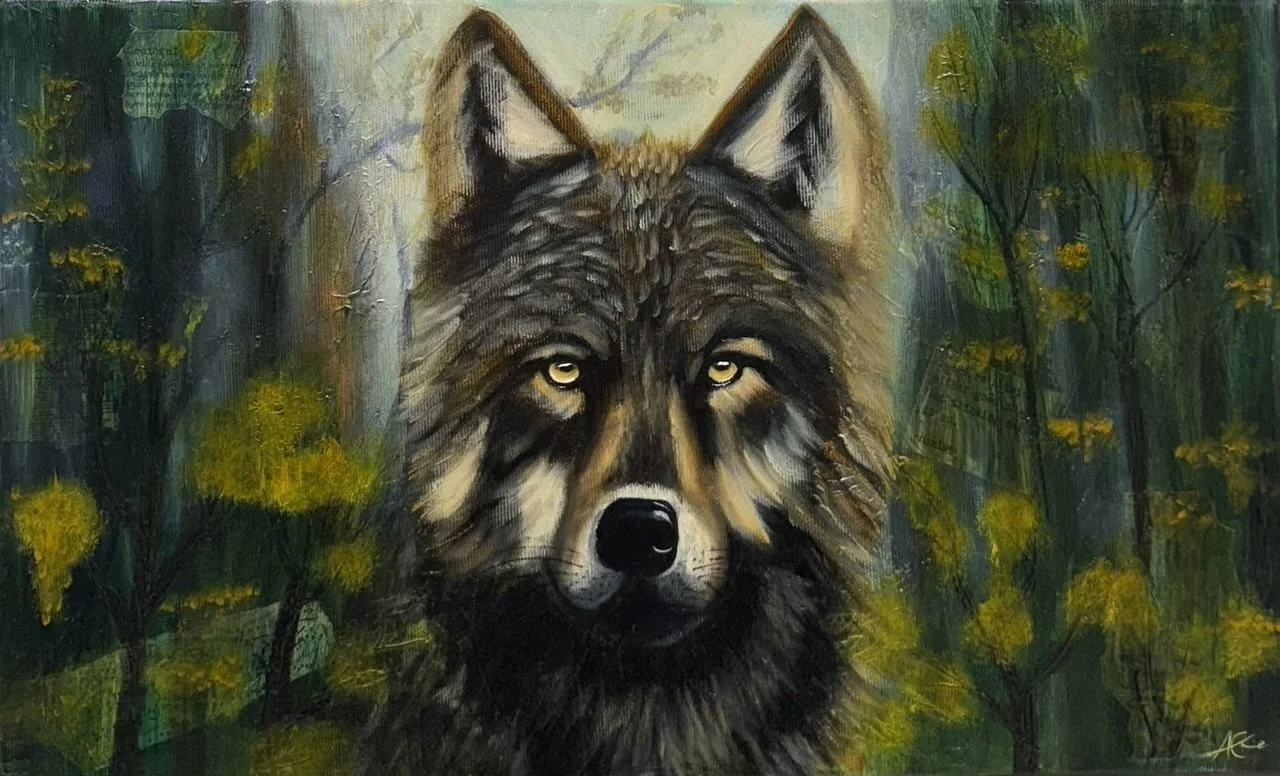
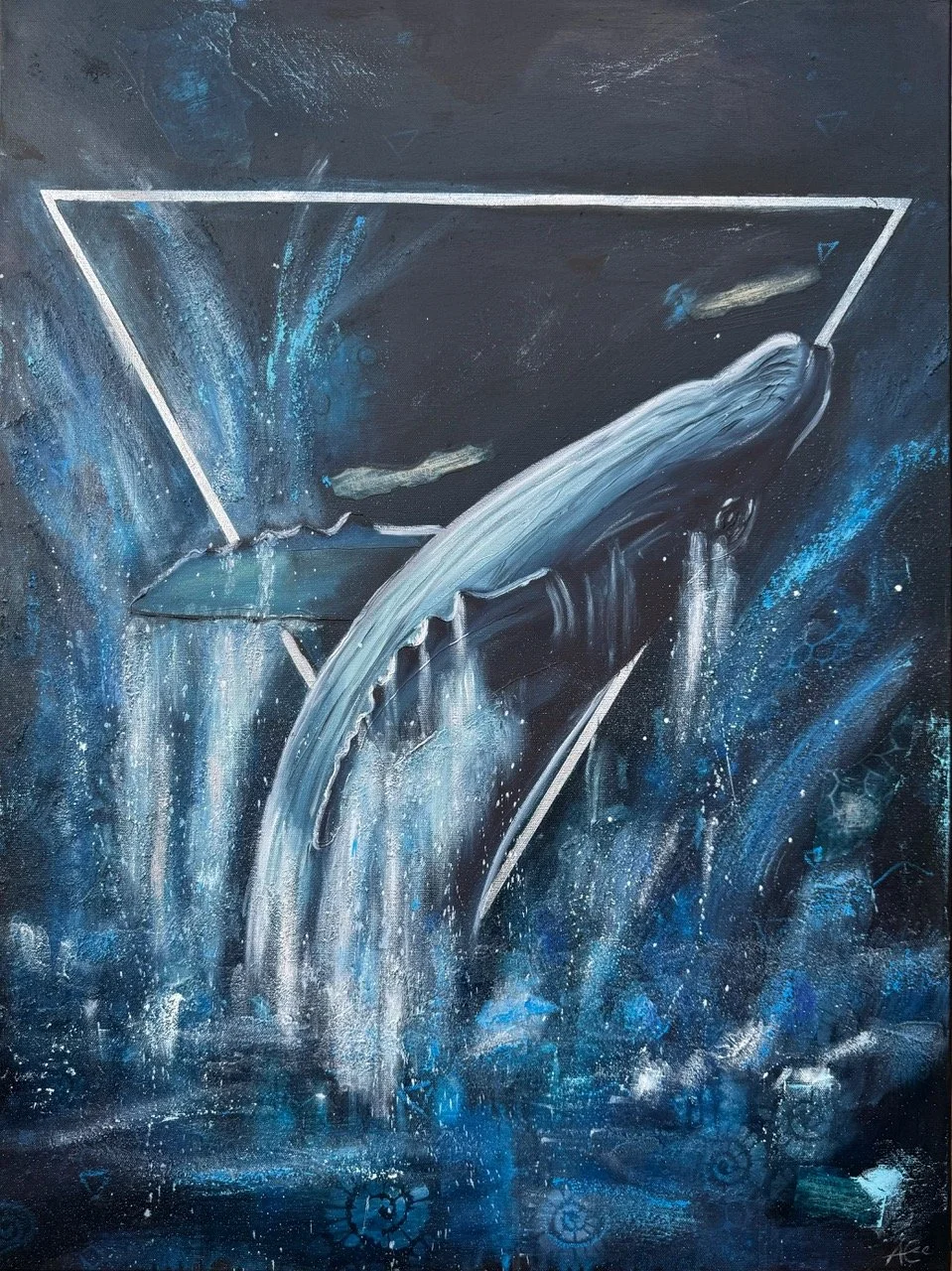
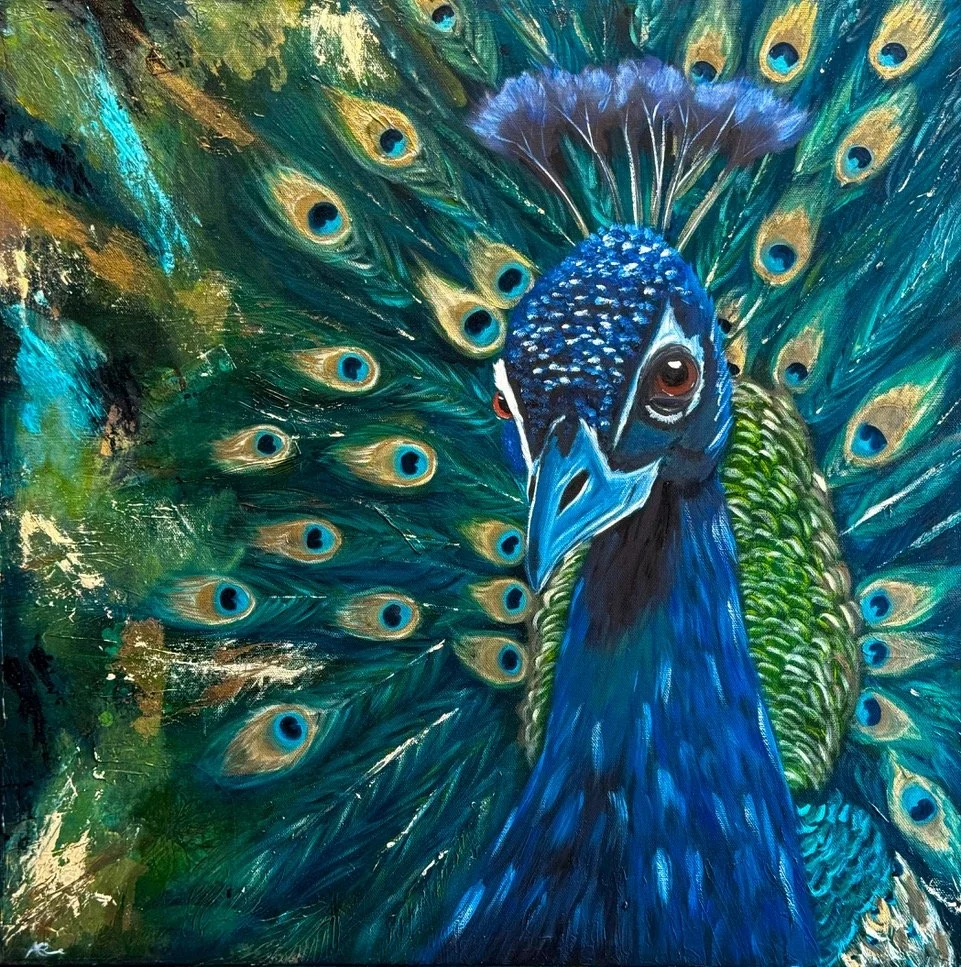
Visually, Brune's paintings occupy a compelling space between figuration and atmospheric abstraction. Wildlife, expansive landscapes, and symbolic elements coexist within compositions that emphasize presence over storytelling. Her images are constructed through layered applications of oil, acrylic, collage, text fragments, and textured materials, resulting in richly tactile surfaces that reward sustained viewing. Carefully calibrated contrasts and gradual tonal transitions create an atmosphere of quiet intensity, allowing each subject to emerge with dignity while preserving an underlying sense of openness and contemplation.
Thematically, her body of work unfolds through interconnected series that investigate different dimensions of humanity's relationship with nature. Wild Soul Creatures presents expressive animal portraits that reveal both vulnerability and resilience. Ocean Spirits translates the rhythm and movement of water into fluid painterly compositions that evoke both physical and emotional depth. In Inner Nature Reflections, abstraction becomes increasingly prominent as memory, sensation, and landscape dissolve into luminous fields of color and texture.
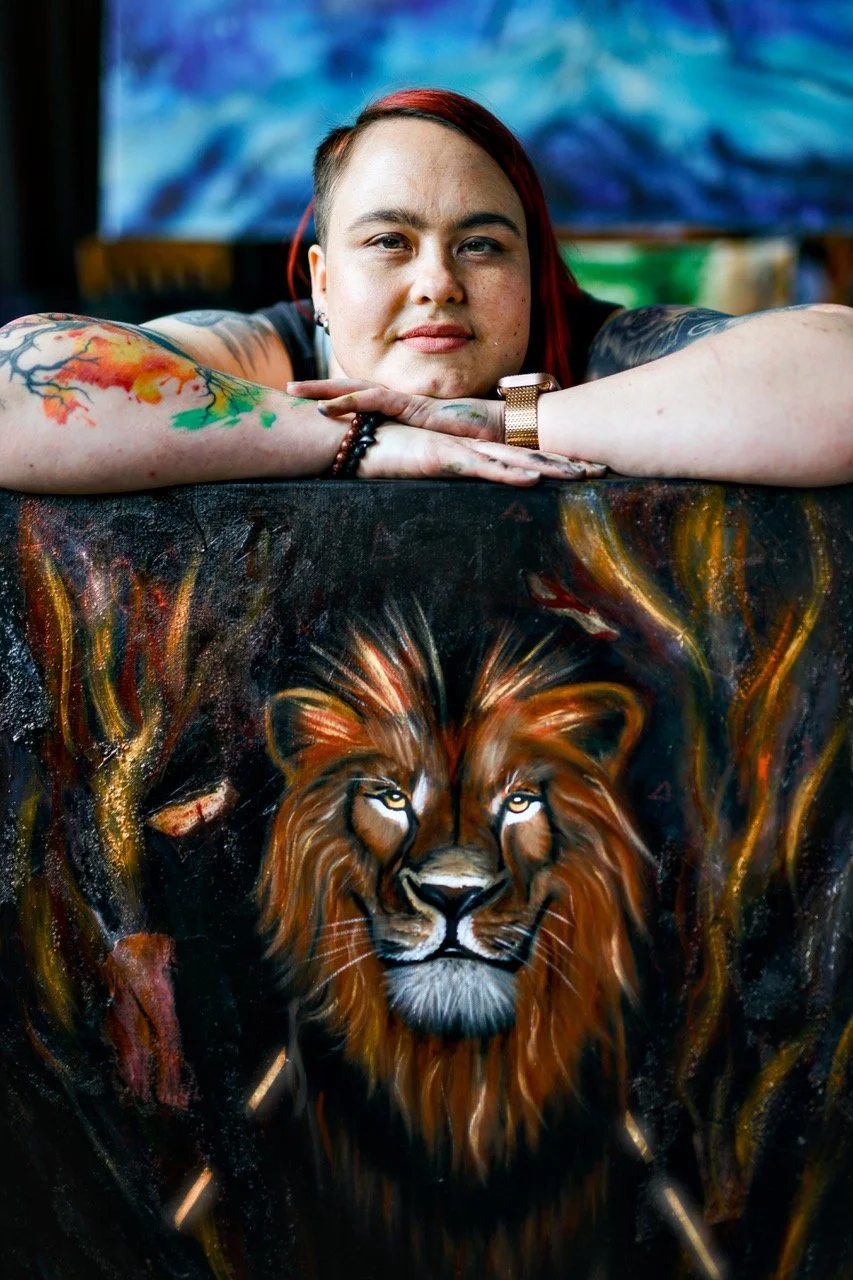
Individual works further illustrate the breadth of Brune's visual language. The Pride of the King captures the commanding presence of a lion through luminous, layered passages of warm color, balancing technical precision with emotional intensity. In Leviathan of the Primordial Waters, nuanced blues and greens evoke the mysterious forces of the ocean, transforming the marine creature into a symbol of both ancient natural power and psychological depth.
Art historian Dr. Alexander Rácz identifies the synthesis of emotional immediacy, material sophistication, and environmental commitment as the defining strength of Brune's practice. He argues that her paintings demonstrate a notable degree of artistic maturity, describing her work as a cohesive visual language in which figurative presence and abstract expression coexist with remarkable consistency. According to Rácz, the complexity of her mixed-media techniques and her sustained focus on wildlife protection establish an artistic position distinguished by professionalism, conceptual clarity, and technical refinement.
As international interest in environmentally engaged contemporary art continues to expand, Brune's work resonates with collectors seeking practices that combine aesthetic excellence with cultural relevance. Her paintings have increasingly entered private collections beyond Germany, reflecting growing recognition of her distinctive voice within a broader movement toward ecologically conscious artistic production.
In an art market that increasingly values authenticity, narrative depth, and social significance, Ann-Christin Brune offers a compelling example of how contemporary painting can transcend representation to become an instrument of reflection and responsibility. Through her concept of Healing Wilderness, she proposes that art has the capacity not only to depict the natural world but also to restore our relationship with it, reminding viewers that the preservation of wilderness begins with the restoration of our own sense of connection.
www.ac-brune.art
www.acbrunefineart.com
Instagram @ac.brune.fineart