Carmen Lindahl: Reinvention, Material Innovation, and a Mediterranean Vision
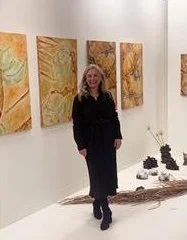
Carmen Lindahl: Reinvention, Material Innovation, and a Mediterranean Vision
In a contemporary art landscape increasingly shaped by interdisciplinary practices and cross-cultural influences, Carmen Lindahl occupies a distinctive position. Born in Spain in 1956, educated in Luxembourg, professionally developed in Sweden, and now based in the historic coastal town of Menton on the French Riviera, Lindahl has built a career defined by continuous transformation. Her artistic trajectory spans more than three decades and reflects a rare commitment to experimentation across media while maintaining a consistent engagement with nature as both subject and conceptual framework.
Art historian Göran Ståhle once described Lindahl as an artist who never stops reinventing herself. The observation remains particularly relevant today. Throughout her career, she has moved fluently between cast bronze, Chinese ink, lithography, watercolour, ceramics, and oil painting, embracing each medium not as a departure from previous work but as an extension of an evolving artistic inquiry.
Lindahl's artistic foundation was established at the École des Beaux-Arts in Luxembourg between 1987 and 1990, where she focused on oil painting. Early in her career, she began exhibiting in Paris, notably through the Salon des Indépendants, before relocating to Stockholm in the early 1990s. There, she became an active participant in Sweden's contemporary art scene, presenting work in numerous solo and group exhibitions while expanding her technical repertoire through studies in sculpture, printmaking, ink painting, and ceramics.
Recognition followed steadily. Lindahl received the Members' Award from the Swedish Artists' Association and was selected for the prestigious Liljevalchs Vårsalong, one of Sweden's most closely watched annual exhibitions. Her printmaking achievements were further acknowledged through participation in the renowned Tidaholm International Print Symposium. Over the years, her works entered public collections in several Swedish municipalities, including Stockholm, Huddinge, Järfälla, and Örnsköldsvik.
A significant aspect of Lindahl's career has been her international outlook. She was selected to represent the Nordic Watercolour Society at the Watercolour Biennale in Italy, while exhibitions across France, Sweden, Monaco, Greece, Spain, the United Kingdom, Switzerland, and Italy expanded her visibility beyond Scandinavia. More recently, her acceptance into the Monegasque National Committee of the International Association of Plastic Arts at UNESCO (AIAP UNESCO) has further strengthened her profile within an international network of established artists.
Since establishing her studio in Menton's Old Town in 2017, Lindahl's practice has entered a new and particularly compelling phase. Surrounded by the botanical abundance of the French Riviera, she has developed a body of work that synthesizes painting, sculpture, and material experimentation into a distinctly Mediterranean visual language.
Nature has long served as the central catalyst for her work, yet Lindahl approaches it with a perspective that extends beyond representation. Rather than documenting the landscape, she constructs what she describes as her own nature. Plants, roots, stones, and organic formations become vehicles through which colour, structure, memory, and emotion are explored. Her paintings remain recognisably figurative, but they often approach abstraction through the rhythm of forms and the interplay of layered surfaces.
The artist's recent painting technique demonstrates a notable degree of innovation. Oil paint is applied to paper, mounted onto linen canvas, and subsequently covered with resin. The resulting surface possesses an unusual luminosity and depth, producing a visual effect that challenges traditional distinctions between painting, collage, and object. The resin coating amplifies colour intensity while creating a smooth reflective finish that reinforces the immersive quality of the compositions.
This technical evolution is significant from a market perspective. Collectors increasingly seek artists whose practices combine strong conceptual foundations with distinctive material identities. Lindahl's resin-based works achieve both, offering a recognisable aesthetic language that differentiates her within a crowded contemporary landscape.
Equally noteworthy is her parallel development in ceramics. Inspired by the gardens of the French Riviera and the contemplative traditions of Japanese rock gardens, Lindahl created the series Rockery, a body of sculptural works that explores the symbolic and formal qualities of stones, roots, and natural formations. Executed in black and white clay and enhanced with enamel glazes, these ceramics function as contemporary interpretations of garden elements, bringing an architectural and meditative dimension into domestic spaces.
The dialogue between the paintings and ceramics is central to understanding Lindahl's current practice. Together they form a multimedia ecosystem in which flora, geology, and landscape are reimagined through complementary materials. This interdisciplinary approach reflects broader trends in the international art market, where collectors increasingly value artists capable of creating cohesive worlds across multiple mediums rather than remaining confined to a single discipline.
Recent exhibitions have reinforced the growing maturity of this phase. Solo presentations such as Florarium at Galerie des Dominicains in Nice and Total Greenery & Rockery at the AIAP UNESCO Gallery in Monaco have highlighted the strength of her Mediterranean-inspired work, while participation in international fairs and exhibitions at venues including the Carrousel du Louvre, Focus Art Fair, ARTBOX.PROJECT Venice, and exhibitions in London and Zurich have expanded her audience among collectors and curators.
Lindahl's career offers an instructive example of sustained artistic development. Rather than pursuing stylistic consistency for market convenience, she has embraced reinvention as a defining principle. Yet beneath the shifting techniques and materials lies a remarkably coherent vision: an enduring fascination with nature's structures and the emotional possibilities they contain.
As contemporary collectors increasingly seek authenticity, technical innovation, and distinctive artistic voices, Carmen Lindahl's work resonates on multiple levels. Her practice bridges geographical influences from Spain, Luxembourg, Sweden, and France while uniting painting, printmaking, and sculpture within a singular creative philosophy. The result is a body of work that continues to evolve, inviting viewers to reconsider the natural world through an imaginative and deeply personal lens.
With new projects already exploring the underwater environments of the Mediterranean, Lindahl's trajectory suggests that her process of reinvention is far from complete. For collectors and observers alike, that ongoing evolution remains one of the most compelling aspects of her artistic identity.
http://clindahl.com/
https://www.instagram.com/lindahl.carmen/
https://www.annuairedesartistes.mc/artistes/carmen-lindahl
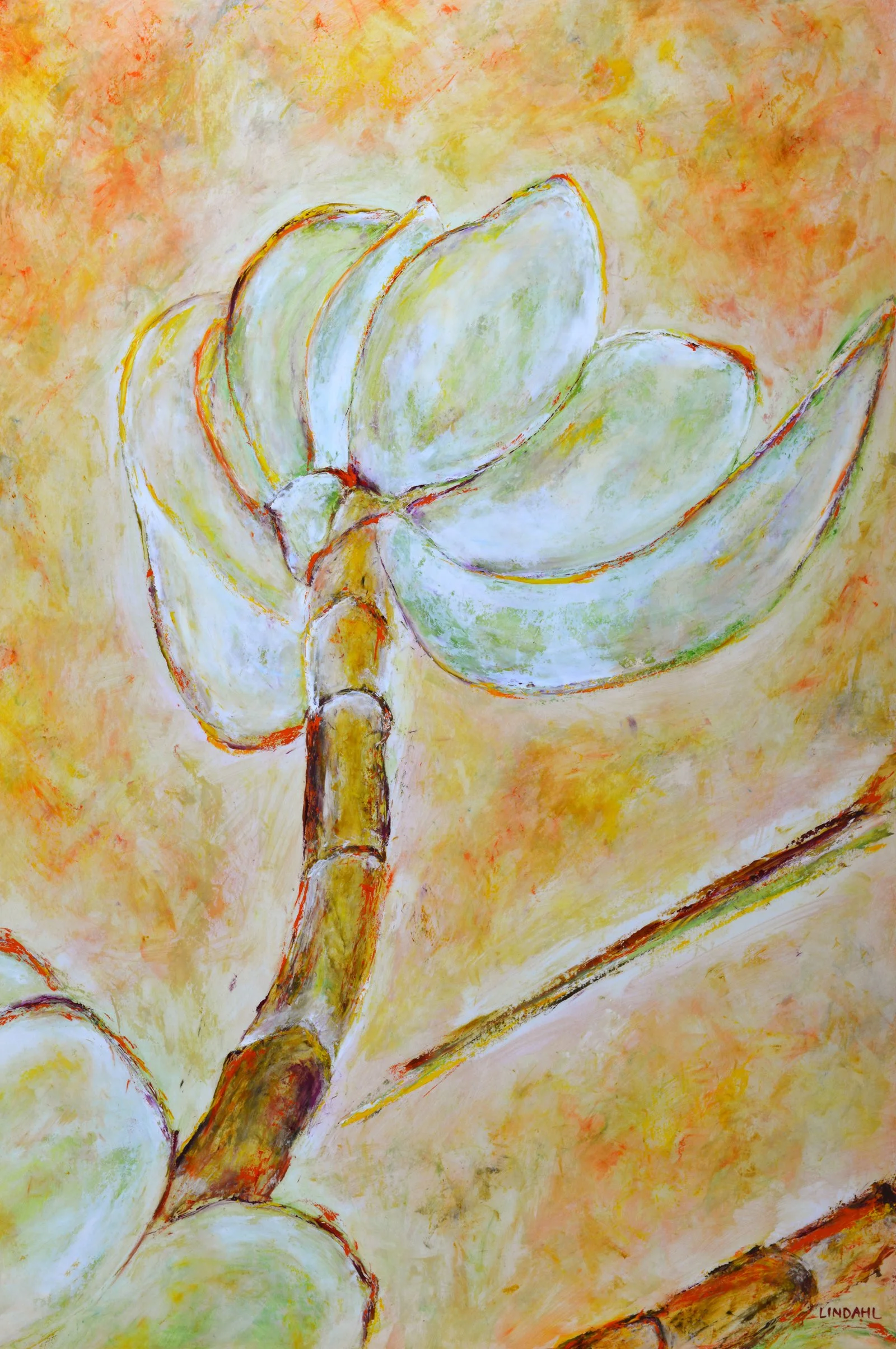
succulent 2 - 2024
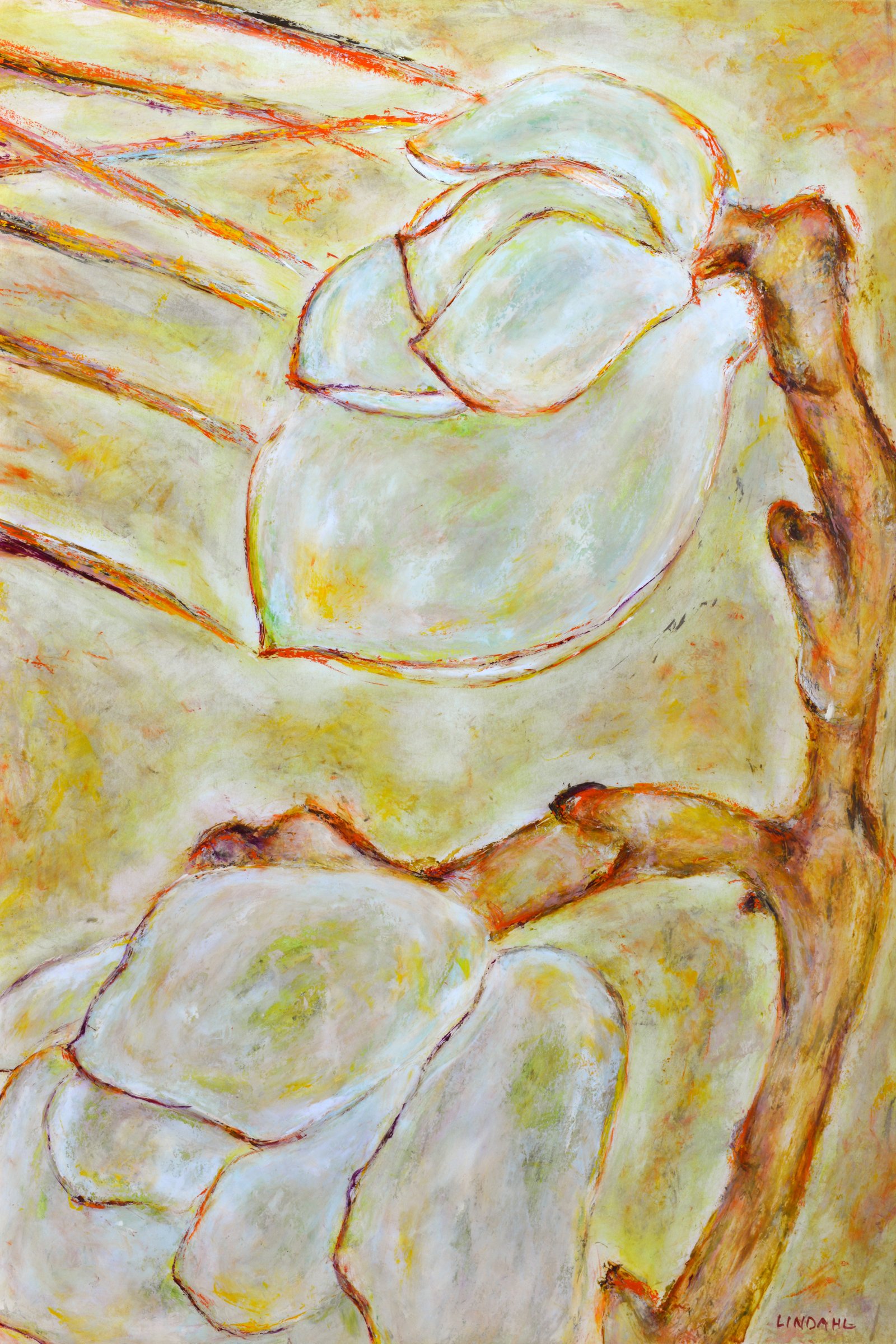
succulent 1 - 2024
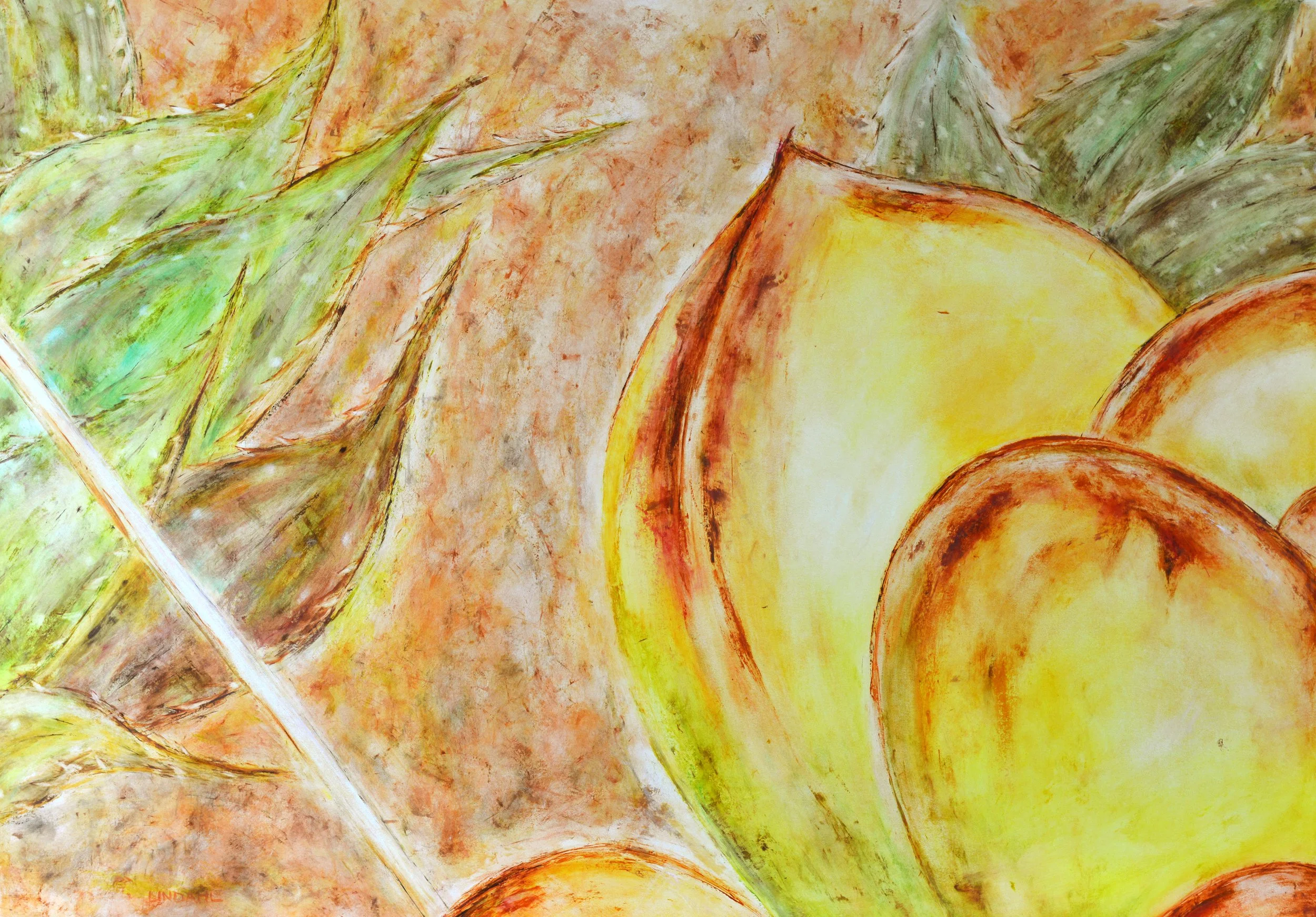
succulent - 2024
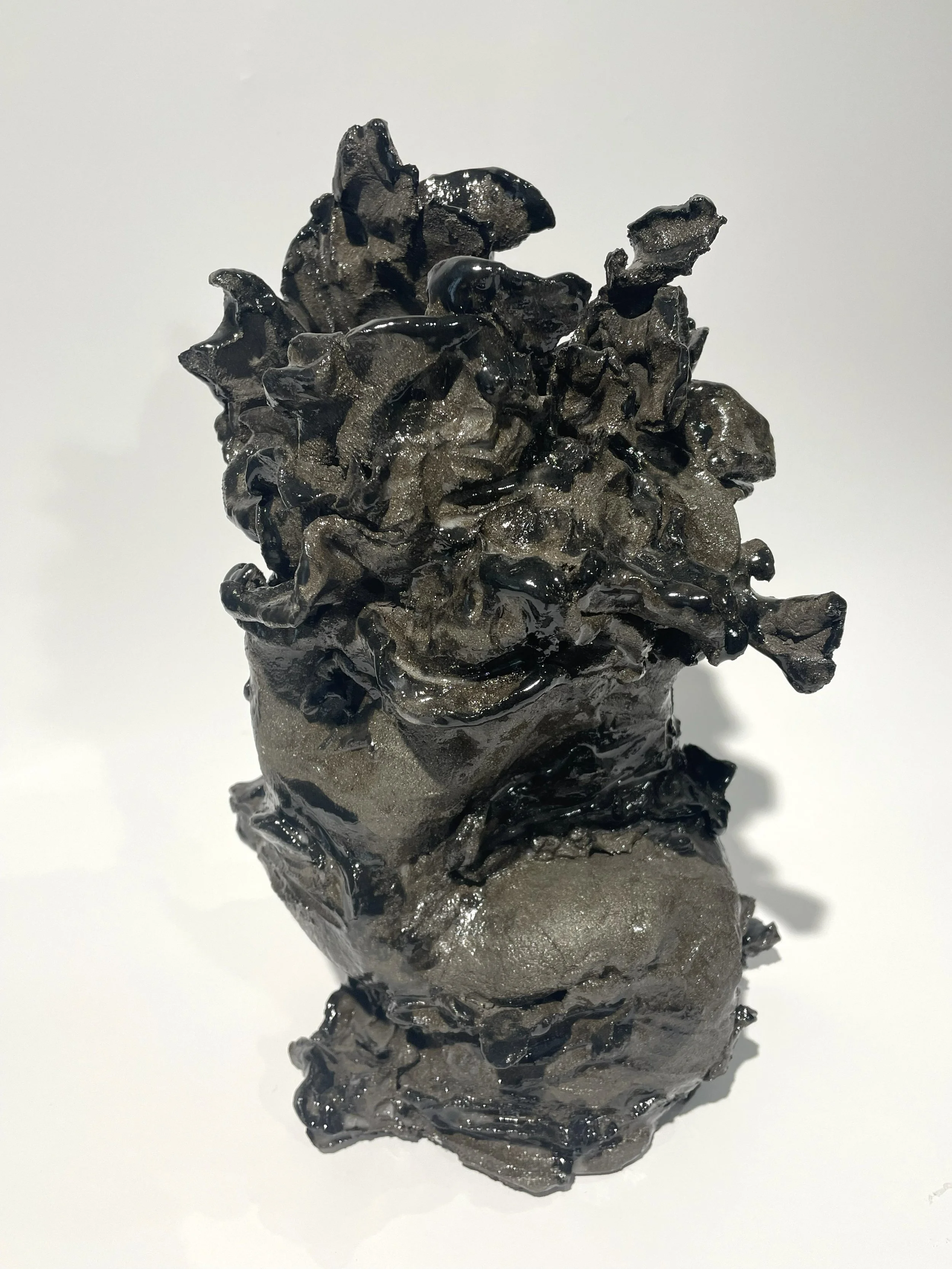
rockery 1 - 2025
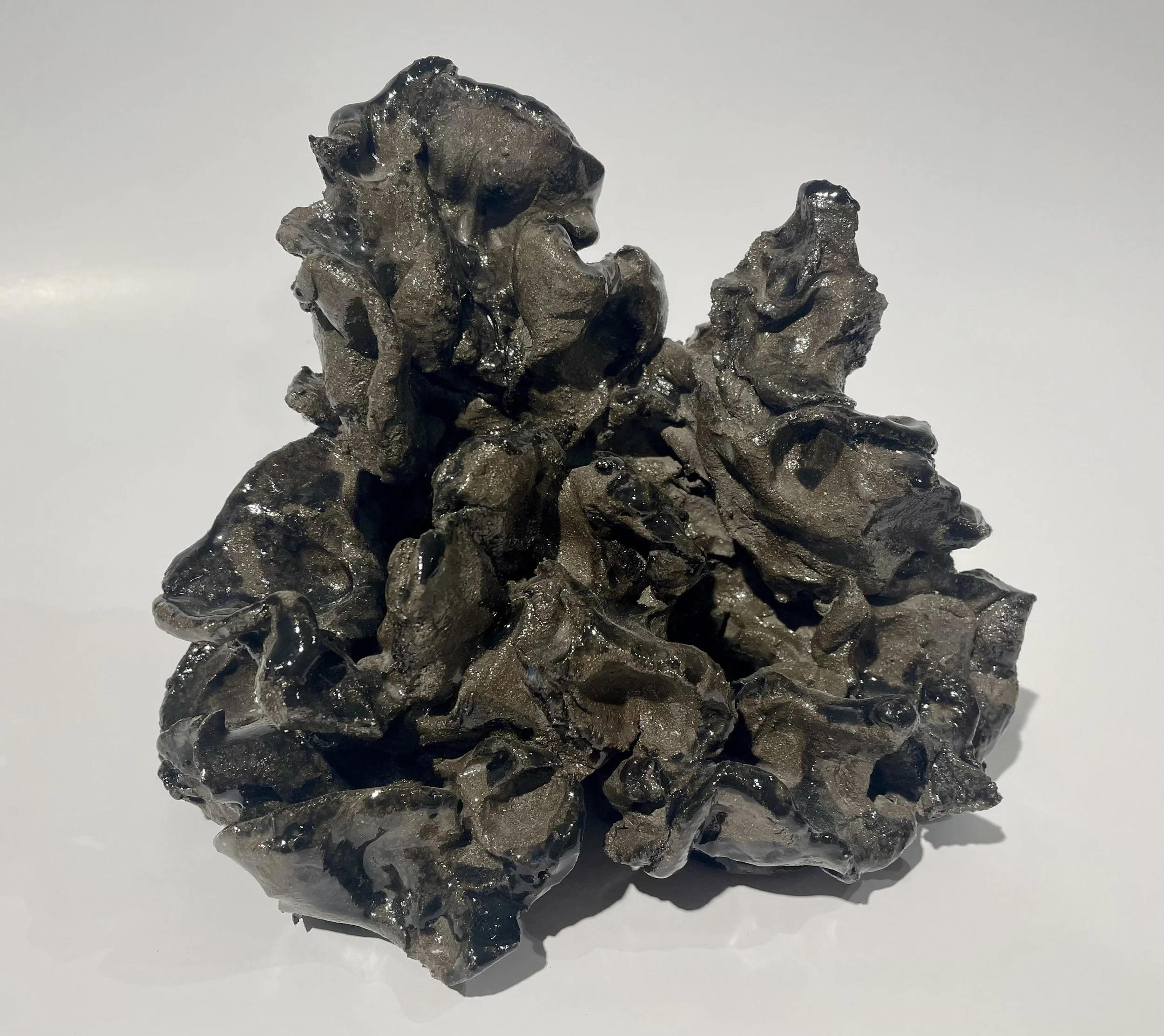
rockery 2 - 2025
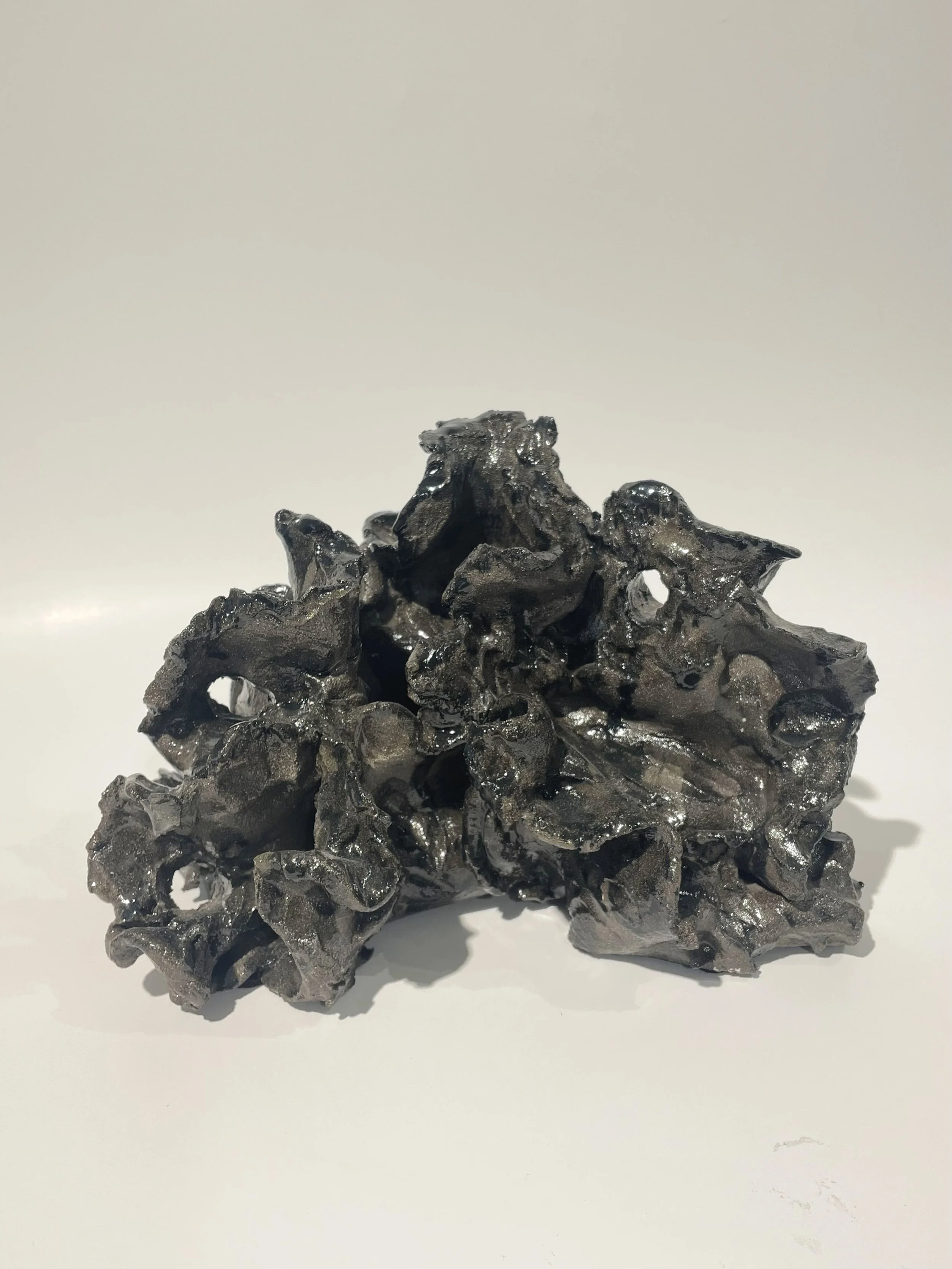
rockery 3 - 2025
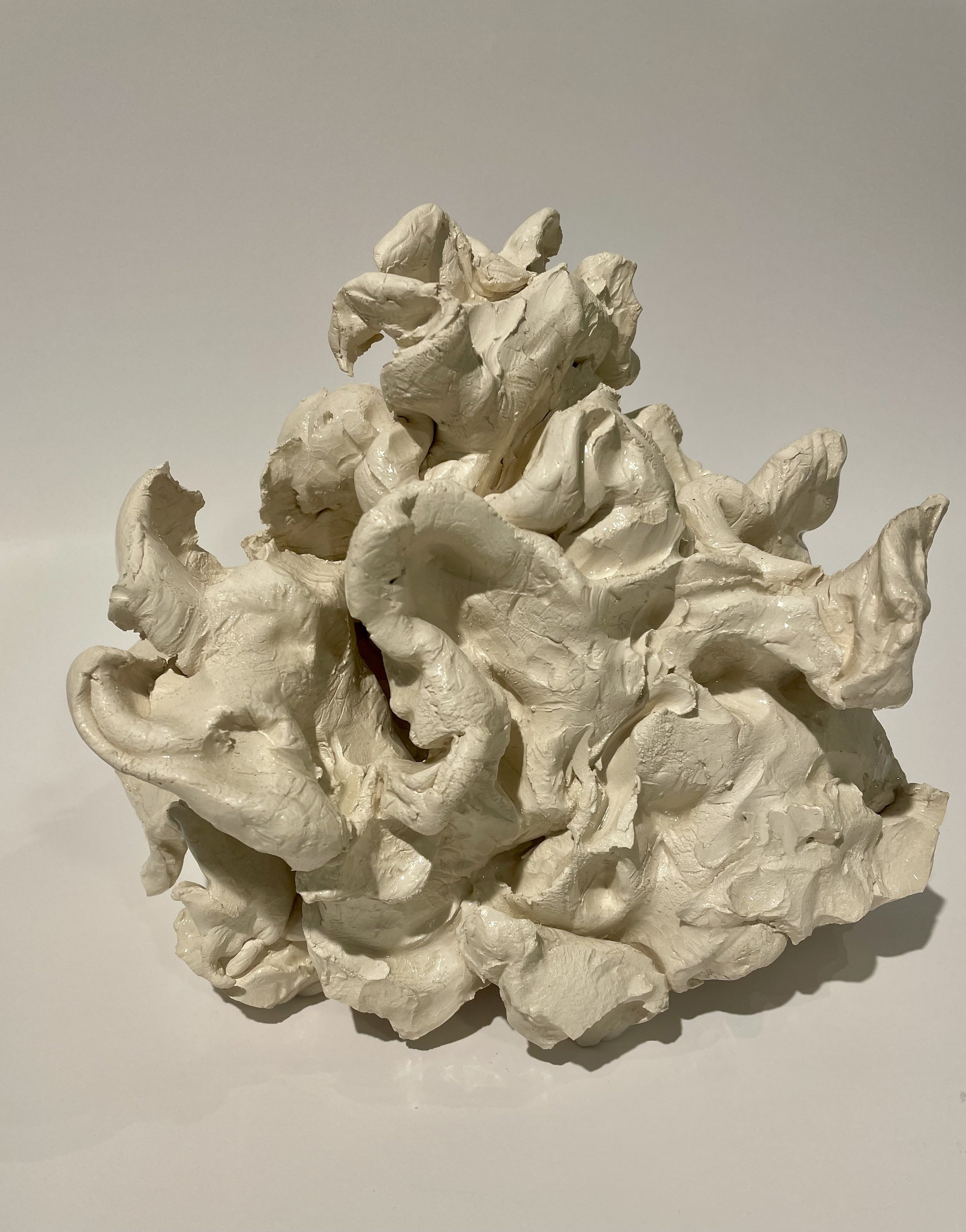
rockery 4 - 2024
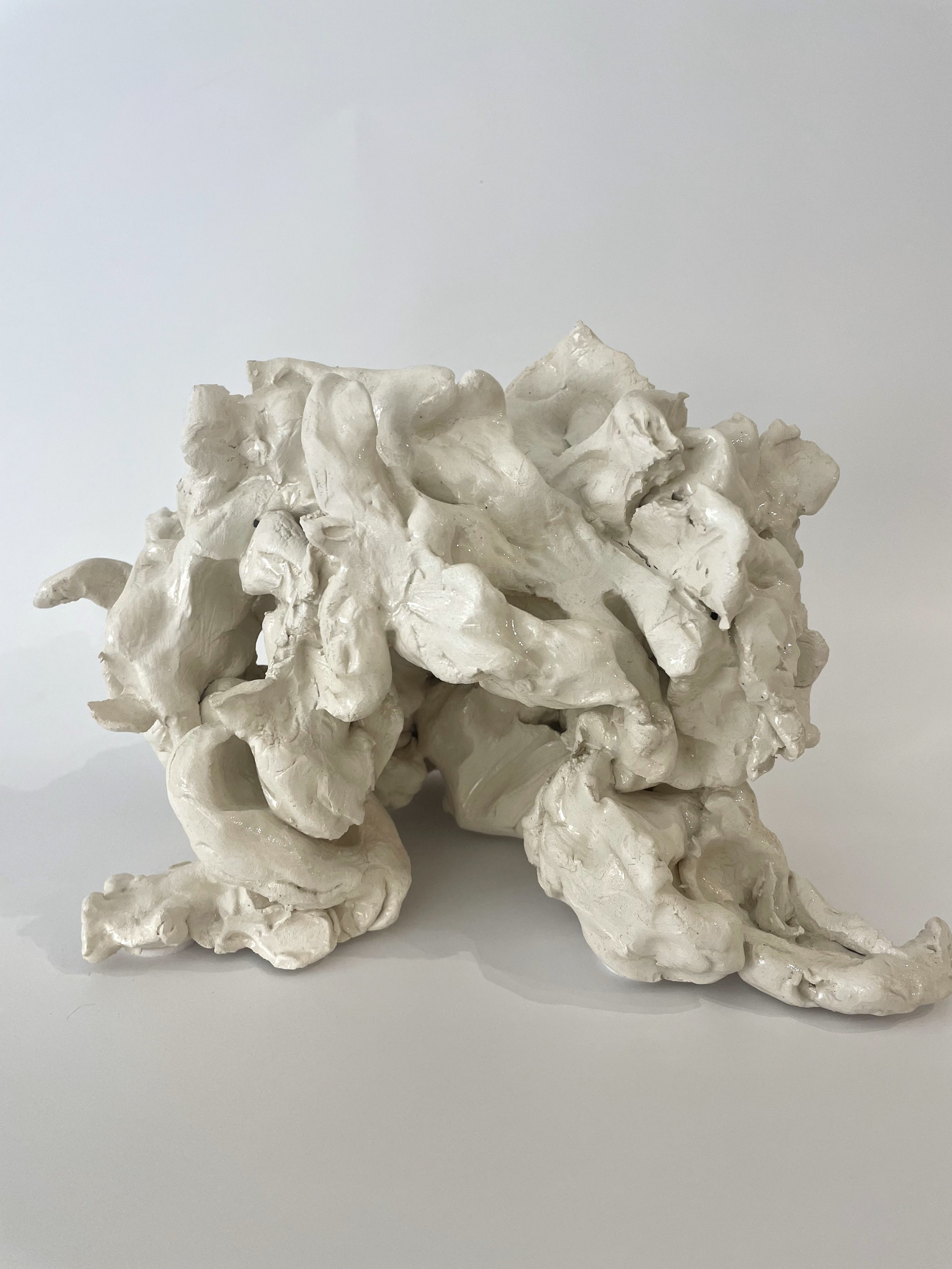
rockery 5 - 2024
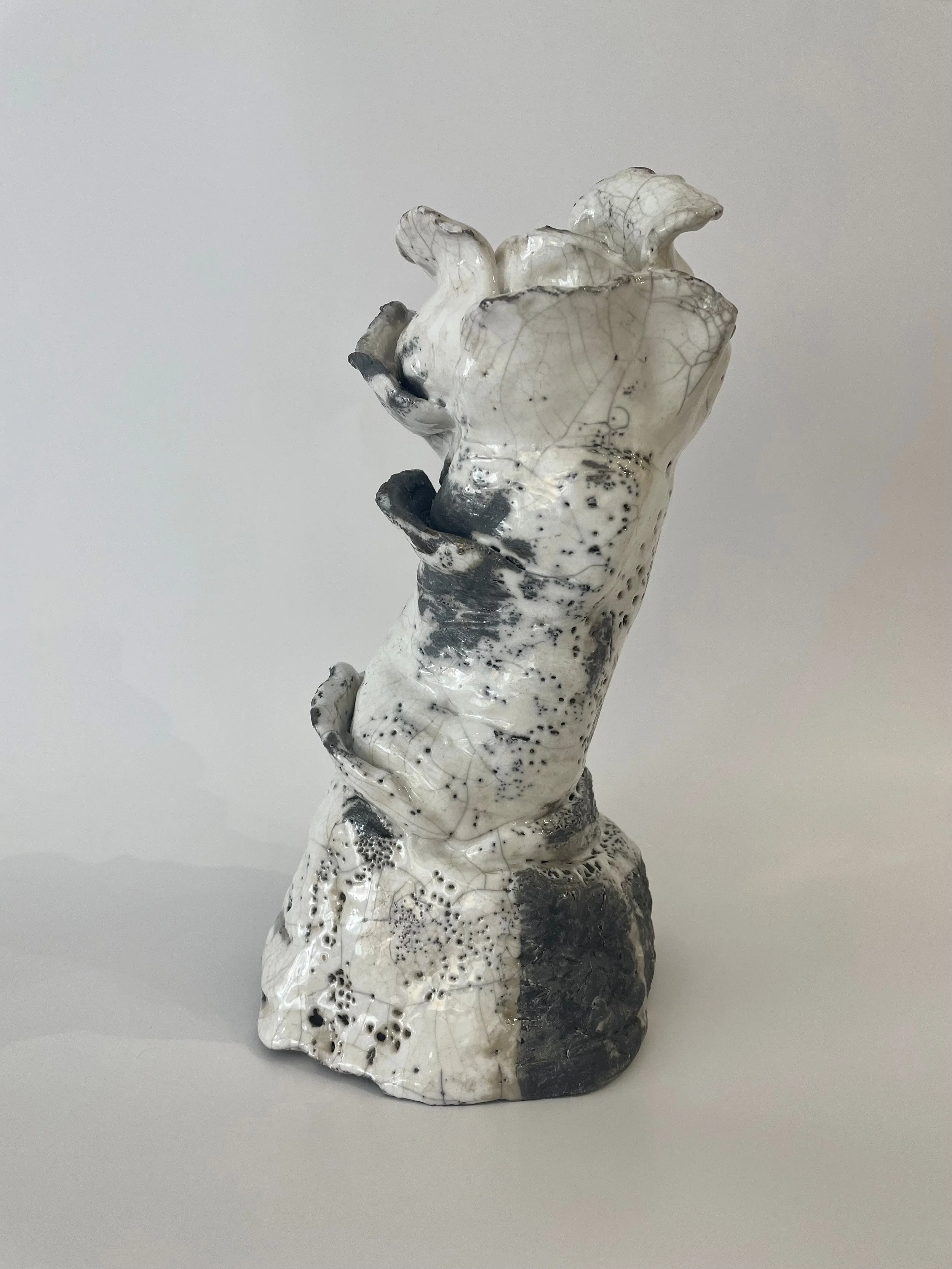
plant raku - 2024
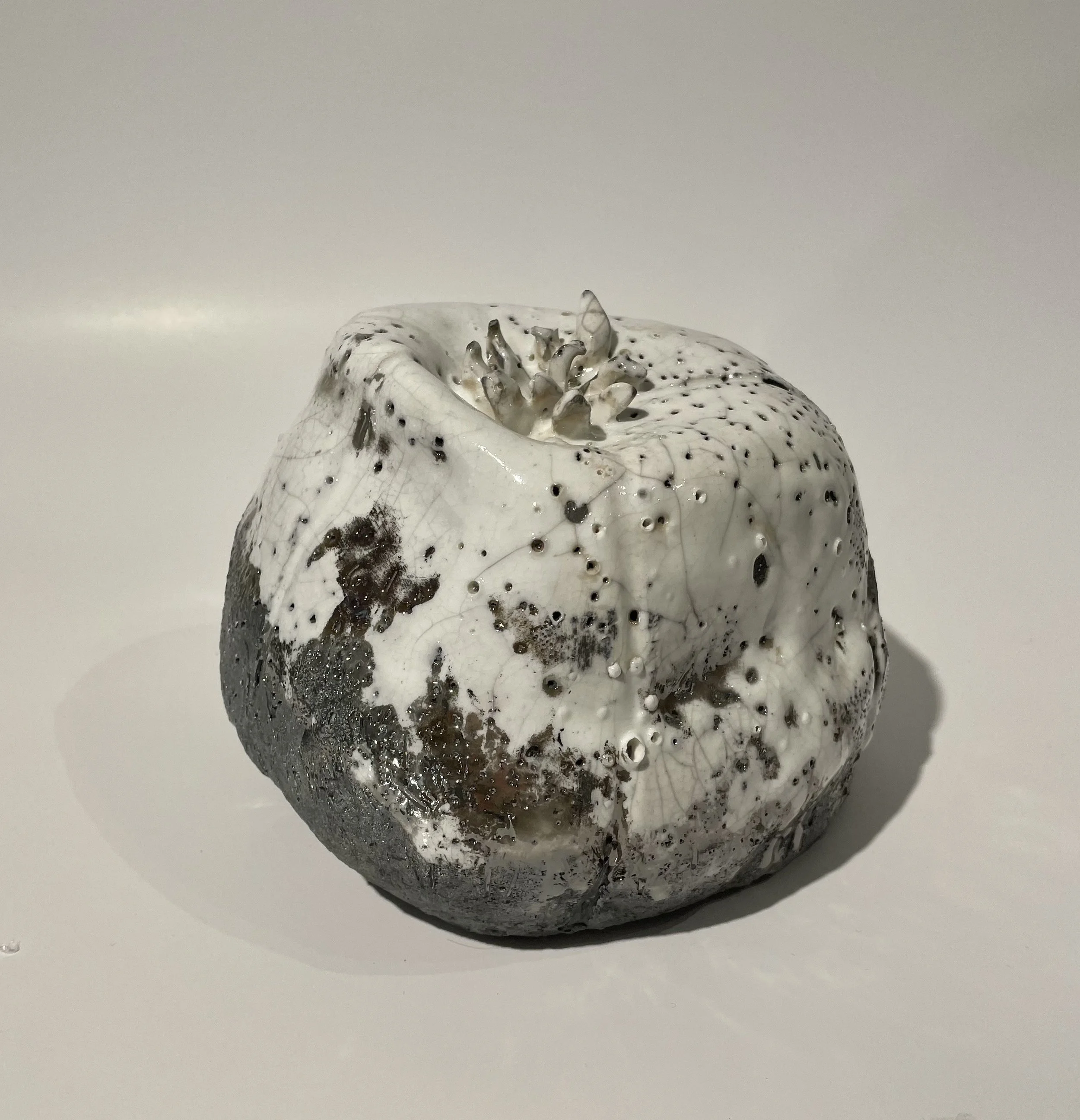
cactus raku - 2024