Larry Graeber: Convergence, Material Intelligence, and Five Decades of Artistic Inquiry
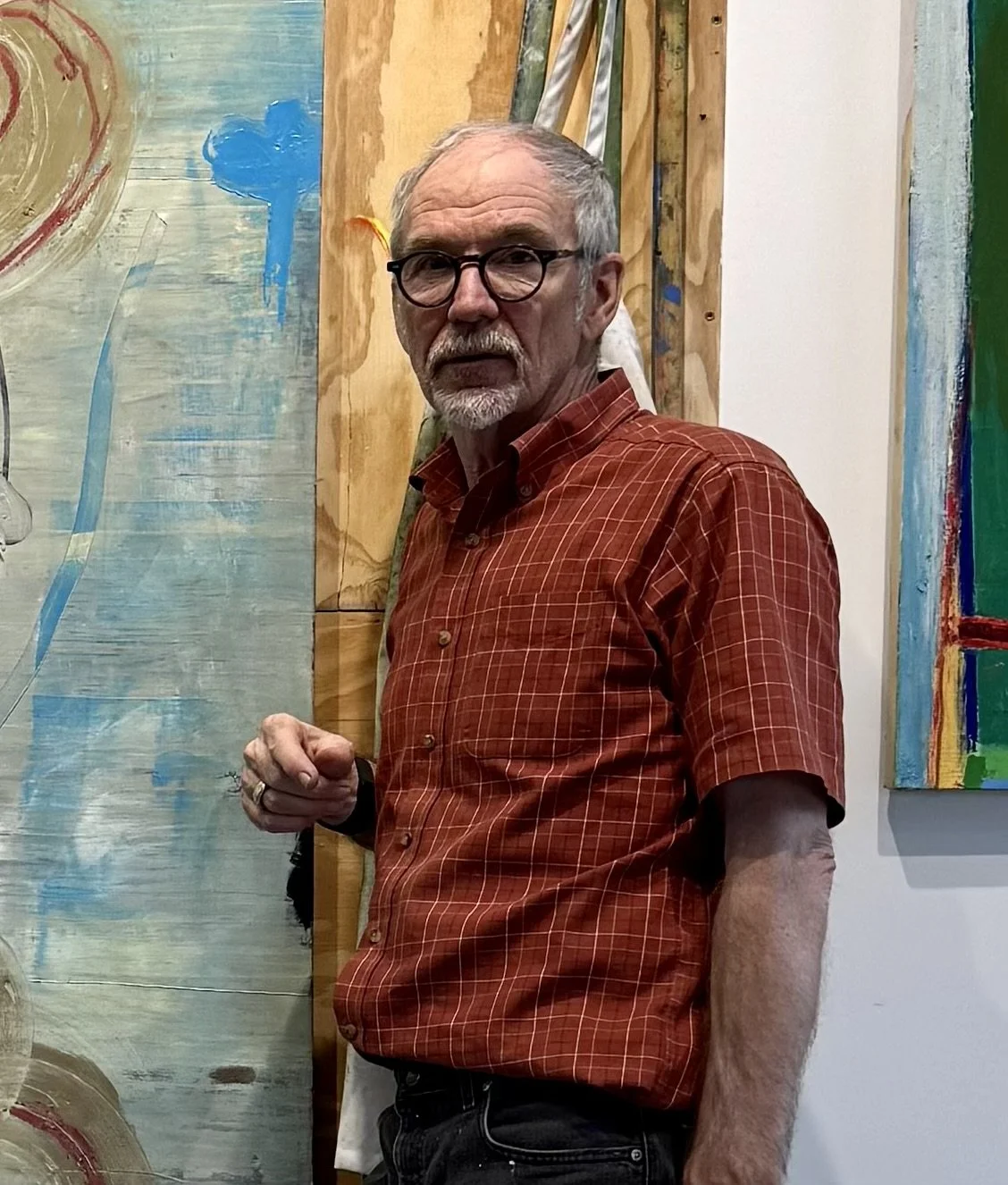
Larry Graeber: Convergence, Material Intelligence, and Five Decades of Artistic Inquiry
Few artists sustain a practice across more than five decades while continuously reinventing the terms of their investigation. Texas-based artist Larry Graeber has done precisely that, building a body of work that moves fluidly between sculpture, painting, and works on paper while remaining anchored by a singular intellectual concern: the phenomenon of convergence.
Born in San Antonio and raised in Austin, Graeber's artistic sensibility emerged early through a combination of creative curiosity and practical craftsmanship. The eldest of three children in a middle-class family, he spent much of his youth constructing forts, tree houses, roller coasters, and even a soapbox derby car. These formative experiences established an enduring relationship with materials, structure, and problem-solving that would later define his artistic practice.
His father was an architect, his mother maintained friendships within artistic circles, and an artist uncle further encouraged creative exploration. Together, these influences fostered an environment in which making and imagining were inseparable. During his school years, Graeber gravitated toward industrial arts and architectural studies, while summers spent working in his grandfather's lumberyard provided practical knowledge of construction techniques and material behavior.
Although dyslexia presented challenges during his formal education, Graeber pursued studies in printmaking, jewelry, painting, sculpture, and filmmaking at Southwest Texas State University, Trinity University, and San Antonio College. Much of his development, however, occurred outside conventional academic structures. By his second year of college, he had established his first studio, laying the foundation for a largely self-directed career characterized by experimentation and persistence.
Following his move to San Antonio, Graeber studied sculpture with Phil Evett at Trinity University and embarked on an ambitious stone-carving project involving four large limestone blocks. Over the course of four years, while supporting himself through restaurant work, he developed a disciplined studio practice that would become central to his artistic identity.
Recognition arrived early. In 1971, Graeber was included in the prestigious Texas Painting and Sculpture Exhibition at the Dallas Museum of Fine Arts. Three years later, John Leeper, then Director of the McNay Art Museum, invited him to present Works from a Small Duplex, an exhibition of sculptures created in his modest living and working space. The exhibition marked a significant milestone, positioning Graeber among a generation of emerging Texas artists exploring new possibilities in contemporary sculpture.
Over subsequent decades, his practice expanded through periods devoted alternately to stone carving, large-scale public sculpture, painting, and mixed-media assemblage. In 1986, he participated in Contemporary Art for San Antonio, the inaugural exhibition associated with the founding of the Blue Star Art Complex. The exhibition, organized as a response to the marginalization of contemporary art within the city, has since become part of Texas art history.
Throughout these evolving phases, a consistent conceptual framework has unified Graeber's work. He describes his central interest as convergence: the moment when two or more events, materials, ideas, or conditions arrive at the same place simultaneously, producing unforeseen outcomes. For Graeber, these intersections are not merely visual phenomena but mechanisms through which human experience is formed and understood.
This philosophy manifests differently across media. His paintings often employ oil, occasionally enhanced with foil leaf and other unconventional materials, creating luminous surfaces that appear simultaneously cellular and cosmic. Critics have noted the tactile radiance of these works, where fields of color and texture suggest both microscopic life and expansive celestial systems. Rather than depicting recognizable subjects, the paintings evoke states of tension, balance, emergence, and transformation.
His sculptures embrace a similarly exploratory methodology. Constructed from wood, wire, paint, found debris, adhesives, and other disparate materials, the works reveal an ongoing fascination with assembly and reconfiguration. Graeber's process emphasizes discovery rather than predetermined outcomes, allowing relationships between materials to generate meaning organically.
Works on paper occupy a complementary position within the practice. Frequently informed by sketchbook drawings and collage elements, these pieces create unexpected juxtapositions that extend his investigation of convergence into both thought and material form. Across all media, the work reflects an artist deeply engaged with how meaning emerges through encounter.
Recent years have brought renewed attention to Graeber's contribution to Texas contemporary art. His 2024 exhibition Water's Edge at the Rockport Center for the Arts highlighted the continuing vitality of his practice, while representation by 2d Gallery in Marfa has introduced his work to new audiences of collectors and curators. At the same time, his inclusion in significant publications such as Art at Our Doorstep and Texas Abstract: Modern/Contemporary has reinforced his position within the broader narrative of postwar and contemporary Texas art.
The years surrounding 2019 marked another important transition. His exhibition Formal Proof at Blue Star Contemporary, presented with artist Sterling Allen and accompanied by an essay by Anjali Gupta, served as both a culmination and a point of departure. Since then, Graeber has maintained active studios in San Antonio and Marfa, continuing to produce work while participating in a growing number of exhibitions, art fairs, museum presentations, and sculpture initiatives throughout the United States and internationally.
What distinguishes Graeber's oeuvre within today's art landscape is its resistance to certainty. His work does not seek definitive answers. Instead, it invites viewers into a process of observation and reconsideration. The artist has long described his purpose as raising questions and engaging the eye, a goal that remains evident throughout his practice.
This openness extends to his own relationship with his work. In recent years, while cataloguing and organizing decades of production, Graeber has frequently revisited unresolved pieces, reworking or transforming them in light of new insights. Such acts embody the very principle that underlies his artistic philosophy: the collision of past and present, material and idea, memory and perception.
For collectors, Graeber's work offers more than aesthetic distinction. It represents a sustained inquiry into the conditions that shape human understanding. Across sculpture, painting, and works on paper, his practice demonstrates how meaning emerges through encounter, how forms evolve through interaction, and how the unexpected convergence of elements can generate entirely new ways of seeing.
As contemporary art continues to explore increasingly complex relationships between materiality, perception, and experience, Larry Graeber's work remains remarkably relevant. His art reminds us that every encounter is subjective, every observation provisional, and every convergence an opportunity for transformation.
https://www.larrygraeber.org
https://www.instagram.com/graeberl/
https://www.facebook.com/larry.graeber.1
https://www.youtube.com/@larrygraeber4933
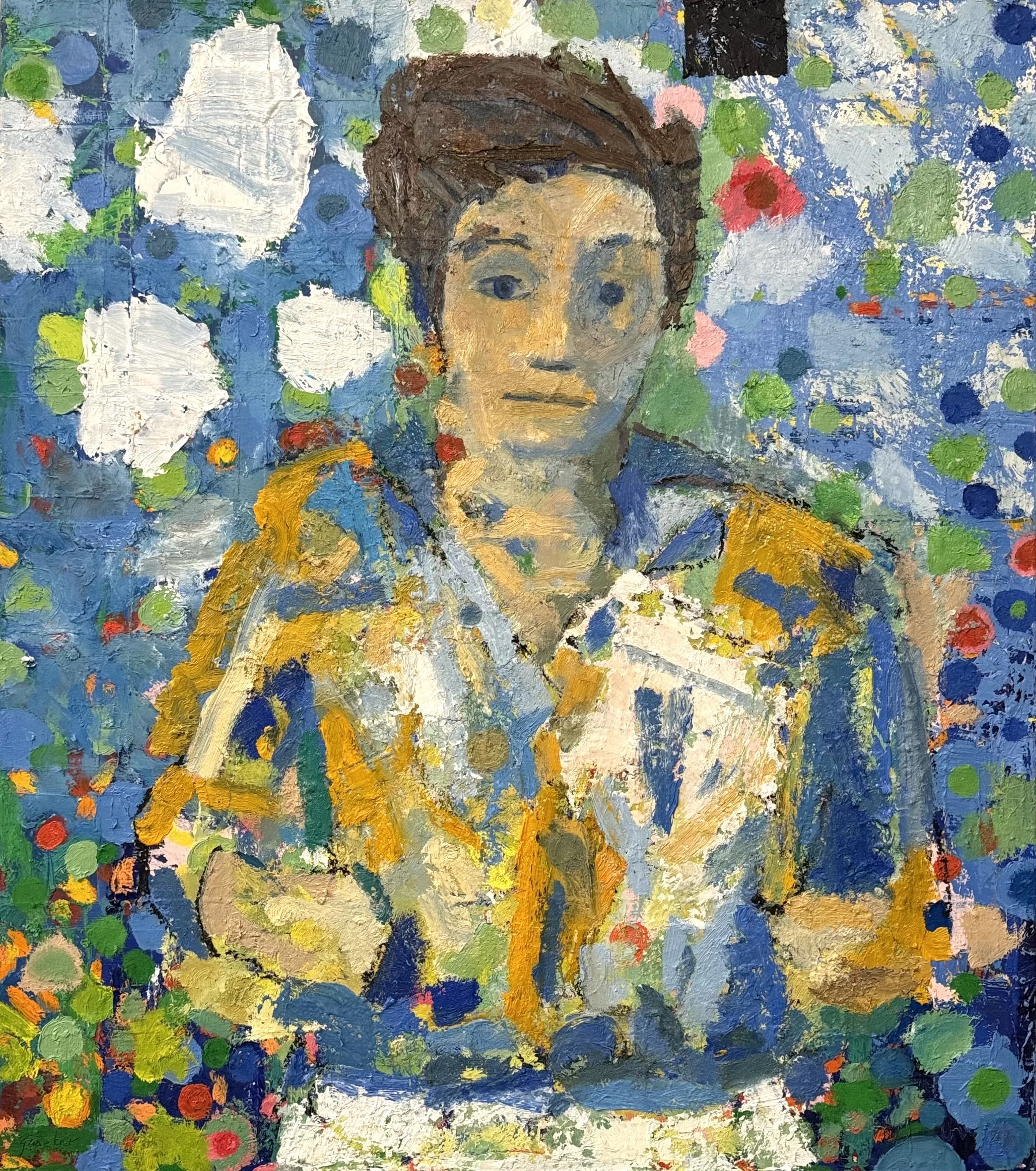
Blue Jacket 2026 oil/canvas 34 x 30 x 1.5"
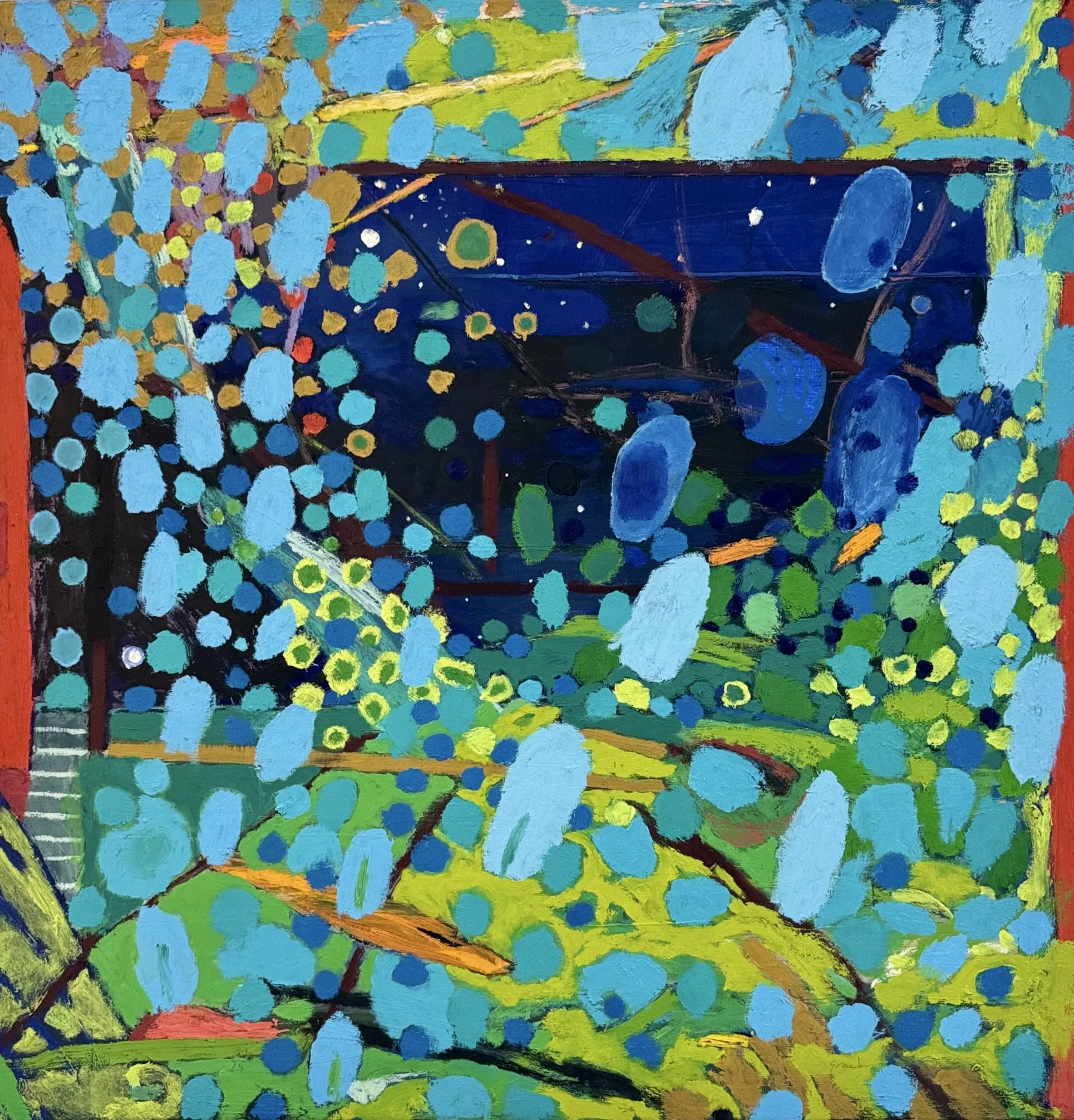
Sea of Tranquility 2025 oil/canvas 41 x 39.5 x 1.2"
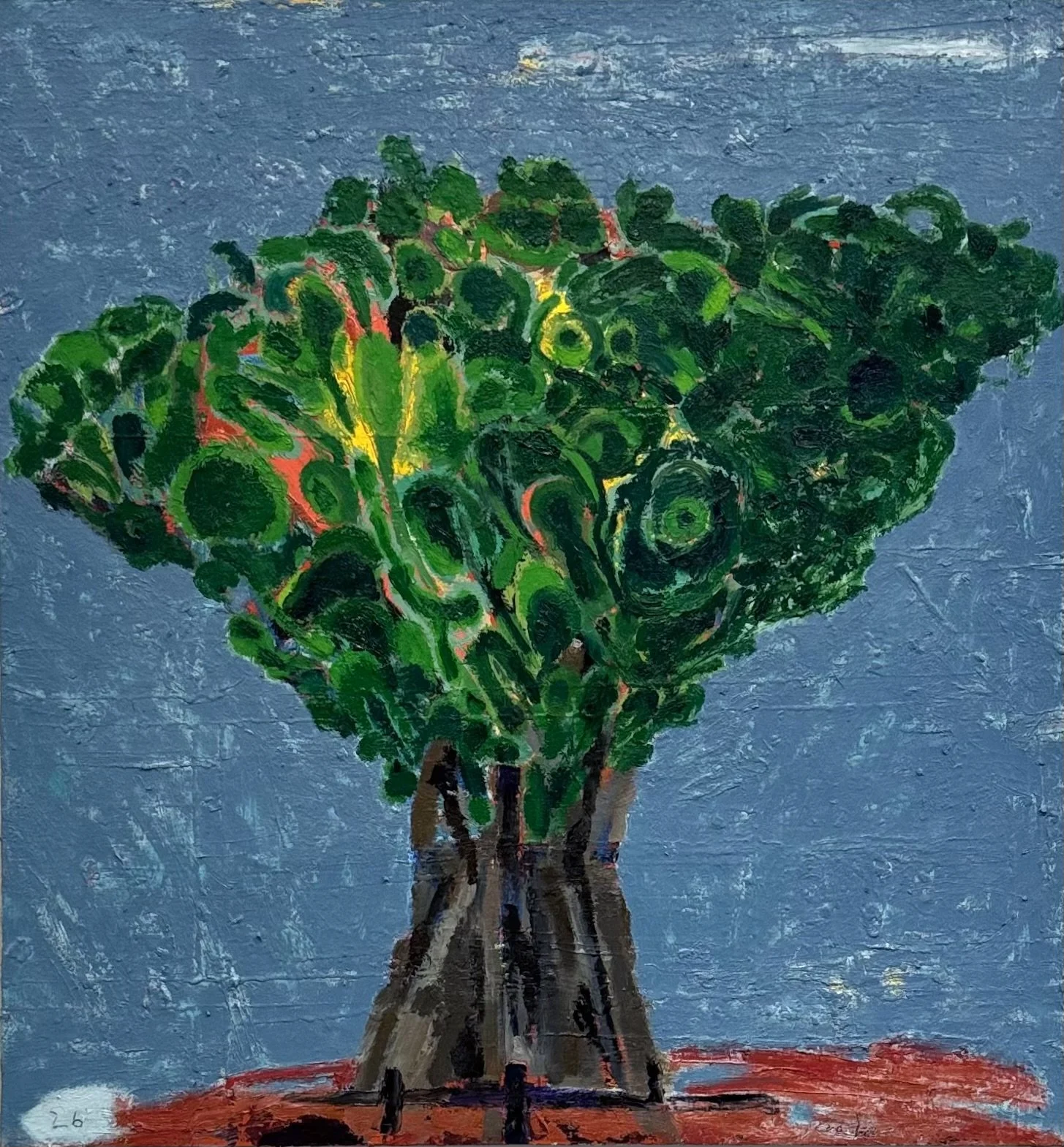
Thunder 2026 oil/canvas 32 x 30 x 1.2"
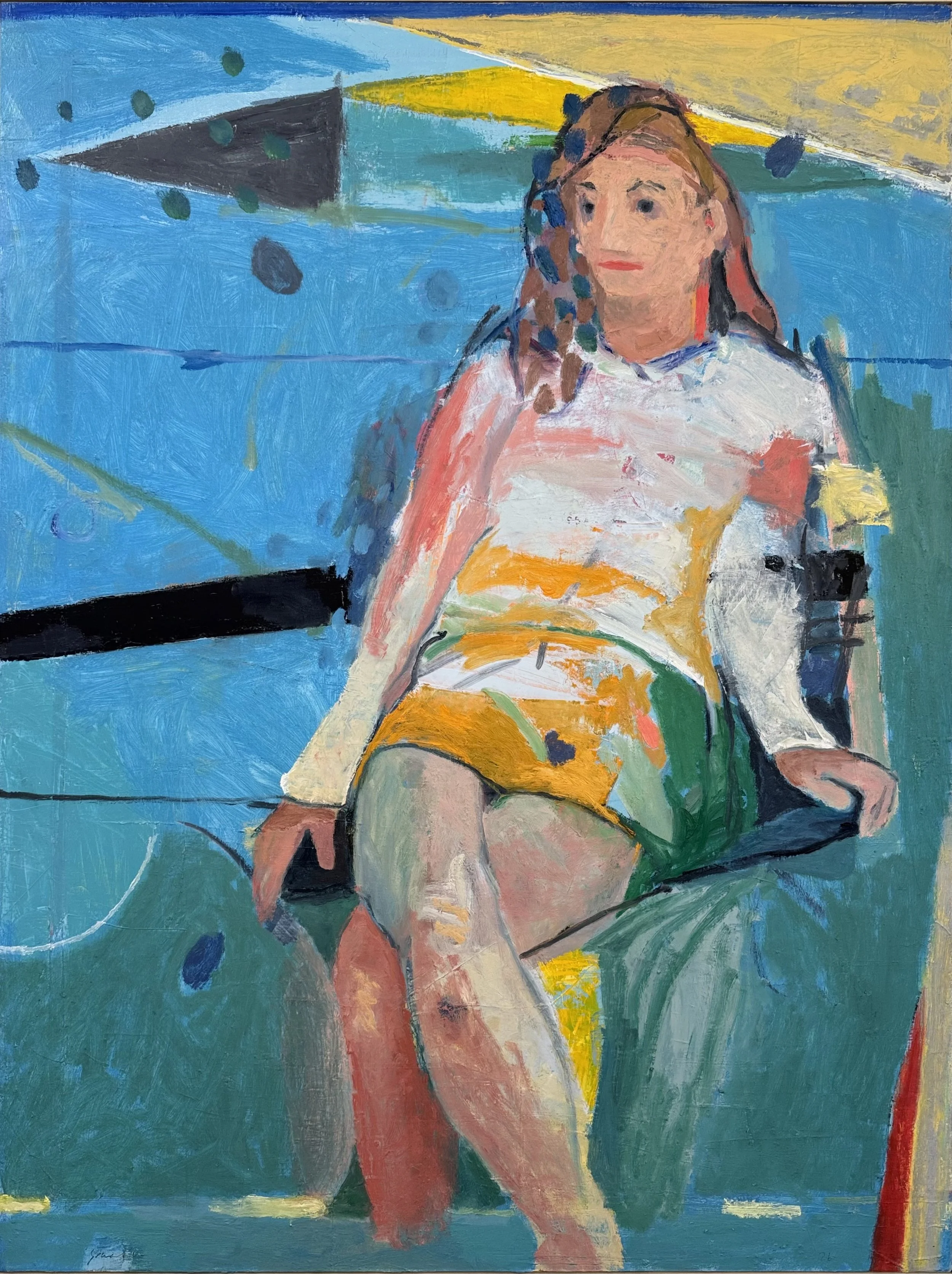
Alice 2026 oil/canvas 52 x 39 x 1.2"
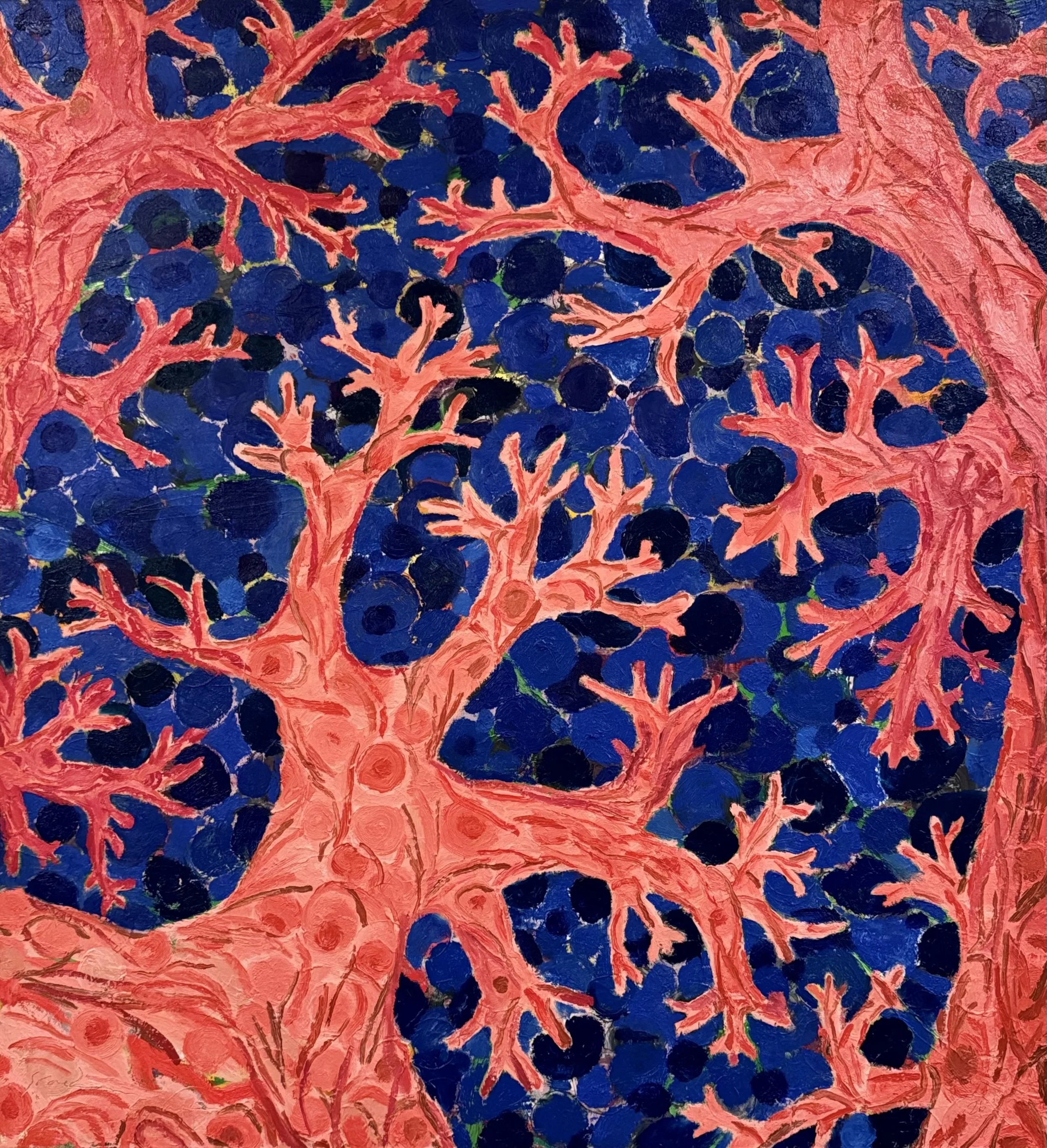
Branches 2026 oil/canvas 37 x 34 x 1.25"
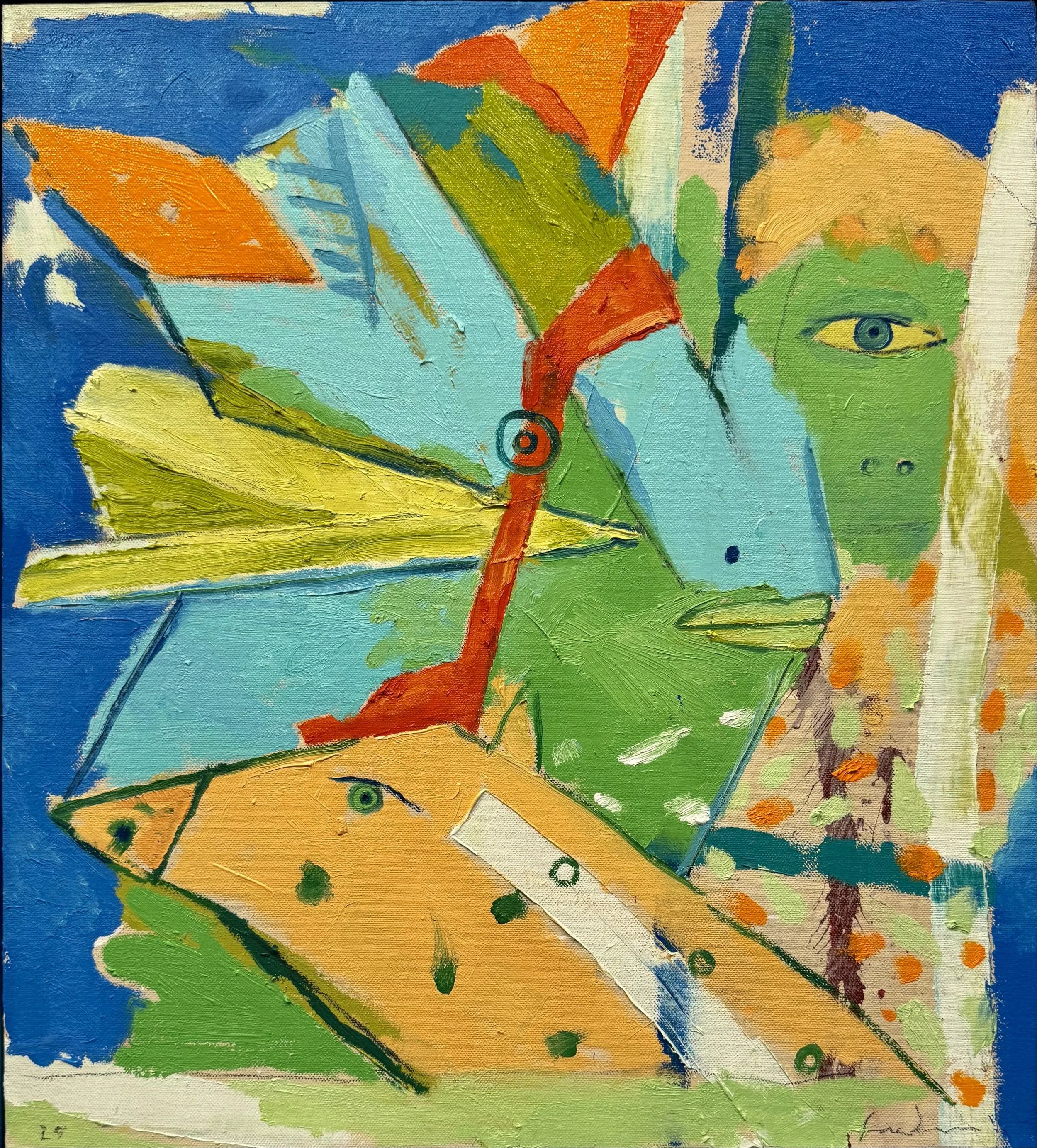
Friends 2025 oil/canvas 20 x 18 x 1"
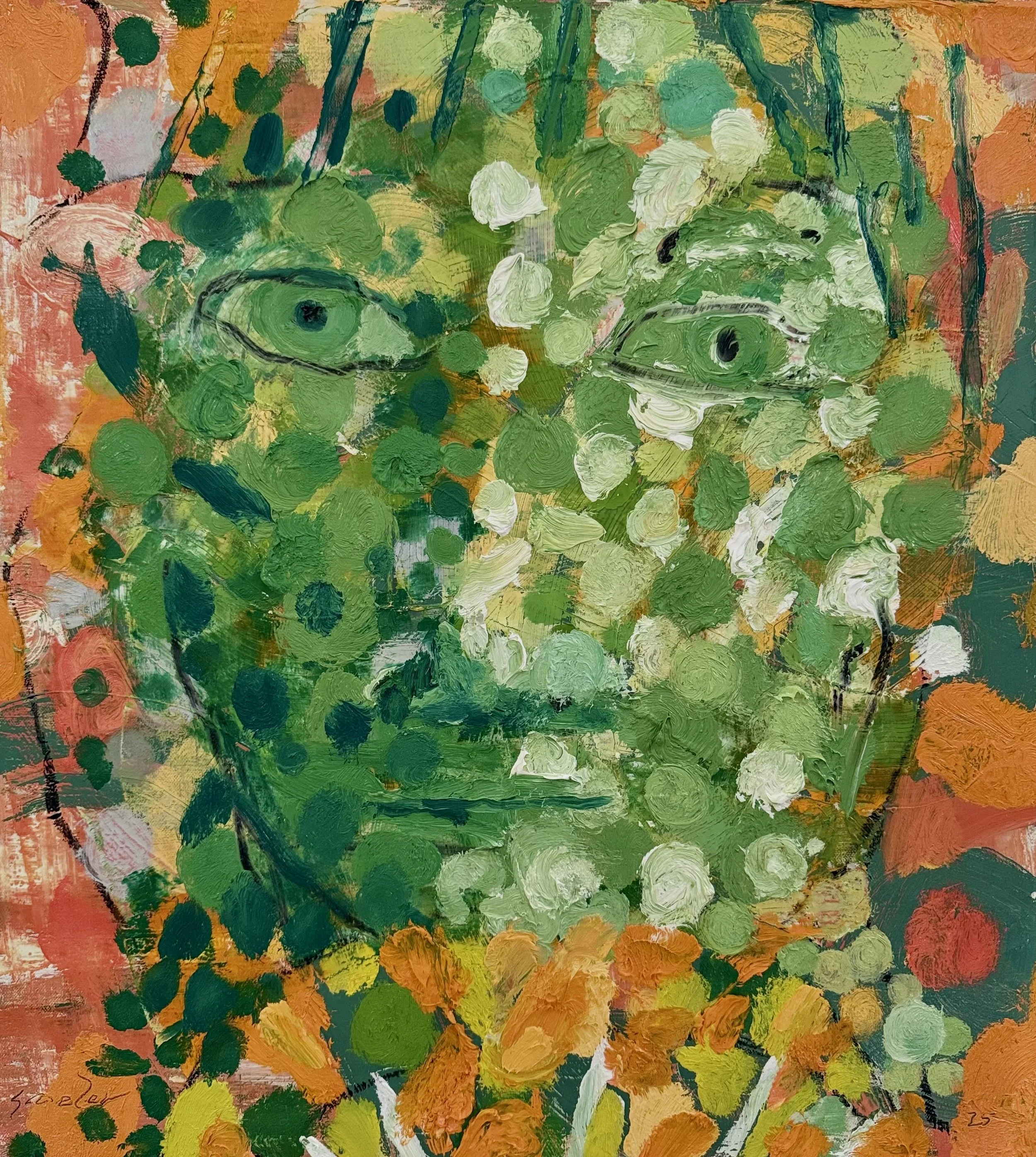
Orange Fan 2025 oil/canvas 20 x 18 x 1.2"
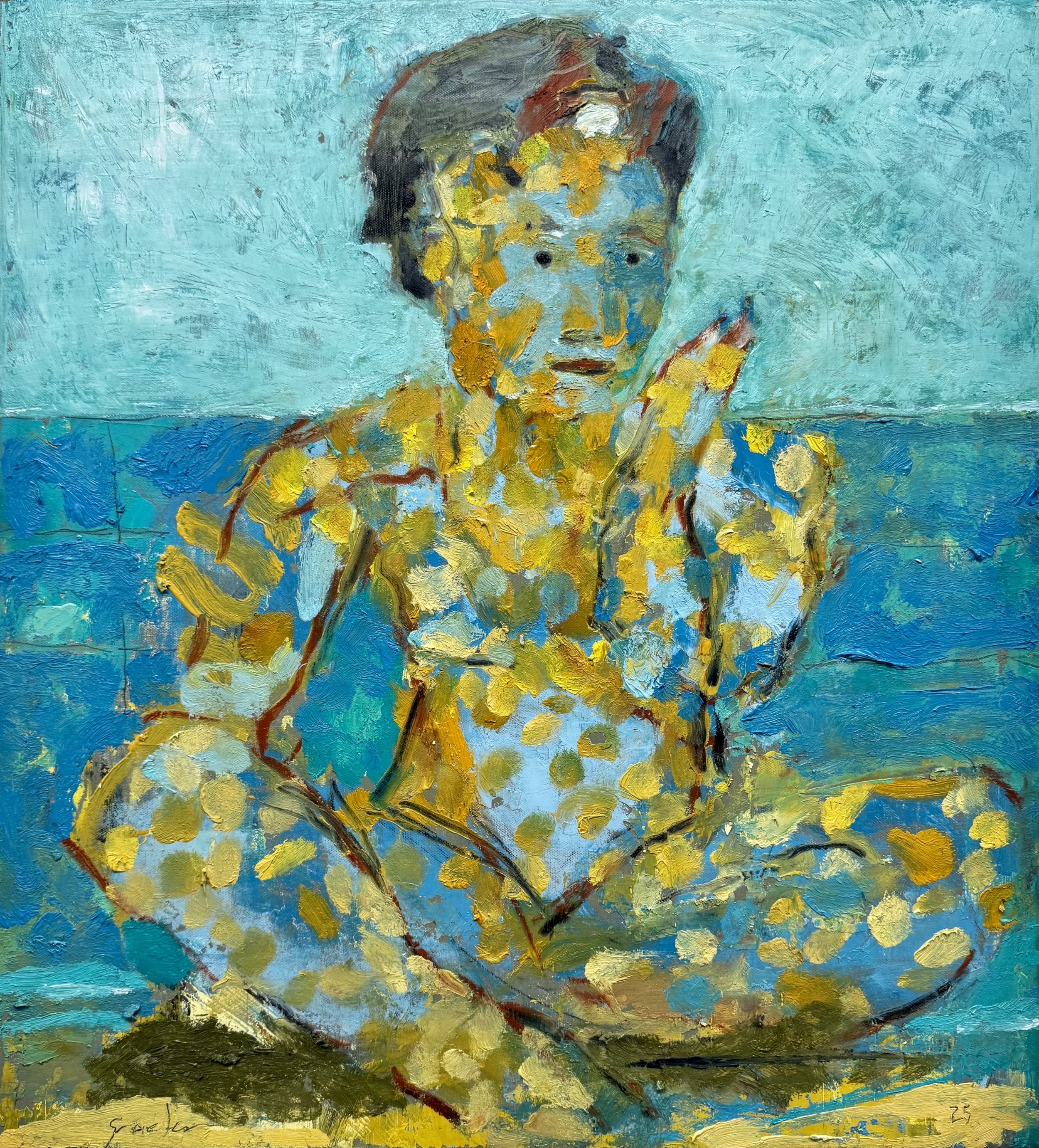
Beach Girl 2025 oil/canvas 22 x 20 x 1.2"
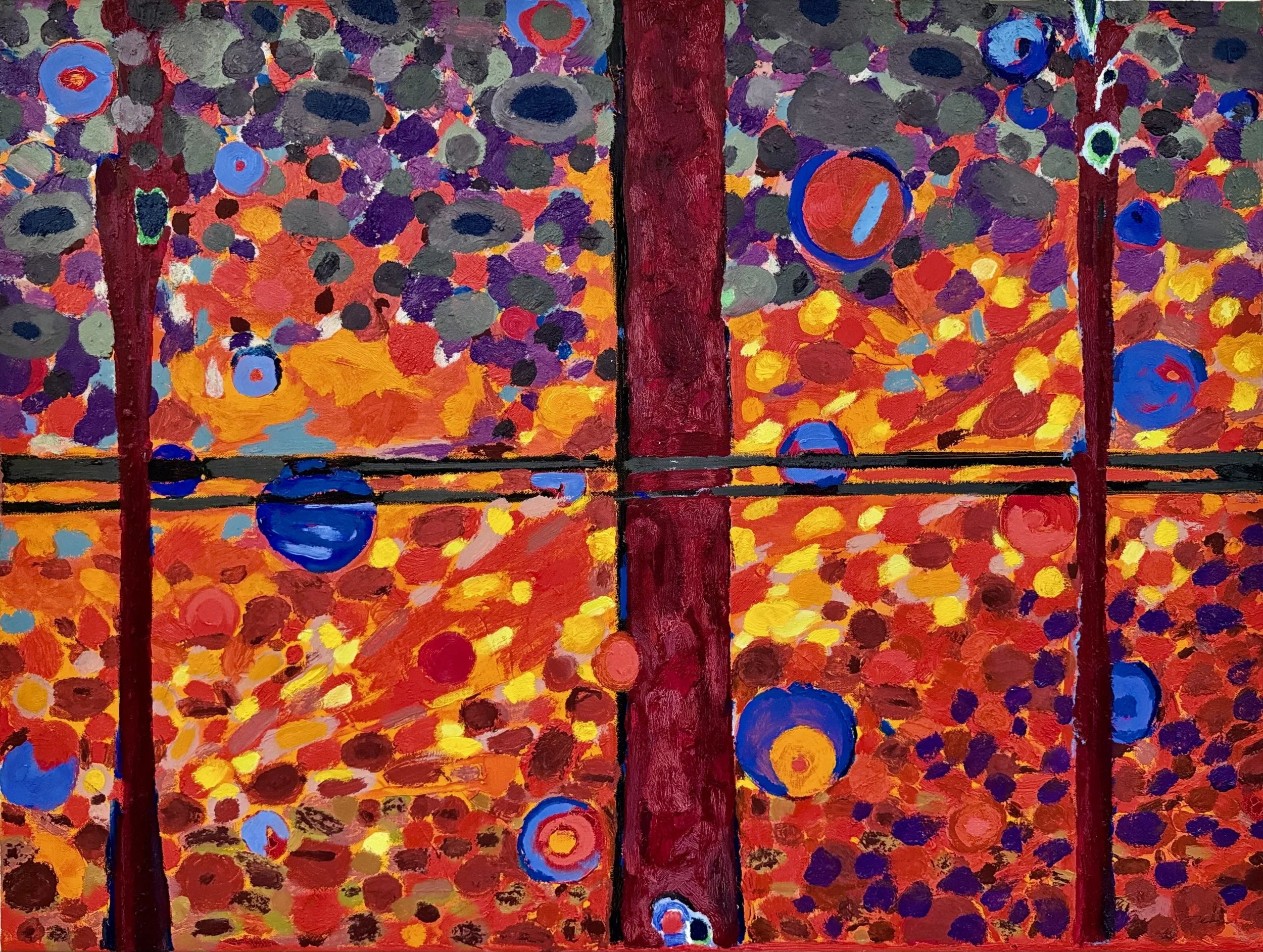
Fire 2024 oil/canvas 30 x 40 x 1.5"
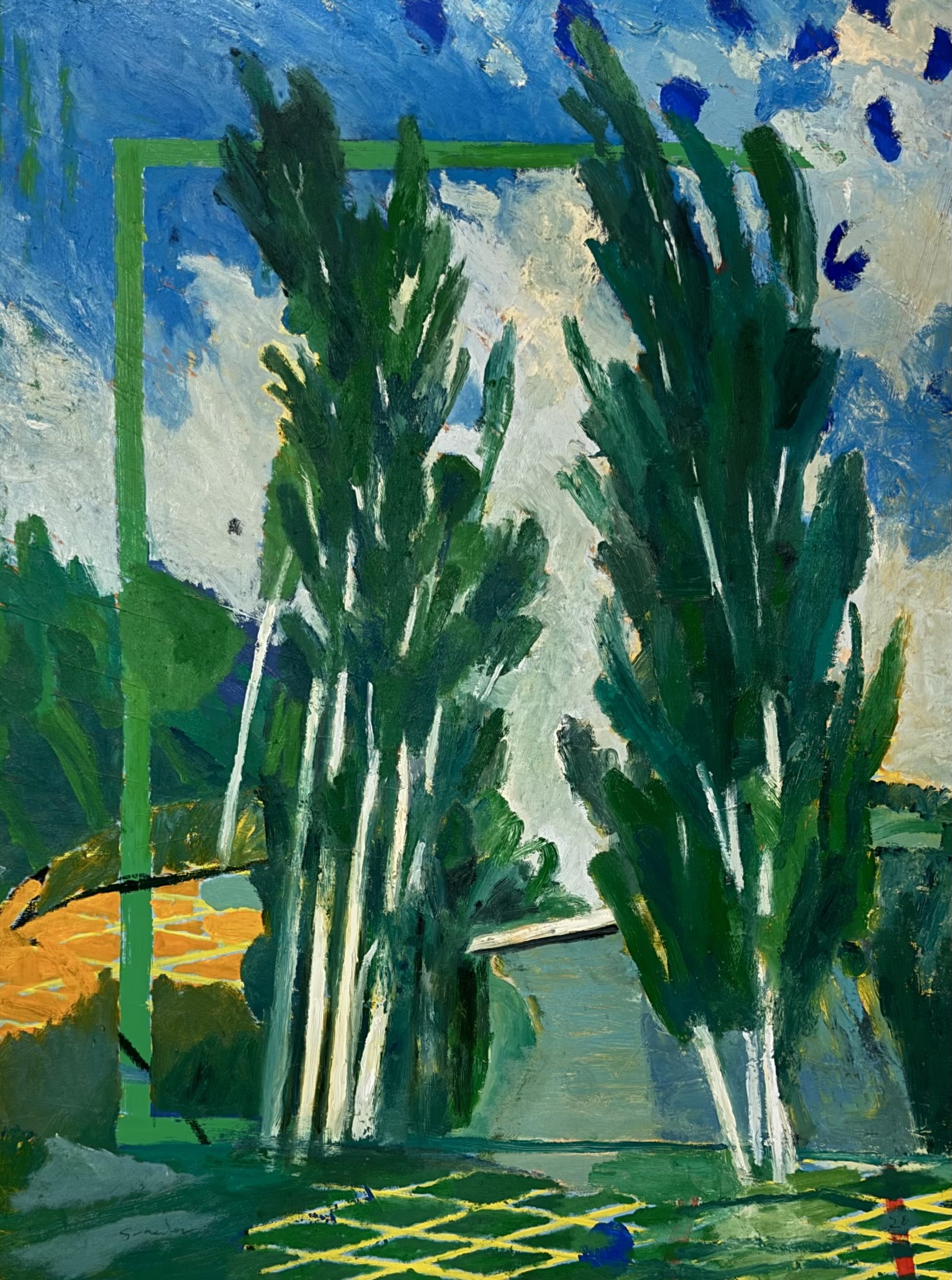
Shed 2026 oil/canvas 48 x 36 x .75"