From Pharmacy to Paint: The Market Evolution of John Chehak’s Acrylic Practic
From Pharmacy to Paint: The Market Evolution of John Chehak’s Acrylic Practic
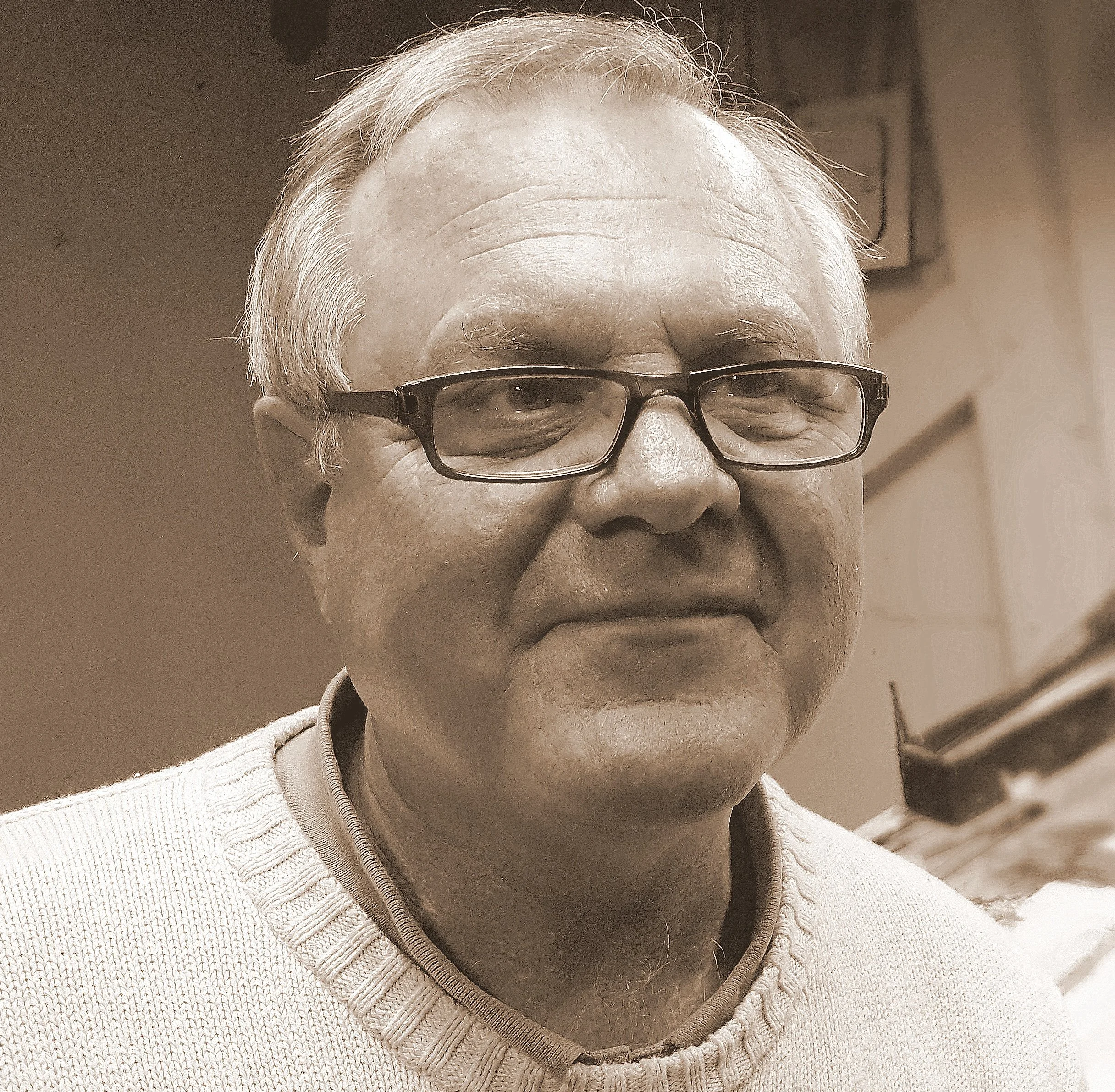
In the often unpredictable trajectories of contemporary artists, few paths are as compelling as that of John Chehak, whose transition from a long-standing career in pharmacy to a sustained presence in the American art fair circuit reflects both personal reinvention and market-driven discipline. Emerging from Cedar Rapids, Iowa, Chehak represents a cohort of self-directed artists who have successfully navigated regional markets to build a national collector base through consistency, accessibility, and a distinctive visual language.
Chehak’s artistic practice began not in academia or atelier culture, but as a deliberate pivot later in life. After graduating from the University of Iowa College of Pharmacy in 1973 and establishing a career in retail pharmacy, he turned to painting in his late forties. This shift was less a spontaneous experiment than a calculated exploration of dormant creative instincts. His choice of medium, undiluted acrylic on paper and canvas, was equally pragmatic. It is fast-drying, odorless, and adaptable, allowing for both immediacy and control.
From the outset, Chehak approached his artistic development with an acute awareness of market mechanisms. His early participation in local shows quickly evolved into a strategic engagement with juried regional art fairs within a defined geographic radius. What began as a modest effort to offset material costs soon revealed the complex economics of the art fair ecosystem. Booth fees, professional display infrastructure, transportation logistics, and travel expenses introduced a level of operational investment that mirrors small business ownership as much as artistic practice.
Yet this infrastructure also became the foundation of Chehak’s market visibility. Acceptance into juried fairs signaled validation, while repeated participation cultivated a loyal collector base. Over the past fifteen years, he has exhibited across a wide network of Midwestern and urban art fairs, including established circuits in Chicago, Minneapolis, St. Louis, and Madison. This sustained presence has positioned his work within a recognizable regional market while extending its reach nationally.
Institutional recognition has further reinforced Chehak’s credibility. His work has been featured on the University of Iowa’s Daily Palette, exhibited at the Iowa Governor’s Mansion in 2002, and selected for a one-person show at the University of Iowa Medical Campus in 2016. Notably, his selection as the Commemorative Print Artist for the 25th Annual St. Louis Art Fair in 2018 and as the poster artist for Chicago’s 57th Street Art Fair in 2020 underscores his integration into respected art fair traditions.
Critical reception has often highlighted the conceptual undercurrents within Chehak’s compositions. A notable example is his Rooftops painting, which appeared on the January 2010 cover of JMCP magazine. The work was observed to echo elements of Cubist spatial complexity, drawing comparisons to early 20th-century European modernism. Its densely structured urban imagery, simultaneously compressed and coherent, suggests both architectural observation and psychological mapping, a duality that recurs throughout his oeuvre.
While Chehak’s subject matter spans major urban centers such as New York, Chicago, St. Louis, and New Orleans, his work consistently returns to Midwestern landscapes. These quieter scenes, rendered with muted palettes and deliberate composition, offer a counterpoint to the intensity of his cityscapes. This balance between dynamism and restraint has proven attractive to collectors seeking both narrative richness and visual harmony.
Technically, Chehak distinguishes himself through his use of 140 lb archival paper as a primary surface, an unconventional choice in a market often dominated by canvas. His application of acrylic clear coat not only enhances chromatic vibrancy but also addresses long-term preservation concerns, particularly regarding light exposure. Each work is professionally matted and framed, reinforcing its readiness for immediate acquisition, an important factor in art fair sales environments.
Over the course of more than 90 juried art fairs since 2010, Chehak has refined a practice that is as much about presentation and durability as it is about artistic expression. His trajectory illustrates how disciplined engagement with regional markets, combined with a clear material identity, can yield both critical recognition and commercial viability.
In an art world often focused on early-career breakthroughs, Chehak’s evolution offers a compelling alternative narrative. It is one in which persistence, adaptability, and strategic market participation define success as much as formal innovation.
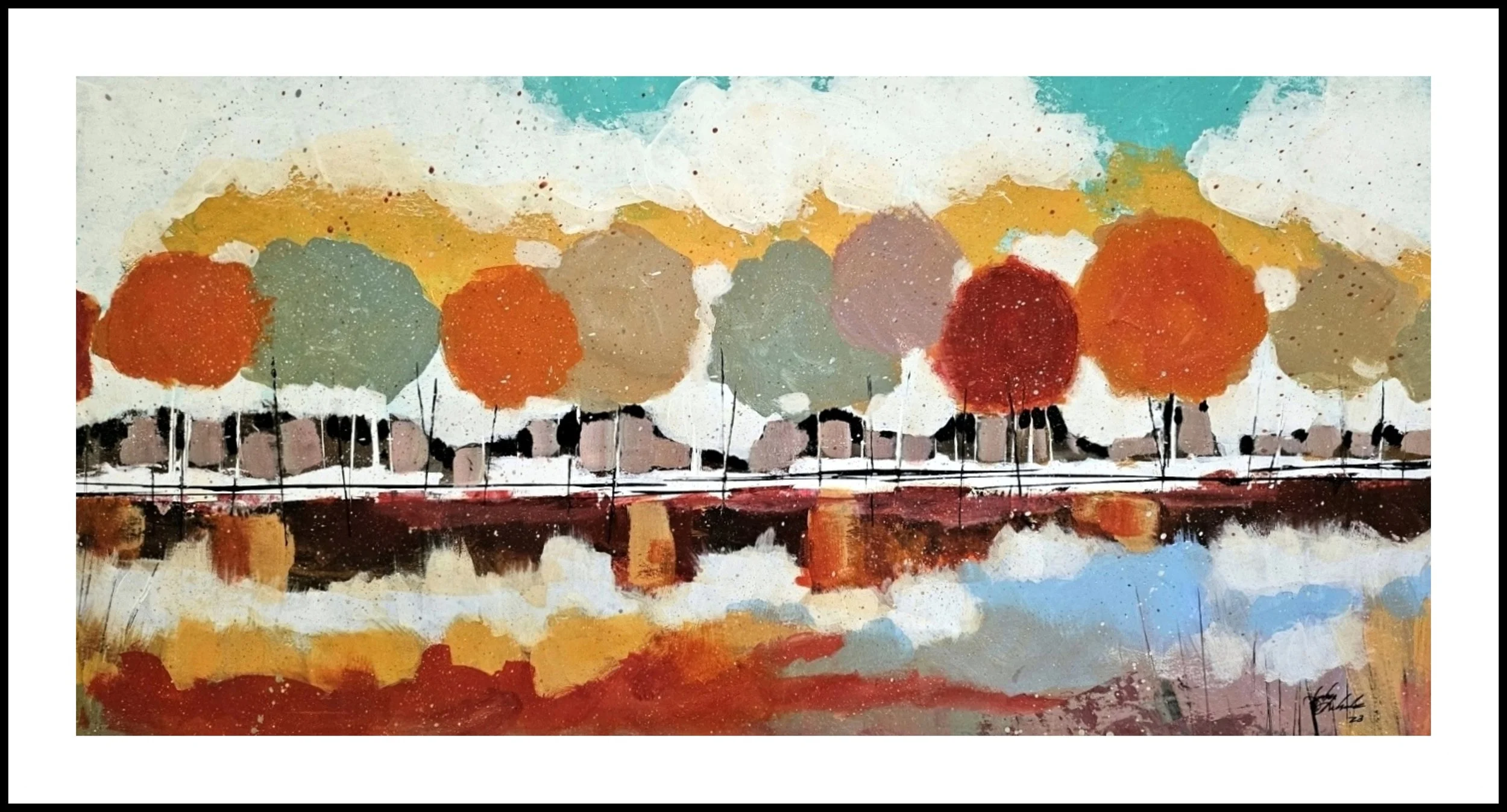
The Fishin Hole,2023, Acrylic on Archival Paper,39 x 30cm
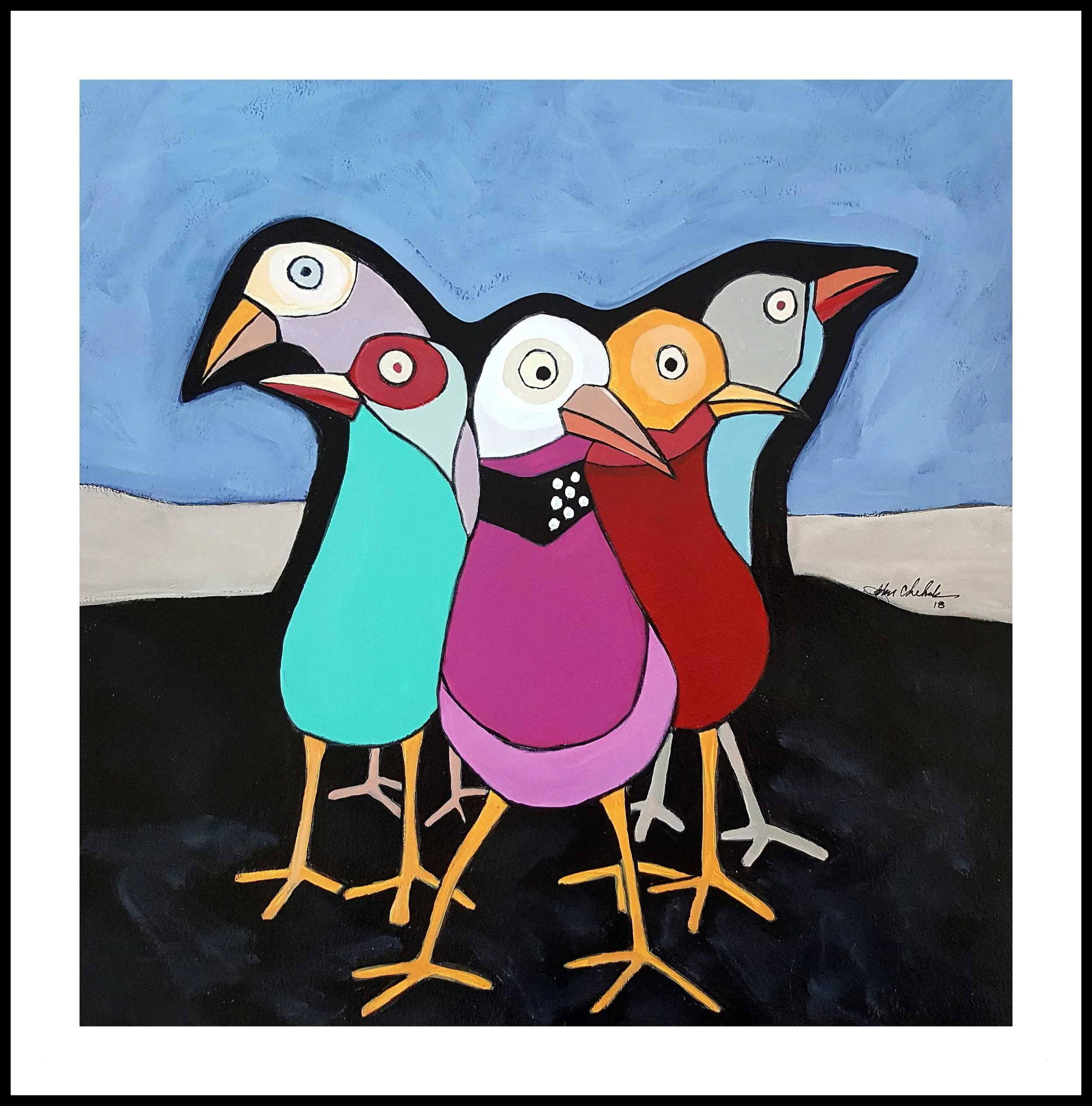
The Choir, 2017, Acrylic on Archival Paper, 58 x 58cm
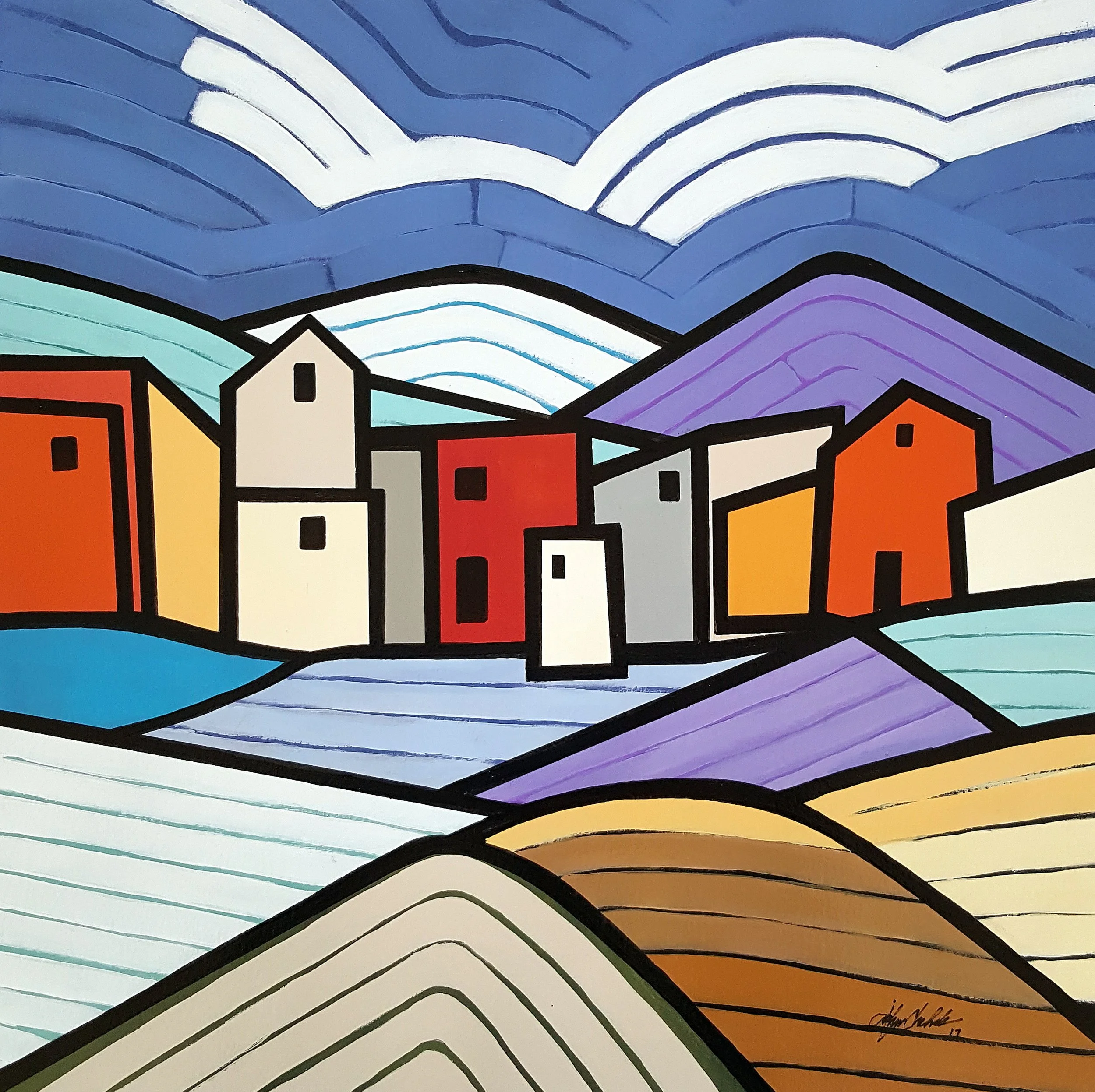
Purple Field, 2017, Acrylic on Archival Paper, 58 x 58cm
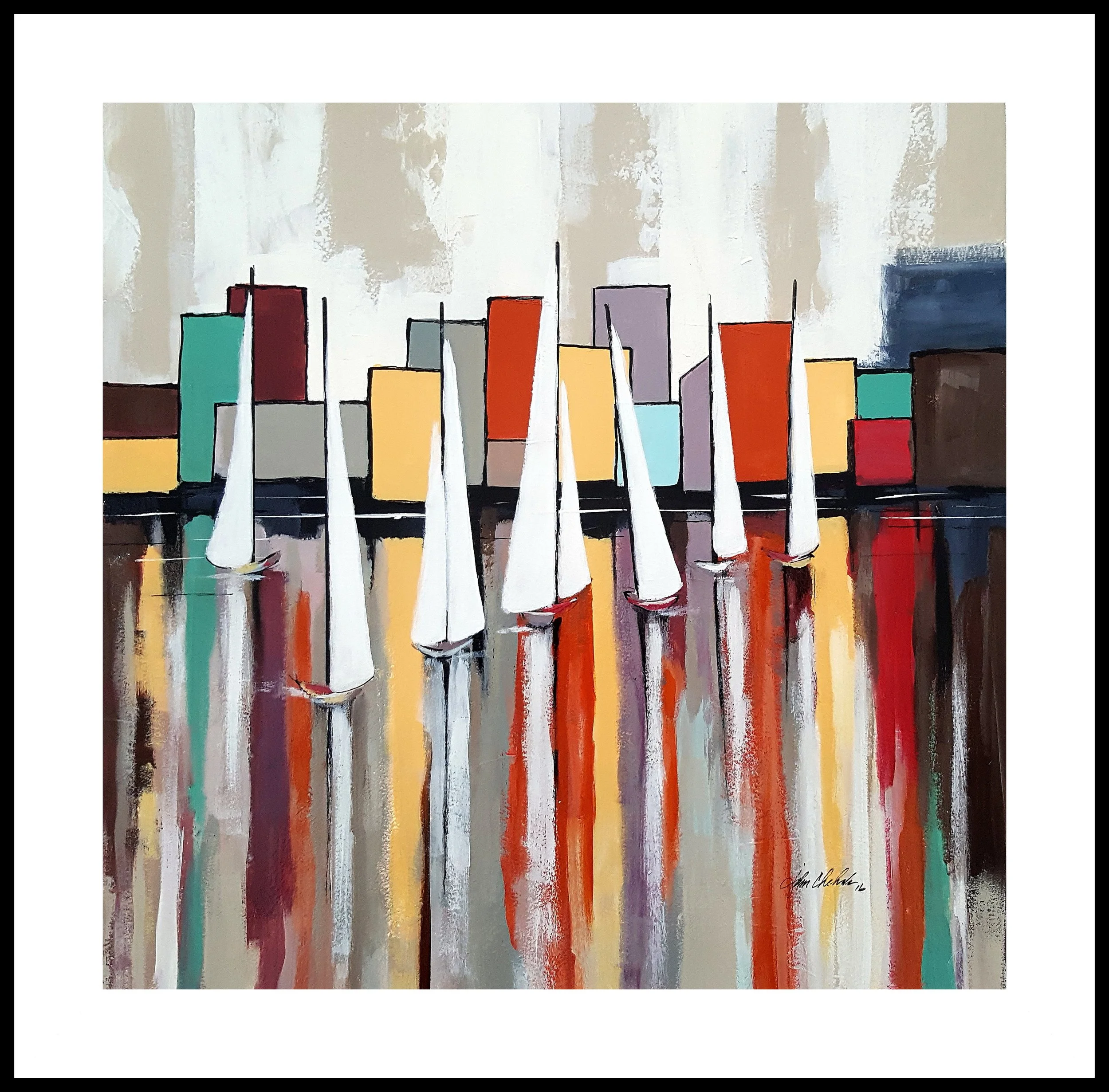
Urban Sail Series, 2016, Acrylic on Archival Paper, 58 x 58cm
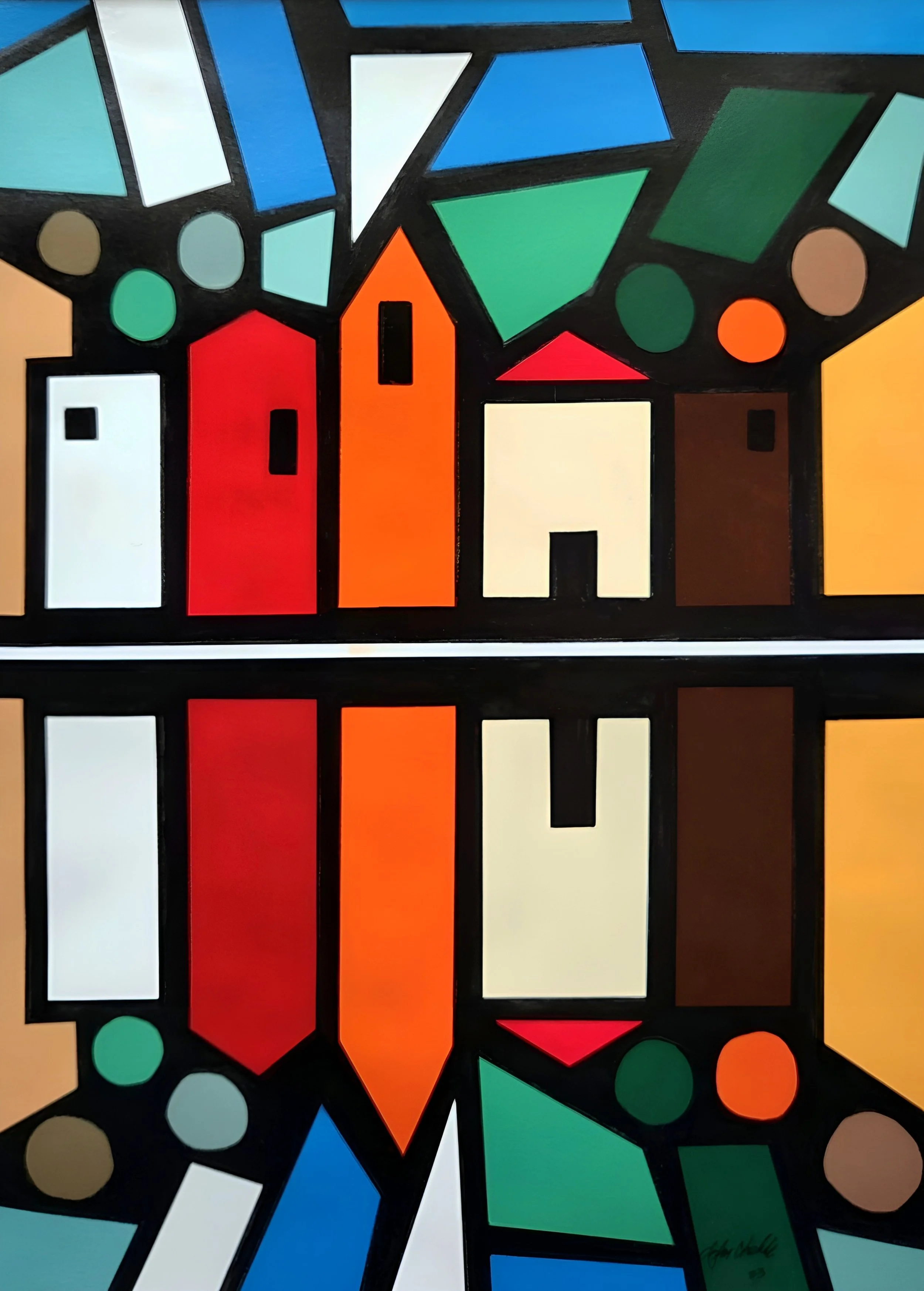
Town Reflection, 2024, Acrylic on Archival Paper, 50 x 75cm
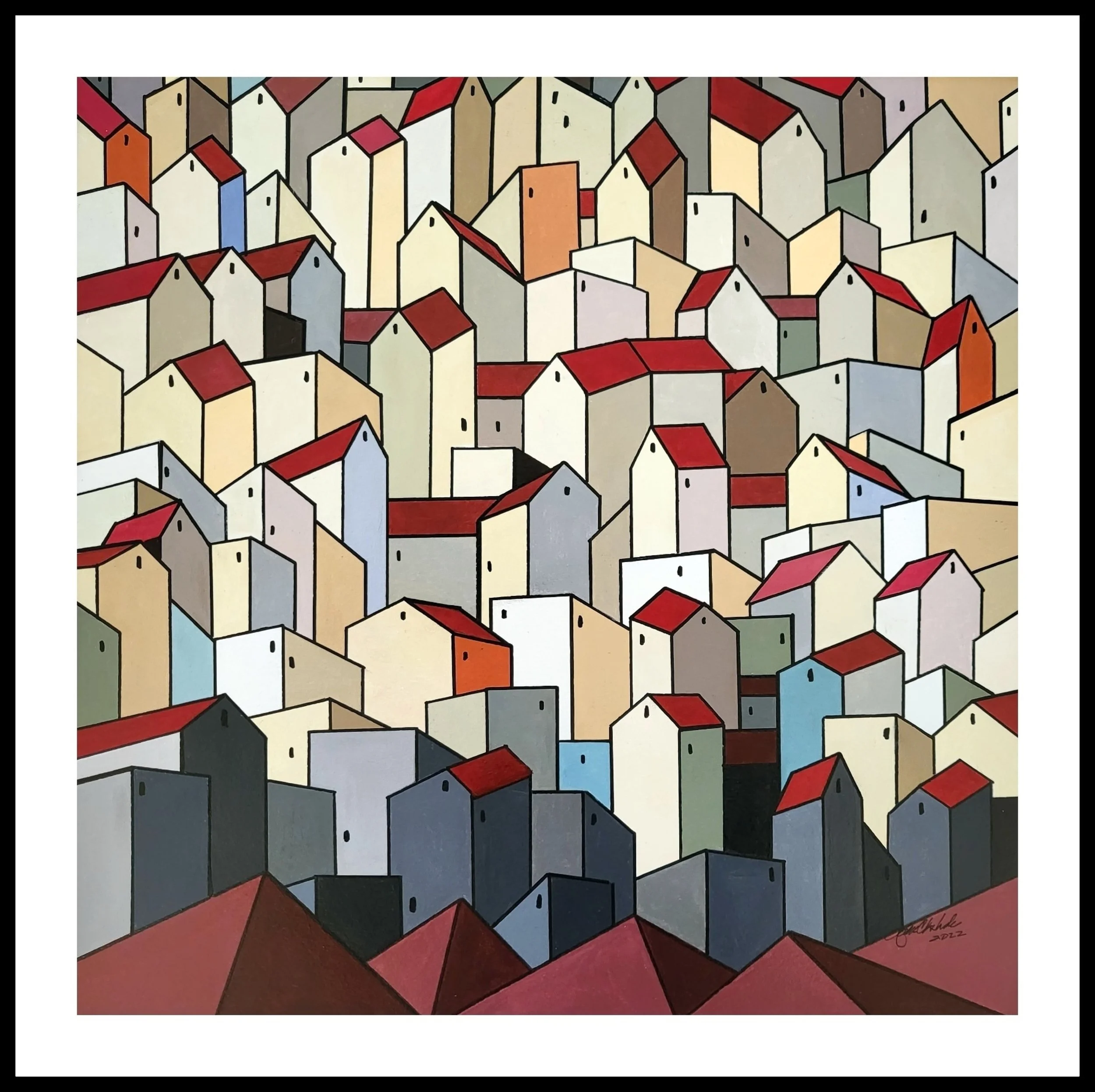
Urban Crowding Series, 2022,Acrylic on Archival Paper,58 x58xcm
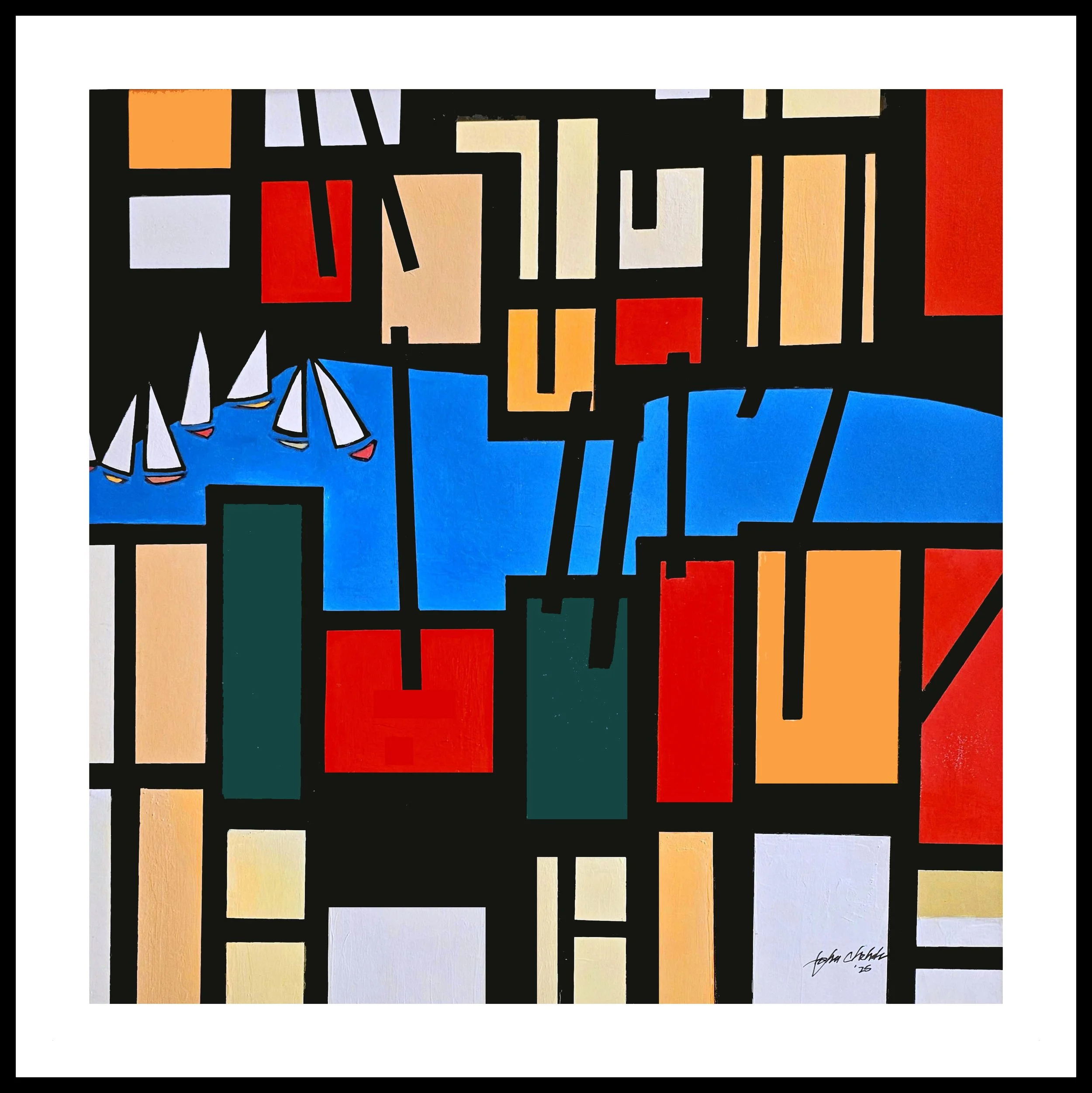
The Race, 2026, Acrylic on Archival Paper, 58 x58cm
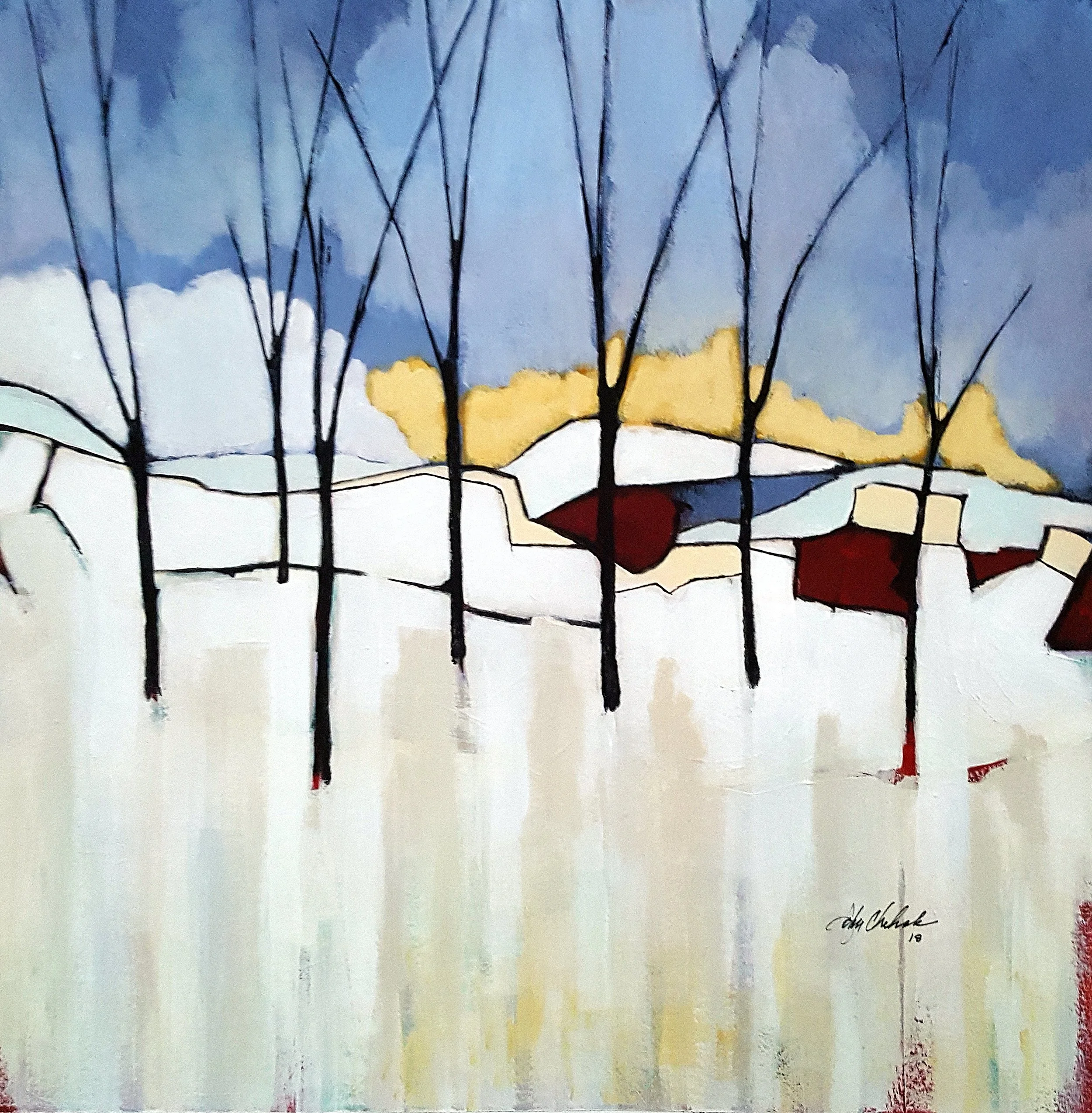
The Winter Copse, 2018, Acrylic on Archival Paper, 58 x 63cm
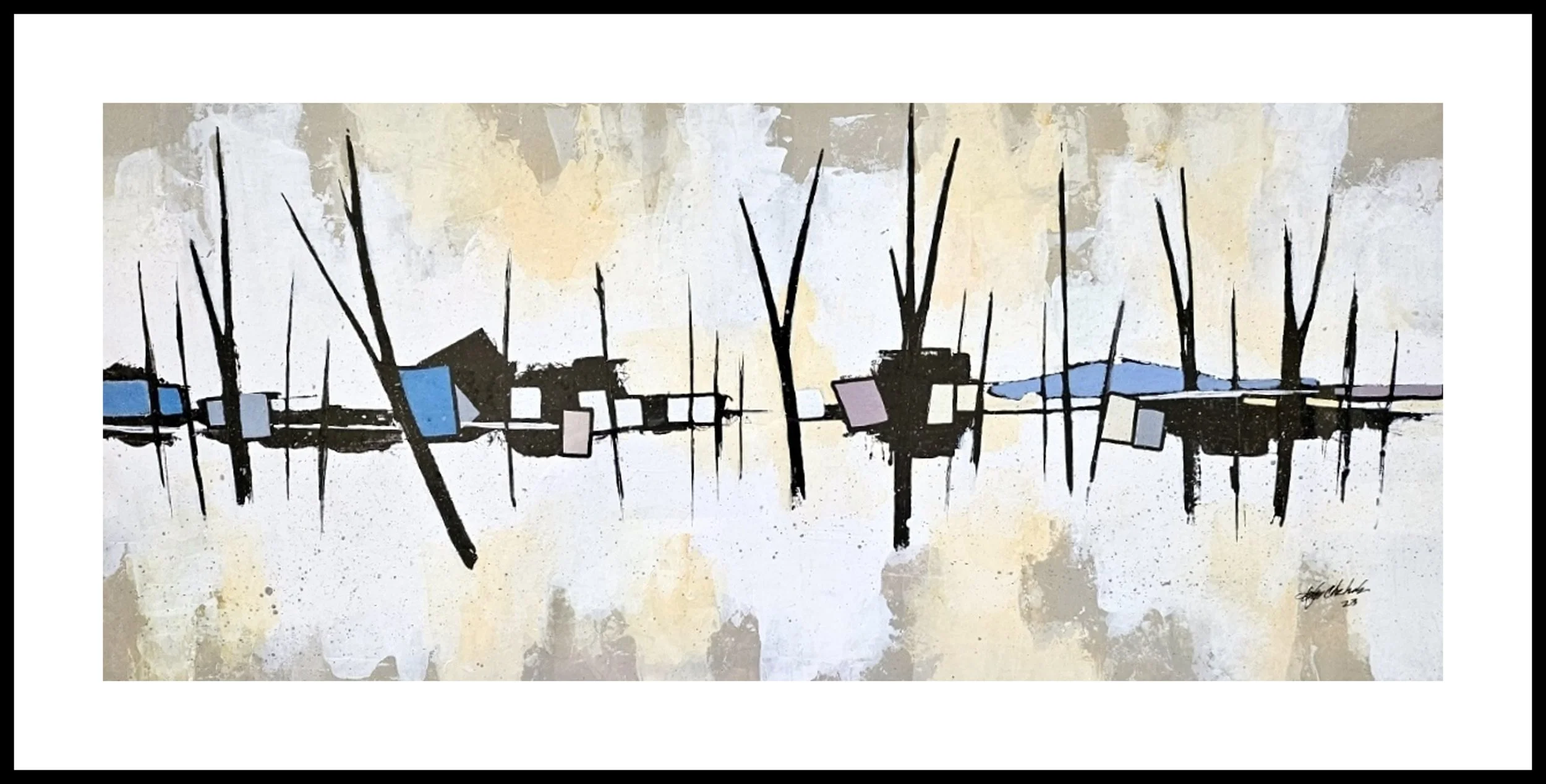
Rivers Edge, 2022, Acrylic on Archival Paper 45 x 75cm
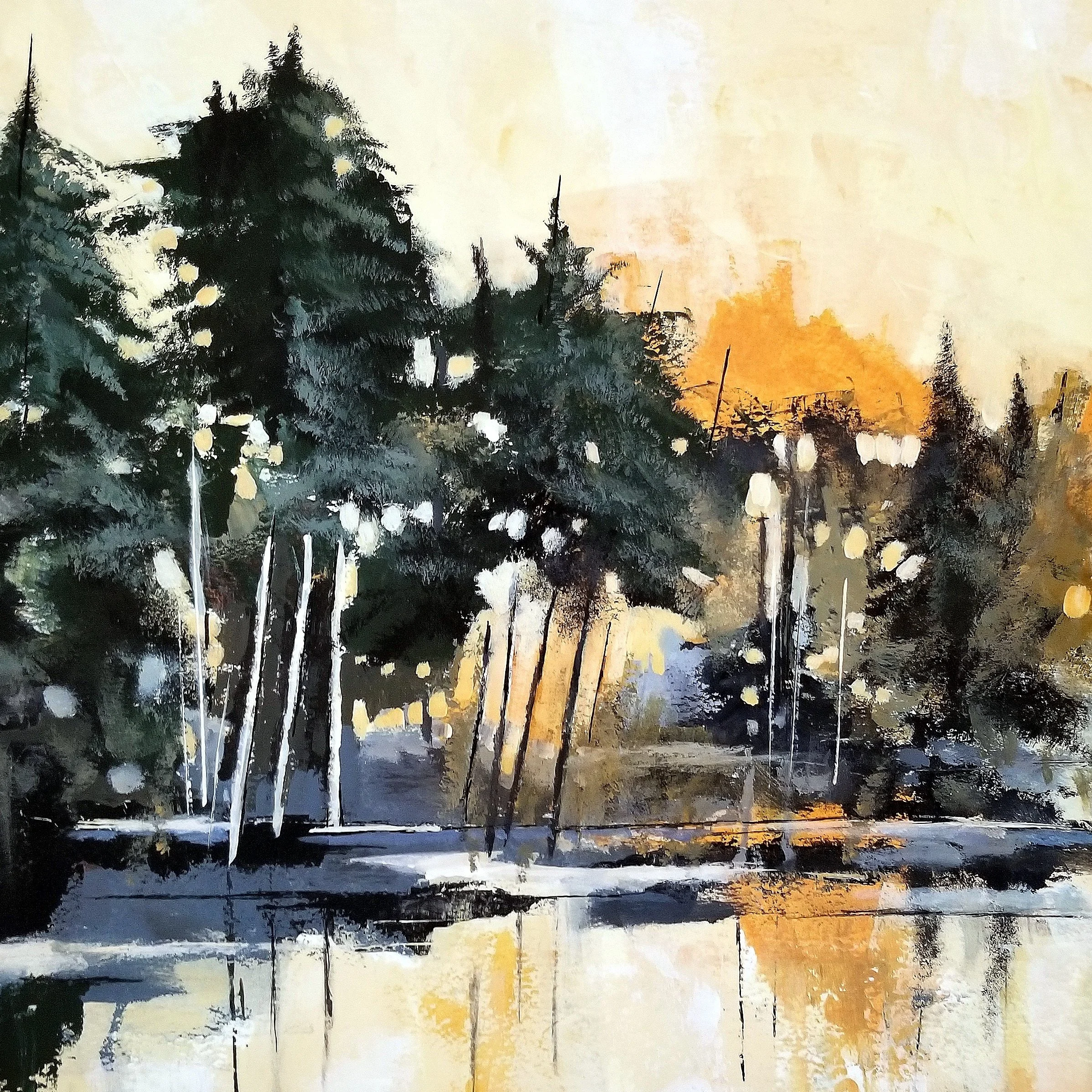
Northwoods Series, 2018, Acrylic on Archival Paper, 58 x 58cm