Constructing Clarity: The Structured Abstraction of John van Brakel

Constructing Clarity: The Structured Abstraction of John van Brakel
In a contemporary market that often rewards immediacy and recognizable visual signatures, John van Brakel’s practice stands apart for its restraint and intellectual rigor. Working from his studio in The Hague, the Dutch painter has developed a quietly distinctive approach to abstraction, one that resists spectacle in favor of structure, process, and sustained attention.
While his proximity to the North Sea might suggest a dialogue with landscape, van Brakel’s work remains largely detached from geographical reference. Instead, his paintings are grounded in an investigation of how forms are constructed, how they relate, and how they evolve over time. Structure, rather than setting, is the defining principle.
Each composition begins with a line. From this initial gesture, a system emerges, sometimes expanding outward in measured repetition, sometimes compressing into tighter configurations. The process is neither predetermined nor entirely intuitive; it unfolds through a sequence of decisions, each one contingent on what precedes it. This iterative methodology lends the work a sense of internal logic, as though each painting establishes its own set of rules and then tests their limits.
Van Brakel’s path to abstraction reflects a measured evolution rather than a decisive break. Early explorations in realism gradually gave way to an engagement with cubism, where the language of geometry first took hold. That vocabulary has remained central, not as a fixed style but as a flexible framework through which variation becomes possible without redundancy. Each painting proposes a new set of terms, avoiding repetition while maintaining coherence across the body of work.
Materially, the paintings are pared back. Executed primarily in acrylic on panel, they feature smooth surfaces and sharply defined edges. Yet despite this precision, the works resist any sense of mechanical production. Subtle shifts in spacing, proportion, and alignment reveal the presence of the artist’s hand, moments of hesitation, adjustment, and resolution that remain visible within the final composition.
There is no reliance on a signature motif or palette. Some works are densely structured, built from interlocking grids that create a compressed visual field. Others are more open, allowing intervals of space to play a more active role. What unites them is a disciplined economy: nothing is introduced without purpose, and nothing lingers without justification.
Crucially, van Brakel does not work toward a predetermined image. His paintings function less as representations and more as self-contained systems, evolving through an internal dialogue. A single line may prompt expansion; a shift in spacing may demand recalibration. Tensions arise and are either resolved or deliberately sustained. This openness extends to the temporal dimension of his practice. Some works reach completion quickly, while others remain in the studio, unresolved, until the next move becomes apparent.
The absence of titles or textual guidance reinforces this autonomy. Viewers are not directed toward a particular interpretation; instead, they are invited to engage with the work on its own terms. The compositions are complete, yet not closed. They retain a degree of permeability that encourages prolonged looking and reflection.
Within the broader context of the contemporary art market, van Brakel’s work aligns with a renewed interest in process-driven abstraction, where the emphasis lies not on declarative imagery but on the conditions of making. His paintings offer a counterpoint to more overtly narrative or conceptually framed practices, foregrounding instead the act of construction itself.
For van Brakel, abstraction is not an escape from the world but a means of engaging with it differently. Through repetition, variation, and the careful calibration of relationships, his work proposes a slower mode of seeing, one attentive to incremental change and structural nuance. There is no overarching message, no imposed meaning. What remains is a steady rhythm: a disciplined exploration of what can emerge from a few lines, a set of constraints, and a sustained commitment to looking closely.
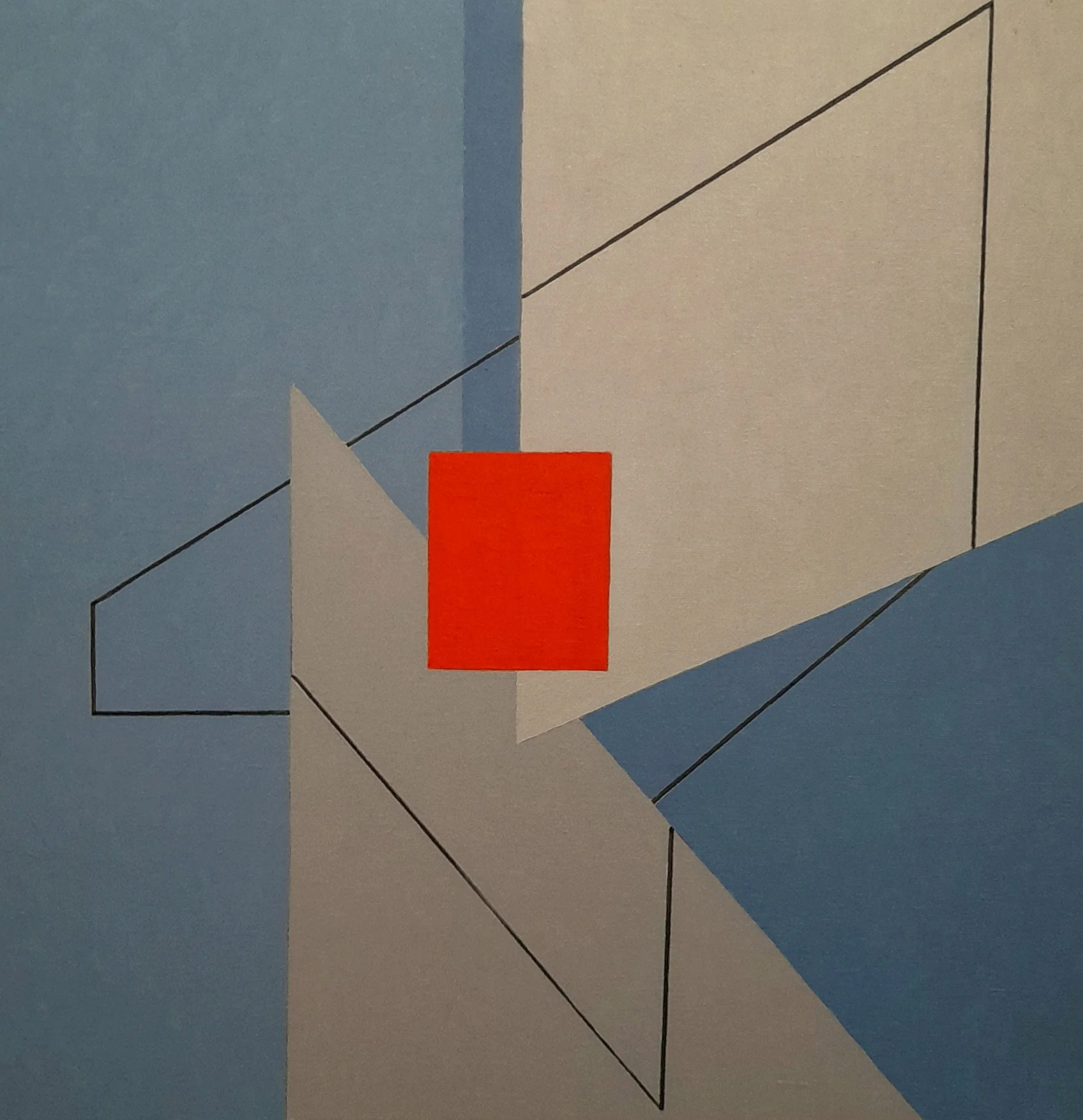
Gc-A1, Oil/Canvas, 60 x 60 cm, 2024
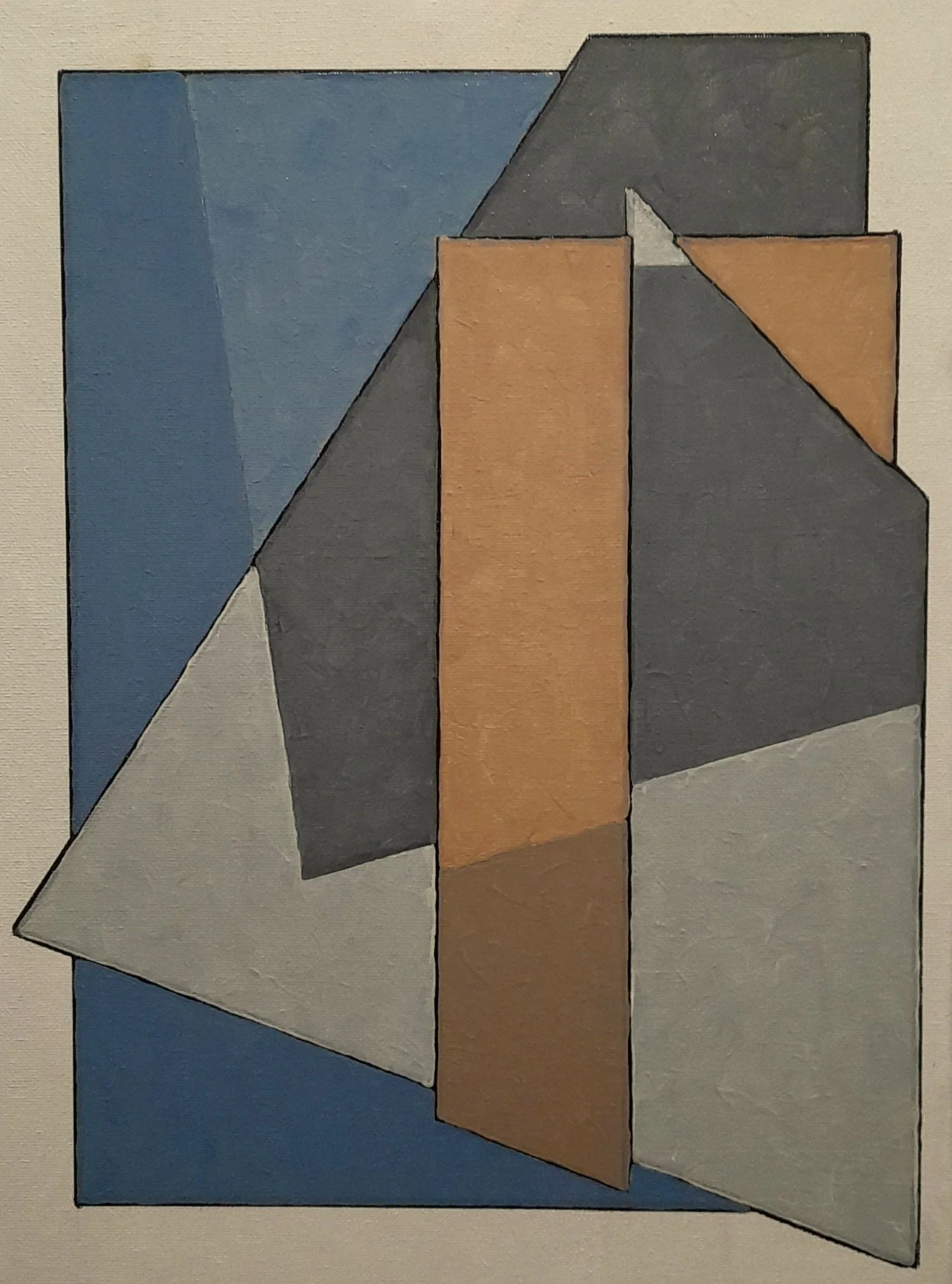
Gc-A2, Oil/Canvas, 40 x 30 cm, 2025
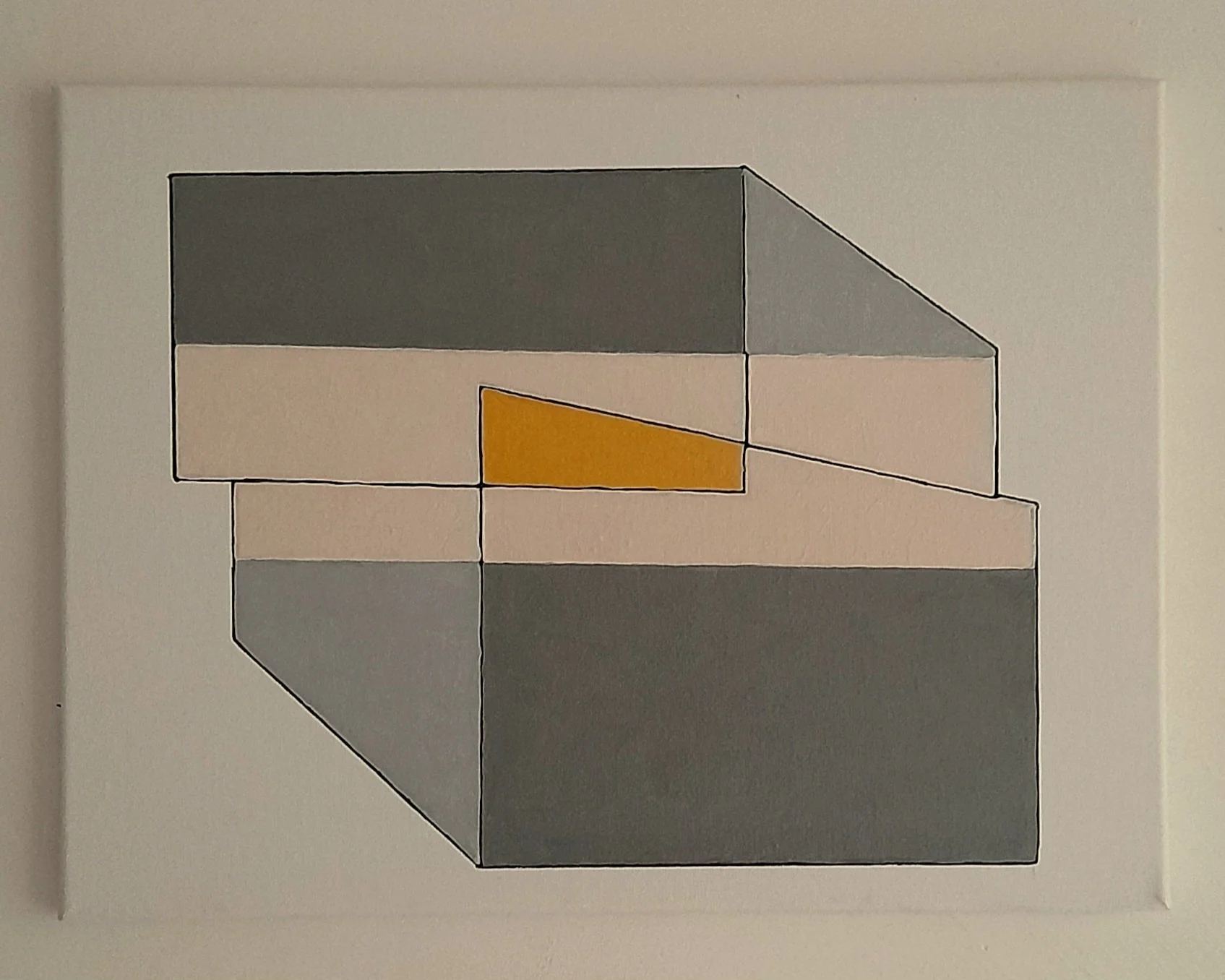
Gc-A3, Oil/Canvas, 40 x 30 cm, 2025
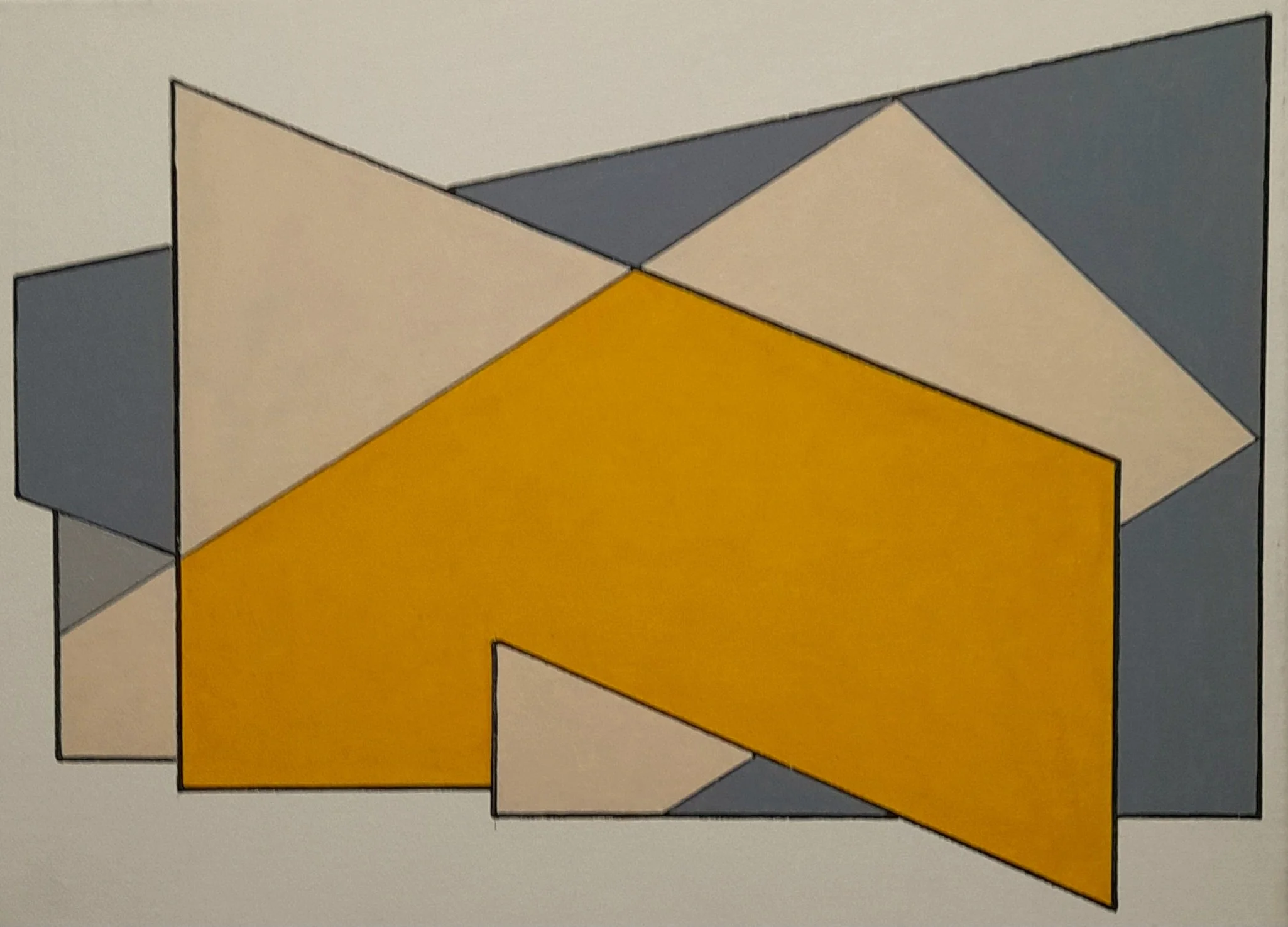
Gc-A4, Oil/Canvas, 40 x 30 cm, 2025
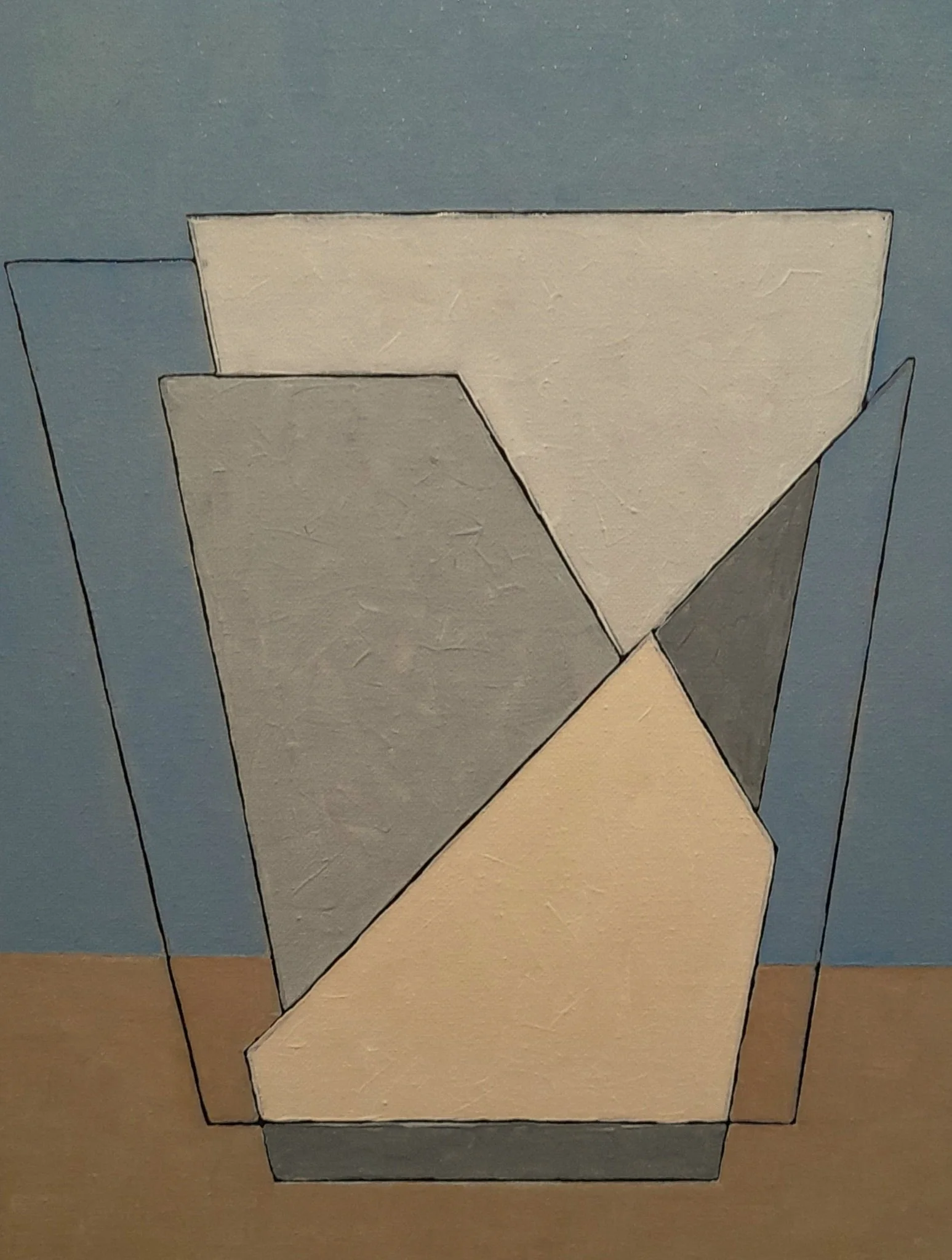
Gc-A5, Oil/Canvas, 40 x 30 cm, 2025
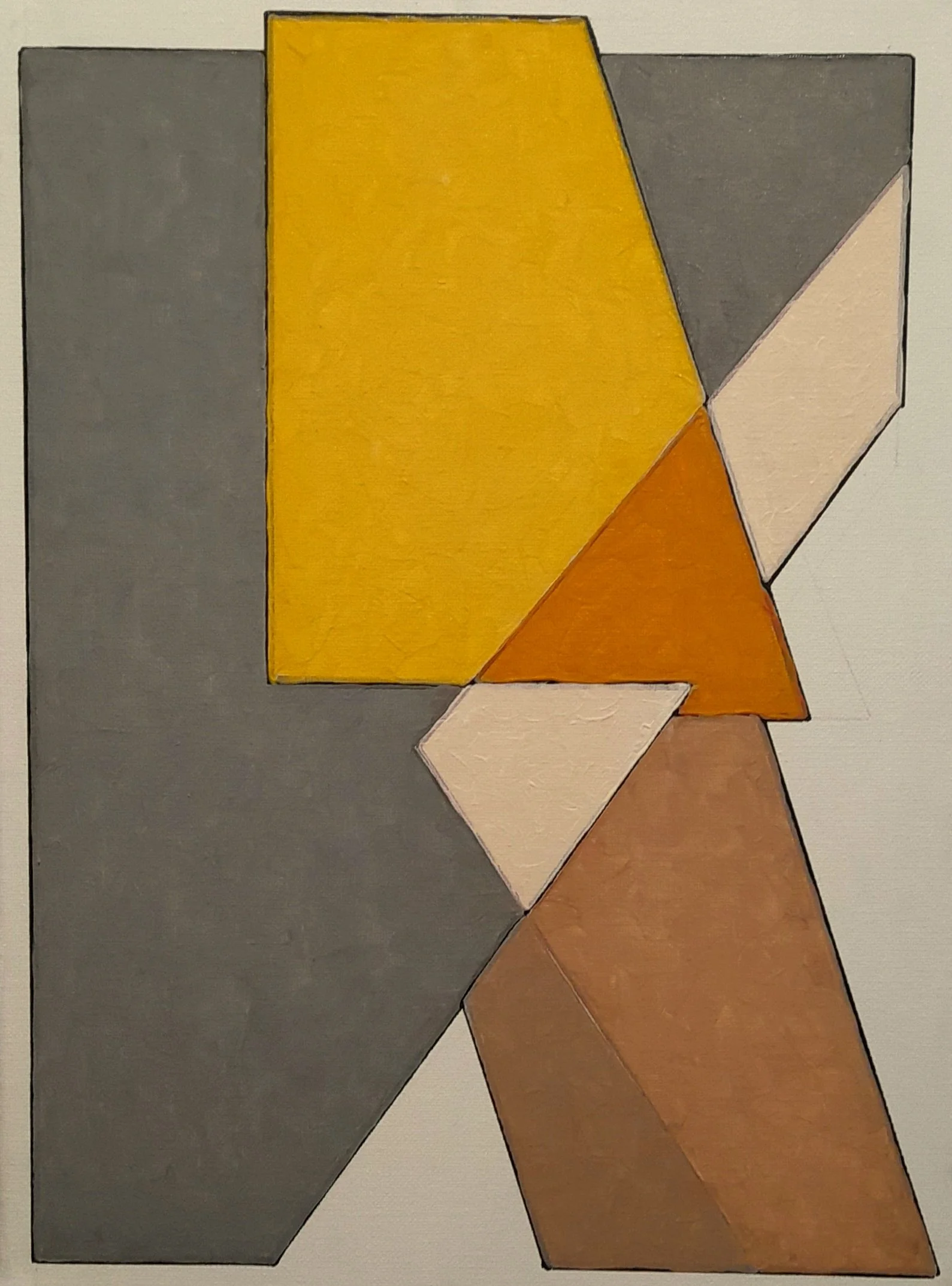
Gc-A6, Oil/Canvas, 40 x 30 cm, 2025
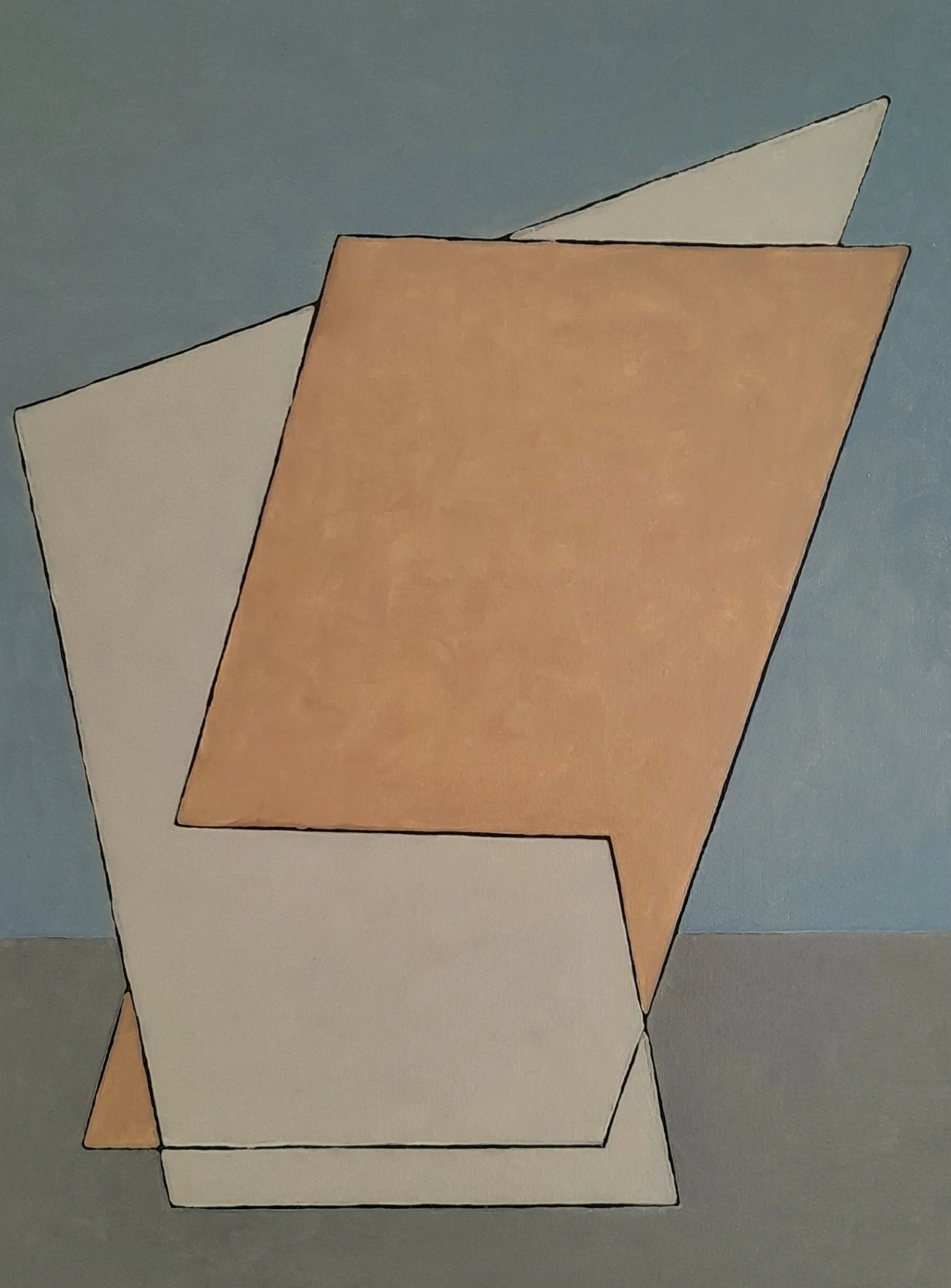
Gc-A7, Oil/Canvas, 40 x 30 cm, 2025
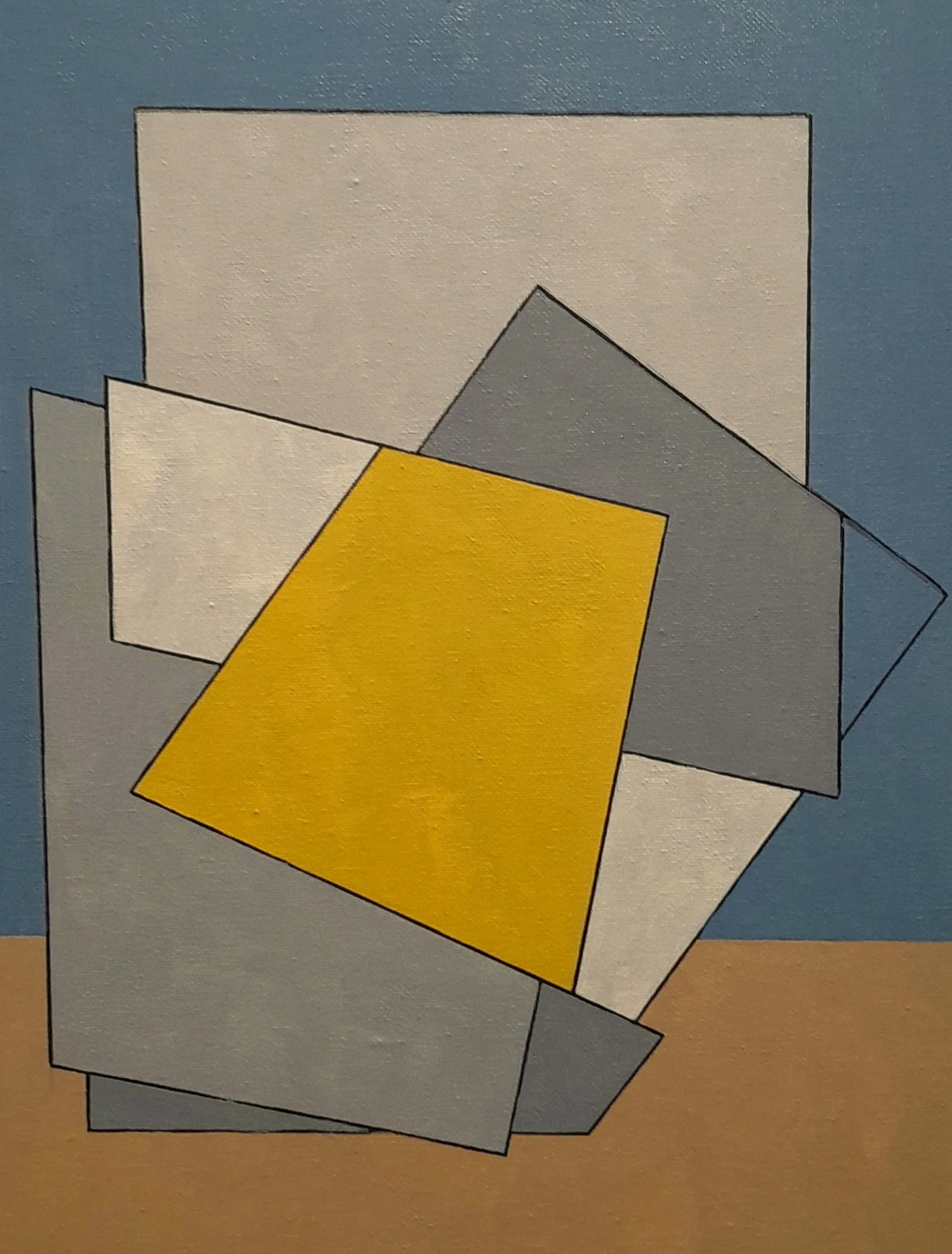
Gc-A8, Oil/Canvas, 40 x 30 cm, 2025
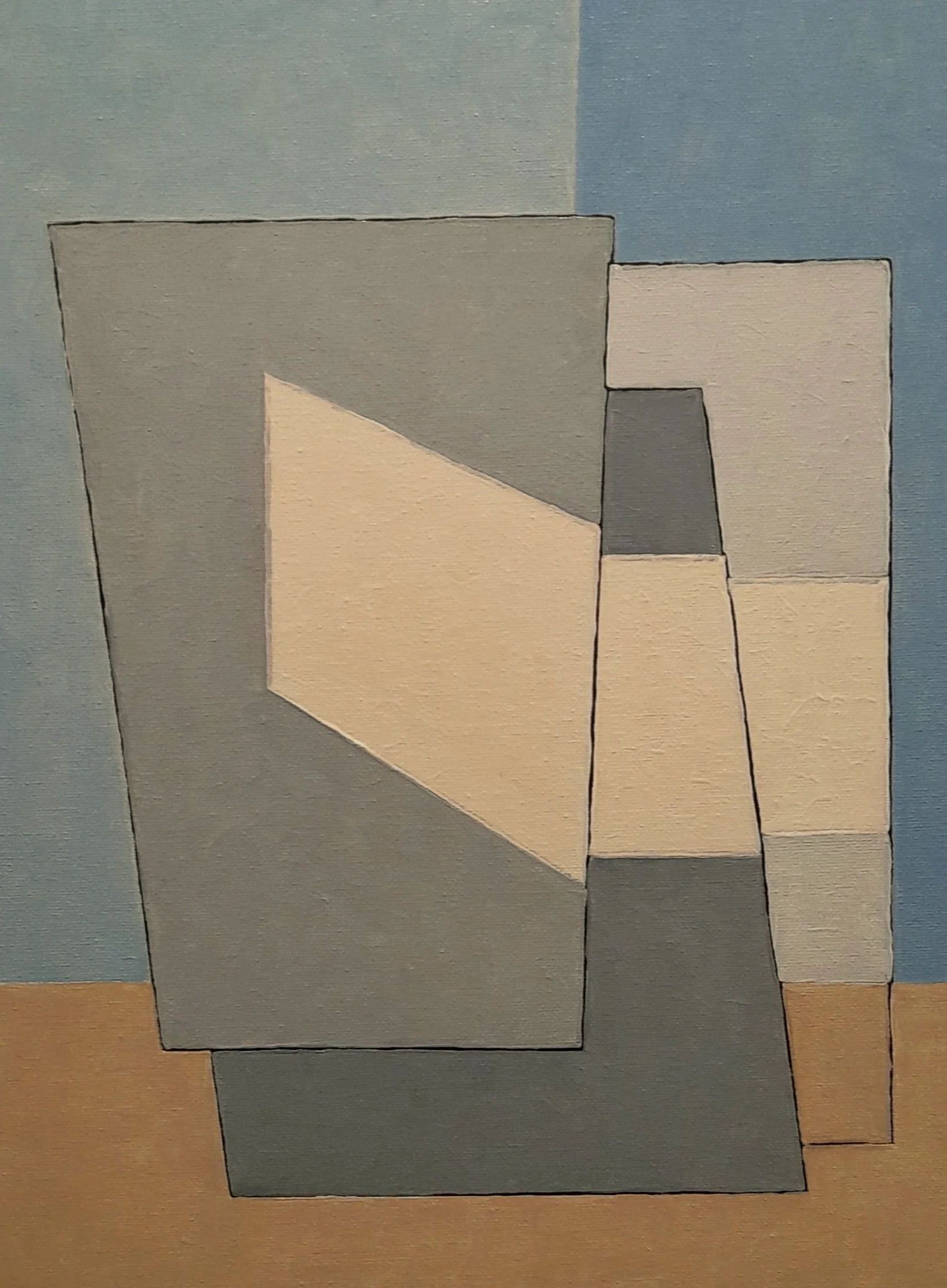
Gc-A9, Oil/Canvas, 40 x 30 cm, 2025
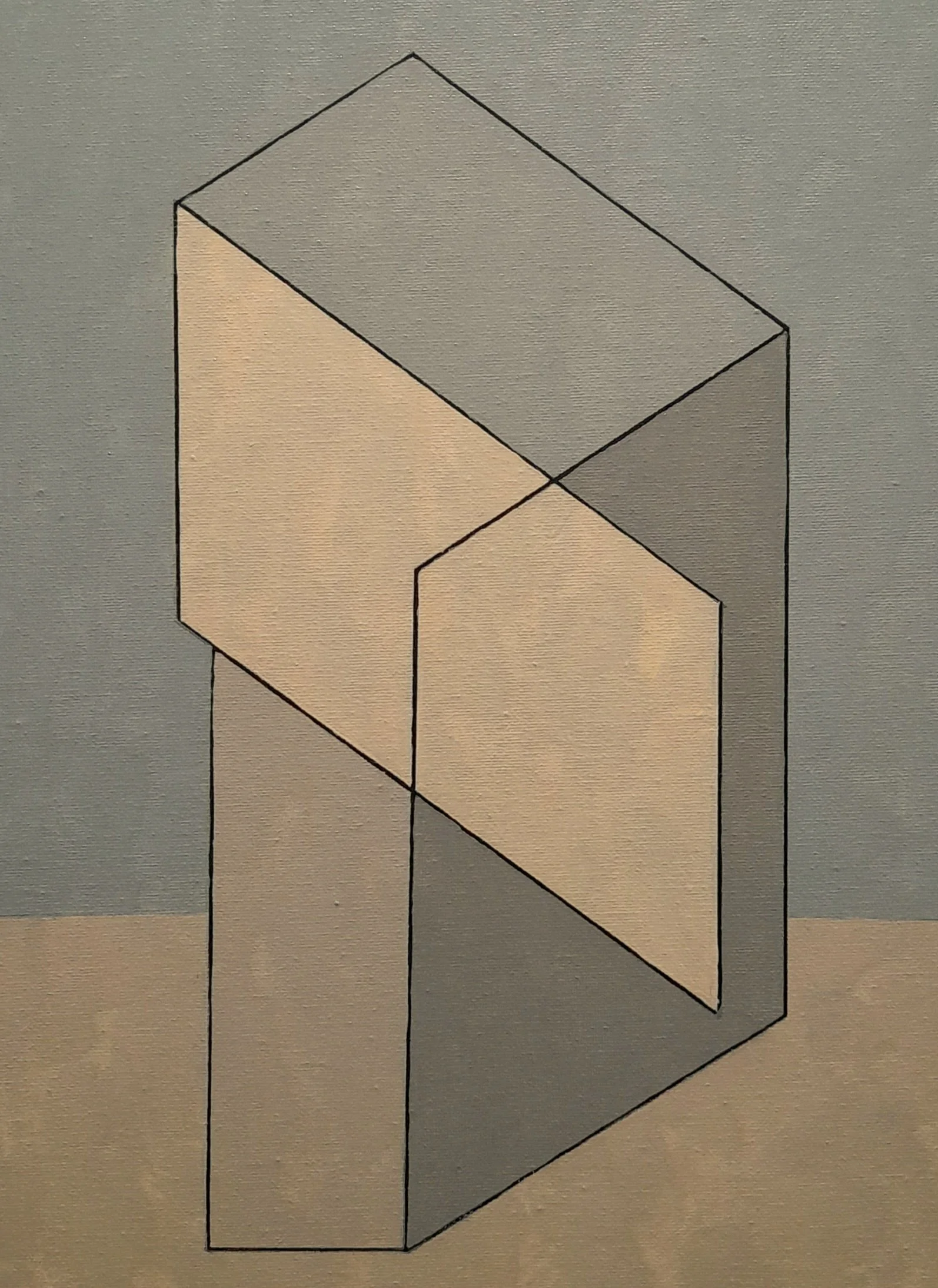
Gc-A10, Oil/Canvas, 40 x 30 cm, 2025