Katerina Tsitsela and the Architecture of Psychological Space in Contemporary Painting

Katerina Tsitsela and the Architecture of Psychological Space in Contemporary Painting
Katerina Tsitsela’s practice occupies a distinctive position within contemporary painting, where the boundaries between image, structure, and lived experience are deliberately destabilized. Emerging from a rigorous academic formation and an increasingly visible international presence, the Greek artist has developed a body of work that resists passive viewing, instead inviting a more complex form of spatial and psychological engagement.
Educated in Italy and a graduate with distinction from the School of Fine Arts in Thessaloniki, Tsitsela later completed a Master’s degree in Painting and Printmaking. This foundation informs a practice that balances technical precision with a controlled emotional intensity. Her work demonstrates a sustained commitment to material discipline while simultaneously probing the limits of representation and perception.
At the center of Tsitsela’s visual language lies the recurring motif of the box. This form functions not as a static container but as a mutable psychological structure. It embodies both protection and restriction, serving as a site where memory, identity, and latent tension converge. Through this motif, Tsitsela has established a recognizable and evolving signature, most fully articulated in her ongoing project, The Box: Labyrinth of Memory. This installation extends her concerns into three-dimensional space, transforming the act of viewing into one of navigation. The viewer encounters not a singular image but a shifting system of fragments, with no fixed vantage point and no definitive resolution.
Her paintings are marked by an atmosphere of charged stillness. Interior spaces appear suspended, carrying traces of presence without narrative closure. Rather than illustrating scenes, Tsitsela constructs conditions. Layers of paint are built, disrupted, and partially erased, leaving behind residues that resist stabilization. The surface becomes a site of negotiation, reflecting the instability of memory and the impossibility of fully resolving past experience.
Tsitsela articulates her approach with clarity: “I work with painting as a psychological structure rather than an image. The box is my primary form, an unstable system of containment where memory, identity, and pressure coexist.” This emphasis on tension extends throughout her practice, where oppositions such as control and collapse, silence and exposure, presence and absence remain in constant interplay. What emerges is not narrative clarity but a sustained state of suspension.
This conceptual rigor is matched by growing institutional and market recognition. Tsitsela’s work has been exhibited across Europe, the United States, and Moscow, and she is the recipient of the Leonardo da Vinci Prize in Milan. Her practice has been featured in international publications including Artworld 2024 and Art World Post, and she is included in the forthcoming volume Protagonists of Contemporary Art curated by Salvatore Russo. Critical attention from platforms such as The ArtInsight, ArtMuse, ArtToday, and AATONAU in Japan further underscores her expanding international profile.
Importantly, Tsitsela’s oeuvre is conceived as an interconnected system rather than a series of discrete works. Each painting functions as a fragment within a larger, accumulative structure. This approach has implications for collectors, as the acquisition of a single piece represents entry into an evolving conceptual framework rather than ownership of an isolated object. Works are released in limited circulation, reinforcing both their material and intellectual cohesion.
“I am not interested in producing images to be consumed,” Tsitsela notes. “Each work is a fragment. The system is the work.” This statement encapsulates the logic of her practice and its relevance within the contemporary art market. At a time when experiential and conceptually unified bodies of work are increasingly valued, Tsitsela offers a model that integrates formal discipline with psychological depth and spatial innovation.
Her work does not decorate space. It defines it.
Official Website: www.katerina-tsitsela.com
(Curated portfolio of paintings, installations, and ongoing projects)
Instagram: @katerina_tsitsela
The Box: Labyrinth of Memory Project
(Signature immersive installation, central to Tsitsela’s practice)
Gallery Representation / Collaborations: Freelance Visual Artist
(Independent practice with international exhibitions and collector-focused projects)
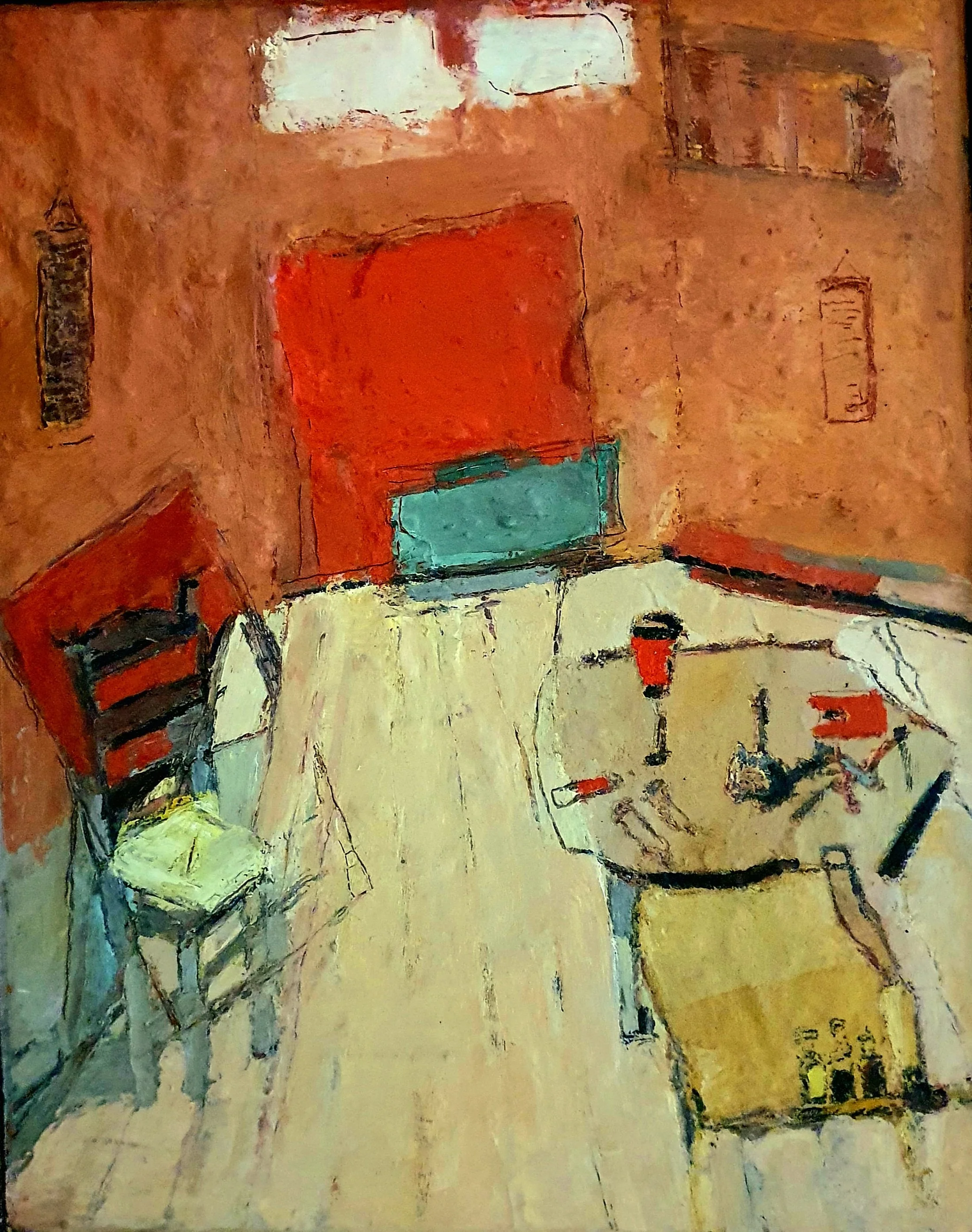
The Table Remains,2025
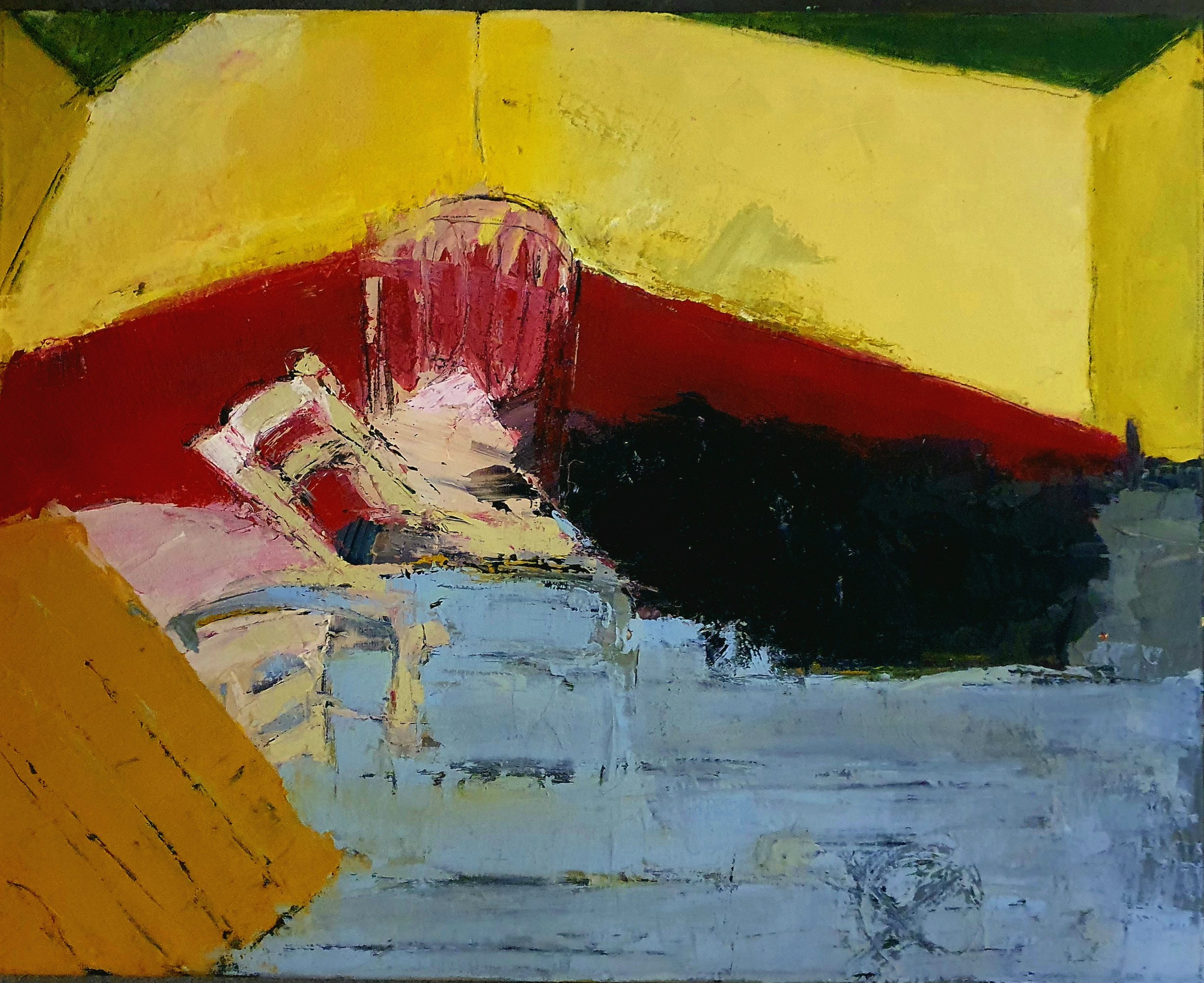
“A Body Left in the Light”,2025
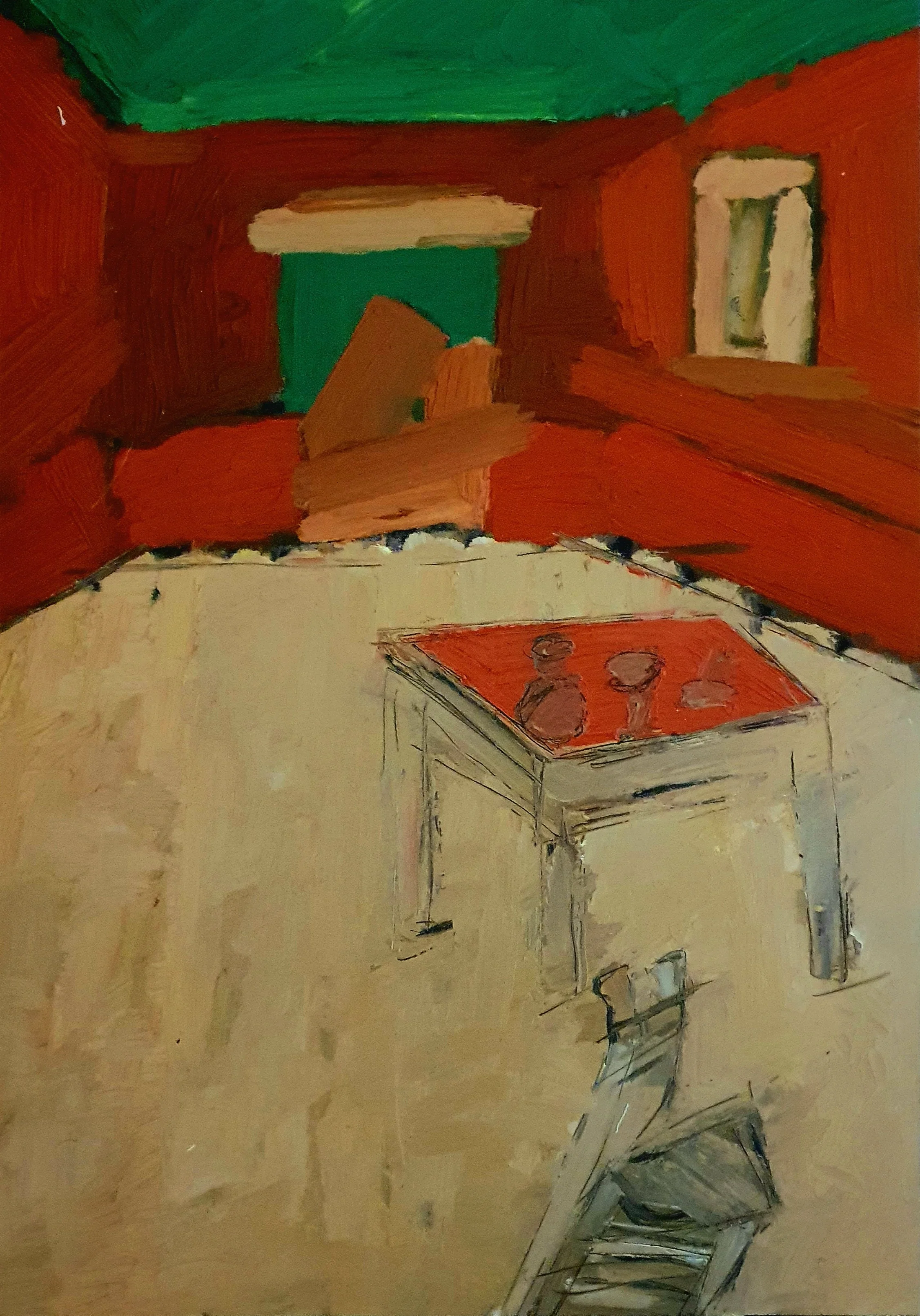
“A Table Set for Absence”,2025
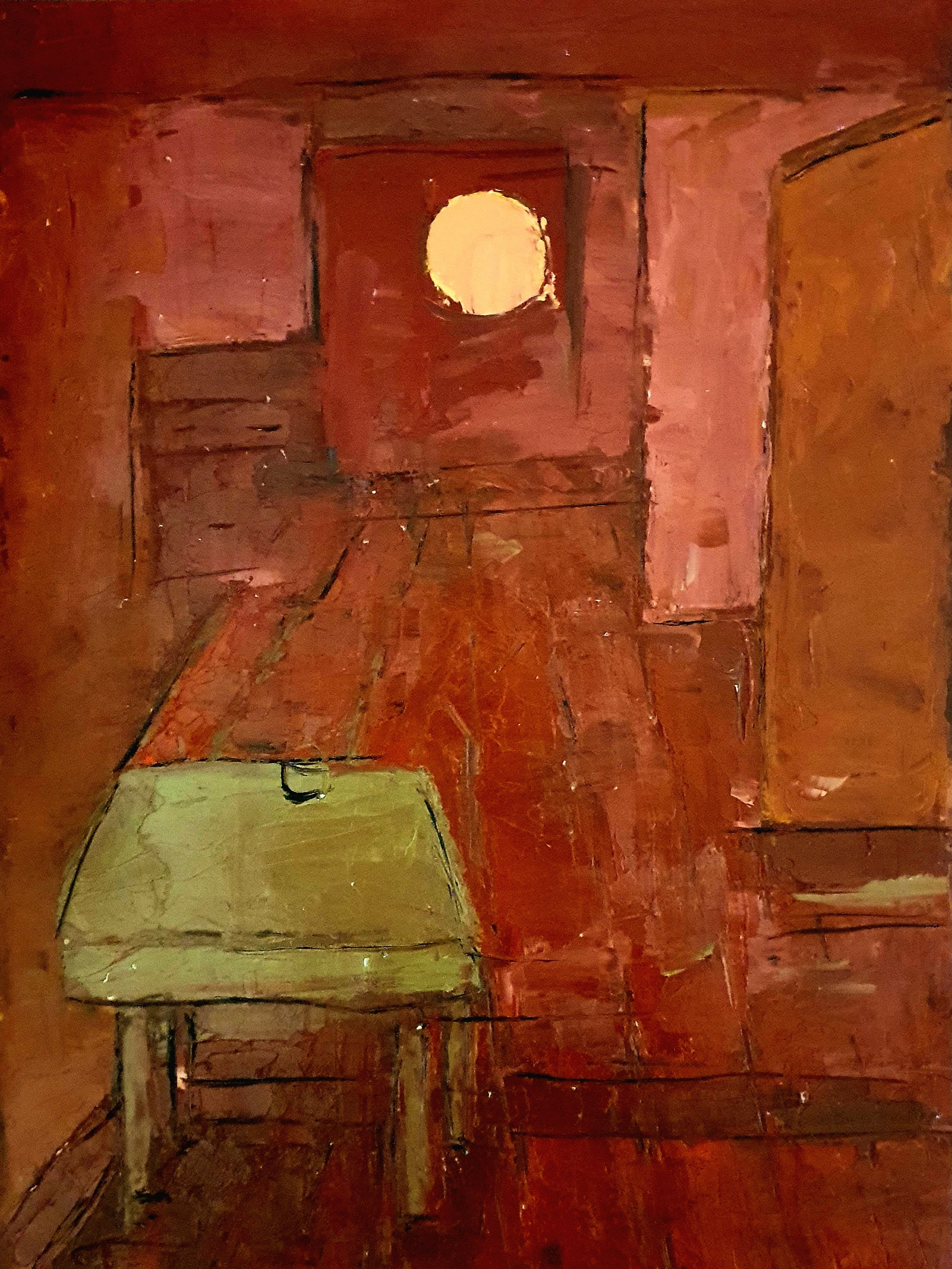
The Red Room,2025
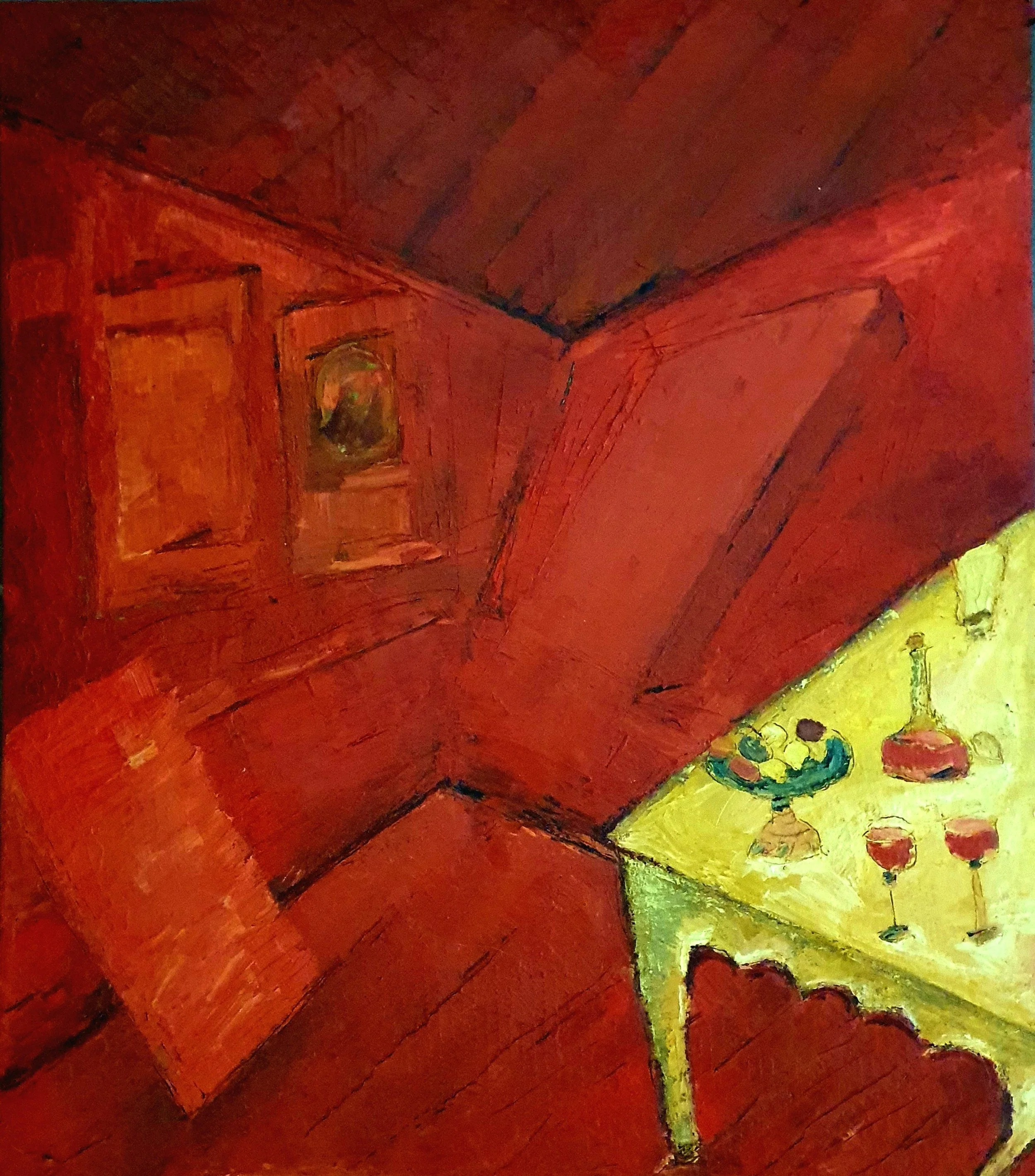
Ritual in Red,2025
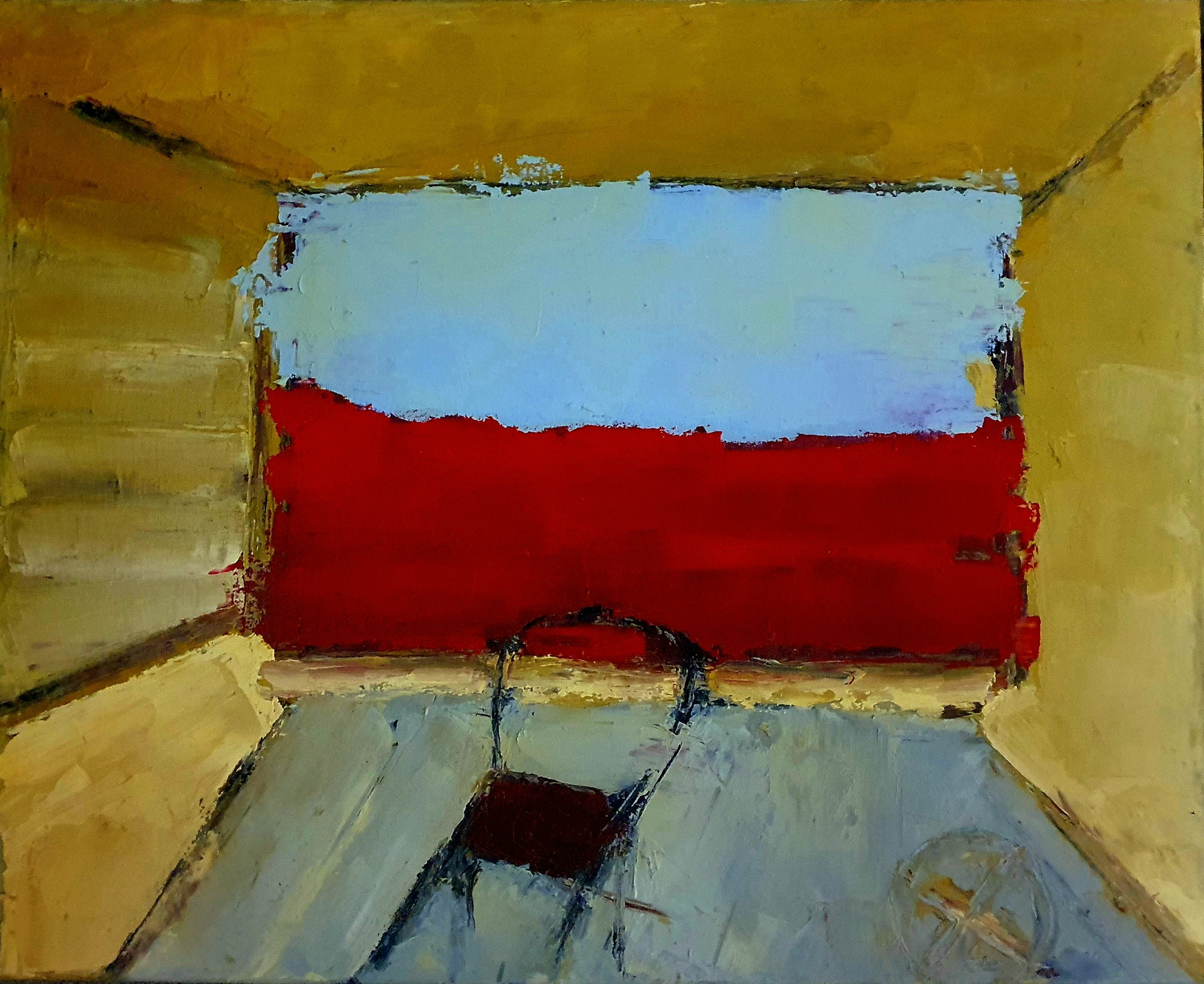
“The Space After”,2025
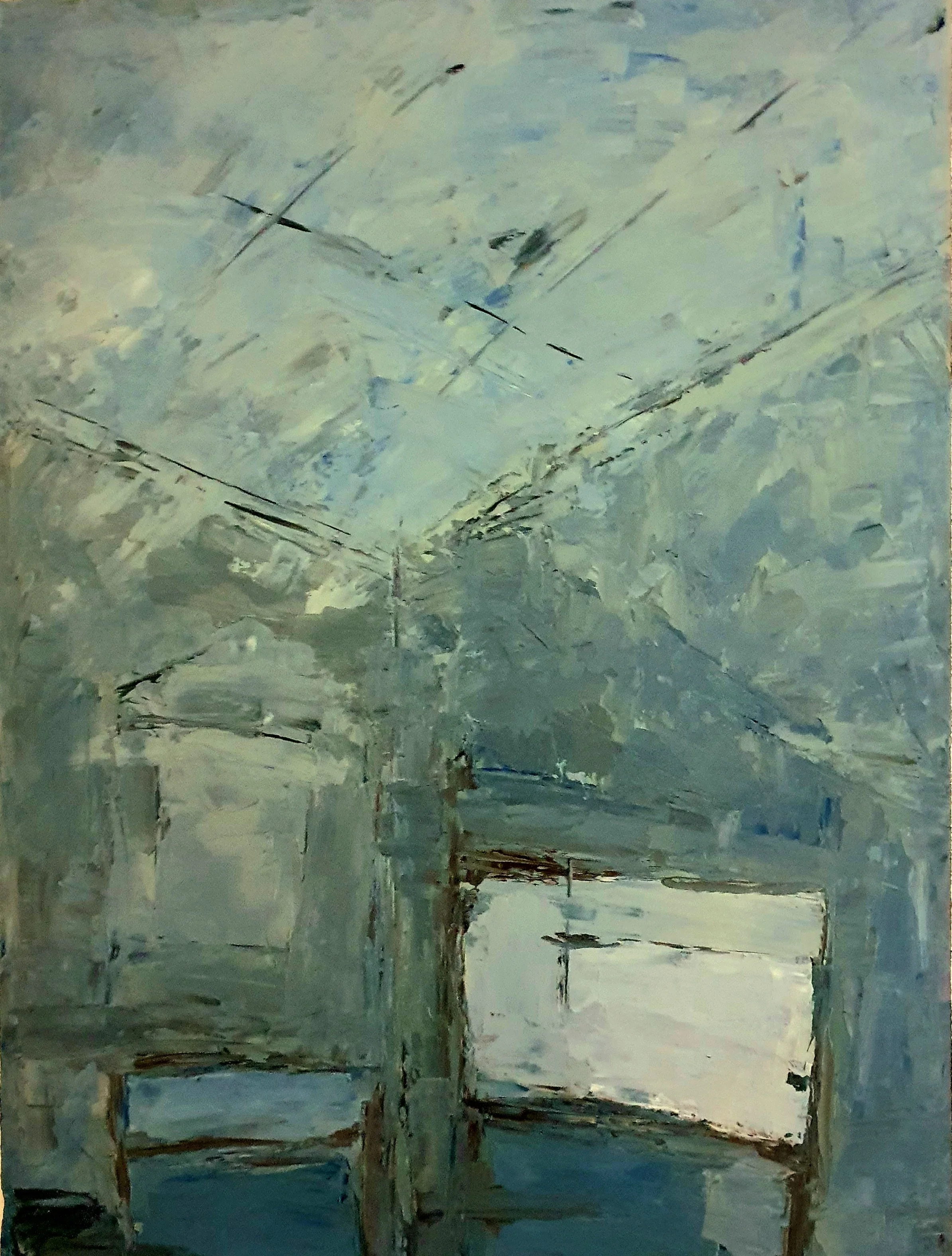
The Room That Dissolves,2025
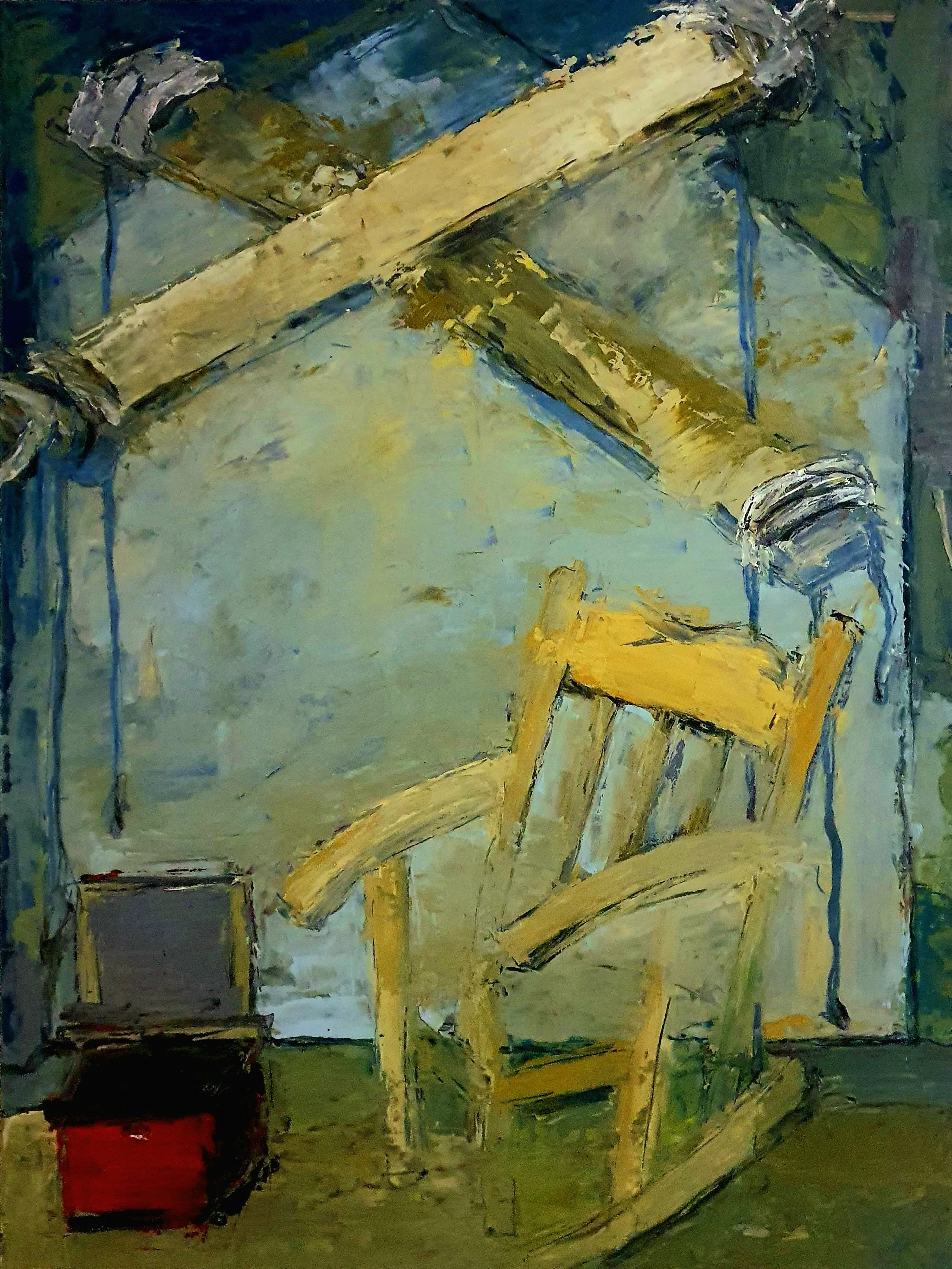
Bound Presence,2025
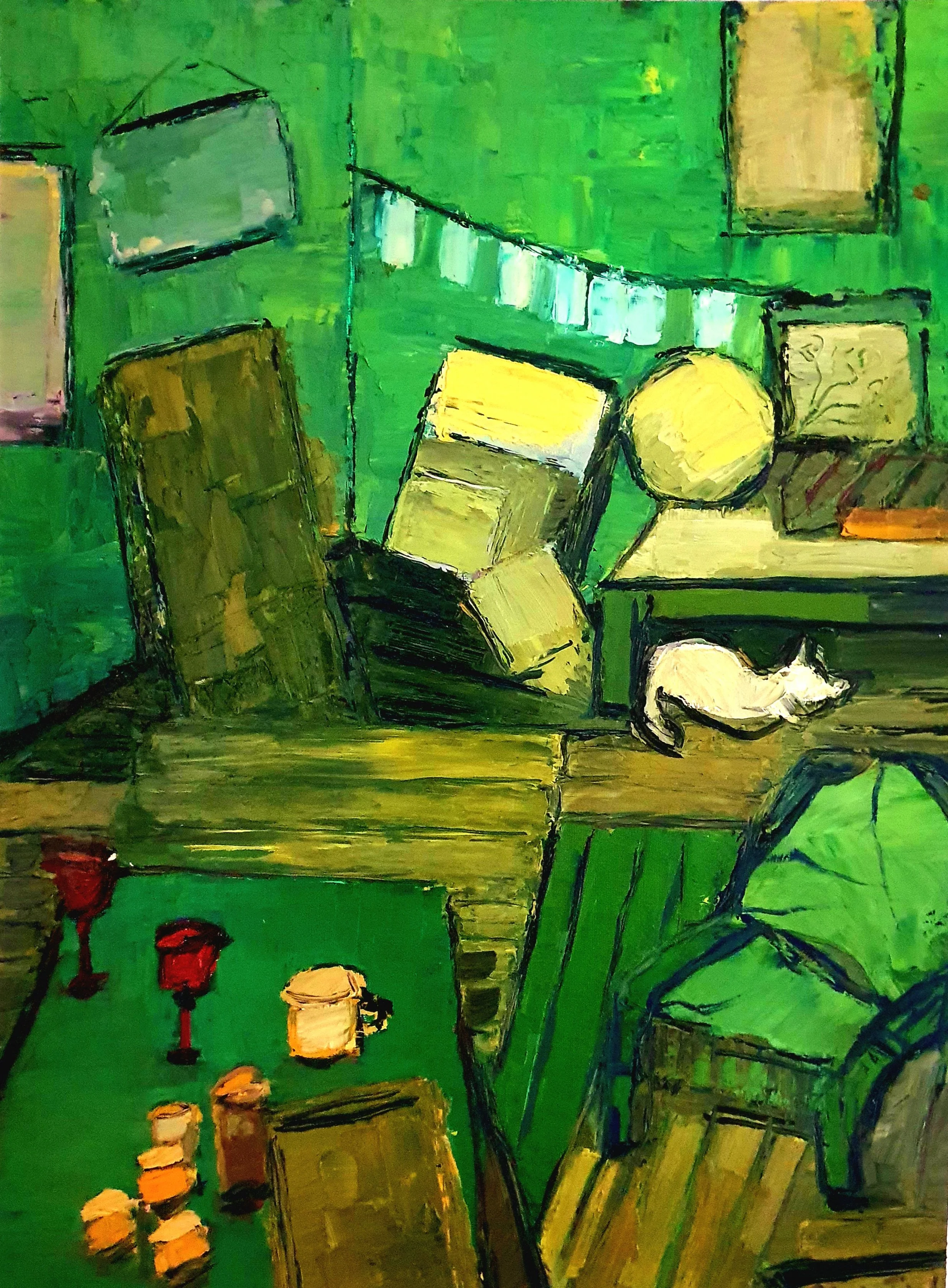
The Green Room,2025
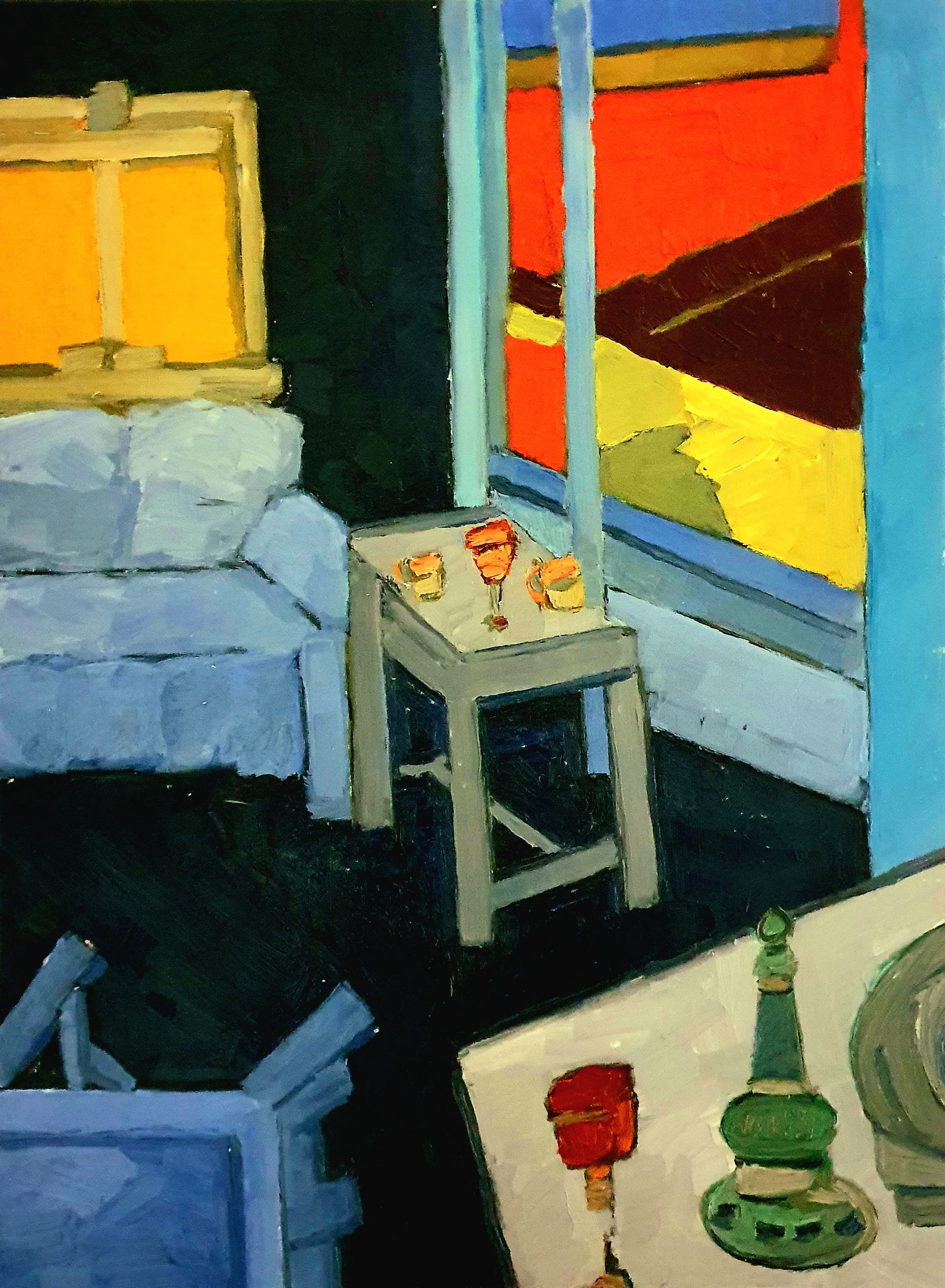
Table for Absence,2025