Lori Wakefield: A Humanist Vision Shaped by Reinvention and Conviction
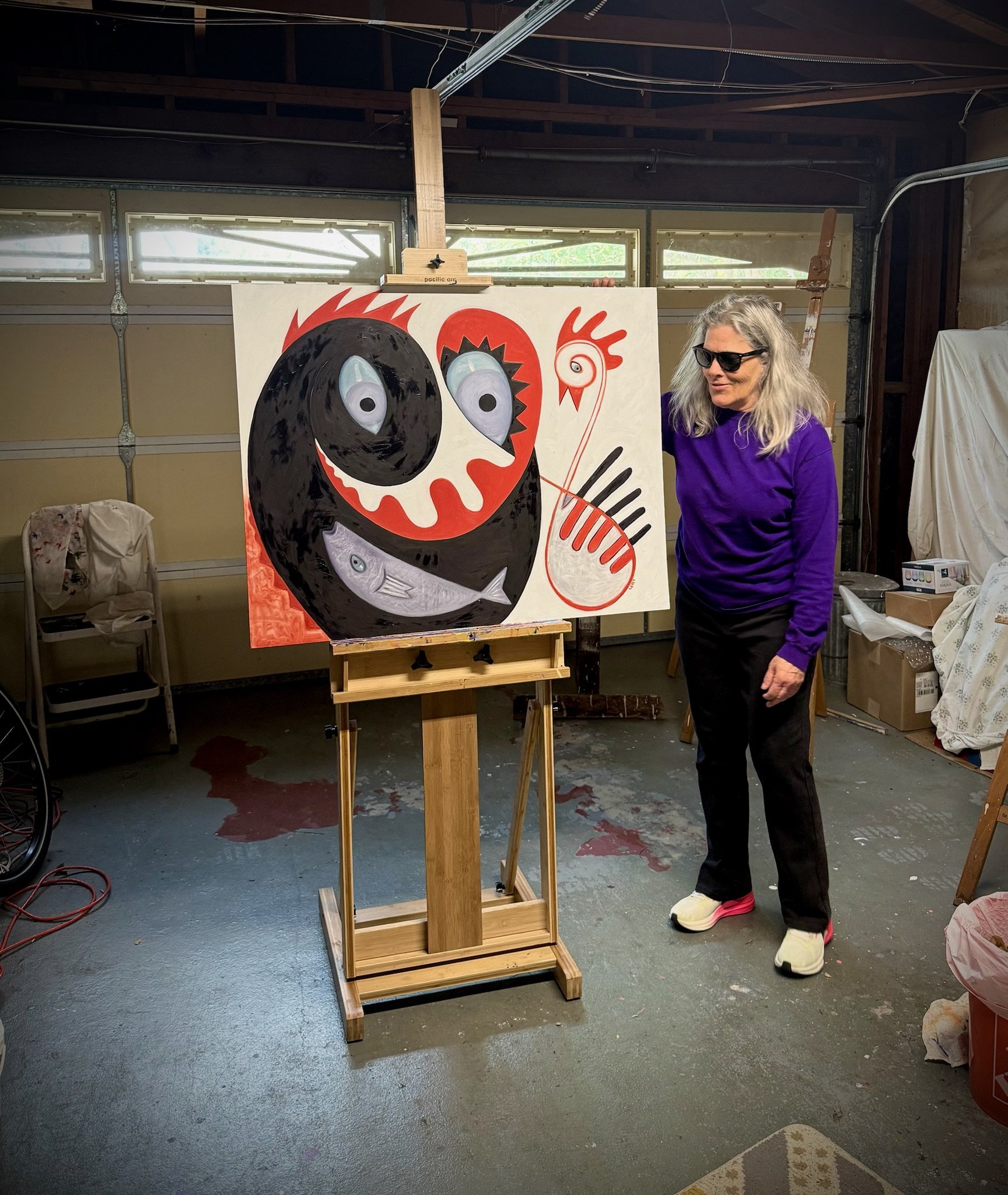
Lori Wakefield: A Humanist Vision Shaped by Reinvention and Conviction
For Lori Wakefield, art has never been a pursuit of stylistic consistency or market conformity. It has been a lifelong act of inquiry, shaped by instinct, personal conviction, and an unwavering commitment to creative evolution. Across decades of painting, drawing, design, and visual experimentation, Wakefield has cultivated a practice rooted in humanism while resisting the pressures that often encourage artists toward repetition and commercial predictability.
Her artistic journey began remarkably early. At the age of five, after attending a Pop Art exhibition with her parents, Wakefield experienced what she describes as an immediate recognition that art would define her life. That formative encounter sparked an enduring fascination with visual culture and creative expression, leading her to immerse herself in artistic study throughout her childhood and adolescence.
During her school years, Wakefield pursued every available artistic discipline, from ceramics and photography to lettering and sculpture. Although she explored three-dimensional work through private sculpture lessons, it was ultimately color, composition, and design that resonated most deeply with her sensibility. Outside the classroom, she devoted countless hours to studying art history and examining the work of canonical painters, building a foundation informed as much by independent observation as formal education.
Wakefield later attended California College of the Arts, where she focused on painting, drawing, and sculpture. It was there that painting emerged as the central language of her practice. The cultural climate of the early 1970s also left a profound impression on her development. While searching for her artistic voice, Wakefield encountered Marvin Gaye’s landmark album What's Going On, an experience she describes as spiritually transformative. The album’s emotional directness and social consciousness reinforced her belief that art should communicate truth with urgency and authenticity.
Her studies continued at California Institute of the Arts, where the interdisciplinary environment further expanded her creative outlook. Surrounded by film, theater, dance, graphic design, and experimental practices, Wakefield absorbed a broader understanding of artistic possibility. Equally influential was her personal life during this period. Through her marriage to an Iranian artist, she encountered new cultural perspectives that deepened both her worldview and her understanding of art’s role within society.
Although Wakefield maintained a dedicated studio practice throughout her adult life, her trajectory diverged from the conventional art world narrative of uninterrupted career ascent. While raising her children, she worked professionally as a printer and made the deliberate decision to prioritize family over institutional visibility. Rather than viewing this choice as a sacrifice, Wakefield regards it as an integral dimension of her life and creative identity.
That period also marked an important technological and conceptual expansion in her work. Through studies in computer design and graphic communications at Santa Barbara City College and extension courses through University of California, Santa Barbara, she developed fluency in digital tools including Photoshop and Illustrator. These skills later became instrumental in advancing her visual concepts and adapting her practice to contemporary platforms and modes of communication.
At the center of Wakefield’s philosophy is a rejection of artistic stagnation. Her work embraces transformation rather than brand consistency, a position that distinguishes her from market-driven approaches that often reward repetition. For Wakefield, remaining fixed within a single recognizable style represents a form of creative limitation. She argues that genuine artistic practice requires risk, reinvention, and the courage to evolve beyond audience expectations.
This perspective places her within a lineage of artists who regard art not as a commercial formula but as an ongoing intellectual and spiritual process. Wakefield’s work is guided by what she describes as a clear inner vision, one grounded in intuition, faith, and humanistic values. Across changing aesthetics and mediums, the underlying philosophical framework of her practice has remained remarkably consistent: a commitment to emotional truth, individual freedom, and authentic expression.
Her paintings and drawings are intentionally uncompromising. Rather than producing work designed primarily for market recognition, Wakefield prioritizes experimentation and personal conviction. In doing so, she challenges one of the art market’s enduring tensions between collectability and creative independence. Her belief that “collectors are not the creator, the artist is” reflects a broader defense of artistic autonomy in an era increasingly shaped by branding and algorithmic visibility.
Wakefield’s refusal to remain stylistically static has also contributed to the enduring vitality of her practice. Her work advocates for artistic courage, particularly for younger generations navigating the pressures of public opinion and commercial validation. The result is a body of work that values sincerity over predictability and evolution over repetition.
Her publications include features in Artist Journal NY and Squint Magazine, where her work and ideas have reached audiences engaged with contemporary artistic discourse.
Today, Lori Wakefield’s career stands as a testament to persistence, reinvention, and creative integrity. Her practice reflects a lifetime devoted not merely to making art, but to defending the necessity of artistic freedom itself.
https://www.instagram.com/loriwakefield.art/
https://www.facebook.com/LoriWakefield.Artist
https://www.loriwakefield.art
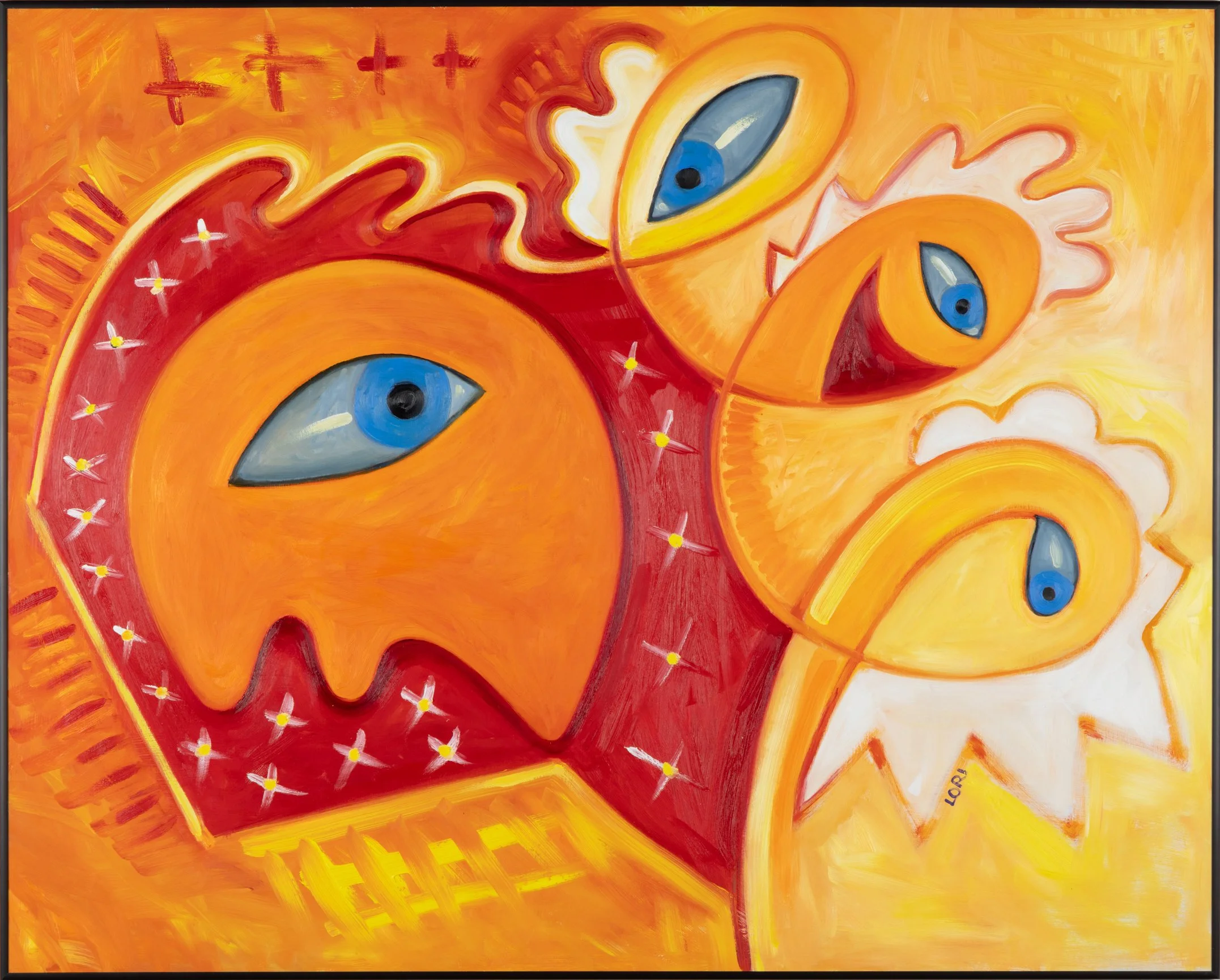
4 eyes 2026
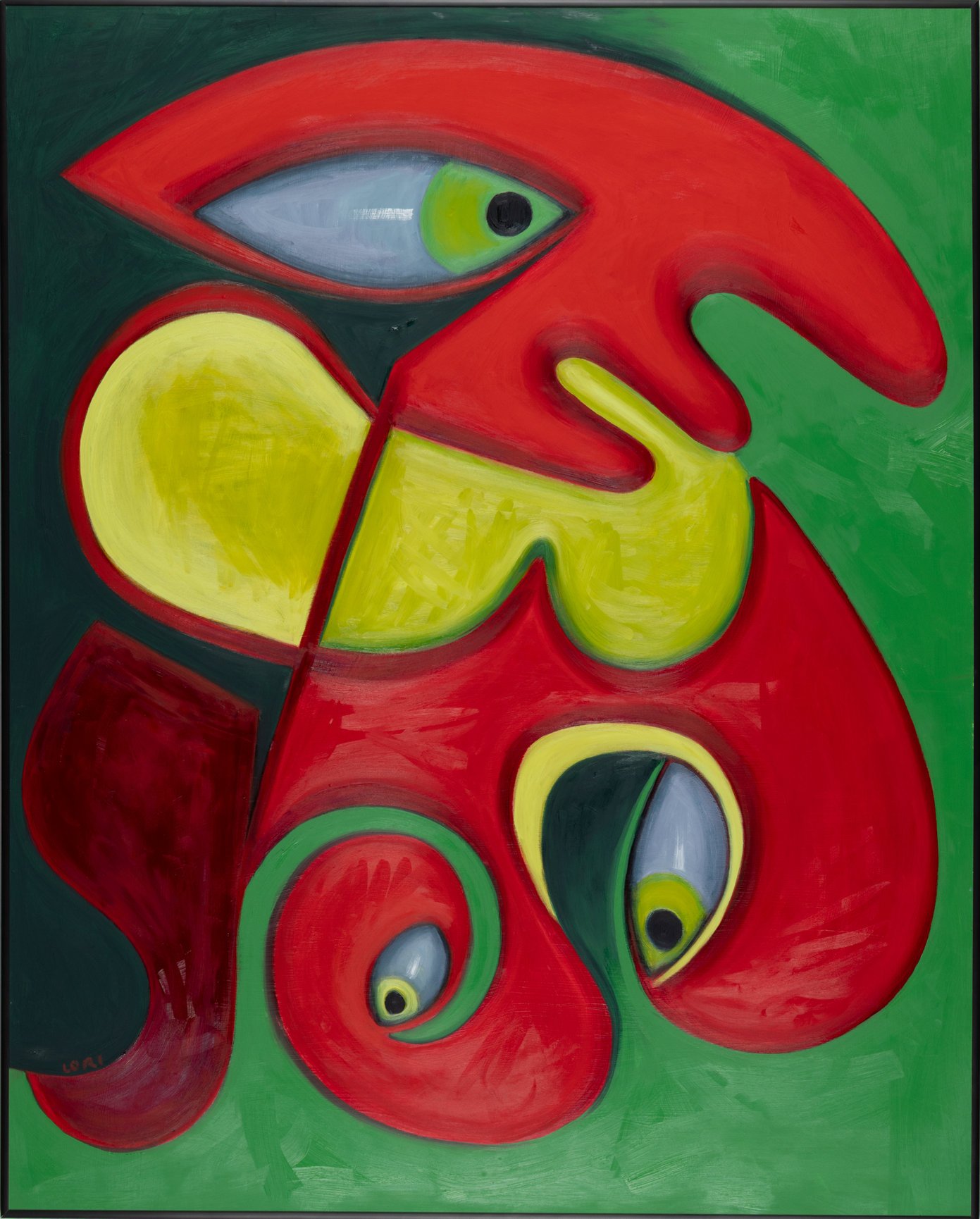
contrasting colors red/green. 2026
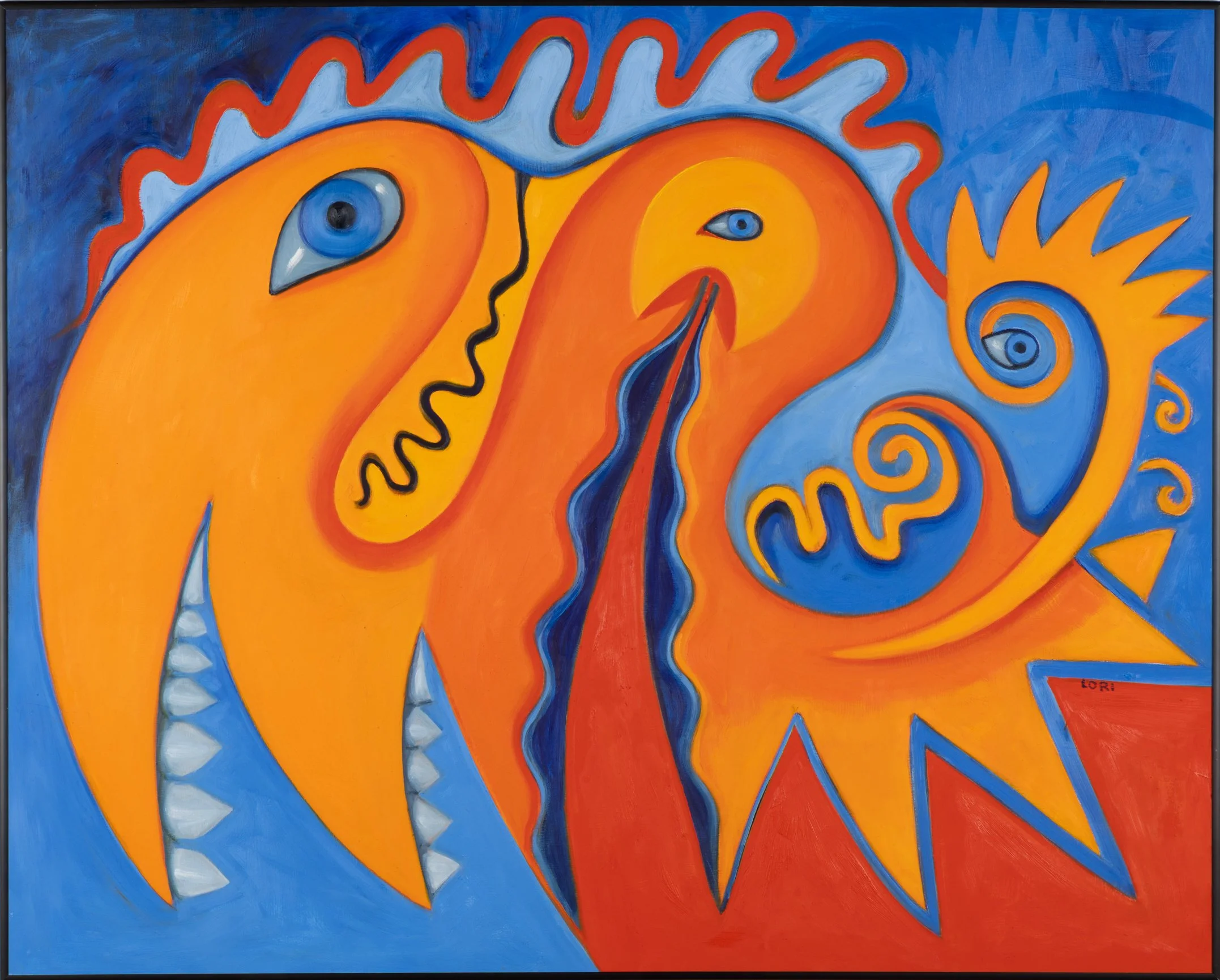
nightmares and dreams 2026
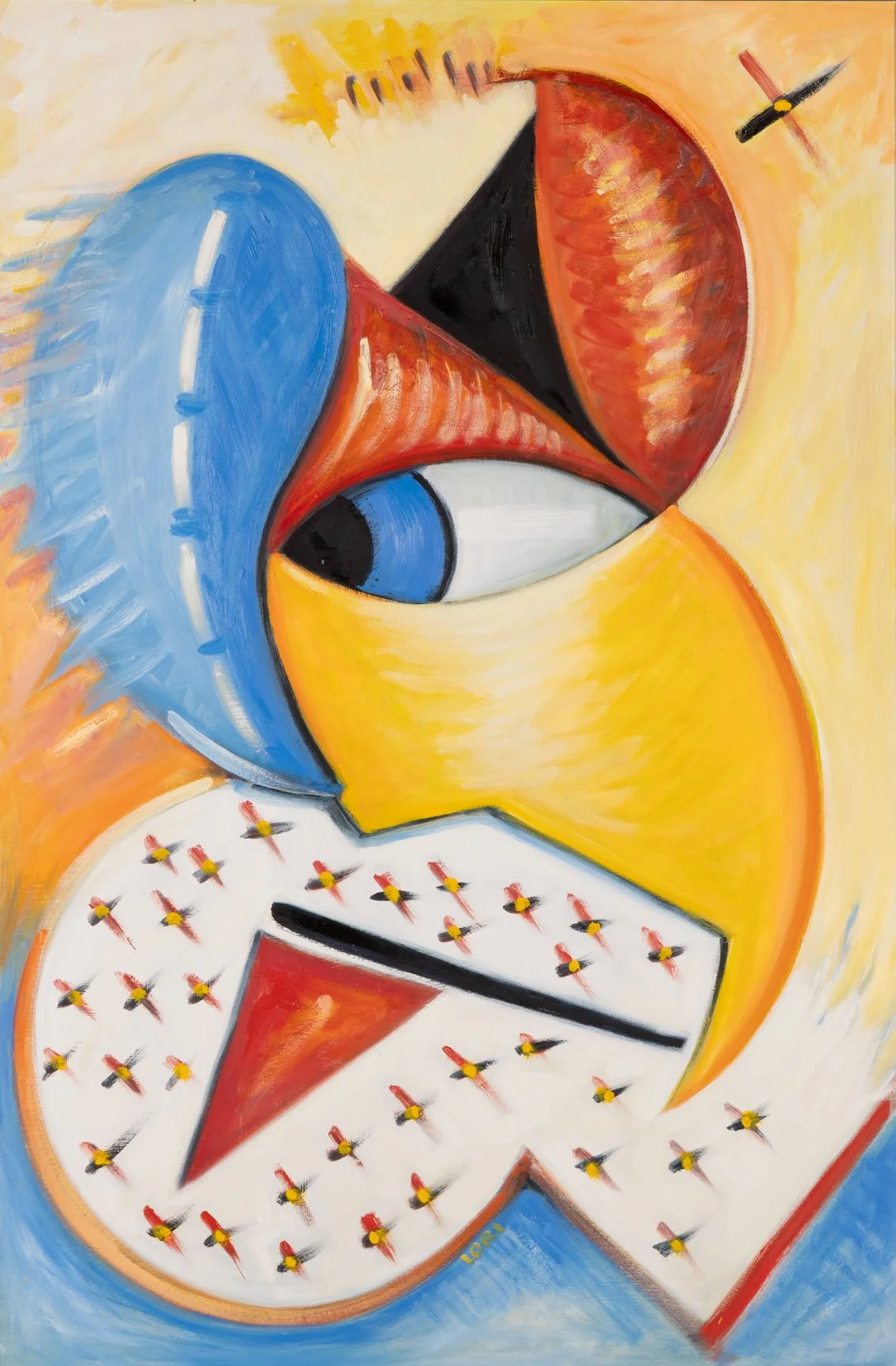
eye on corruption 2026
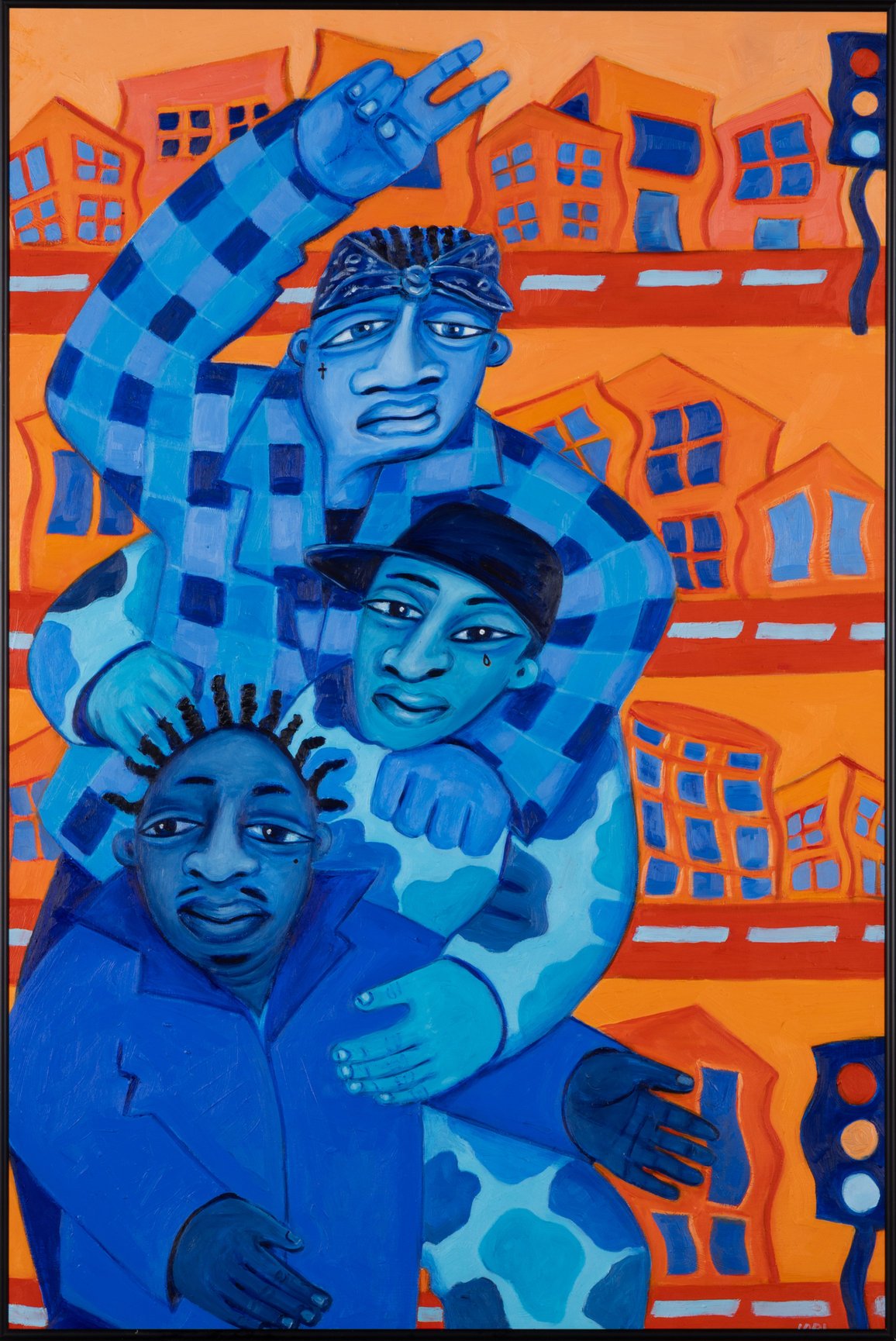
PEACE 2025
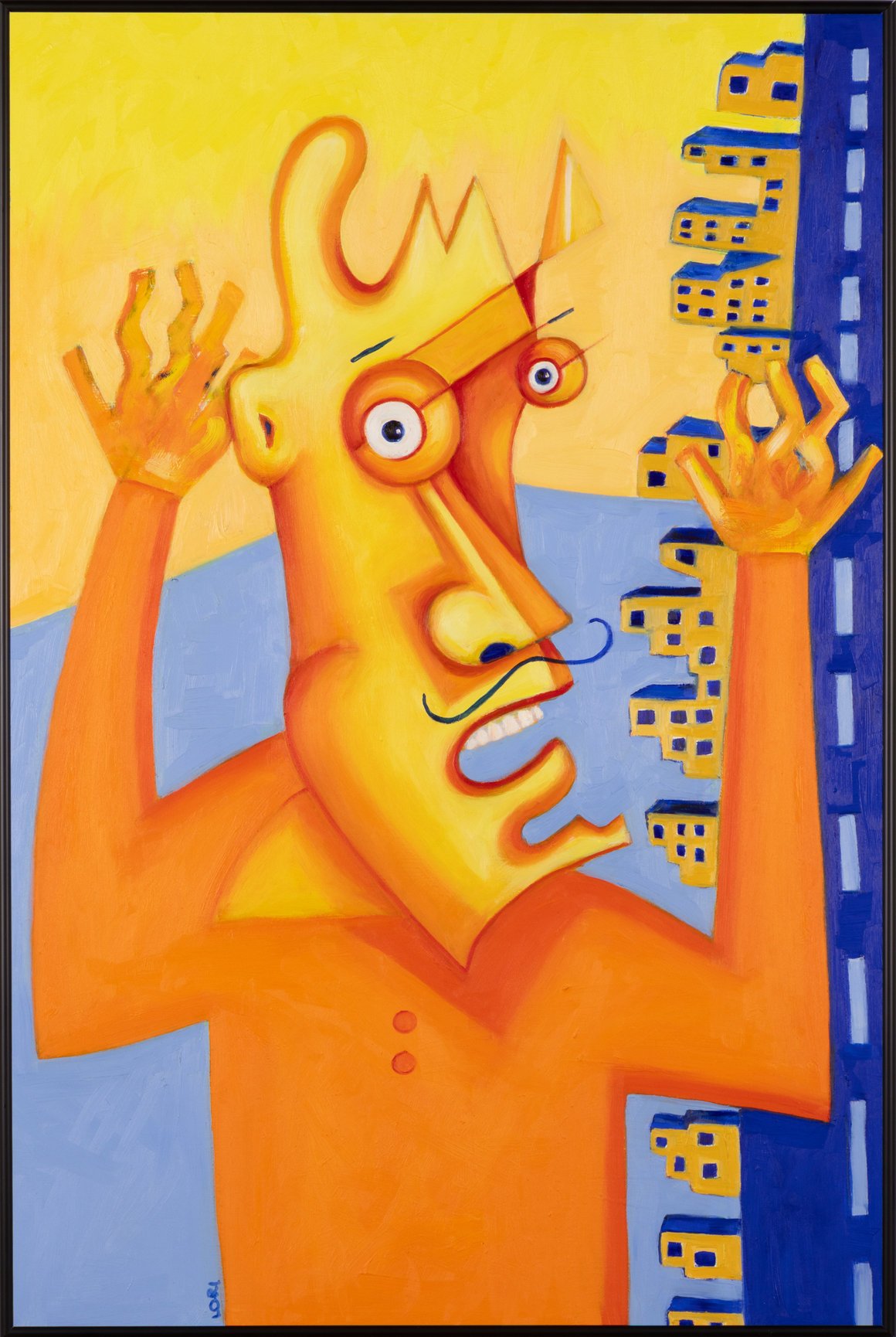
up in arms 2025
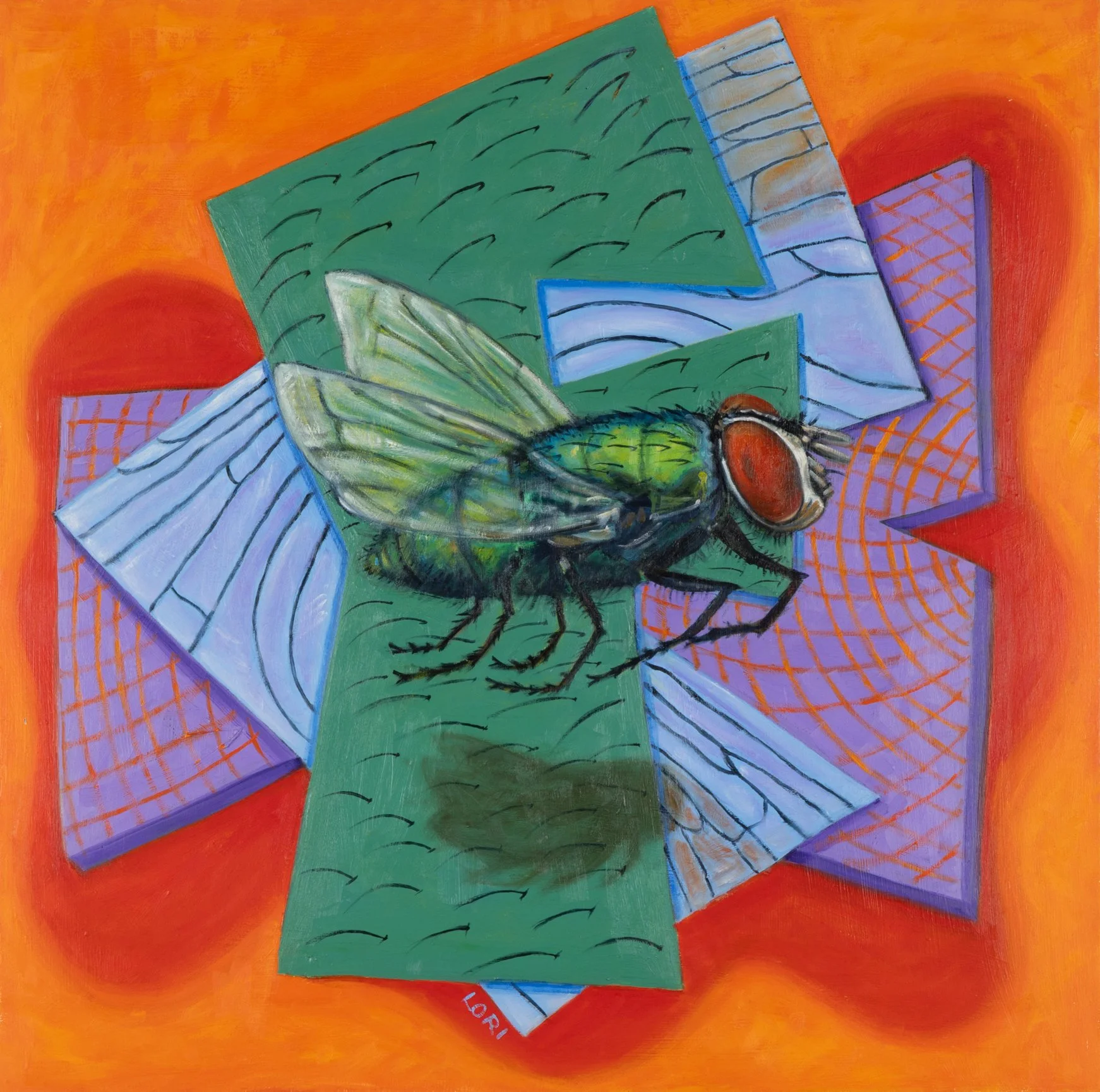
FLY FLY sign of the times 2026
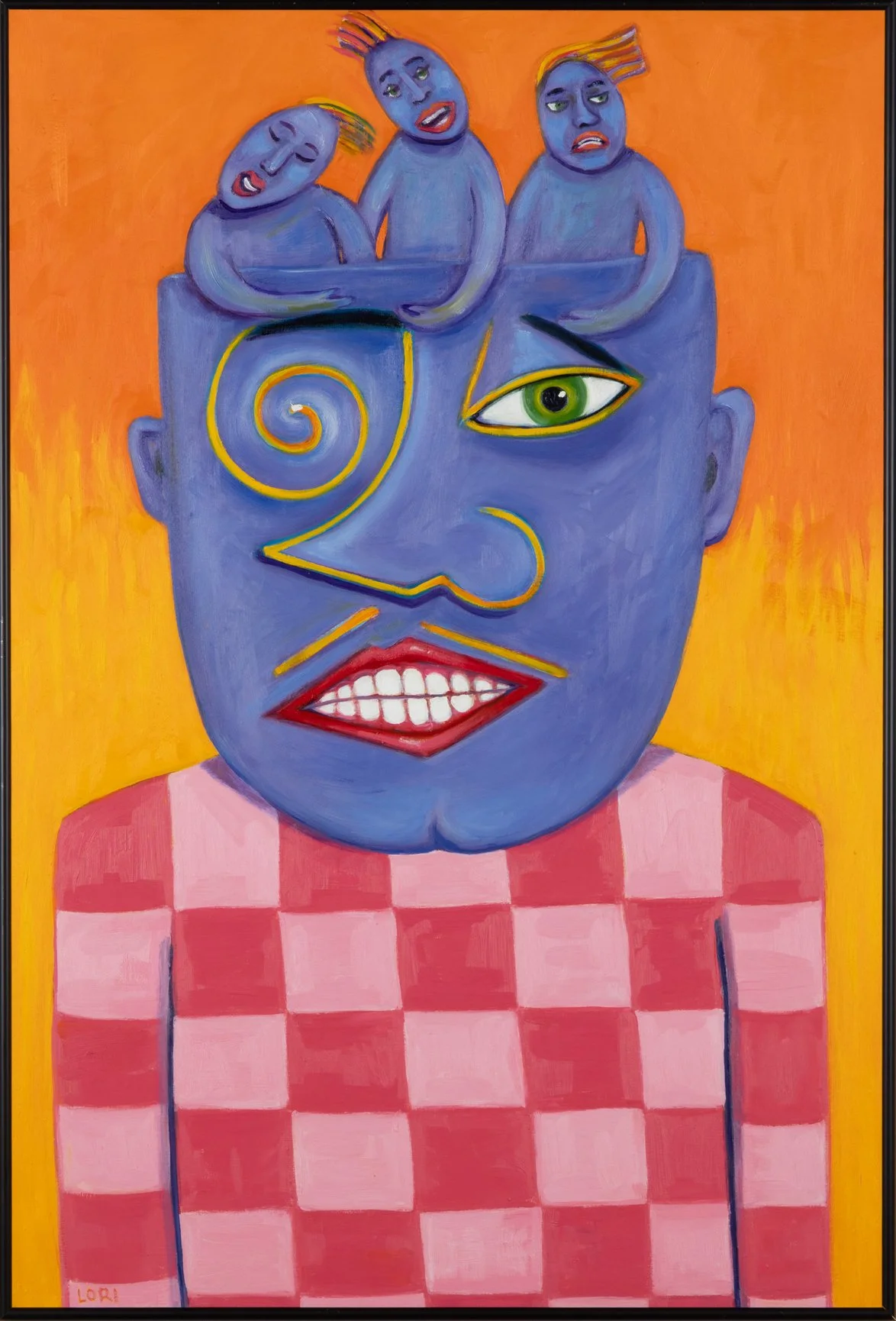
talking heads 2025
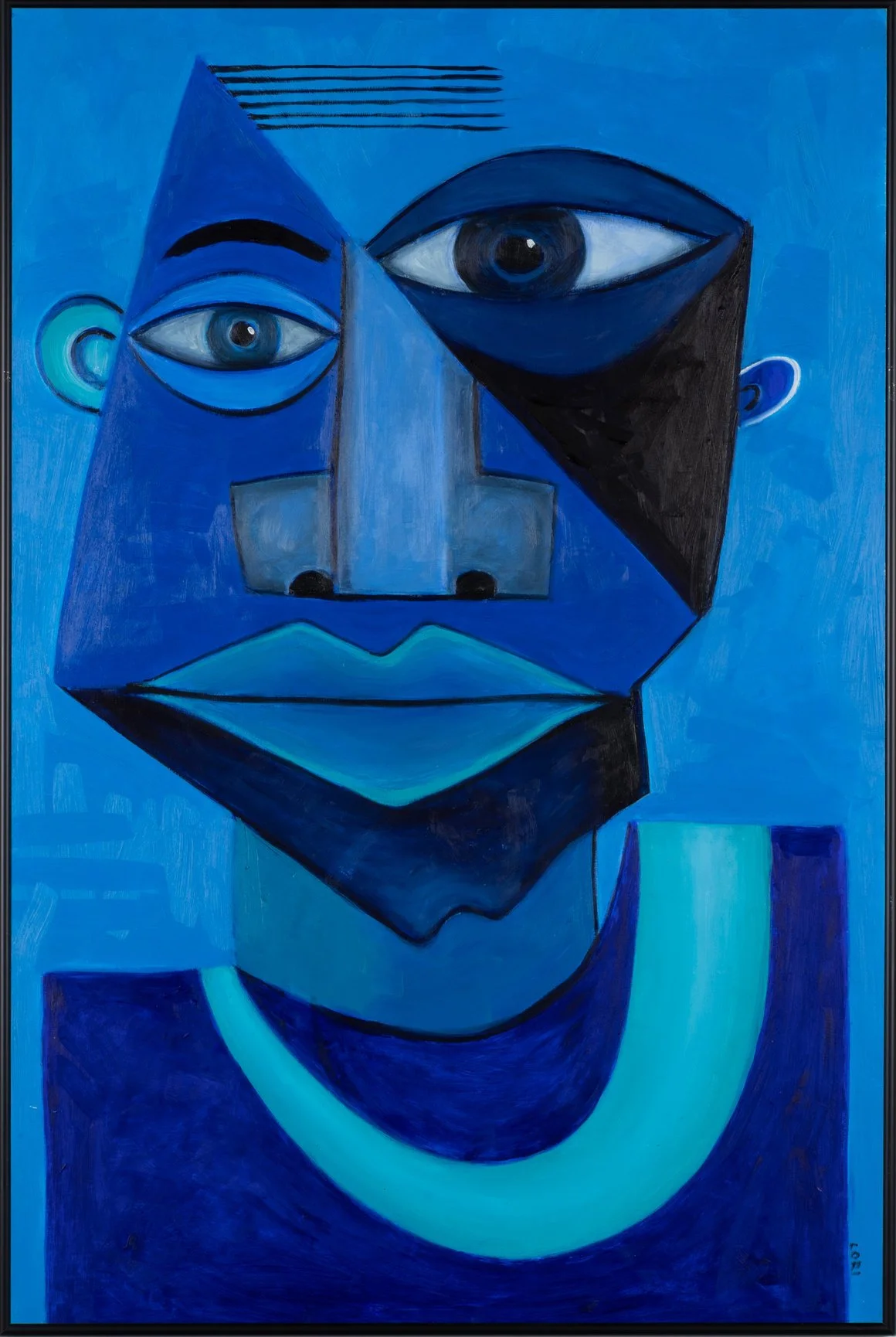
we people that are darker than blue 2025
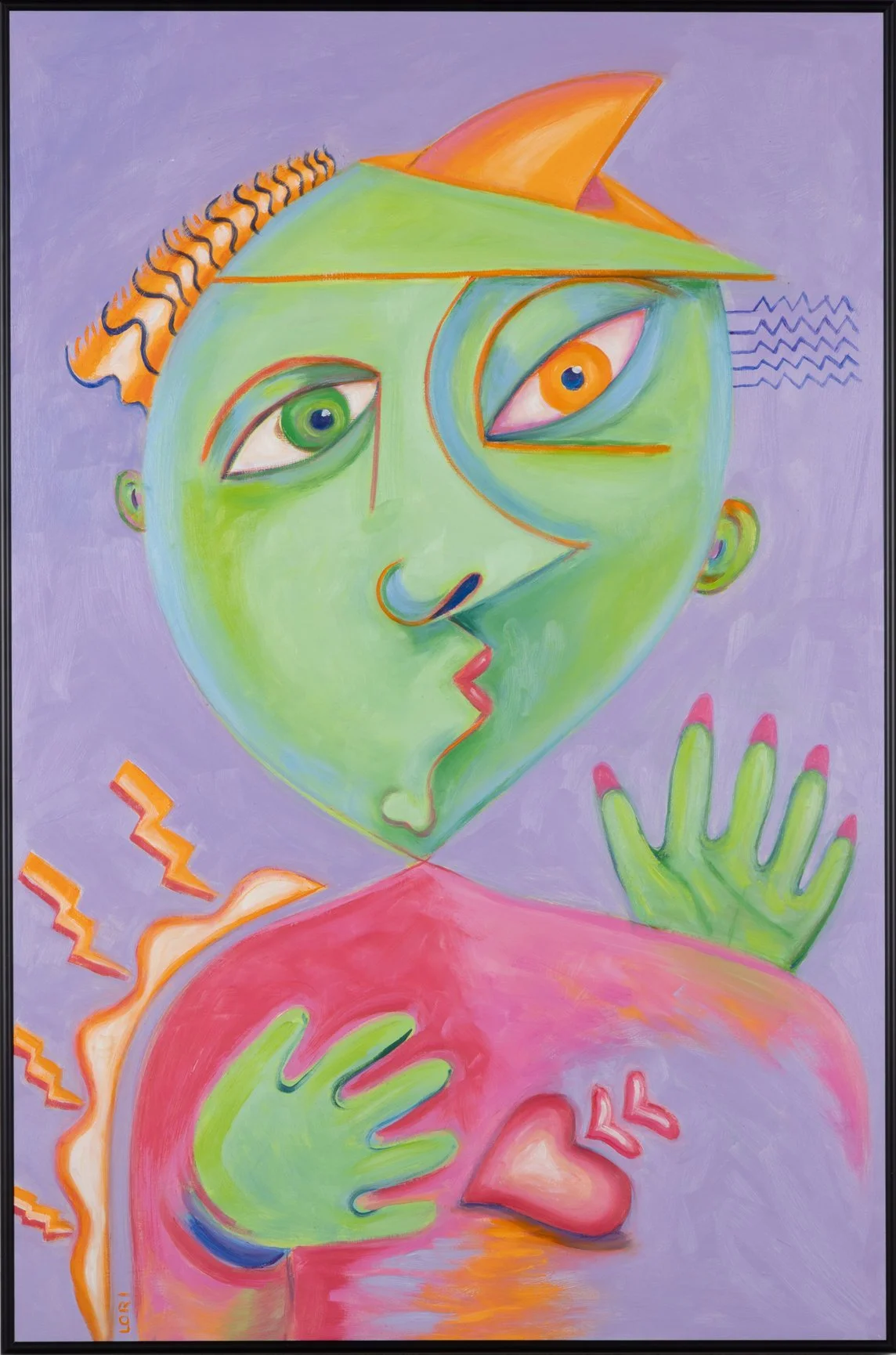
heart of gold 2025