From Galaxy to Gallery: The Alchemical Cosmologies of Trupti Dave Wehner

From Galaxy to Gallery: The Alchemical Cosmologies of Trupti Dave Wehner
In an era when contemporary art increasingly intersects with scientific inquiry, Trupti Dave Wehner occupies a distinctive position. Trained as a chemist and shaped by a long professional career in the chemical and pharmaceutical industries in Germany, the artist has developed a practice that resists the conventional separation between empirical knowledge and aesthetic experience. Self-described as an “ArtChemist,” Wehner approaches painting not simply as visual production, but as a material and conceptual investigation into the origins of matter, light, and life itself.
Born in India and now working in Berlin, Wehner’s oeuvre reflects a layered geographical and cultural duality. Her work operates between East and West, science and spirituality, abstraction and cosmology. Rather than treating art and science as opposing disciplines, she positions them as historically intertwined systems of understanding. The philosophical underpinning of her practice recalls Plato’s interchangeable use of the Greek concepts “Techni,” the art of making, and “Episteme,” knowledge itself. For Wehner, artistic creation becomes a continuation of scientific exploration through sensory means.
This synthesis first emerged in 2015 through a series of digital paintings created on an iPad. Produced entirely through light-based technology, these works prompted a foundational conceptual breakthrough. Printed on transparent acrylic sheets and transformed into three-dimensional objects, the pieces explored the transition from immaterial energy into physical form. The artist describes this moment as the birth of a central idea within her practice: light turning into matter, a visual metaphor for the formation of the universe itself.
Since relocating to Berlin in 2019, Wehner has expanded this inquiry through acrylic painting and multimedia installation. Her current works investigate imagined stages in the evolution of life on Earth, tracing trajectories from the Big Bang and stellar explosions to primordial chemistry and the emergence of the eukaryotic cell. Scientific concepts are not merely referenced but translated into immersive visual languages. Molecular structures become painterly gestures, while astrophysical phenomena are rendered as emotional and perceptual experiences.
The artist’s exhibitions often incorporate multimedia elements alongside painting, including spectral imagery of chemical elements and astronomical photographs captured by the James Webb Space Telescope. These juxtapositions reinforce her central proposition that the materials of art are inseparable from cosmic history. Pigments such as cadmium yellow, cobalt blue, and cinnabar red are understood not only as artistic substances, but as remnants of stellar death. The heavy elements required to produce such pigments emerged through supernova explosions occurring long after nucleosynthesis ceased with iron formation. In Wehner’s framework, every painting carries within it the residue of galactic events.
This cosmological perspective transforms the act of painting into an act of material archaeology. Her surfaces suggest volatile interactions between heat, force, gravity, and light. Layers of pigment behave like molecular systems, reacting and binding across the canvas. The artist frequently describes these interactions through the language of quantum chemistry and exothermic reaction, where energy is released as light. Color becomes not merely representational but energetic, carrying information through reflected wavelengths perceived by the human eye.
Such ideas place Wehner within a broader lineage of artists who engage scientific thought as both medium and methodology. Yet her work distinguishes itself through its insistence on emotional resonance. Scientific diagrams are reimagined as poetic forms. Imaginary forests of molecules unfold into immersive abstractions, while fleeting cosmic moments are captured with gestural intensity. Her paintings seek to visualize invisible forces, transforming theoretical systems into tactile and perceptual realities.
The phrase “From Galaxy to Gallery,” which titles one of her exhibitions, encapsulates the trajectory of her practice. Each work is conceived as a singular elemental presence, echoing the unique spectral signatures emitted by atoms within the periodic table. This conceptual framework grants the paintings an almost performative identity: they are not static images, but manifestations of energetic histories extending across cosmic time.
Wehner’s growing visibility within contemporary art discourse reflects an increasing institutional and critical appetite for interdisciplinary practices that bridge science, philosophy, and material experimentation. Her exhibitions at Galerie Neukladow in 2023 and 2025 introduced audiences to installations that merged acrylic painting, transparent sculptural forms, and scientific imagery into unified environments. Critical attention has followed through features in publications such as Visual Art Journal and AATONAU, where her practice has been recognized for its synthesis of cosmology, chemistry, and contemporary abstraction.
At the core of Wehner’s artistic philosophy lies a belief in transformation through rupture. “Only explosion can create new identity. So, explode your ideas,” the artist states. The declaration functions both as metaphor and methodology. In her work, explosion signifies not destruction, but genesis: the violent emergence of new forms, materials, and consciousness. Through this lens, painting becomes an alchemical process in which matter, light, and knowledge converge.
As contemporary collectors increasingly gravitate toward works that engage urgent intellectual and existential questions, Wehner’s practice enters a particularly relevant cultural terrain. Her paintings do not merely depict scientific phenomena; they invite viewers to reconsider humanity’s place within a vast cosmological continuum. By translating atomic histories and stellar processes into luminous visual environments, Trupti Dave Wehner constructs a practice where art becomes both evidence and experience of the universe itself.
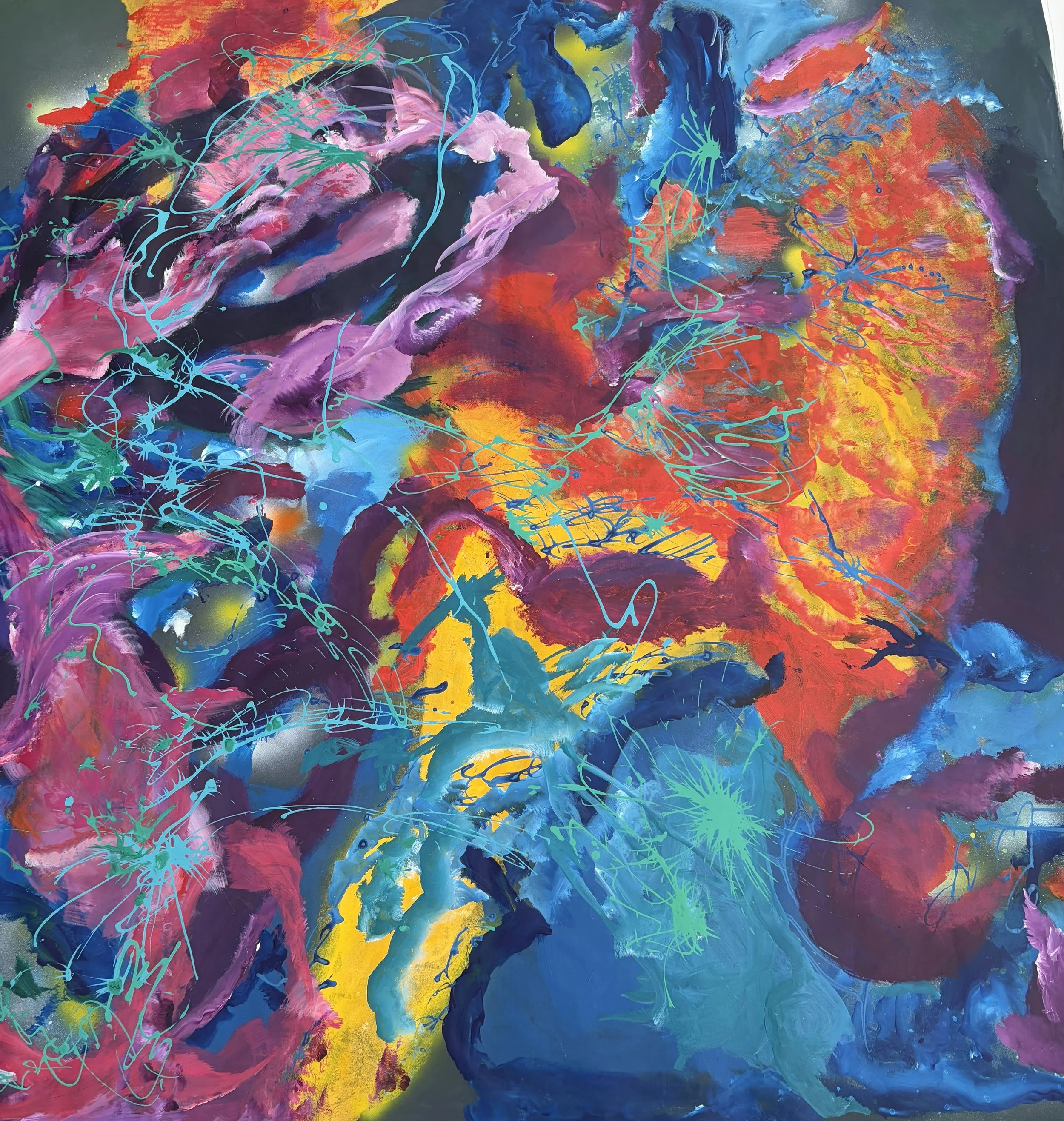
Molecular Interactions, 2026, 150x150cm
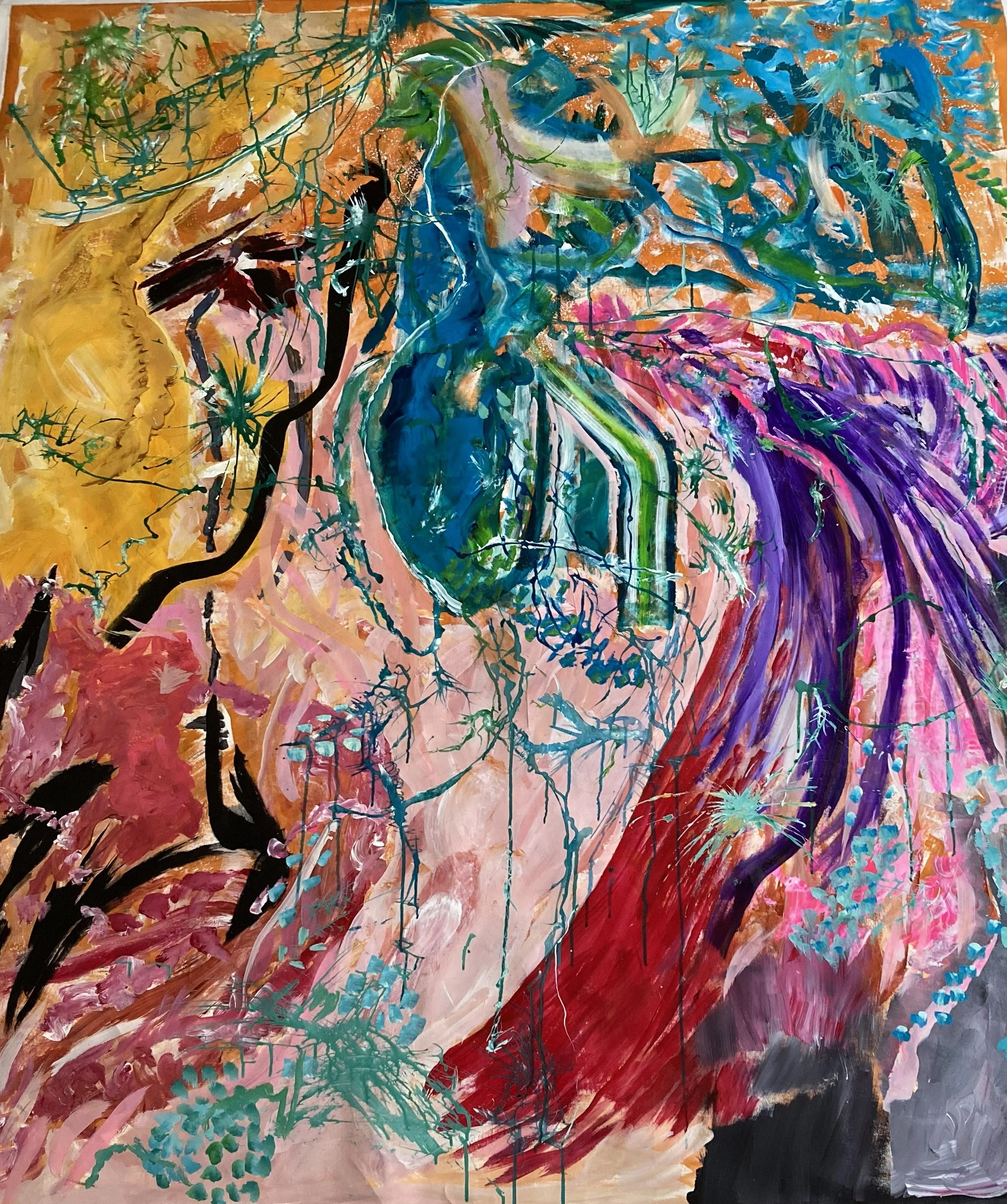
Background Radiation, 2024, 148x170,5cm
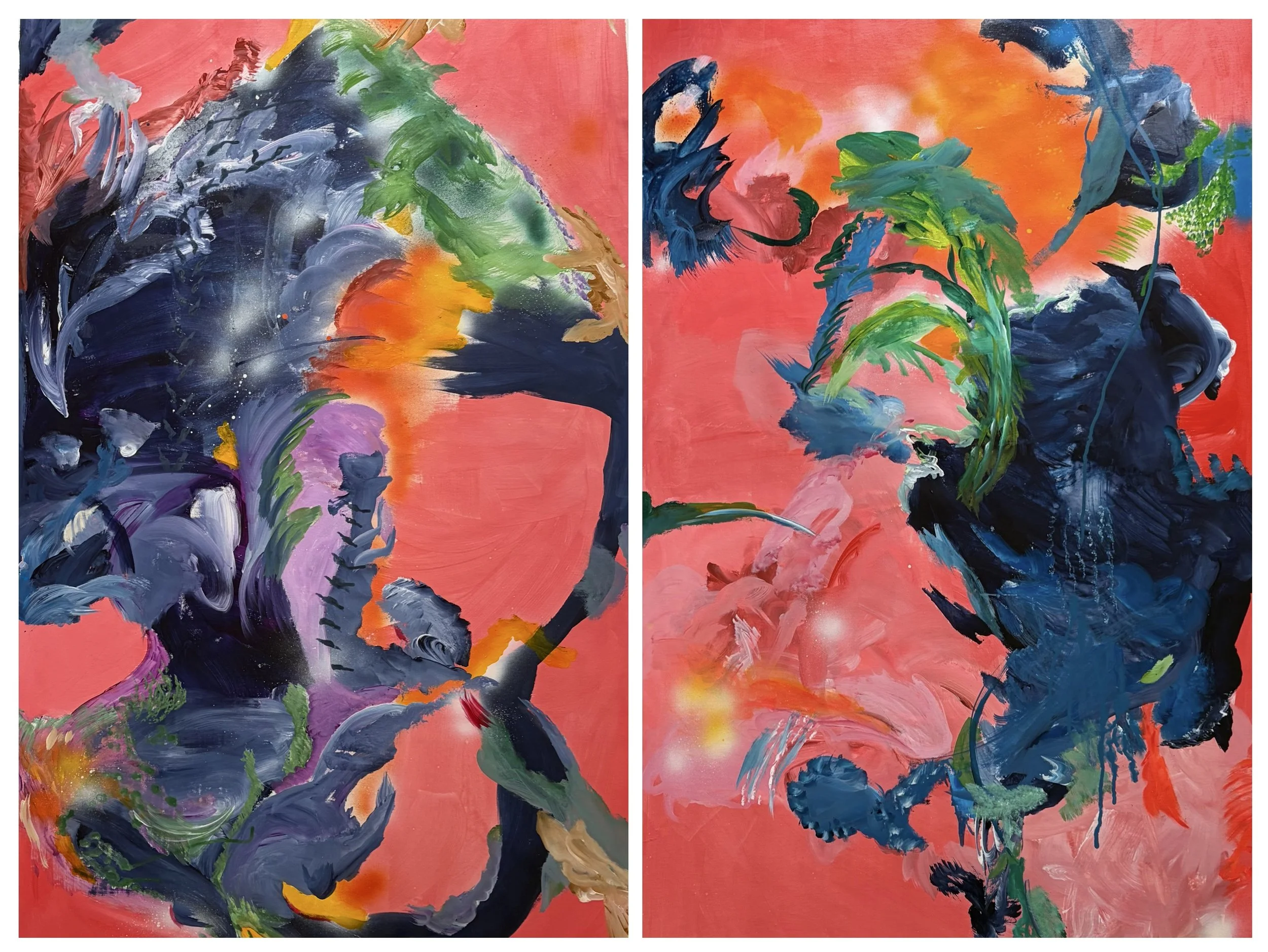
Stellar Winds, 2025, Diptych, 162x150cm
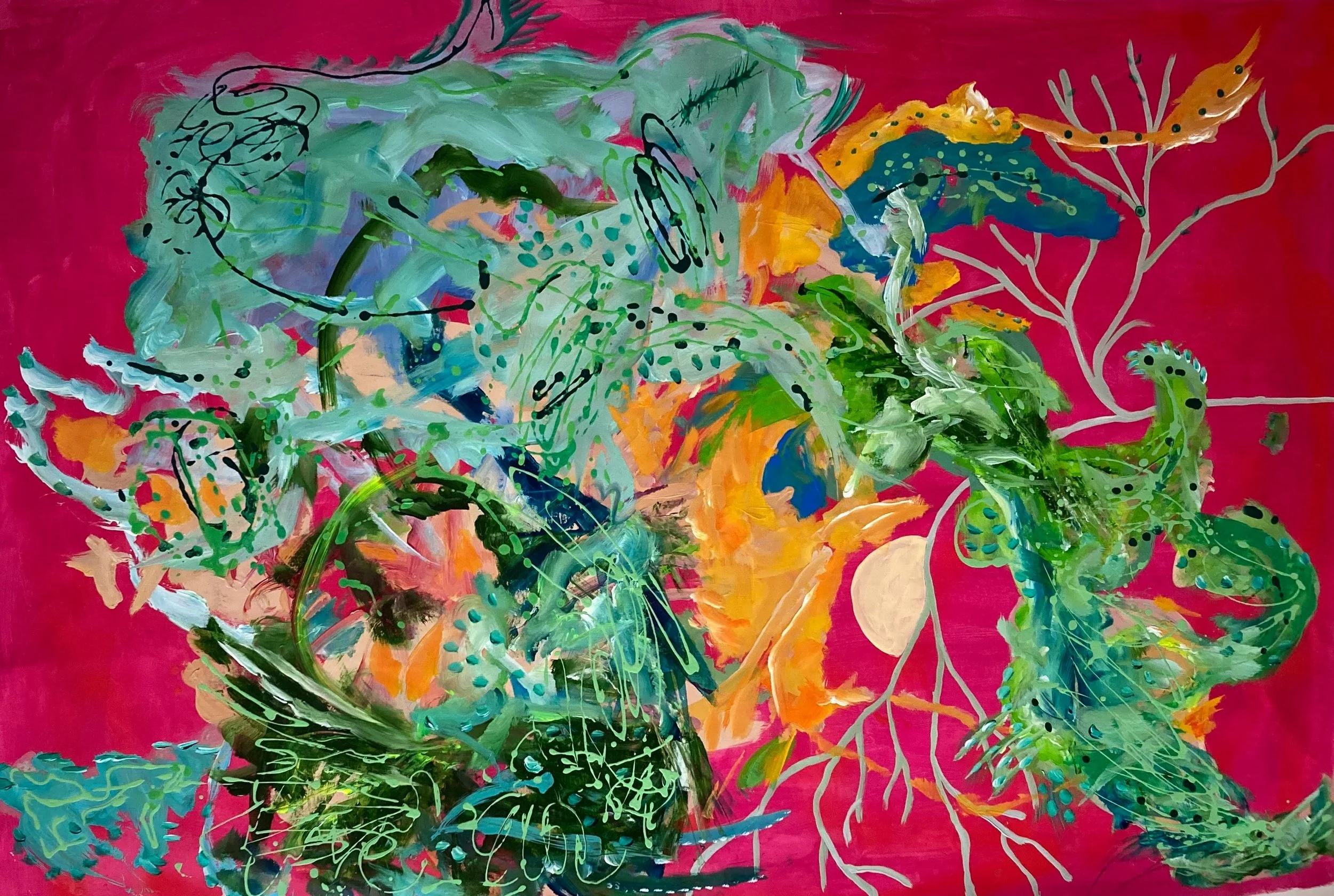
Orbital Clouds, 2025, 105x150cm
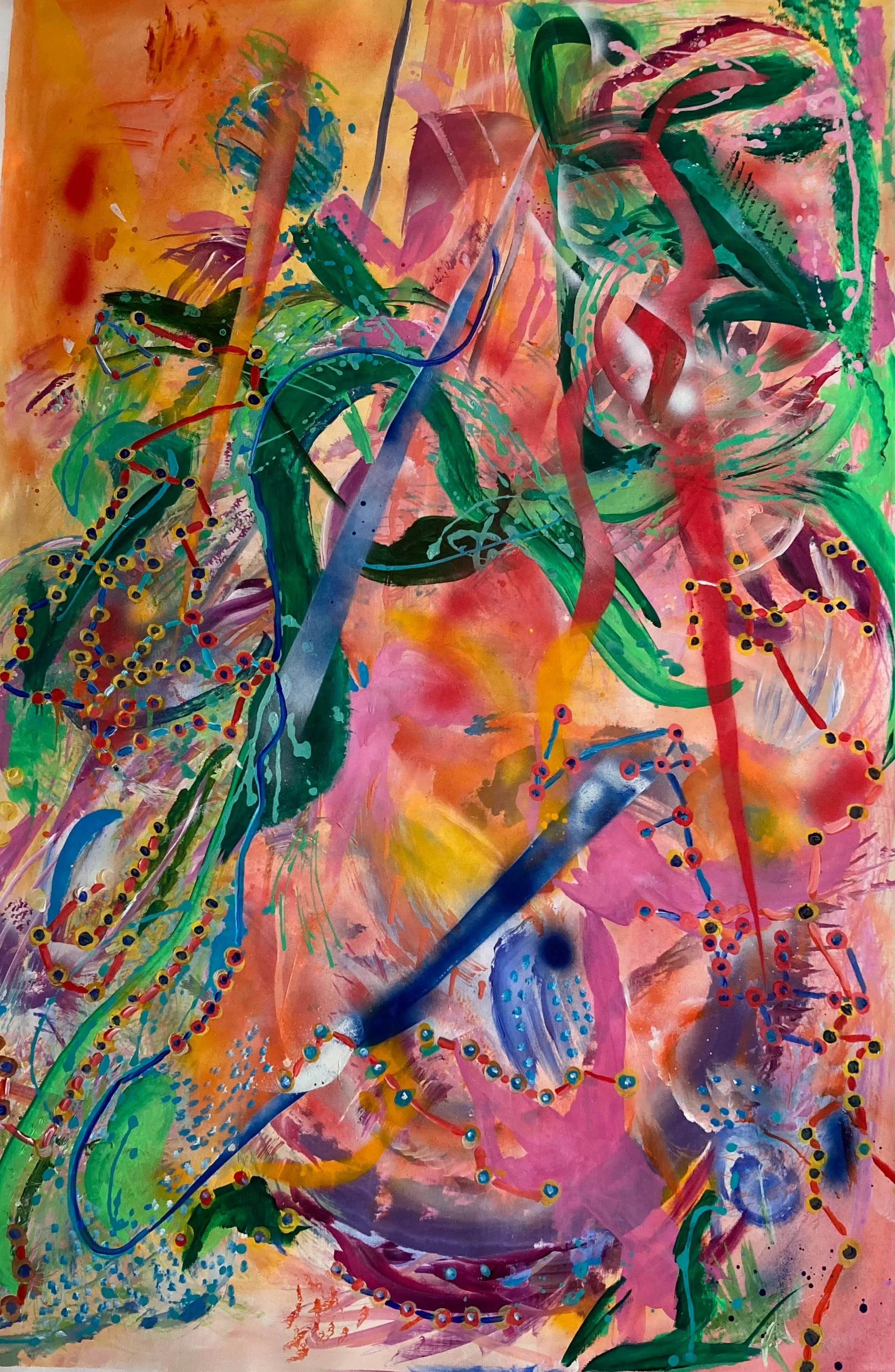
Cosmic Nutrinos, 2025, 109x151cm
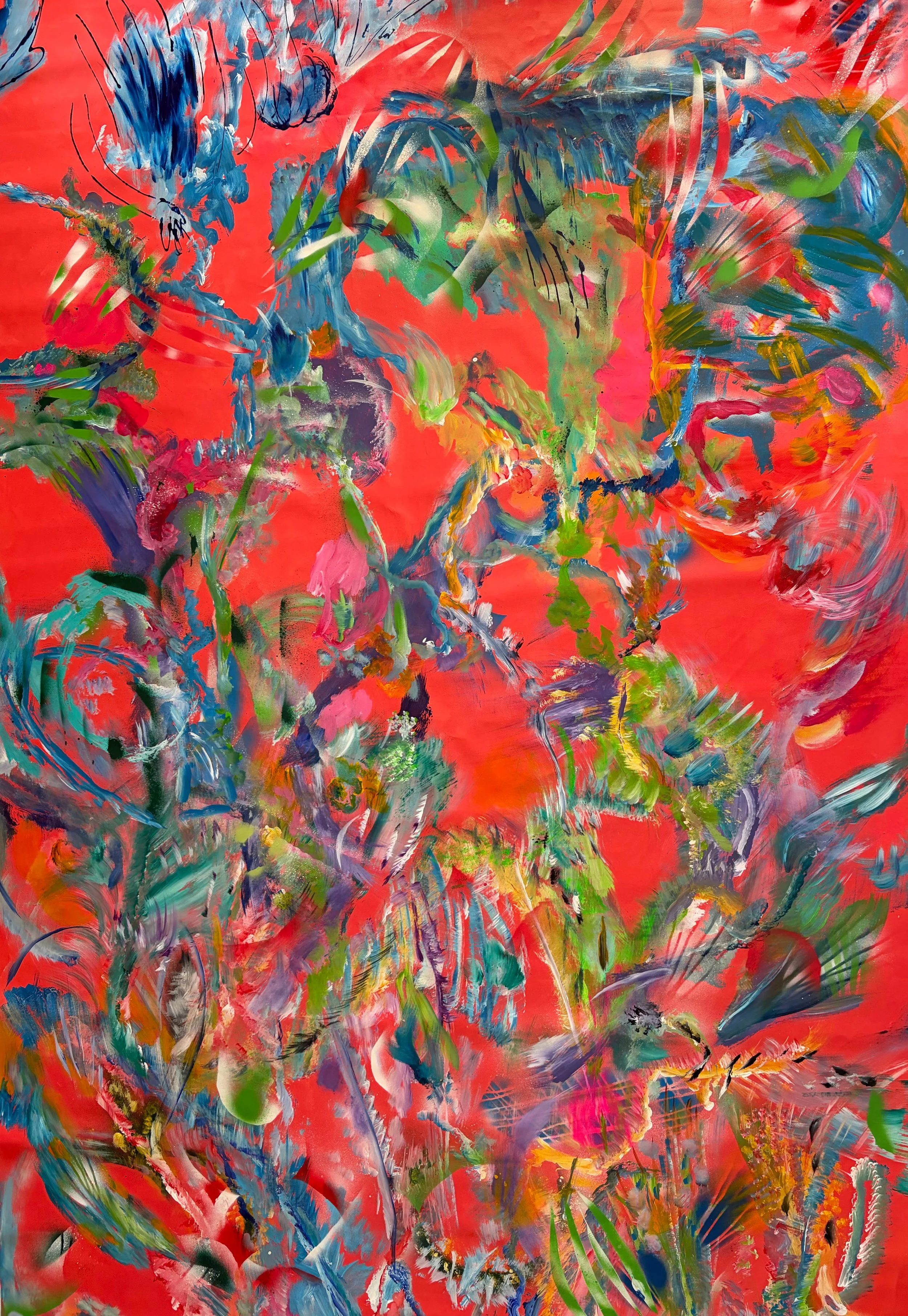
Cosmic Red Shift 7, 2025, 149x242cm
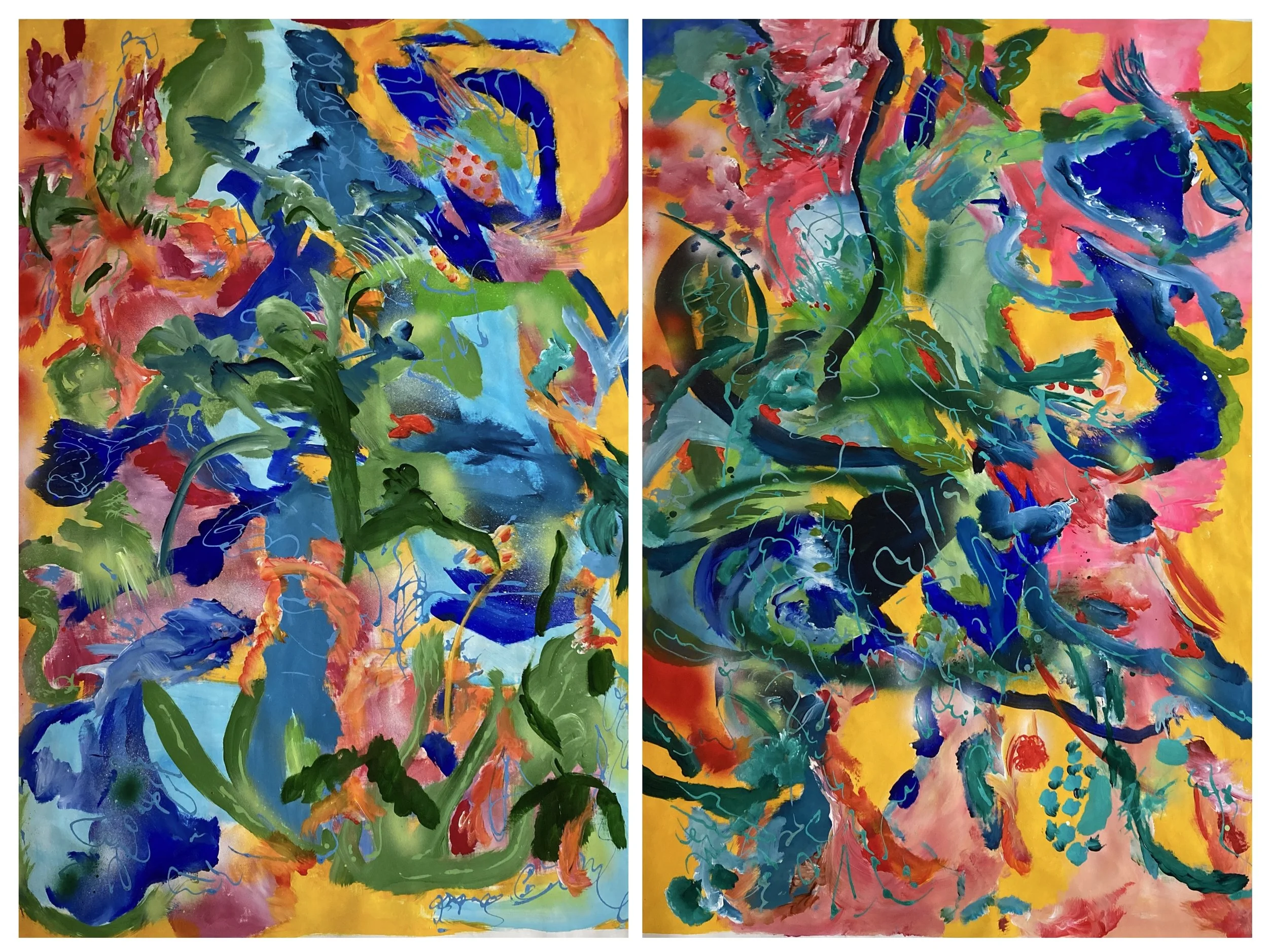
Parallel Universe, 2025, Diptych 151,5x216cm
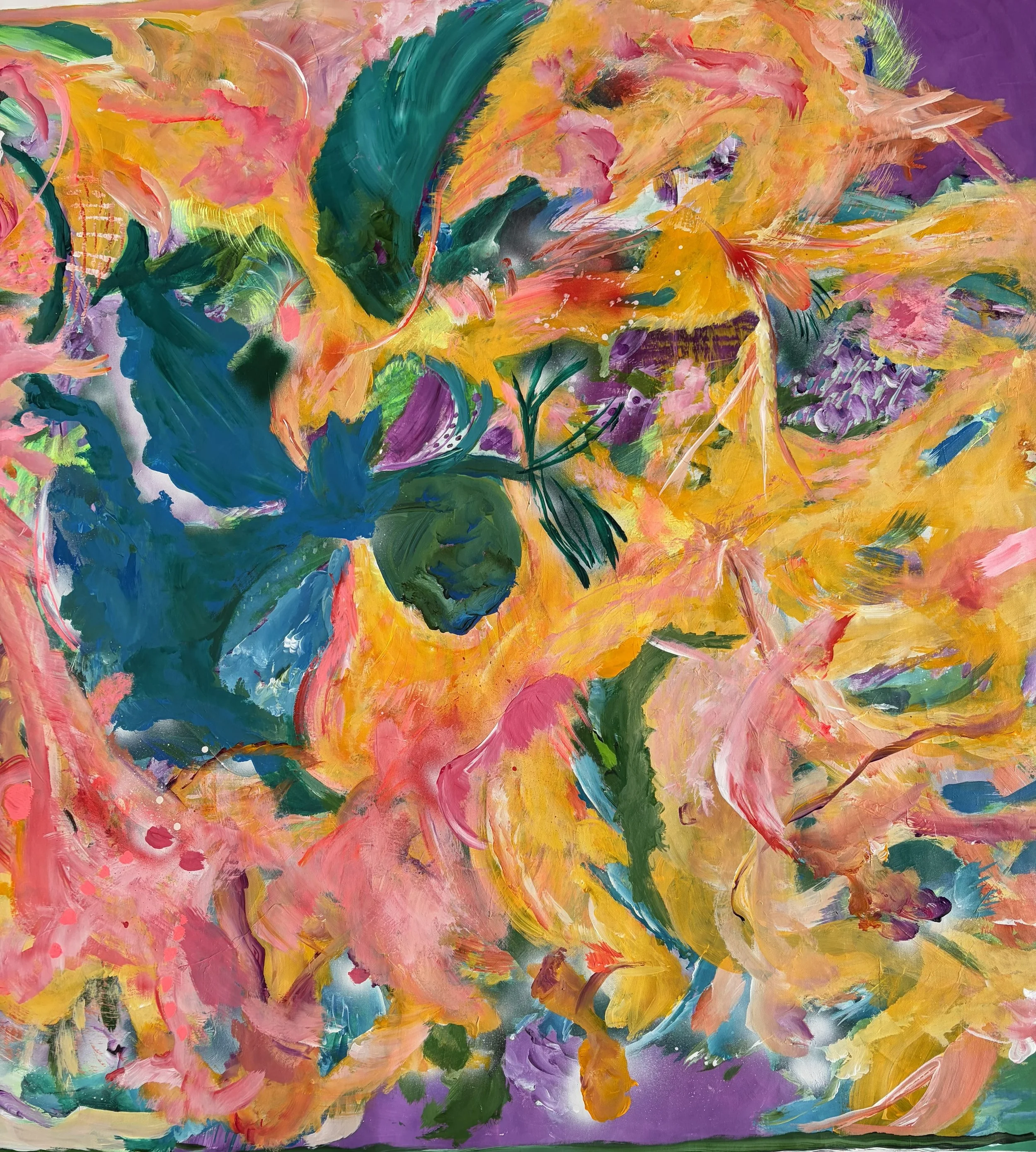
Pinwheel Galaxy, 2026, 150x150cm
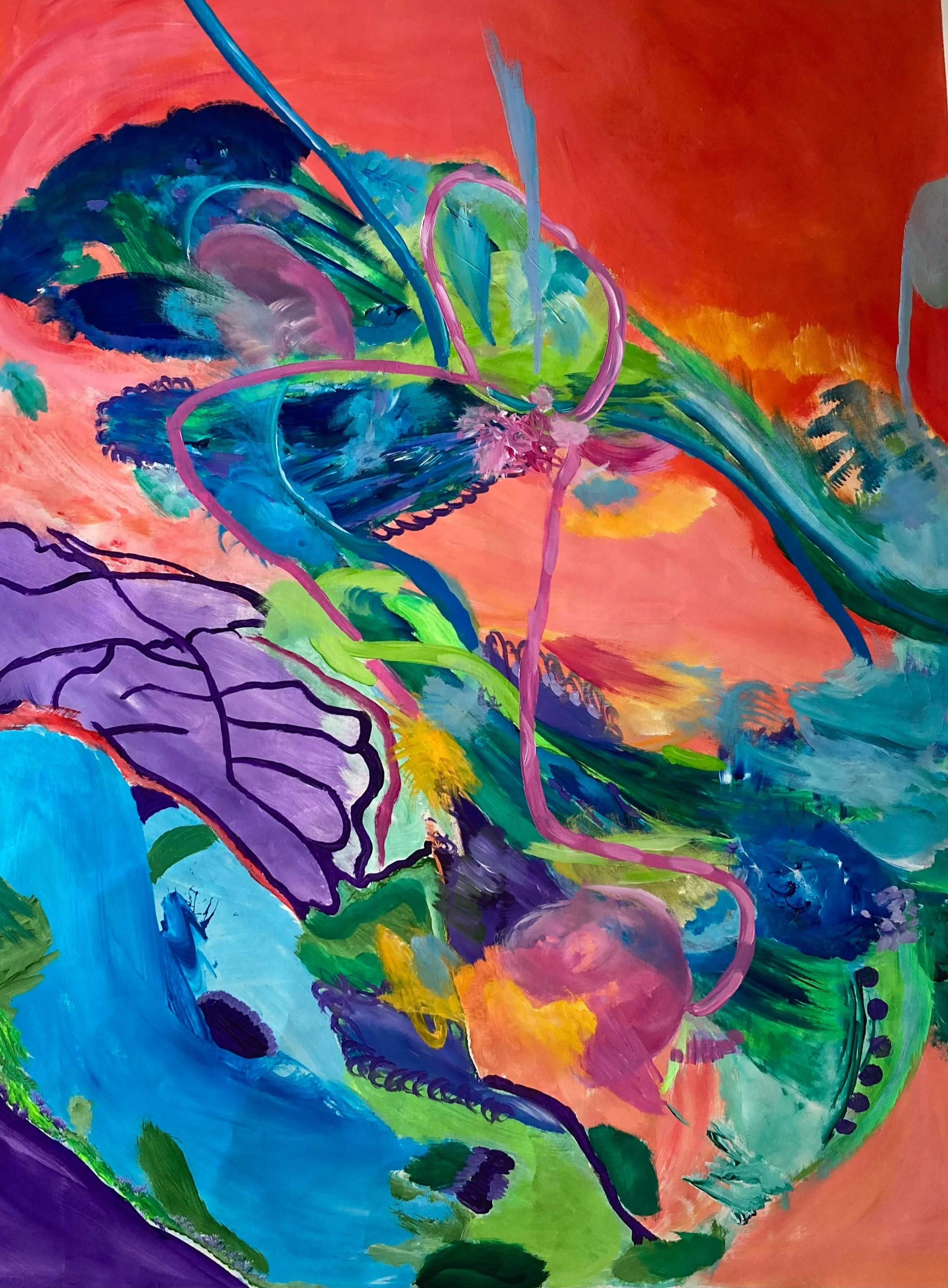
Tadpole Galaxy, 2025, 109x151,5cm
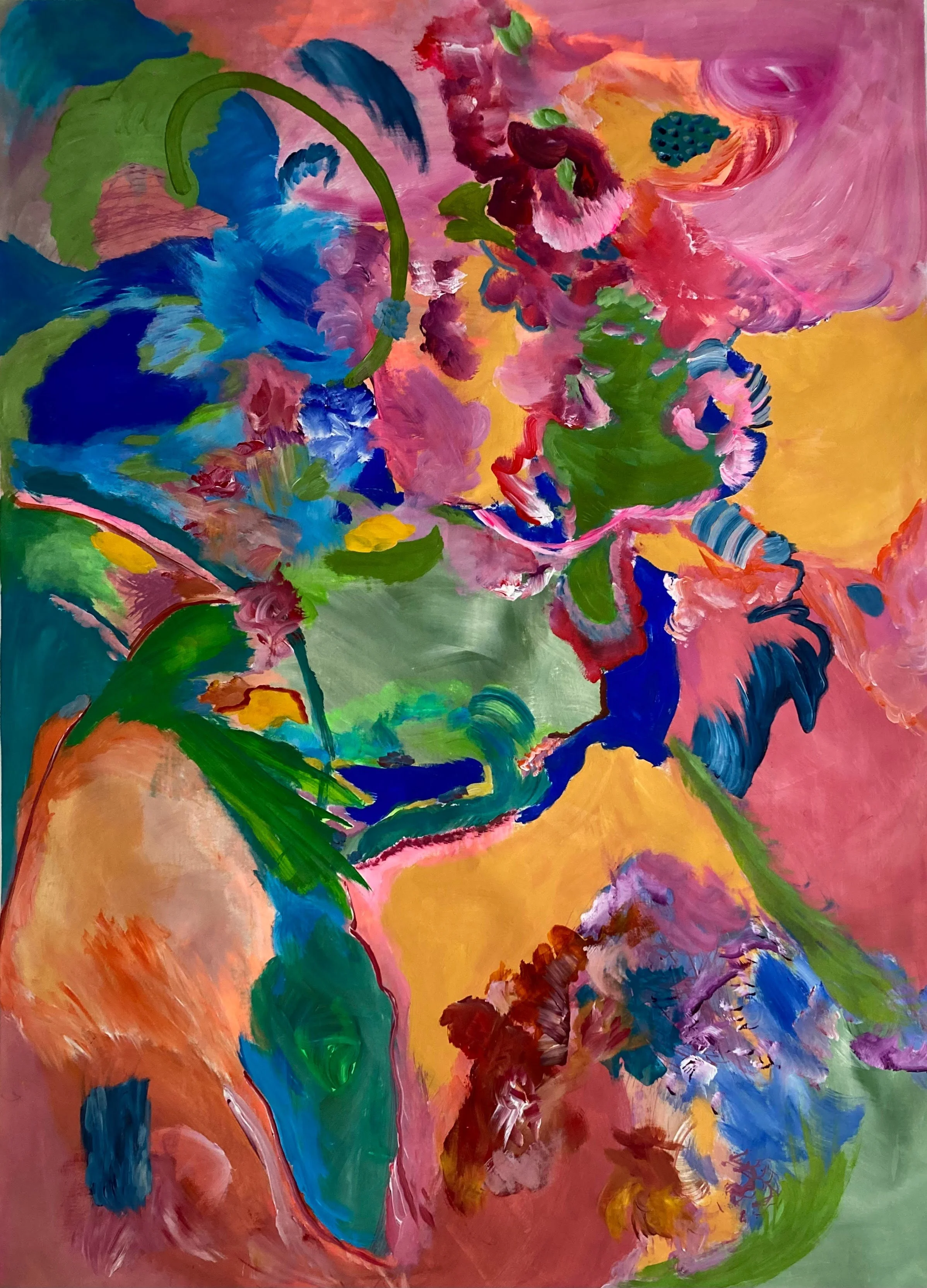
Magellanic Clouds, 2025, 109x151cm