Marija Tanaskovic Papadopoulos: Bridging Material Tradition and Digital Consciousness in the Contemporary Art Market
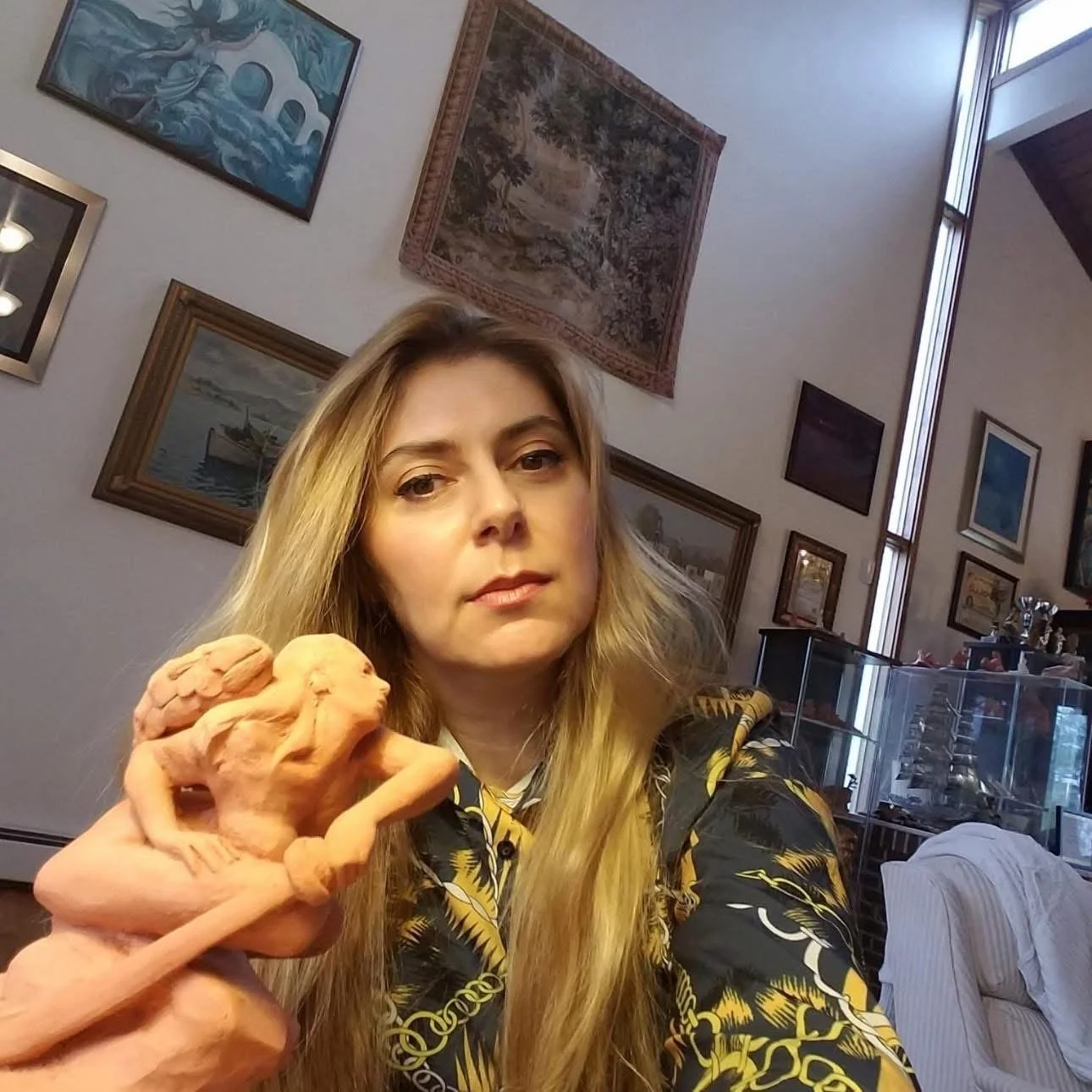
Marija Tanaskovic Papadopoulos: Bridging Material Tradition and Digital Consciousness in the Contemporary Art Market
In an era increasingly defined by the convergence of disciplines, Marija Tanaskovic Papadopoulos occupies a distinctive position at the intersection of classical craftsmanship and technological innovation. Born in Belgrade in 1976 and formally trained as a sculptor at the University of Fine Arts, where she graduated in 2001, her practice reflects both academic rigor and a sustained commitment to conceptual evolution. Since relocating to Chicago in 2004, she has developed a multidisciplinary body of work that resonates across international markets and critical platforms. Her trajectory offers a compelling case study for collectors and institutions seeking artists who not only master traditional media but also engage meaningfully with the expanding language of digital and computational art.
Tanaskovic Papadopoulos began her professional career grounded in figurative expression, working across clay, oil on canvas, watercolor, drawing, and pastel. These early works demonstrate a command of form and composition rooted in academic training. Rather than remaining within the confines of traditional media, she progressively incorporated digital tools into her practice. Today, her oeuvre spans both physical and virtual dimensions, integrating Adobe Creative Suite and advanced 3D sculpting programs. This expansion reflects a broader shift within the contemporary art market, where artists capable of navigating both analog and digital processes are increasingly valued. Her work exemplifies how technical adaptability can enhance, rather than replace, foundational artistic skills.
Central to Tanaskovic Papadopoulos’s practice is a conceptual framework that positions visual art as a conduit for energy transmission. As she articulates, “Visual art is all about passing energy to other people through the symbols and vibration of lines, color wavelengths, and shapes of artwork in the space that surrounds it.” This emphasis on vibration and resonance situates her work within a lineage of artists engaging with perceptual and metaphysical concerns, while also aligning with contemporary dialogues around the intersection of art and scientific thought.
Her compositions are constructed with precision, aiming for what she describes as “the finest level of quality in simplicity of vibration.” This pursuit of equilibrium manifests in carefully calibrated relationships between color, form, and spatial rhythm. The resulting works are intended to hold the viewer in a state of sustained attention, where perception becomes an active, almost participatory process. “Observers of art pieces are the whole point of every creation,” she notes, emphasizing that meaning emerges through interaction. In this view, the artwork operates not as a static object but as a catalyst for cognitive and emotional transformation, where the idea embedded within the work becomes more significant than its material form.
Over the past decade, Tanaskovic Papadopoulos has garnered extensive recognition from critics and curators across Europe, North America, Asia, and Latin America. Her inclusion in numerous publications, catalogues, and critical surveys has positioned her among a cohort of artists identified as significant contributors to contemporary practice. She has also been repeatedly cited in curated selections of notable and investable artists, reinforcing her visibility within the secondary discourse that often informs collector behavior.
Her presence across both print and digital platforms, alongside exhibition exposure and media coverage, contributes to a layered and credible market profile. For collectors, this breadth of documentation strengthens provenance narratives and supports long term value considerations, particularly in a market increasingly attentive to both intellectual positioning and cross platform visibility.
A defining aspect of her practice is the way in which technology is positioned as continuity rather than disruption. Digital tools in her work function as an extension of classical artistic concerns, connecting historical techniques with contemporary modes of production. She describes her most resolved compositions as a bridge between modern technology and the traditional classical approach, a synthesis that resonates with a wide collector base spanning traditional and new media interests.
Marija Tanaskovic Papadopoulos represents a model of artistic evolution that is both disciplined and adaptive. Her work engages with enduring questions of form, perception, and meaning while embracing the possibilities of contemporary technology. Within a market that increasingly values interdisciplinary fluency and conceptual clarity, her practice stands as a relevant and strategically positioned contribution to the evolving landscape of contemporary art.

Sophisticated Wings 2023

Pillars of Creation 2024
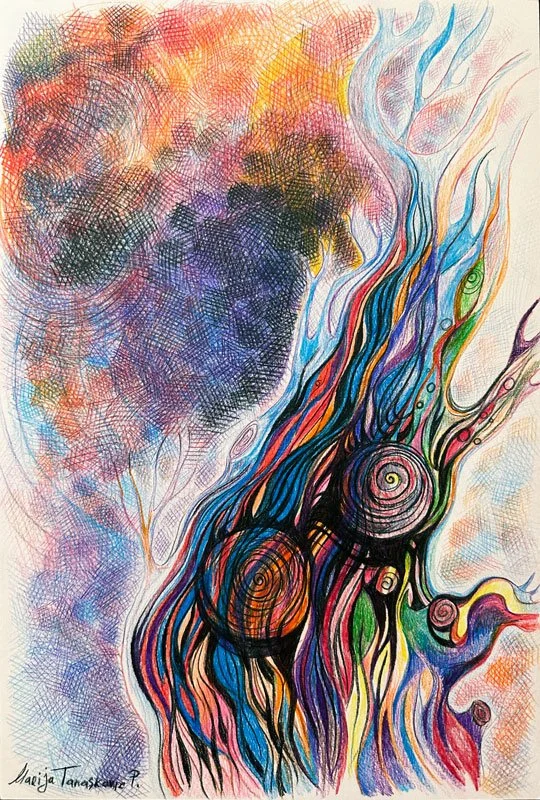
Inside the Nature of the Mistreated Nature 2024
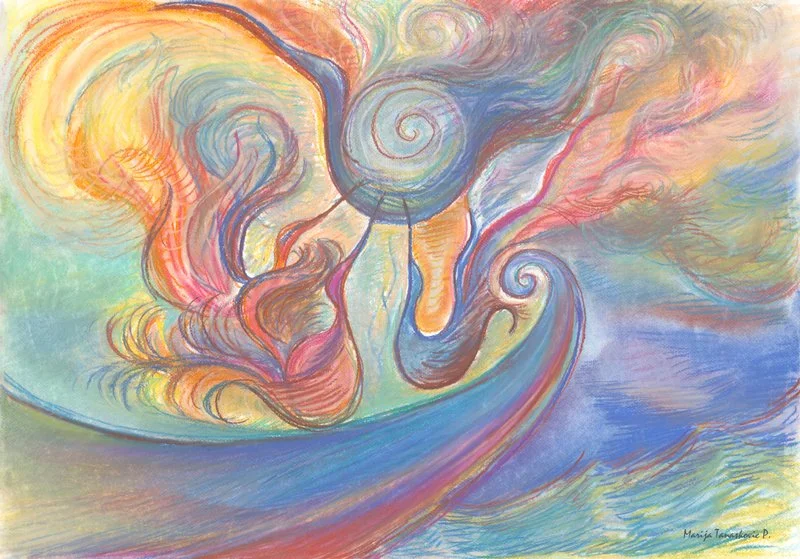
Phoenix 2002
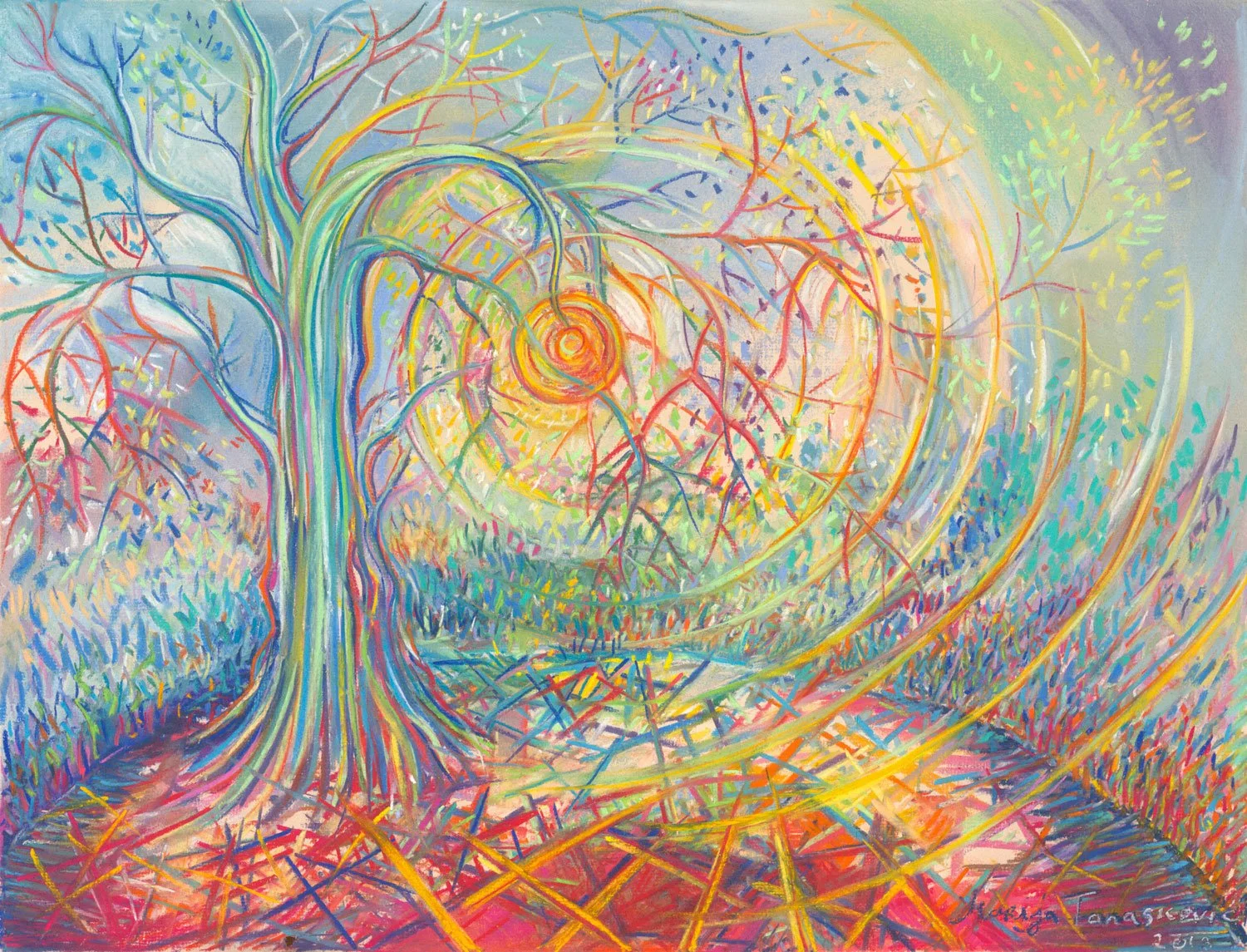
Heaven’s Gate 2011
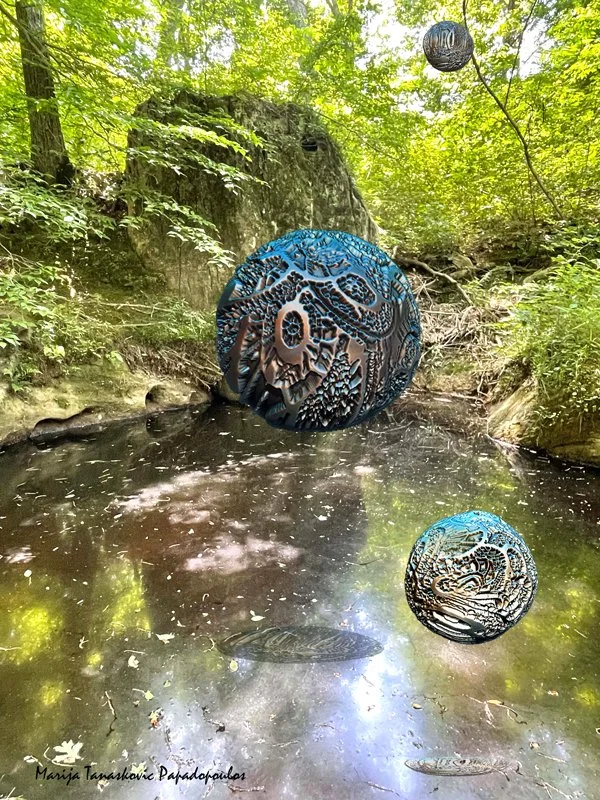
God’s Gate 2022

Seed of Will 2022

Sacral Signs in the Seascape 2020
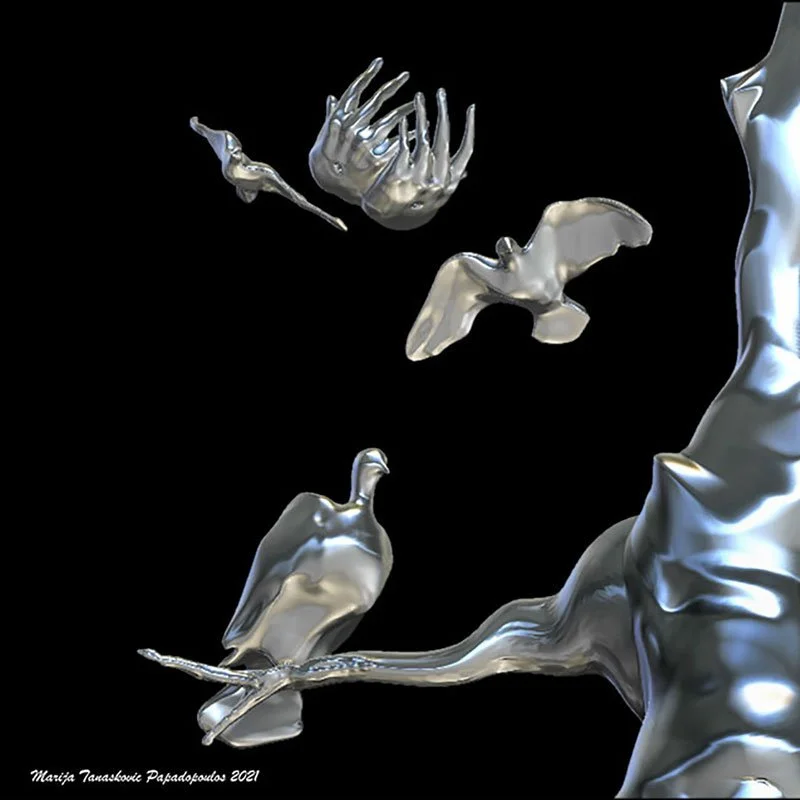
Droplets of Divine 2021
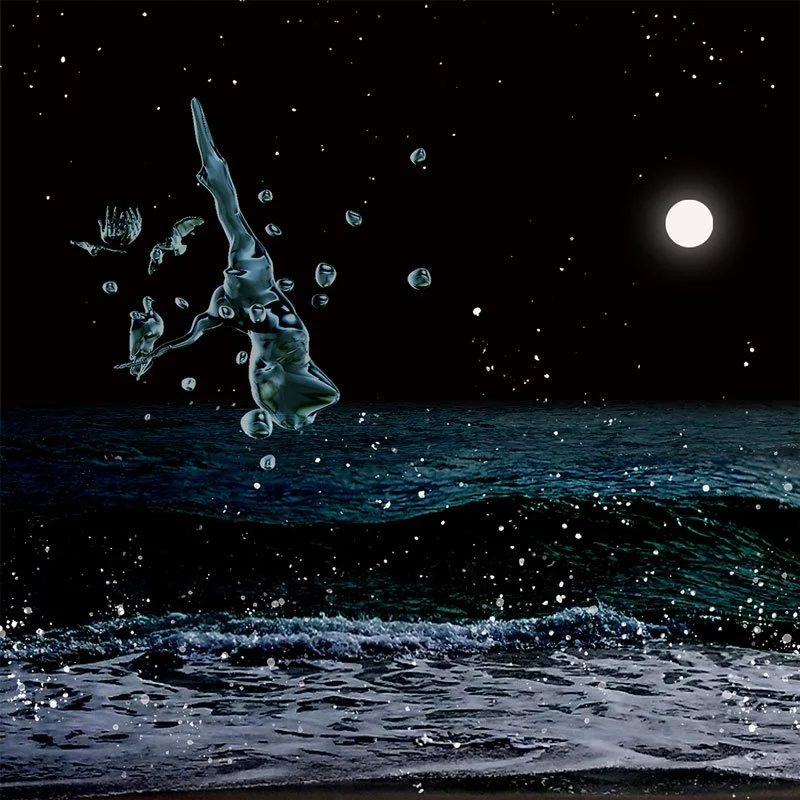
Droplets of Divine moonlight 2022