Petra Dippold-Goetz: Between Material Experimentation and Ecological Consciousness
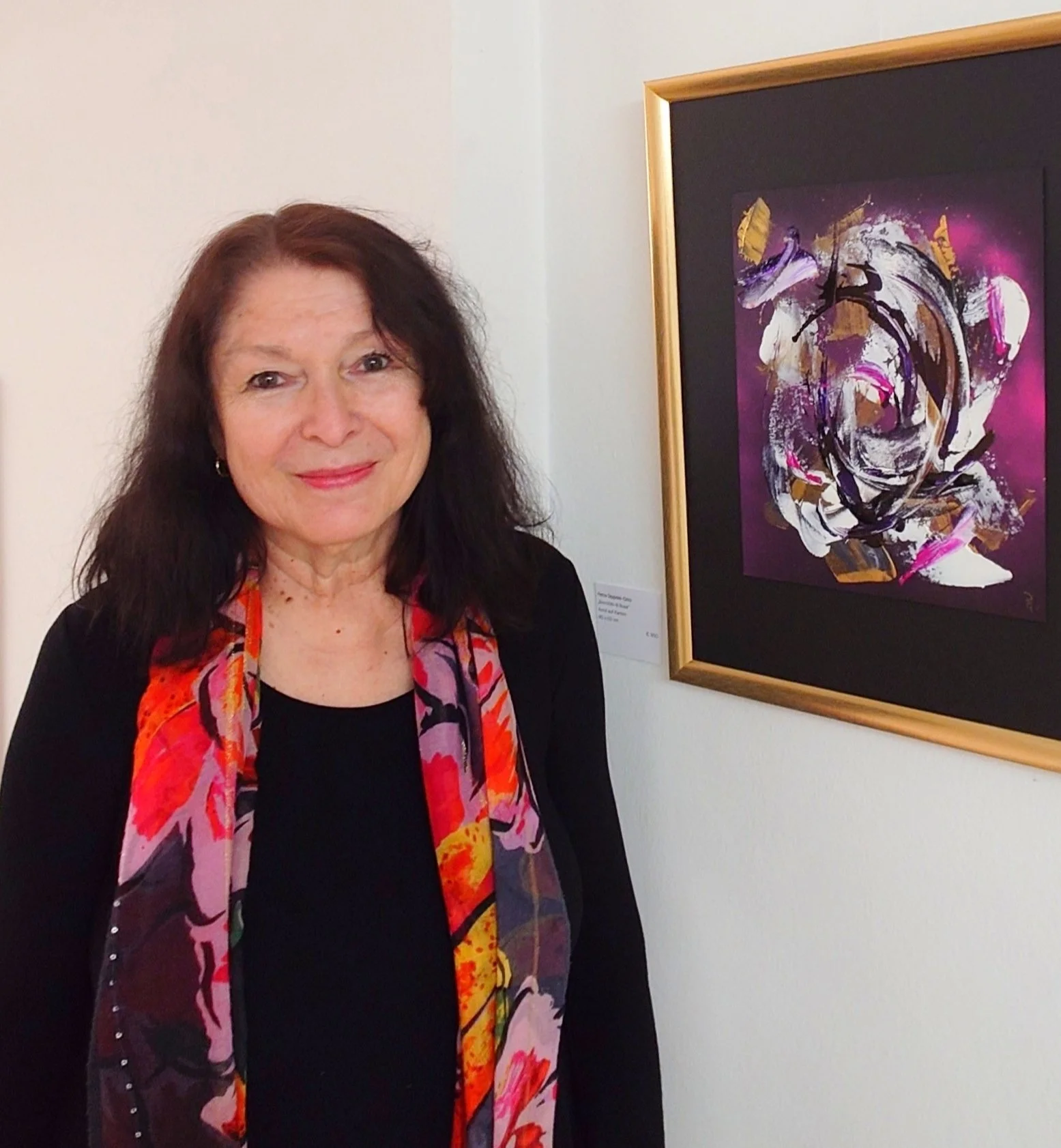
Petra Dippold-Goetz: Between Material Experimentation and Ecological Consciousness
“Art is a daughter of freedom,” wrote Friedrich Schiller. The phrase offers a fitting entry point into the practice of German artist Petra Dippold-Goetz, whose work positions abstraction not as aesthetic retreat but as a vehicle for ethical engagement. Her paintings operate at the intersection of material experimentation and ecological consciousness, advancing a form of gestural abstraction that is both tactile and ideologically charged.
Born near Nuremberg, a city historically shaped by the legacy of Albrecht Dürer, Dippold-Goetz grew up within a culturally dense environment that quietly informed her visual sensibility. Yet her professional commitment to art emerged relatively late. In 2014, a formative and unsettling encounter with a dead white dove in her garden became the catalyst for a decisive shift. The image, stark and visceral, led to a series of works incorporating physical remnants from the scene and marked the beginning of her public artistic trajectory.
That same year, she enrolled at the Academy of Faber-Castell, where she studied Fine Arts until 2018. The academic framework allowed her to consolidate technical skills while cultivating a visual language rooted in instinct, materiality, and emotional immediacy. This balance between discipline and intuition continues to define her approach.
Dippold-Goetz’s work aligns with the lineage of European Informal Art and American Abstract Expressionism, drawing influence from figures such as Emil Schumacher, Anselm Kiefer, Alberto Burri, Jackson Pollock, and Franz Kline. Like these predecessors, she privileges gesture, surface tension, and the expressive potential of unconventional materials. However, her practice diverges in its explicit ecological framing, embedding environmental critique directly into the physical structure of her works.
Her canvases are constructed with acrylic and oil, frequently augmented by sand, wood, plastic, and found objects. These materials, often remnants of human consumption, are integral to the conceptual framework of her practice. The surface becomes both image and evidence, transforming discarded matter into carriers of meaning. Through this process, the act of painting becomes inseparable from acts of recovery and recontextualization.
This engagement extends beyond the studio. Dippold-Goetz has participated in multiple Trash Art festivals, where she also conducts workshops focused on transforming waste into artistic material. Such initiatives reinforce her position within a growing movement of artists who merge production with pedagogy and activism, situating creative practice within broader ecological and social discourses.
Her works oscillate between celebration and confrontation. Some compositions foreground chromatic intensity and gestural vitality, offering an almost lyrical affirmation of life and artistic freedom. Others present a more urgent visual language, addressing ecological destruction, species extinction, and the consequences of unchecked consumption. This dual register broadens her appeal within the market, engaging both collectors drawn to expressive abstraction and those attuned to socially engaged practices.
“I see myself as an artist-activist,” Dippold-Goetz has stated, framing her work as both aesthetic and ethical intervention. In an art market increasingly attentive to environmental, social, and governance considerations, such positioning resonates with contemporary collecting priorities. Her paintings function not only as visual objects but as statements of intent, aligning artistic value with moral inquiry.
Her exhibition history spans key international art centers including Rome, Venice, Madrid, Vienna, Paris, Barcelona, New York, and Tokyo. Her works are held in collections across Europe, the United States, Singapore, and Japan, reflecting a broad and diversified collector base. Recognition through awards such as Faces of Peace, Voices of Tomorrow, Global Art Virtuoso, and Art Leaders of Our Time further contributes to her visibility within an expanding global network of contemporary art platforms.
Dippold-Goetz occupies a distinctive position within the current market landscape. Her synthesis of abstraction, material experimentation, and ecological urgency corresponds with curatorial trends that prioritize interdisciplinary and concept-driven work. At the same time, her commitment to painterly expression ensures continued relevance within more traditional frameworks of collecting.
Her long-term market trajectory will likely depend on deeper institutional engagement and critical discourse beyond award circuits. Inclusion in museum exhibitions, academic analysis, and thematic surveys addressing sustainability and materiality would further consolidate her standing.
Ultimately, Petra Dippold-Goetz’s practice reflects a broader redefinition of abstraction in the twenty-first century. In her work, gesture and material are inseparable from responsibility and intent. Each painting becomes an arena in which freedom and accountability coexist, echoing Schiller’s proposition in contemporary form. Her works stand as “daughters of freedom,” shaped not only by expressive autonomy but by a sustained commitment to confronting the realities of the world they inhabit.
https://www.petradippoldgoetz.com
https://www.instagram.com/petrapainting
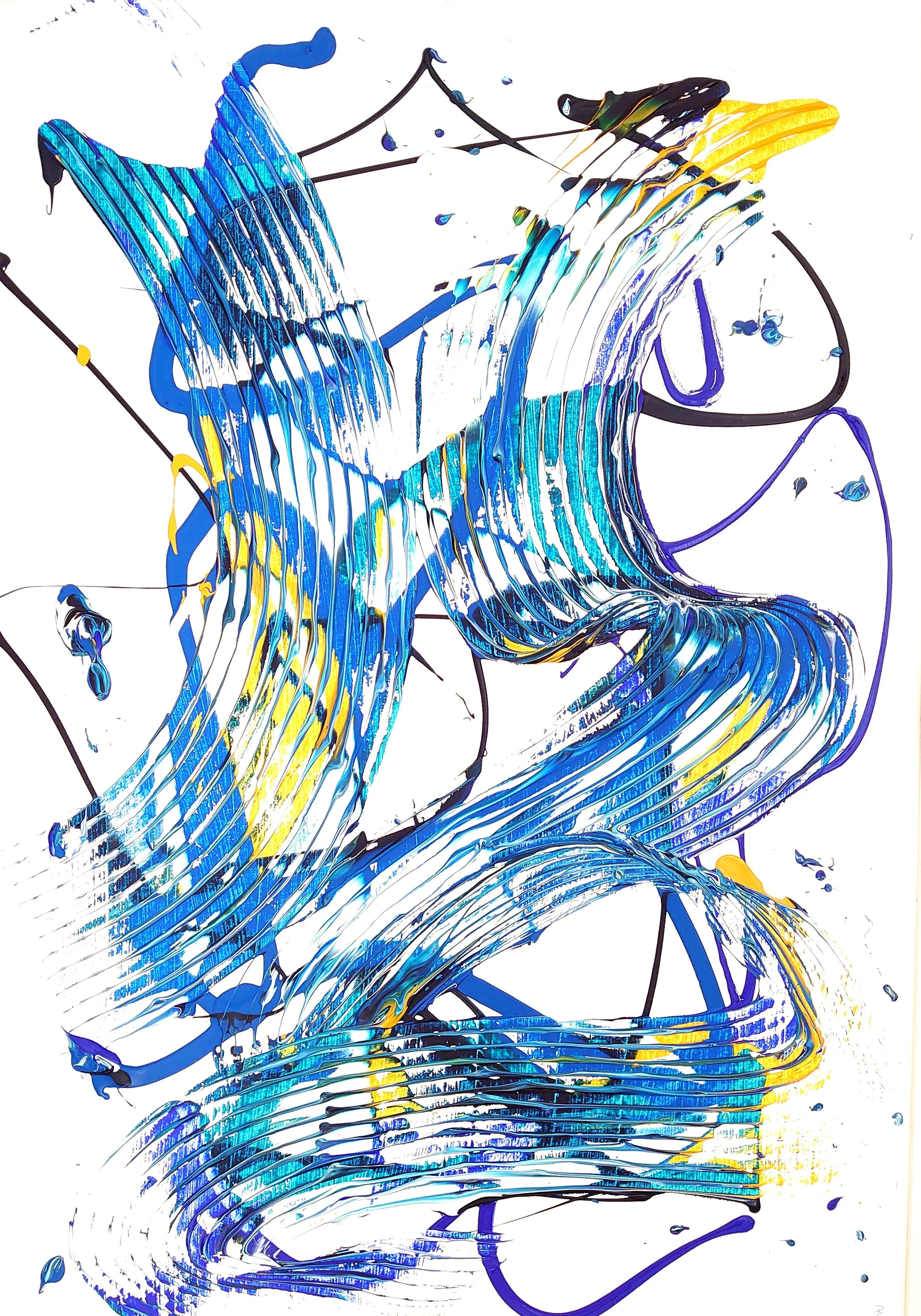
The Dolphins' Kiss, 2019
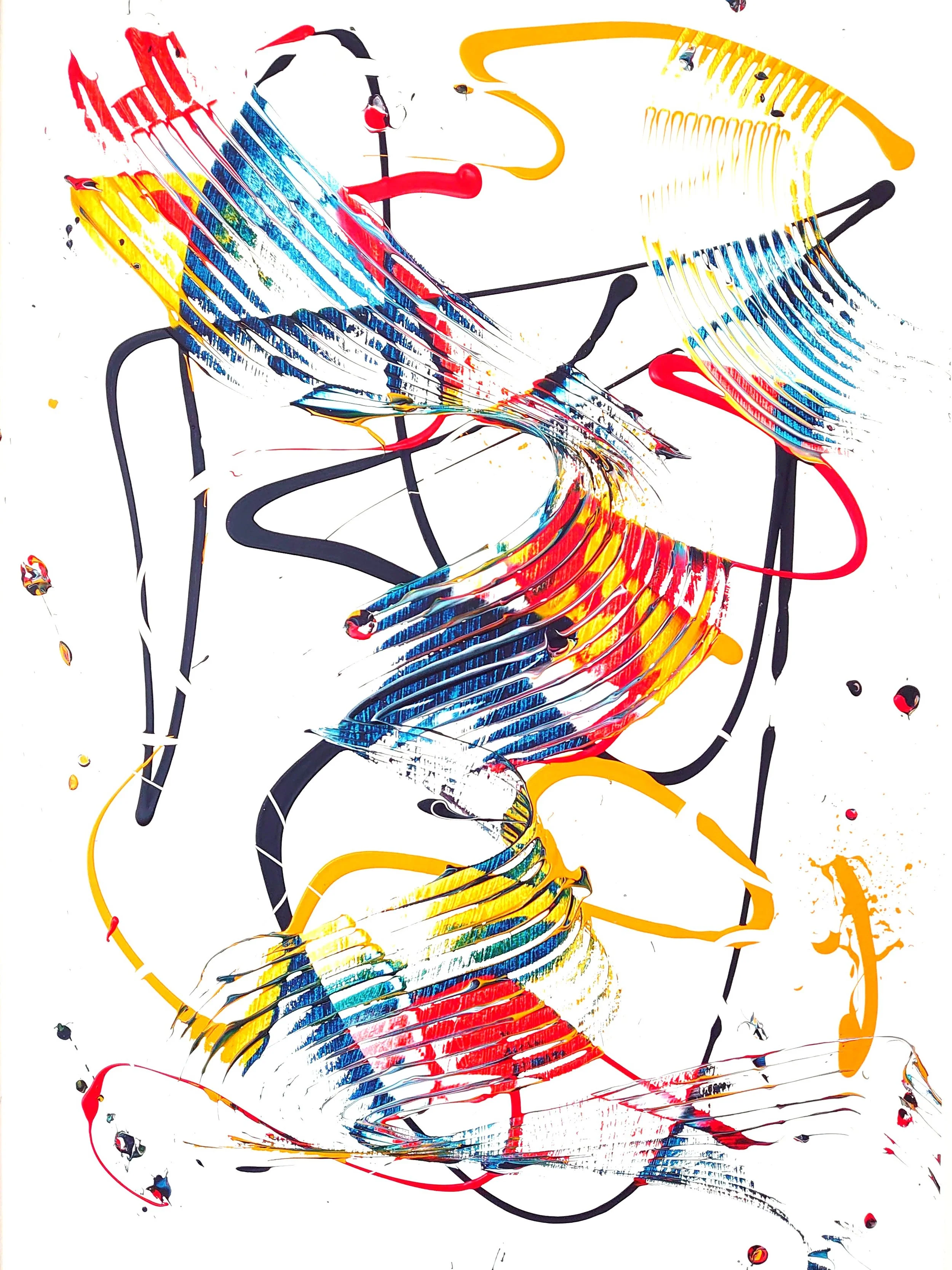
Capriccioso, 2019
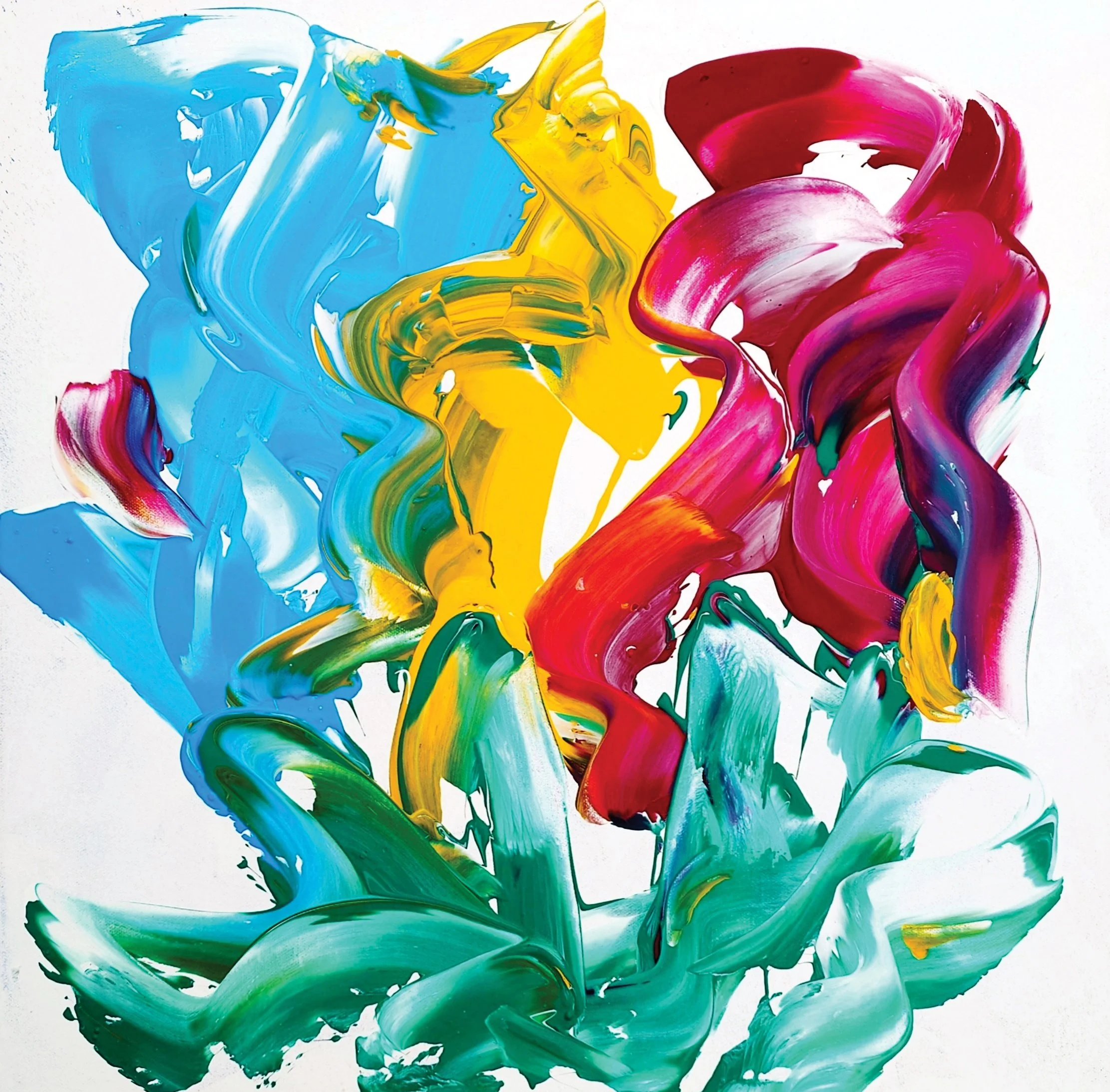
Floral Rhapsody, 2025
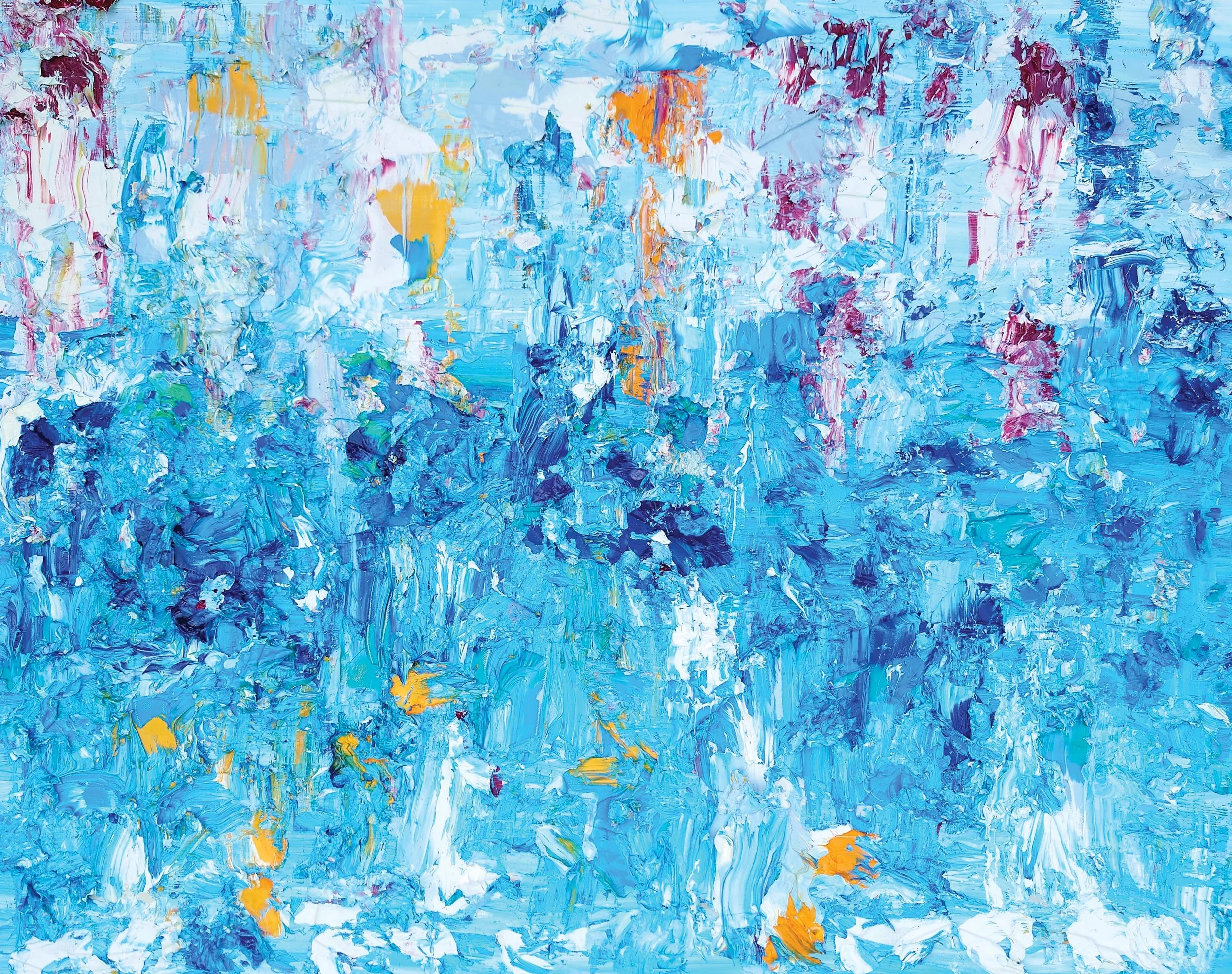
La musica del mare, 2021
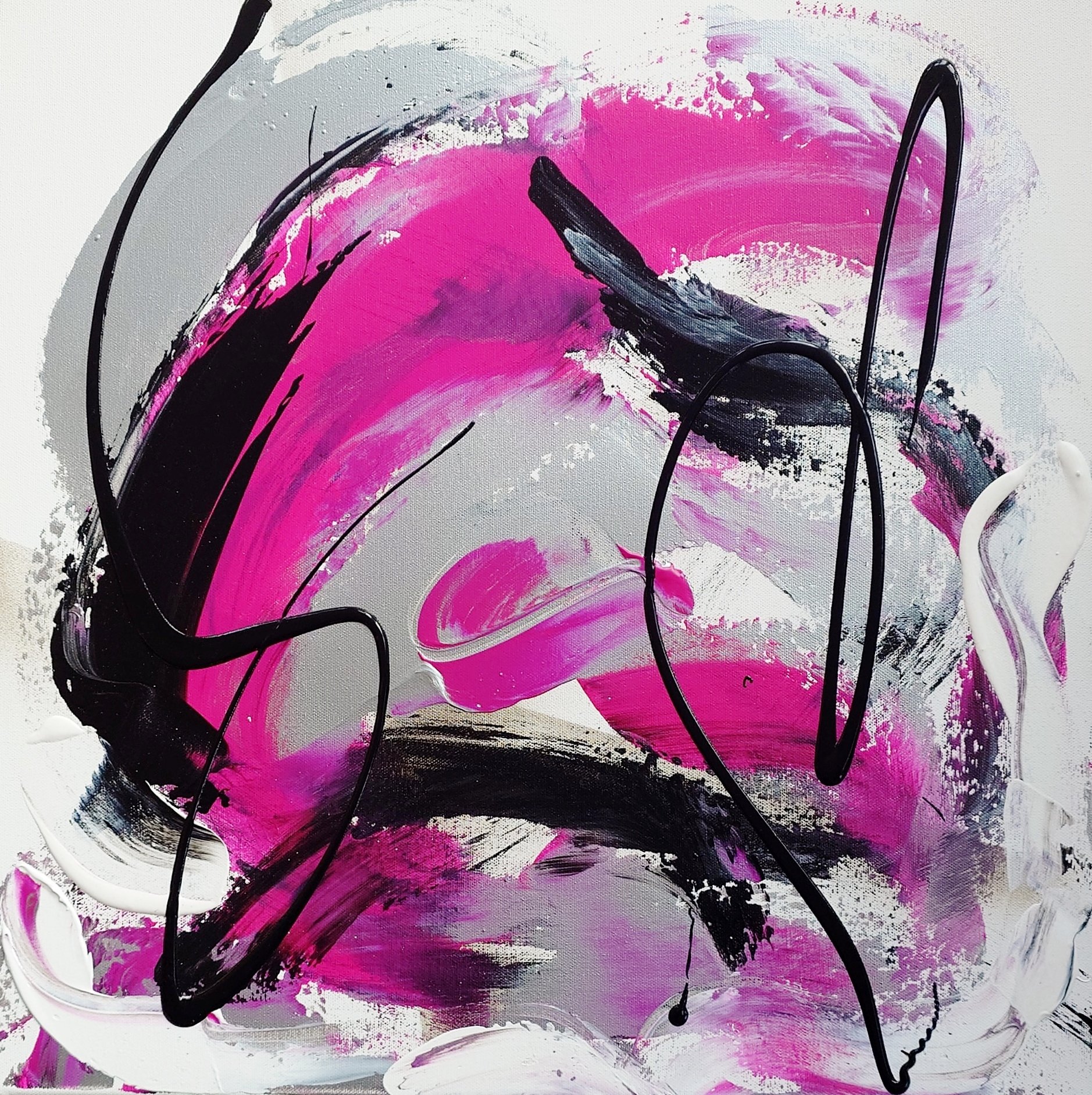
Adesso tu, 2025

Bocciolo di Rosa, 2022
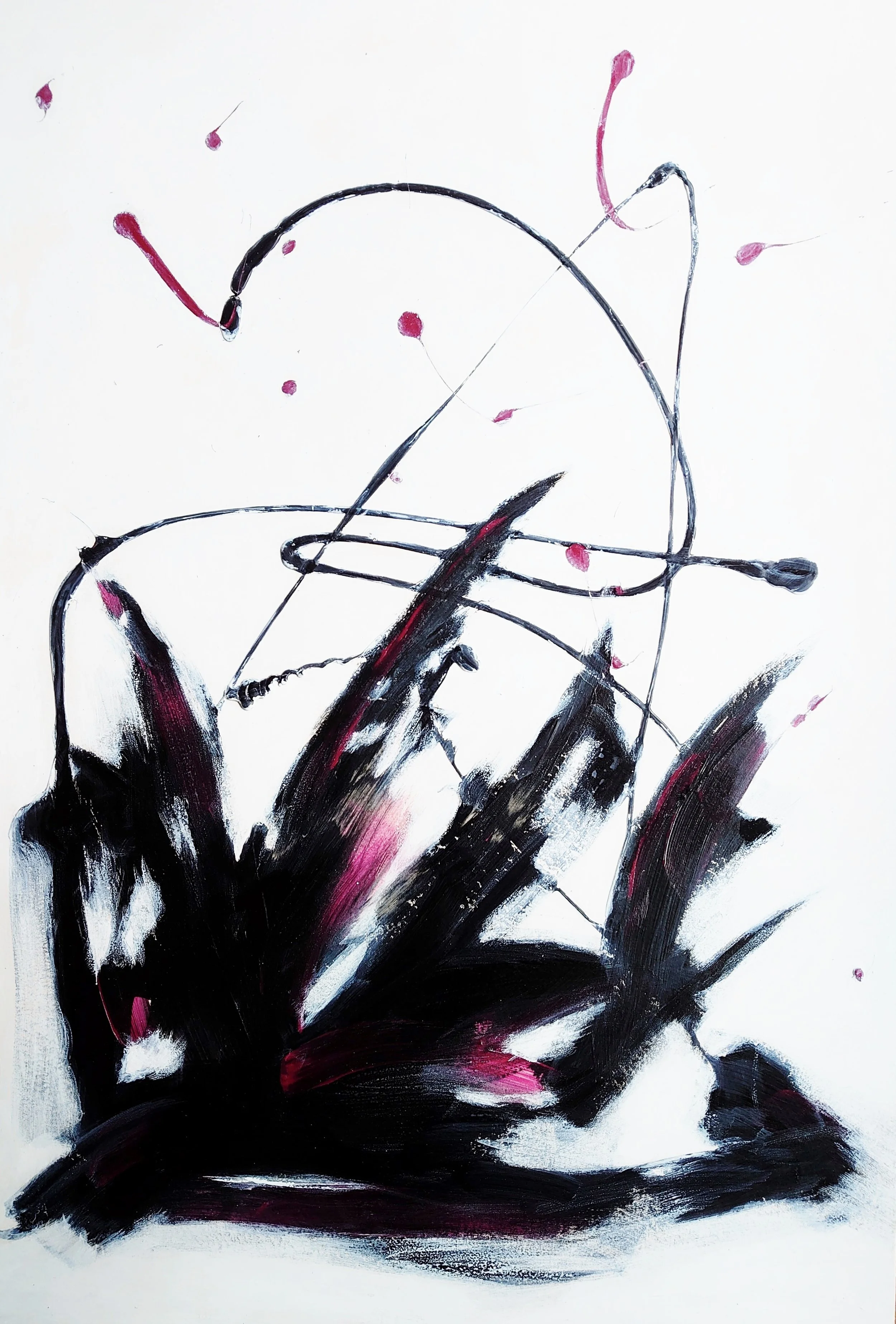
Sparkling, 2018
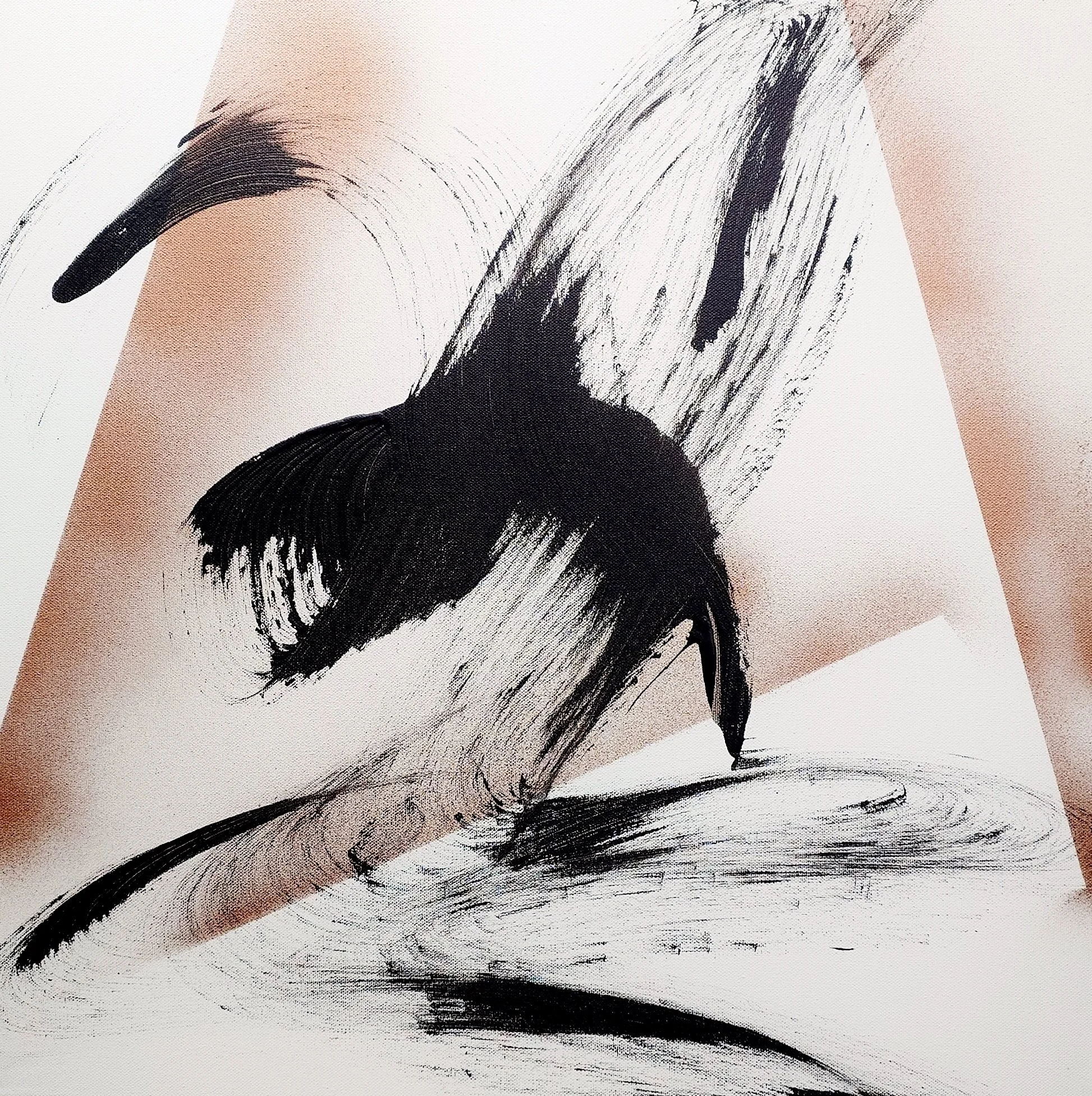
Catch me if you can, 2025
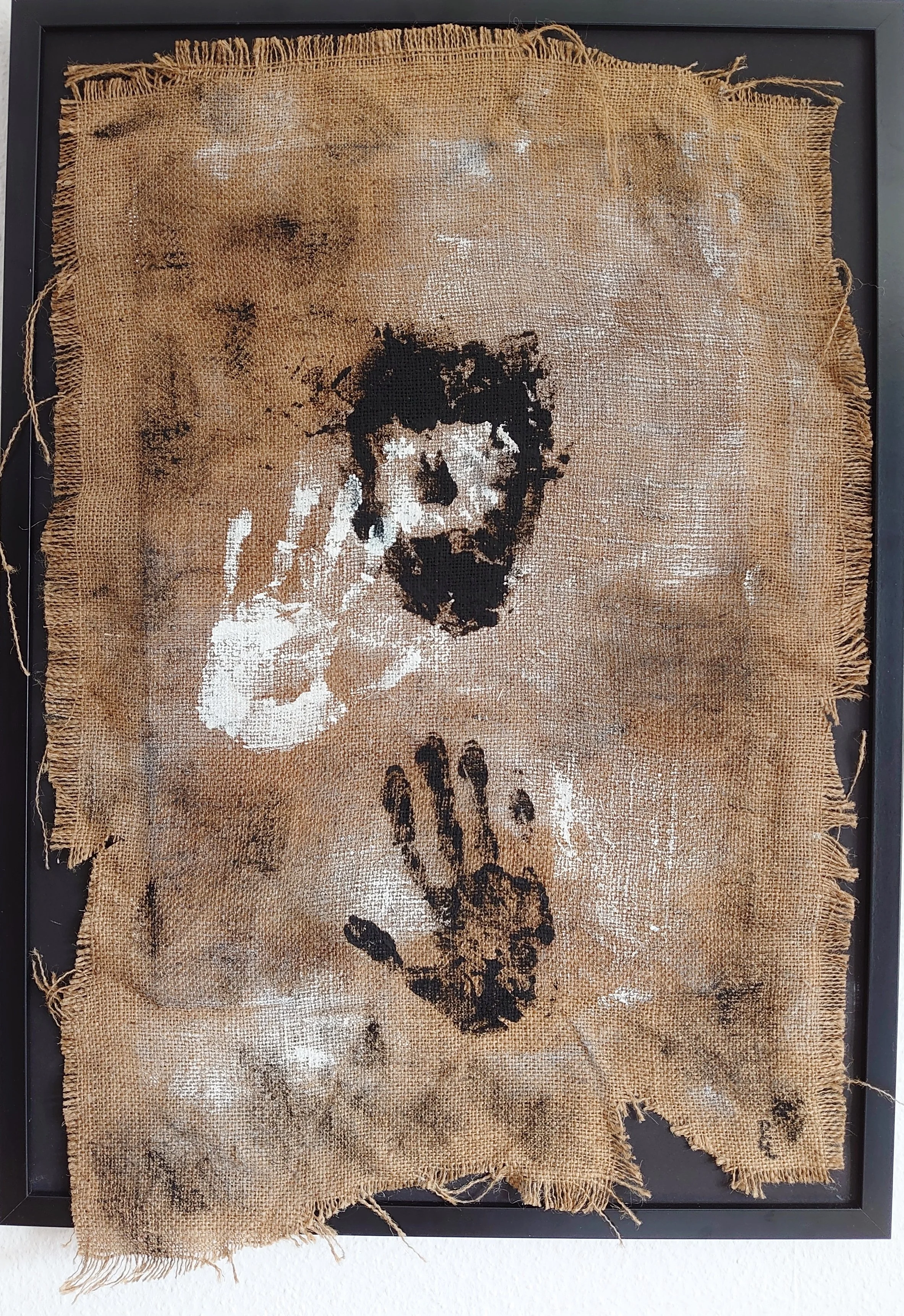
STOP! 2015
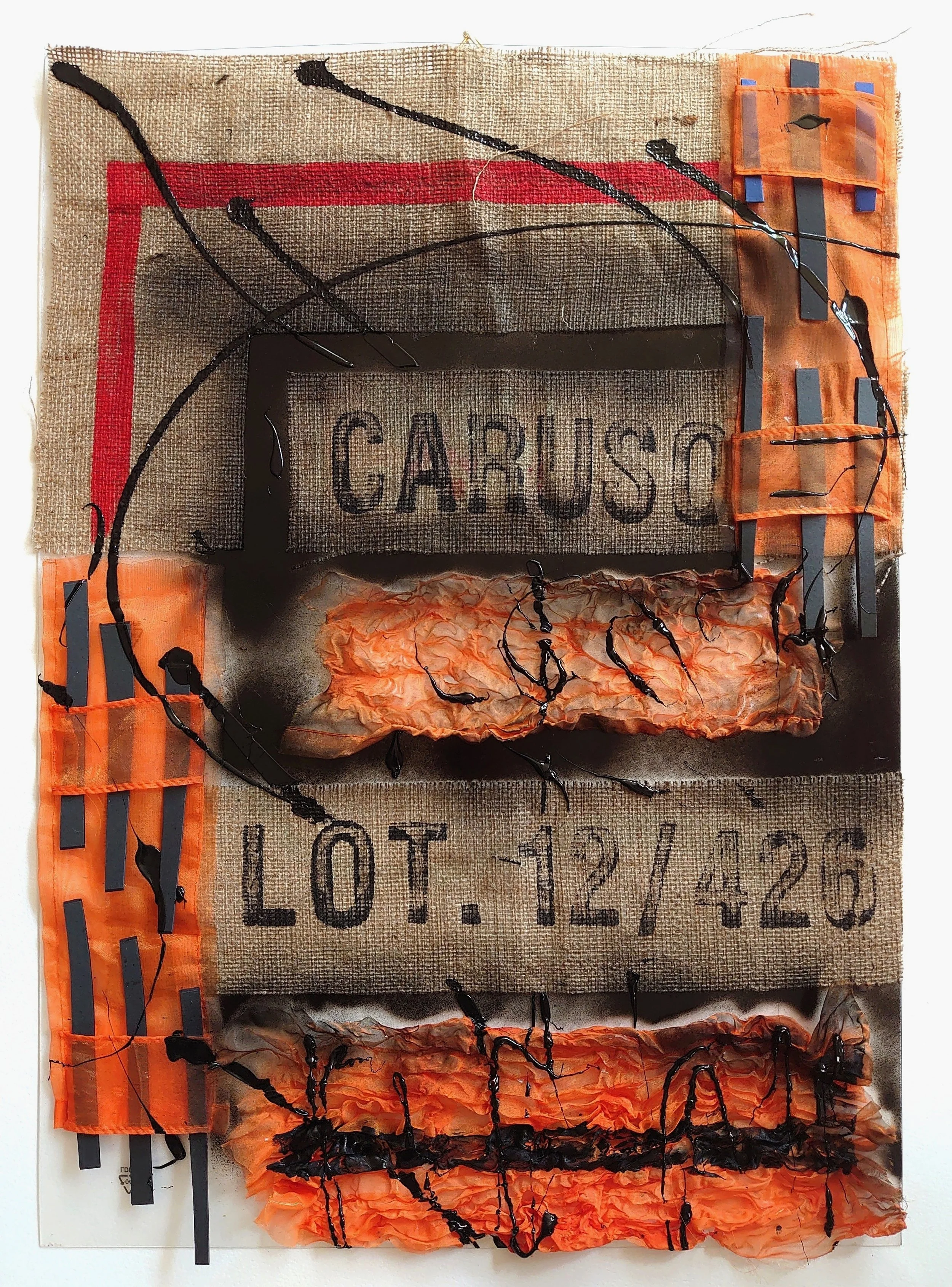
Caruso, 2018