Michal Avrech: Resilience, Renewal, and the Expanding Market for Expressive Abstraction
Michal Avrech: Resilience, Renewal, and the Expanding Market for Expressive Abstraction
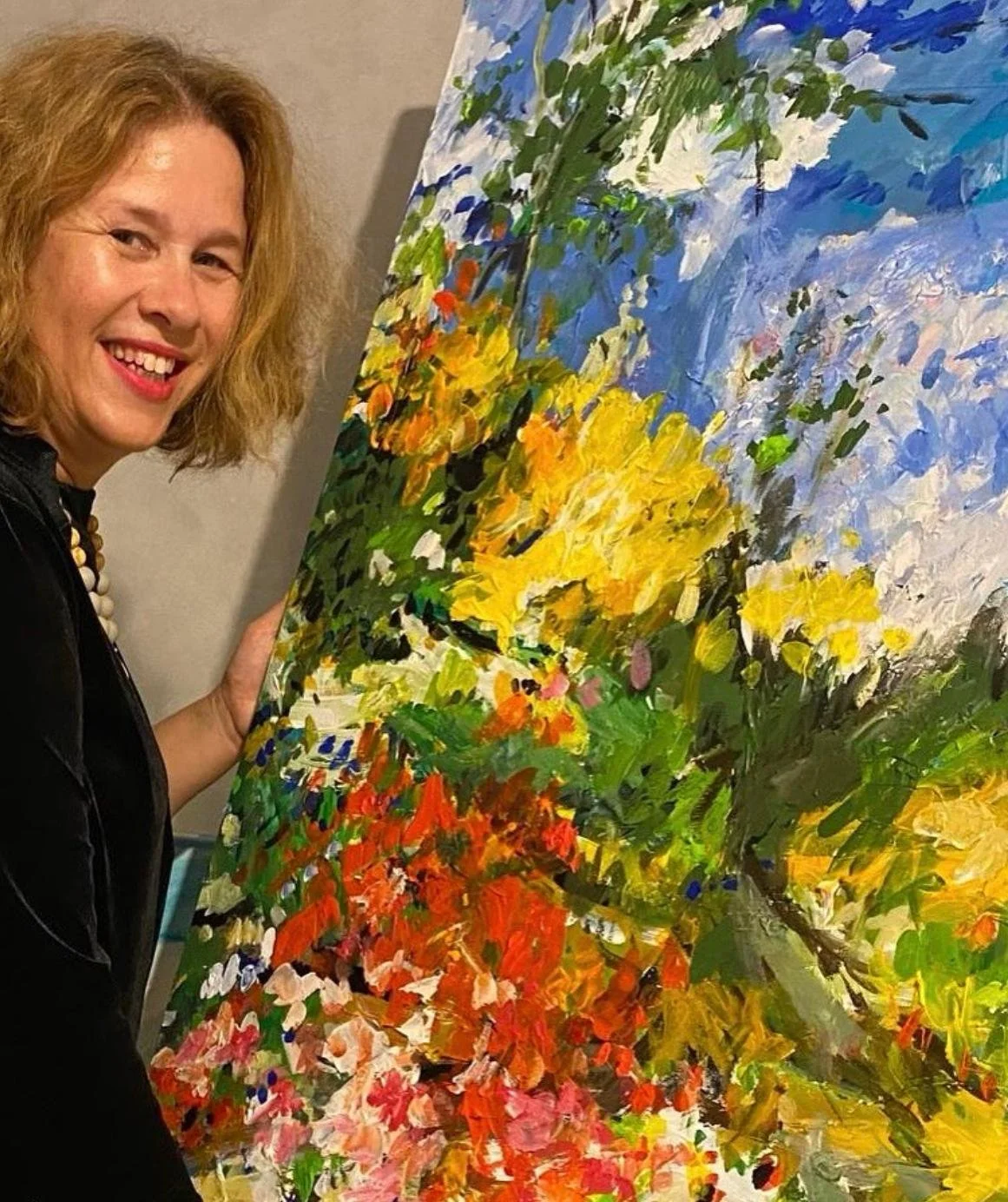
Israeli artist Michal Avrech has developed an international practice in which expressive abstraction, psychological insight, and the regenerative symbolism of nature converge. Working primarily with acrylic paint on large-scale canvases, she creates landscapes that occupy a space between observation, memory, and dream. Their vivid colors, fluid rhythms, and energetic brushwork communicate a sense of vitality, while recurring images of broken or scorched trees introduce more complex reflections on vulnerability, survival, and renewal.
Avrech holds a bachelor’s degree in fine art and a master’s degree in art therapy from the University of Haifa. Her dual career as a painter and an art therapist working with at-risk youth is central to understanding the emotional architecture of her work. Although her paintings are not illustrations of therapeutic experiences, they emerge from a sustained engagement with resilience, hope, childhood, motherhood, family, and recovery after crisis.
This combination of formal expressiveness and emotional accessibility has helped Avrech establish a presence across Europe, the United States, and Asia. Her work has appeared in biennales, museums, art fairs, galleries, and international publications, while also entering private and public collections. For collectors examining contemporary abstraction, her practice offers a coherent body of work supported by an expanding exhibition history and a clearly identifiable visual language.
Avrech approaches the landscape intuitively. Rather than constructing a literal representation of a particular place, she responds to the natural environment through rapid brushstrokes, saturated color, layered movement, and what she describes as an Impressionistic flow. The resulting compositions retain suggestions of trees, earth, sky, and vegetation, but resist fixed geography. They are recognizable enough to create an immediate connection, yet sufficiently abstract to allow viewers to bring their own memories and associations to the image.
This balance between the personal and the universal is one of the defining qualities of her practice. Avrech draws inspiration from her surroundings, but her paintings are not intended to document specific locations. Instead, landscape becomes a psychological and symbolic field. Color carries emotional weight, while the movement of paint conveys states of disruption, liberation, uncertainty, and growth.
The tree is particularly significant within this vocabulary. Broken, damaged, or burned trees frequently appear throughout her work, functioning as visual and psychological archetypes. Avrech associates the tree with a Jungian understanding of rootedness, transformation, and continuity. Its visible structure may be fractured, but its roots preserve the possibility of regeneration. New branches can emerge, and fruit can return.
Within the paintings, this symbolism often prevents darker imagery from becoming entirely pessimistic. Scorched forms and fragmented compositions acknowledge damage without treating it as a final condition. The possibility of renewal remains embedded in the image. This perspective reflects Avrech’s conviction that people, like trees, can endure profound difficulty and continue to develop.
Her interest in resilience has particular relevance within contemporary culture, where artists increasingly examine the psychological consequences of social instability, displacement, conflict, and personal crisis. Avrech addresses these concerns through metaphor rather than documentary narrative. The absence of a narrowly defined story allows her paintings to cross cultural boundaries and remain open to multiple interpretations.
Her therapeutic practice adds another dimension to this position. Through her work with at-risk youth, Avrech encounters the importance of expression, emotional recognition, and the gradual reconstruction of trust. The hope and optimism she seeks to encourage within that professional setting also inform her artistic intentions. Her paintings aim to create an encounter in which viewers can recognize fragility while remaining conscious of possibility.
This does not mean that the work offers uncomplicated reassurance. Its vitality is often accompanied by tension. Bold areas of color collide with disrupted forms, and gestural passages may appear both spontaneous and unsettled. The paintings communicate freedom, but they also reveal the effort required to move through uncertainty. Their optimism is therefore not decorative. It develops through an acknowledgment of fracture.
Themes of motherhood, childhood, intimacy, and family further broaden Avrech’s exploration of emotional life. These subjects are rarely presented through conventional figuration. Instead, they are translated into relationships between color, rhythm, density, and space. A concentrated area of paint may suggest protection or closeness, while open passages can evoke distance, freedom, or vulnerability. This indirect approach encourages an emotional response without prescribing a single interpretation.
From an art market perspective, Avrech’s work belongs to the continuing international interest in expressive abstraction and contemporary interpretations of landscape. Her paintings combine visual immediacy with a consistent conceptual foundation, an important consideration for collectors seeking practices that extend beyond surface appeal. The large scale of many works gives them a strong architectural presence, while their chromatic intensity makes them particularly responsive to residential, corporate, and institutional environments.
Her international exhibition record also demonstrates sustained geographic reach. Avrech has participated in multiple editions of the Florence Biennale and has presented work through events and institutions including FIAC-related programming at the Carrousel du Louvre in Paris, the MAMAG Modern Art Museum near Vienna, the Bunker Museum in Germany, and exhibitions in Rome, Venice, Berlin, Munich, Monaco, Sicily, London, Moscow, and North Macedonia.
Her presence in the United States has included exhibitions associated with Miami Art Week, Art Spectrum Miami, Art Expo New York, Art Expo San Diego, Las Vegas, and group presentations in New York City. In Asia, her work has appeared at the Tokyo Tower Art Fair, the Seoul Art Fair, the Adishakti Museum of Heritage and Arts in Rajasthan, and international exhibitions in Yogyakarta and Bandung, Indonesia.
This geographic breadth is meaningful because it reflects the portability of Avrech’s visual language. Her landscapes do not depend upon extensive explanation or a specific national context. Their subjects of damage, recovery, belonging, and hope are widely legible, while their abstract structure allows different audiences to encounter them through their own cultural and emotional frameworks.
Avrech’s professional recognition has grown alongside this exhibition activity. She was selected as a finalist for the Prisma Art Prize in 2020 and received the Woman’s Essence Award in 2023. In 2024, she received the Future of Art Global Masterpiece Award and a Certificate of Achievement from Visual Art Association. The El Greco Art Achievement Certificate of Honor followed in 2025, and in 2026 she received the Secondo Premio International Art Award Primavera in Arte.
Her work has also been featured in publications including the Woman’s Essence Award Catalogue, the Florence Biennale Catalogue, and Contemporary Art Collectors Magazine. Such editorial and curatorial visibility contributes to the documentation of her career and strengthens the broader context through which collectors and art professionals can assess the development of her practice.
Residencies in Sicily, India, and Serbia have further expanded her engagement with different environments and artistic communities. For a painter whose work is deeply connected to nature, place, and intercultural communication, these experiences offer significant contexts for continued exploration. They also reinforce her belief that art can create relationships between individuals and cultures without depending exclusively on verbal language.
Avrech is a member of professional organizations including the Israeli Visual Artists Association, the International Association of Art, the Jewish Art Salon, and Stars in the Arts. These affiliations situate her within both national and international artistic networks while reflecting the professional structure surrounding her studio practice.
Her work should not be reduced to a simple narrative of healing. What distinguishes it is the way hope is constructed through formal tension. Renewal appears only after rupture has been recognized. Vital colors coexist with burned trees, fluid gestures encounter fragmented forms, and moments of openness emerge from visually dense surfaces. This tension gives the paintings their psychological depth.
For collectors, Avrech’s practice presents several points of interest: a recognizable aesthetic identity, consistent thematic development, international exhibition exposure, professional recognition, and an expanding record of institutional and editorial engagement. Her paintings also participate in broader conversations surrounding ecology, psychological resilience, and the renewed relevance of landscape as a vehicle for examining contemporary experience.
Michal Avrech has created a body of work in which abstraction becomes both an emotional language and a form of connection. Her landscapes invite viewers to confront fragility without surrendering to it. Rooted in personal experience yet directed toward universal concerns, they affirm the possibility that art can acknowledge crisis, preserve memory, and make renewal visible.
Website: https://www.art-michalavrech.com/
Instagram: https://www.instagram.com/michal.avrech/
Linkedin: https://www.linkedin.com/in/michal-avrech-art/
Facebook: https://www.facebook.com/artmichalavrech
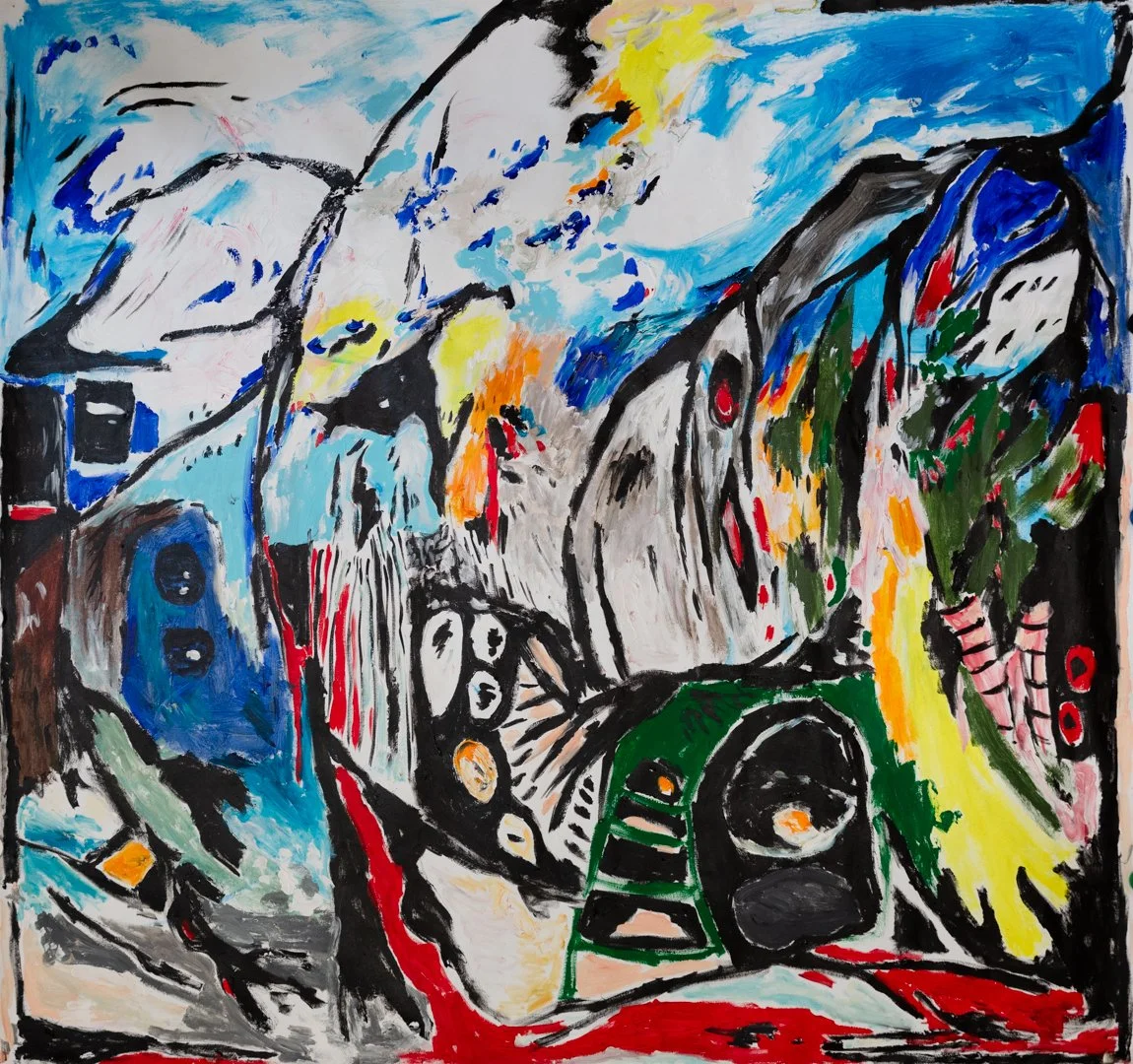
Stay Strong, 2023, Acrylic on canvas, 163 x 180 cm
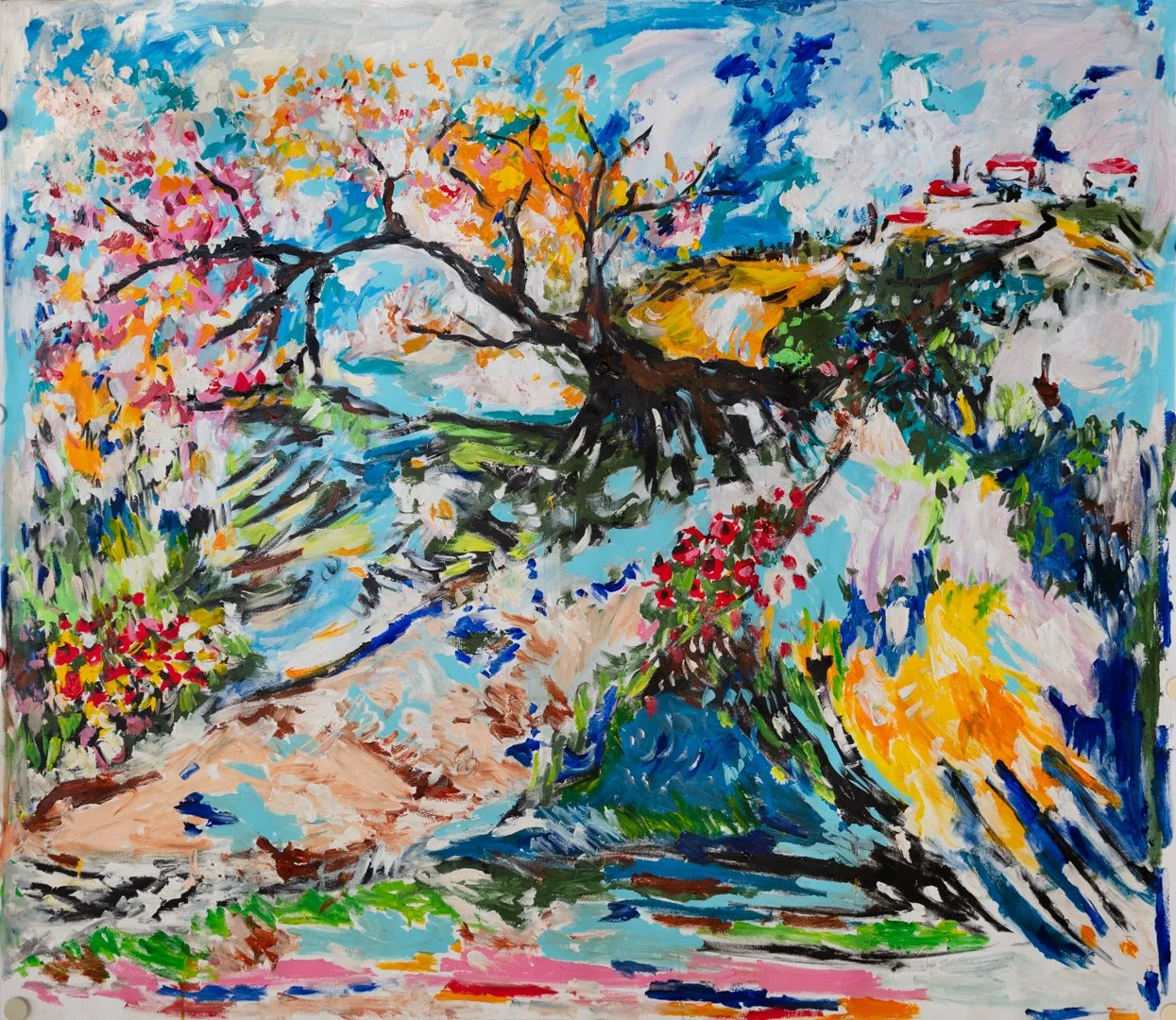
Revival, 2024, Acrylic on canvas, 163 x 180 cm
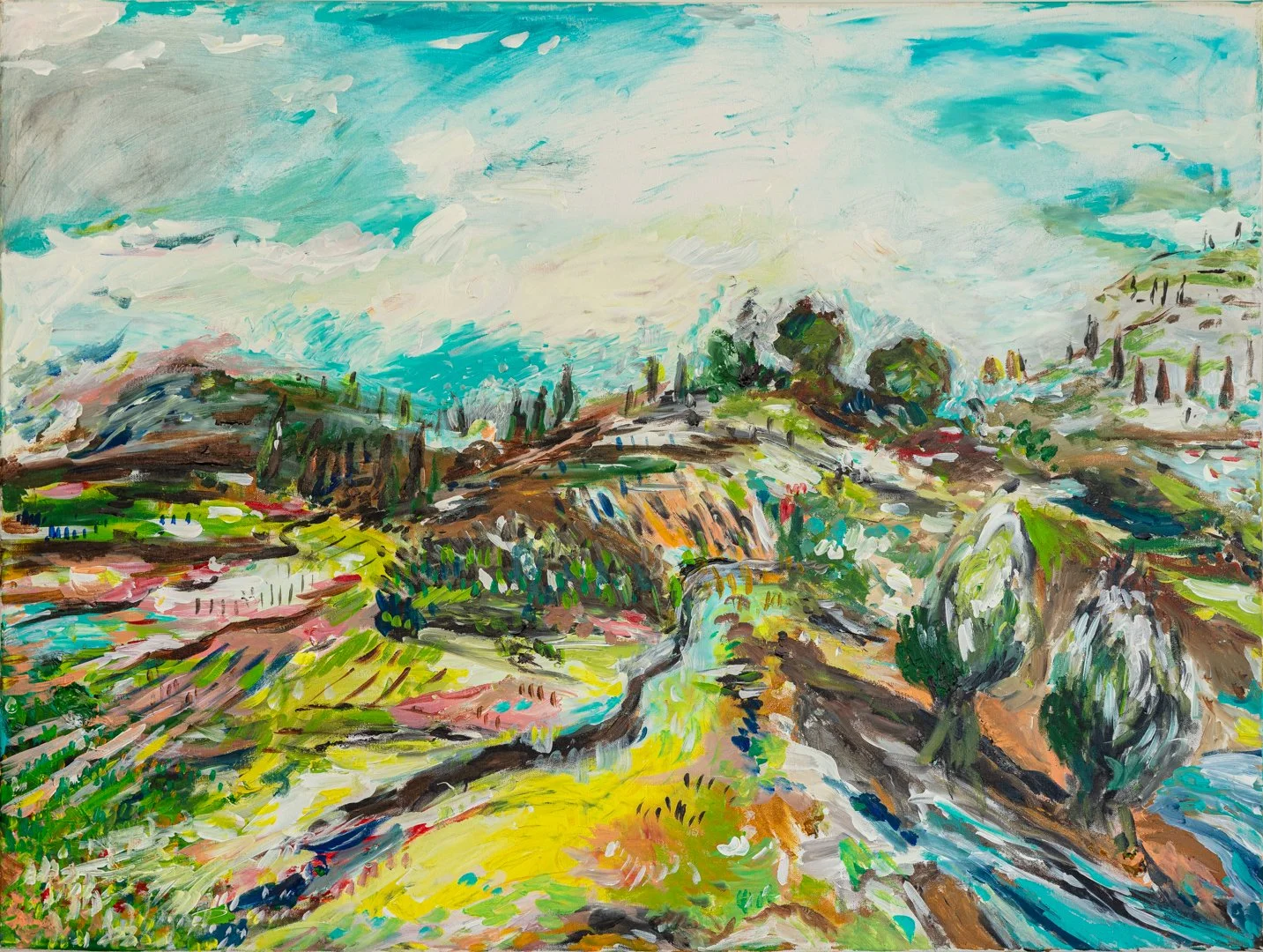
Longing, 2022, Acrylic on canvas, 90 x 120 cm
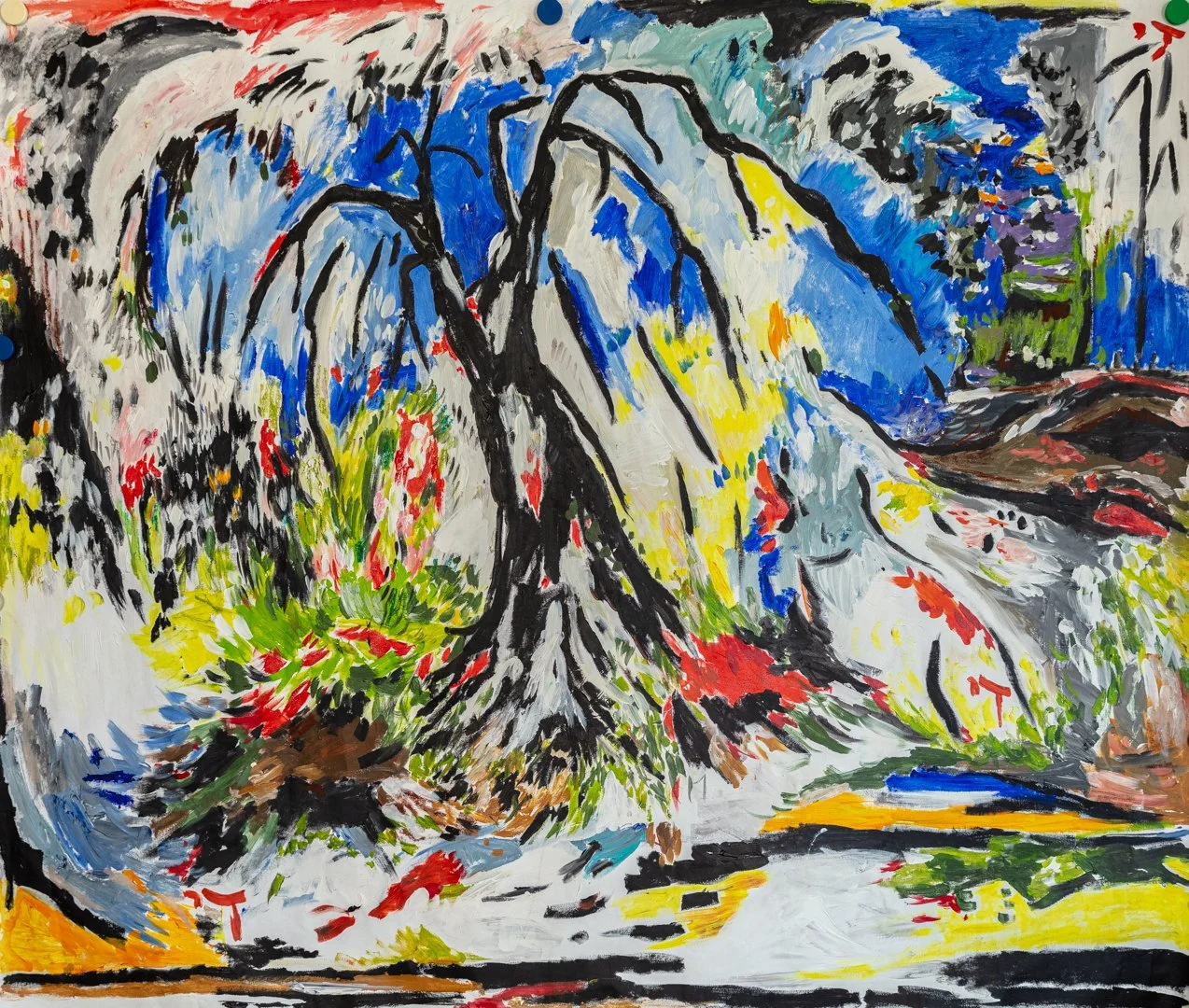
Enough, 2023, Acrylic on canvas, 163 x 177 cm
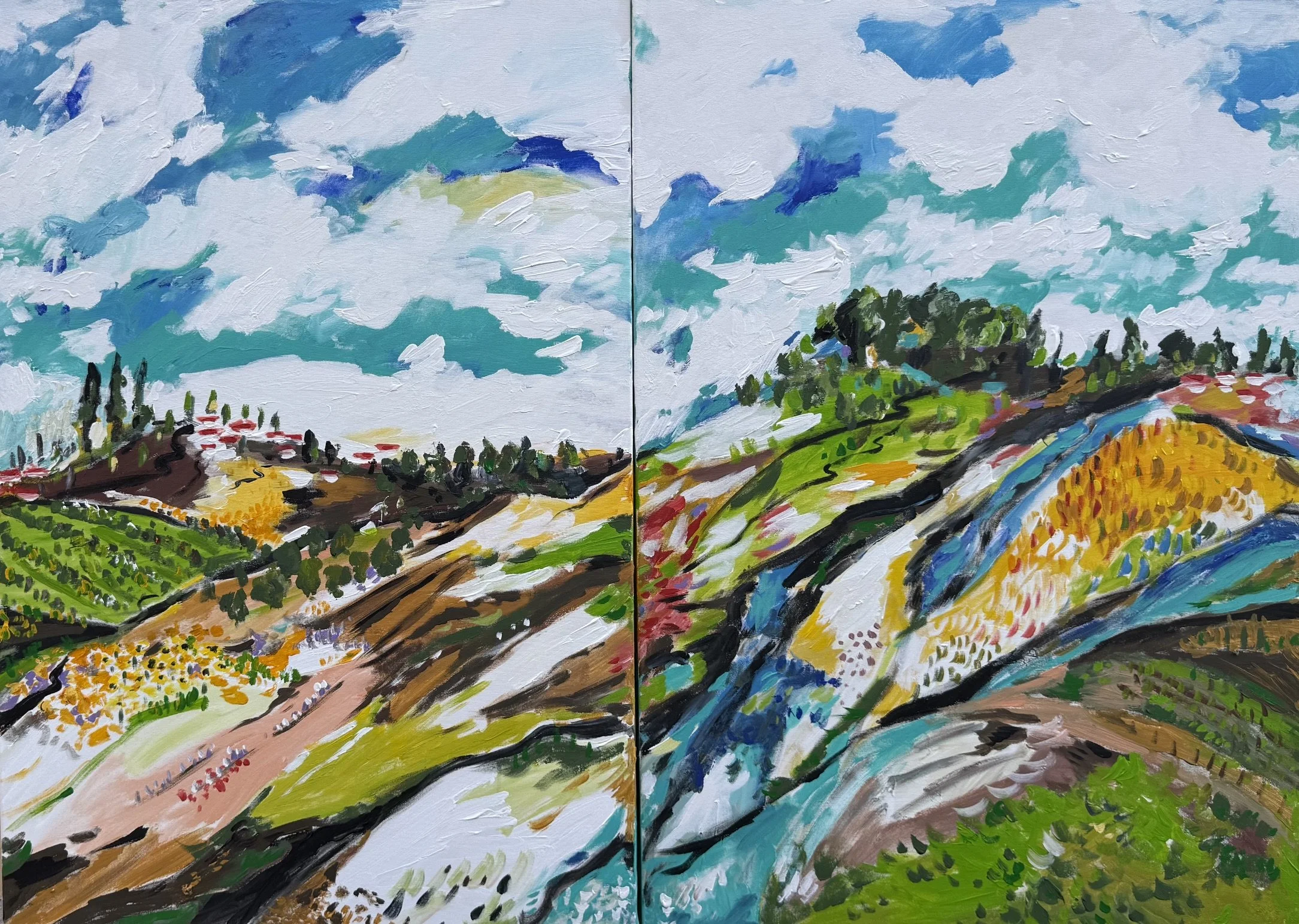
Pathways of Change, Acrylic on canvas, 2026, 100cm X 180cm
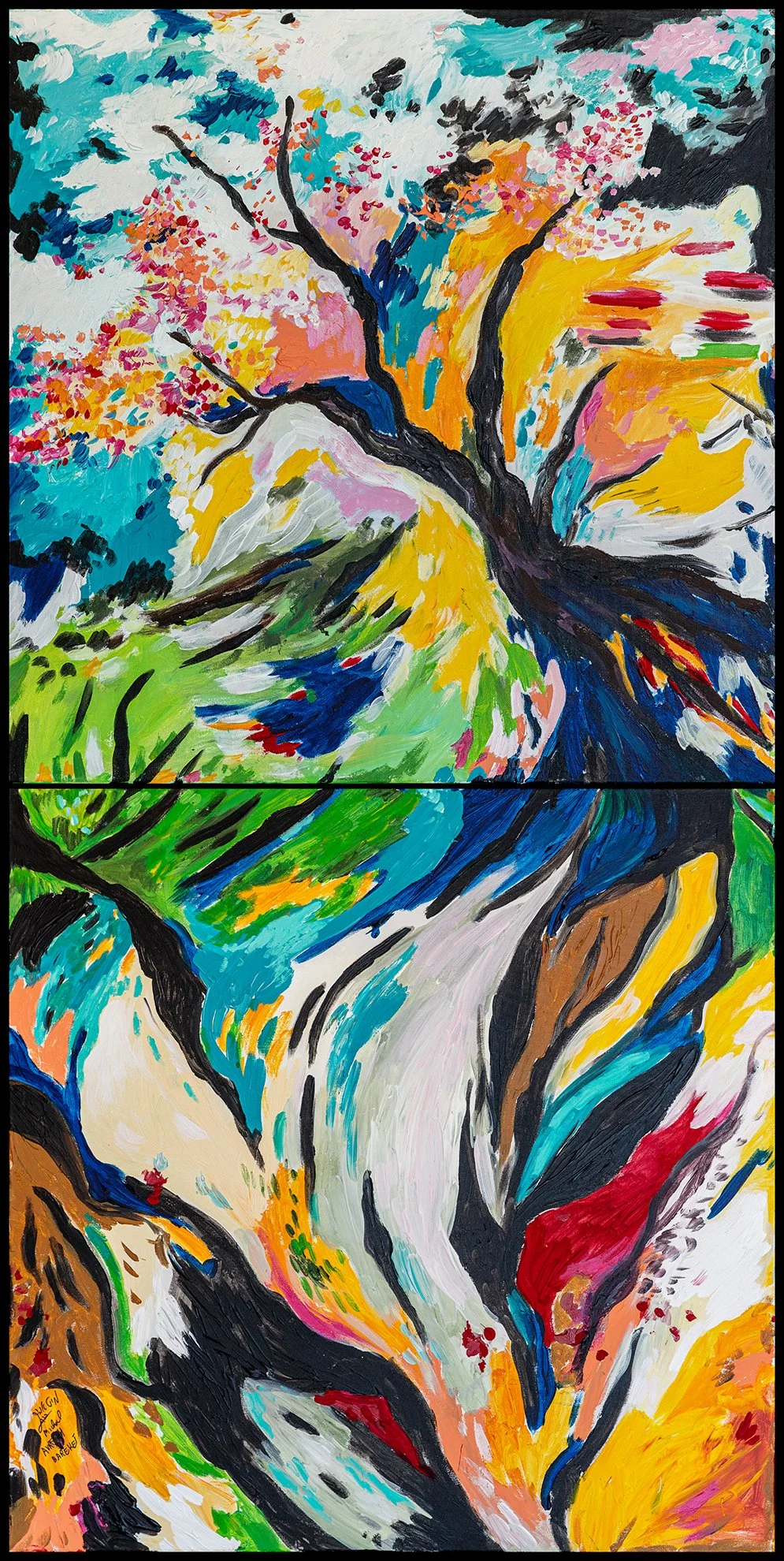
Sparks of Hope Acrylic on canvas, 2025, 180cm X 180cm
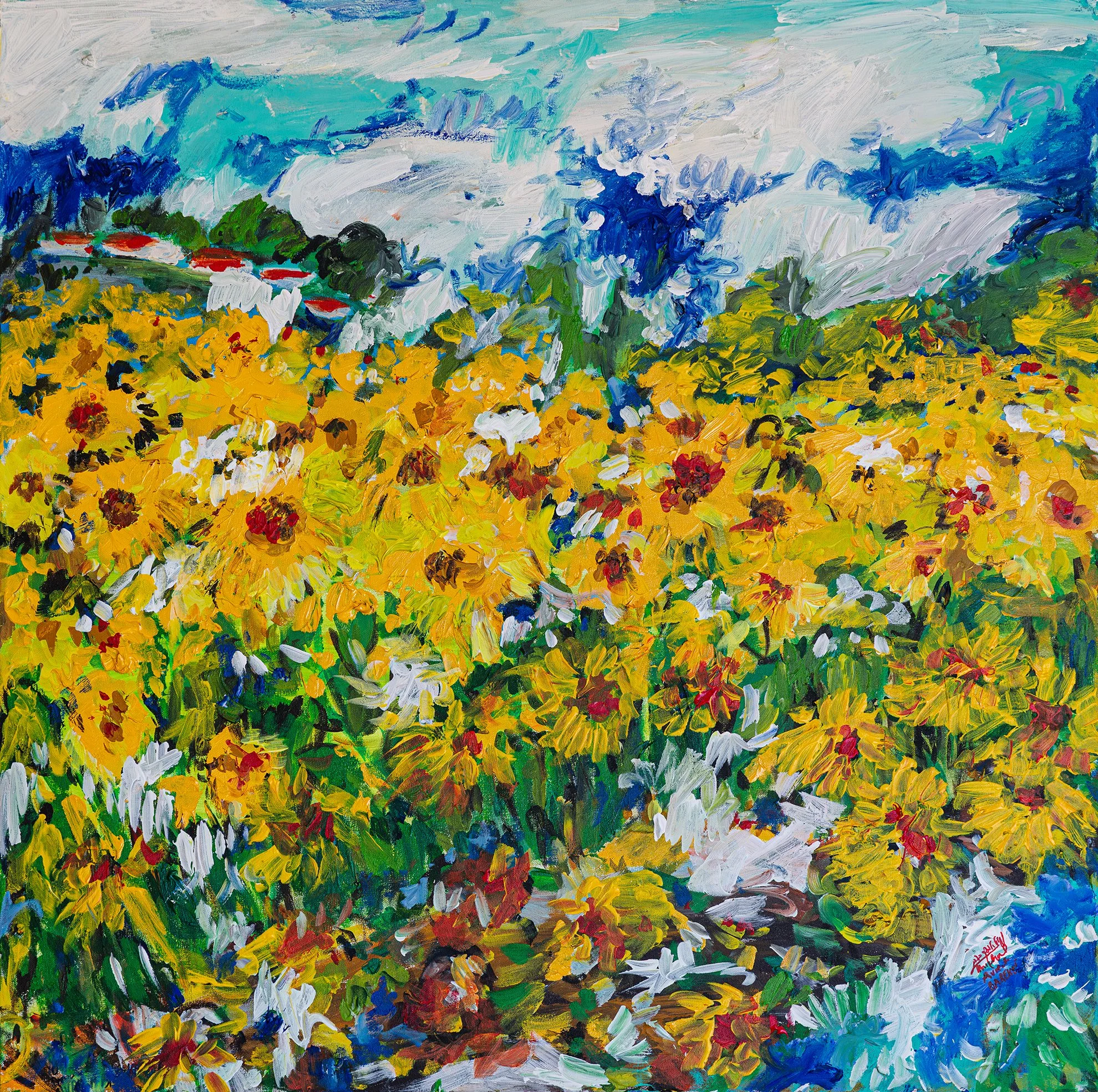
Sunflowers, Yellow Hopes, Acrylic on canvas, 2024, 100cm X 100cm
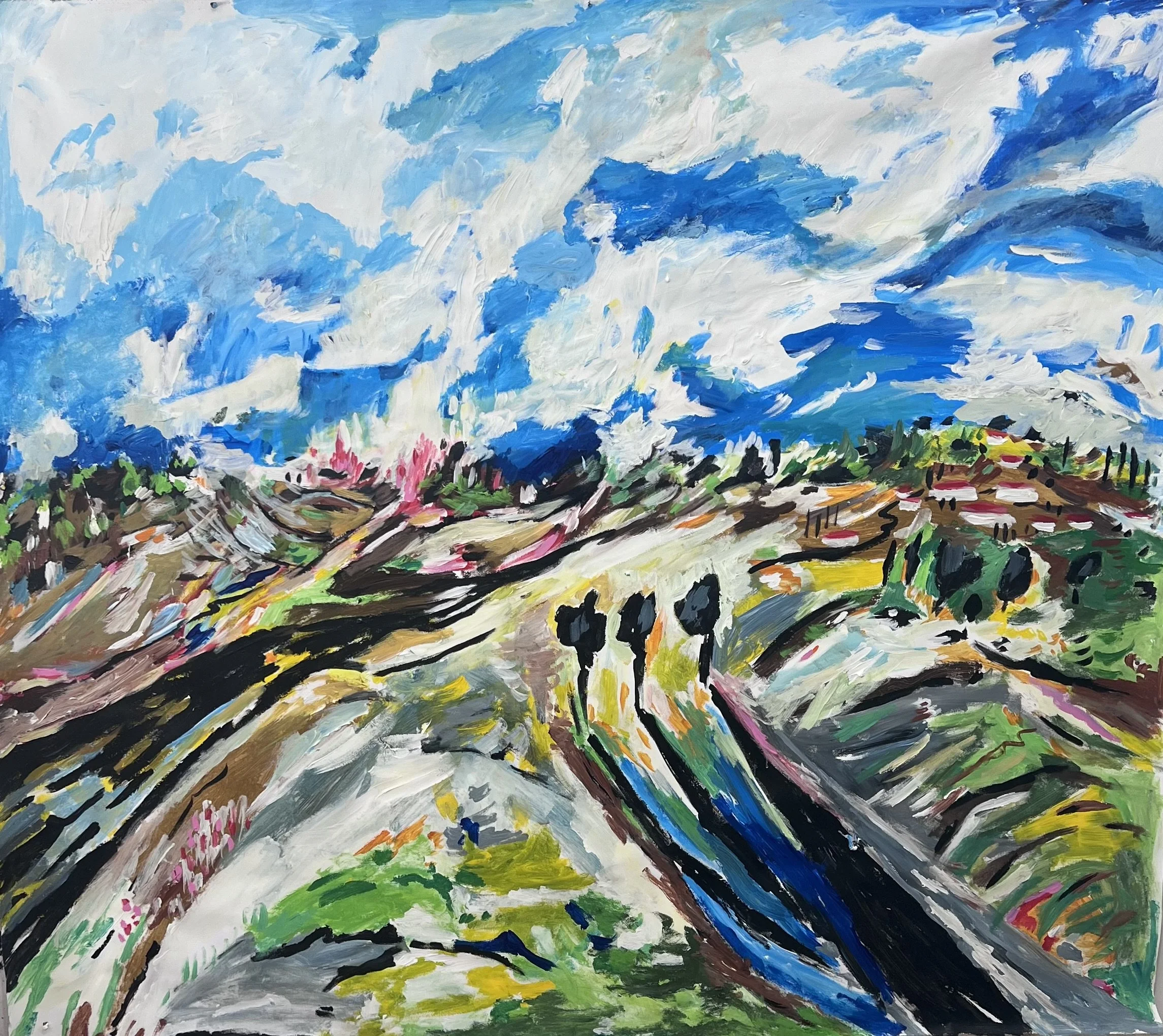
Longing for better days, Acrylic on canvas, June 2025, 163cm X 177cm
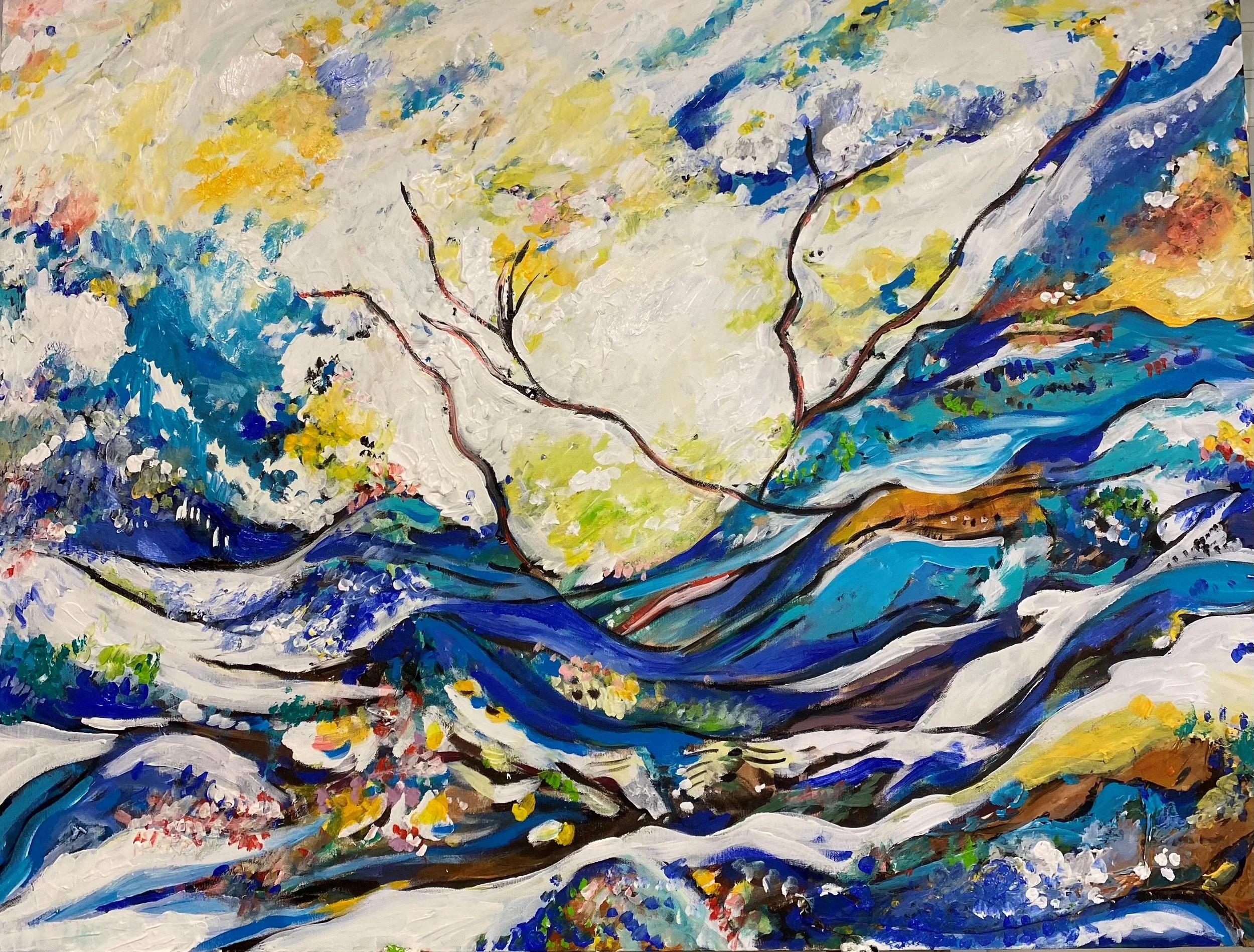
Praying for Love, Acrylic on Canvas, 2021, 90 × 120 cm
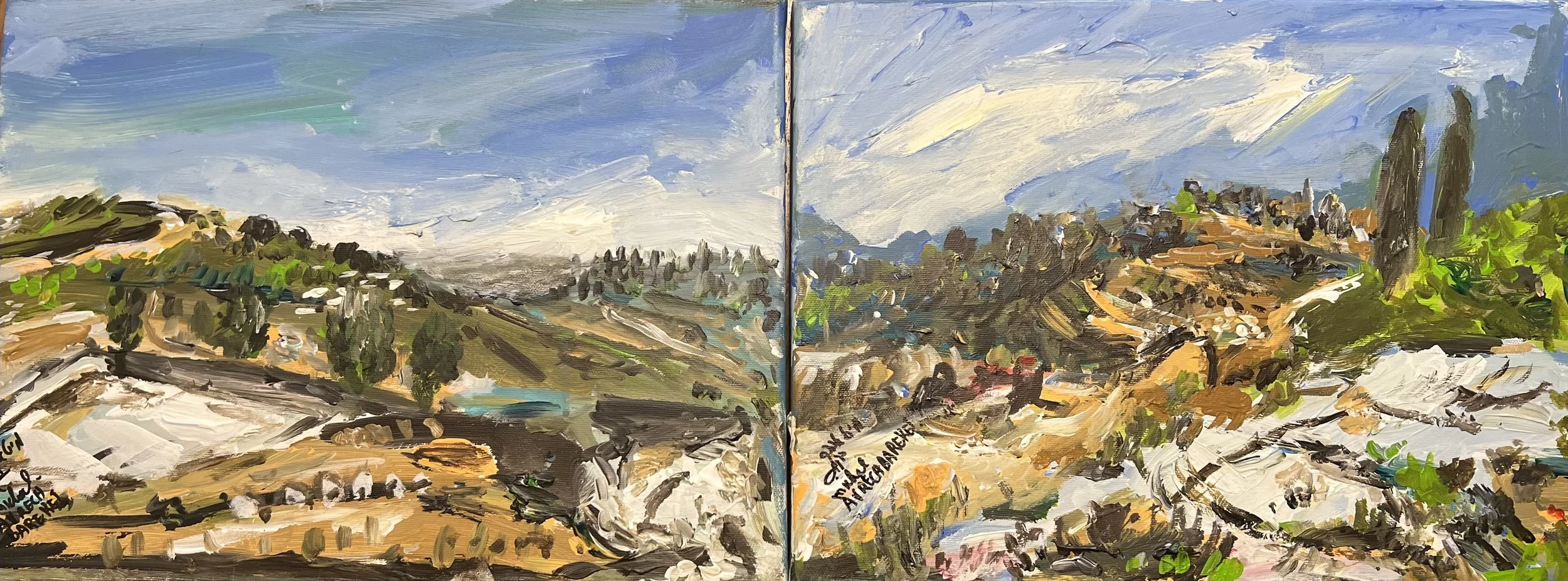
Hills Of Light ,Acrylic on canvas, 2019, 30 X 80 cm