Alessandra Dieffe: Translating Cinema into the Language of Digital Art
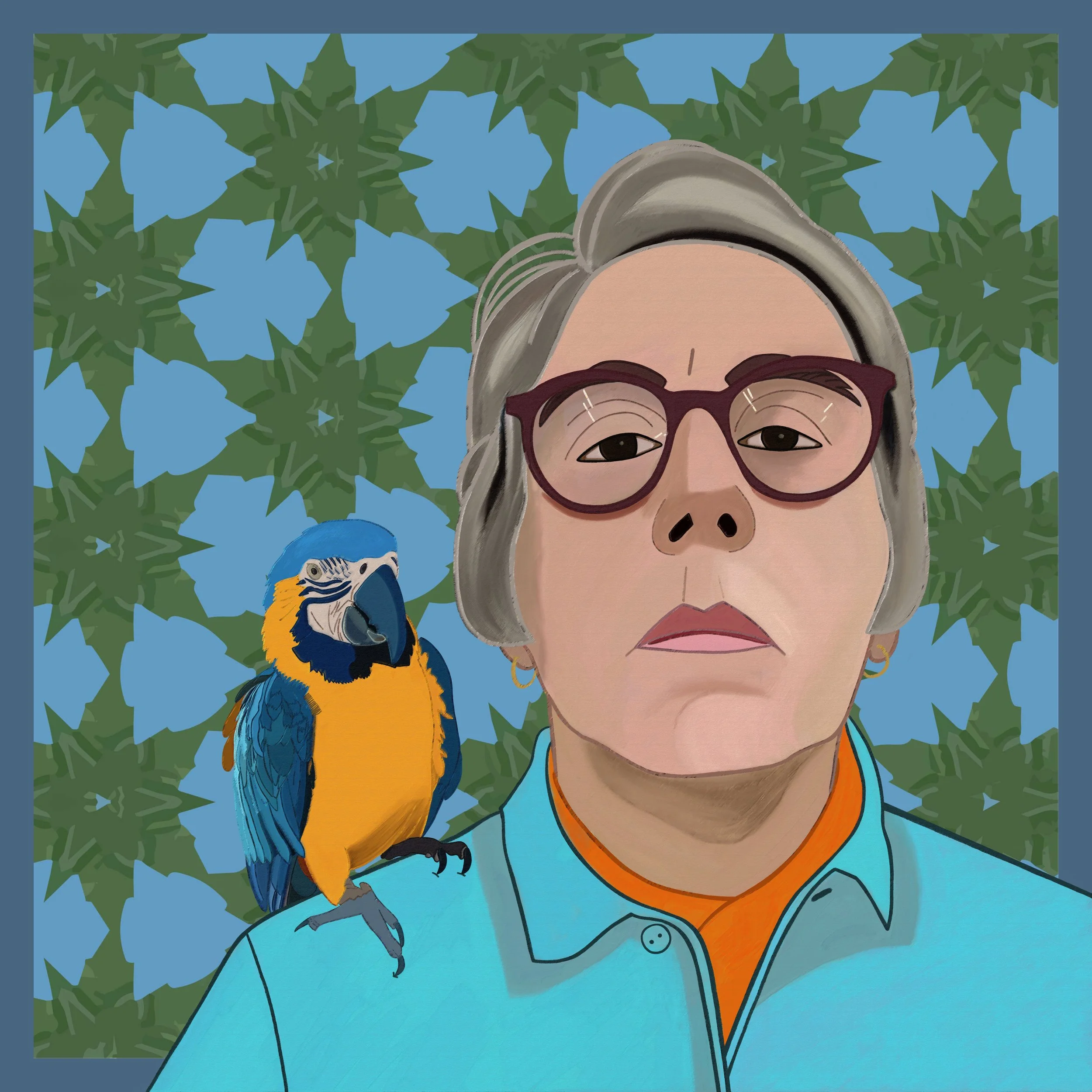
Alessandra Dieffe: Translating Cinema into the Language of Digital Art
For Alessandra Dieffe, cinema is more than a source of recognizable subjects. It is a visual and intellectual archive through which contemporary experience can be examined, reconstructed, and preserved. Working under a pseudonym, the Pescara-based Italian artist creates digital compositions that draw upon cinematic imagery, portraiture, social history, and the emotional charge of the human figure. Her practice combines the foundations of traditional drawing with the adaptable tools of digital production, establishing a dialogue between the material history of image-making and the evolving conditions of contemporary visual culture.
Dieffe’s work occupies a distinctive position at the intersection of cinema and digital art. Freeze-frames, iconic faces, carefully posed bodies, and significant moments from films recur throughout her compositions. Yet these elements are not simply reproduced as nostalgic references. They are selected, redrawn, transformed, and repositioned within a new visual framework. By isolating a cinematic image from its original sequence, Dieffe changes the way it operates. A fleeting expression becomes a sustained psychological encounter, while a scene once defined by movement acquires the stillness and compositional autonomy of a digital tableau.
Her approach reflects an enduring engagement with film as both an art form and a vehicle for cultural understanding. Cinema, in Dieffe’s conception, is not passive entertainment. It provides an opportunity for intellectual and interior growth, preserving social attitudes, collective aspirations, historical tensions, and individual emotions within its visual narratives. Her works pay tribute to this richness while asking what happens when a moving image is translated into a static, digitally constructed form.
Dieffe’s artistic development is closely connected to her academic education. In 1987, she graduated in Sociology from the Faculty of Education at the University of Urbino, completing a thesis in the history and criticism of cinema. This combination of sociology and film studies provided her with a framework for considering images not only as aesthetic objects but also as cultural documents shaped by the societies that produce and consume them.
Her academic relationship with cinema was grounded in the study of twentieth-century film history. Rather than identifying a single director or film as a definitive influence, Dieffe describes her perspective as the cumulative result of sustained exposure to works that have shaped the development of the medium. This knowledge taught her to approach film with care and awareness, paying attention to its narrative, cultural, photographic, and emotional dimensions.
In 1988, she attended a drawing course with the painter Sandro Visca, returning to an artistic inclination that had long been present in her life. She subsequently continued to develop her abilities independently. Drawing remains an important foundation within her practice, even after her transition into digital art. Depending on the requirements of a composition, a work may begin with a pencil sketch before moving into the digital environment.
The decisive expansion of her technical vocabulary came through an annual master’s degree at the University of Florence focused on new technologies. Her introduction to digital art did not constitute a rejection of drawing. Instead, it offered a wider range of tools with which to revise, reorganize, and refine an image. The transition was, in her words, exciting rather than traumatic. Digital media allowed her to correct, modify, test, and develop a composition until it corresponded with her initial conception.
This relationship between traditional and digital processes is central to understanding Dieffe’s work. The pencil sketch gives form to the earliest mental flow of the project, while the digital stage introduces greater flexibility in the handling of color, scale, layering, texture, and spatial organization. Her technique is therefore neither exclusively manual nor entirely software-led. It is a hybrid procedure in which established drawing skills and contemporary image-making technologies remain interdependent.
Dieffe’s creative process begins with close observation. When working from cinema, she considers the visual narrative of a film alongside its photography, color, framing, and compositional structure. A chosen scene or face is removed from the continuous progression of the film and reinterpreted as an independent image.
This act of selection is significant. Film ordinarily controls how long the viewer sees a particular expression, body, or setting. Dieffe suspends that temporal structure. Her digital works invite prolonged attention to details that might otherwise pass quickly across the screen. The resulting image does not summarize an entire film. Instead, it concentrates on a visual or emotional fragment capable of retaining meaning outside its original narrative.
Her compositions frequently employ vibrant, flattened areas of color, stylized forms, and clearly articulated figures. These qualities can recall the visual economy of classic film posters and certain aspects of Pop Art, particularly in their transformation of familiar cultural imagery. However, Dieffe’s principal concern remains cinematic narrative and its emotional afterlife. She does not merely appropriate popular images. She studies how their expressions, gestures, poses, and visual environments communicate.
Works such as Anna M. in Compagnia di un Gatto and La Fanciulla e l’Ape demonstrate the breadth of this interpretive process. In Anna M. in Compagnia di un Gatto, a central figure in a bold red gown appears framed by curtains opening onto a cityscape. The composition draws upon the staged character of cinema, where costume, setting, posture, and color collaborate in the creation of atmosphere. The image suggests drama without supplying a complete narrative, leaving the viewer to interpret the relationship between the figure and her theatrical surroundings.
In La Fanciulla e l’Ape, soft, warm tones are combined with the enlarged pattern of a bee, producing a meeting between intimacy, nature, and visual estrangement. The work demonstrates Dieffe’s interest in pattern as more than a decorative addition. Pattern can establish rhythm, alter scale, and complicate the relationship between figure and ground.
This development has become an increasingly important part of her practice. For several years, she has created floral and botanical patterns using a dedicated application. Some have been presented independently, while others have been incorporated into the backgrounds of her figurative works. She has also participated in the sixth and seventh editions of the Patterns, Textures & Formes Art Exhibition. Through these experiments, repetition and ornament become tools for restructuring the visual field.
Although Dieffe is strongly associated with cinema, her deeper concern is the human presence carried by the cinematic image. Faces and bodies provide a means of approaching emotional states that cannot be communicated through external appearance alone. By emphasizing an expression or the particular features of a face, she attempts to reach beyond surface resemblance.
This interest places portraiture at the center of her artistic inquiry. The figures she portrays may belong to a collective or popular imagination, but their familiarity does not eliminate ambiguity. Once translated into Dieffe’s digital language, they occupy a space between public recognition and private reflection. The viewer may recognize the cultural source while still encountering the image as a psychologically charged, self-contained composition.
The digital medium supports this investigation by allowing Dieffe to calibrate color, contrast, contour, and visual emphasis. Her works can heighten the intensity of a gaze, clarify the silhouette of a body, or separate a figure from its surroundings. This precision does not remove emotion from the image. It provides a controlled structure through which emotion can be concentrated.
Arpinè Sevagian has described Dieffe’s practice as an investigation into the deepest aspects of the human soul, manifested through faces, bodies, and figures drawn from the collective imagination. This assessment identifies the tension that gives much of the work its character: Dieffe’s sources may be widely recognizable, yet her treatment of them remains personal. The works emerge from her own experience of viewing, studying, and emotionally processing cinema.
Dieffe’s sociological education also becomes visible when her work moves beyond film homage to address subjects of civil, humanitarian, and historical importance. She has produced works connected with immigration, the pandemic, war, and the achievement of women’s suffrage. She does not describe these subjects as themes selected according to a predetermined program. Rather, their urgency makes them impossible to disregard.
This social dimension broadens the significance of her cinematic vocabulary. Cinema has long provided a space in which societies represent conflict, displacement, inequality, memory, and political transformation. Dieffe’s work draws upon this capacity while using the static digital image to focus attention on particular human and historical concerns.
Her engagement with the cultural role of cinema acquired a public dimension in 2024, when she donated Omaggio a Ken Loach to the organizers of an audiovisual language training project at the Piccolo Cinema Ken Loach in Mesagne, Salento. The work was subsequently transformed into the logo of the movie theater. The project is especially relevant to Dieffe’s practice because it connected her visual homage to cinema with an active educational and community setting. The image moved beyond exhibition display and became part of the identity of a venue devoted to audiovisual culture.
Dieffe also explores mail art, including participation in exhibitions with charitable purposes. These projects introduce another mode of circulation into her practice. Unlike conventional exhibition formats, mail art emphasizes exchange, accessibility, and the movement of an artwork between different locations and communities.
Dieffe’s public career began in 2017, when she was selected as a finalist for the Arte Laguna Prize 16.17 and exhibited at the TIM Future Centre in Venice. This early recognition introduced her digital practice within an international contemporary art context.
Her subsequent exhibition history includes the Biennale dei Normanni in Monreale in 2020 and the XIII Florence Biennale in 2021. Later presentations include Flash of Color at Wikiarte Gallery in Bologna in 2024, Ritorno a Palazzo at Spaziob, Palazzo Sanseverino in Vigevano in 2025, and Urban Texture at the CMC Cultural Center of Milan in 2026, curated by Jelmoni Studio Gallery. Her work has also appeared in exhibitions in New York organized by Arthouse Gallery NYC, as well as at the Padiglione Europa in Palazzo Albrizzi Capello, Venice.
In 2026, Dieffe participated in the Expositiva Art Show Award competition at the MAiO Museum in Cassina de’ Pecchi, Milan, where she received the MTP Arredamenti di Pavia Award, presented as the sponsor’s prize by MTP Falegnameria Digitale of Pavia.
Her earlier distinctions include first prize for the front cover in Gabriele Walter’s Excellent Art 2022 book project and competition. She also received the Women United Art Prize in 2022, which led to a digital solo exhibition in November 2023, followed by the Women United Art Prize 2023 and an interview published in a special 2024 edition of Women United Art Magazine.
Her works and professional profile have appeared across catalogues and international publishing projects, including Enter into Art by Gabriele Walter and Kurt Ries, publications by ICM Gestora Cultural, Women United Art Magazine, and the El Greco Premio de las Bellas Artes project by Contemporary Art Station. Her inclusion in Issue XIV of Women United Artist Magazine in summer 2026 further reflects the continuing circulation of her practice through platforms dedicated to women working in contemporary art.
From an art market perspective, Dieffe’s practice participates in the growing recognition of digitally produced work as an established component of contemporary collecting. Her work is particularly legible because it connects technological production with familiar art historical formats, including portraiture, figurative composition, graphic design, and the cinematic still. The digital medium is not treated as a novelty or spectacle. It functions as a practical and conceptual instrument through which an existing visual culture can be reorganized.
This balance between accessibility and critical depth is one of the strengths of her work. References to cinema offer an immediate point of entry, while her transformation of those references creates space for more sustained consideration of memory, identity, expression, and social history. Her use of digital processes also reflects the changing ways in which images are produced, circulated, and encountered.
As software and interfaces evolve, Dieffe continues to adapt. She has acknowledged that changes in digital tools have required her to reorganize previously acquired skills and learn new working systems. This technical flexibility is an important aspect of a practice built around experimentation. The artist’s visual language remains recognizable, but the methods used to produce it are not fixed.
Dieffe’s contribution lies in her ability to preserve the emotional intensity of cinema while separating its images from the movement and duration that originally defined them. Through drawing, digital reconstruction, color, pattern, and compositional control, she gives cinematic fragments a new form of permanence. Her works invite viewers to reconsider images they may believe they already know and to recognize film as a repository of personal emotion, cultural memory, and social consciousness.
In an art environment increasingly shaped by fluid boundaries between traditional and digital media, Alessandra Dieffe offers a practice grounded in continuity. Drawing remains present within technological experimentation, cinema remains connected to social observation, and recognizable imagery becomes the starting point for individual interpretation. Her work demonstrates that digital art can engage the history of visual culture without being constrained by it, translating the moving image into a reflective space where color, form, memory, and human expression can be encountered anew.
https://alessandradieffe.myportfolio.com/
https://www.behance.net/alessandradieffe
https://artfacts.net/artist/alessandra-dieffe-it
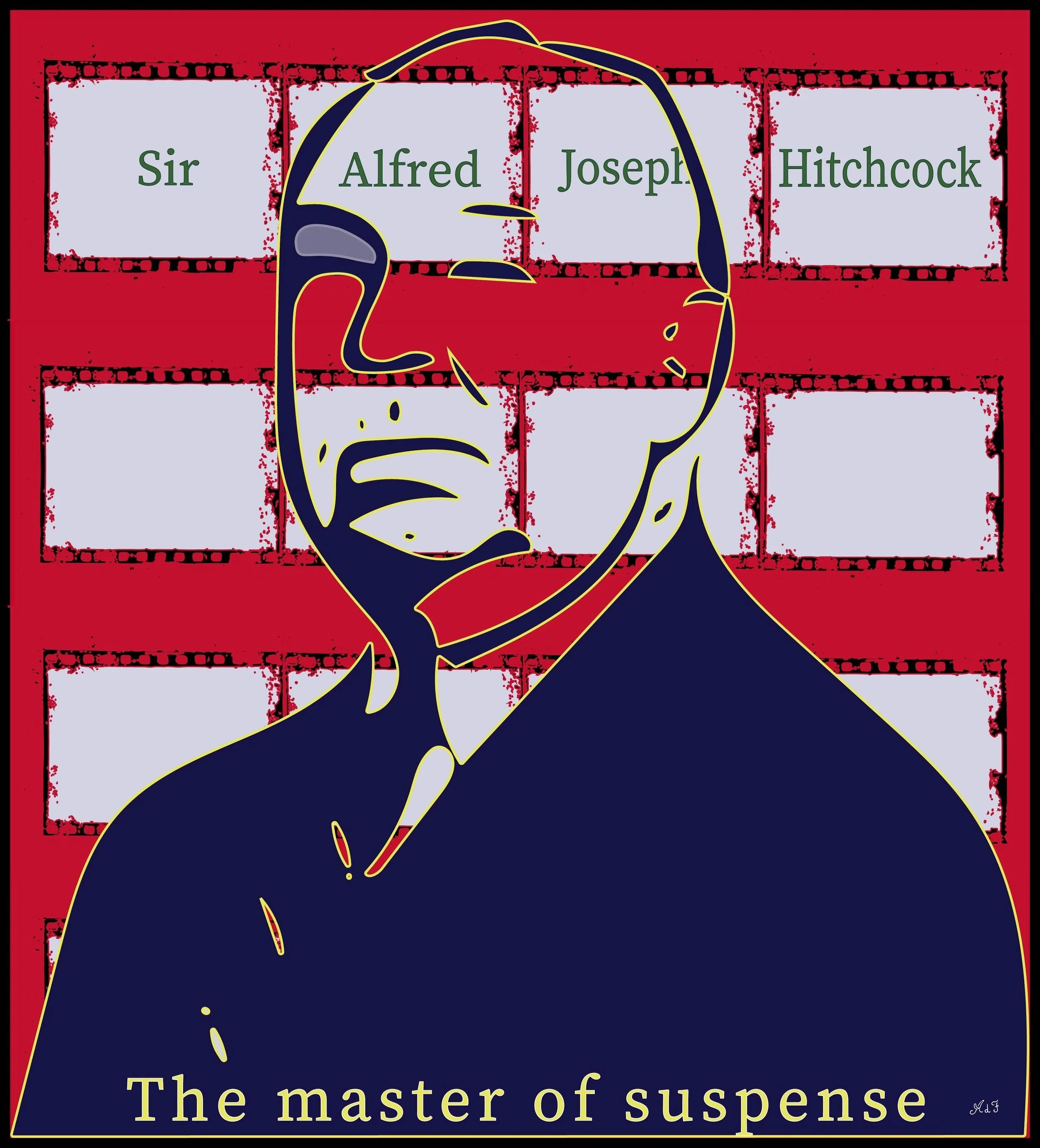
A Tribute to Alfred Hitchcock 2016
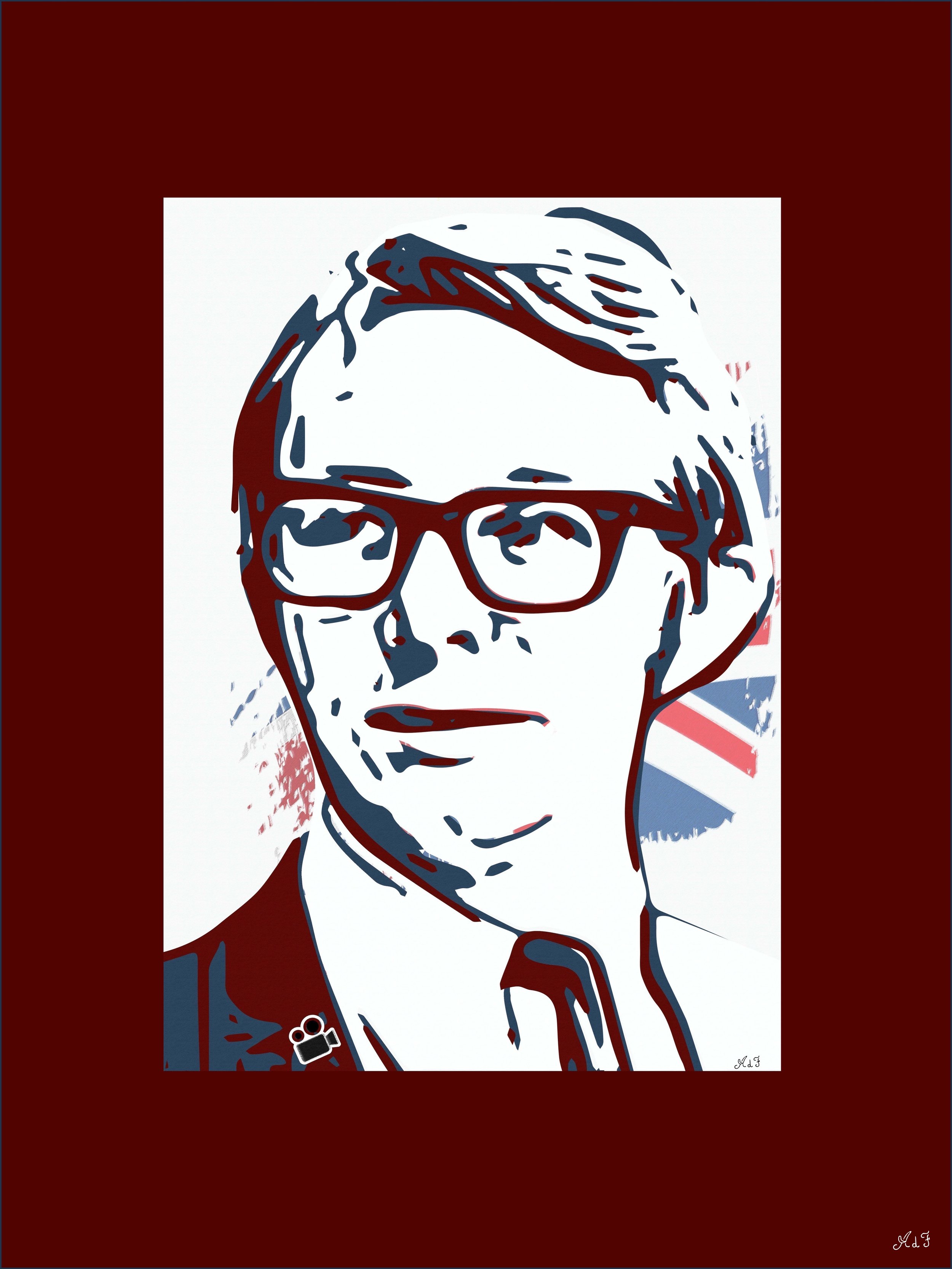
Omaggio a Ken Loach - 2016
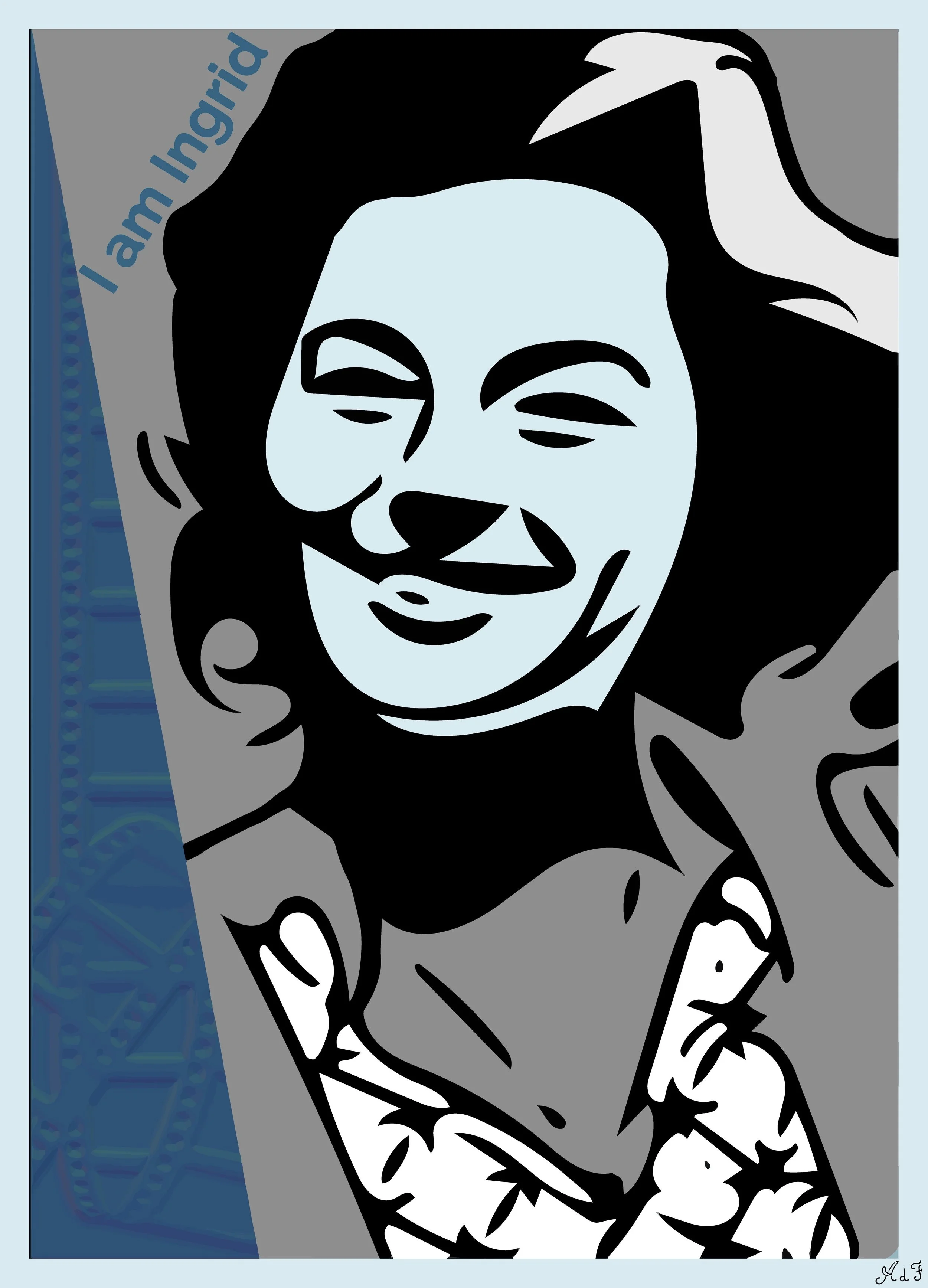
I am Ingrid - 2016
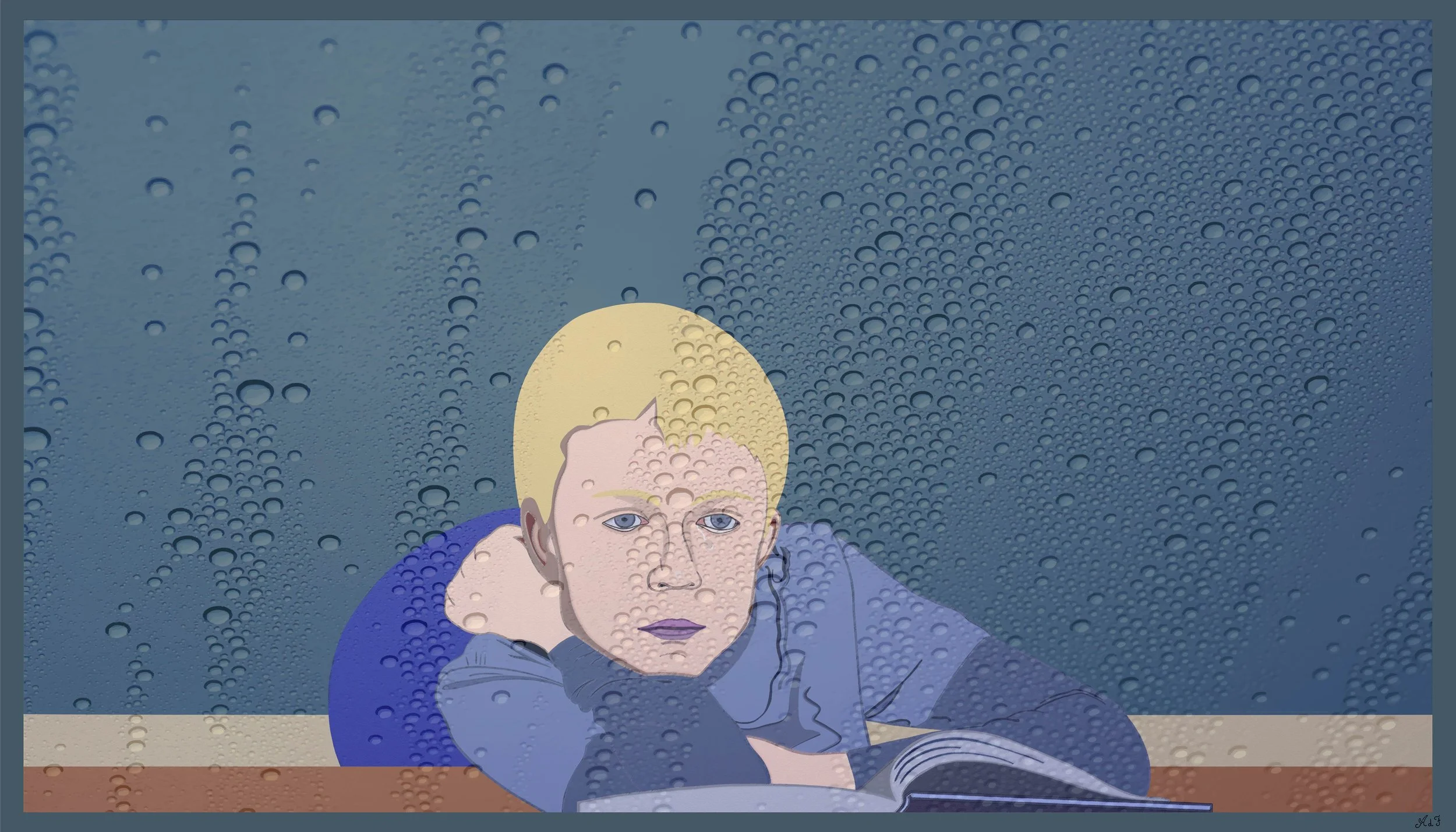
La solitudine - 2018
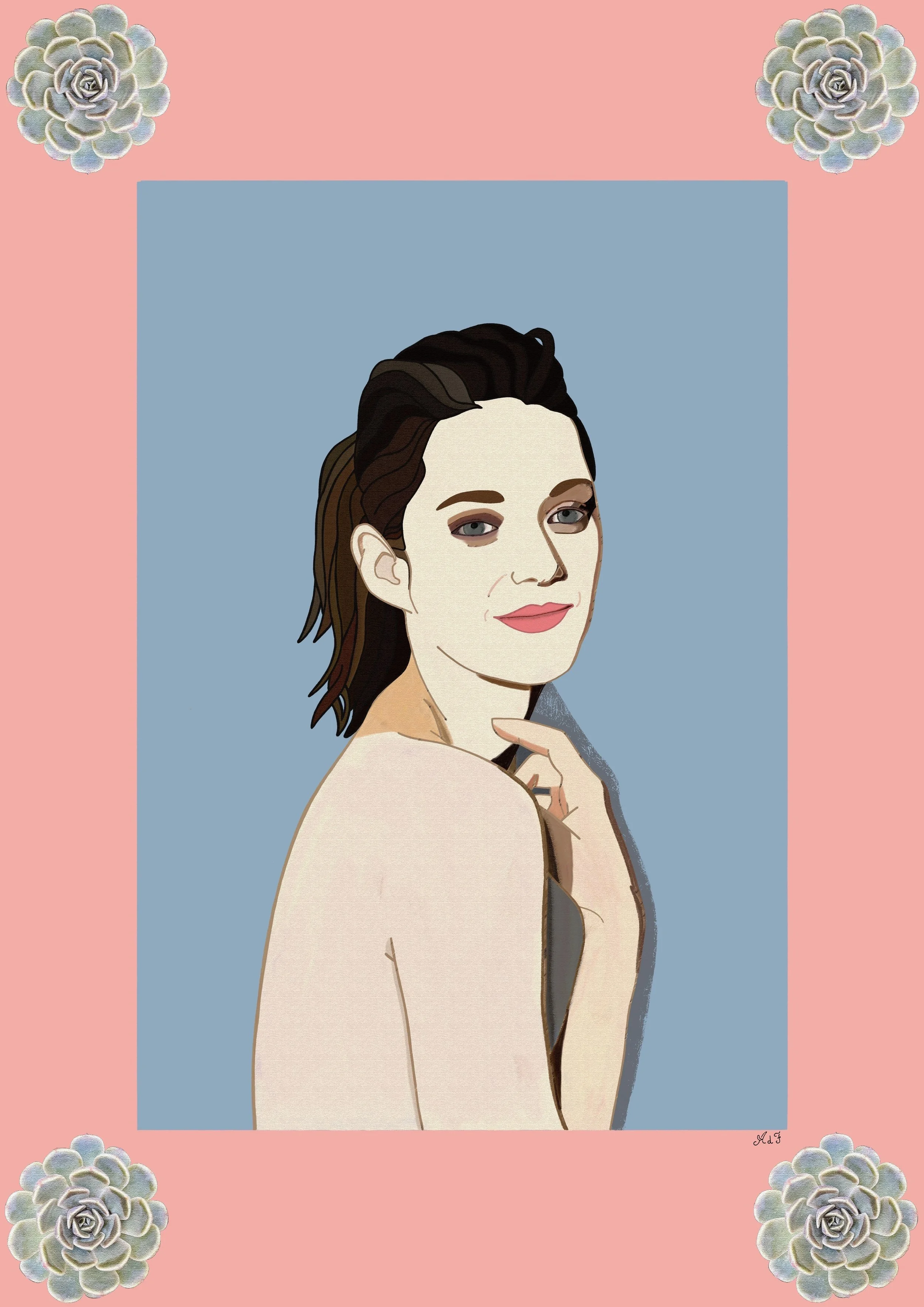
Posed Body - 2024
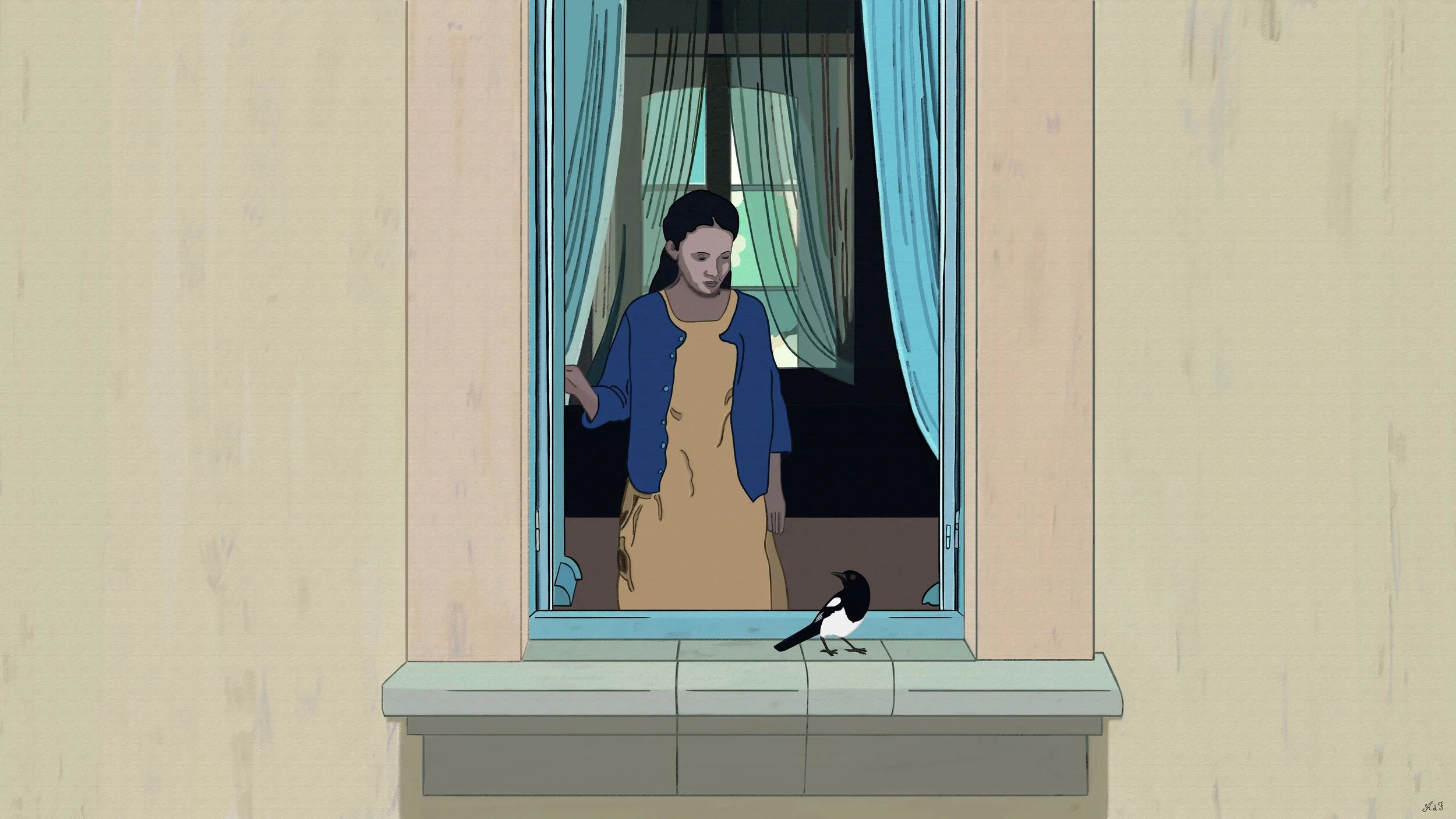
Buongiorno gazza I - 2025
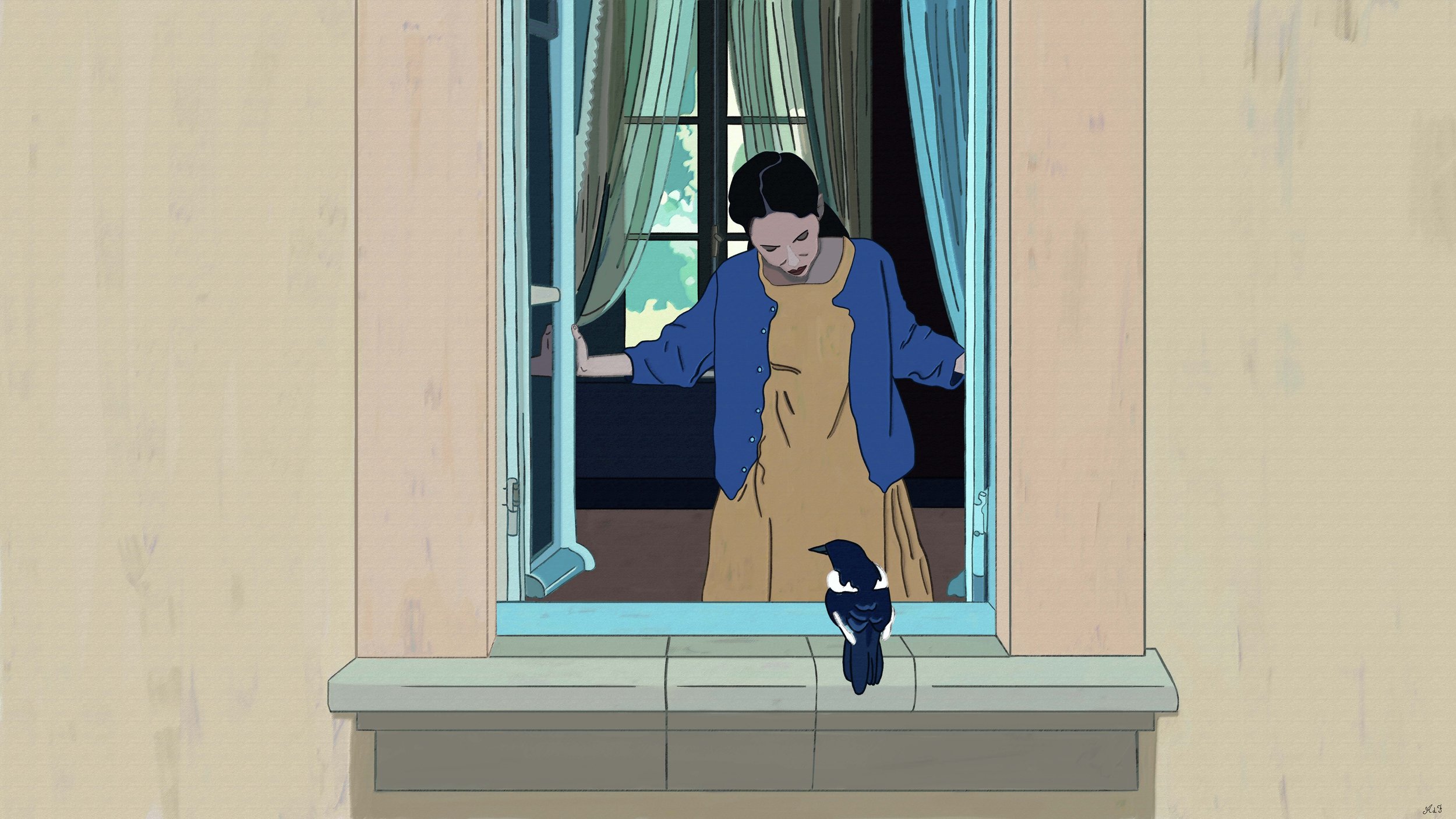
Buongiorno g azza II - 2025
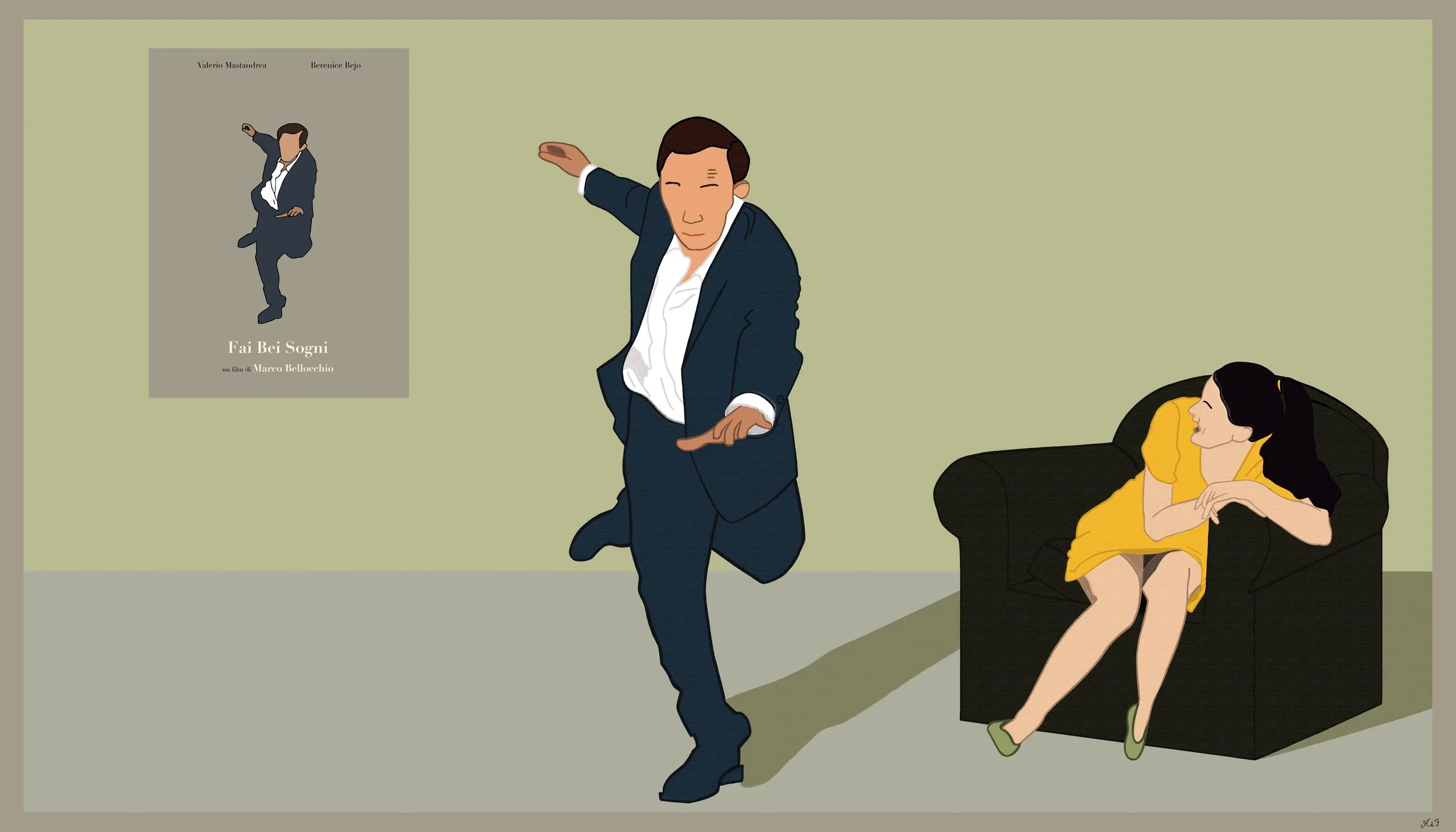
Balla per me - 2025
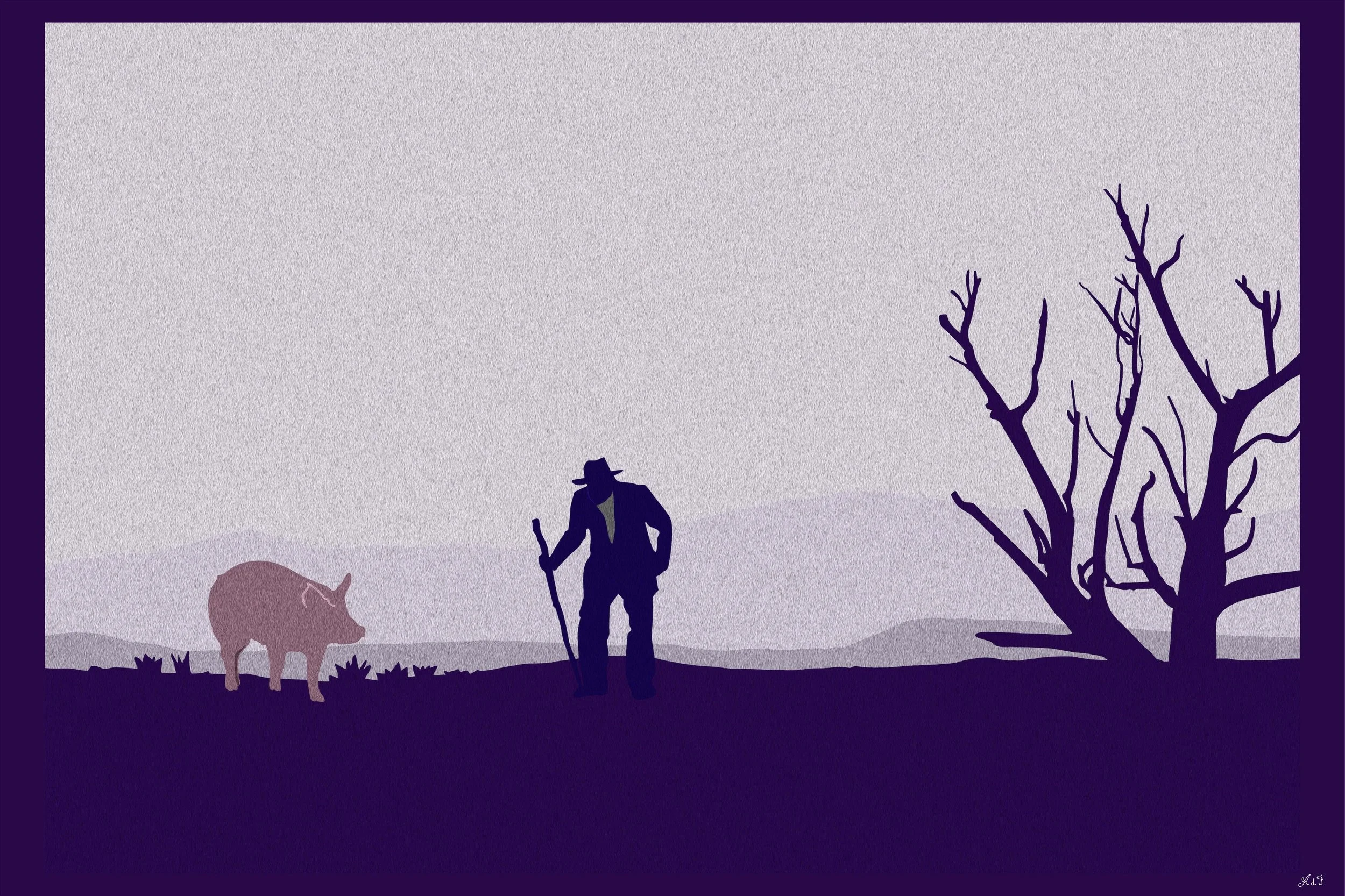
Amarante e Lupita - 2025
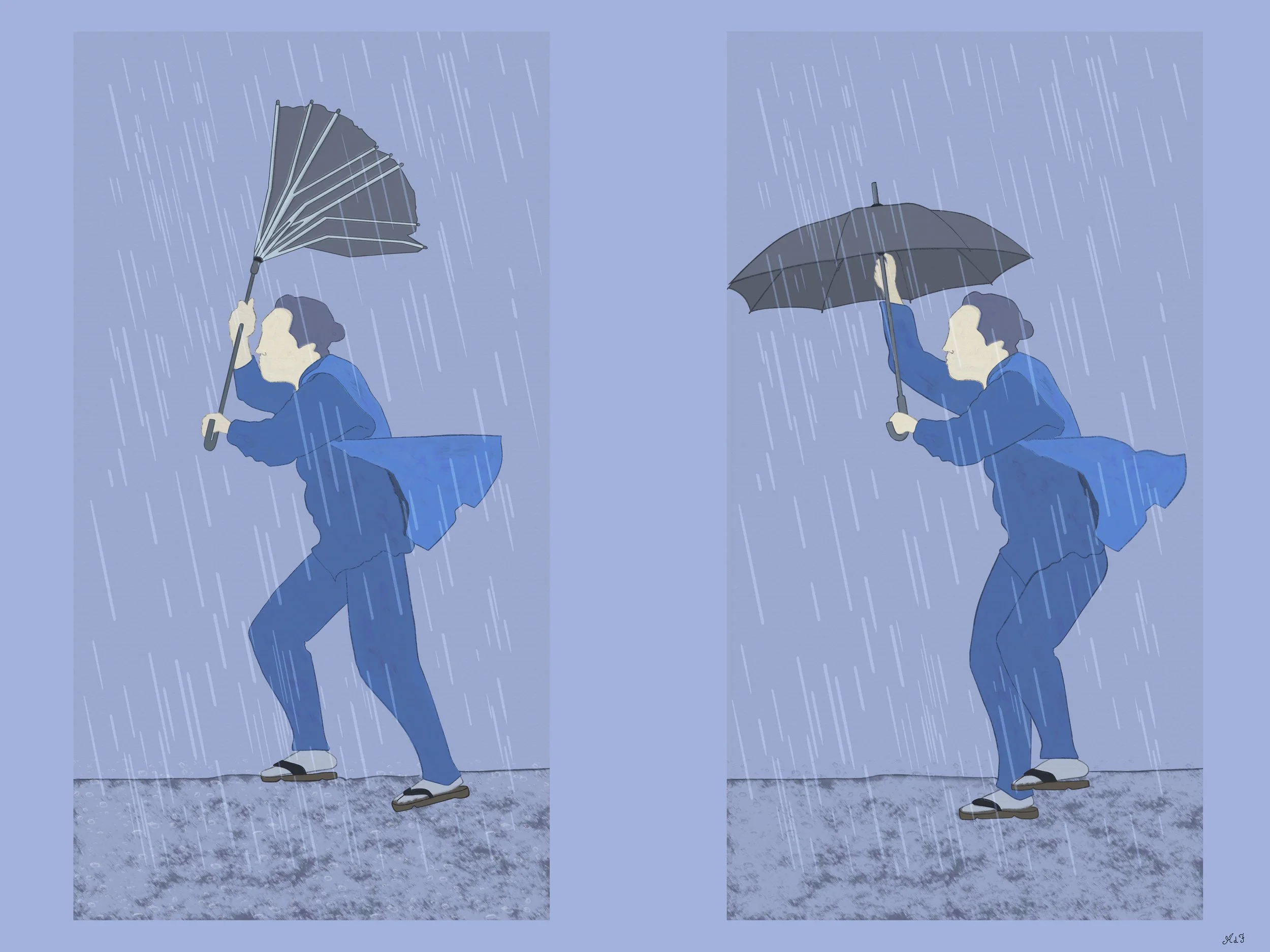
L'anziana Kane - 2025