Silvana Chiozza and the Poetics of Inner Landscape
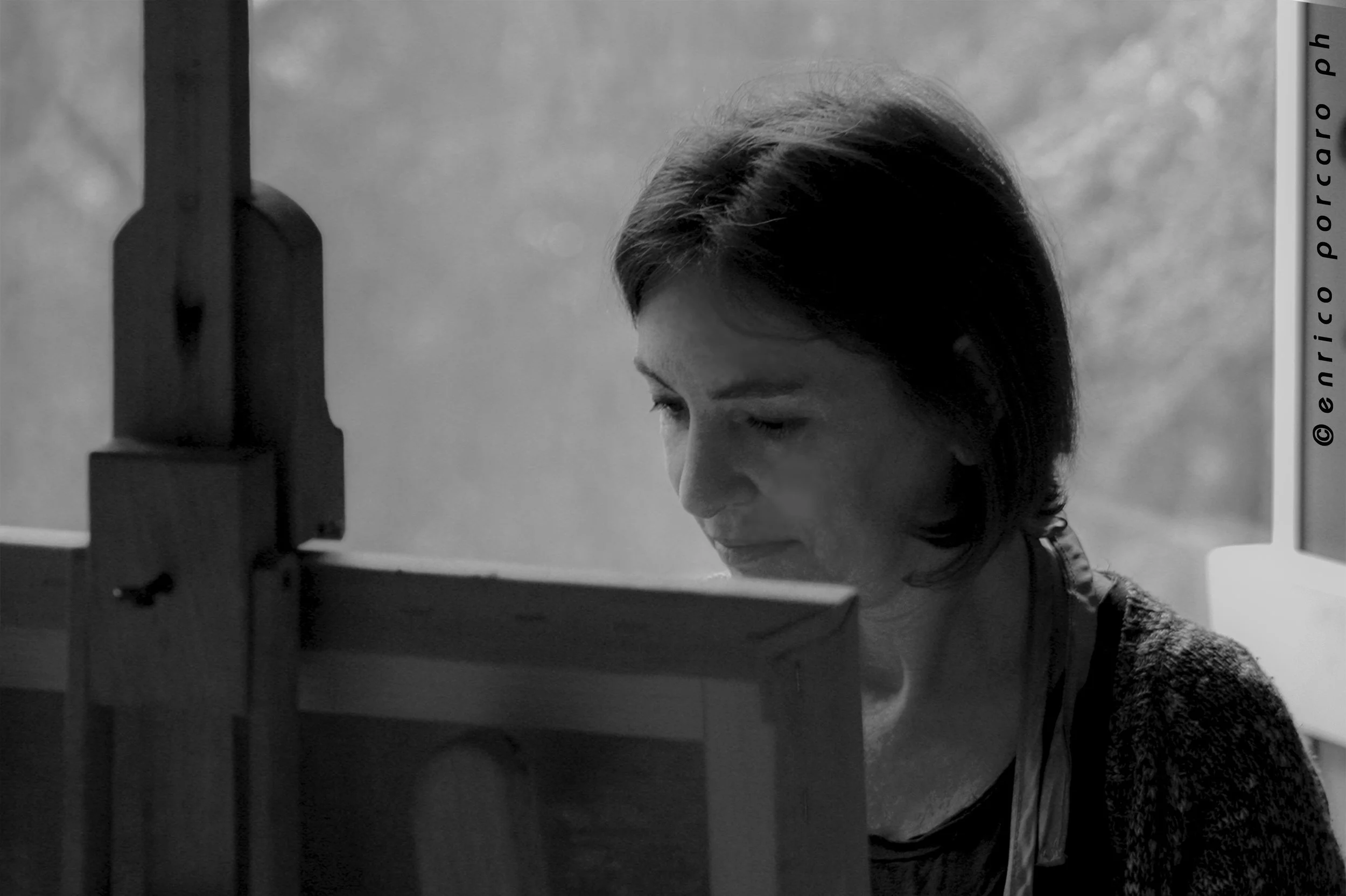
Silvana Chiozza and the Poetics of Inner Landscape
Born in Buenos Aires and based in Italy, Silvana Chiozza has developed a practice that moves fluidly between figuration and abstraction, positioning her work within a lineage of artists concerned not only with representation, but with the emotional and spiritual dimensions of space. Her paintings, shaped by decades of technical discipline and intellectual inquiry, explore the threshold where memory, architecture, and atmosphere converge.
Chiozza’s artistic trajectory is marked by an unusual synthesis of scientific rigor and painterly sensitivity. She began her artistic education at the age of five under the guidance of Master Battle Planas and later trained with her grandfather, the painter and sculptor Juan Chiozza. Alongside these early formative experiences, she pursued advanced studies with sculptor Aurelio Macchi and painter Francisco Travieso while simultaneously undertaking a medical career. In 1985, she graduated in Medicine from the University of Buenos Aires before relocating to Italy in 1988 on a scholarship in Child Psychiatry at La Sapienza University in Rome.
The decisive turning point came in 1990, when Chiozza left medicine to dedicate herself entirely to artistic practice. That transition, from scientific observation to visual contemplation, remains central to understanding the depth and introspective quality of her work. Her subsequent training in editorial graphics at the European Institute of Design and her experience as a graphic designer refined her command of composition, surface, and spatial construction. She later specialized in trompe l’oeil, producing commissions across Italy, Argentina, and Doha, including work for the residence of the Emir of Qatar.
While this technical foundation established her reputation early on, Chiozza’s mature body of work moves beyond illusionism toward a more meditative language. Her paintings are characterized by layered textures, atmospheric tonalities, and fragmentary architectural references that evoke ancient cities, Tuscan landscapes, and spaces suspended between memory and imagination. Rather than depicting place literally, she constructs environments charged with silence and psychological resonance.
Her approach reflects a broader tendency within contemporary European painting in which materiality itself becomes a vehicle for emotional experience. Thickened surfaces, muted chromatic passages, and partially dissolved forms create a visual tension between permanence and disappearance. In Chiozza’s work, architecture functions less as subject matter than as metaphor: a vessel for memory, introspection, and spiritual inquiry.
“Painting for me is a form of inner research,” the artist has stated, a position that aligns her practice with artists who view abstraction not as detachment from reality, but as a means of accessing deeper perceptual and emotional states. This philosophical dimension distinguishes her work within a market increasingly attentive to artists capable of combining technical mastery with conceptual coherence.
Since her first solo exhibition in 1998, Chiozza has built a sustained international exhibition history spanning Europe, Asia, and Latin America. Her solo exhibitions include presentations at the Museo de Bellas Artes Benito Quinquela Martín in Buenos Aires, the Civico Museo d’Arte Moderna e Contemporanea in Anticoli Corrado, the Italian Embassy in Tokyo, Palazzo Borromini in Rome, and Gallery Takanawa in Tokyo. More recent exhibitions include presentations at Fondazione Ebris in Salerno and Azimut Capital Management in Rome, reflecting the growing dialogue between contemporary art, institutional patronage, and private collecting circles.
Her participation in significant group exhibitions has further reinforced her international visibility. Among them are exhibitions at Galleria Continua in Rome, the Museo MAXXI in Rome, the Premio Sulmona international contemporary art survey, and the Biennale della Fine del Mondo in Ushuaia. These contexts position her within a transnational network of contemporary artists exploring spirituality, memory, and material experimentation in painting.
Institutional acquisitions and museum holdings have played an important role in consolidating Chiozza’s market credibility. Her works are included in the collections of the Civic Museum of Anticoli Corrado, the Museo Benito Quinquela Martín in Buenos Aires, Fondazione Ebris in Salerno, as well as the collections of the Italian Embassies in Buenos Aires and Tokyo. Such placements underscore the cross-cultural dimension of her practice and affirm the institutional recognition of her contribution to contemporary painting.
From a market perspective, Chiozza occupies a distinctive position among mid-career artists whose practices bridge Latin American and European sensibilities. Collectors are increasingly drawn to artists whose work combines aesthetic refinement with contemplative depth, particularly within a broader market climate that has renewed interest in materially driven abstraction and spiritually inflected painting. Chiozza’s oeuvre responds directly to this demand while maintaining a highly personal visual vocabulary.
What ultimately defines her work is its insistence on slowing perception. In an era dominated by immediacy and visual excess, her paintings create spaces of suspension and reflection. They invite viewers not simply to observe, but to inhabit a psychological and emotional atmosphere. Through this sustained exploration of memory, matter, and transcendence, Silvana Chiozza continues to articulate a quietly compelling vision within contemporary painting, one that resonates equally with institutions, collectors, and audiences seeking depth beyond the visible image.
Website: www.silvanachiozza.com
Instagram: @chiozzasilvana
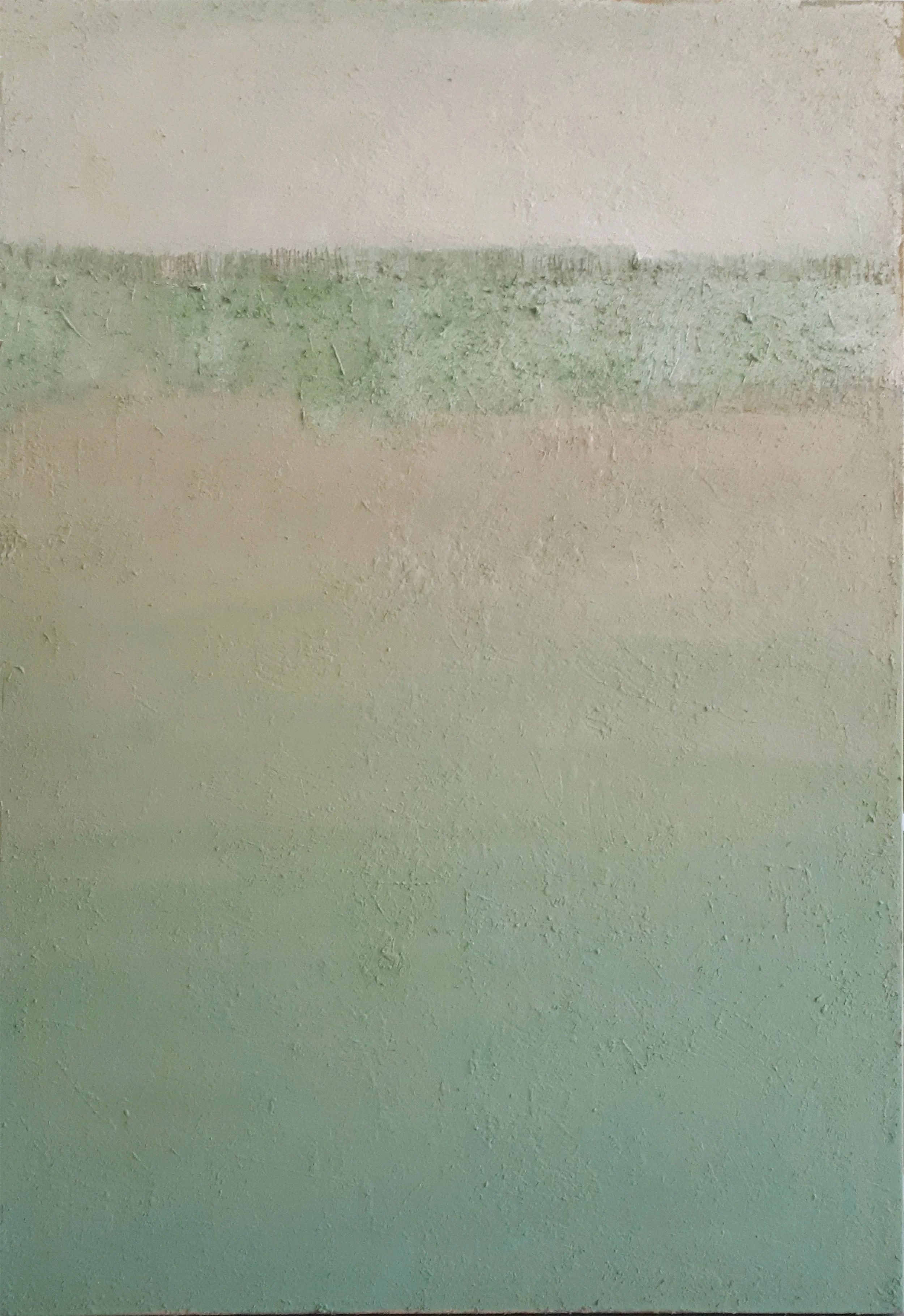
Contemplacion, 2024
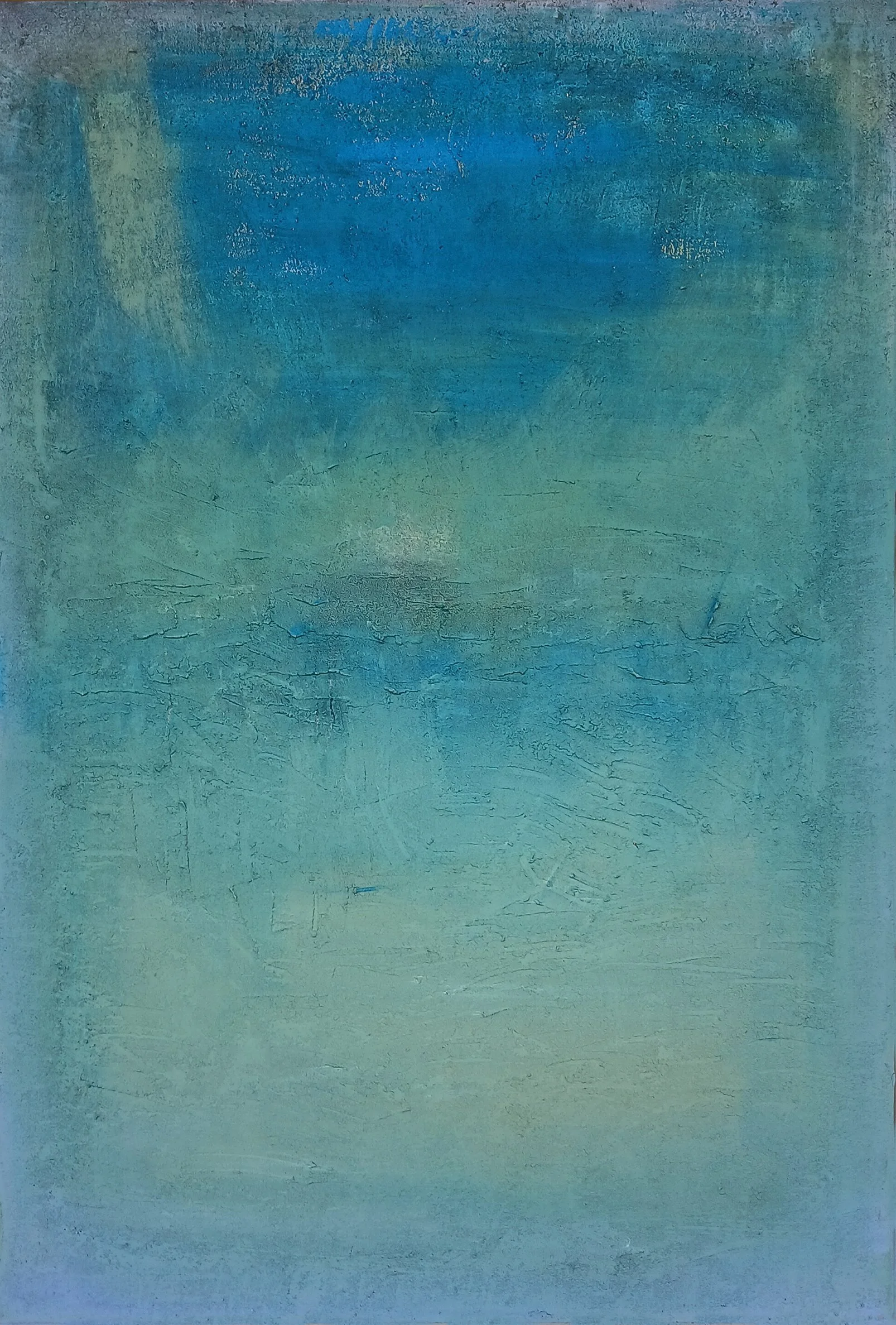
Untitled, 2025
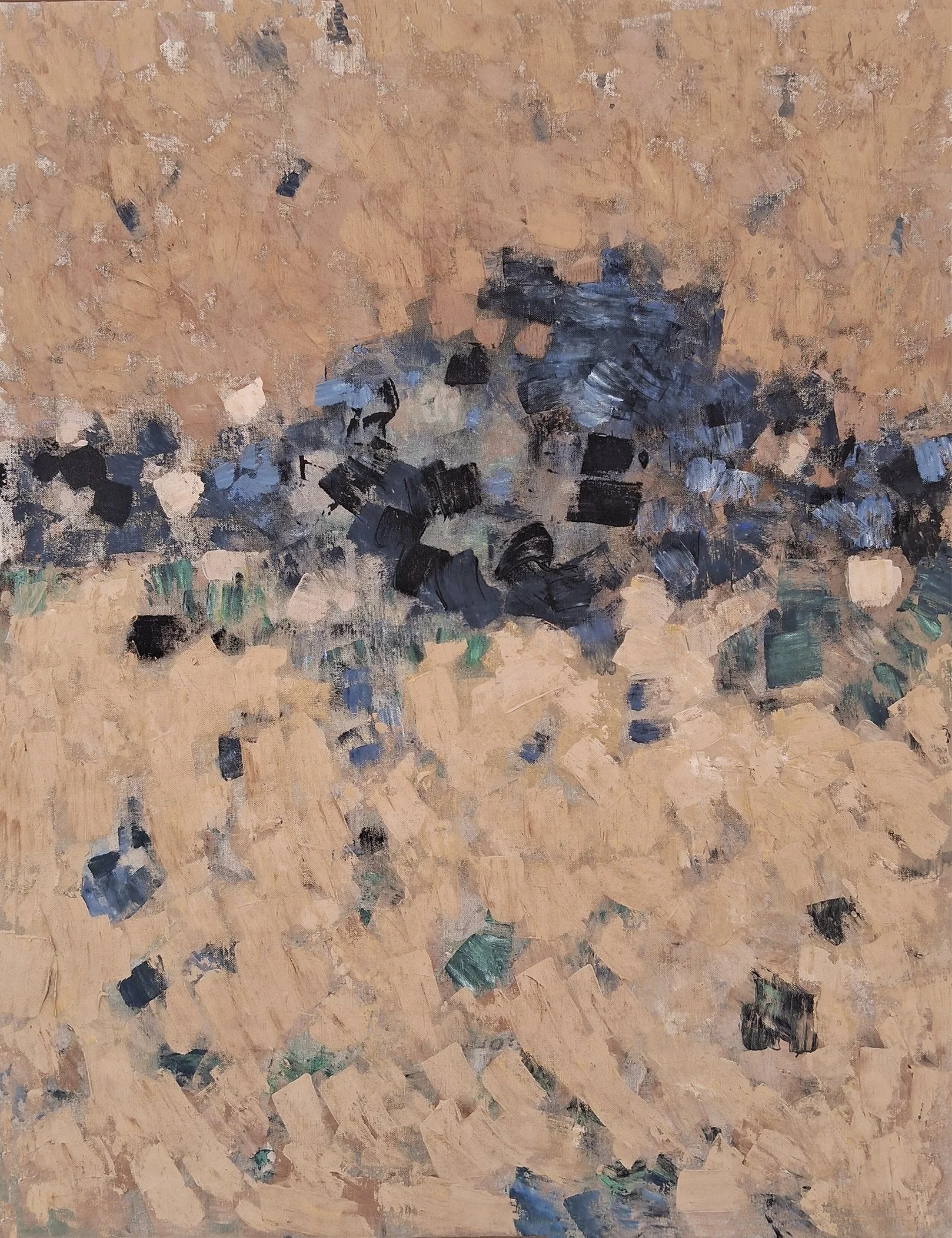
Untitled, 2025

Untitled, 2023
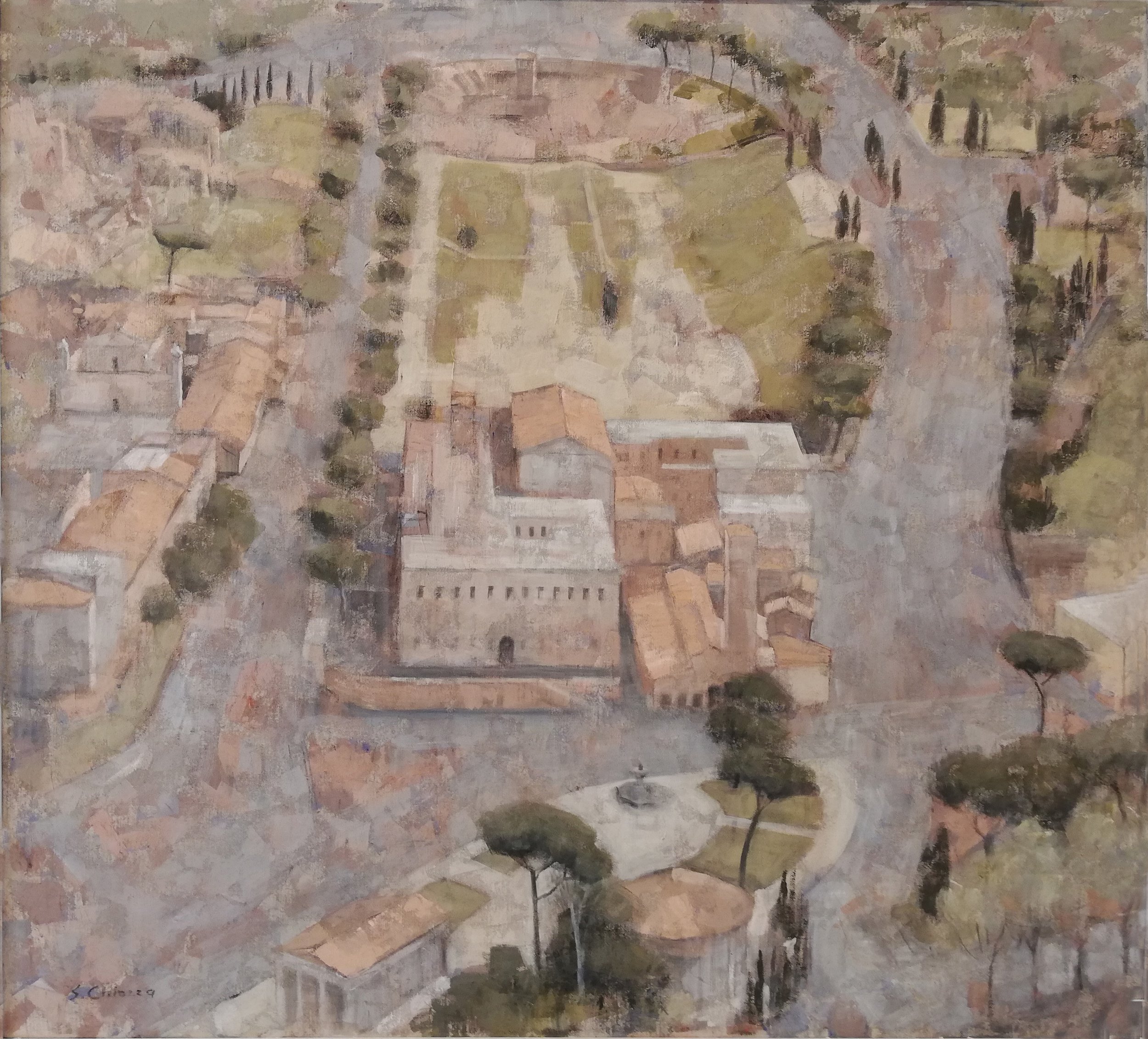
Circo Massimo, 2016
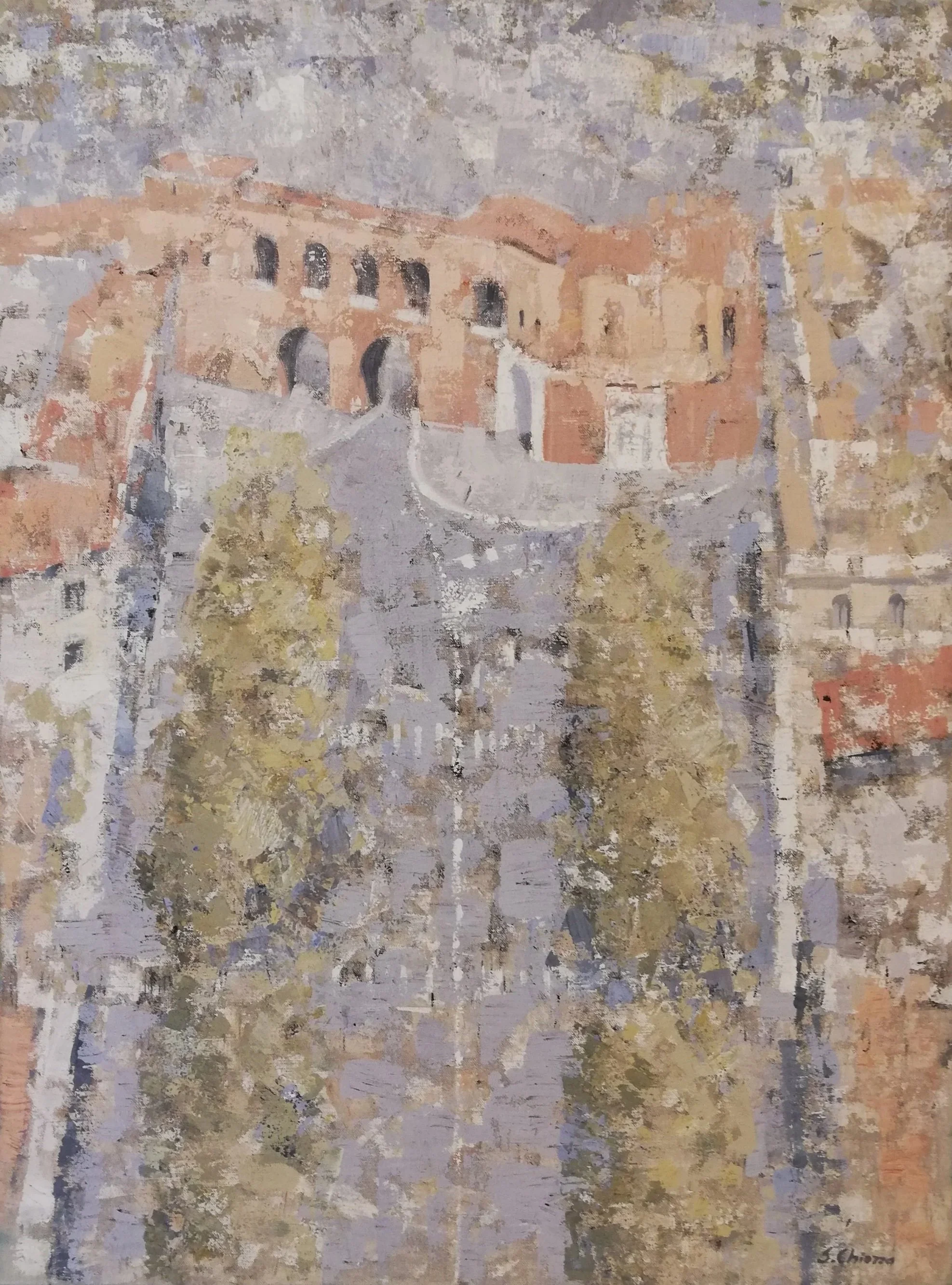
Porta Pinciana, 2019

Ponte Milvio, 2022
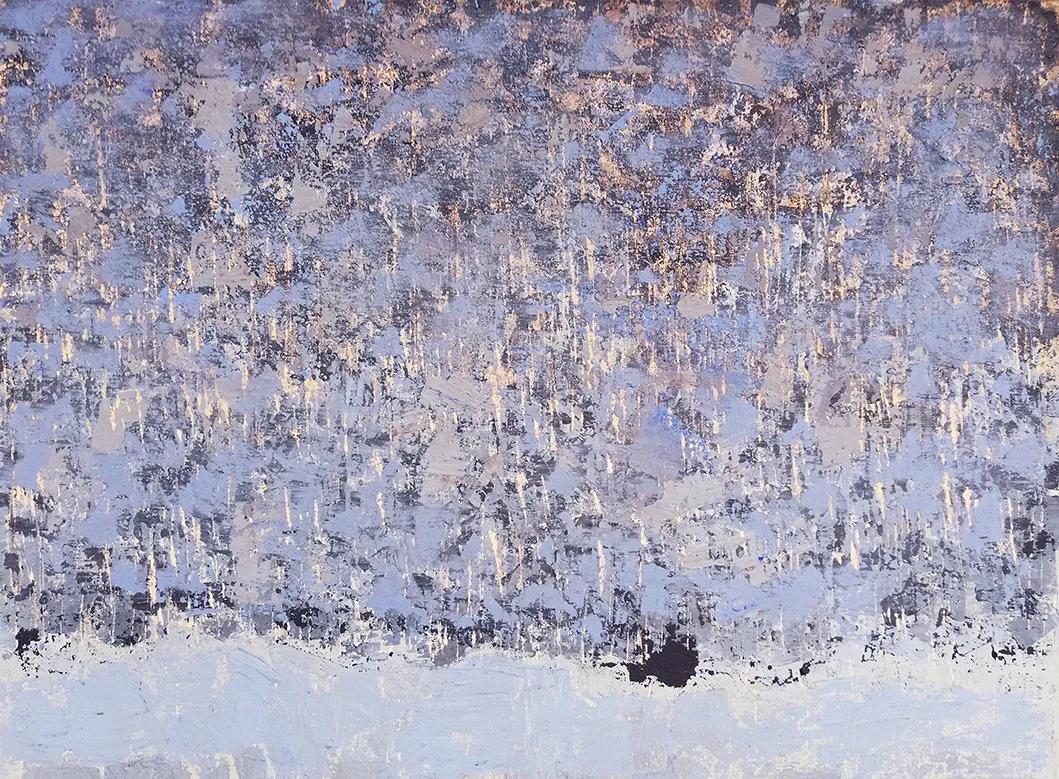
Untitled, 2020

Untitled, 2026

Pantheon, 2026