Ming Feng: Between Lingnan Tradition and the Global Contemporary Landscape
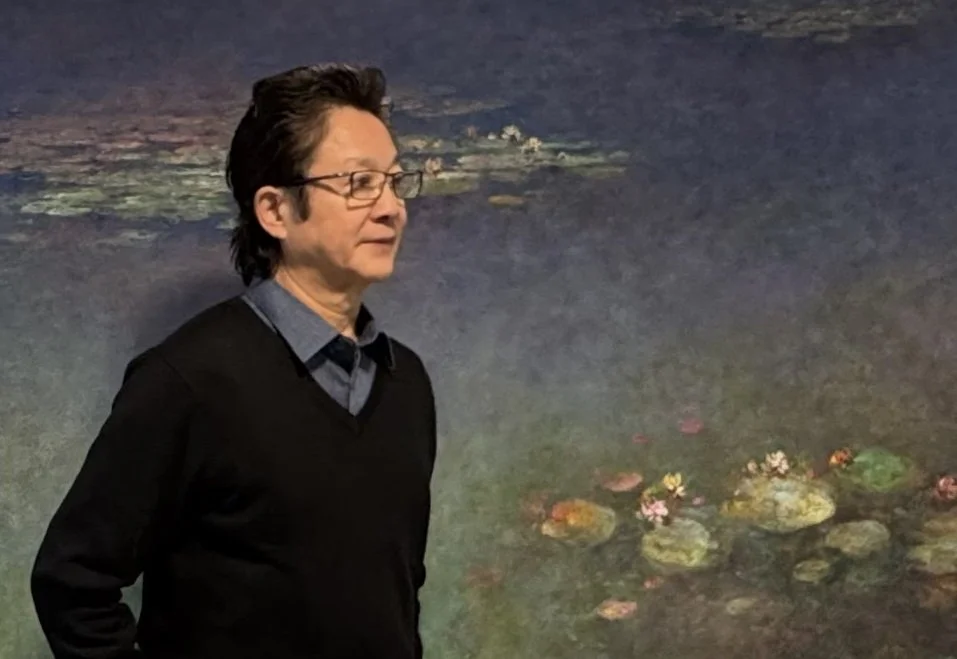
Ming Feng: Between Lingnan Tradition and the Global Contemporary Landscape
For more than three decades, Ming Feng has cultivated a distinctive position within contemporary representational painting, bridging the artistic traditions of southern China with the sensibilities of the international art market. His career reflects not only technical mastery, but also the evolving trajectory of Chinese contemporary artists who successfully transitioned from regional prominence to sustained global recognition.
Born in Guangzhou, China, Ming Feng demonstrated artistic promise early in life. He was admitted to the Guangzhou Municipal Teenage Art School before continuing his formal training at the Guangzhou Academy of Fine Arts, from which he graduated in 1986. His formative years coincided with a period of renewed cultural openness in China, when artistic experimentation and professional institutionalization began reshaping the country’s visual arts landscape.
Before establishing himself internationally, Ming built a respected reputation within China’s professional art community. His early career included work as a stage designer for the Modern Drama Troupe of Guangzhou, followed by a position with the Guangzhou Art Design Company, where he produced advertising layouts, book illustrations, and commercial visual design projects. This multidisciplinary foundation contributed to the compositional clarity and atmospheric sensibility that would later define his mature painting practice.
In 1984, Ming became a member of the Chinese Artist Association, one of the nation’s most prestigious professional art organizations, an achievement that signaled significant institutional recognition at an early stage in his career. His paintings entered the permanent collection of the Guangzhou Fine Art Museum, while reproductions of his work appeared widely in Chinese art publications, illustrated books, and newspapers. The respected Lingnan Fine Art Publishing House devoted special editorial features to his Chinese paintings and acrylic works in both 1986 and 1989, further solidifying his visibility within China’s cultural sphere.
The publication of The Most Collectible Contemporary Artist: Ming Feng by Tianjin People’s Fine Art Publishing House in 2014 marked another important milestone, positioning his oeuvre within broader conversations surrounding collectibility and long-term market relevance in contemporary Chinese art.
Ming immigrated to the United States in 1988, a transition that fundamentally expanded both the scope of his practice and his collector base. Unlike many artists navigating cross-cultural transitions, he maintained continuity in his visual language while adapting to new aesthetic and commercial contexts. His work increasingly resonated with American audiences drawn to technically refined landscape and figurative painting grounded in emotional atmosphere rather than conceptual detachment.
Throughout the 1990s and early 2000s, Ming’s reputation grew steadily through exhibitions, publications, and critical attention. Articles such as “Rising Star of the Art World” and “The Lure of the Sea,” both written by Debbie Hagan, introduced his work to broader audiences, while Marguerite Smolen’s “Landscape of Romance” emphasized the poetic qualities that continue to distinguish his paintings today.
A significant institutional endorsement arrived in 1998, when the The Walt Disney Company commissioned Ming to create an oil painting for Disney’s Grand Floridian Resort. The work remains part of the corporation’s collection, reflecting the artist’s crossover appeal beyond traditional gallery audiences and into major corporate patronage.
International visibility expanded further through collaborations in Japan, where organizations produced calendars dedicated exclusively to Ming Feng’s paintings in 2003, 2004, 2007, and 2008. Such projects reinforced the broad commercial and aesthetic appeal of his imagery across Asian and Western markets alike.
At the center of Ming Feng’s practice lies an unwavering commitment to atmosphere, luminosity, and emotional resonance. His paintings are characterized by carefully orchestrated compositions in which light functions not merely as an optical phenomenon, but as a psychological and poetic device. Romantic landscapes, tranquil waters, and evocative natural settings emerge through layered color relationships and highly controlled tonal transitions.
The artist has consistently emphasized the importance of emotional connection in his work. Rather than pursuing conceptual provocation or ideological commentary, Ming seeks to create contemplative spaces that invite reflection and sensory immersion. This orientation aligns his practice with a lineage of painters who privilege technical fluency and aesthetic experience while maintaining contemporary relevance through sincerity of vision.
His paintings reveal the influence of both classical Chinese aesthetics and Western representational traditions. The meditative qualities associated with Lingnan painting coexist with the atmospheric richness of European and American landscape painting, resulting in a visual language that feels simultaneously familiar and culturally hybrid. This synthesis has proven especially attractive to collectors seeking works that transcend geographic categorization while retaining a strong sense of artistic identity.
Ming Feng’s market position has also been reinforced through consistent recognition from leading professional organizations in the United States. His awards include the Alden Bryan Memorial Award and Medal for Traditional Landscapes from the American Artists Professional League at the Salmagundi Club, the Best in Show Award at the Richeson 75 International Art Competition, and distinctions from the National Oil and Acrylic Painters’ Society, Allied Artists of America, and the National Arts Club.
Equally notable is the breadth of his exhibition history. His work has appeared in juried exhibitions organized by the Oil Painters of America, the Connecticut Academy of Fine Arts, Allied Artists of America, and the American Artists Professional League, among others. These institutions continue to play a meaningful role in shaping the market credibility of contemporary representational painters, particularly among collectors focused on technical excellence and traditional media.
Ming Feng’s paintings are held in private and corporate collections worldwide, a testament to the enduring accessibility of his imagery and the universal emotional vocabulary embedded within his work. At a time when much of the contemporary art market remains dominated by conceptual strategies and speculative trends, his career offers a compelling counterpoint: the sustained value of craftsmanship, emotional depth, and painterly refinement.
As the global art market continues reassessing the significance of contemporary realism and cross-cultural artistic narratives, Ming Feng occupies a distinctive and increasingly relevant position. His career reflects not only the internationalization of Chinese artists in the late twentieth century, but also the enduring demand for paintings that balance technical sophistication with poetic sensibility.
In an era shaped by rapid visual consumption, Ming Feng’s work invites a slower and more contemplative mode of looking, one grounded in atmosphere, memory, and emotional resonance. That enduring capacity for connection may ultimately prove to be the defining strength of his artistic legacy.

Morning in the Mountain Village 2024 Oil on Canvas 76x101 cm.
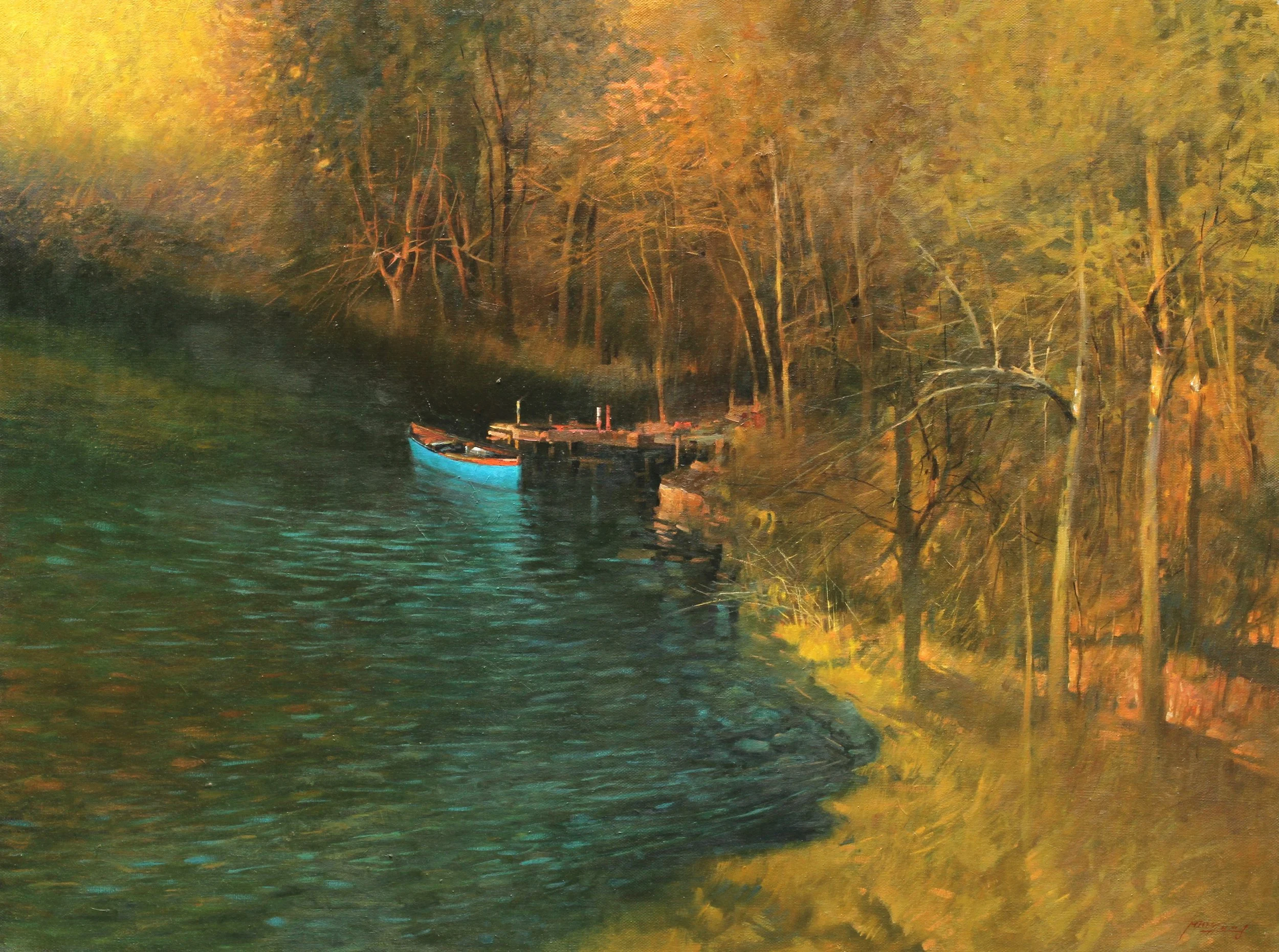
Peaceful Lake 2015 Oil on Canvas 91.44x121.92 cm
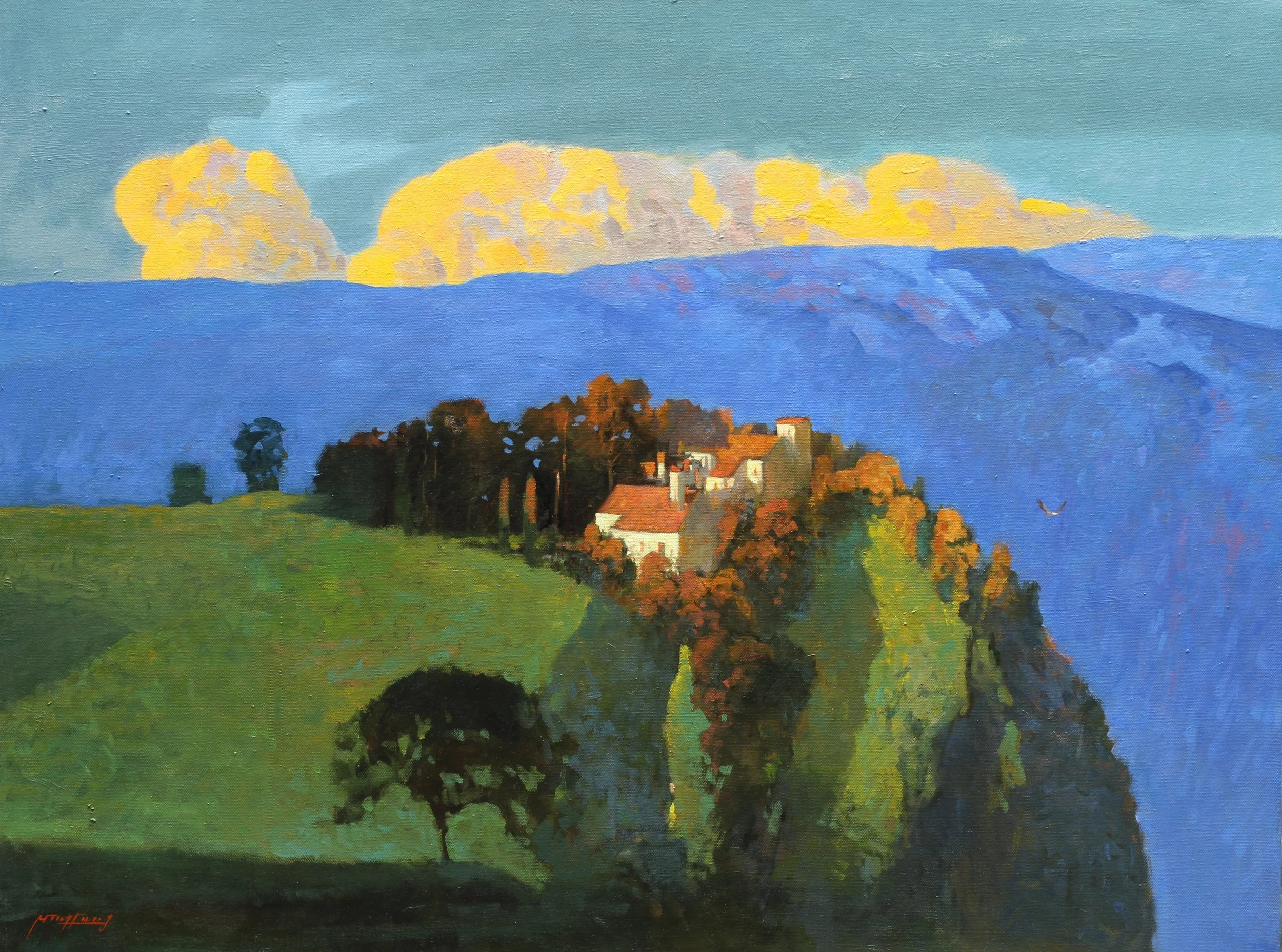
Blue Mountains 2025.Oil on Canvas 76.2x101.6 cm
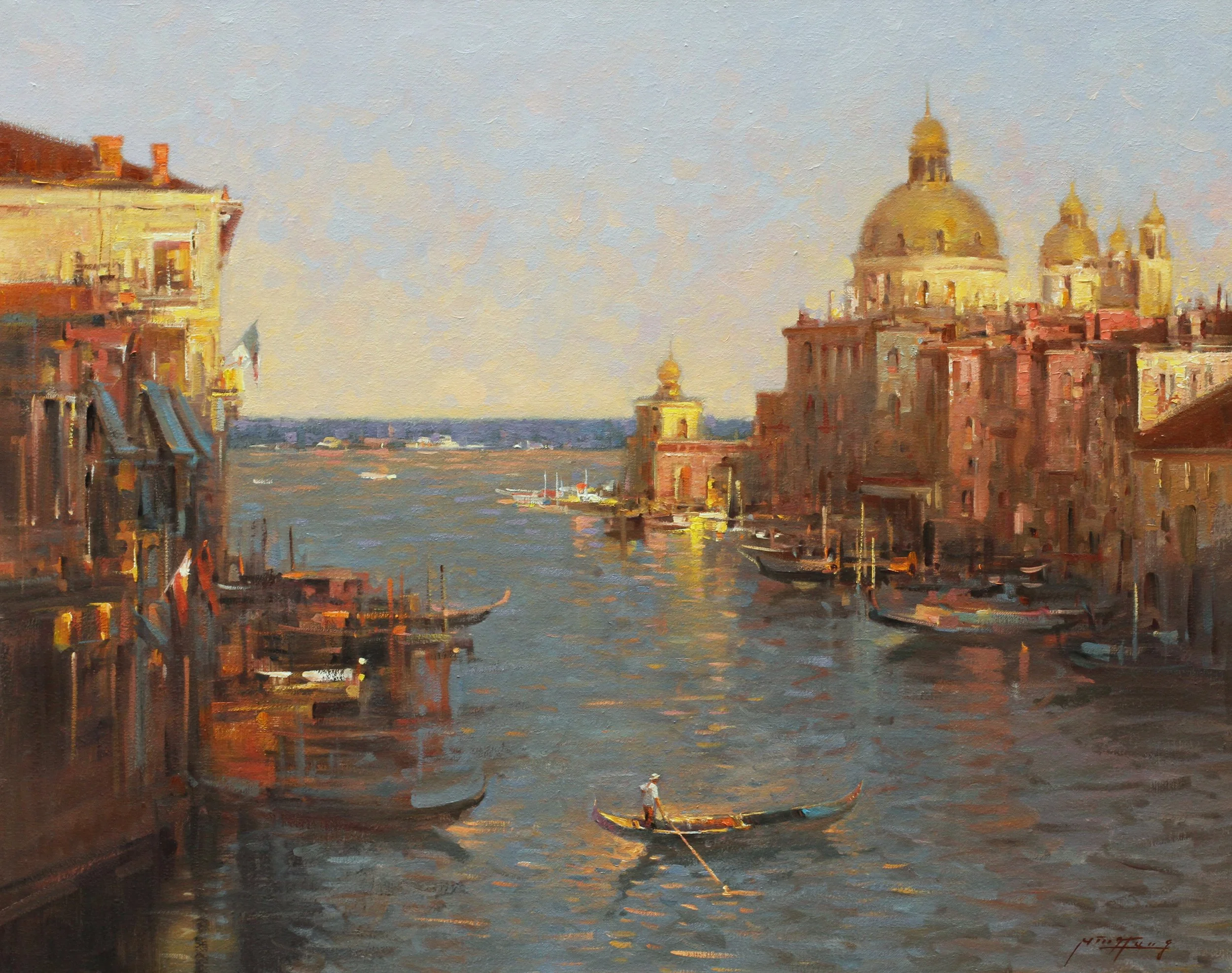
Romance of Venice 2013 Oil on Canvas 60.96x76.2cm
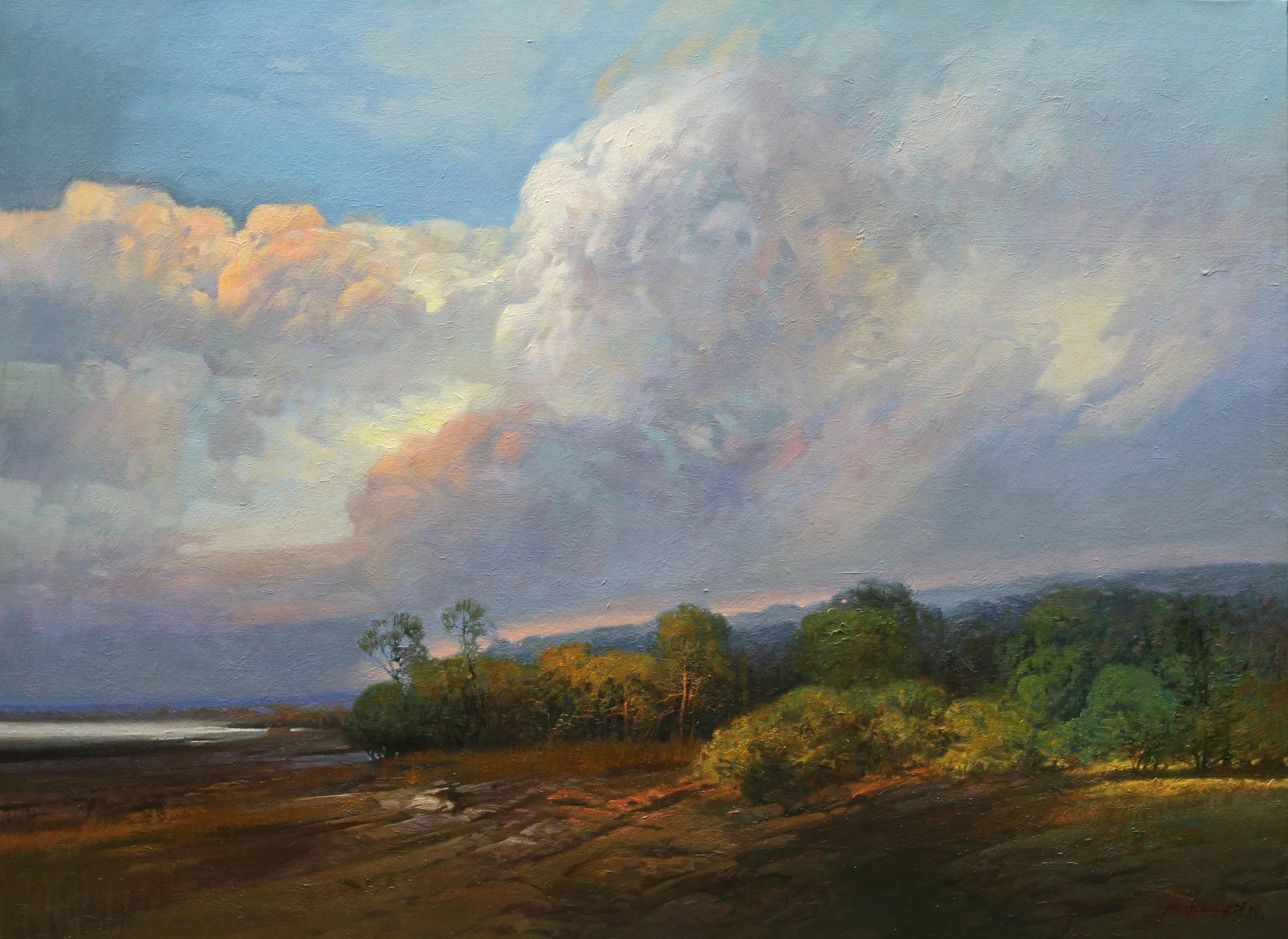
Tranquil Morning 2018 Oil on Canvas 91.44x121.92cm
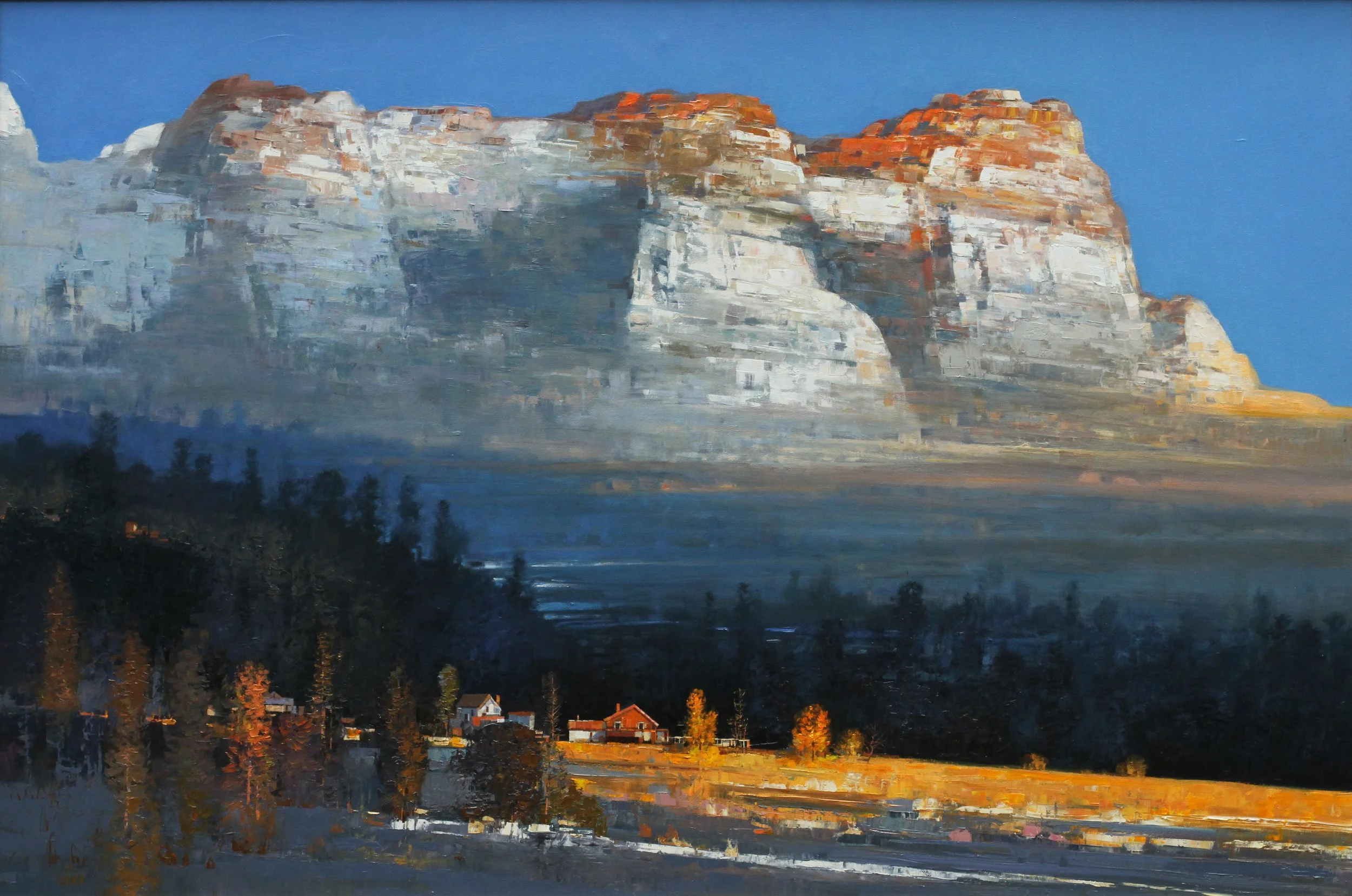
Golden Hillside 2025. Oil on Canvas 101x152 cm
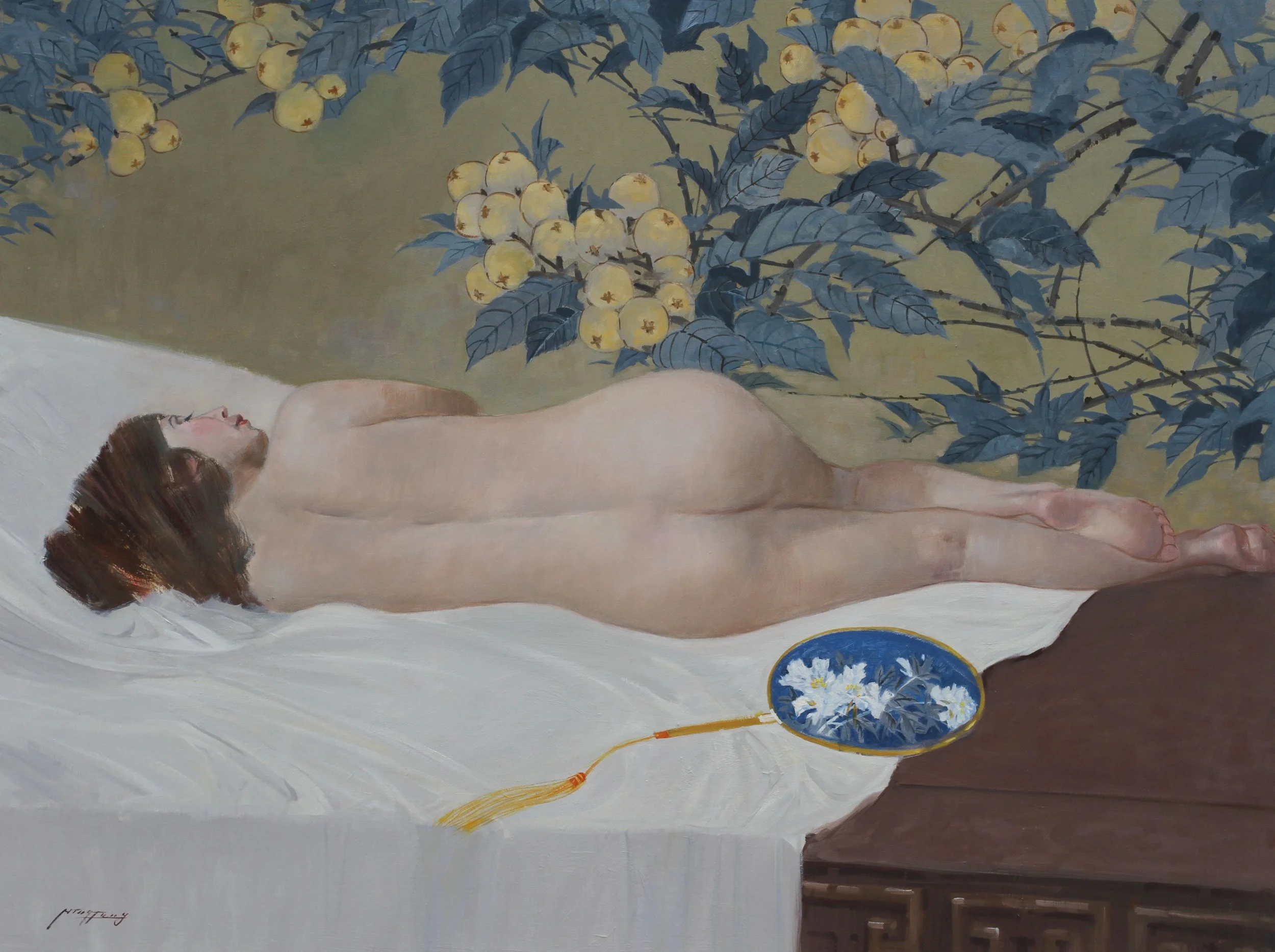
Summer Breeze 2025 Oil on Canvas 78.74x106.68 cm
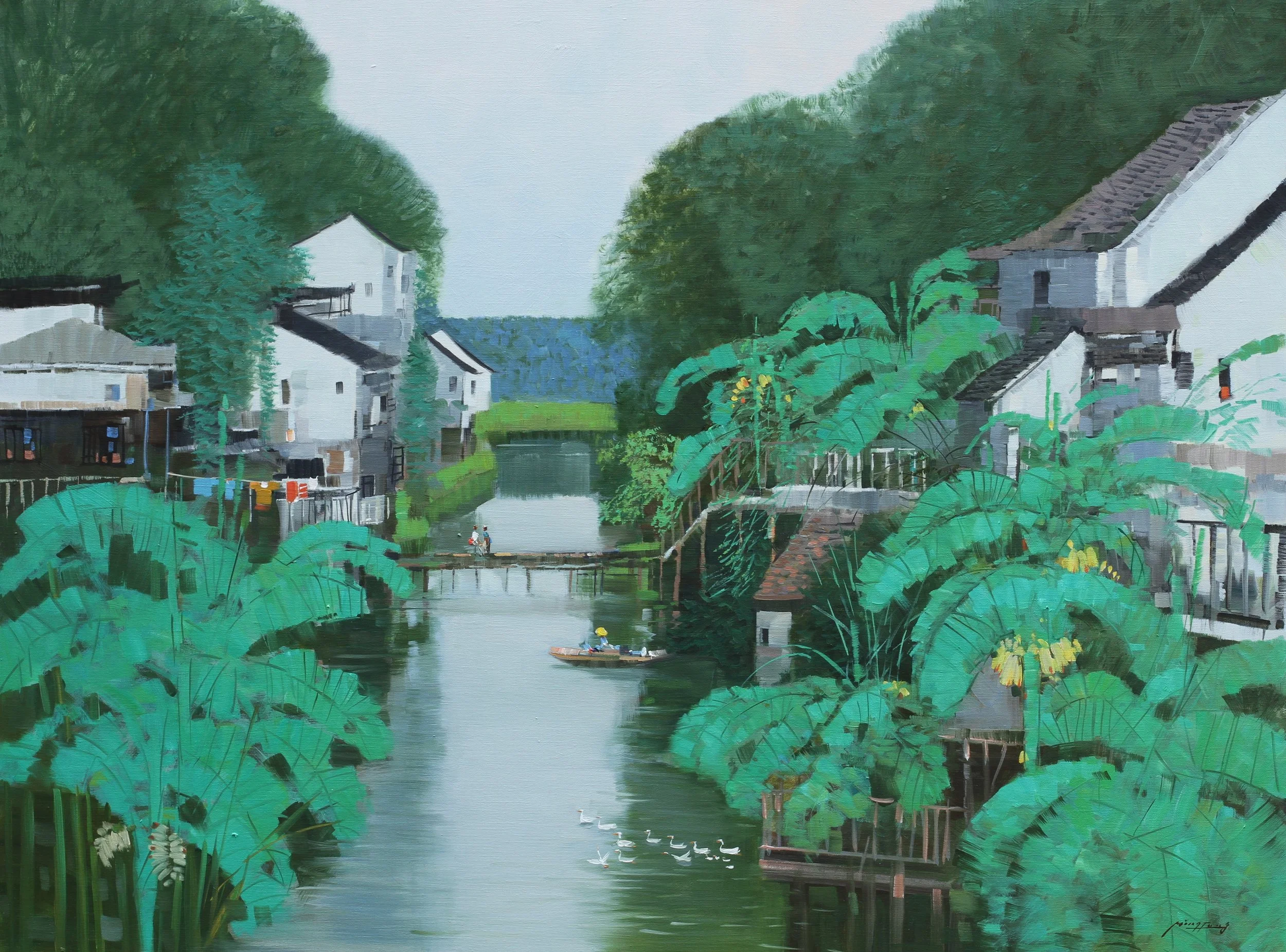
Peaceful Water Village2025 Oil on Canvas 76x101 cm.
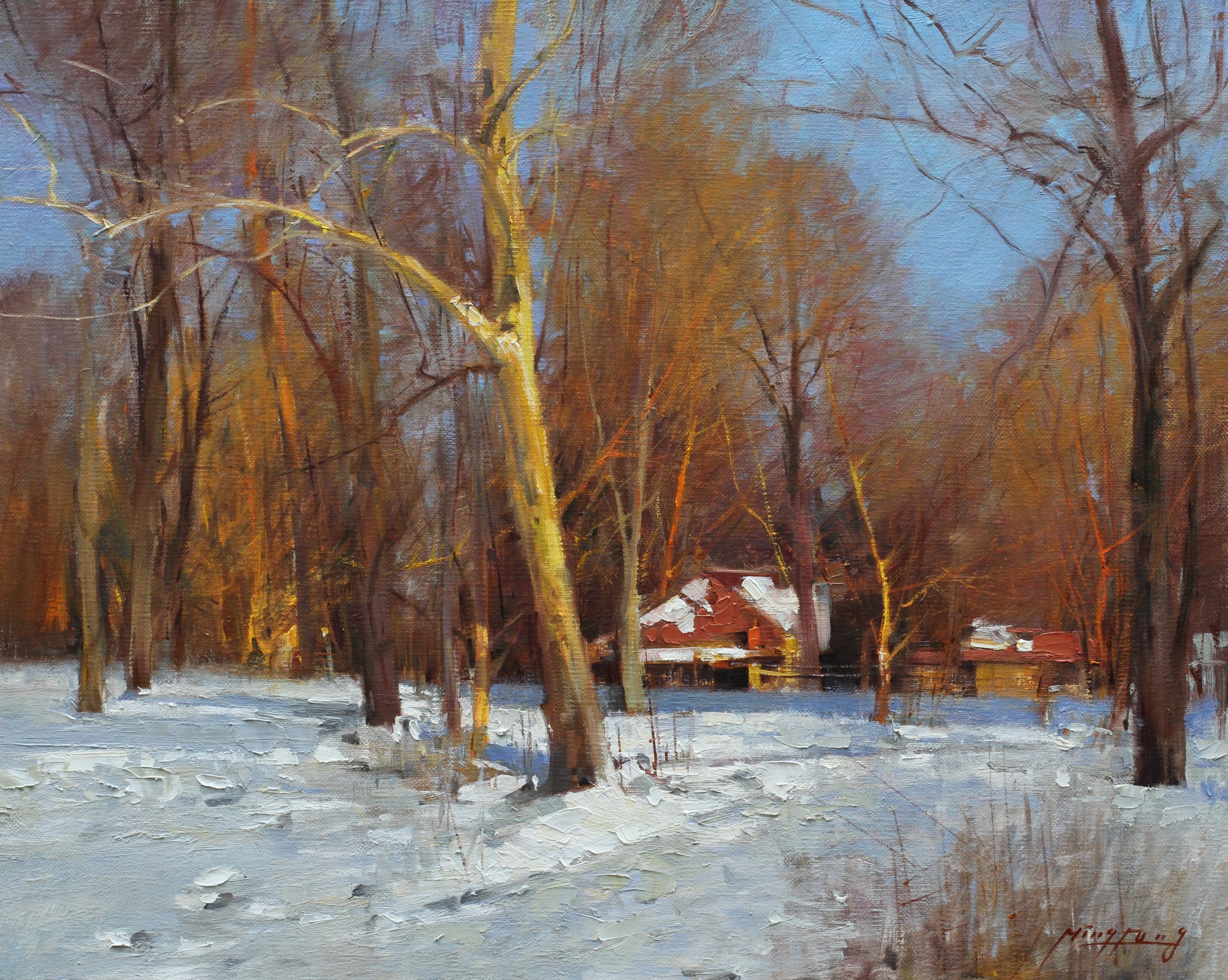
Winter Morning 2019 Oil on Canvas 40,64x50.8 cm

Sails Returning at Sunset 2022 Oil on Canvas 40,64x50.8cm