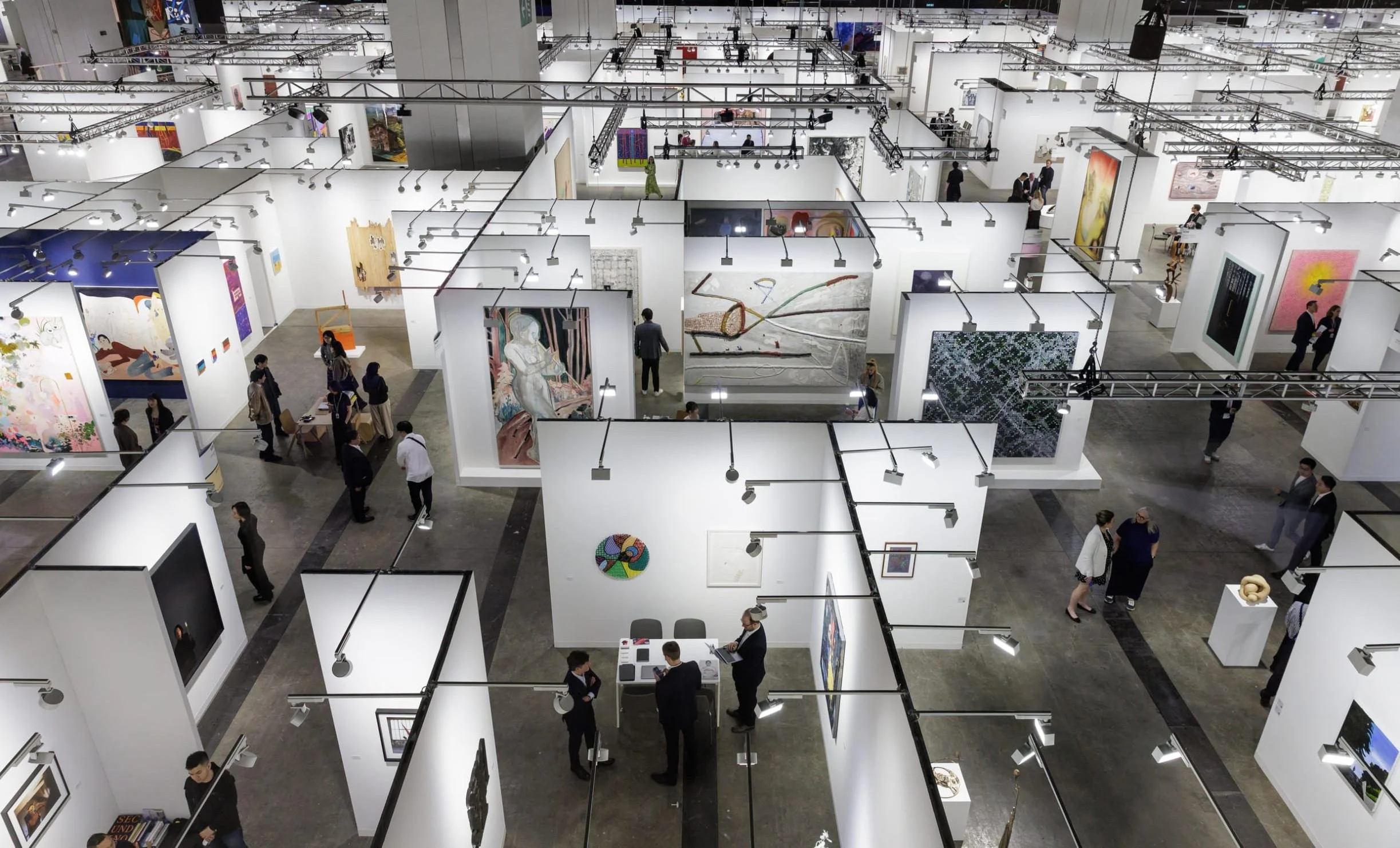
As international art fairs account for a growing share of gallery sales, their commercial importance appears increasingly secure. Yet rising participation costs, selective collector spending and the expansion of alternative selling platforms are exposing weaknesses in the traditional fair model. The question for 2027 is whether the world's leading art fairs can continue to justify their influence, not simply through exceptional transactions, but through the lasting value they create for galleries, artists and collectors.
The international art fair has become one of the most powerful institutions in the contemporary art economy. For a few concentrated days, hundreds of galleries assemble works worth millions of dollars, collectors travel across continents, and commercial decisions that might otherwise unfold over months are compressed into a single week.
Yet the extraordinary visibility of Art Basel, Frieze and TEFAF conceals a more complicated financial reality.
According to the Art Basel and UBS Global Art Market Report 2026, art fairs accounted for 35% of dealer turnover in 2025, compared with 31% in 2024. Their contribution reached its highest level since 2022, even as the wider market continued to recover unevenly from successive years of contraction.
At the same time, dealers reported that art fair expenses had increased by an average of 9%, while overall operating costs rose faster than sales.
These contrasting developments raise an important question about the future of international art commerce. If galleries are becoming more dependent on fairs while the costs of participation continue to increase, is the model strengthening the market or placing its participants under growing financial pressure?
As 2027 approaches, the answer may determine not only which fairs remain influential, but which galleries can afford to participate in them.
The Commercial Power of the International Art Fair
The art fair's principal economic advantage lies in its ability to concentrate buyers, sellers and information within a limited period.
Unlike a conventional gallery exhibition, which generally relies on established relationships and visitors to a particular location, an international fair provides immediate access to collectors from multiple markets. For galleries seeking new clients, this concentration can substantially reduce the time required to establish commercial relationships, even if the initial financial investment is considerable.
The 2026 Art Basel and UBS report estimated global dealer sales at $34.8 billion in 2025, an increase of 2% from the preceding year. Within that total, fair-related transactions represented 35% of turnover, with overseas events accounting for 63% of fair sales and domestic events for the remaining 37%.
The figures suggest that international fairs remain essential commercial infrastructure rather than supplementary promotional events.
Their importance is particularly evident among mid-sized galleries. Dealers with annual turnover between $1 million and $10 million increased the proportion of their sales generated at fairs from 29% in 2024 to 36% in 2025.
This dependence creates an important paradox. The galleries most reliant on fairs for commercial growth may also be among those least able to absorb an unsuccessful exhibition.
For a major international dealership, a weak fair can be offset by private sales, established collector relationships and revenue generated across multiple locations. For a smaller gallery, the same experience can represent a substantial financial setback.
The commercial success of the leading fairs therefore needs to be evaluated beyond headline sales. Their long-term contribution depends on whether they generate sustainable business across the gallery sector rather than concentrating opportunities among a limited number of dominant exhibitors.
Art Basel: The Economics of Prestige
Art Basel remains an important indicator of the international market's appetite for exceptional artworks.
Its June 2026 edition attracted approximately 90,000 visitors and brought together 290 galleries from 43 countries and territories. Representatives of more than 270 museums and foundations attended, reflecting the fair's continued importance as a meeting point between commercial and institutional collecting.
The reported transactions demonstrated the extraordinary concentration of purchasing power at the highest levels.
Hauser & Wirth announced the sale of a Gerhard Richter painting for $20 million, while GRAY reported selling David Hockney's Studio Interior #2 for $8.5 million. Thaddaeus Ropac reported selling Helen Frankenthaler's Sudden Wave for approximately $3 million.
Such transactions reinforce Basel's position as a destination for collectors seeking important works with established market histories.
However, these figures require careful interpretation. Art fair sales are generally reported by exhibitors and organisers rather than independently audited through a central transactional system. Published announcements may describe completed sales, agreed transactions or works reserved pending final arrangements. Asking prices must not be confused with confirmed sale prices.
Consequently, the commercial performance of an individual fair cannot be accurately assessed simply by adding together its most widely publicised transactions.
What distinguishes Basel is arguably its ability to generate confidence through selection, reputation and proximity to influential collectors.
Participation communicates that a gallery has met the fair's selection requirements and can present work within an internationally recognised commercial environment. For emerging and mid-career artists, this visibility may contribute to future institutional attention and collector demand.
Yet prestige can also create a self-reinforcing hierarchy. Galleries already possessing the resources to participate in major international events gain further visibility, while those operating outside established commercial networks face greater difficulty accessing the same audiences.
The fair's influence therefore extends beyond sales into the distribution of professional opportunity itself.
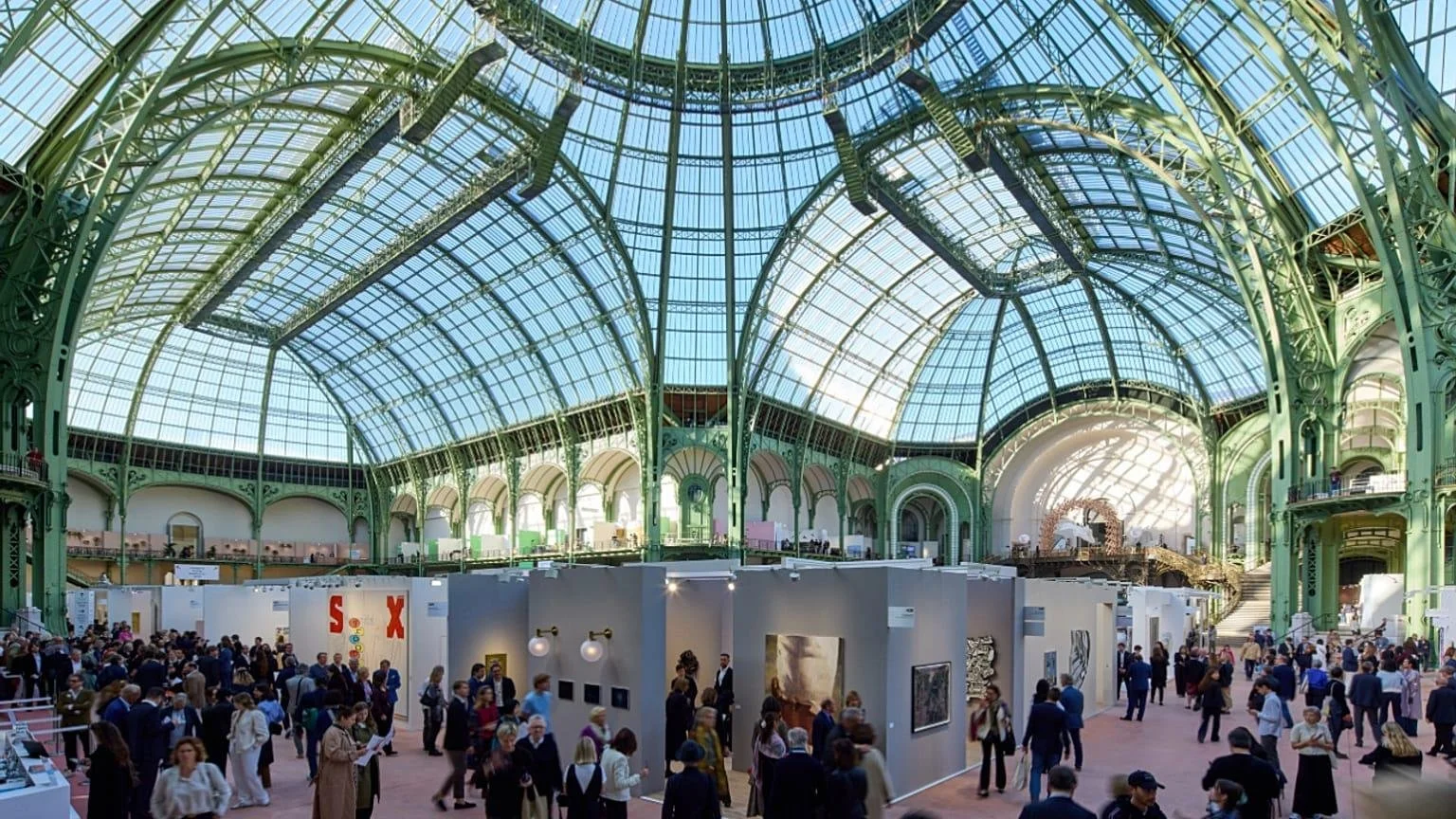
Art Basel Paris 2026 at the Grand Palais brings together international galleries, collectors and cultural institutions, demonstrating the commercial influence and global reach of major art fairs.
Frieze: Cultural Discovery Meets Commercial Discipline
Where Basel is closely associated with the concentration of established international wealth, Frieze has developed a distinctive position through its relationship with contemporary artistic production, curatorial experimentation and the broader cultural identity of London.
The October 2026 editions of Frieze London and Frieze Masters welcomed approximately 95,000 visitors from 108 countries and regions. According to organiser figures, representatives from 426 institutions across 51 countries attended, demonstrating the fairs' continuing ability to connect commercial galleries with an extensive international cultural network.
The commercial picture was more nuanced.
At Frieze London, Gagosian reportedly sold all six recent Albert Oehlen paintings presented on its stand, with prices understood by The Art Newspaper to exceed $1 million each. Pace reported sales of paintings by Marina Perez Simão at approximately $250,000 each, while Lisson Gallery sold works by Dalton Paula for £50,000 apiece.
At Frieze Masters, Hauser & Wirth reported selling a Jan Brueghel the Elder still life for approximately £5 million.
These results indicate that buyers remained willing to commit substantial sums, particularly where works combined established artistic reputations with convincing presentation and perceived scarcity.
However, independent reporting also identified considerable selectivity. Some dealers experienced strong demand, while others encountered collectors reluctant to make immediate decisions.
This divergence illustrates a structural challenge facing major fairs. High attendance and exceptional individual transactions can coexist with difficult trading conditions for a substantial proportion of exhibitors.
Frieze's cultural programming remains an important source of differentiation. Curated sections, acquisition initiatives and awards can help introduce emerging artists to collectors and institutions that might otherwise encounter their work only through conventional gallery channels.
In September 2026, Frieze announced further acquisition funds, prizes and curatorial programmes intended to connect participating galleries with public collections and international arts organisations.
Their significance extends beyond immediate transactions. An institutional acquisition or influential curatorial relationship can contribute to an artist's career development long after the fair closes.
Nevertheless, cultural visibility should not automatically be equated with commercial advancement. Emerging artists may receive substantial attention without generating sufficient sales to support the galleries representing them.
For Frieze, the strategic challenge in 2027 will be maintaining its reputation for discovery while ensuring that smaller and more experimental exhibitors can derive meaningful commercial benefits from participation.
TEFAF: Connoisseurship, Institutional Confidence and the Value of Expertise
TEFAF occupies a different position within the international fair system.
Its commercial authority derives largely from scholarship, provenance, authenticity and the presentation of historically significant works across fine art, antiques and design.
At TEFAF Maastricht in March 2026, more than 50,000 visitors attended, alongside representatives of over 450 museums and 67 institutional patron groups. The event included 277 exhibitors from more than 20 countries and employed approximately 250 international specialists in its vetting process.
These figures demonstrate an institutional concentration that distinguishes TEFAF from fairs primarily associated with contemporary production.
Reported transactions included the sale of a fourteenth-century marble sculpture to the Metropolitan Museum of Art for approximately €1.5 million, while specialist dealer Dr Jörn Günther Rare Books reported eight-figure sales, including a manuscript acquired for CHF5 million.
The significance of such transactions is not restricted to their financial value. They illustrate how specialist knowledge, historical research and institutional trust can support acquisitions involving artworks whose rarity and complexity make conventional price comparisons difficult.
TEFAF's emphasis on scholarship also highlights a broader development in collector behaviour: the increasing importance of documentation and confidence.
Where market enthusiasm can fluctuate rapidly around contemporary artists, works supported by established historical attribution, documented provenance and recognised institutional relevance may appeal to buyers seeking different forms of value.
This does not mean that Old Masters or historically significant objects are inherently safer investments. Their markets can be narrow, condition concerns can be substantial, and attribution changes can materially affect prices.
Rather, TEFAF demonstrates that the commercial art fair can retain relevance through expertise and credibility rather than relying exclusively on scale or spectacle.
Its influence also reaches beyond individual dealers. Deloitte's economic impact assessment estimated that TEFAF Maastricht generated €86.4 million in national economic activity, including €37.9 million in direct impact within Maastricht. These estimates concern the broader economic contribution of the event and should not be interpreted as artwork sales.
The distinction reinforces the fair's dual identity as both a commercial marketplace and a substantial contributor to cultural tourism, hospitality and the regional economy.
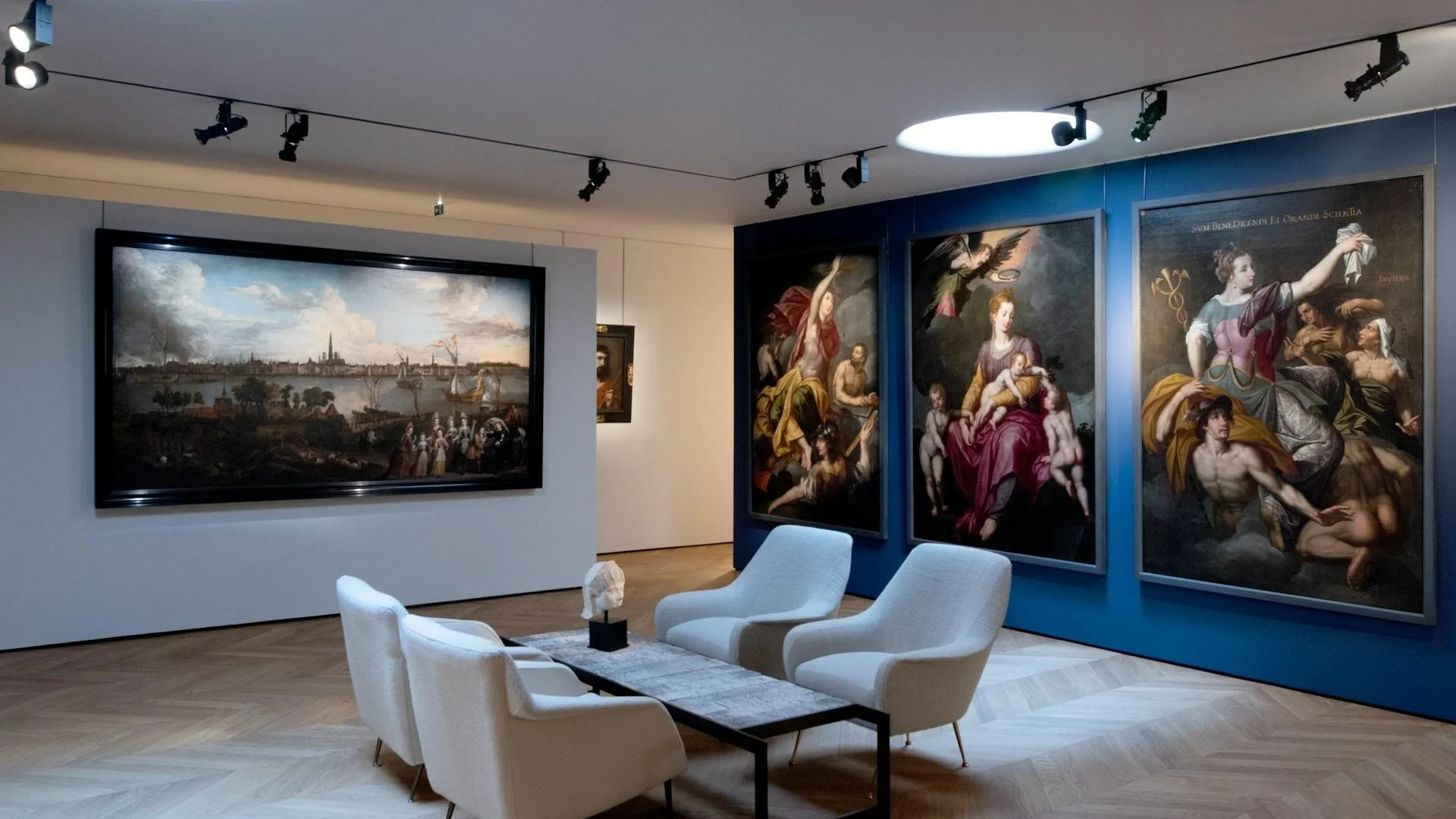
TEFAF Maastricht brings together leading international dealers, collectors and museum professionals, highlighting the importance of provenance, artistic quality and specialist expertise in the global art market.
The Rising Cost of Participation
The strongest argument against the existing art fair model is not that fairs have become commercially irrelevant. It is that their economic benefits are distributed unevenly while participation costs continue to increase.
The Art Basel and UBS 2026 report found that dealers' average operating costs rose by 5% in 2025, compared with sales growth of 2%. Art fair costs increased by approximately 9%, while shipping and logistics expenses rose by 10%. Furthermore, 38% of dealers reported declining profitability.
These pressures are particularly significant because exhibiting internationally involves substantially more than securing stand space.
Transportation, insurance, accommodation, staffing, installation, customs administration and client hospitality can make participation expensive before a single artwork is sold.
The financial calculation is also complicated by the timing of transactions. An artwork may be reserved during a fair but invoiced later, while a relationship established at an event may produce a sale months afterwards.
Consequently, galleries cannot evaluate participation exclusively through transactions completed during the exhibition itself.
There is also a less visible cost: the allocation of resources away from artists' studio development, local exhibitions and longer-term institutional projects.
A gallery participating in numerous international fairs may achieve greater commercial exposure while simultaneously reducing its capacity to support ambitious exhibitions within its permanent programme.
This raises an uncomfortable question about the concentration of influence within the market. If participation in prestigious fairs becomes a practical requirement for international visibility, galleries may feel compelled to accept rising costs even when the financial returns are uncertain.
Some organisers and independent participants are responding with alternative formats.
During Frieze Week 2026, London welcomed smaller initiatives including the London Invitational, which adopted a boutique hotel format, and Fair Play Art Fair, which introduced a model charging artists a sales commission instead of an upfront stand fee.
These experiments do not yet represent a replacement for the major international fairs, but they indicate growing interest in commercial structures designed around different levels of financial risk.
The question for established fair operators is whether their economic models can evolve sufficiently to retain a diverse gallery community.
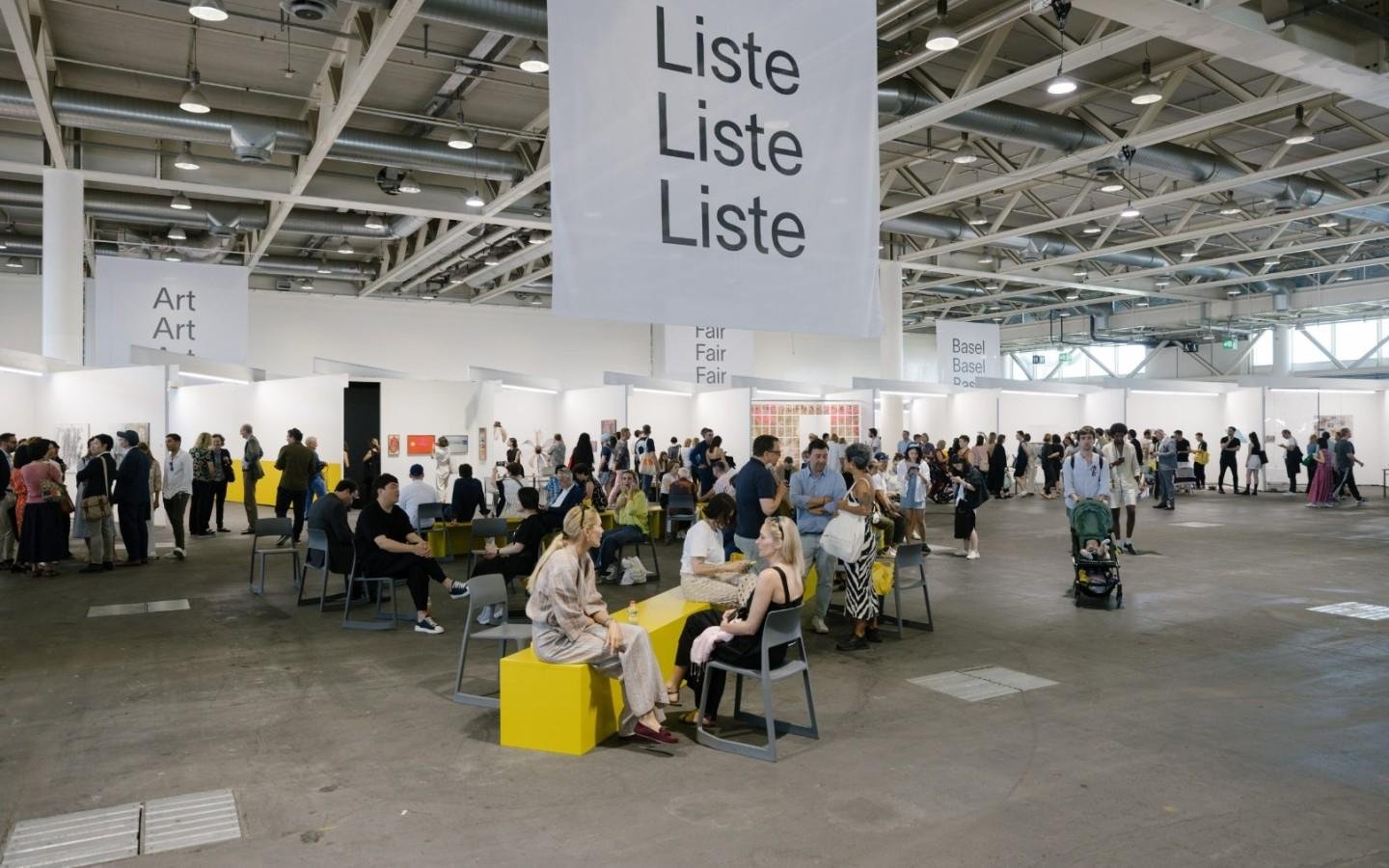
Liste Art Fair Basel provides an international platform for emerging galleries and artists, highlighting the opportunities and financial challenges associated with participation in the competitive art fair sector.
The Changing Collector and the Limits of the Traditional Fair
Art fairs continue to benefit from the importance of personal relationships in high-value collecting.
The Art Basel and UBS Survey of Global Collecting 2026 found that 62% of the high-net-worth respondents had purchased art at a fair during the survey period. Fairs accounted for 15% of their spending by value, while 16% identified fairs as their preferred purchasing channel.
These findings point towards a significant distinction between the frequency of fair attendance and the proportion of transactions actually conducted there.
Collectors may visit fairs to discover artists, compare prices, meet dealers or develop relationships that subsequently produce purchases through other channels.
The fair's influence can therefore extend well beyond the sales recorded during its operating dates.
Nevertheless, alternative purchasing methods are becoming increasingly important. The same survey found that 69% of respondents had acquired works directly from artists, while digital communication remained integral to relationships between collectors and galleries.
Rather than eliminating the need for physical events, these developments are changing their purpose.
Collectors no longer need to travel internationally simply to view available artworks or receive price information. The strongest justification for attending a fair increasingly lies in experiences that digital platforms cannot easily reproduce: encountering significant works in person, developing trust with specialists and participating in concentrated cultural conversations.
This creates opportunities for more carefully curated events, but it also makes undifferentiated fairs more vulnerable.
In 2027, organisers may need to demonstrate that their events offer distinctive artistic discovery, meaningful access to collectors and measurable professional value.
The Outlook for 2027: Influence Without Guaranteed Sustainability
The evidence available in November 2026 suggests that leading international fairs will remain influential in 2027. Their position is supported by substantial collector participation, institutional engagement and a growing contribution to dealer turnover.
However, commercial importance does not guarantee the financial sustainability of every participating gallery.
Three structural pressures are likely to shape the coming year: rising exhibition costs, increasingly selective purchasing decisions and competition from alternative selling formats.
The most successful fairs may be those capable of balancing prestigious high-value presentations with credible opportunities for emerging galleries and artists.
Equally, the growth of digital communication and direct artist sales may encourage fairs to place greater emphasis on curatorial quality, research and experiences that justify international travel.
These are analytical expectations, not established outcomes for 2027. Reliable forecasts of individual fair sales, profitability or collector attendance remain unavailable, and published exhibitor transactions do not provide a complete measure of financial performance.
The larger question concerns the relationship between commercial concentration and artistic diversity.
If the international fair system increasingly rewards only galleries capable of absorbing substantial financial risks, its cultural influence may become narrower even as headline sales remain impressive.
Conclusion: Beyond the Spectacle of the Art Fair
Art Basel, Frieze and TEFAF continue to occupy influential positions within the international art market, but their importance rests on different foundations.
Basel demonstrates the commercial power of international collector concentration. Frieze connects contemporary artistic discovery with a broader cultural economy, while TEFAF illustrates the enduring importance of scholarship, provenance and institutional confidence.
Together, they remain essential meeting points for galleries, collectors and cultural institutions.
Yet the growing share of dealer revenue generated through fairs conceals an important vulnerability. As participation becomes more expensive, commercial dependence can increase without a corresponding improvement in profitability.
The challenge for 2027 will therefore be to reconcile market influence with economic sustainability.
A successful fair should not be judged exclusively by attendance figures, exceptional transactions or the prestige of its exhibitors. Its deeper contribution lies in the quality of relationships it creates, the artistic careers it supports and the commercial opportunities it makes possible beyond a single exhibition week.
The future of the art fair is unlikely to be determined by whether collectors continue to attend. It will depend on whether the institutions organising these events can ensure that their extraordinary concentration of cultural and financial influence remains valuable to the broader art market.