Won Choi: Sculpting the Convergence of Memory, Nature, and Spiritual Inquiry
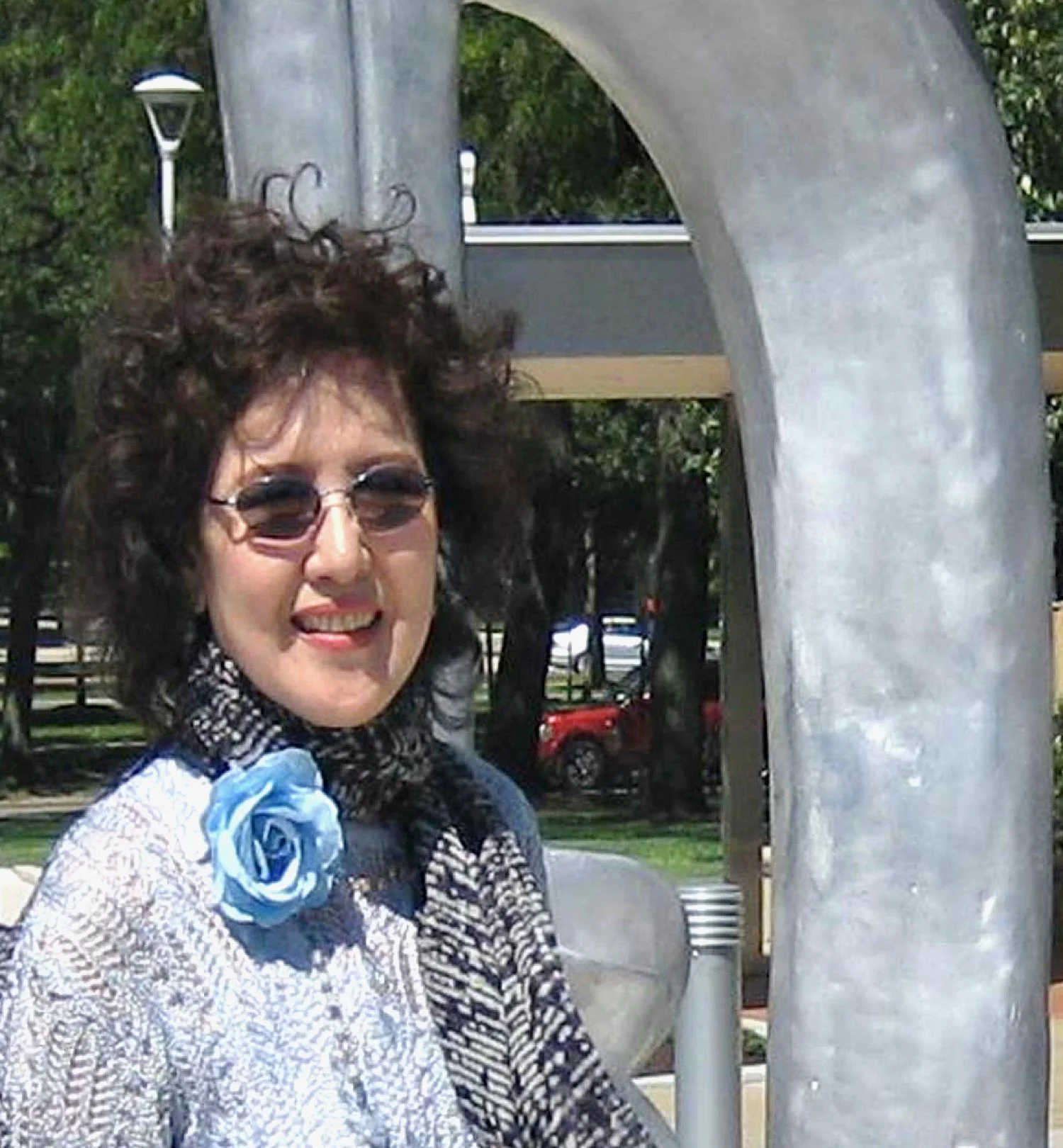
Won Choi: Sculpting the Convergence of Memory, Nature, and Spiritual Inquiry
Won Choi’s practice occupies a distinctive position at the intersection of sculpture, poetry, and research, offering a body of work that resists easy categorization while maintaining a clear conceptual rigor. Her abstract forms, imbued with a biomorphic sensibility, evoke dream states, memory, and deeply subjective experiences. At once intuitive and structured, her sculptural language reflects a sustained engagement with existential questions and a search for harmony between humanity and the universe.
Choi’s work draws on a lineage of modernist sculpture, particularly the legacy of artists who explored the relationship between the human figure and the natural world. This influence is neither imitative nor nostalgic. Instead, it is absorbed into a broader inquiry shaped by her transnational life experiences and spiritual exploration. Her sculptures articulate a sense of mystery that is both personal and universal, suggesting an ongoing dialogue between inner consciousness and external reality.
Born in Korea, Choi’s formative years were marked by geographic and cultural mobility. Her adolescence in Turkey and extensive travels across Europe and Asia exposed her to diverse visual and philosophical traditions. She initially trained in woodworking and metalsmithing in Korea, completing both BFA and MFA degrees before relocating to the United States. There, she continued her studies in metalsmithing and sculpture at Syracuse University, later refining her approach under the mentorship of Isaac Witkin. This period proved pivotal, prompting a shift toward more explicitly spiritual concerns within her work.
Her intellectual inquiry extended into academia through doctoral studies in studio art at New York University, where she examined the relationship between aesthetic experience and spirituality. This investigation continues to underpin her practice, informing both her conceptual framework and formal decisions.
Recognition of Choi’s work emerged steadily. Her early semi abstract relief series gained national attention through a juried exhibition that traveled across the United States in 1986. This momentum culminated in her solo outdoor sculpture exhibition at the James A. Michener Art Museum in 2003, solidifying her presence within the American sculpture landscape. Since then, her work has been presented in a range of institutional and gallery contexts, both in the United States and internationally. These include exhibitions in partnership with healthcare and cultural organizations, as well as presentations in European museum settings.
Choi’s sculptures are held in both public and private collections, reflecting a sustained engagement with collectors and institutions. Her works have been acquired by universities, residential developments, and collectors who value the contemplative and spatial qualities of her practice. Residencies and awards, including those in France, further attest to the recognition of her contribution to contemporary sculpture.
Central to Choi’s artistic process is the interplay between drawing and sculpture. Drawing serves not merely as preparation but as an autonomous space for exploration, where she engages in free association guided by memory and internal perception rather than direct observation. These drawings become the foundation from which her sculptural forms emerge, translating two dimensional intuition into three dimensional presence.
Her material process is equally considered. Initial models are often constructed from accessible materials such as Styrofoam or mash, which allow for rapid experimentation. These are subsequently refined using wax, resin, or composite materials before being cast or fabricated in more permanent media. Bronze has been a dominant material in her oeuvre, frequently finished with polychrome patinas that enhance the organic and symbolic qualities of the forms. The use of traditional lost wax casting techniques situates her work within a long sculptural tradition, while her forms remain distinctly contemporary.
Choi’s conceptual framework is rooted in an ongoing meditation on the five elements of nature: water, fire, air, earth, and space. This philosophical lens informs her understanding of the human body and mind as extensions of the natural world. Her sculptures often suggest hybrid forms that merge figure and landscape, embodying a worldview in which boundaries between self and environment dissolve. The resulting works are not literal representations but distilled expressions of perception, shaped by imagination and introspection.
In her own words, the artist describes her practice as an evolving vision grounded in openness and discovery. This openness is evident in the diversity of her forms and materials, as well as in the conceptual depth of her work. Each sculpture becomes a site where accumulated experiences, cultural influences, and spiritual inquiry converge.
Within the contemporary art market, Choi’s work offers a compelling proposition. It aligns with a growing interest in artists whose practices engage with themes of mindfulness, ecology, and cross cultural identity, while maintaining a strong formal presence suited to both institutional and private collections. Her sculptures, ranging in scale and material, provide versatility for collectors seeking works that are both visually striking and intellectually resonant.
As her practice continues to evolve, Won Choi remains committed to exploring the intangible dimensions of human experience through material form. Her work stands as a testament to the enduring relevance of sculpture as a medium capable of bridging the physical and the metaphysical, the personal and the universal.
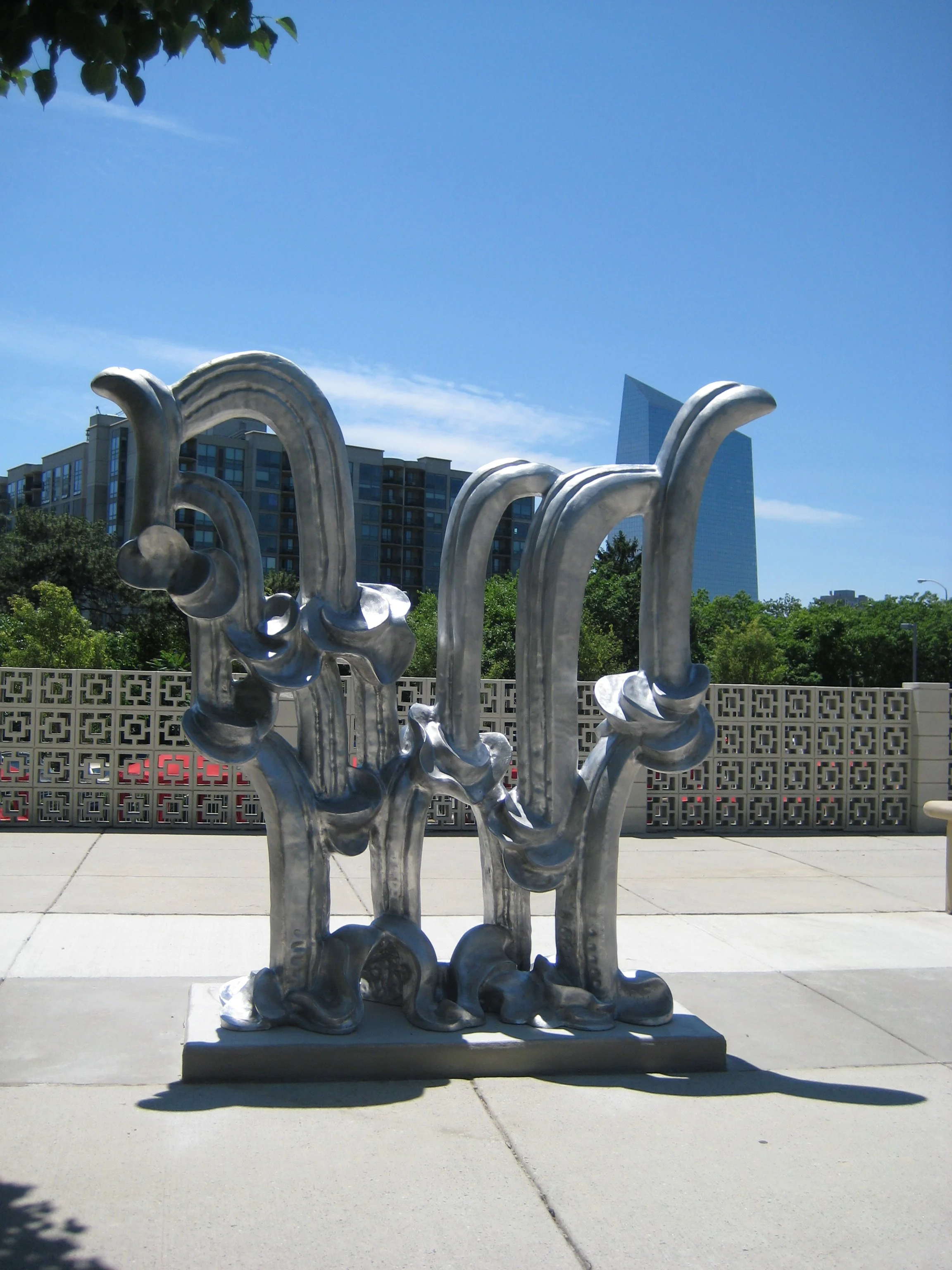
Water Music 2016
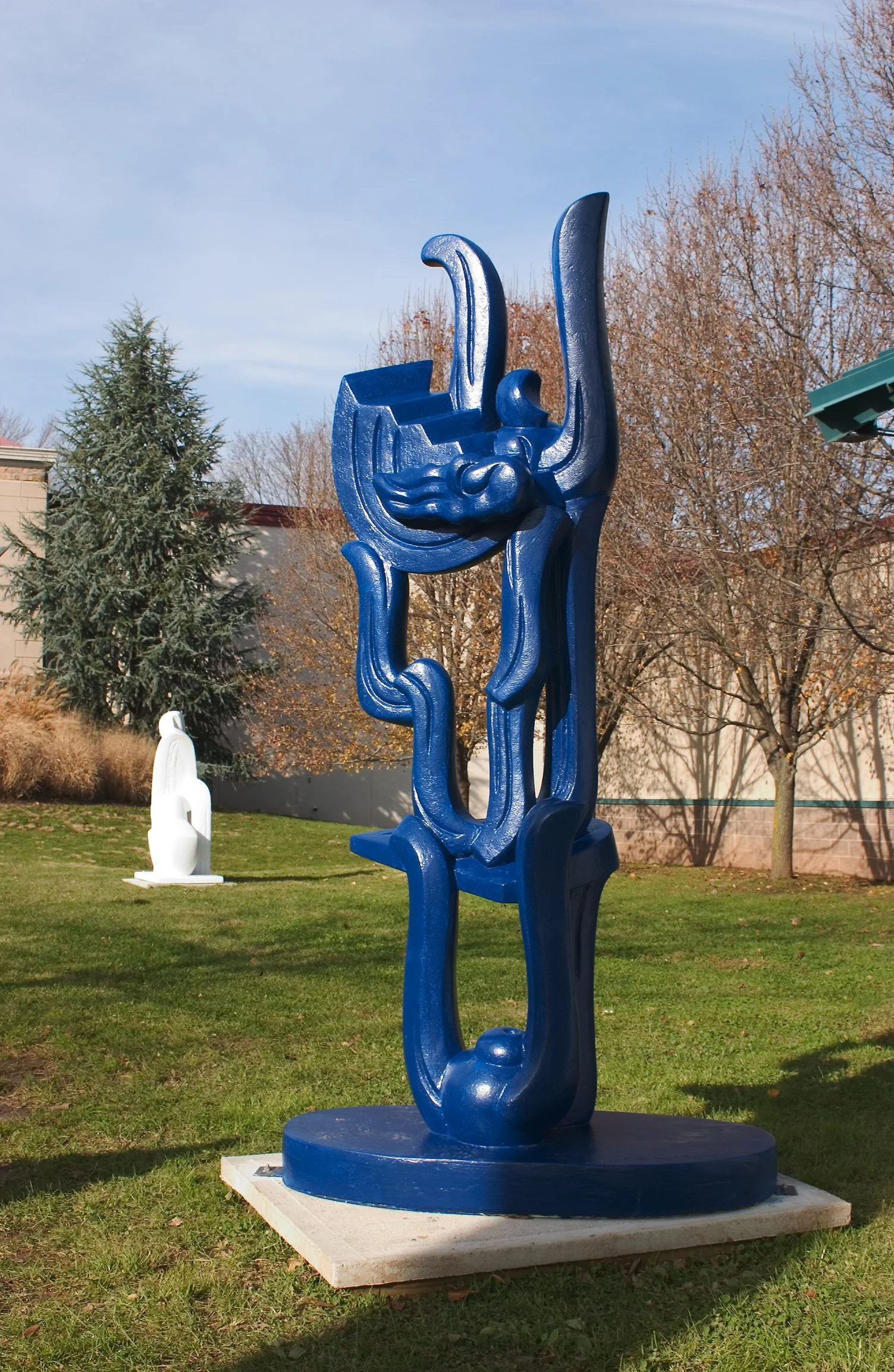
Rainbow Harp II, 2012
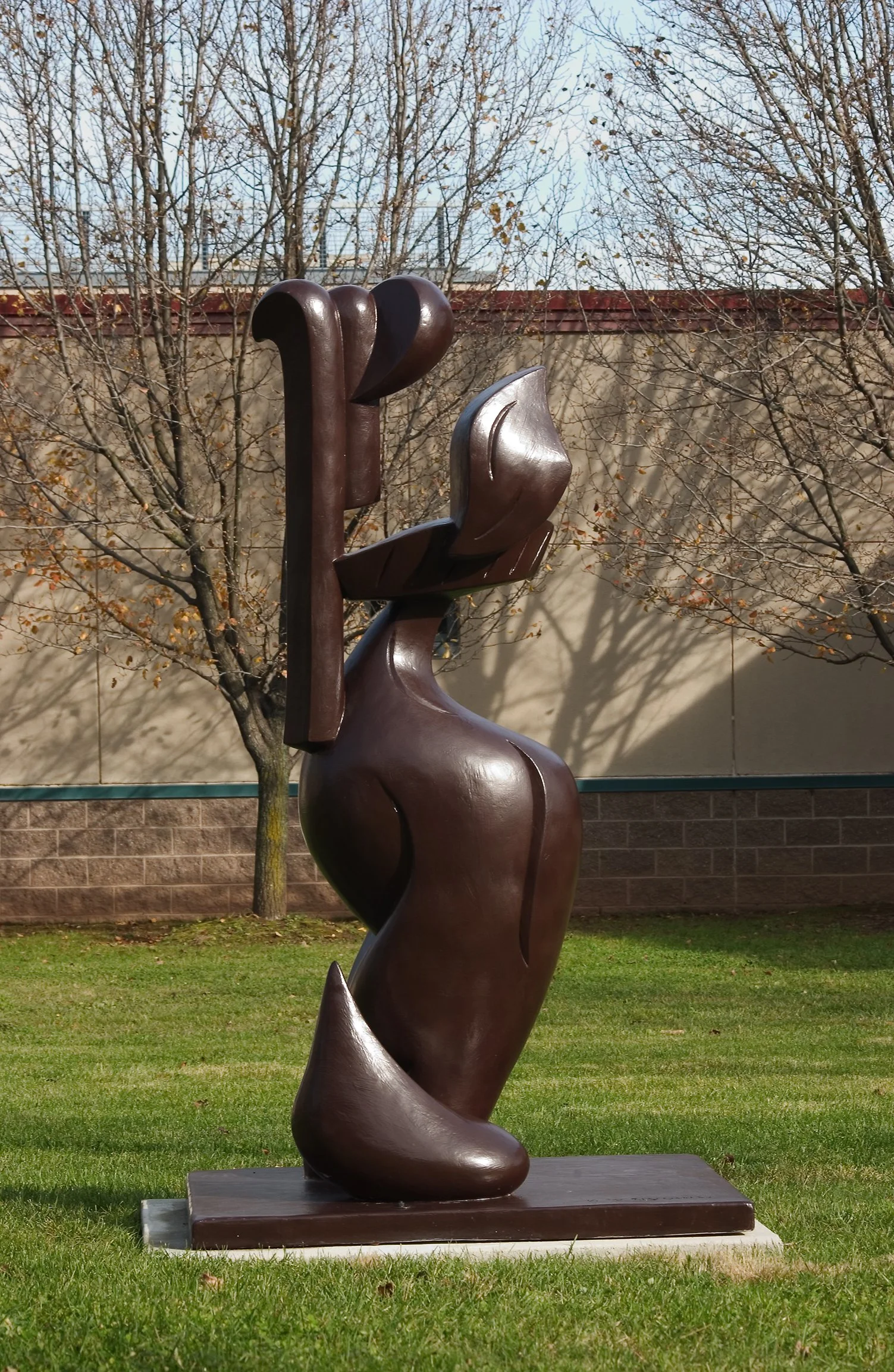
Water Talk II, 2013
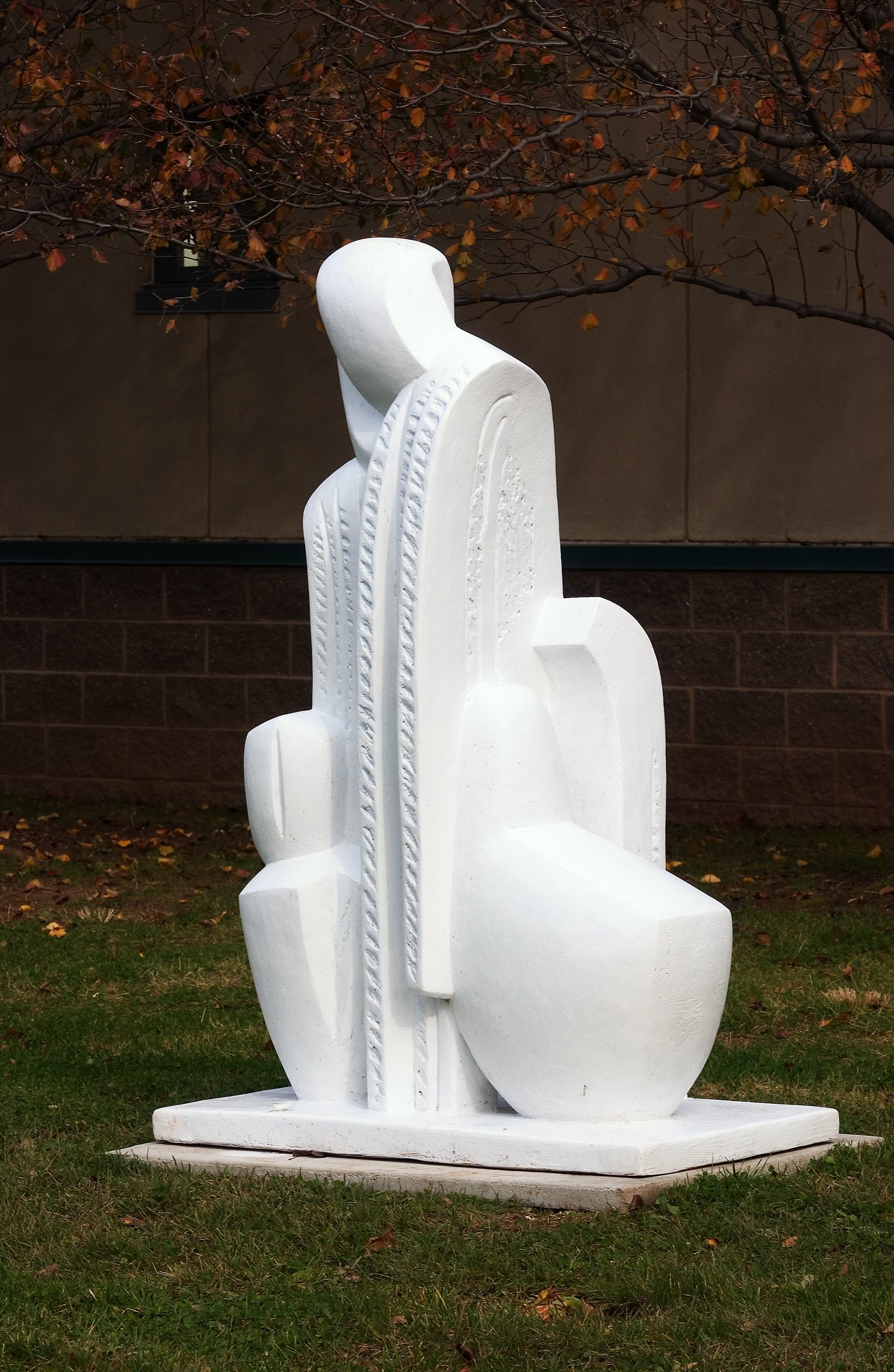
Stream Chit Chat II, 2012
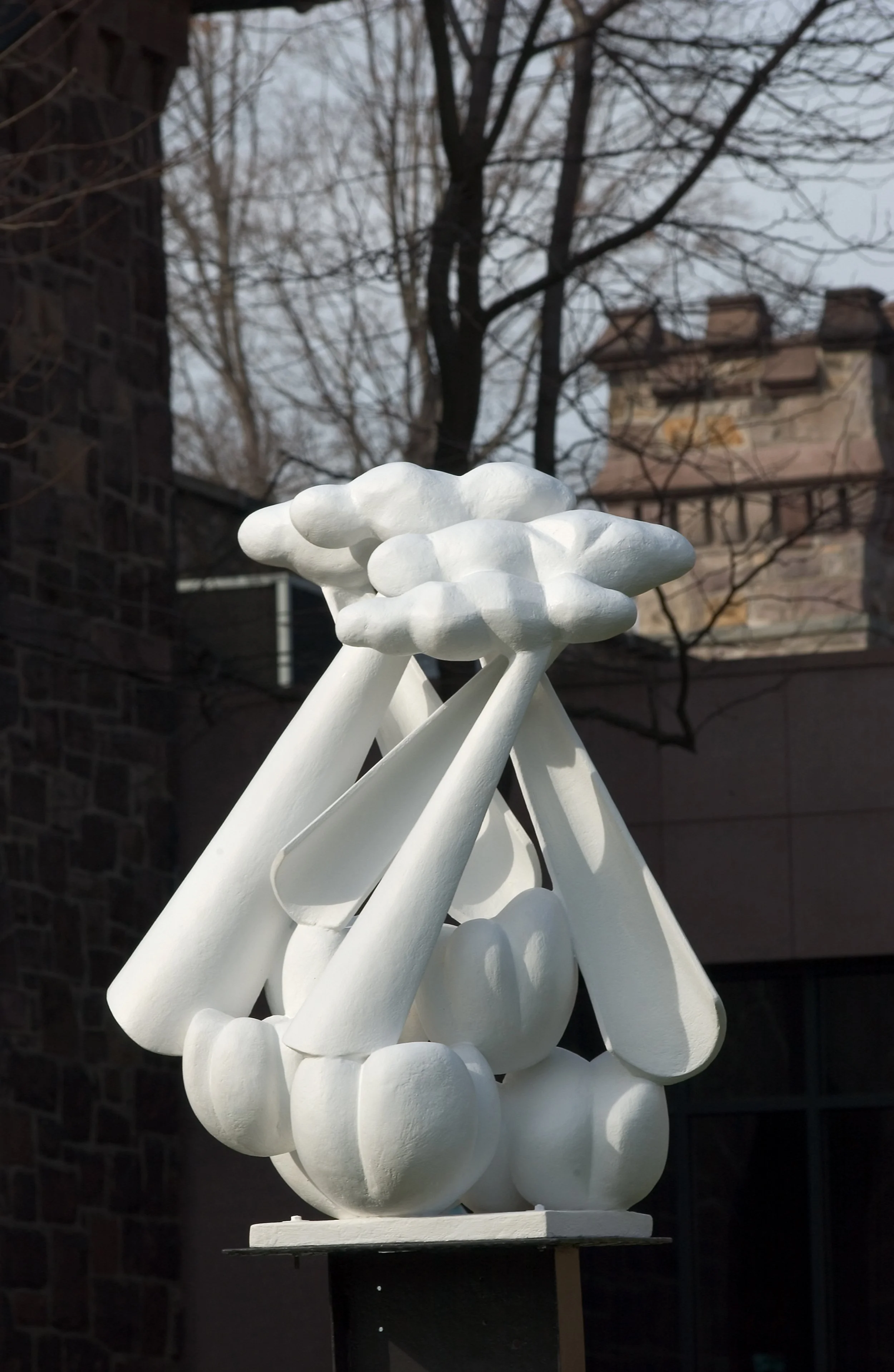
Dance of Flower Field II, 2013
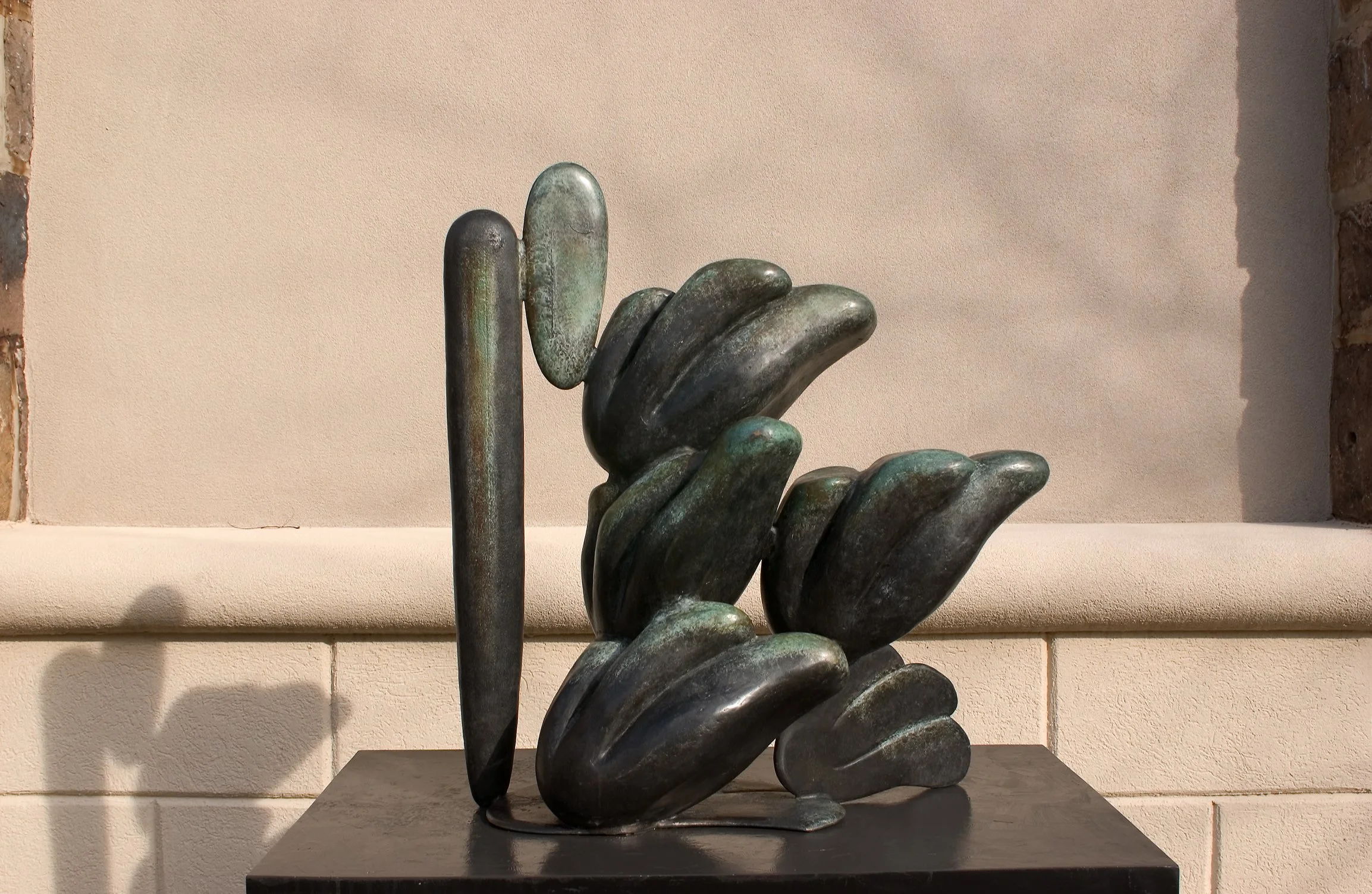
Midsummer Night's Dream, 2003
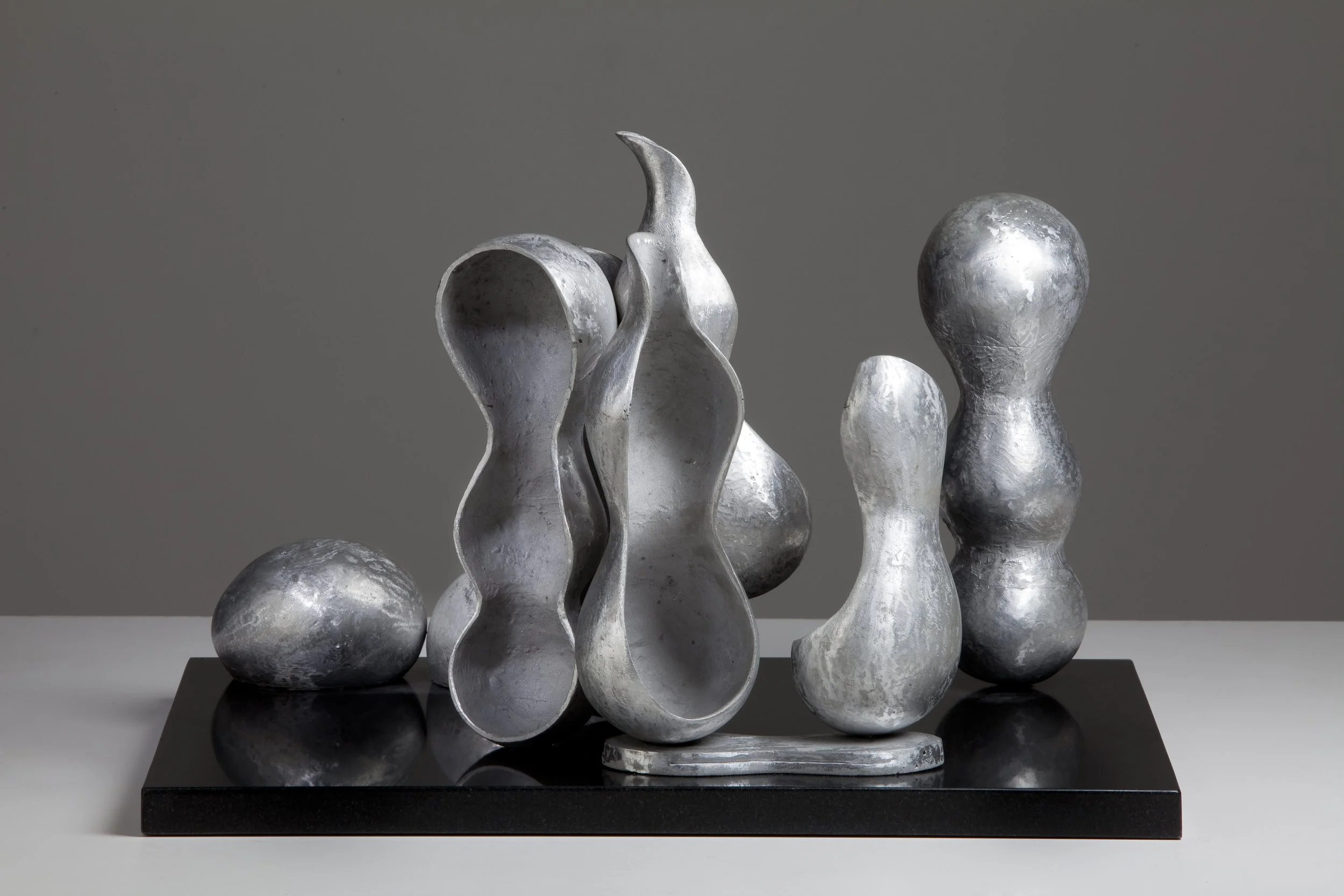
Pillar of Clouds and Fire, 2011
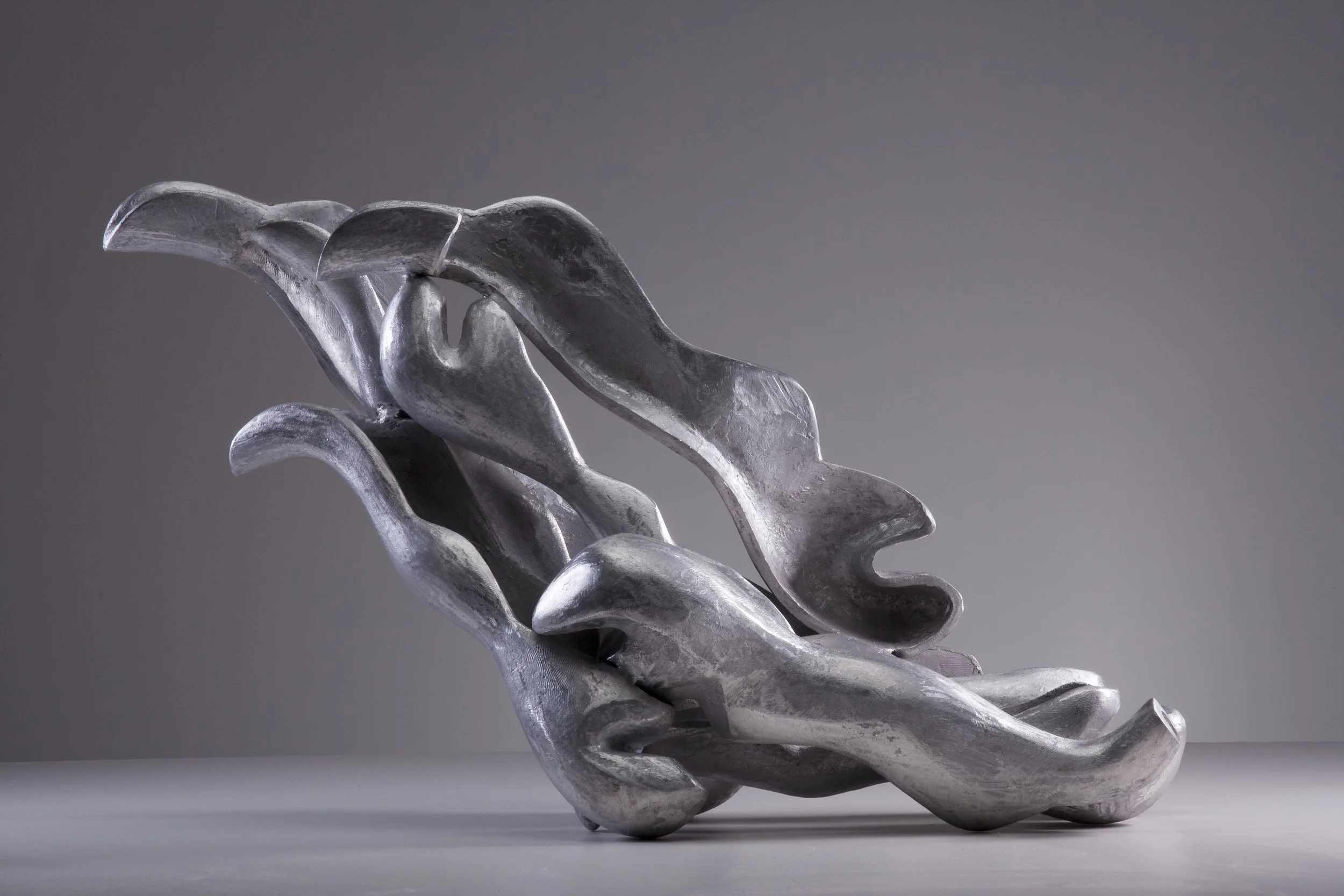
The Milky Way, 2011
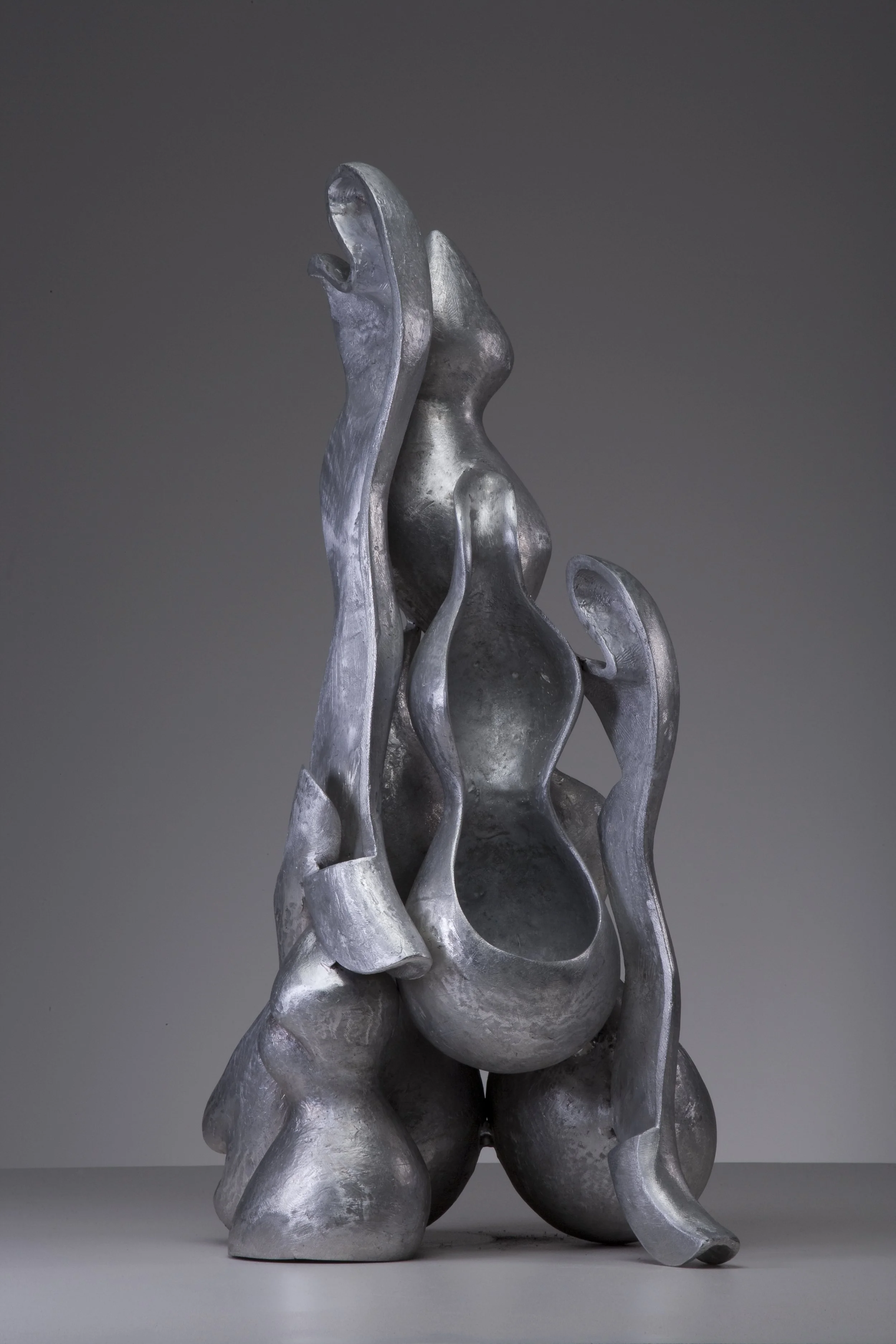
To Build a Fire, 2011
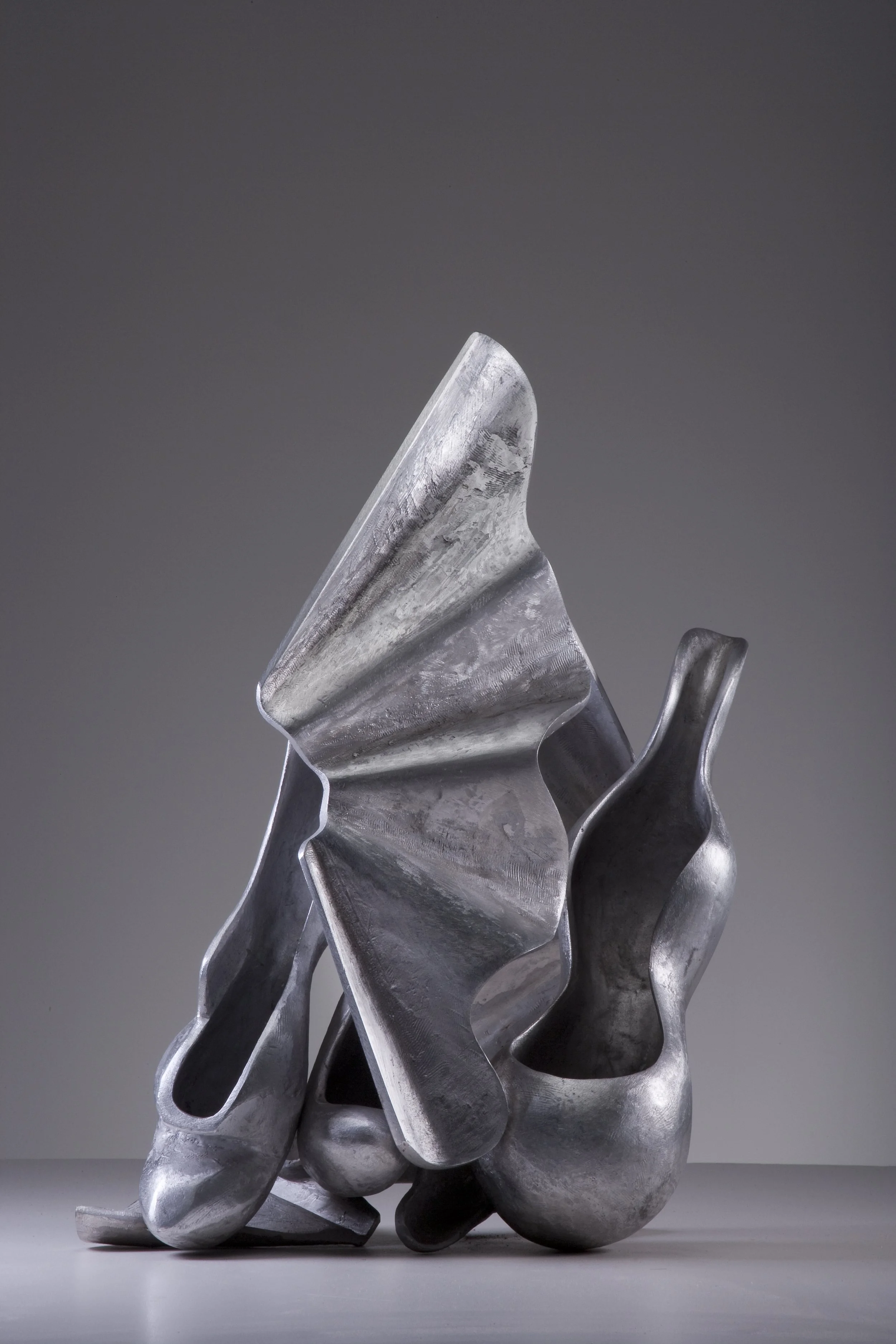
Eternal Light, 2011