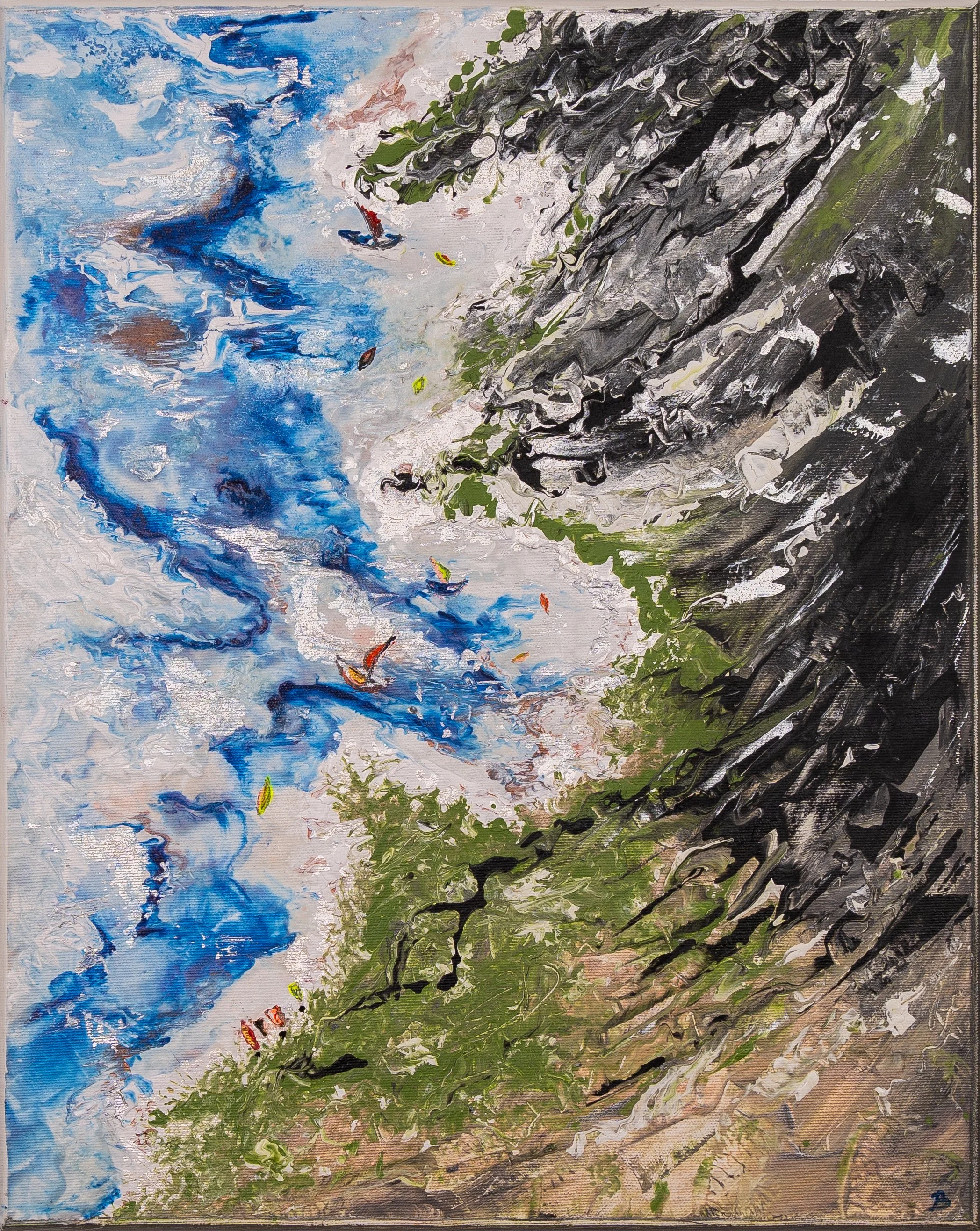
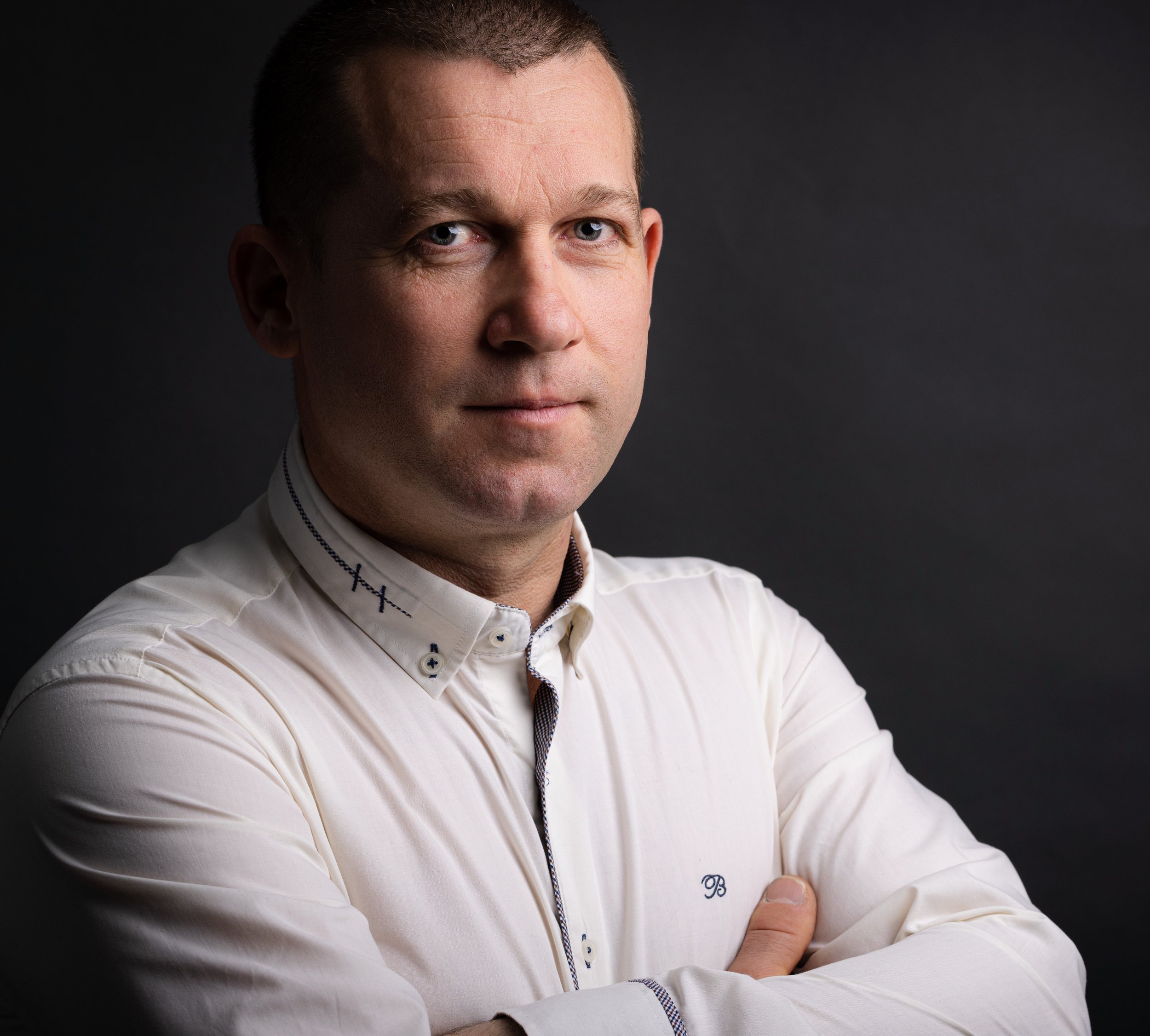
Interview with Bozsóki Nándor
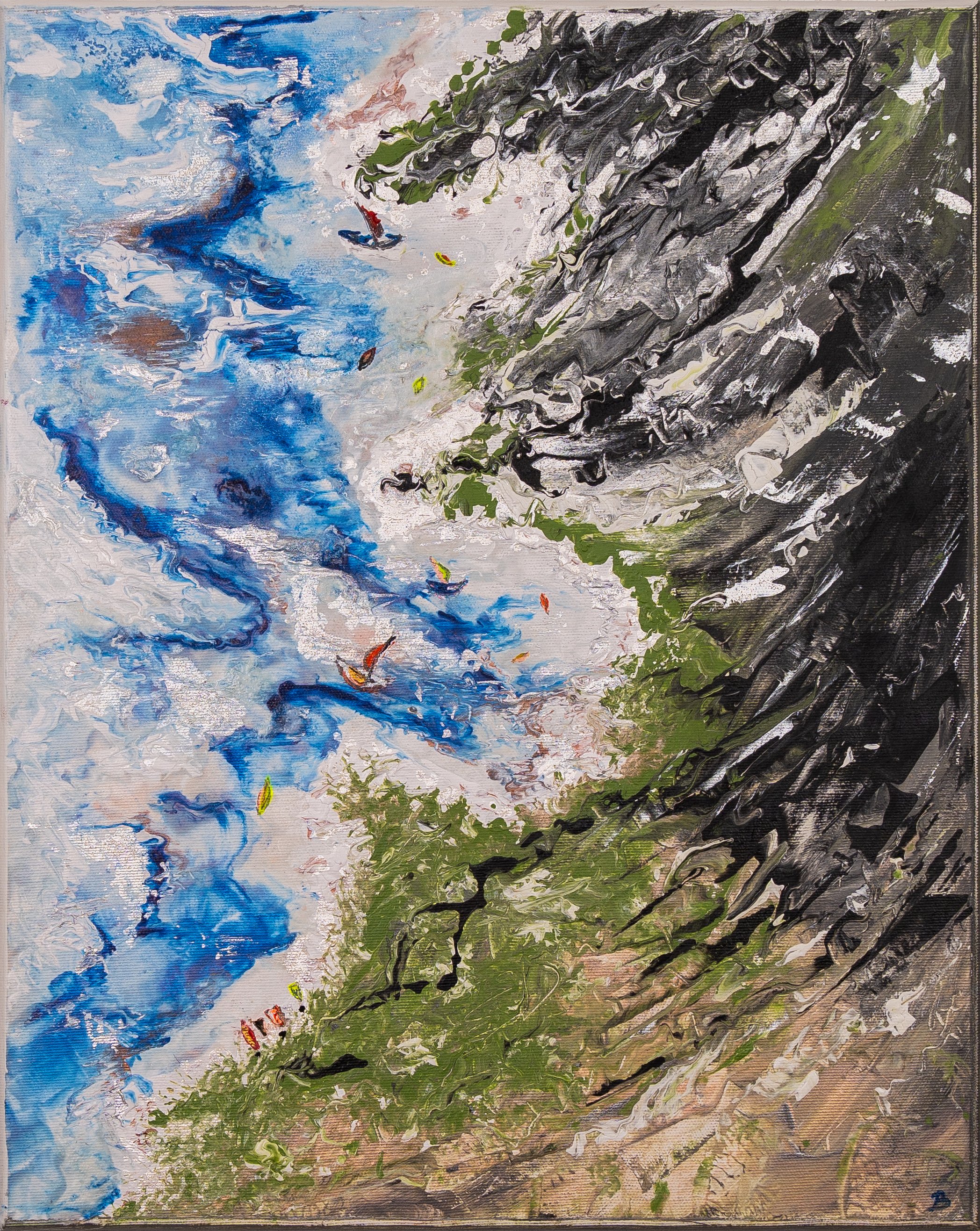
A painter of emotions, space, and inner harmony
For me, art is not merely a form of visual expression, but a means of dialogue between the human soul and the world around us. At the heart of my creative work lies the aspiration to create works that go beyond the aesthetic experience and establish a deeper emotional and intellectual connection with the viewer. I believe that the true value of a painting lies not only in what it shows, but also in what it evokes and triggers in the viewer.
I have been involved in painting for over thirty years. I began my career in the field of decorative mural painting, where I learned how colors, forms, light, and the built space itself interact. These years provided me with an extremely important foundation, as it was here that I first realized how deeply the visual environment can influence a person’s mood and emotional state.
Over the years, I have felt an ever-growing need to express my own thoughts and inner world more freely. This is how I gradually turned to canvas painting, where I found the creative freedom that allows me to express myself most honestly. For me, the canvas is a space where thoughts, feelings, memories, and intuition can come together.
Each of my paintings is a story in its own right. It doesn’t necessarily tell of specific events or figures, but rather of feelings, energies, and inner states. For me, one of the greatest powers of art lies in the fact that the same work can carry a different meaning for every person. The viewer’s own experiences, memories, and thoughts rewrite the story of the work over and over again.
The Freedom of Abstract Expression
My work is primarily defined by an abstract and non-figurative approach. For me, abstraction does not mean a departure from reality, but rather a deeper understanding of it. I am not interested in the precise depiction of the visible world, but rather in the emotional and spiritual layers that lie beneath the surface.
In my work, I often combine organic and geometric forms. I draw inspiration from nature, the movement of water, the play of light, the processes of growth, or even the quiet atmosphere of a landscape. However, these influences do not appear in my paintings in concrete form, but are transformed into colors, textures, and visual rhythms.
For me, color is a language in its own right. I believe that every color has its own energy and emotional charge. A deep blue can evoke a sense of calm and infinity, while a fiery red can convey dynamism and passion. In my paintings, I consciously build these color relationships, yet I always leave room for intuition as well.
A meditative, sometimes mystical atmosphere often appears in my works. I like it when a piece doesn’t provide immediate answers, but instead encourages reflection and contemplation. I strive to create visual spaces where the viewer can pause for a moment, find stillness, and connect with their own inner world.
The Relationship Between Art and Space
I am convinced that art and space are closely intertwined. The environments in which we live, work, or relax have a significant impact on our well-being, our thoughts, and our emotions.
That is why, for me, a painting is never merely decoration. I view it as an active shaper of space. A well-chosen work of art can transform the atmosphere of a room, give it character, or even enrich it with entirely new layers of meaning.
In my work, I always strive for the paintings to form a harmonious relationship with their surroundings. I believe it is important that the artwork not only provide an aesthetic experience but also connect emotionally with those who live with it day after day.
Materials and Creative Process
I most often work with acrylic paint on stretched canvas. My creative process is characterized by layering and the deliberate construction of textures and surfaces. I enjoy using unique decorative materials and textured surfaces because they add visual depth and character to the works.
For me, the process of painting is both deliberate and intuitive. A piece often begins with a feeling or a thought, but the final form frequently emerges during the process. I let the painting develop and shape itself while maintaining a constant dialogue with it.
It is this freedom and openness that makes painting a constant discovery for me. Every new canvas is a new opportunity to create something previously unknown.
Custom-made, one-of-a-kind pieces
One of the most important aspects of my work is the personal connection I build with my clients. I believe that every person and every space has a unique story, which is why I create each piece with special attention and care.
Custom commissions are preceded by a detailed discussion. I strive to understand the client’s vision, personality, and the environment where the artwork will be placed. This information helps me create a piece that not only fits aesthetically into the space but also forms an emotional connection with its owner.
I believe that an original work of art can be one of the most valuable personal possessions of our time. It is a piece that accompanies its owner for many years and, over time, becomes part of the story of their life.
International Artistic Presence and Professional Recognition
Over the past few years, my work has reached an increasingly broad international audience. My pieces have been featured in numerous exhibitions, art fairs, and galleries in various art hubs across Europe, Asia, and the United States.
Among my international debuts, the Connecting Dots exhibition organized by Galeria Azur in Berlin, as well as the Liquid Arsenal online exhibition at the M.A.D.S. Gallery in Milan and Barcelona, hold a special place.
Following the Liquid Arsenal project, I was invited to the Brain Cake exhibition in Barcelona, where I created a new work within a specific thematic framework. My works were also featured in the international online exhibition of the Virtual Art Gallery in London.
My works have been featured at the ART3F International Contemporary Art Fair in Monaco, one of Europe’s leading contemporary art events, as well as at the Infinite Visions exhibition organized by the Capital Culture House in Rome and at the La Pedrera cultural center in Barcelona.
The Timeless Expressions international exhibition held in Viareggio, hosted by the Villa Paolina Bonaparte museum, was a particularly inspiring experience for me.
My artistic presence in Asia is also steadily growing. I participated in the Seoul International Art Fair and the Osaka International AVA Art Festival. My works were exhibited in Tokyo at the Holly Art Gallery and on the AATONAU art platform, as well as at the UMA A SHISHI Gallery exhibition in Sapporo.
My works have also been exhibited in New York as part of the International Prize – The New Great Masters program, which showcases international figures in contemporary art.
In Hungary, my works have been featured in exhibitions at several major venues, including Villa Gyetvai in Balatonfüred and in Győr. These exhibitions are not only professional milestones for me but also provide an opportunity to connect directly with the audience and understand the impact my works have on viewers.
Throughout my career, I have participated in several projects associated with significant professional recognition. These include Artist of the Year 2025, the International Prize Poseidon, the International Prize Leonardo Da Vinci, the International Prize Caravaggio Great Master of Art, and the international selection for The New Protagonists of Contemporary Art.
I considered it particularly significant to be included in the “TOP Investable Artists 2026 by Art Market Experts” selection, which showcases notable artists from the international art market to collectors and professional investors.
Several international art publications have featured my work, including Contemporary Art Curator Magazine, ARTLO – The International Art Magazine, Spotlight Magazine, and Master Artists to Collect. My paintings have also been showcased in multiple publications and international projects by the Effetto Arte Fondazione. In Hungary, Otthonok és Kertek Magazine has also written about my work.
It is a great honor for me to be associated with the Luxembourg Art Prize, an international art program that serves as a major professional platform for contemporary artists from around the world.
For me, international exhibitions, professional collaborations, and art publications are not merely achievements, but also confirmation that the visual language and creative approach I represent are capable of connecting with audiences across cultural and geographical boundaries.
Artistic Manifesto
For me, painting is not simply a profession. It is a way of life, a journey of continuous learning and self-discovery. Every new work is a new question, a new possibility, and the beginning of a new discovery.
I believe that one of art’s most important tasks is to forge connections: connections between people, between the inner world and the external environment, and between the past, present, and future.
Through my paintings, I aim to create a visual experience that is not only seen but also felt. I create works that are capable of making the viewer pause for a moment, allowing space for contemplation and creating an opportunity for personal discovery.
Emotions, harmony, and uniqueness are the values that define all my work. I believe that the true power of art lies in sincerity, sensitivity, and constant renewal. This is the perspective that guides every stroke of my brush, and which I wish to convey to the world through my creations.
Your artistic path began in decorative wall painting before evolving into abstract canvas painting. Looking back, how has your experience of creating art directly within architectural spaces shaped your understanding of scale, atmosphere, and the emotional relationship between a painting and its environment?
My artistic career actually began with decorative wall painting, which taught me that a work of art never exists in isolation, but rather establishes a connection with the space in which it is created. This experience continued to play a defining role in my abstract painting. In fact, I create or bring into being emotional spaces. In all my works, scale, rhythm, and energy are important, as they ultimately create a connection between the painting and the viewer. I believe that a good painting does not merely decorate a space, but is also capable of shaping its atmosphere and spirit.
A recurring idea in your work is the notion of harmony arising from opposing forces, including tranquility and passion, nature and humanity, movement and stillness. What first drew you to these dualities, and how do you translate such intangible relationships into abstract compositions without relying on literal representation?
When someone shares their feelings, thoughts, or a significant moment in their life with me, I don’t set out to paint a specific image of them; rather, I seek the emotional imprint that lies hidden behind every story. These experiences provide inspiration, but they do not dictate my work. This is how I preserve my own visual language, because I believe that true art does not merely illustrate, but ultimately allows the viewer to experience it for themselves. This is how a personal story becomes a universal experience.
You often describe your paintings as becoming "part of someone's life" rather than simply objects to be displayed. How has this philosophy challenged or expanded your understanding of authorship, particularly when each work is created in dialogue with its future owner?
I’ve always been drawn to contrasts. There is no true stillness in nature either; it cannot exist without movement, and there is no strength without delicacy. In painting or in any creative work, these dualities do not appear as conflicts, but rather as energies that complement one another. I don’t like to depict the world literally; rather, I use colors, textures, gestures, and rhythms to create a visual space where the viewer can discover these connections through their own feelings.
Texture, gesture, and material experimentation play a significant role in your practice, with acrylic paint combined with palette knives and decorative tools. How do your technical decisions emerge during the painting process, and in what ways does the physical act of building a surface contribute to the emotional resonance of the finished work?
For me, a painting is complete when it finds the person in whose life it takes on new meaning. That is why I never consider a work finished the moment I put down my brush. The true story of the work begins where my story ends. For me, authorship is not solely about the creation itself, but also about the invisible connection that later forms between the viewer and the work.
Having grown up in Vojvodina, Serbia, and established your artistic career in Hungary, how have questions of place, cultural identity, or personal history subtly informed your visual language, even within the nonrepresentational realm of abstraction?
For me, painting is both a physical and an emotional process. The various tools, materials, and techniques are, for me, the languages of creation. Textures carry memories for me, while gestures preserve fleeting emotions. I like it when the surface isn’t completely smooth, because life isn’t either. These unique textures, layers, and color combinations provide a depth that the viewer not only sees but can almost feel.
There is an interesting contrast in your practice between creating highly individualized commissioned works and exhibiting in international gallery settings, where paintings are encountered by anonymous audiences. How does the meaning of your work shift between these two contexts, and what remains constant regardless of who the viewer is?
My childhood years spent in Vojvodina and the artistic career I built in Hungary have shaped my identity in an extraordinary way. Although my paintings are predominantly non-figurative, they nonetheless embody the cultural diversity in which I grew up. The past does not appear in direct symbols, but rather in the sensitivity of the colors, the rhythm of the compositions, and the inner tranquility I paint into my works. I believe that abstraction is capable of telling stories for which words are no longer sufficient.
Your statement suggests that the emotional meaning of a painting ultimately depends on the viewer, while your own philosophy centers on expressing harmony, spirituality, and connection. To what extent do you see yourself guiding the viewer's experience, and at what point do you consciously relinquish control over interpretation?
A painting created on commission is always the result of a personal dialogue, whereas a work presented at an international exhibition initiates a dialogue with strangers. The meaning of my work does not change based on these perspectives. The two situations are different, yet they are both built on the same foundation: an emotional connection. After all, the catalyst lies within me, and that is what remains constant. This is how the works are born—this is how they come to life. And I do not change my approach to painting depending on who the viewer is. In one case, I take the client’s wishes into account; in the other, I simply create freely, without constraints. I believe that sincere art is capable of speaking to people regardless of culture or national borders.
Beyond their aesthetic qualities, your paintings have supported charitable causes, including fundraising for children's medical care and the construction of a house of prayer. How have these experiences influenced your understanding of art's social and spiritual responsibilities, and have they changed the purpose you believe your work can serve?
I don’t want to direct the viewer’s interpretation or control it. Rather, I invite them on an inner journey. My philosophy—which revolves around harmony, spirituality, and the relationship between nature and humanity—is, of course, present in my paintings. However, I believe that every person brings their own story, feelings, and perspective to the artwork. And when a work takes on new meaning in someone else’s eyes, to me, that doesn’t take anything away from the work—it adds to it; in other words, it enriches it.
Your career reflects a continual evolution, from artisan to exhibiting artist, from decorative surfaces to emotionally driven abstraction, and from local commissions to an expanding international presence. As your practice continues to develop, what questions or creative directions are you most eager to explore, and how do you hope your work will evolve over the next decade?
It is a great honor for me that my paintings also support charitable initiatives, whether they involve treating children or building a house of prayer. These experiences have reinforced my belief that the value of art is not merely aesthetic. A work of art can give hope, bring a community together, and spark real change. For me, this is just as important as the creative process itself.
Over the past few years, I have consistently strived to ensure that each new painting brings me one step closer to the visual language that truly reflects who I am. In the coming years, I would like to explore even more deeply the connection between nature, human emotions, and the universe. I am not interested in changing styles, but in depth. My goal is to create works that, even after a long time, are capable of evoking new feelings and new thoughts in the viewer. I believe that an artist’s development never ends, because every completed painting is the beginning of a new question!
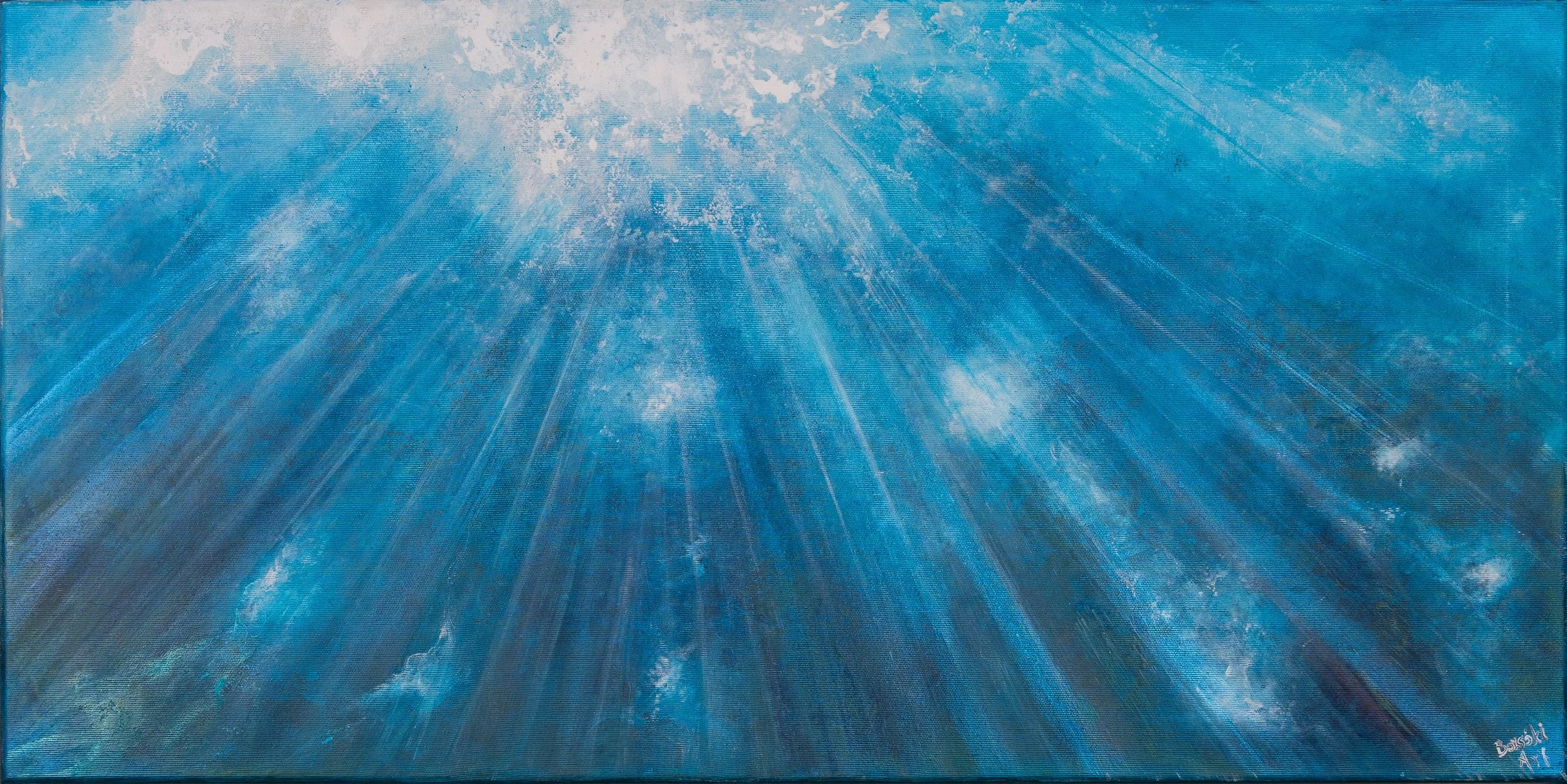
A mélység titka 80x40cm
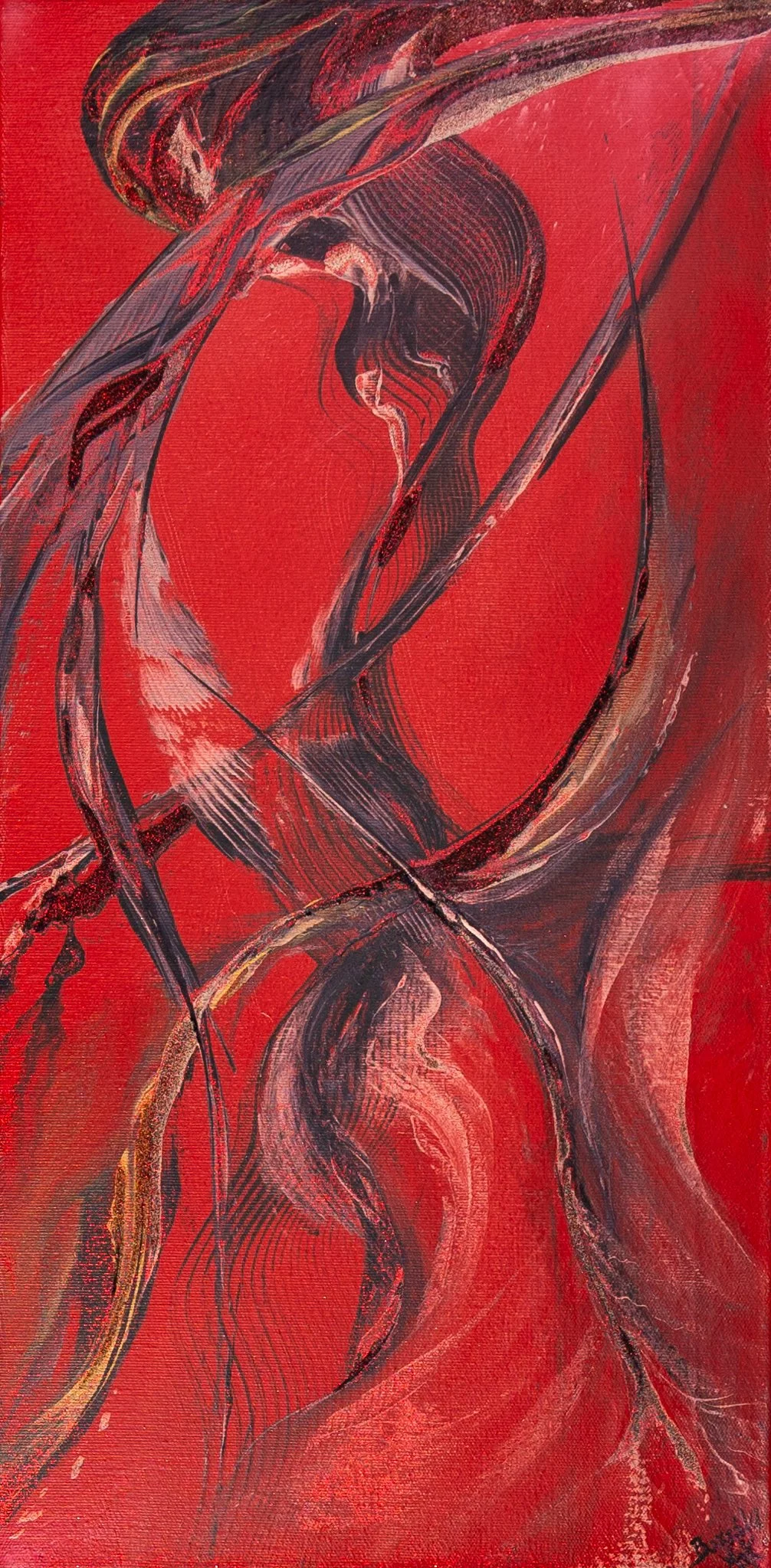
Álarc 30x60cm
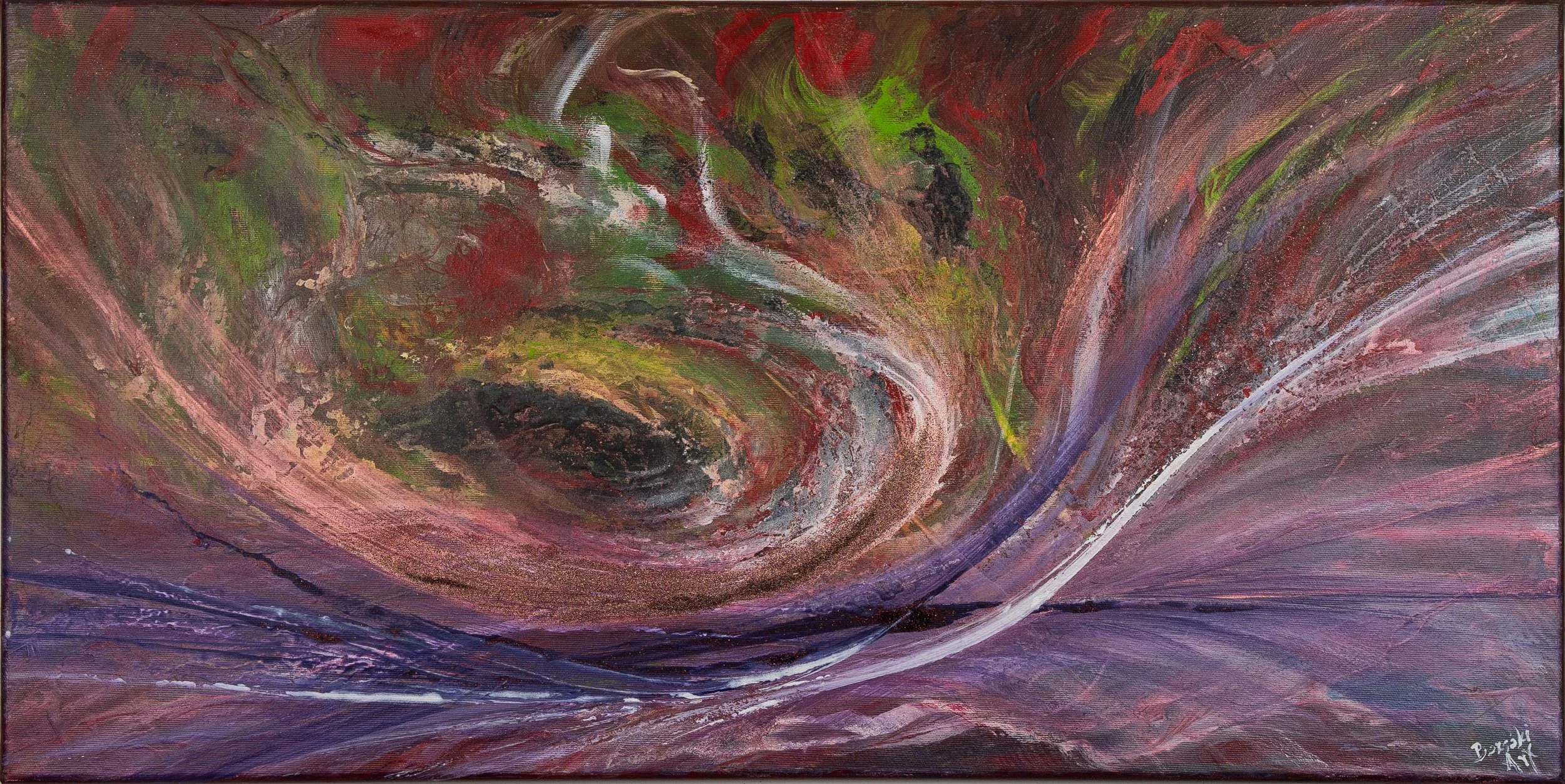
Átjáró 80x40cm
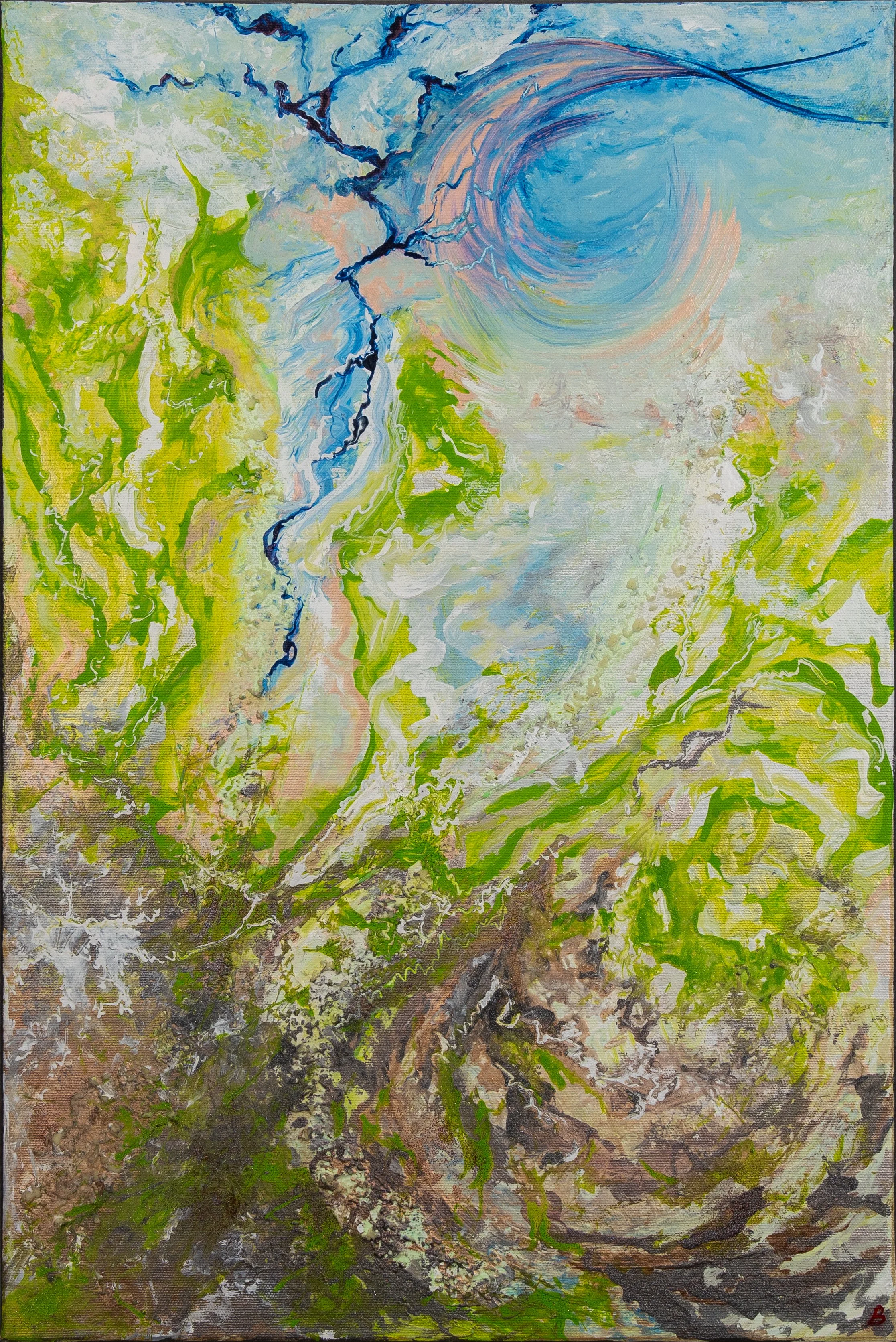
Ébredő természet 40x60cm
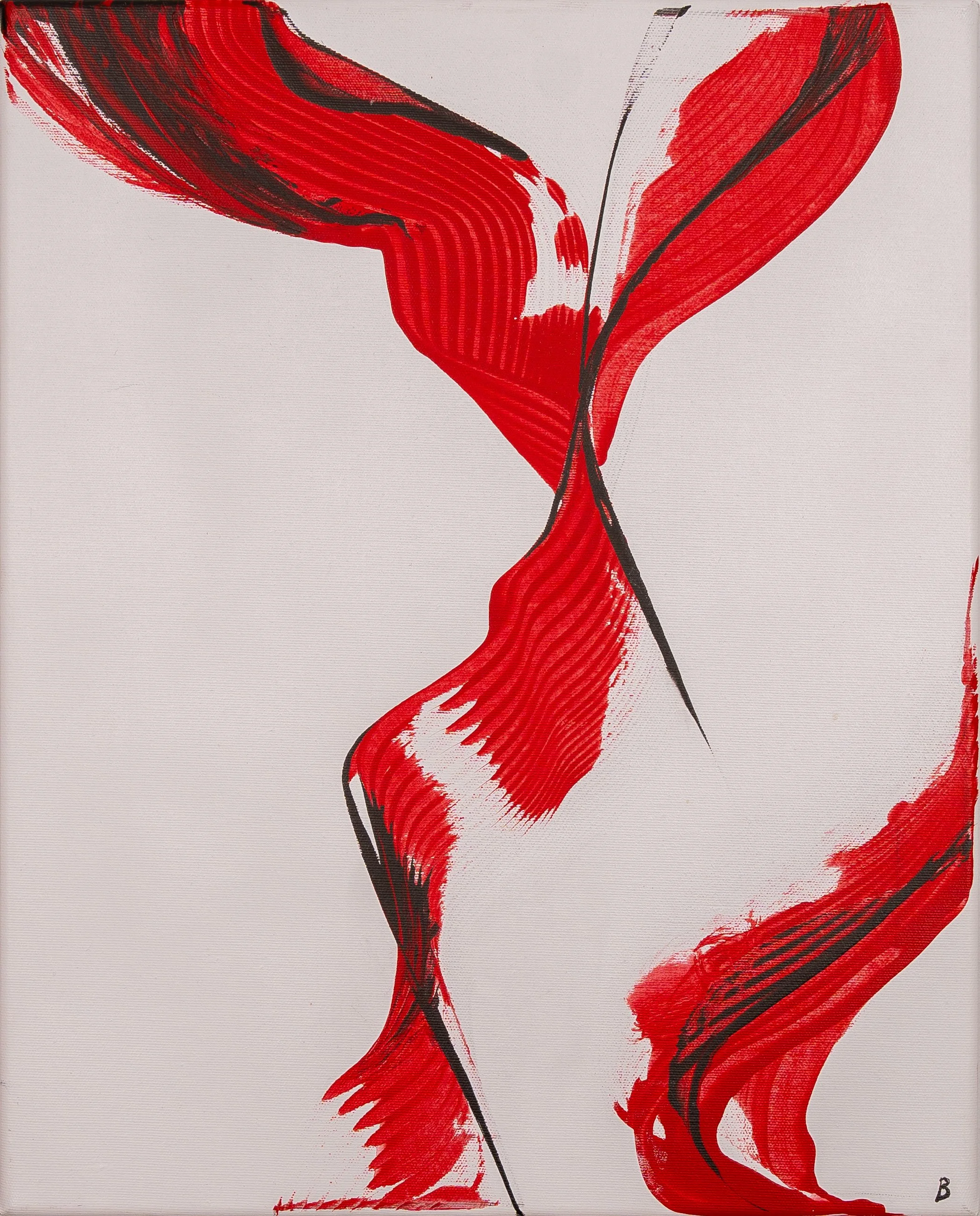
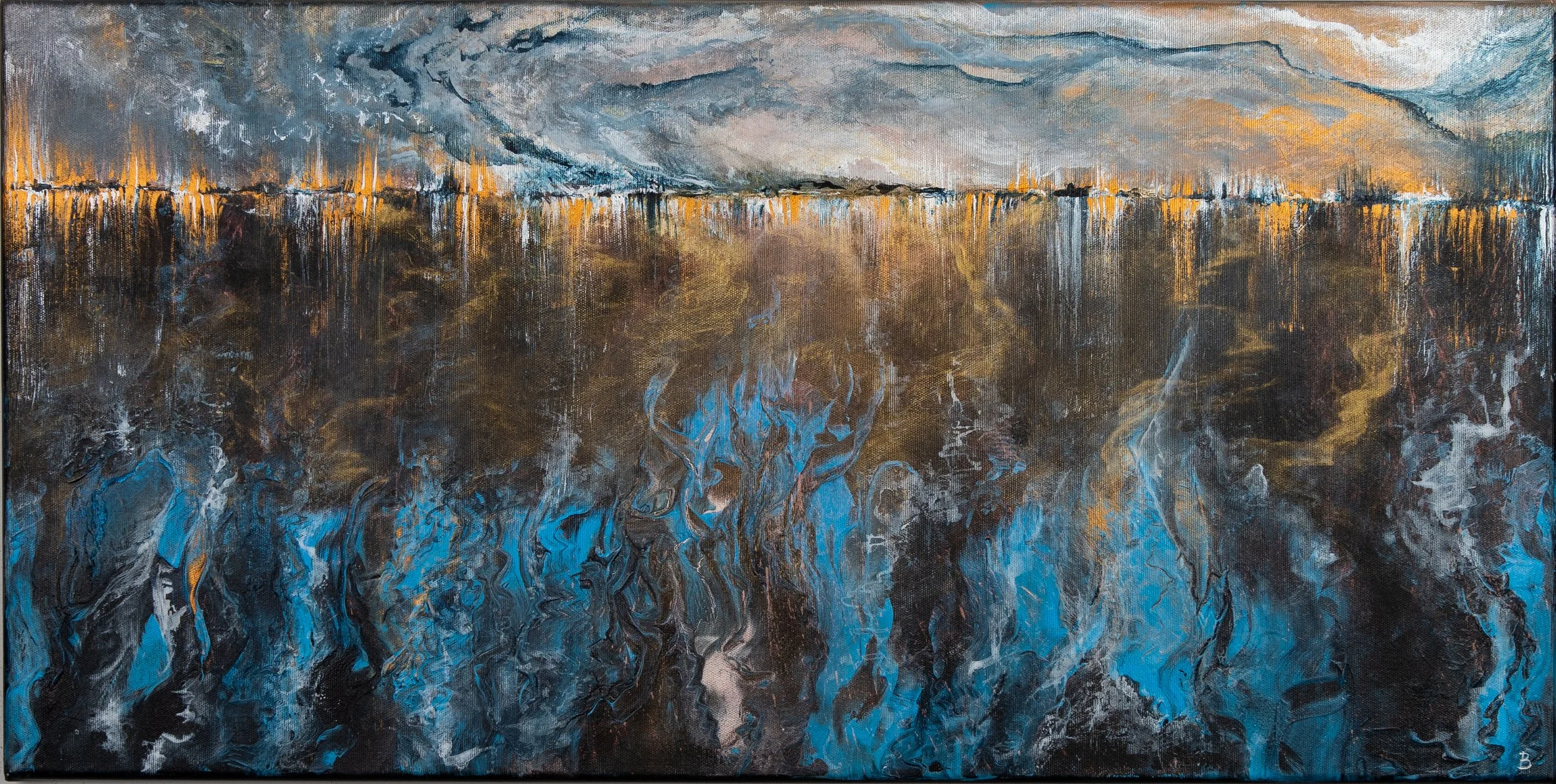
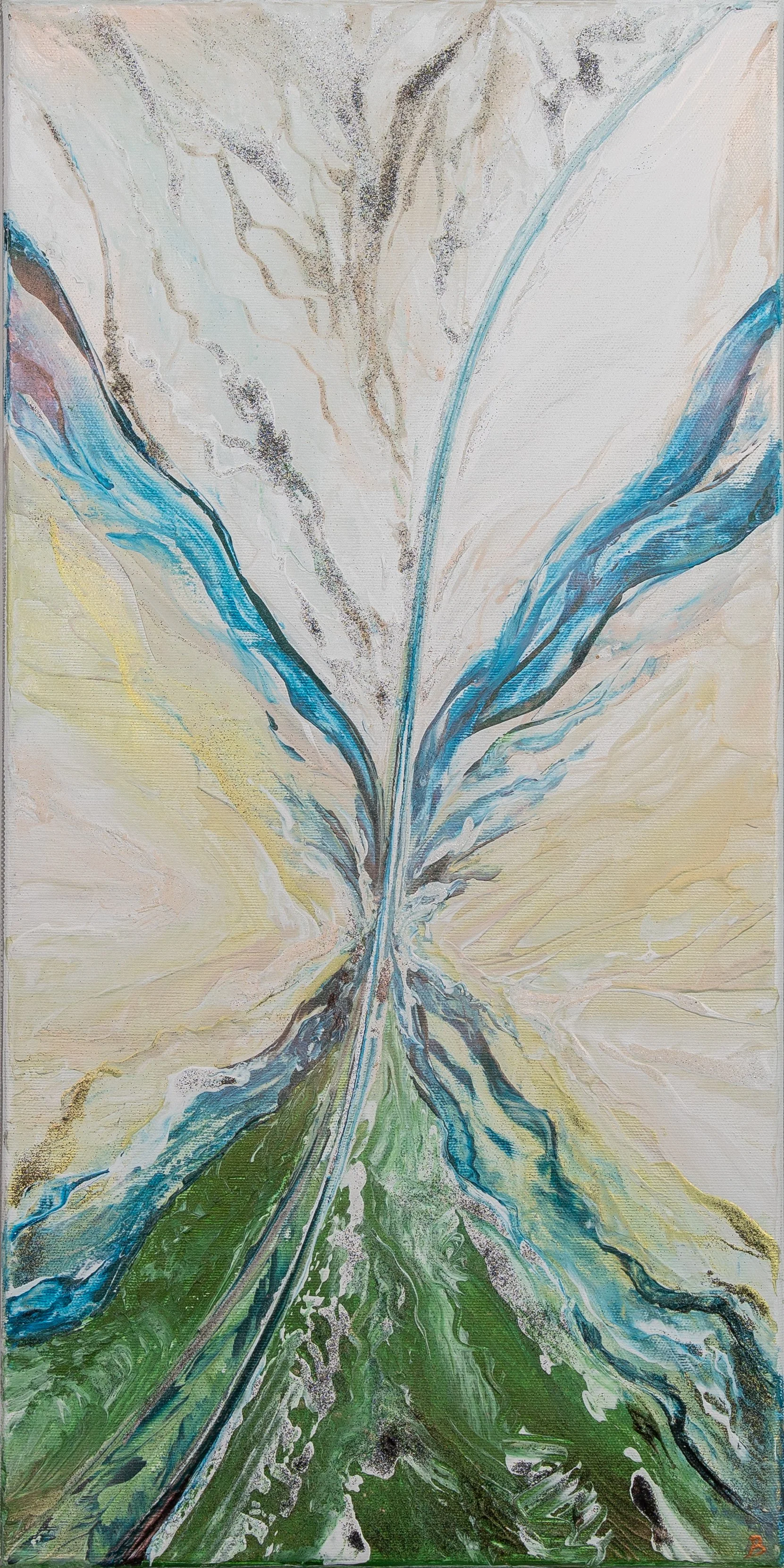
Kék pillangó 30x60cm
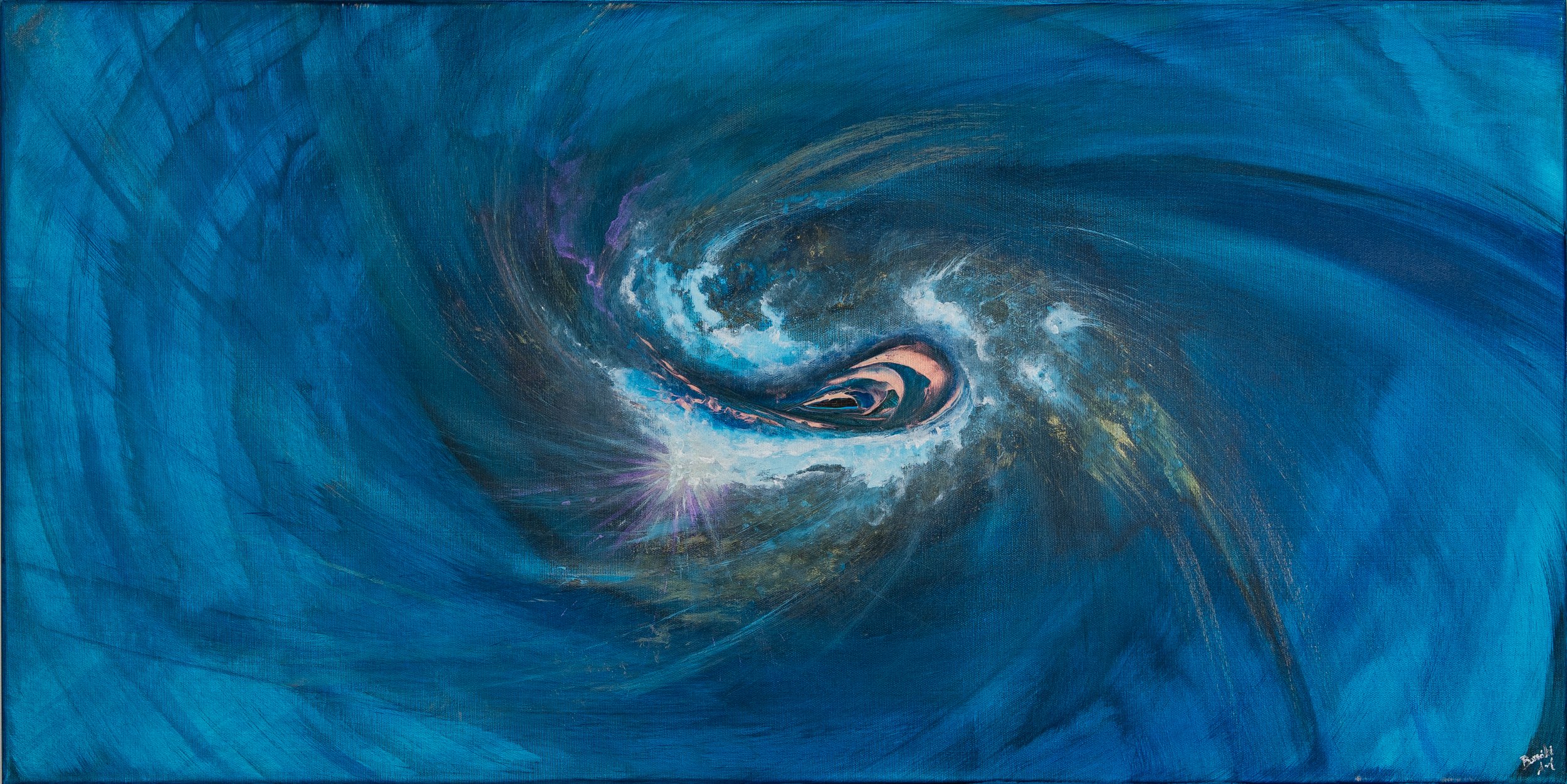
Látlak 100x50cm
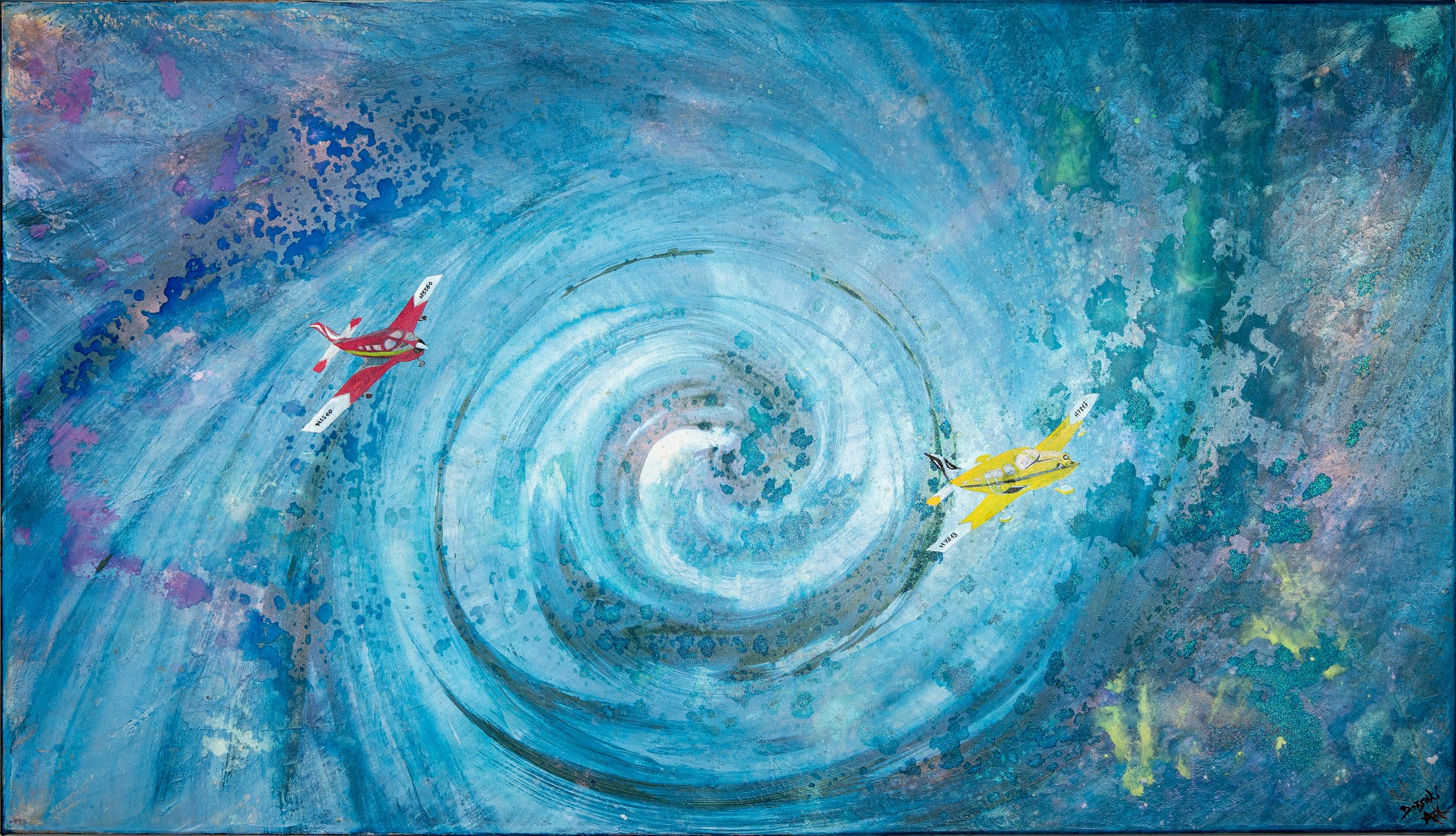
Légörvény 140x80cm