Interview with Petra Dippold-Goetz
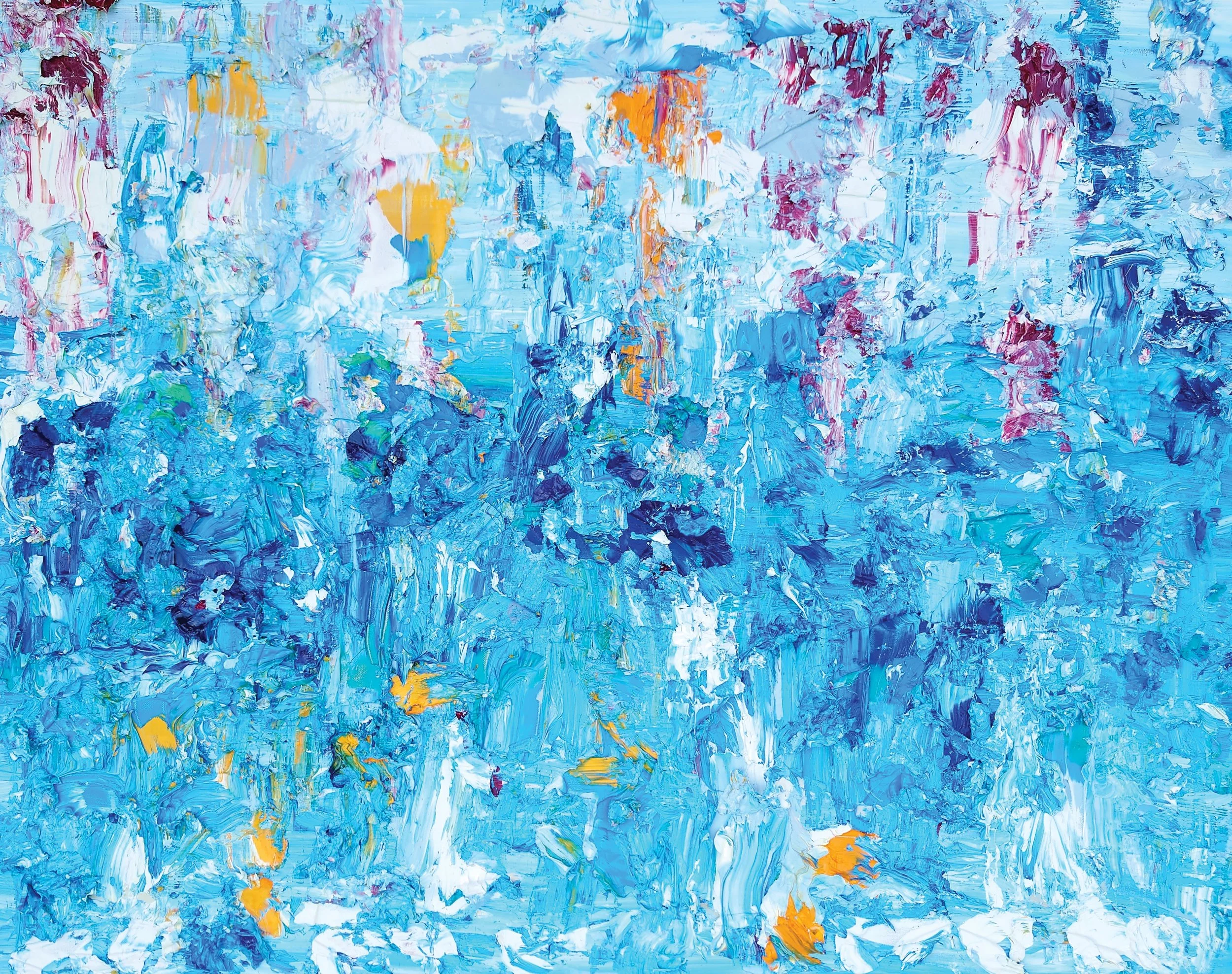
‚Art is a daughter of freedom‘ Friedrich Schiller
Born near Nuremberg, Germany, Petra Dippold-Goetz grew up in the city of Albrecht Dürer, immersed in a rich artistic tradition. Although painting had always been a deep personal passion, it wasn’t until 2014 that she chose to follow it as a calling.
She went on to study Fine Arts at the Academy of Faber-Castell from 2014 to 2018, refining her technical skills while exploring a raw, intuitive visual language. Her work is inspired by visits to museums across Europe and influenced by Informal Art, particularly artists such as Emil Schumacher, Anselm Kiefer, Alberto Burri, Jackson Pollock, and Franz Kline.
Petra's expressive paintings blend gestural abstraction with natural and industrial materials. She works in acrylic and oil, often incorporating sand, wood, plastic, or found objects—especially remnants of human consumption. Her fascination with transformation and meaning-making through discarded matter has led to her participation in several Trash Art Festivals, where she also teaches workshops on turning waste into art.
Some of her works are vibrant celebrations of life and beauty. Others carry urgent socio-political messages, confronting ecological destruction, species extinction, and unsustainable consumption. "I see myself as an artist-activist," she says, "wielding my brush not only to adorn the canvas but to awaken the soul."
Petra Dippold-Goetz has exhibited in major art cities such as Rome, Venice, Madrid, Vienna, Paris, Barcelona, New York, and Tokyo. Her works are part of collections across Europe, the USA, Singapore, and Japan. She has received several honors, including the art prizes Faces of Peace, Voices of Tomorrow, Global Art Virtuoso and Art Leaders of our Time.
Her artistic mission is both poetic and purposeful: to touch hearts, to question, to awaken reason and compassion. In a global context marked by ecological and social crises, her art becomes a call—to delight in the beauty of our world and to take responsibility for preserving it. Each of her works is a “daughter of freedom”: liberated by purpose, yet bound by a deep commitment to insight and care.
Growing up in Albrecht Dürer's city and later developing a visual language rooted in Informal Art presents an intriguing dialogue between artistic tradition and abstraction. How do you see Dürer's legacy continuing to shape your work, even as your paintings move far beyond representation?
Although my paintings are abstract and belong much more to the tradition of Informal Art than to representational painting, growing up in Albrecht Dürer's hometown has always been an important part of my artistic identity. What fascinates me most about Dürer is not only his extraordinary technical mastery, but his personality. He was courageous, independent, and remarkably modern for his time. His famous self-portrait in the fur coat is a perfect example. At a time when artists were expected to remain modest craftsmen, he presented himself with confidence and dignity, challenging conventions and redefining the role of the artist. I deeply admire that courage.
I believe this spirit has influenced me more than any stylistic aspect of his work. My own paintings do not depict visible reality. Instead, they explore emotions, memories, vulnerability, freedom, and transformation through texture, gesture, and material. Like Dürer, I believe that art should express an authentic inner vision rather than simply follow expectations. There is another connection as well. Dürer was constantly exploring new ideas and pushing artistic boundaries. In my own way, I do the same by combining abstract painting with unconventional materials, including recycled objects in my Trash Art. I want every work to become a dialogue between beauty and responsibility, emotion and reflection. For me, Dürer's greatest legacy is not a particular style—it is the courage to remain true to one's own artistic voice.
You have described discovering the dead white dove in the snow as the moment that transformed painting from a personal passion into an artistic calling. Looking back, how has that experience continued to resonate throughout your practice, and what did it teach you about the role of art in processing grief, vulnerability, and responsibility?
Finding the dead white dove in the snow was much more than an emotional experience. It changed the way I understood both life and art. Until that moment, painting had been a personal passion. Afterwards, it became a responsibility. The dove is a universal symbol of peace, hope, and innocence. Seeing such a fragile creature lying lifeless in the white silence of the snow confronted me with the vulnerability of all living beings. I could not simply walk away. I brought it home, incorporated its remains into my first artwork, and realized that art can transform pain into something that speaks to others. That experience still resonates through everything I create. Whether I work with discarded materials, burned wood, metal, or abstract textures, I am always searching for traces of what has been lost and what can still be preserved. My works often emerge from moments of grief, concern, or reflection, but they are never about despair alone.
They are about resilience, transformation, and the possibility of hope. The dove also taught me that an artist is not only an observer, but a witness. Art has the power to make people stop, feel, and perhaps look at the world with greater compassion. For me, creating art is a way of giving a voice to those who cannot speak—the vulnerable, nature, endangered animals, and the forgotten. Looking back, I understand that this single encounter shaped not only my artistic language but also my purpose. It reminded me that beauty and fragility exist side by side, and that even loss can become the beginning of a deeper dialogue about our shared responsibility for each other and for the world we leave to future generations.
Throughout your work there is a striking tension between celebration and warning - some paintings radiate gratitude for the beauty of the world, while others confront environmental destruction and human excess. How do you navigate these seemingly opposing emotional registers, and do you see them as complementary rather than contradictory?
I do see them as complementary rather than contradictory. Both kinds of paintings come from the same place: a deep love for life, nature, and our shared humanity. When I celebrate beauty, I want to remind people of what is still worth protecting. When I address environmental destruction, pollution, or social injustice, it is not to spread despair, but to encourage awareness and responsibility. For me, hope and concern cannot exist without each other. As an artist, I don't believe it is enough to show only beauty or only darkness. Life is both. My work reflects this balance between gratitude and warning, between wonder and vulnerability. I hope my paintings invite people not only to feel, but also to reflect on their own relationship with the world and the choices we make every day. Ultimately, both emotional registers serve the same purpose: to strengthen our connection with life and inspire us to care for it.
Your career has followed an unconventional path, balancing the profession of dentistry with a growing international artistic practice. In what ways has working so closely with the human body - and with care, precision, and healing - influenced your understanding of painting and your relationship to materials?
Working as a dentist and as an artist may seem like two very different worlds, but for me they are connected by the same intention: to heal. As a dentist, I try to relieve pain and restore what has been damaged. As an artist, I hope to heal in a different way—by creating spaces for reflection, empathy, and emotional connection. This is especially visible in my Trash Art. I collect discarded, broken, or forgotten materials and give them a new life. The act of transforming destruction into something meaningful reflects my belief that beauty, hope, and even healing can emerge from what appears to be lost. Dentistry has also taught me responsibility. Every patient places their trust in my hands, and that awareness has shaped my character.
It has strengthened my sense of responsibility not only toward people but also toward the natural world, which is why environmental themes play such an important role in my work. Interestingly, the precision that is essential in dentistry is exactly what I leave behind when I paint. In the studio, I seek the freedom that my profession cannot offer. There, intuition replaces control, and emotion becomes more important than perfection. Painting allows me to explore a part of myself that could never exist within the strict precision of clinical work. In the end, both professions are driven by the same desire: to leave something in a better state than I found it.
Your paintings often incorporate sand, wood, plaster, plastics, and discarded objects alongside acrylic and oil. When you introduce these materials into a work, are they chosen primarily for their physical qualities, their symbolic histories, or the stories they already carry before entering the artwork?
For me, it is never just one reason. Sometimes I choose a material because of its physical qualities, sometimes because of the story it already carries, and often because both aspects come together. Many of the discarded objects I use already have a history before they enter the artwork. For example, I collect the plastic nets used for packaging fruit and vegetables because they remind me of the ghost nets drifting through our oceans, silently trapping and killing marine life. Coffee capsules become a quiet appeal to rethink our habits and remember that there are more sustainable ways to prepare something as simple as a cup of coffee. Other materials fascinate me because of their ability to transform. Plastic packaging changes completely when I melt it with hot air. It loses its original function and becomes something unexpected, almost as if it were asking for a second life instead of being thrown away.
One of my most powerful works was created from the plastic mouth-rinse cups from my dental practice. Melted together, they appear to drip from the wall like an overwhelming flood of plastic waste. Today, fortunately, we use paper cups instead. There are also moments when the material itself inspires me without any prior concept. Paper packaging, for example, can unexpectedly evolve into abstract landscapes. I enjoy this spontaneous and unpredictable dialogue with the material, allowing it to guide the creative process. And sometimes I use objects in a purely symbolic way. A simple paper rose can represent love, hope, or the fragility of human relationships. In the end, every material has its own voice. My role as an artist is to listen to it, reveal its hidden possibilities, and transform what has been overlooked into something that invites reflection, emotion, and perhaps even change.
You frequently cite artists such as Emil Schumacher, Anselm Kiefer, Alberto Burri, Jackson Pollock, and Franz Kline as formative influences. Beyond their visual language, what aspects of their artistic attitudes or philosophies have had the greatest impact on your own development, and where do you consciously depart from them?
What has always fascinated me most about these artists is not only their visual language, but their courage. They all had the strength to challenge established conventions, to trust their own vision, and to open entirely new paths in art instead of following existing ones. That kind of artistic integrity has inspired me as much as any painting they created. Emil Schumacher taught me that a painting can possess an almost physical presence, where texture, gesture, and material become a language of their own. Anselm Kiefer showed me that art can carry memory, history, and responsibility without losing its poetic power. Alberto Burri's radical use of unconventional materials expanded my understanding of what painting can be, while Jackson Pollock and Franz Kline demonstrated that abstraction is not about reproducing an image, but about recording an experience through movement, intuition, and energy.
These artists encouraged me to trust materials, chance, and emotion. They gave me the confidence to move away from representation and to embrace surfaces that are imperfect, fragile, and alive. At the same time, I consciously follow my own path. While I deeply admire their artistic philosophies, my work is rooted in a different motivation. Much of my practice is driven by a desire to create awareness for environmental destruction, social injustice, and the vulnerability of life. By incorporating discarded objects and recycled materials, I try to transform what society considers worthless into something meaningful. For me, beauty and responsibility belong together. My paintings are not only explorations of material and abstraction, but also invitations to look more carefully at the world we share—and perhaps to treat it with greater care.
You have described yourself as an "artist-activist" and embrace Picasso's assertion that painting is "an instrument of war." In a contemporary context saturated with images and information, what unique power do you believe painting still possesses to awaken conscience or inspire meaningful change?
I believe painting possesses a unique power precisely because it asks us to slow down. We live in a world overwhelmed by endless streams of images that disappear within seconds. A painting, however, invites contemplation. It creates a silent dialogue between the artwork and the viewer, leaving room for emotion, reflection, and personal interpretation. When Picasso described painting as "an instrument of war," I understand it not as a weapon of violence, but as a force against indifference. Art cannot change the world overnight, but it can change the way we perceive it. And every meaningful change begins with a shift in perception. As an artist-activist, I do not want to preach or provide simple answers.
My goal is to create works that remain in people's minds long after they have left the exhibition. If someone begins to question their relationship with nature, consumption, or with other human beings because of one of my paintings, then the artwork has already fulfilled an important purpose. I believe that emotions move people more deeply than statistics ever can. A painting can touch places that words often cannot reach. It speaks a universal language beyond culture and nationality, reminding us of our shared humanity and our responsibility for the world we leave to future generations.
Your participation in Trash Art Festivals extends beyond exhibiting your own work to leading workshops that invite audiences to transform waste into art themselves. How has this participatory dimension changed your understanding of authorship, and what conversations have emerged from engaging directly with the public through making?
The experiences were incredibly rewarding. What fascinated me most was seeing how quickly people began to look at discarded materials differently. An object that had been considered worthless suddenly became the starting point of a creative idea. That shift in perception is, in itself, a small but meaningful transformation. These workshops also reminded me that art is not only about creating finished objects—it is about inspiring curiosity, dialogue, and a new way of seeing the world. If someone leaves with the desire to look more carefully at what they throw away, or with the confidence to experiment creatively, then the workshop has already achieved something valuable. Rather than changing my sense of authorship, these experiences reinforced my belief that an artist can also be a catalyst. One of the greatest compliments is when someone tells me that they have started creating their own work or paying more attention to environmental issues because of something they experienced during a workshop. Knowing that art can encourage others to express themselves and perhaps even rethink their relationship with the world is deeply fulfilling.
Your work has been exhibited in cities ranging from Vienna and Paris to New York and Tokyo. Have you noticed differences in how audiences from different cultural contexts respond to the poetic aspects of your work compared with its environmental and socio-political messages, and have those encounters influenced your practice?
I believe that people all over the world are united by emotions, but the way they approach art is often shaped by their cultural background. Some audiences are immediately drawn to the emotional and poetic qualities of a painting, while others are more interested in its conceptual, environmental, or socio-political message. What has touched me most is that, despite these different perspectives, the works often create a dialogue. Someone may first be attracted by the colors, textures, or composition, and only later discover the deeper story behind the materials or the environmental concerns they represent. Others approach the work in exactly the opposite way. These encounters have strengthened my belief that art does not need to speak only one language. It can communicate on different levels at the same time, allowing each viewer to enter through their own experience. That realization has encouraged me to trust my own artistic voice even more and to continue creating works that unite beauty, emotion, and responsibility.
You describe each artwork as a "daughter of freedom" while also emphasizing a profound ethical commitment to ecology, compassion, and social responsibility. How do you reconcile artistic freedom with a sense of moral purpose, and where do you imagine this balance leading your work in the years ahead?
Every artwork begins in freedom. I never want to force a message or illustrate an idea. The painting has to develop naturally, through intuition, emotion, and the dialogue with the materials themselves. That is why I call my works "daughters of freedom." At the same time, true freedom also means taking responsibility. I cannot ignore what I see happening in the world – environmental destruction, injustice, or the suffering of people and animals. These concerns become part of my artistic language, not because I plan them, but because they are part of who I am. In the years ahead, I simply hope to continue on this path: to keep raising my voice through art, to remain honest, curious, and open to new forms of expression, and to create works that not only invite aesthetic contemplation but also encourage empathy, reflection, and perhaps even small changes in the way we relate to each other and to our planet.
https://www.petradippoldgoetz.com
https://www.instagram.com/petrapainting
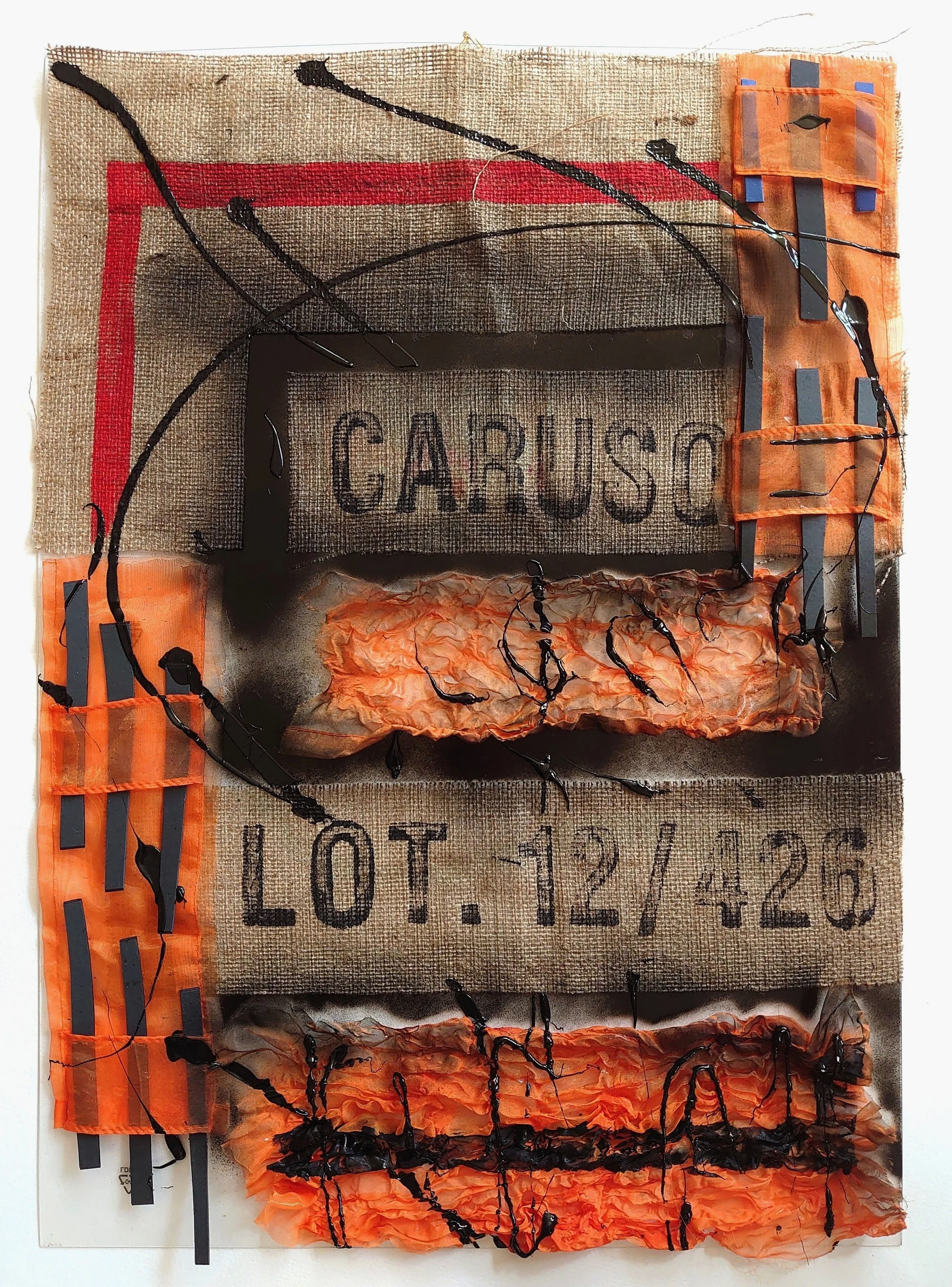
Caruso, 2018, assembly, 75x55cm
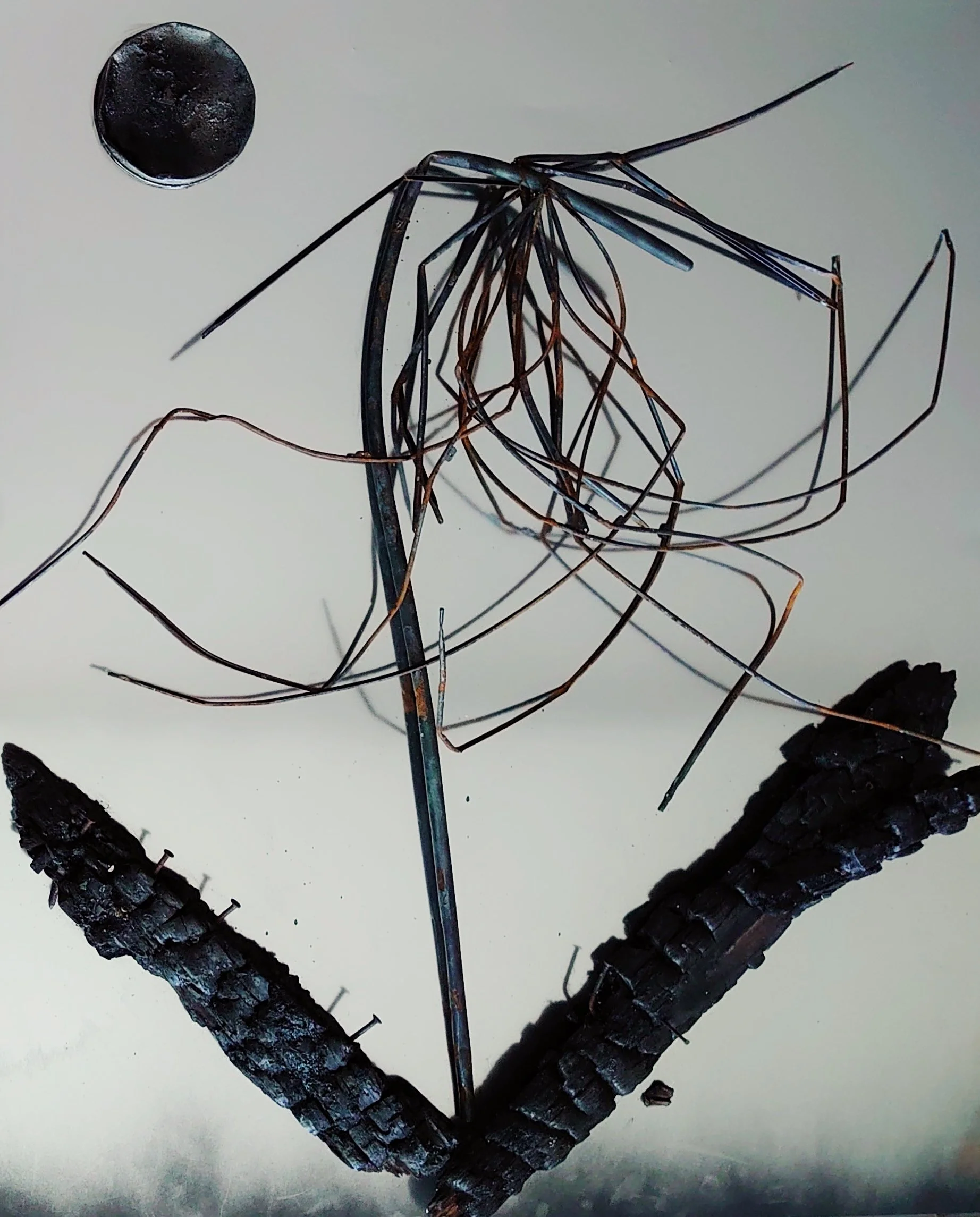
Fleur du Mal, 2023. 85 x 60 x 15cm, Installation on metal plate
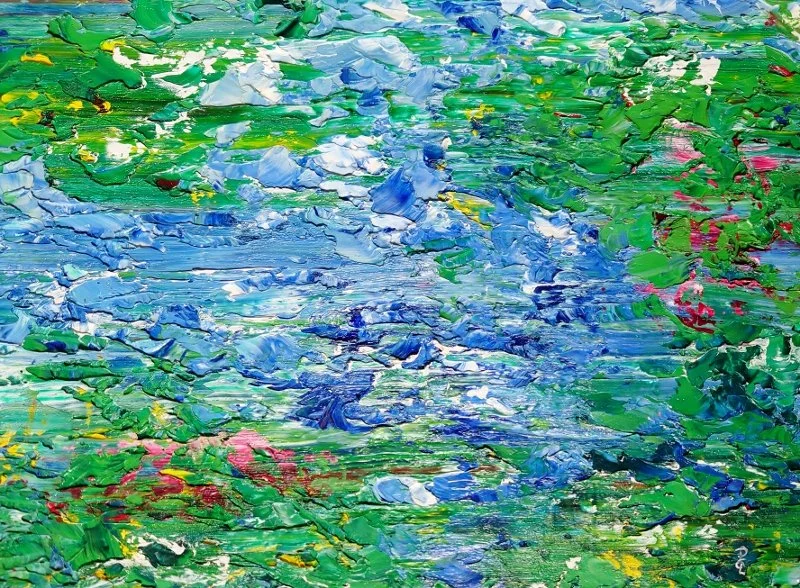
In Monet's garden, 2016, oil on paper, 40x50cm
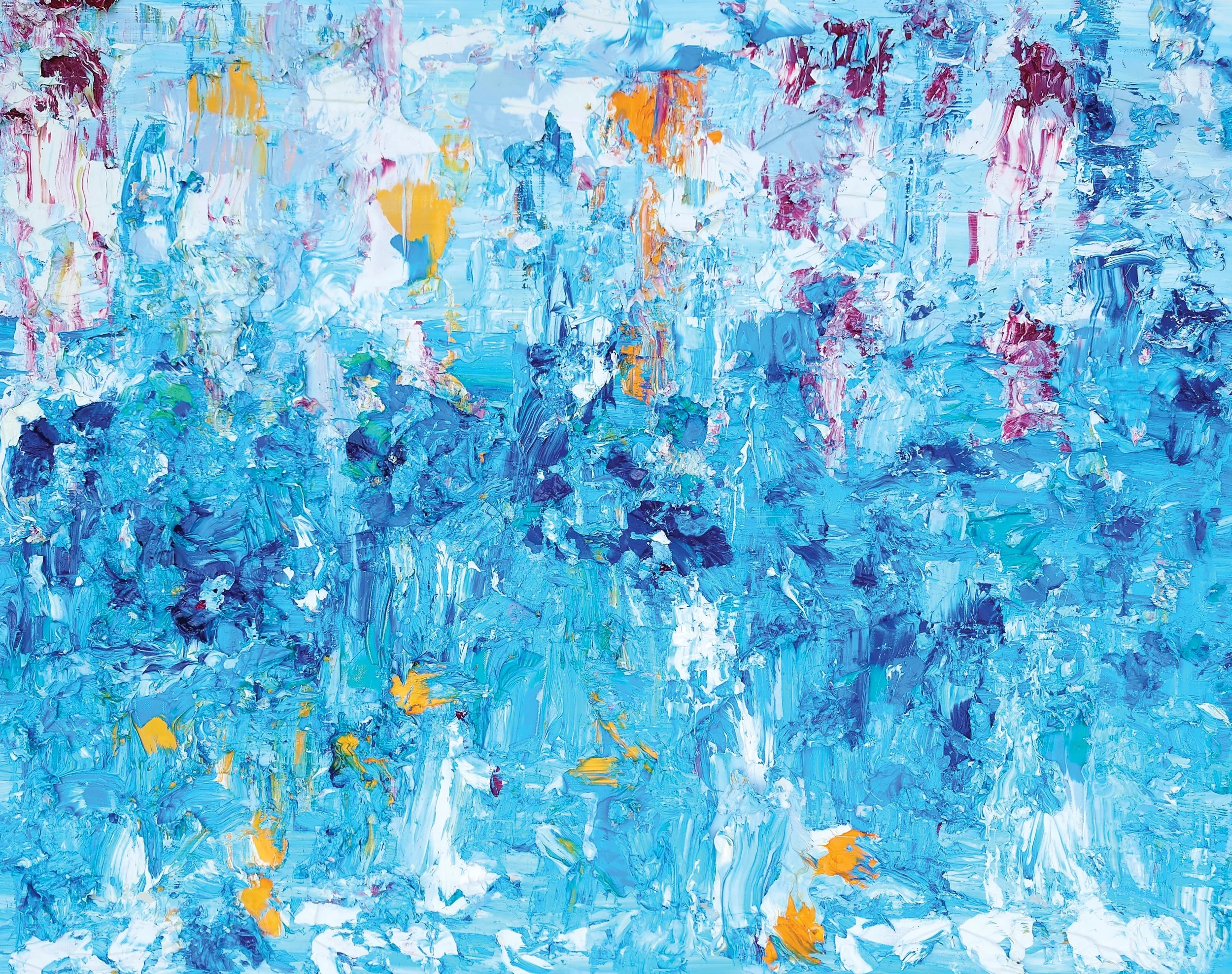
La musica del mare, 2021, oil on canvas, 80x100cm

Me at my solo exhibition at Galleria Dantebus Margutta in Rome 2026
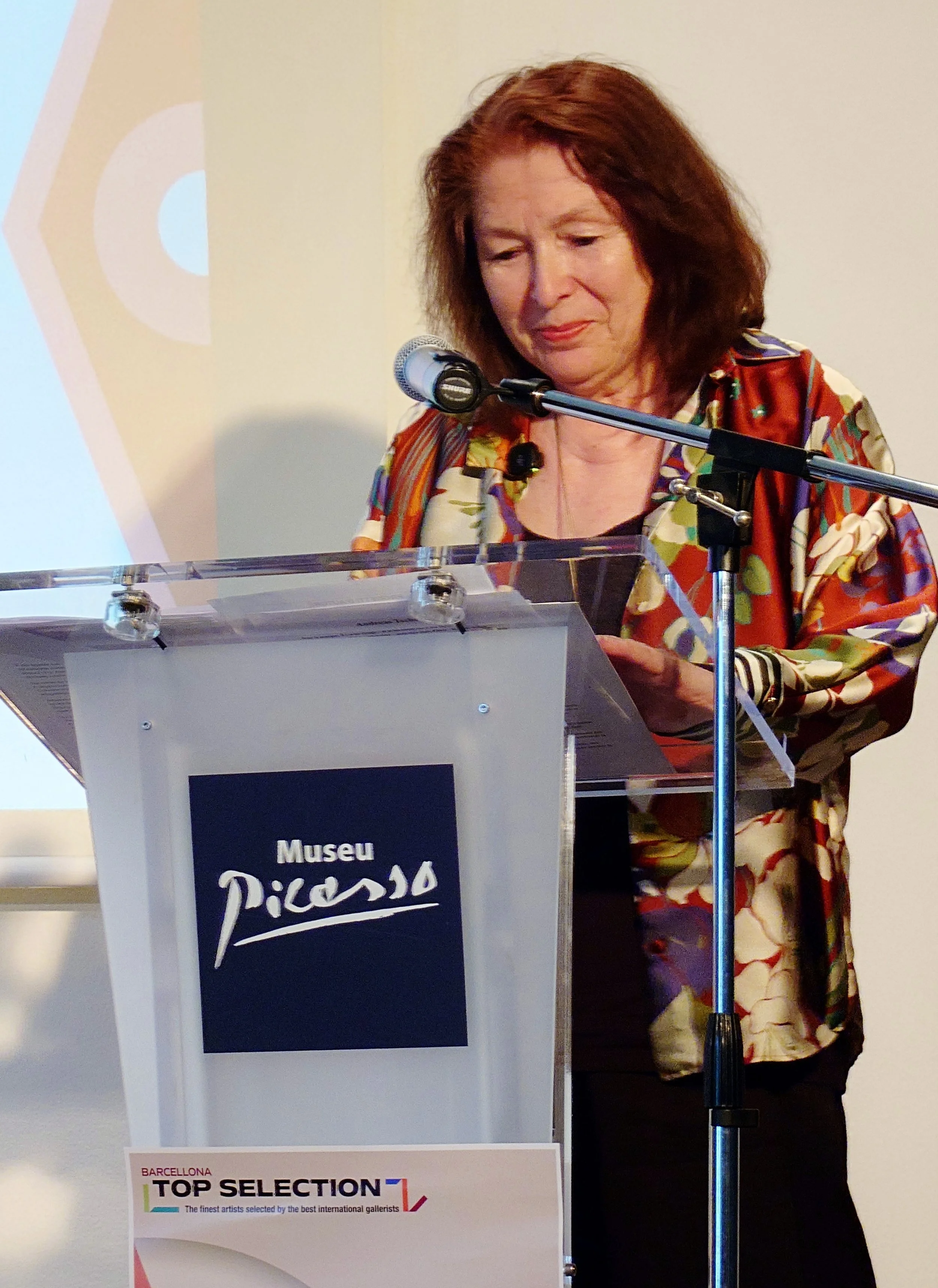
Museu Picasso Barcelona - talking about my art, 2026

My monopraph 'I colori della libertà'
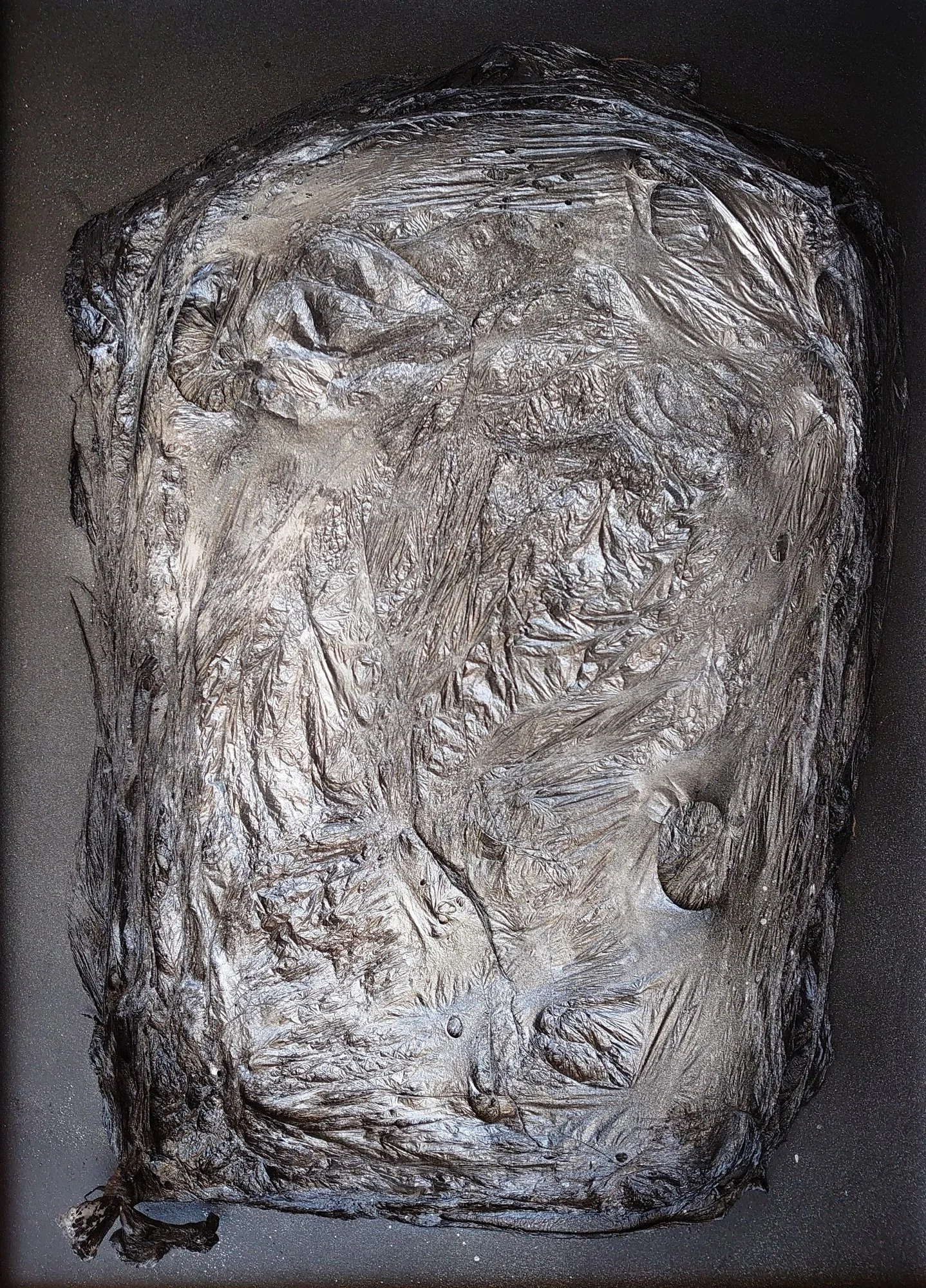
On the other Side of the Moon, 2020, assembly, 70x50cm

Only when the last tree has been cut down..., 2022, sculpture, 120x130x100cm

Place of refuge, 2020. Installation on canvas, 165 x 120 x 20cm
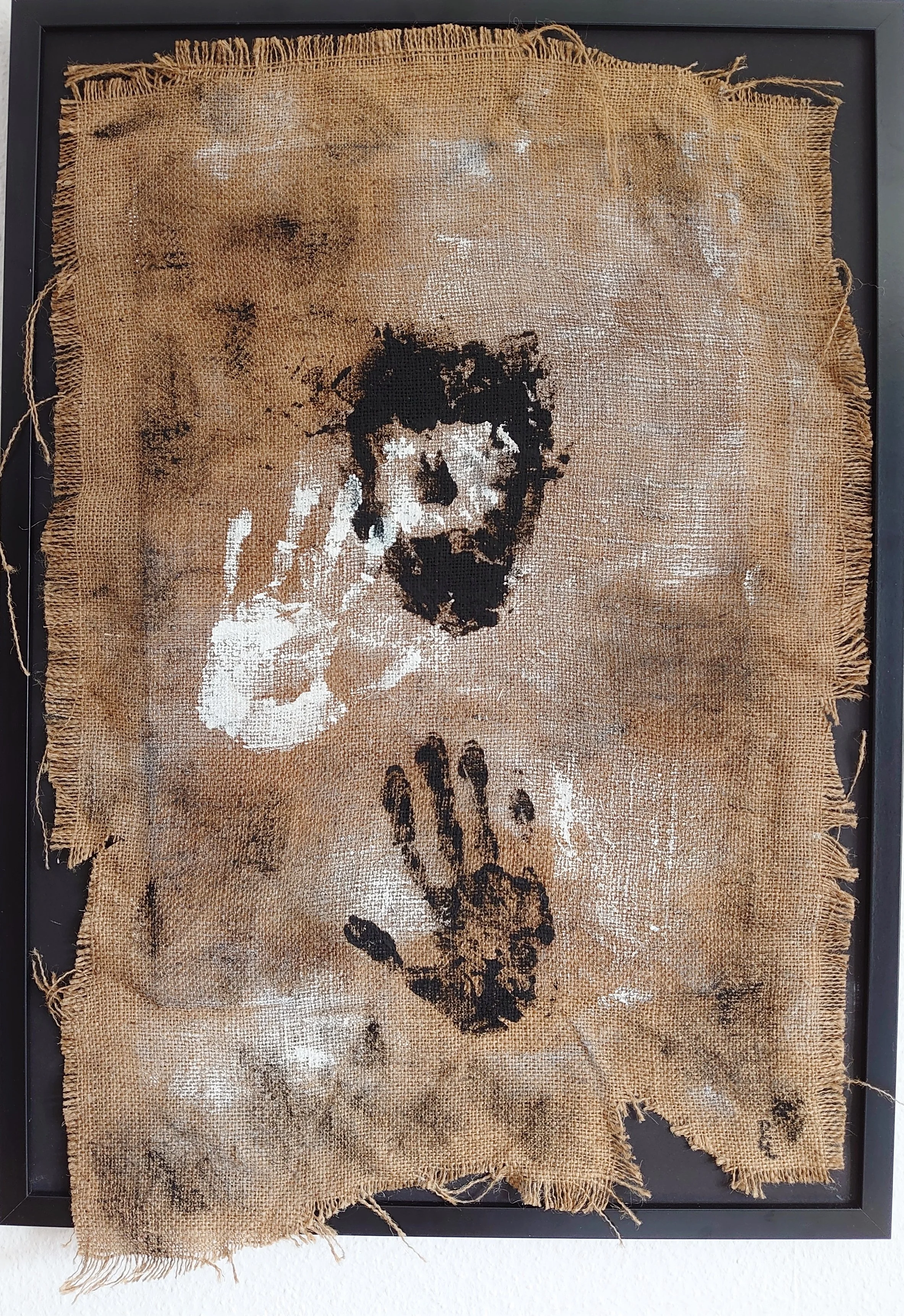
STOP! 2015, assembly, 75x50cm