Interview with Giorgio Gost

Biography
Born in 1962.
Giorgio Gost: The Artist Who Wants to Stop Time
Artistic Journey
From 1988 to 1999, Giorgio Gost produced metaphysical details on canvas, with a strong interest in color, while preserving old handwritten transport documents.
From the year 2000, he preferred to create geometric paintings. From that year onward, as can be seen by visiting his website, he began assigning a number to every artwork.
In 2008, as if embarking on a fantastic journey, Gost entered the cycle that he calls “JOURNEYS SEARCHING FOR COLOR,” using different colors placed next to one another or mixed together.
From June 2009, the artist began the “JOURNEYS IN THE OLD ECONOMY,” a series of artworks on canvas featuring one or more original, numbered documents dating from approximately 30 years earlier.
Only handwritten documents, found, selected, and incorporated as important parts of the artwork.
(UNIQUE AS AN IDEA IN ART: ARTWORKS WITH AN ORIGINAL DOCUMENT LIKE THIS.)
The artist says:
“When the NEW ECONOMY rises quickly, with stock exchanges increasing the PRICES OF RAW MATERIALS, selling junk bonds or other particular financial products, and then falls, burning millions of euros, dollars, pounds sterling, and so on, I remember the OLD ECONOMY, made up of workers and small firms that work hard every day. This is why I use old handwritten documents in some of my artworks.”
Year 2014: AFTER...
How many artworks bearing witness to the thousands of artists who lived in past centuries have not survived to reach us?
How many artists who were famous for a period were later forgotten by the art market and collectors as forms of artistic expression changed?
How many have been forgotten because of generational changes and different interests? Rarely do we continue to collect artworks by the artists collected by our fathers or grandfathers.
Since 2014, Giorgio Gost has tried to “save” the images that we have encountered throughout the decades of our lives by surrounding them with transparent resin used for industrial floors. In this case, the resin is not subjected to pressure from people or industrial machinery and is not exposed to rain or snow. Instead, the works are hung on walls, and the artist believes that they can endure for a very long time without requiring maintenance or restoration work, which, in many cases, could be impossible due to financial constraints.
Here, familiar images appear, such as cuts in canvas that become After Fontana. These objects and concepts may still be remembered in the year 6000, even if the originals no longer exist. Alphabetical letters become After Boetti; the Campbell’s Soup can becomes After Warhol; the famous Artist’s Shit becomes After Manzoni; and the metaphysical Piazza d’Italia becomes After De Chirico.
The series continues with After Vasarely, Halley, Modigliani, Balla, Botero, Hopper, Mondrian, Magnelli, Burri, Scheggi, Perilli, Dorazio, Biasi, Man Ray, Jeff Koons, and others. It also incorporates original artworks by Piero Gilardi, Sara Campesan, Lorenzo Piemonti, Massimo Salvadori, Bernard Aubertin, Alfredo Rapetti, Antonio Corpora, and Costalonga. With a touch of irony, the series eventually arrives at After Giorgio Gost as well.
This is also a powerful image of our age, which people in the future may remember through these “time capsules.”
Subjects: Economy, abstraction, fantasy, and geometry.
Media: Oil, enamel, transparent resin, and mixed media on canvas.
Your practice encompasses oil, enamel, iron, resin, archival industrial documents, watercolor, and travel journals. How do these varied materials and approaches coexist within your artistic identity?
I like to make artworks to try to SAVE OBJECTS for the next millennia... In fact, it is possible to save thousands of different items and materials thanks to my resin “time capsules.” Every day, we lose a lot of items that go out of production and a lot of companies that change names through mergers or close their doors. Cars, banks, and the professional studios of famous lawyers, accountants, and teachers... I try to save them for the future.
Your early engagement with metaphysical painting established a lasting interest in color, geometry, and ordered space. How has that foundation continued to shape the more material and socially engaged works you produce today?
I still love metaphysical and geometric paintings and artists, and I try and save my paintings and theirs for the future (even when their original ones will not exist anymore)
In “Paths in the Old Economy,” handwritten industrial documents from 1982 and 1983 become integral components of the painted surface. What qualities do you seek when selecting these documents, and how does their physical presence influence each composition?
They have a little thin protection of resin.
Some are invoices and bills from international companies, but the majority are original documents from my family’s company, established in 1978 in Parma, Italy. I started saving them at the end of 1988, after the ten years required by tax regulations had passed. From 1988 to the first year of this millennium, I made these artworks with canvases all colored beige. Then I started painting the canvases and making the paper transparent so that the color of the canvases would be visible and you could read the original words. If I had painted the surface, the words would have been covered and impossible to read. Some of those old bills were written by me too.
The Art Economy Manifesto argues that art and the economy should remain at the service of humanity rather than finance. How do you translate this ethical position into visual decisions involving color, materials, structure, and gesture?
I used the above mentioned real bills of transport to seek the attention of the person that was reading The Art Economy Manifesto.
Resin functions in your work as both an industrial material and a method of preservation. What conceptual significance does this process of vitrification hold for you beyond its practical ability to protect objects and images?
Producers of resin say that, being made up of two components through thermo-fusion, resin will last forever... I have seen that my bills with resin, made in the year 1988, are perfect. I have restored different artworks by Fernandez Arman, broken in the external parts because they had fallen to the ground, but the resin was still perfect in the “bodies” of the artworks after 50 years... I am optimistic that archaeologists will study my artworks and the labels, images, and items inside them in some millennia...
“Stop Time!” emerged in response to the 2011 earthquake in Japan and preserves ordinary objects that might otherwise be overlooked. How did that event transform your understanding of artistic responsibility, vulnerability, and the value of everyday material culture?
Yes, with an earthquake we remember our fragility an the fragility of items… After the Japan earthquake, I started saving food, medicines, cans of meat and cans of soft drinks, bottles of water, beer, wine and all items used every day… If a ceiling ever falls down on them, with that “strong shell” of resin they could be saved.
Your “After” series preserves recognizable images and artistic languages associated with figures such as Fontana, Boetti, Warhol, Manzoni, and De Chirico. How do you negotiate the boundary between homage, reinterpretation, historical memory, and authorship?
As I write on the certificates, they are Homages to remember Fontana, Boetti, Mondrian, Warhol, Manzoni, De Chirico, Max Bill, Hopper, Schifano, and HUNDREDS of other artists famous and not famous in order to save THEIR images even though the original ones will not exist anymore in the future.
You describe your resin works as time capsules intended to carry objects, images, and concepts toward the year 6000. When imagining such a distant viewer, what do you hope your work will communicate about the values and contradictions of our era?
I hope archaeologists will find them and will try to understand our era if humans destroy everything with wars.
Travel appears in your statement as an important source of inspiration, particularly through the creation of carnets de voyage. How does observing unfamiliar places affect your treatment of color and memory, and does this practice intersect with your desire to preserve cultural traces?
I made artworks with different carnets de voyage: train, plane, bus… a way to remember places different from my town or my country, hoping people will respect other cultures, other religions, other ways of life….
Your work repeatedly asks society to slow down, remember the past, and resist the pressures of economic acceleration, yet it also embraces technical experimentation and new expressive possibilities. How do you understand the relationship between preservation and innovation as your practice moves forward?
Innovation is positive and helps humans in many fields, but I would like for something “real and touchable” to remain…. And items of our life could remain too… Like money for example, we are going towards total electronic money, eliminating stamps for letters, and so on…. Will this be all beautiful?
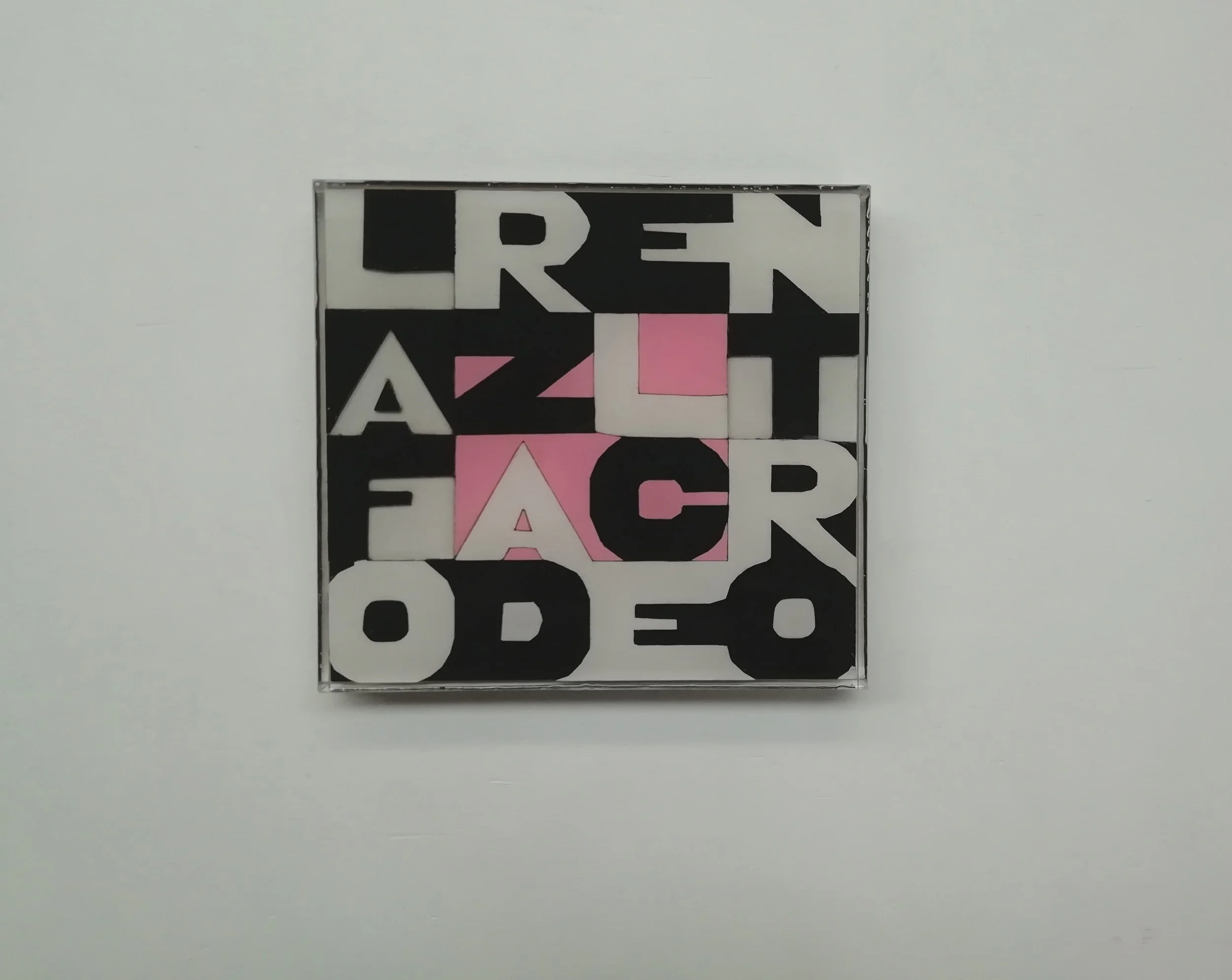
AFTER BOETTI ALIGHIERO cm.22x24 2020 Homage to Boetti Time Capsule

AFTER DE CHIRICO GIORGIO 2022 cm.25x33 Homage to De Chirico Time Capsule

AFTER FONTANA LUCIO cm.41x33 2022 Homage to Fontana Time Capsule

AFTER FONTANA LUCIO cm.46x32 2020 Homage to Fontana Time Capsule
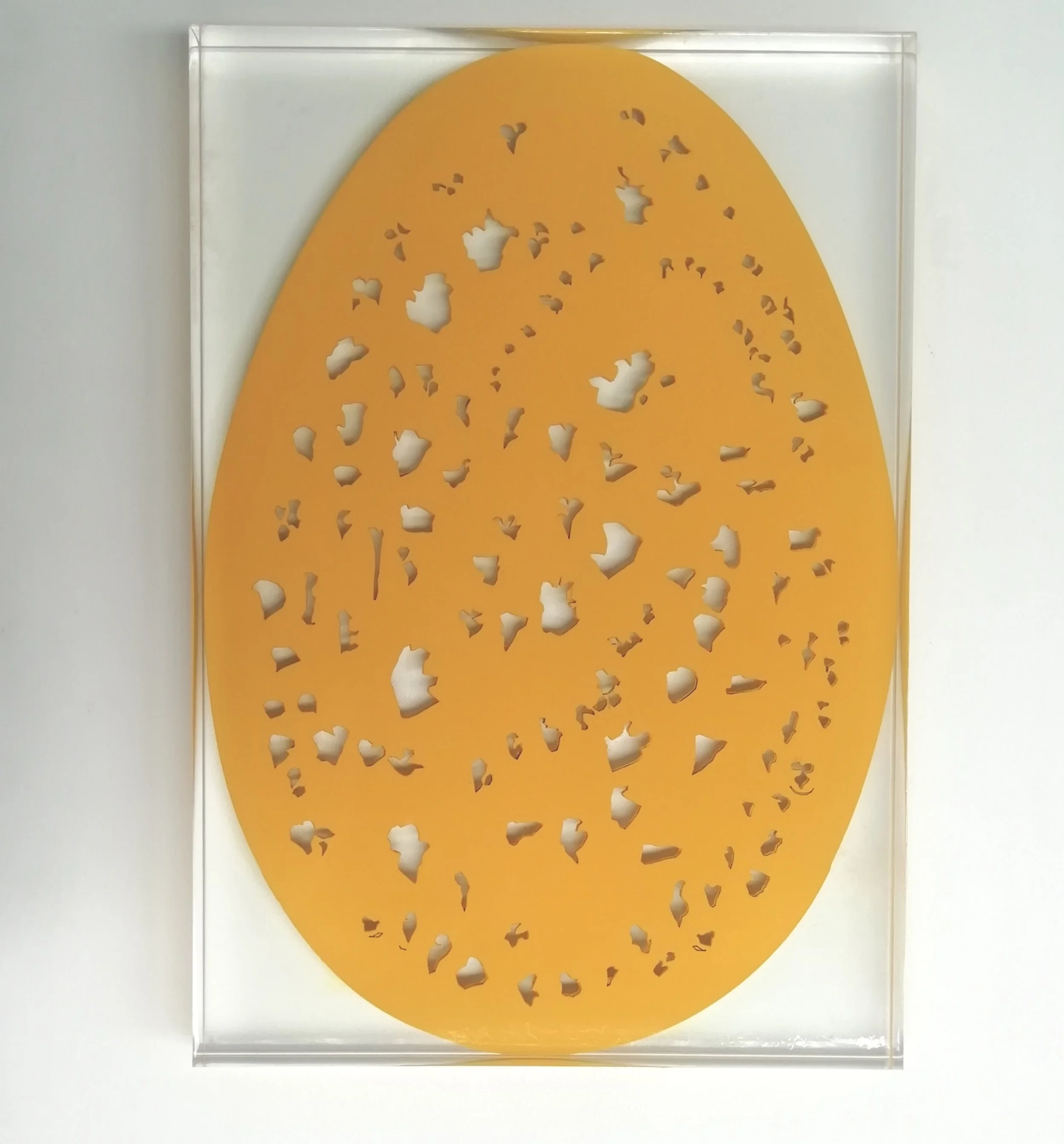
AFTER FONTANA LUCIO cm.46x32 2022 Homage to FontanaHomage to Fontana Time Capsule
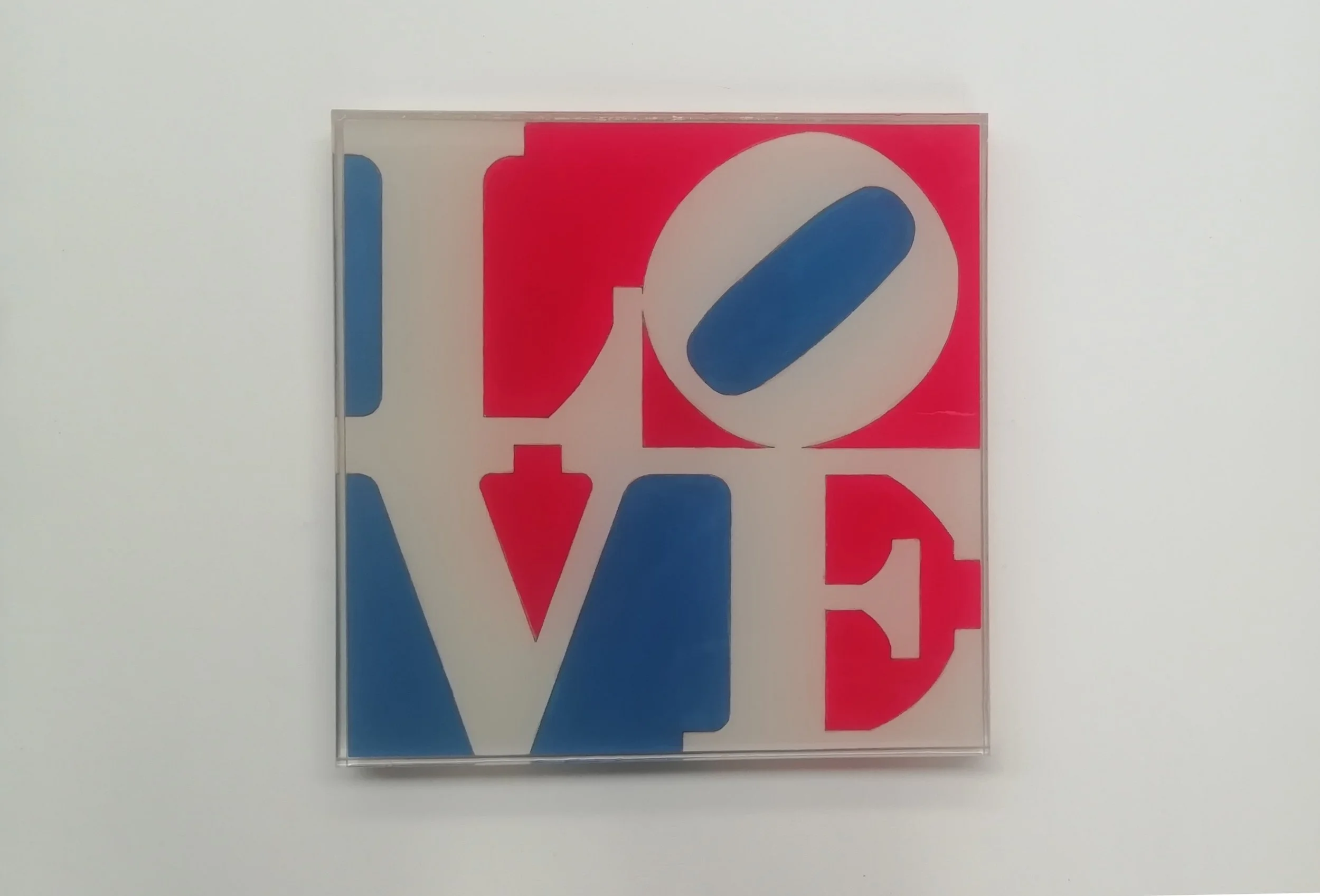
AFTER INDIANA ROBERT cm.28x28 2026 Homage to Indiana Time Capsule
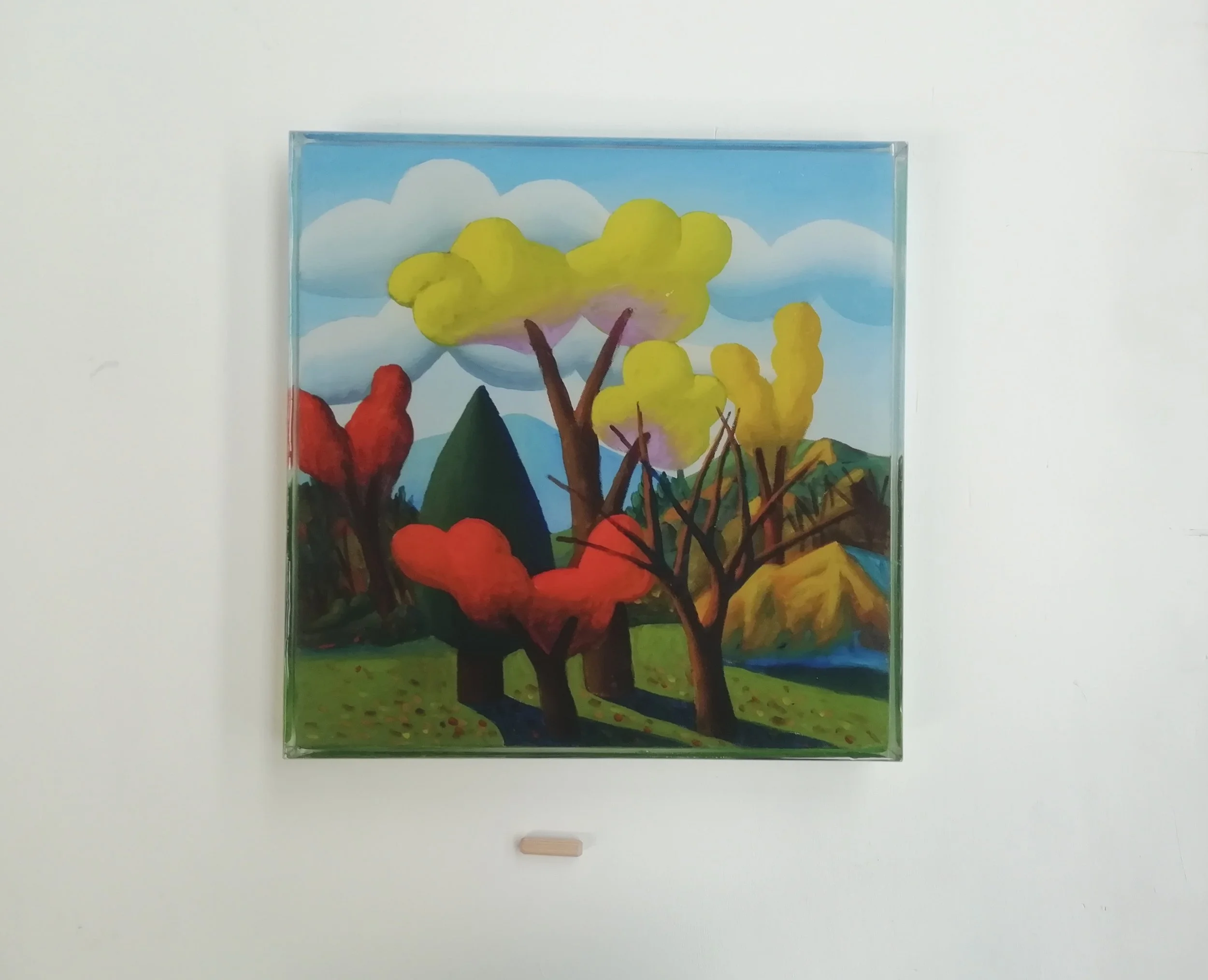
AFTER SALVO cm.28x28 2019 Homage to Salvo Time Capsule
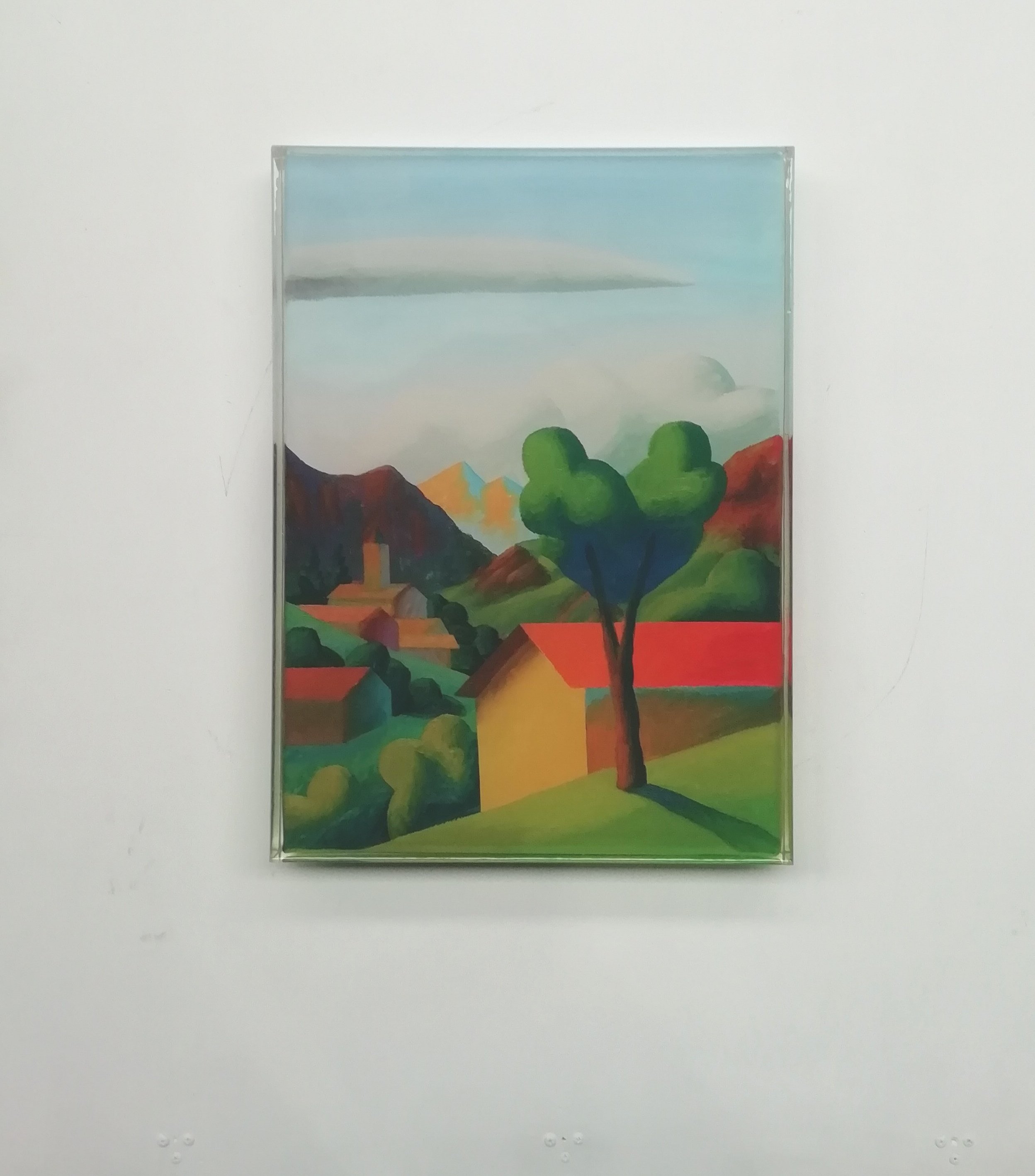
AFTER SALVO cm.35x25 2018 Homage to Salvo Time Capsule
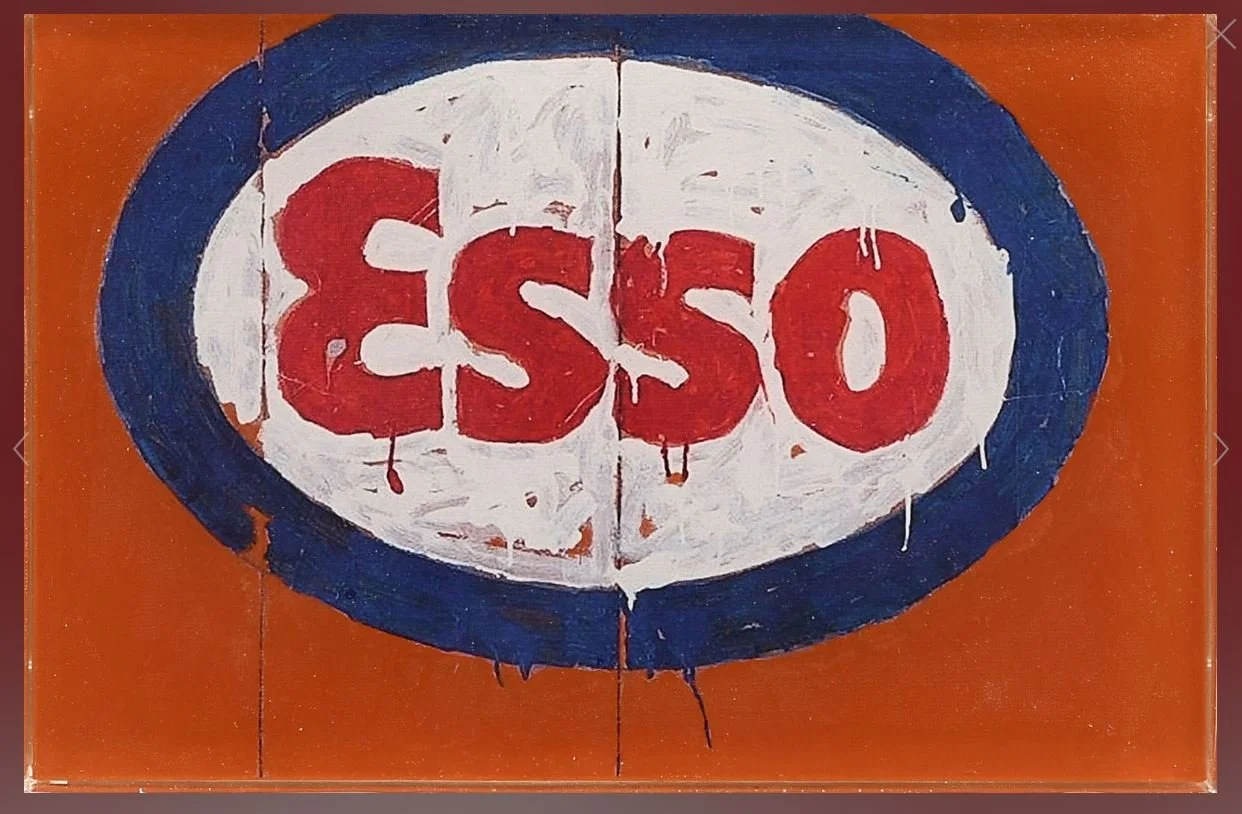
After Schifano Mario cm.22x30 2018 Homage to Schifano Time Capsule

Pluri-bolle! Old Economy cm.80x105 2010 With original handwritten documents

Pluri-Bolle! Old Economy cm 60x45 2013 With original handwritten documents