Interview with Martina Reinhart
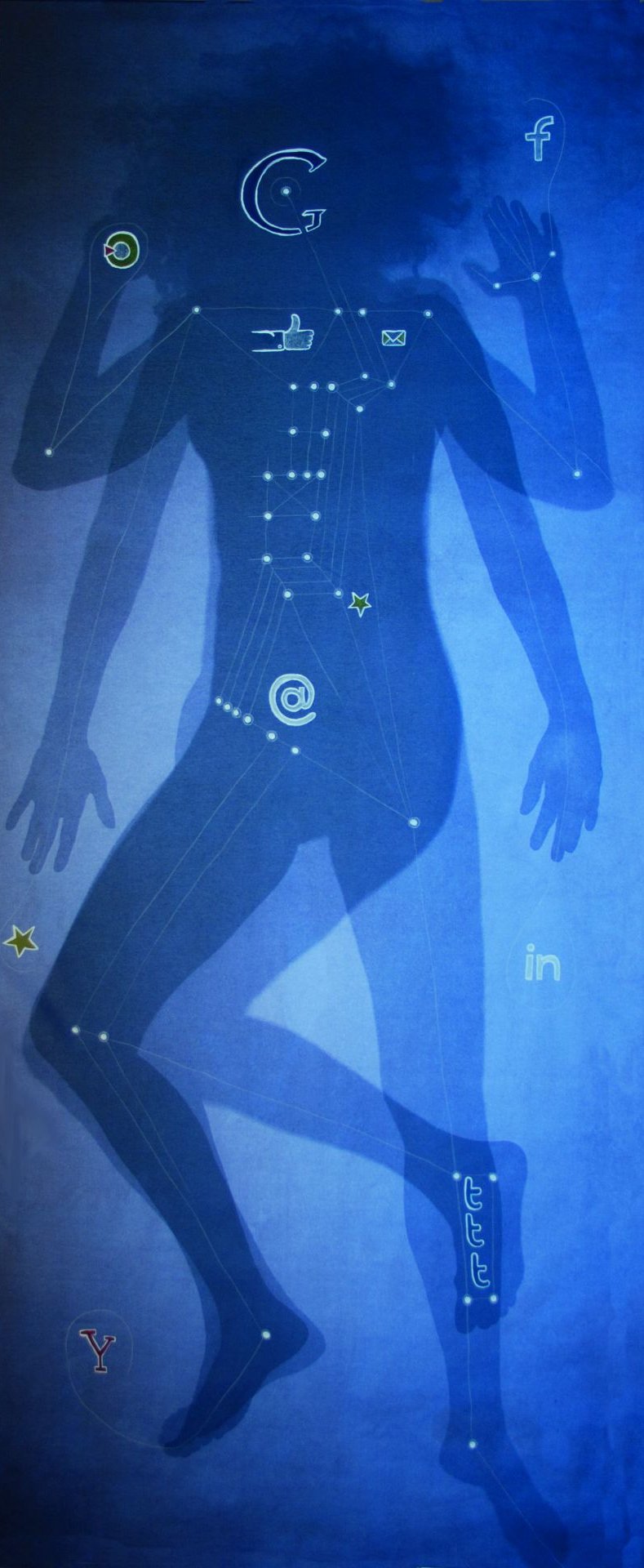
Your practice has evolved from early drawing and painting to screen printing, photograms, collage, text, and mixed media. How have your experiences in Los Angeles and Barcelona shaped this expanding visual language and your understanding of what an image can communicate?
In Los Angeles, I discovered the technique of photograms, and in Barcelona, I learned how to do screen printing. Life then inspired me with topics that I could express very well through these kinds of techniques, of course, in combination with and as an expansion of my usual methods of drawing and painting.
Since 2004, the human figure has occupied a central place in your work, particularly through your explorations of beauty, transience, scars, skin, identity, and the social perception of women, men, and children. How has your conception of the body changed across these different cycles?
It didn’t change – it enhanced/developed further …
Your series “Body/Media/Knowledge” brings your investigations of the body and knowledge together through Marshall McLuhan’s concept of media as extensions of the human being. How do contemporary media technologies alter the boundaries of the body and the ways in which humanity is perceived?
In earlier analog times, you had a kind of face-to-face conversation. Now, you are communicating 24 hours a day all over the world with all kinds of devices and extensions, in reference to McLuhan. Therefore, there are no boundaries anymore, and there is an all-time perception that is created and influenced by humans, as well as by AI nowadays.
In “Homages to Poets and Thinkers,” you engage with figures such as Simone de Beauvoir, Didier Anzieu, Hannah Arendt, Deleuze, Kant, Antonin Artaud, and H. C. Artmann. How do you transform sustained intellectual companionship with these authors into works that remain distinctly your own?
I was inspired by all these poets and thinkers and also wrote a thesis about “beauty and transience.” As I love painting and drawing, as well as writing, this cycle is my own combined tribute to all these marvelous people.
The 2026 exhibition “Expression and Image” brings together works from multiple cycles alongside four of your books. Looking across three decades of artistic and literary production, what continuities have become most visible to you, and which questions do you now feel compelled to pursue further?
The main continuity is probably the combination and development of all these parts... What I’m going to pursue further is how the world is going to be “rearranged” in different ways.
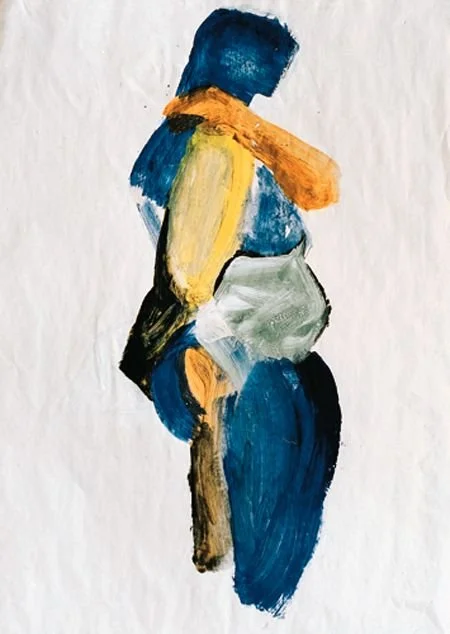
‚Der korpulente Denker‘, acrylics on paper, 100x70cm
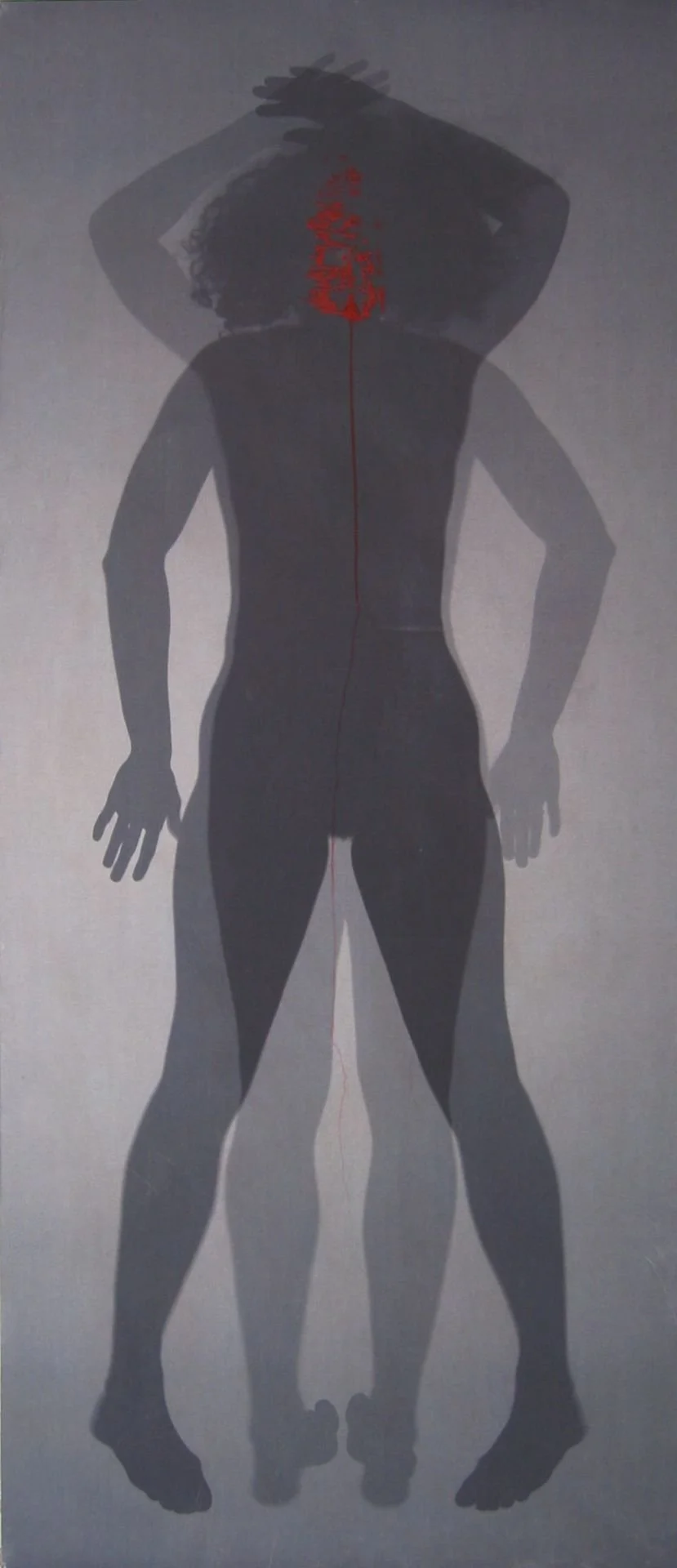
‚Im Zentrum der Schmerz‘ photogram and mixed media on paper and plate, 225x100cm
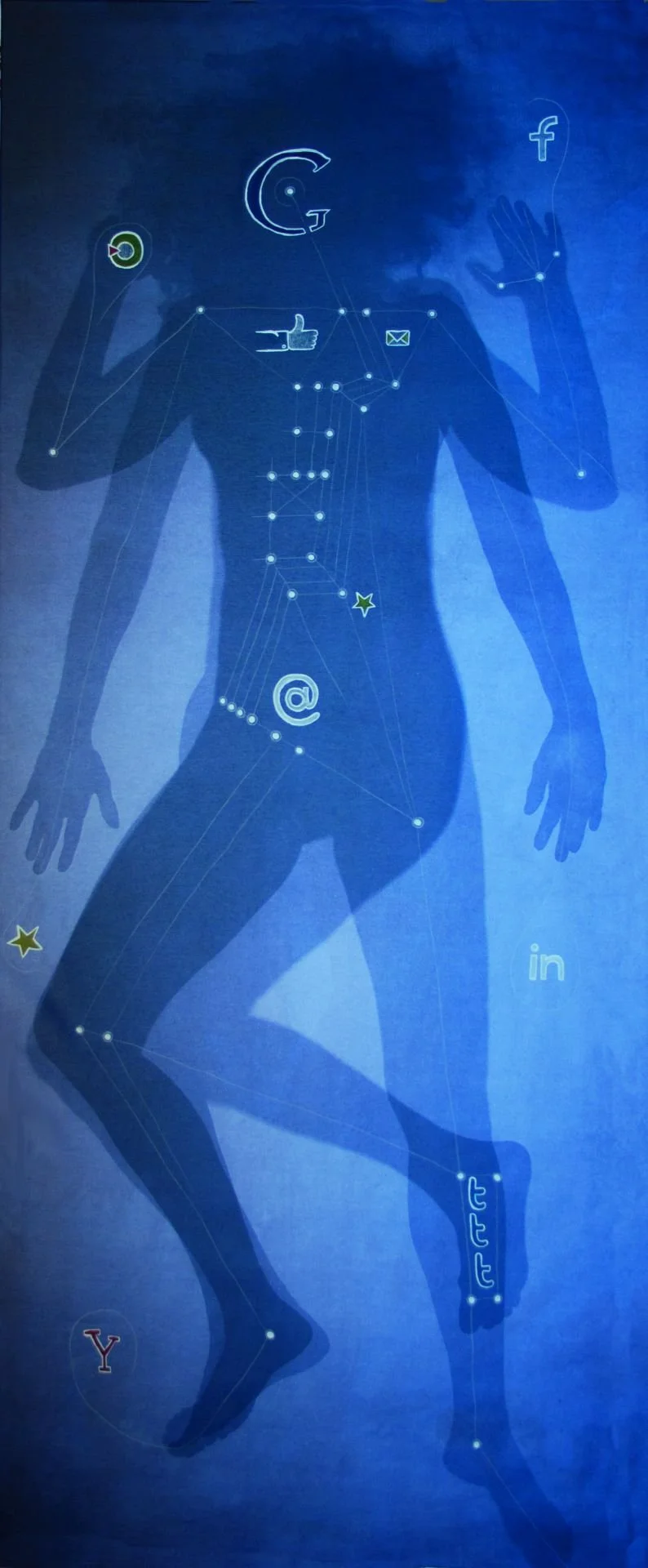
‚Extension 9‘, photogram and mixed media on canvas, 220x90cm
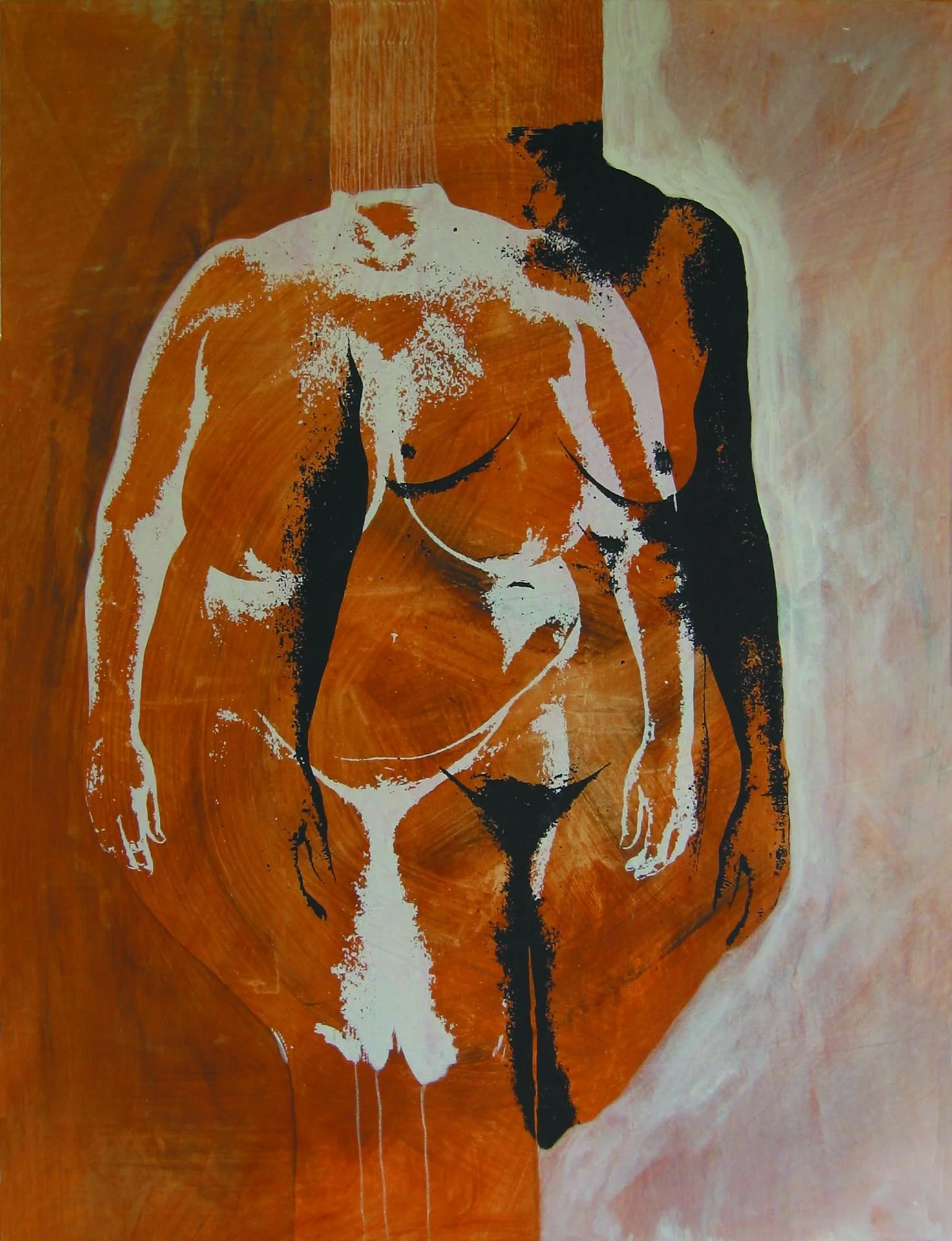
‚Spiegelung‘, screen-printing and acrylics on canvas, 120x90cm
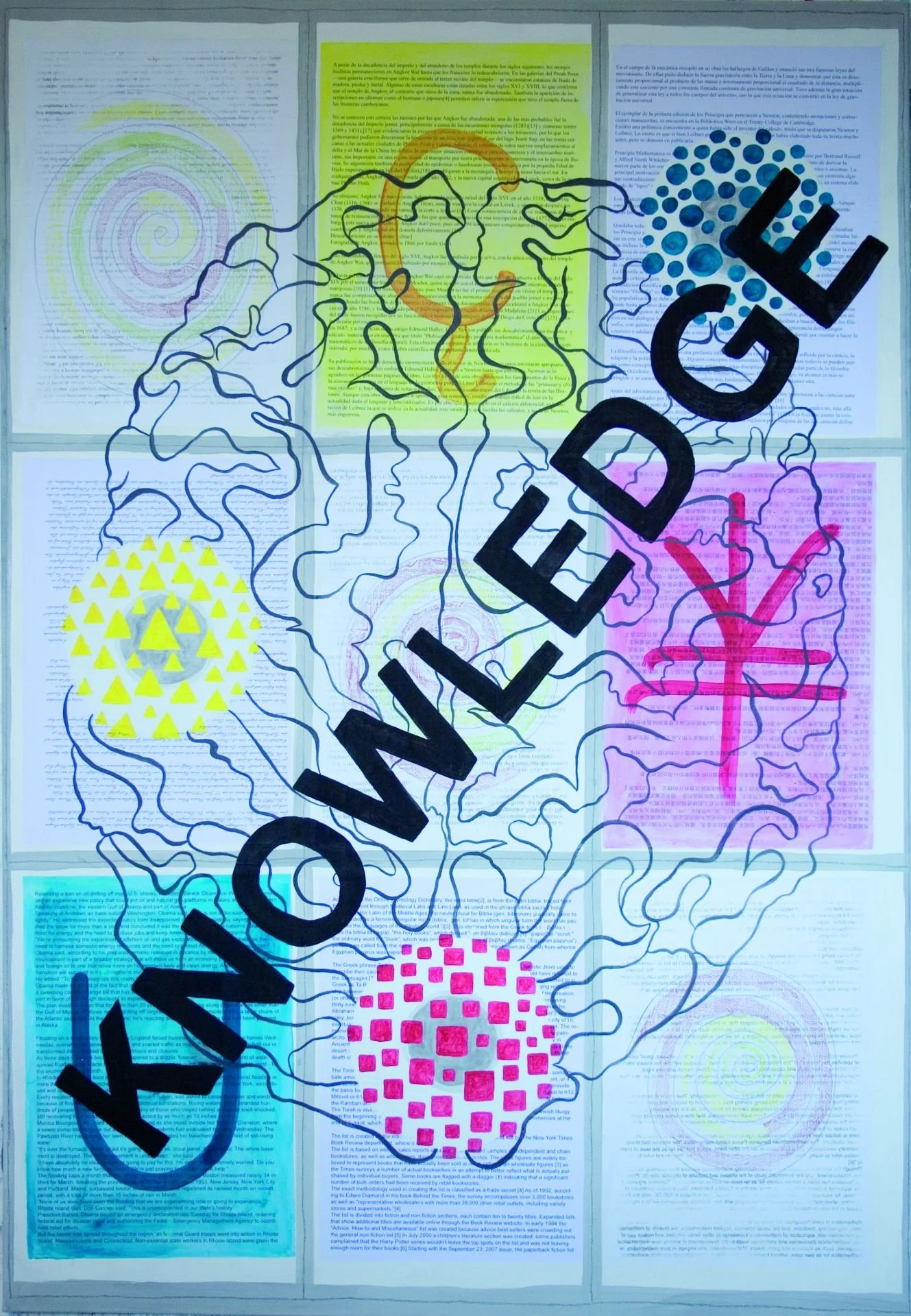
‚Knowledge‘, collages and mixed media on canvas, 145x100cm
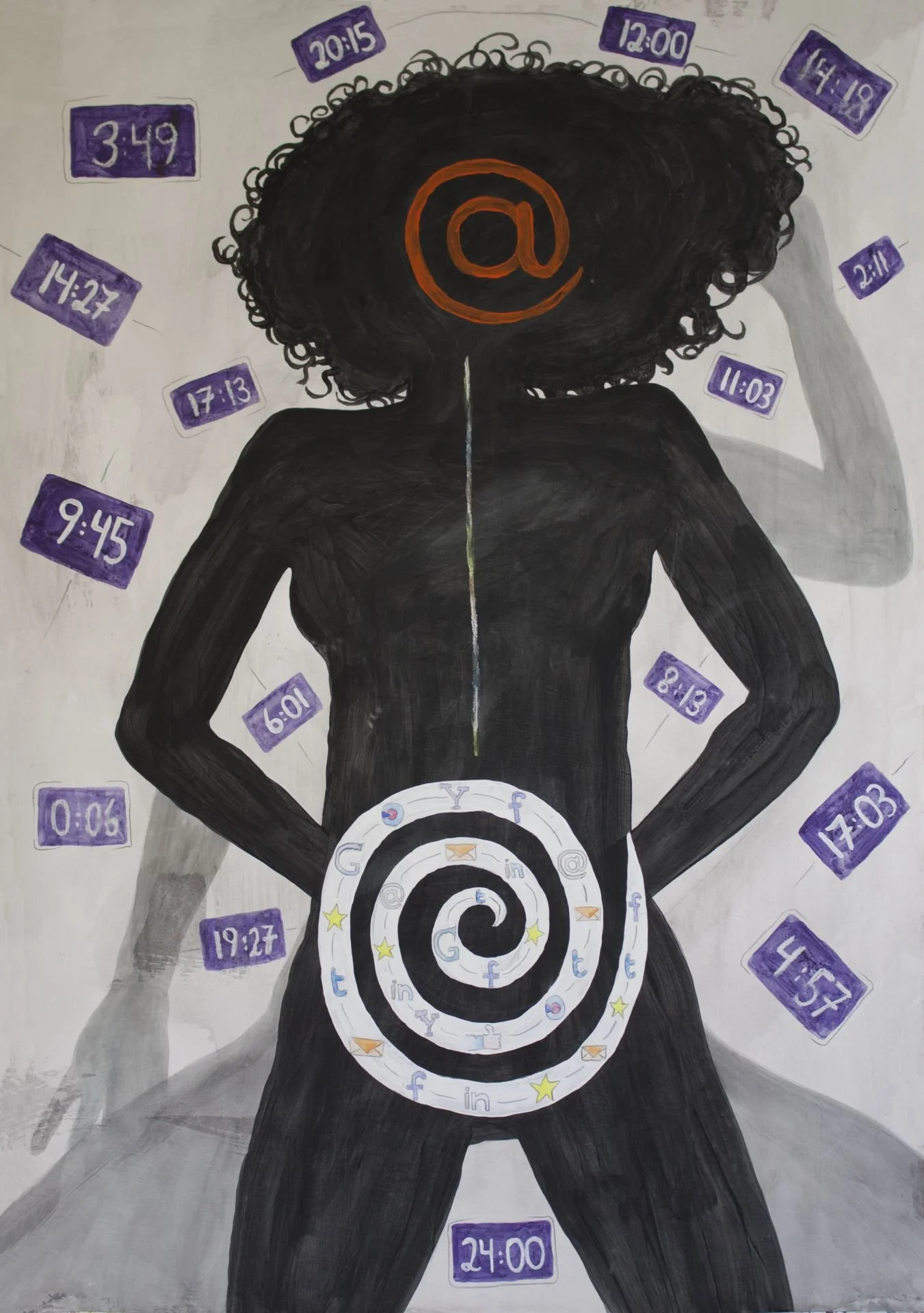
‚Interaction 4‘, acrylics and mixed media on paper, 100x70cm
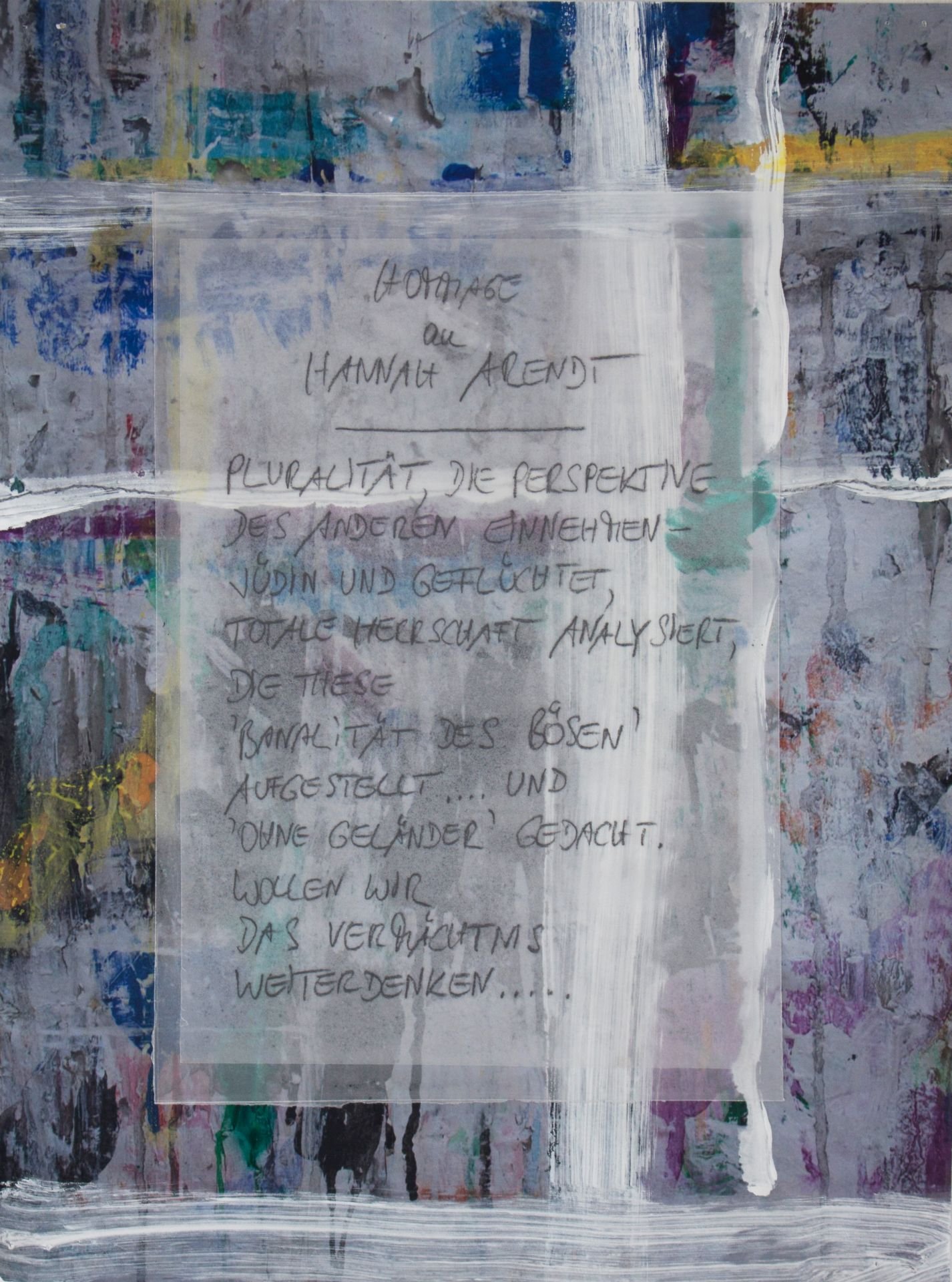
‚Hommage an Hannah Arendt‘, print, collage and mixed media on paper, 40x30cm
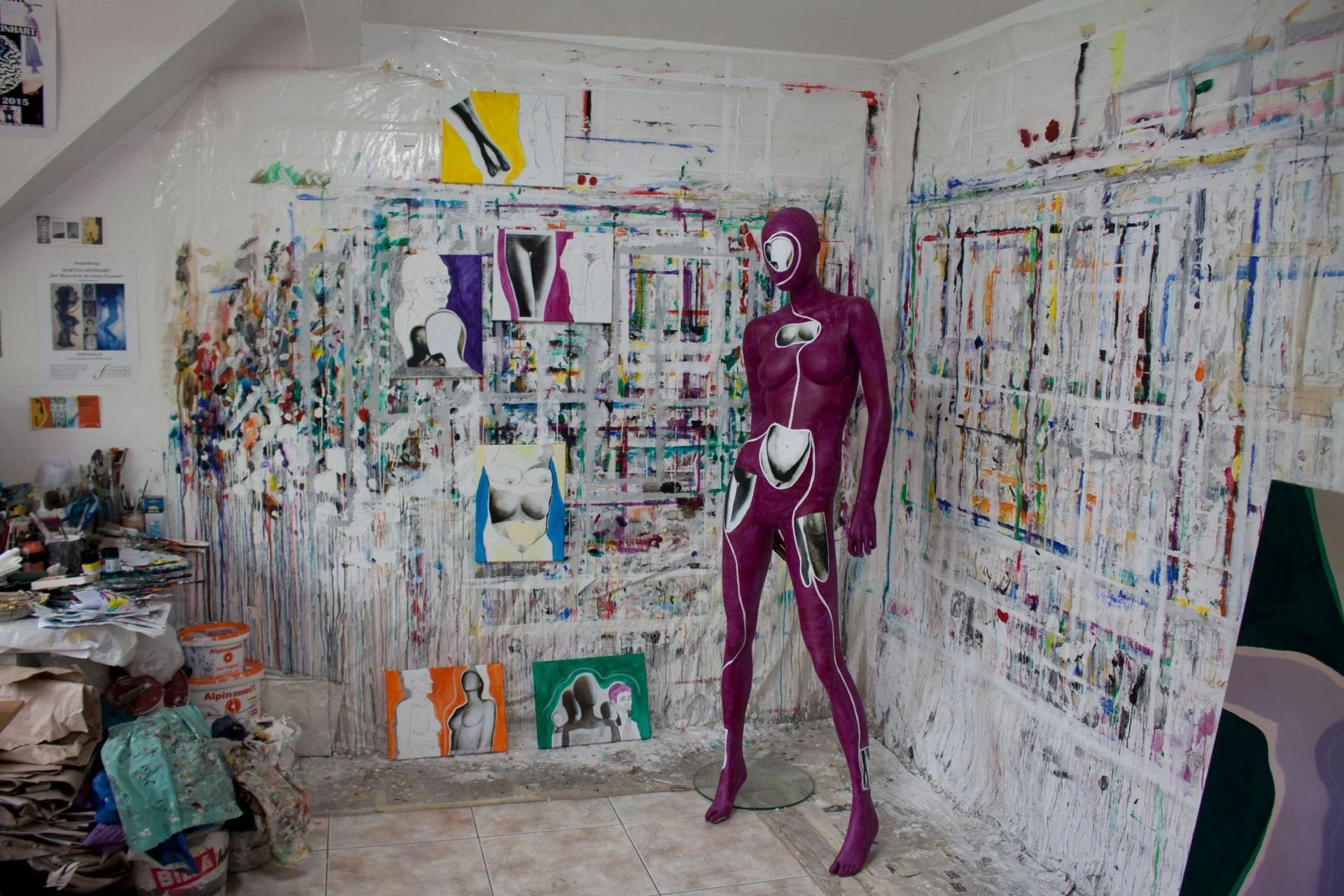
Reinhart Studio
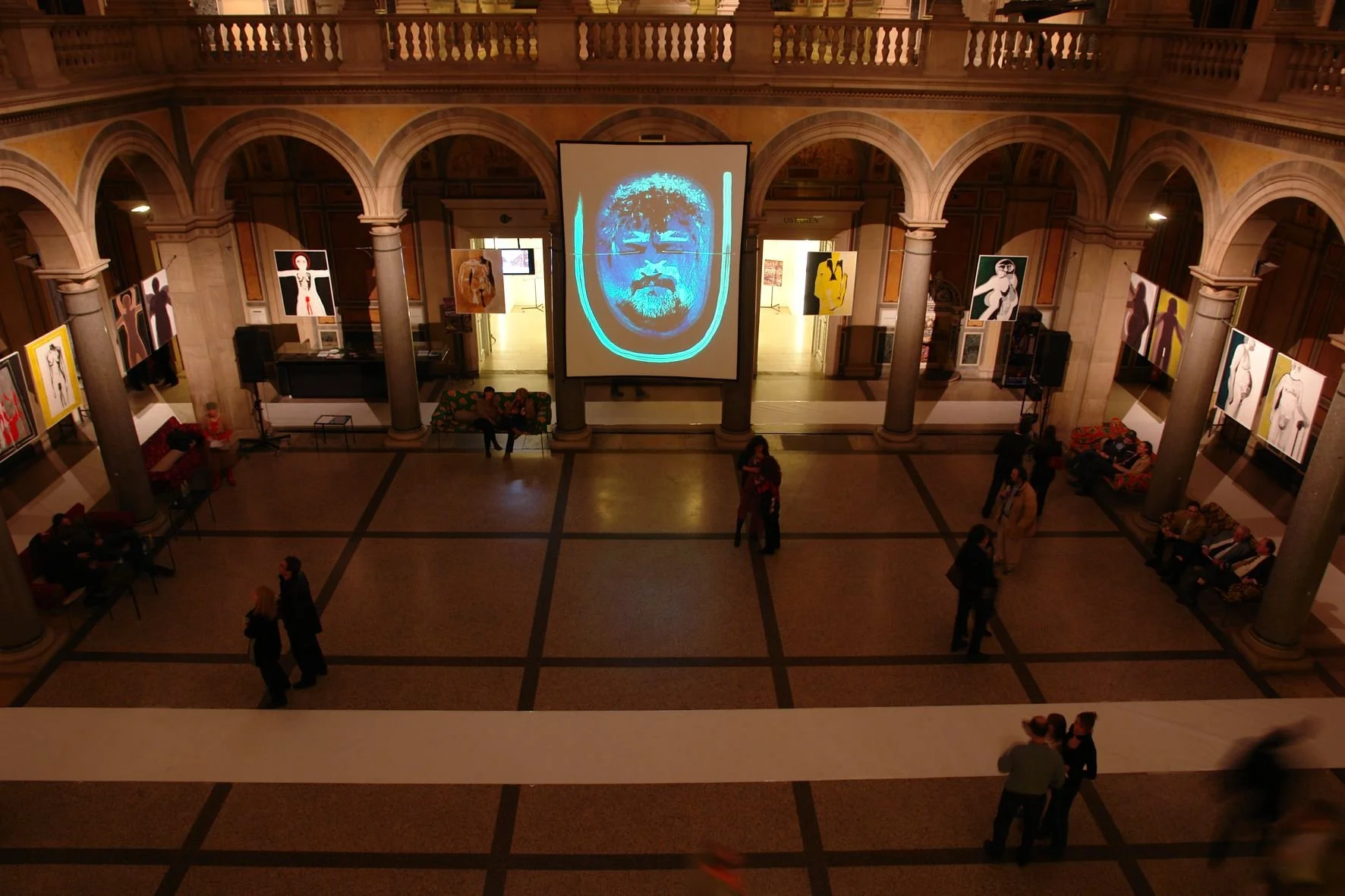
Reinhart Exhibition MAK
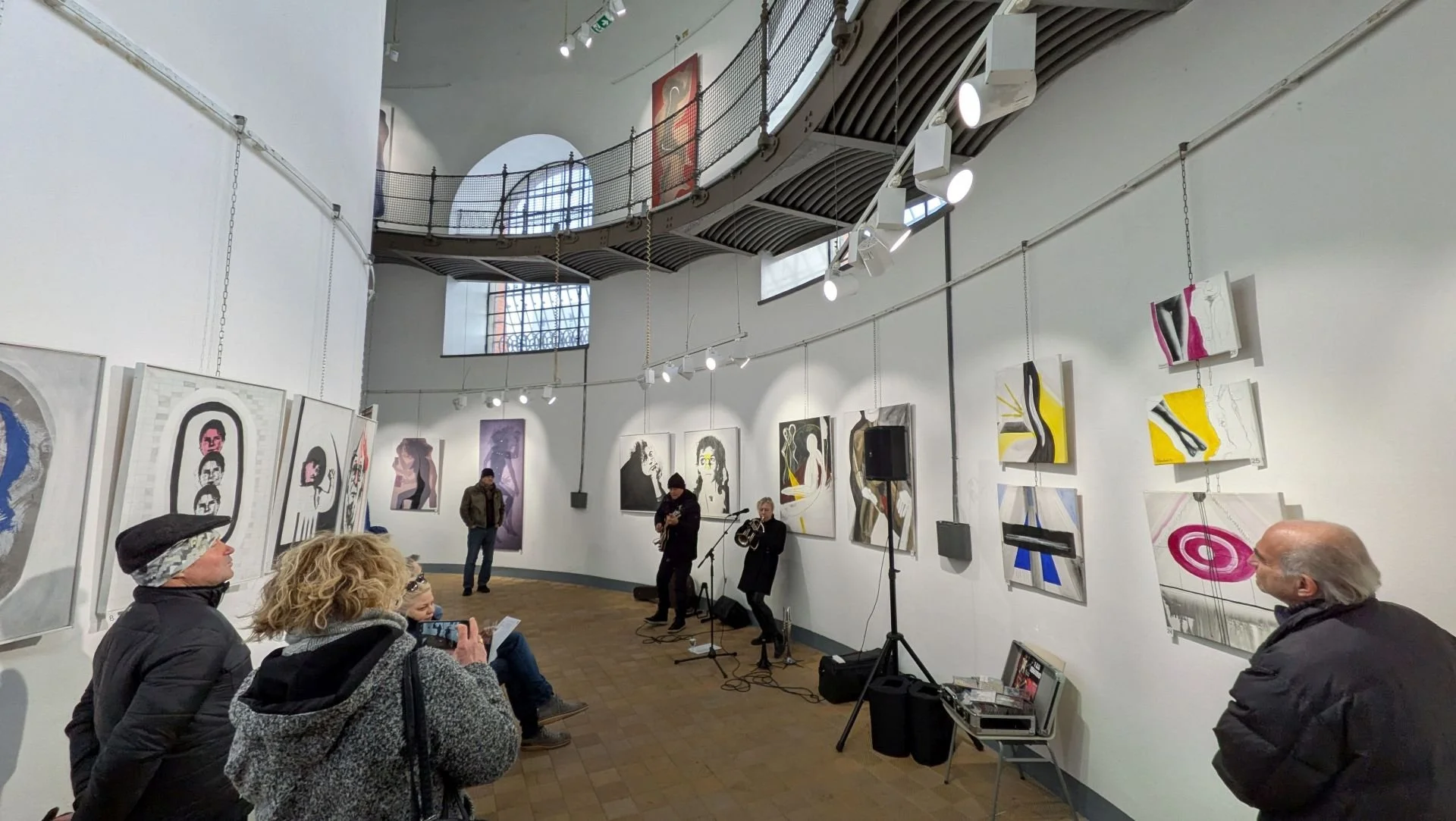
Reinhart Exhibtion Retro