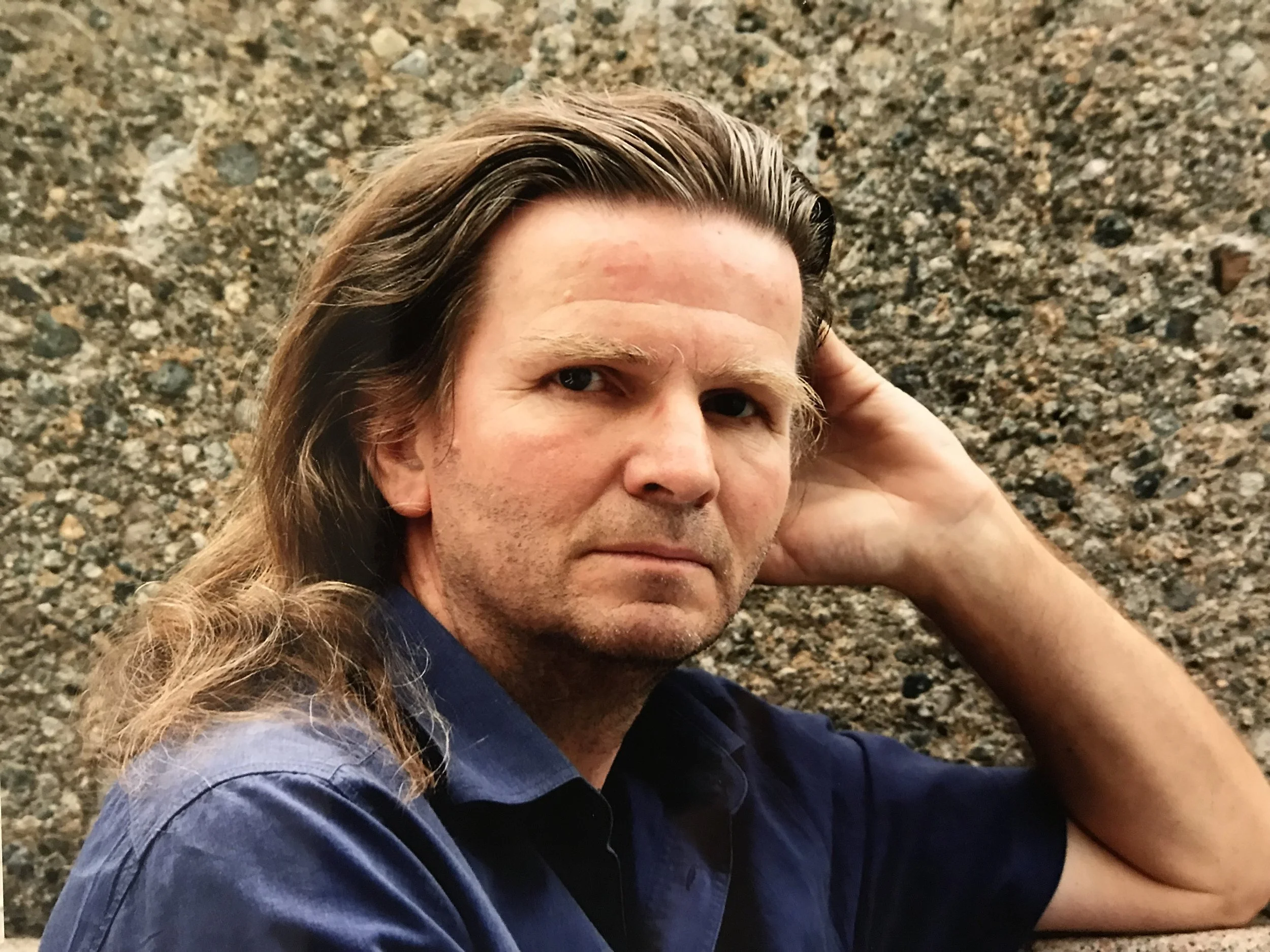
Curt Walter
-
PRESS APPEARANCES
→ 1971 "Ravenel" ELLE, Nr. 1336, 20. Juli 1971, France
→ 1974 "Laszlo Szabo", Hamburger Anzeiger, 28. Mai 1974, ebe, Germany
→ 1975 "Laszlo Szabo" Mainzer Anzeiger 1975, khd, Germany
→ 1976 "Portrait Mr. Ochs", The Sun, Colorado Springs, 1.1.1976;"Portrait Mr. Ochs", Gazette-Telegraphs, 31.12.1975; "Portrait Mr. Ochs", Colorado Springs Fine Arts Center Journal, USA
→ 1976 "Exhibition", Willem Enzinck, de Stem, 2.7.1976 | flu, Nassauische Landeszeitung, Weilburg, Germany, 7.9.1976 | Weilburger Tagblatt, HS, 7.9.1976, Germany; Gallery Beaux Arts, Terneuzen, The Netherlands
→ 1978 "Miniature city", Elburger Courant, 1.9.1978, The Netherlands
→ 1979 "Stadt der Wandlung", Joachim Heidersdorf, Herborner Tagblatt, Germany, 25.9.1979 | Guntram Lenz, 30.10.79 und 3.11.79 | Bunte Welt, Kassel, 27.10.79, Germany | Planing and building, 4-80 Essen | Walter Grasskamp, Kunst Forum International, Bd. 38, 2/80, Köln, Germany | Objekt, 3/80, Germany | Dr. R. Bentmann, Regional Office for the Protection of Historical Monuments, Hessen, Germany
→ 1980 "Stadt der Wandlung", "Stadt der Erdleute", "Stadt der Wasserleute", Dill Zeitung, 12.6.80, Germany | Aspekte ZDF, 1.7.80, Germany | Helga Zahler, Rhein Zeitung, 5.11.80, Germany | Koblenz Live, M. Saurer, 10.80, Germany
→ 1981 Mitteilungsblatt 1.7.81, Kreis Bad Kreuznach | ck, 6.7.81 | 29.7.81 Rhein Zeitung, dm, Germany
→ 1981 "Stadt der Wasserleute", Rhein Zeitung 2.11.81 and 21.7.81, R.S., Germany | Welt im Spiegel, 14./15.1.81, Germany
→ 1982 "Selbstportrait", Zürcher Oberländer, 6.10.82, Wetzikon, Switzerland
→ 1982–85 "Maskerade", a collection of 3168 faces in plaster of 3168 people from all over the world | DZO, Pd, 16.11.82 | Anzeiger von Uster, wx, 28.1.83 | Stei | Schwyzer Zeitung, 25.2.83, 22.2.83 | Bote der Urschweiz, 23.2.83 | Fabrik Zeitung, August 83 | Zolliker Bote, 29.7.83, 9.12.83 | Astrid Rodel, 13.1.84, 20.1.84, 29.3.85 | Neues Wiler Tagblatt, U. Tiefenauer, 12.9.83 | EineZwänzgi, Maia Schmid, 28.9.83 | DZO, 24.1.83 | L’est voudois, V | Désarzens, 17.7.84 | Züri Week, Hanspeter Vetsch, 16.8.84 | OMNI, Nov. 84 | Badener Tagblatt, EF, 23.3.85 | Grenzpost am Zürichsee, 25.3.85 | Zürichsee Zeitung, hn, 25.3.85 | Allgemeiner Anzeiger von Zürichsee, 25.3.85 | Vaterland, 28.3.85 | Thurgauer Volksfreund, 23.3.85 | Tagblatt der Stadt Zürich, 23.3.85 | Tages Anzeiger, dö, 23.3.85 | Neue Zürcher Zeitung, bi, 23.3.85 | Thurgauer Tagblatt, 23.3.85 | St. Galler Volksblatt, 25.3.85 | Le Matin, 3.5.85, Françoise Jannin | Rapport 2/85, Urs Tiefenauer | Marco 1/86, all Switzerland
→ 1986 "Stille Skulptur" | "Zugehend auf eine Biennale des Friedens", Kunstverein and Art Museum Hamburg, 1985–86, catalog: Réné Block, Robert Filliou, Emmett Williams, Germany. Videos: "Hommage an die Blitztoten", TV-RTSI, Jacky Marti, Lugano, Switzerland; "Auch ein Weg", mit Manfred and Thilo Kage, Weissenstein, Germany
→ 1988 "Hautzeichnungen", Art Magazine, Zürich, catalog: Bob Fischer, Rudolf Müller, Daniel Affolter, Patrick Frey, Pier Geering, Switzerland
→ 1999 PTT-Taxcard – Design CHF 20.– Website: http://www.taxcard.li/op.html#
→ 1997 "Tempel of Art", catalog: Roman Keller, Barbara Wiskeman, Edition Patrick Frey in EXPOMAT, p. 108, 2234, Switzerland
→ 2000 "Horssol", Trienale der Skulptur, Bad Ragaz, catalog: Dr. Rolf Hohmeister; Text: Dr. Maria Buchsbaum und Valéria Jakob Tschui, Switzerland
→ 2005 "Generosa Enterprise", ETH Zürich at 150 Jahre ETH Zürich, Switzerland
→ 2006 "Generosa Enterprise", MonteArte, Switzerland
→ 2006 Project "Generosa Enterprise" and Project "Carousel81" with Benno Meuwly | "Visioni sul Monte" with MonteArte, Switzerland
→ 2007 Project "in...boscamento", Monte, Switzerland | Web: montearte.ch | montearte.blogspot.com | Agricoltore Ticinese, Nummero 40 | Ticino7, Nummero 37 | Tessinerzeitung | Informatore, 12.09.07 | Giornale del | Corriere del Ticino, 14.09.07 | Azione, 25.09.07 | Film of TV TSI | Radio interview with Irene Petraglio, RTSI 2 | Quotidiano, TV TSI, 15.09.07, Switzerland
→ 2008 Project "Lux Pons", Bi6 | Biennale dell’immagine Chiasso
→ 2009–2010 Project "in between", MEWO, Kunsthalle Memmingen, Germany
→ 2010 "Manca qualcosa! dove siete?", «Lo spirito Del Lago»
→ 2010 Photobook: "In...boscamento", ISBN 978-88-7967-288-7, 29.7 × 21 cm; 88 pages, 60 color photographs, Publisher: Salvioni Edizioni, Bellinzona, Switzerland
→ 2012 «Ultima Cena #1», Informatore, 21.09.2012 | LaRegioneTicino, 2.10.2012 | LaRegioneTicino, 27.09.2012 | LaRegioneTicino, 22.09.2012, Switzerland
→ 2013 «Mahlzeit – Wann ist genug genug?», catalog: Peter-Lukas Meier, Urs Heinz Aerni; AZ Soloturner Zeitung, BZ, 14.03.2013; Koultur, Switzerland
→ 2014 «Ultima Cena #2», LaRegioneTicino, 20.05.2014, Massimo Daviddi, Switzerland
→ 2015 «Rumori d’acqua», Maroggia TI, Informatore 15.08.2015 | Azione 21.08.2015, Switzerland | Eliana Bernasconi, La Regione, 26.09.2015 | Massimo Daviddi | Rivista di Lugano, 4.09.2015 | Giulia Casanova
→ 2016 «Cosmos of colors», monochromatic paintings, 2.05.2016, PR WEB METTLER TOLEDO, Greifensee
→ 2022 «Vision Magazine», #4.2022, Calamida & Molgora, Switzerland
→ 2022 «Finestre sull’arte tra Valle di Muggio e Val Mara», Dall’epoca romana a oggi, a cura di Ivano Proserpi, Vacallo. ISBN 978-88-7967-492-8, Salvioni Edizioni, Bellinzona, Switzerland
ACADEMIC PUBLICATIONS
→ 2005, "Generosa Enterprise", https://web.archive.org/web/20200615105343/https:/archiv.ethlife.ethz.ch/articles/jubil2005/generosa.html
→ 1999, Do not catch the self in the net of thoughts. Invent the self with the senses and thoughts, invent it as a form. As a sculpture., https://ensba.academia.edu/curtWalter
BOOKS
→ 2010 Photobook: In...boscamento, ISBN 978-88-7967-288-7, 29.7 × 21 cm; 88 pages, 60 photographs in color, Publisher: Salvioni Edizioni, Bellinzona, Switzerland;
Web: https://www.salvioni.ch/product/in-boscamento/20COURSES, SEMINARS AND WORKSHOPS
→ 2006 Team building painting workshop with employees of Roche Switzerland, Roche Diagnostics Microtechnology Center, Switzerland
→ 1996 Speaker at advanced training course for art teachers, Saxon Academy, Dresden, Germany — Old master techniques in painting: oil, casein, egg tempera, tempera painting
→ 1996–2010 Various seminars in the studio in Monte, Switzerland — Painting, creativity, cooking and painting, Japanese painting, creativity practices and methods
→ 1991 Animation – cartoons for young people, computer camp, Lostallo, Switzerland — Cartoons for young people
→ 1971–1974 Speaker and organizer at the Académie du Feu, Paris — Reconstruction of the Académie du Feu
SYMPOSIUMS AND ACADEMIC CONFERENCES
→ 2005 "Generosa Enterprise", Discover Earth and Life Dynamics (DELD) for the 150th anniversary of ETH Zurich. The project is a game immersing participants in the worlds of Monte Generoso, Ticino, combining art and advanced IT technologies.
MEMBERSHIPS & ASSOCIATIONS
→ 2006, swissperform, Zürich, Switzerland
→ 2000, proLitteris, Zürich, Switzerland
→ 1999, suissimage, Bern, Switzerland
→ 2002, MonteArte, Monte, Switzerland
COLLECTIONS
→ 2004, Private Collection Nestlé, Vevey, Switzerland
→ 2001, Private Collection SNB, Swiss National Bank, Zurich, Switzerland
CLIENTELE
→ His clients are art collectors who have purchased his paintings, designs, drawings and sculptures; they are represented in private and public collections.
-
PRIVATE EXHIBITIONS
→ 2024-25 Art Dock, Zürich, Switzerland
→ 2010-2020, Pyropainture, paintings, sculptures, drawings, 2 fields, Gallery Visibel Off space, Zurich, Switzerland. Several solo exhibitions per year
→ 2010 "Putting things in the right place", Gallery Visibel Off space, Zurich, Switzerland
→ 2002, "Luce sotto la pelle", 4 installations Isole di Brissago, Switzerland
→ 2001, Portable Museums & Boxes, Paintings, sculptures, boxes, I'me. Sala del Torchio, Balerna, Switzerland
→ 2002, Fire panels, Painting, Finter Bank, Chiasso, Switzerland
→ 1997, "Bite through", Engineer - Sculpture, Dr. M. Busin, Zurich, Switzerland
→ 1996, "My collection", Exhibition in the studio Monte, Switzerland. "Banquet of Colors", Saxon. Academy Dresden. Poetry of colors
→ 1996, "Dissolution", Paintings, Practice Homeopathic, Spycher, Switzerland
→ 1996, "Sculpture morte", Installation 3168 Faces in plaster, Werkhof Gallery, Zurich, Switzerland
→ 1995, "Performance", Inauguration of the painting installation, Clariden Bank, Zurich, Switzerland
→ 1994, "Housing", Machined omega clocks, studio Schlieren, Switzerland
→ 1994, "Bread papers and record games", Rövekamp Gallery, Zurich, Switzerland
→ 1990, "Fireboards", Shedhalle by the water Zurich, Switzerland
→ 1988 "Bread papers", Painting on silk paper, Community center, Zollikon, Switzerland
→ 1988, "Bread papers", Painting on silk paper, Rövekamp Gallery, Zurich, Switzerland
→ 1988, Pyropeinture, Painting with water and fire on jute, From the group of works Brandtafeln, Private exhibition, Daniel Müller, Basel, Switzerland
→ 1987, "Bread papers", Painting on silk paper, Gallery Stummer, Zurich, Switzerland
→ 1981, "Stadt der Erdleute", Künstlerbahnhof, Bad Münster a.Stein, Germany
→ 1981, "Wishing Well", fountain construction, sculptures, Bad Münster a.Stein, Germany
→ 1981, "City of the Earth People", miniature village, Quarry Erdbach, Germany
→ 1980, "City of the Earth People", miniature village, Sculpture, State Museum, Koblenz, Germany
→ 1980, "City of the water people", miniature village, Sculpture, State Museum, Koblenz, Germany
→ 1979, "City of change", miniature village, Sculpture, Clay pit, Breitscheid, Germany
→ 1978, "An idea every day, a sculpture every day", Sculptures - Concepts, Art in public space, Elburg, The Netherlands
→ 1978, "Sand, earth, road and sea works", fictitious villages, ruins on islands, Art in public space, Elburg, The Netherlands; Lac de St. Mondé, Paris; Lake Nicola and Lake Litzensee, Berlin, and Lanzarote, Spain
MIXED EXHIBITIONS
→ 1986, "Zugehend auf eine Biennale des Friedens", Kunstverein and Art Museum Hamburg, Germany.
With Marina Abramovic, Carlo Alfano, Carl Andre, Joseph Beuys, Christian Boltanski, Daniel Buren, James Lee Byars, John Cage, Giuseppe Chiari, Henning Christiansen, Gianni Colombo, Robert Filliou, Alen Kaprow, On Kawara, Jannis Kounellis, Sol Lewitt, Nam June Paik, A. R. Penk, Lucio Pozzi, Carla Tato, Takako Saito, Klaus Staeck, Takis, André Thomkins, Ben Vautier, Wolf Vostell, Emmett Williams, Michele Zaza, and others.EVENTS:
→ 2014, "Ultima cena II", Organizer and Curator, Light installations, Montearte, Monte, Switzerland
→ 2012, "Ultima cena I", Organizer and Curator, 14 artists on the subject of Ultima Cena, Montearte, Monte, Switzerland
→ 2008, "Lux Pons", Organizer, Chiasso Culture, Bi6 | Biennale dell’immagine, Chiasso, Switzerland
→ 2007, "in...boscamento", Light installations, Organizer and Curator, Montearte, Monte, Switzerland
→ 2006, "Generosa Enterprise", Interactive installation, Organizer and Curator, Montearte, Monte, Switzerland
→ 2005, "Generosa Enterprise", Interactive installation, Organizer and Curator, Swiss Federal Institute of Technology Zurich, Switzerland
→ 2003, "noWaterWater", Organizer and Curator, Mailart and dance project with 200 artists; installations and contemporary dance on the topic No water – flooding, Montearte, Monte, Switzerland
→ 2000, "Horssol", Organizer and Curator, 7 installations at the 1st Swiss Sculpture Triennial, Bad Ragartz, Bad Ragaz, Switzerland
→ 1996–1998, "zhart", Organizer and Curator, art association for artists; various art projects in public spaces in the city of Zurich, City of Zurich, Switzerland
→ 1982–1985, "Aktion Maskerade", Organizer and Curator; action involving 3168 people modeling a plaster cast of their face at 70 different events in Switzerland and Germany
-
-
→https://linktr.ee/curt_walter
→https://www.instagram.com/curt.walter/
→https://www.instagram.com/curt.walter.drawings
→https://www.instagram.com/curt.walter.sculptures
→https://www.academia.edu/124471918/ENDVERSION_Kommentar_zum_Atlas_der_Imagination_klein_def
→https://www.academia.edu/113868508/ATLAS_OF_IMAGINATION
→https://www.academia.edu/113927288/Imagination_Volume_2
→https://www.academia.edu/113925708/Atlas_of_Imagination_Images
→https://visualartjournal.com/2025/09/23/curt-walter/https://artdock.ch/
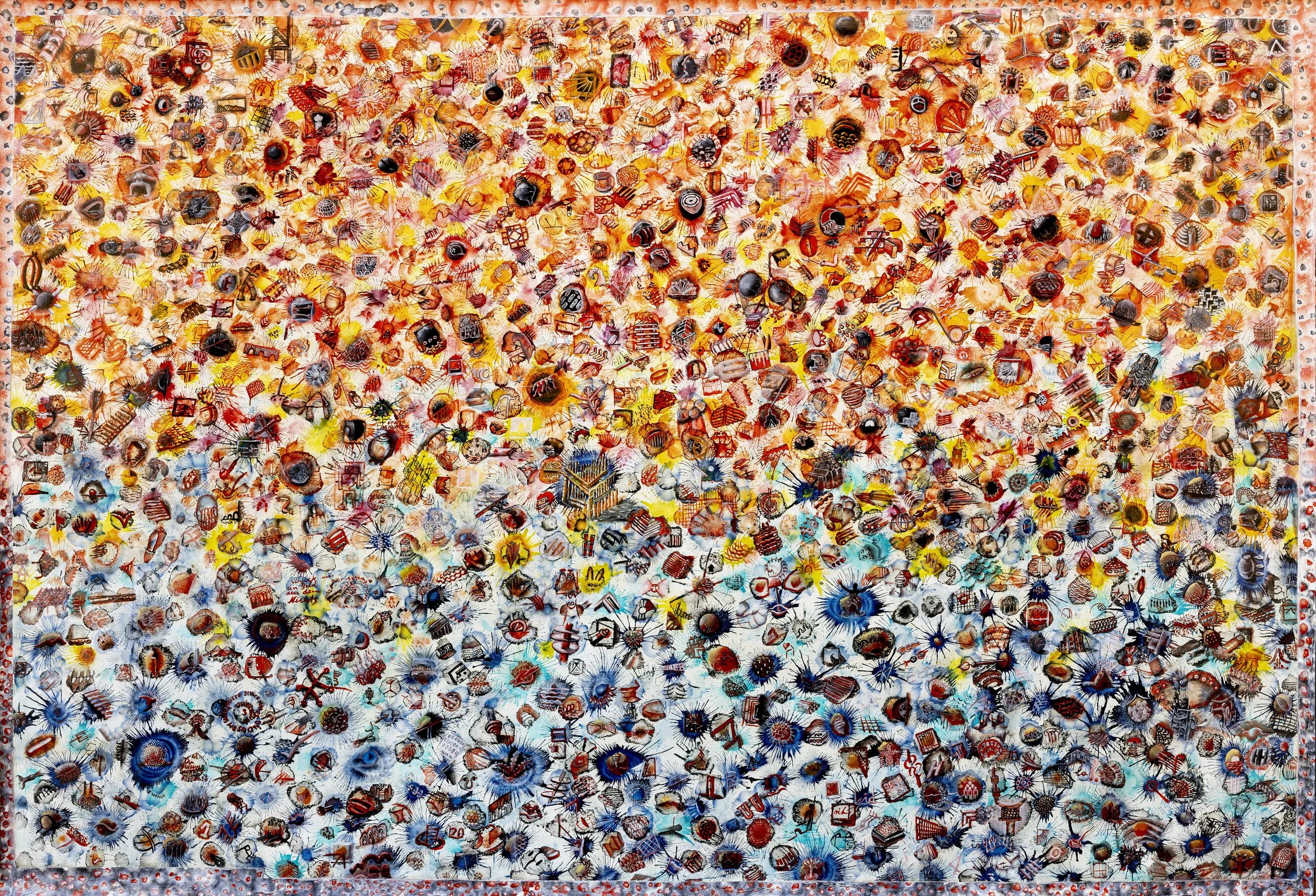
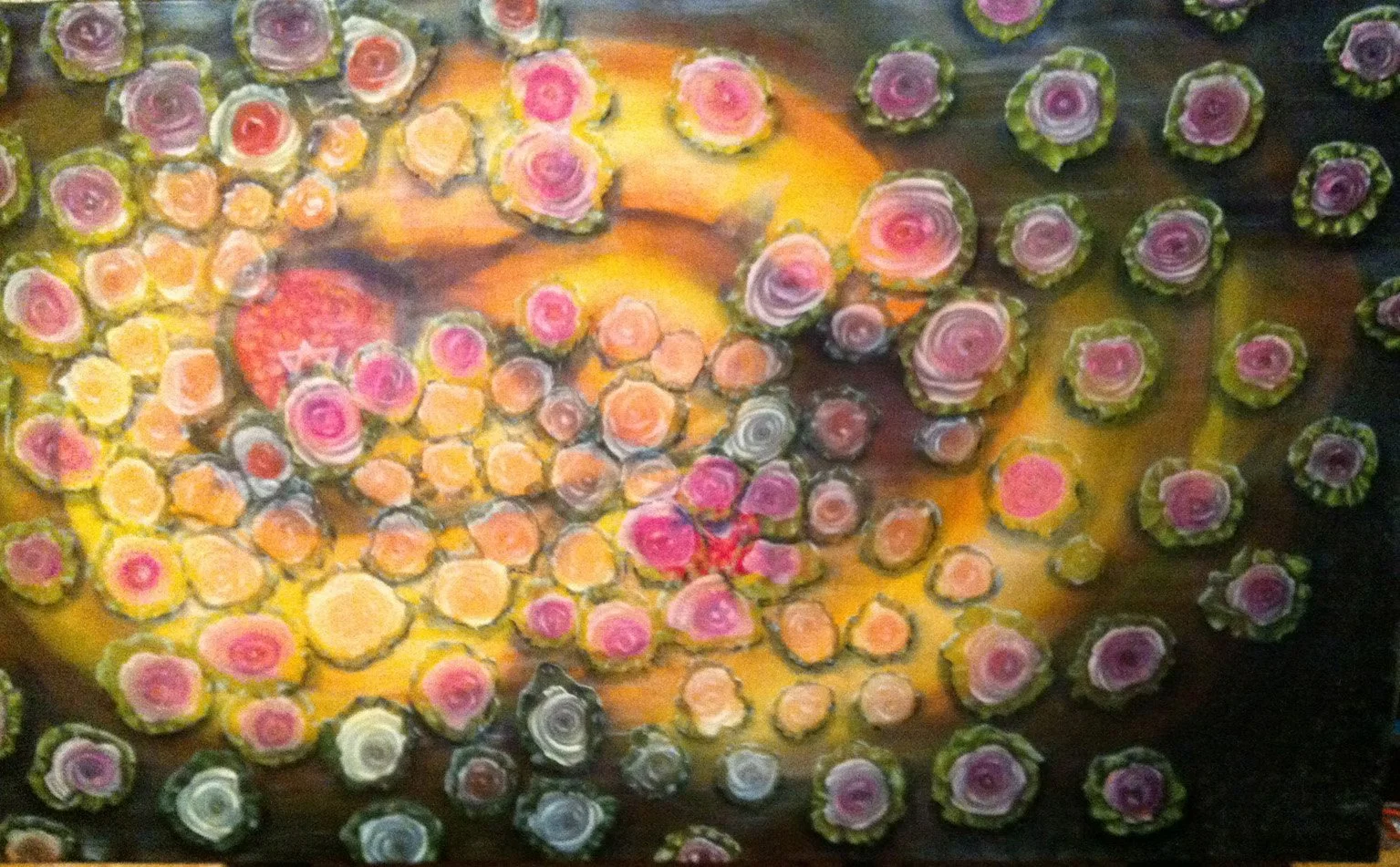
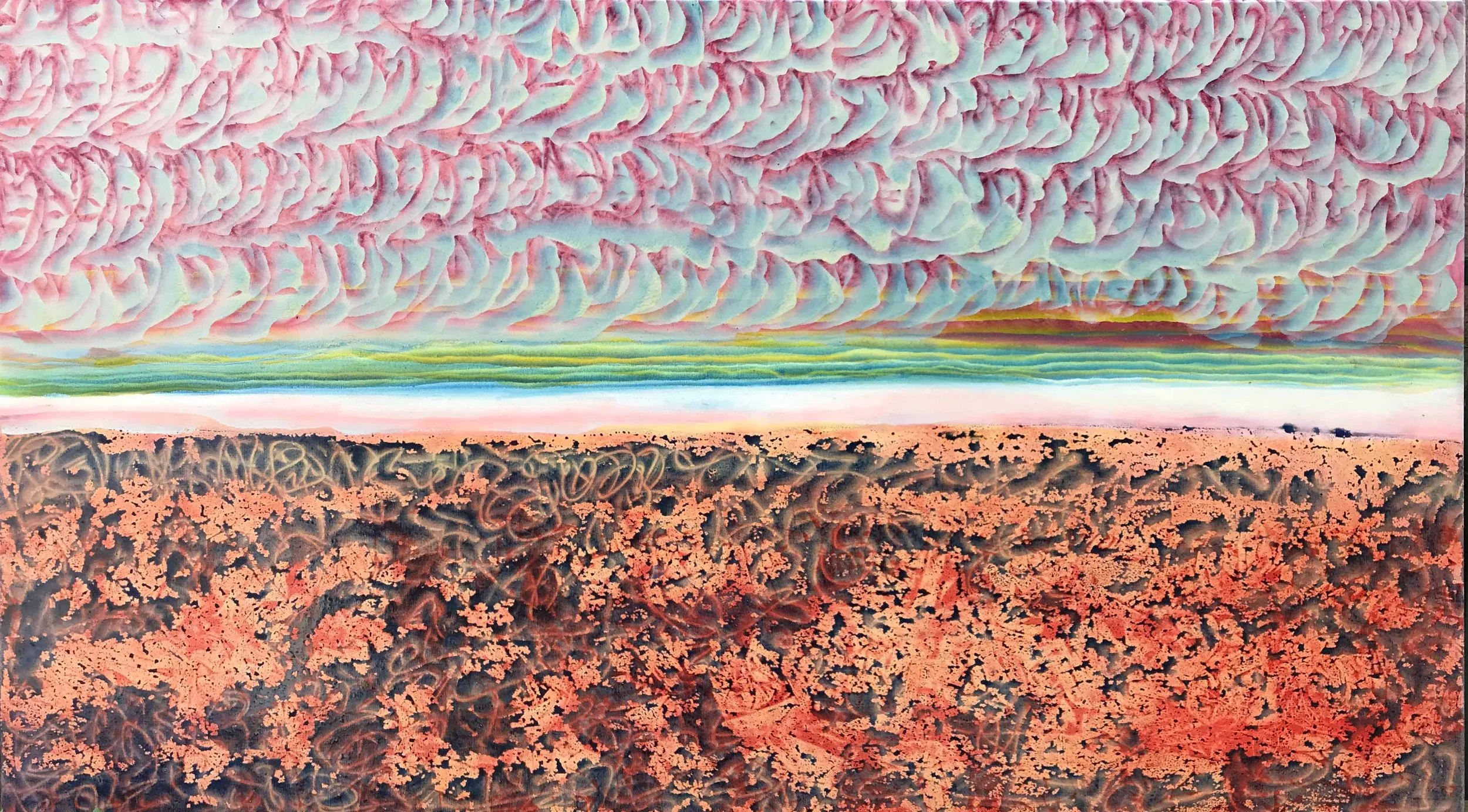
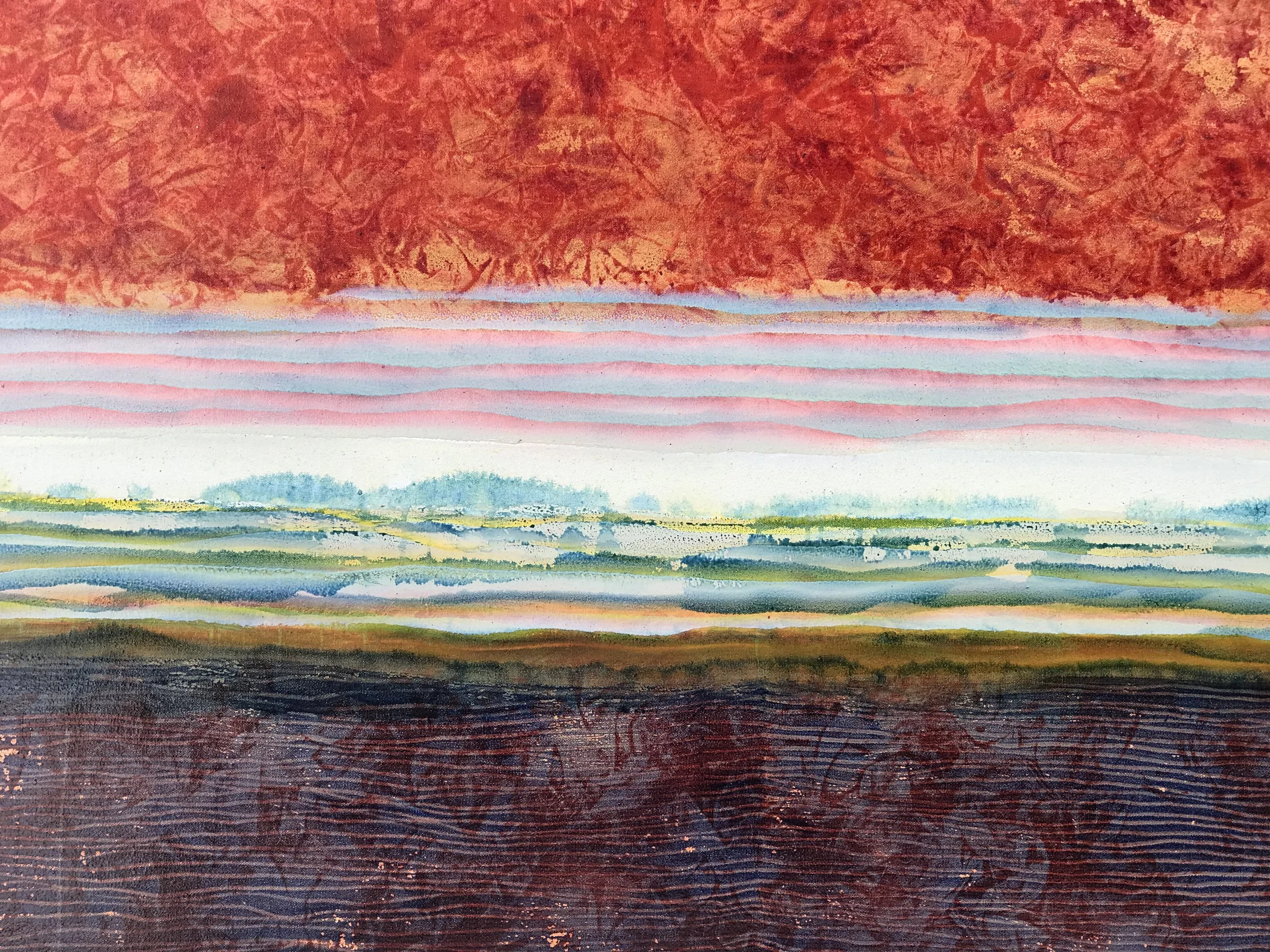
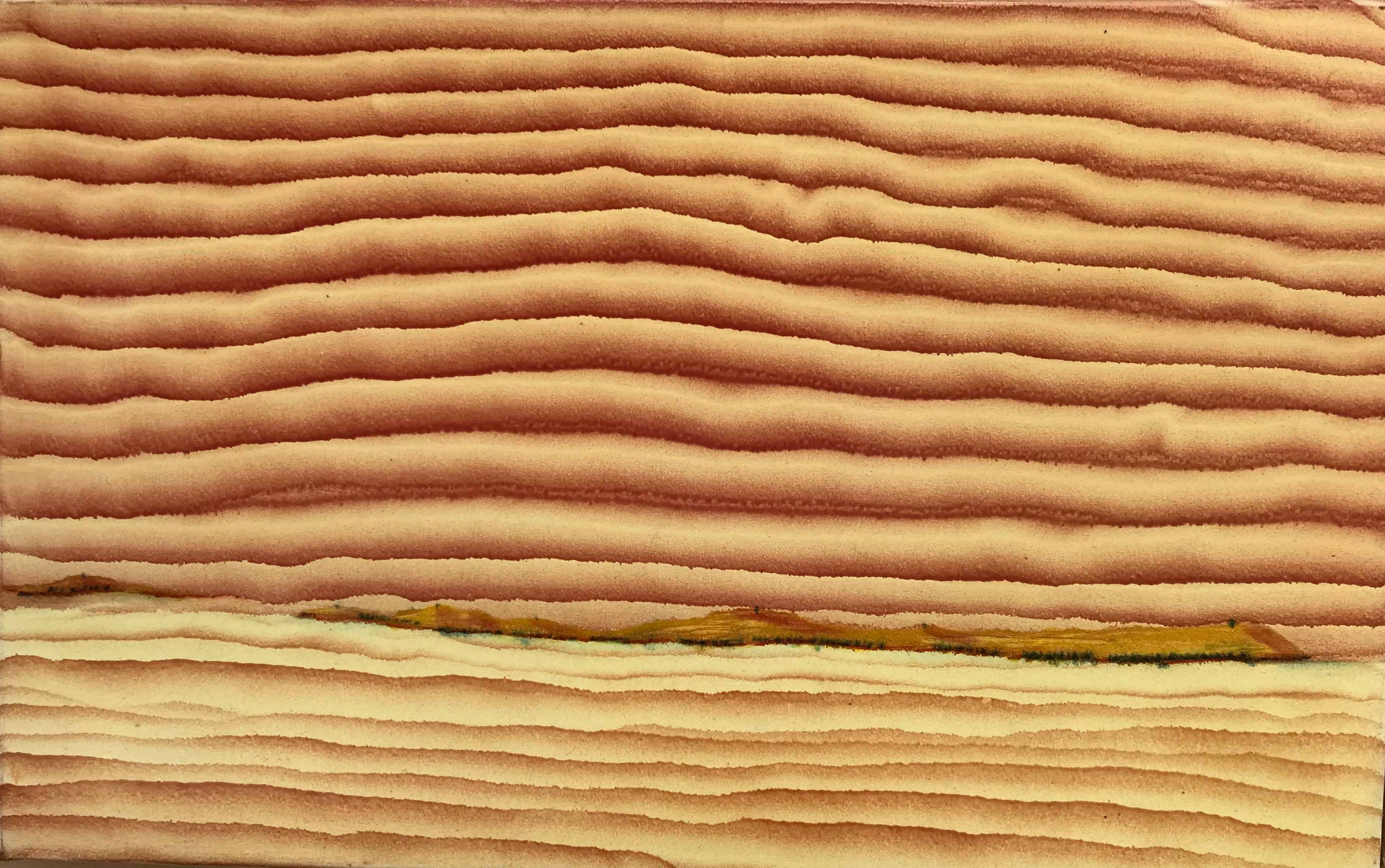
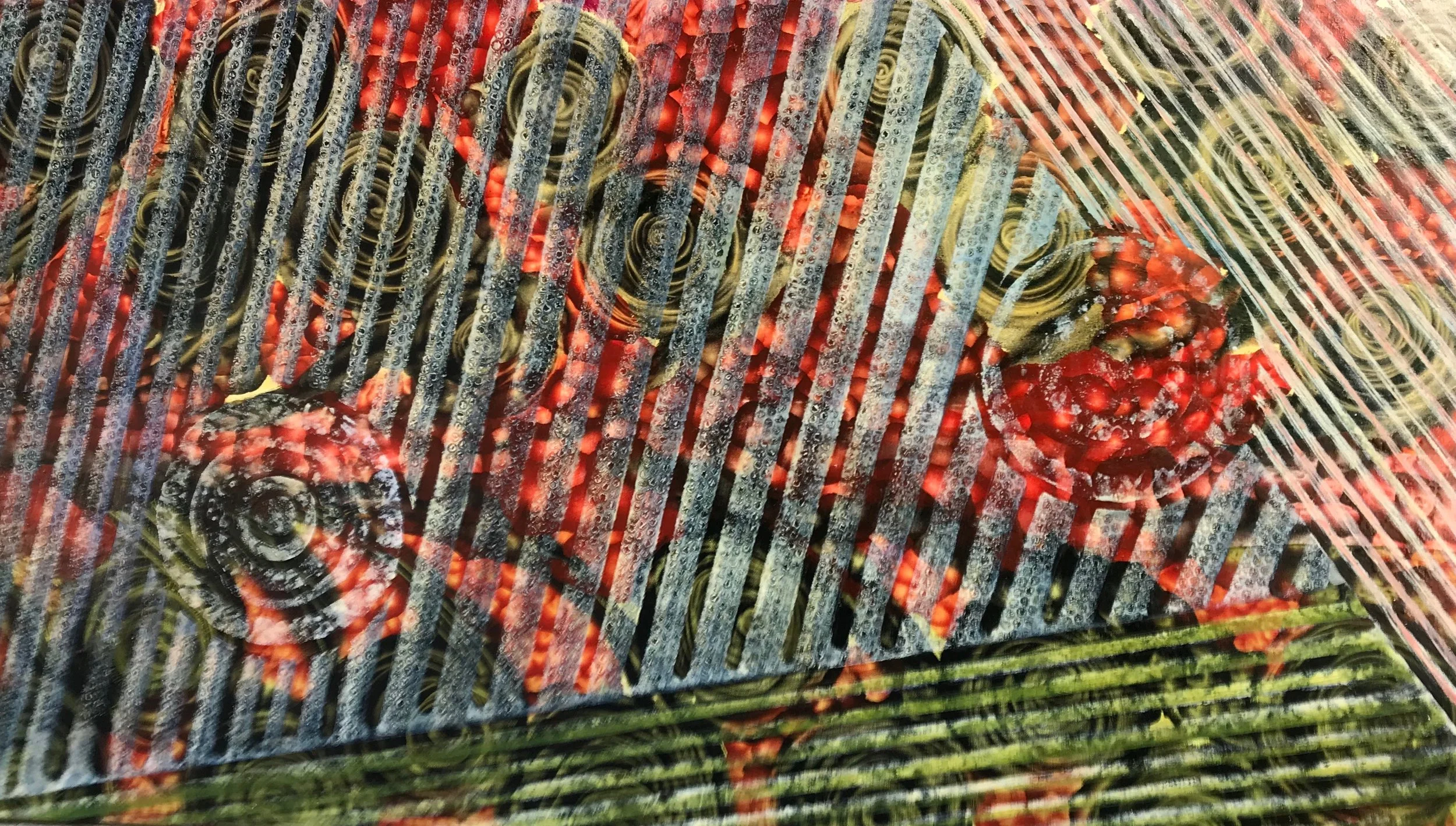
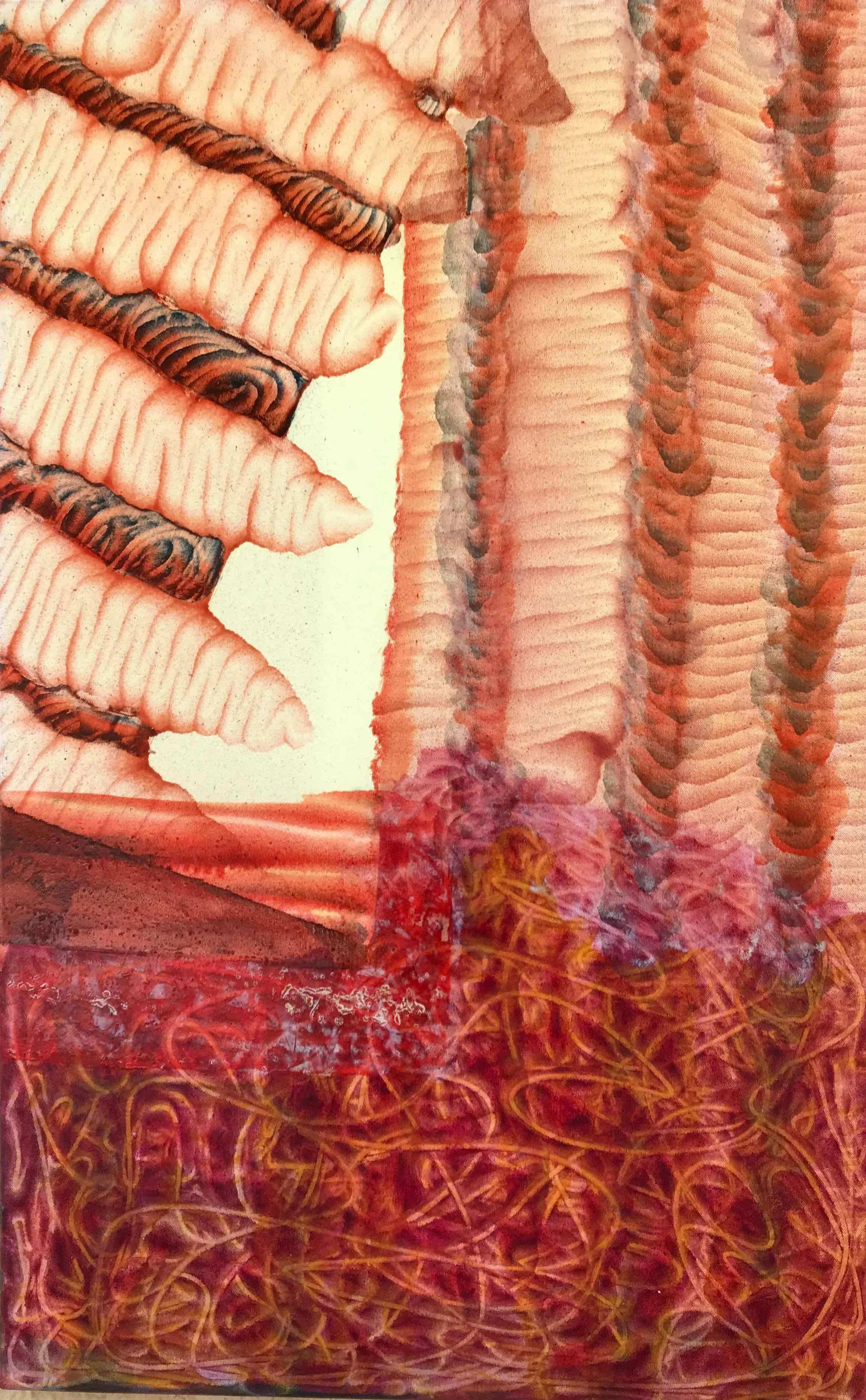
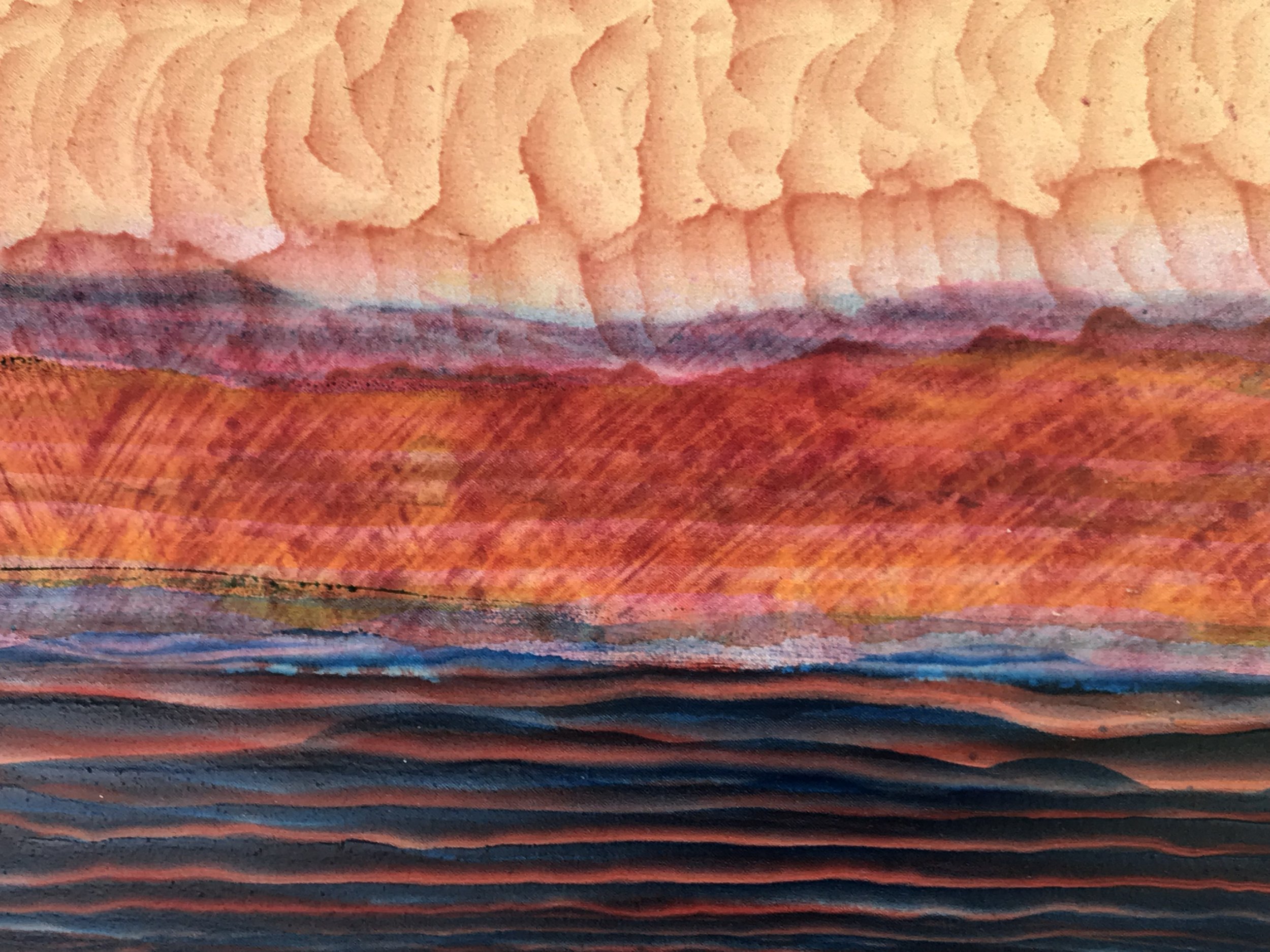
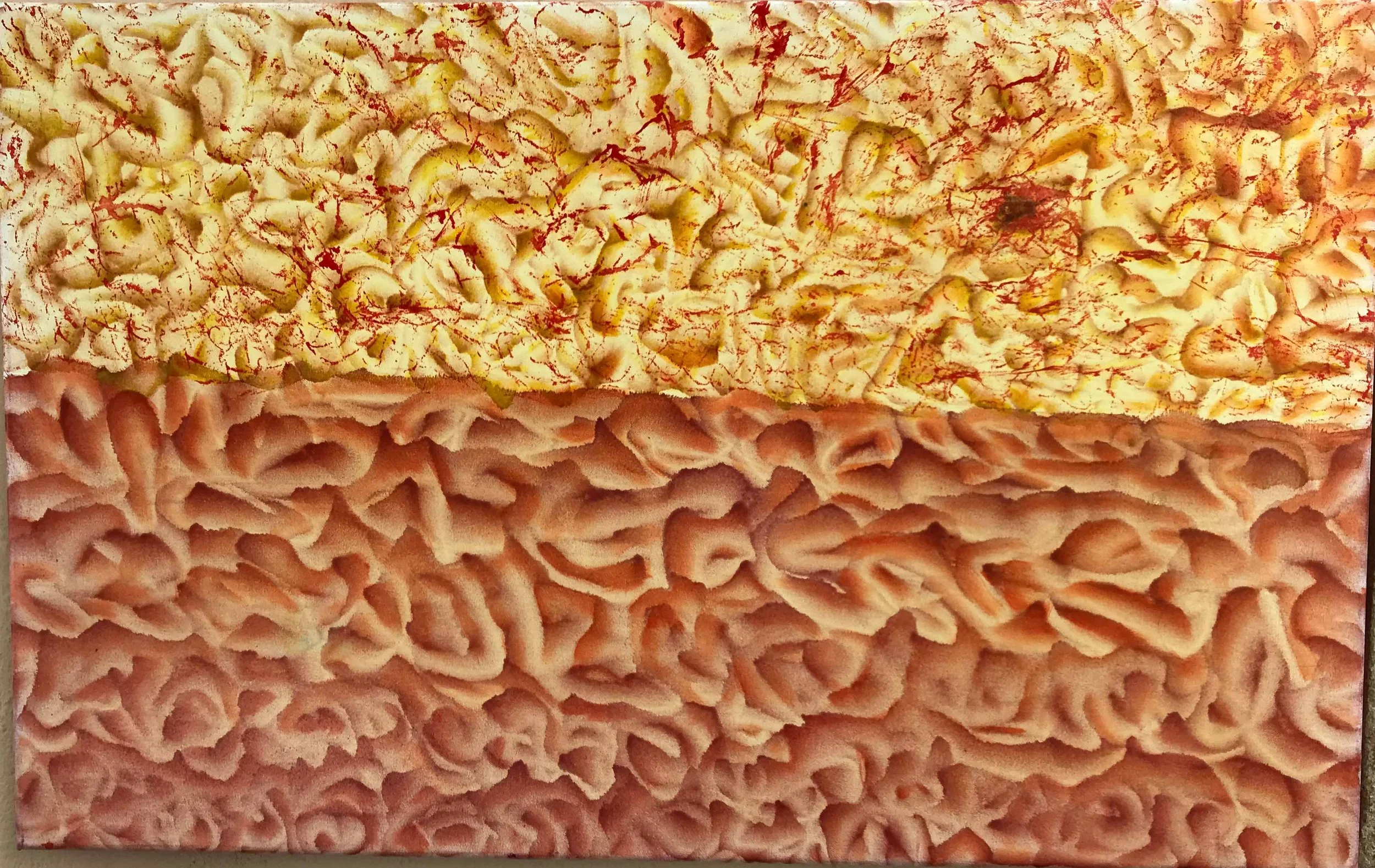
Born June 12, 1949, Wetzikon, Canton of Zurich, Switzerland Hometown Bäretswil, Canton of Zurich, Switzerland Current projects 2019-25: “Atlas of Imagination” painting project, Monte, TI, since the beginning of the pandemic. Book project: monograph in 3 volumes; “Atlas of Imagination,” “Imaginations,” and text in German and English with bibliography and Commentary on “Atlas of Imagination” by Petra von Bechtolsheim.
Education
1973-1978 Ensba, Ecole des Beaux-Arts, sculpture class of Prof. Etienne Martin, Paris, scholarship from the Canton of Zurich, Switzerland
Master student of Prof. Laszlo Szabo, Academie du Feu, Paris, France
Studied Chinese painting, Museum Cernushi, Paris, France 1976-1977 Study trip to the USA, Mexico, Guatemala, survived earthquake
1968-1970 Burghof Business School, Rapperswil, Switzerland
1968 Anglo-Continental School of English, Bournemouth, UK
"Inside out Art and Outside in and out Art"
With "Inside out Art" I learn more about my self and about the creative parallel world within me, in my soul, which I can only reach with the help of a personal meditation. "Outside in and out Art" for me is seeing from the eye, from the retina outside, seeing things and drawing them, it is copying the outside world. It is also the perceived outside, mixed with one's own state of mind, transformed into personal reflections and interpretations.
Inside out Art
For me, working artistically from within, from the inner self, means: looking meditatively into oneself and perceiving the images that arise before the inner eye, in order to then turn them outwards with drawings. The drawings give the inner images a face. They are scenography, fragments, textures, signs, pictograms from the inner world. In this way, images emerge that are only fragments, which only hint at the form, as if the drawn present wants to say: "here is also absence".
A game develops between the subconscious and the conscious. I find in the subconscious the energies, forms and spheres that I draw in the conscious. For me, looking into my subconscious is a purely personal, creative exploration of my inner self, without irritations and limitations from the outside. It is drawing as a spontaneous reflection of my own reality, unbound by arbitrary rules. Since my childhood I have been familiar with the creative teaching "...that everything that happens in visibility is an image from invisibility".
The associations present in the subconscious are expressed artistically. These associations in the subconscious are fed by all spiritual and sensual experiences. I want to sound out and experience my own subconscious and thus try to represent these impressions in my drawings, painting and art.
My aim is to find new perspectives on seeing and understanding conditioned by habits. On this path of creativity I reach the most authentic in me, and this with little effort. The path is an honest and wise one. To conjure the graceful images from a silence is like drawing water from a draw well. Everyone has the possibility and the luck to draw from this source, artists should use it. A look inside oneself shows the way out. It is as if Dschuang Dsi (around 365 BC; † 290 BC) said to me: "You look into the invisible, in the midst of the invisible darkness you alone see it dawning. You know how to grasp the depths of the deep, and you are able to shape the spiritual into seed power.
Outside in and out Art
"Outside in and out Art" for me, is seeing outside from the eye. "Outside in and out Art" practice is the drawing, copying of things and the outside world, a reshaping of reality. To distinguish things in order to connect them with a spontaneous, intuitive perception is "Outside in and out Art". Good examples of "Outside in and out Art" are art movements such as Objet trouvé, Ready made, etc. Objet trouvé and ready made are products of the idea from the outside. You find something and declare it a work of art.
Incorporating a new function into a thing is a genuine "Outside in and out Art" approach. In the mind, the idea comes from looking at an object. One thinks about how to transform the object into a different function and then rename it. The way to this idea was first by looking at it from the outside in and then through the reflection into an alleged work of art. The work of art thus created, however, lacks its own authentic idea from the inner eye, something of the artistic self. Who is the real author here, one might ask.
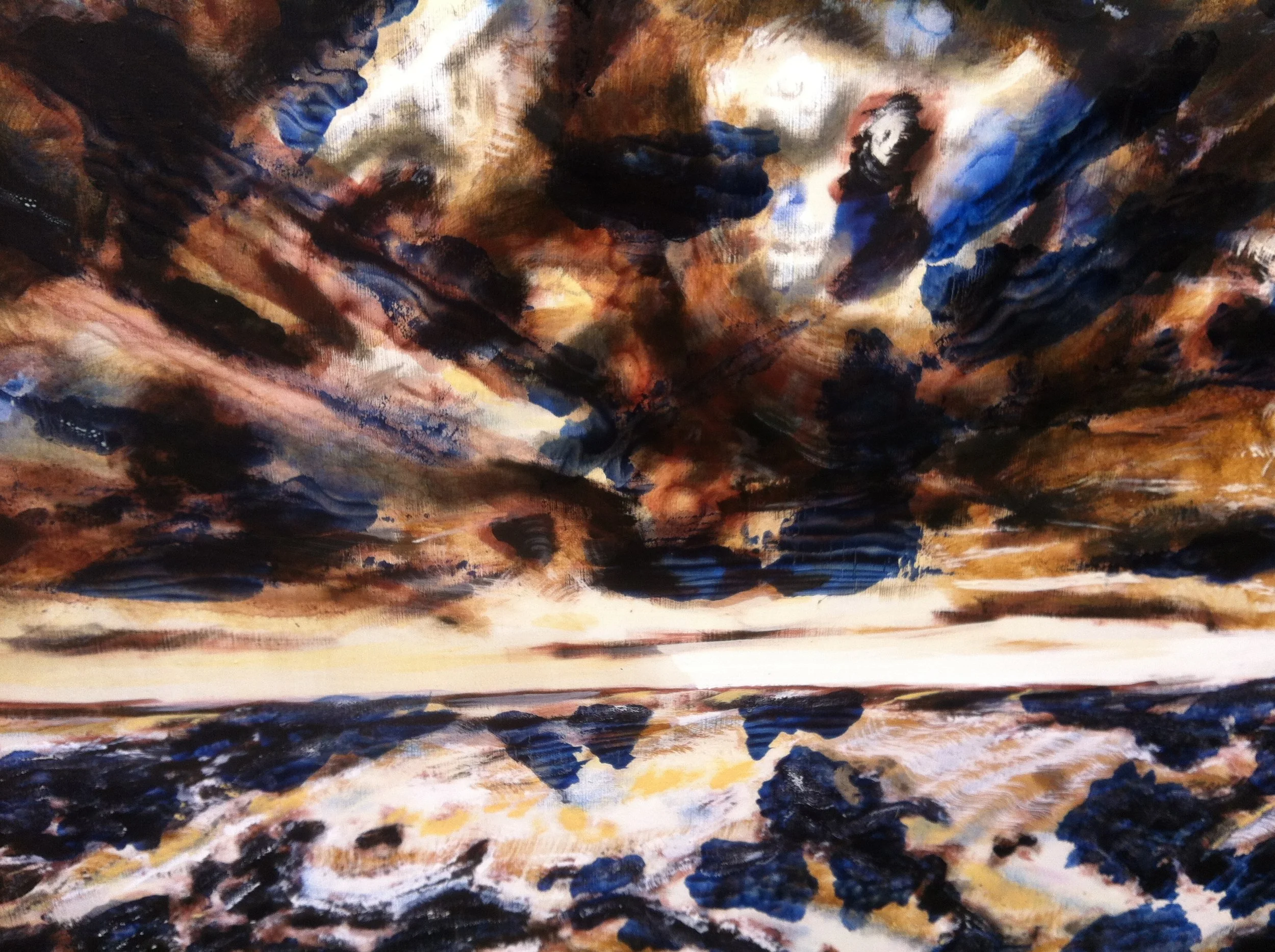
Another example from my own practice: The climate of 2018 made me aware of my own threatened state of mind. The heat of the summer was a threat to my body. The escape into the shade was decisive for the group of works "two fields, one centre". Whether storms, lightning, masses of water or conflagrations and heat - my preoccupation with natural events was intense and with great personal commitment. I searched for pigments that could give form to this heat and threat. I processed my own dystopian experiences and wove them into various paintings. The perceived outside, my state of mind, was transformed into personal reflections and interpretations.
Another very tragic example is described by Emile Zola in the novel "The WORK". Here, the obsession with imitating nature actually leads to a tragic suicide. Zola describes a painter who is obsessed with his painting and the painted naked woman on whom he changes colour tones with his brush for years in order to bless her in the divine. The painting and the naked woman in the painting become the focus of his life. He hardly notices his wife, who had been the model for this painting. The painted female body on the canvas radiates more power than the nude model herself. In nonsensical ecstasy, the painter rapes reality and exaggerates it into the supernatural. However, he fails in his claims to imbue the painted woman with a touch of divinity and hangs himself in the studio in front of his painting. His wife ends up in an asylum. Thus the murderous painting poisons two lives at once: that of the painter and that of his model.
The difference between artistic fantasy and artistic imagination? Fantasy often means freely inventing images, stories, or forms without reference to the artist's inner experience. It is a preview of the impossible, playing with absurd ideas or wild scenarios that have little to do with one's own life or experience. Imagination, on the other hand, arises from the artist's inner eye. It is about consciously transforming and reshaping experiences, feelings, memories, and thoughts. The images arise from a personal perspective, from what the artist has heard, seen, or felt—but in a way that makes it possible to visualize these inner contents. Imagination combines the subjective with aesthetic expression, so that the work bears an authentic trace of the creator's soul. The nature and character of my thoughts and feelings manifest themselves in the scenographies. This process enables me to gain deeper self-knowledge and achieve greater authenticity in my artistic expression. This is of great importance and talent.
What investors and artists should pursue? Dear investor and dear artist, if you want to follow the new movement in art history and the art market, then you should set out immediately and follow the manifesto of artistic imagination. “Inside out art” is currently replacing "artistic fantasy", which has become obsolete. This method has been around for too long in contemporary art. Now we need more authenticity from artists. In conclusion: A shift toward imagination can help contemporary art return to what it often does best—providing an honest, individual voice on the opportunities, problems, and values of our time.
Three simple characteristics that distinguish imagination from fantasy:
- Origin: Imagination comes from the artist's inner experience; fantasy comes from mental games or abstract ideas.
- Relationship to reality: Imagination is often rooted in personal experiences or more sensitive topics; fantasy moves freely in the realm of the exaggerated and surreal.
- Effect on the viewer: Works of imagination directly address one's own perceptions, feelings, and life experiences; works of fantasy impress with surprising images, but often remain abstract.