Hans Van Wingerden
-
Publications, articles, editions:
→ July 12, 1974, "Promising Exhibition," graduate exhibition, Brabants Dagblad
→ August 21, 1976, 'Art Journal - De Beyerd', Newspaper of the South
→ June 27, 1977 'Royal Grant for four Brabant residents' Brabants Dagblad
→ 09-09-1977 'Art Journal Insaid', Newspaper of the South
→ 1993 Reports (2), published by the Kruithuis Museum
→ 11-02-1986 'Abstraktion und Gegenständlichkeit', Frankfürter Algemeine
→ 1984 Painting in North Brabant after 1975, published by NBKS, Breda
Self-published:
→ 1991 Work 1990/199
→ 1991 Neither language nor sign, on the autonomy of action
→ 1992 Wit, published by the artist association Wit
→ 1993 Networks, work following the exhibition of the same name
→ 2009/2010 “The Crossing”, Photo Project
-
Solo, among others
→ 2026 Contemporary Art Cabinet, 's-Hertogenbosch
→ 2010 Hooghuis Photo exhibition, Heusden
→ 2000 WTC, Amsterdam
→ 1995 "Networking" The Appearance, Tilburg
→ 1992 Gallery De Pook, Hengelo
→ 1992 Museum Blankenstein/Northern Art Court, Appingedam
→ 1989 Strauß Hall, 's-Hertogenbosch
→ 1985 Galerie Das Auge, Lauda, FRG
→ 1984 Foundation Artist and Consumer, 's-Hertogenbosch
→ 1983 Reports, Het Kruithuis Museum, 's-Hertogenbosch
Groups, among others
→ 2025 Open Studio + exhibition, 's-Hertogenbosch
→ 2025 Making way, Roermond
→ 2024 New Art Space, 's-Hertogenbosch
→ 2023 Open Studio + exhibition, 's-Hertogenbosch
→ 2022 Northern Art Light, 's-Hertogenbosch
→ 2021 Art Route, 's-Hertogenbosch
→ 2019 Poetry, Theater a/d Parade, 's-Hertogenbosch
→ 2018 Zwaneberg Cultural Center, Heist-op-den-Berg, Belgium
→ 2005 Art Center Keg, Schijndel
→ 2001 Stokpunt, 's-Hertogenbosch
→ 1997 Typeface Café, Dairy Factory, 's-Hertogenbosch
→ 1995 BMW project (+ Leon van den Bogaert), Flughaven, Munich, FRG
→ 1995 C. Factory, Turnhout, Belgium
→ 1993 Gallery Germinahof, Sterksel
→ 1992 Gallery Reinart, Oyen
→ 1993 Der Tufa, Trier, FRG
→ 1990 Gaanderij Guest House, 's-Hertogenbosch
→ 1986 White, Krabbedans, Eindhoven
→ 1978 Museum Het Kruithuis, 's-Hertogenbosch
→ 1979 Galerie Bouma, Amsterdam
→ 1978 Gallery Insaid, Oisterwijk
→ 1977 Royal Grant, Municipal Museum, Schiedam
→ 1976 'Land in sight', De Beyerd, Breda
→ 1974 Provincial House, 's-Hertogenbosch
-
→ Royal Grant 1977
-
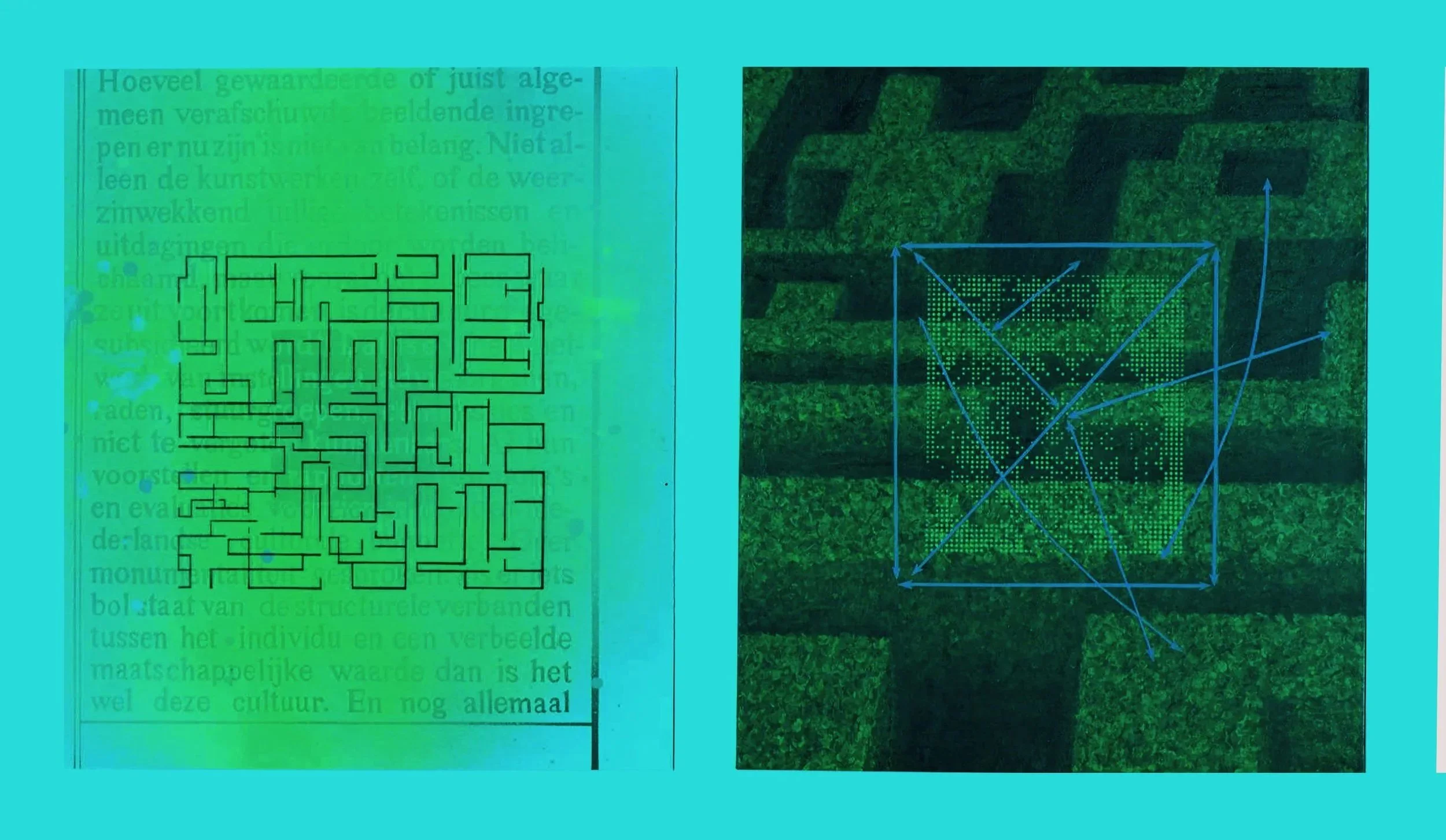
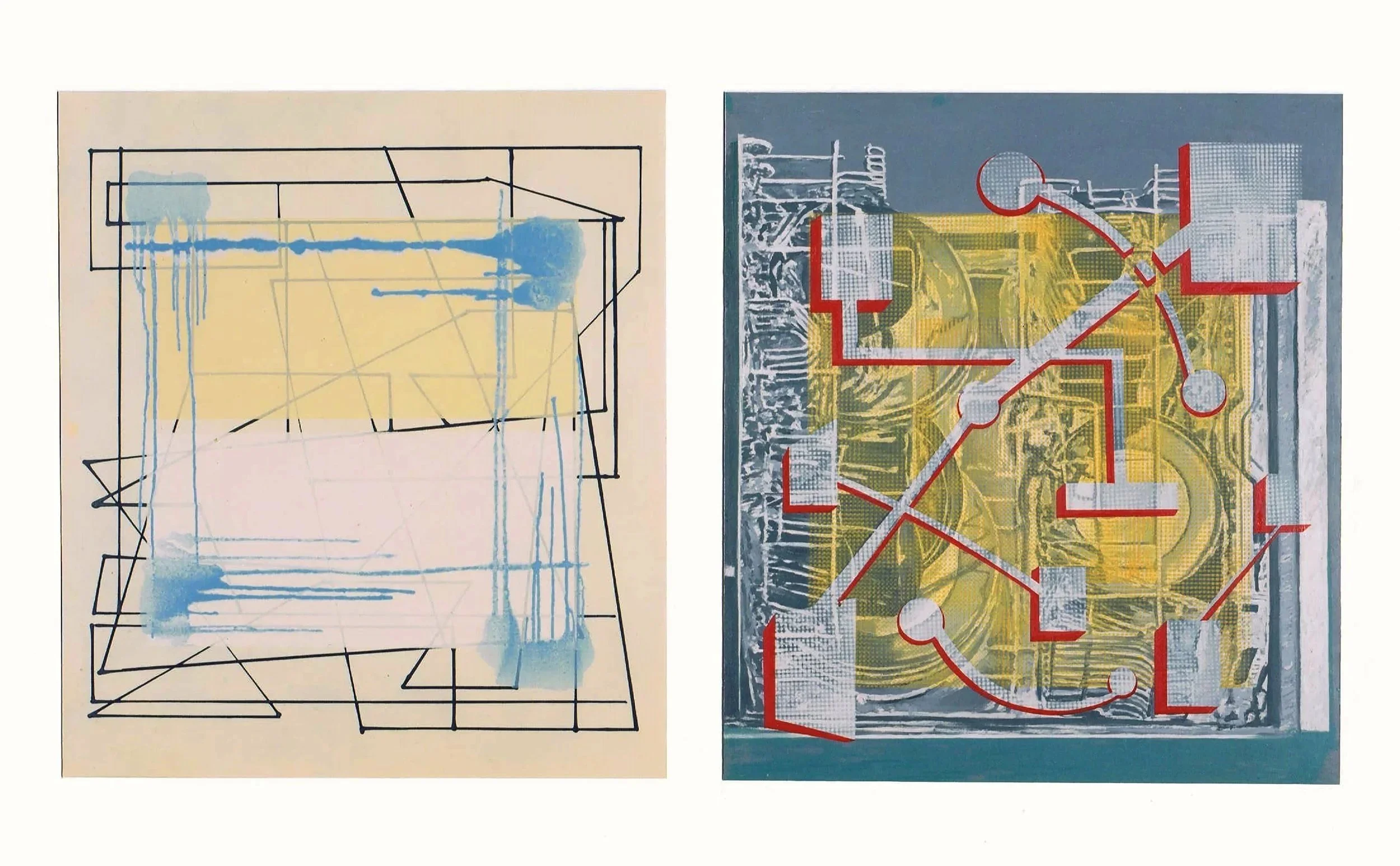
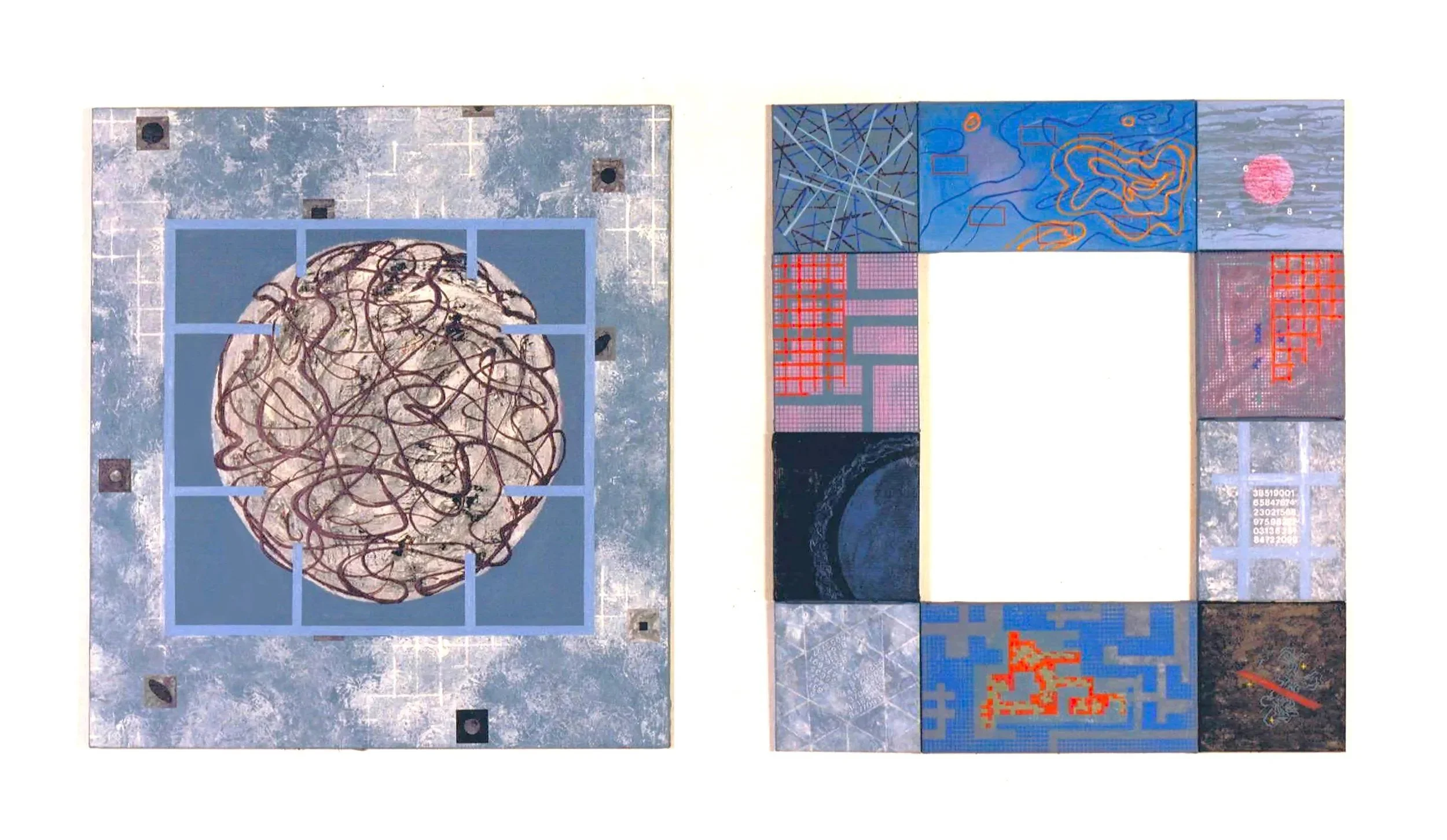
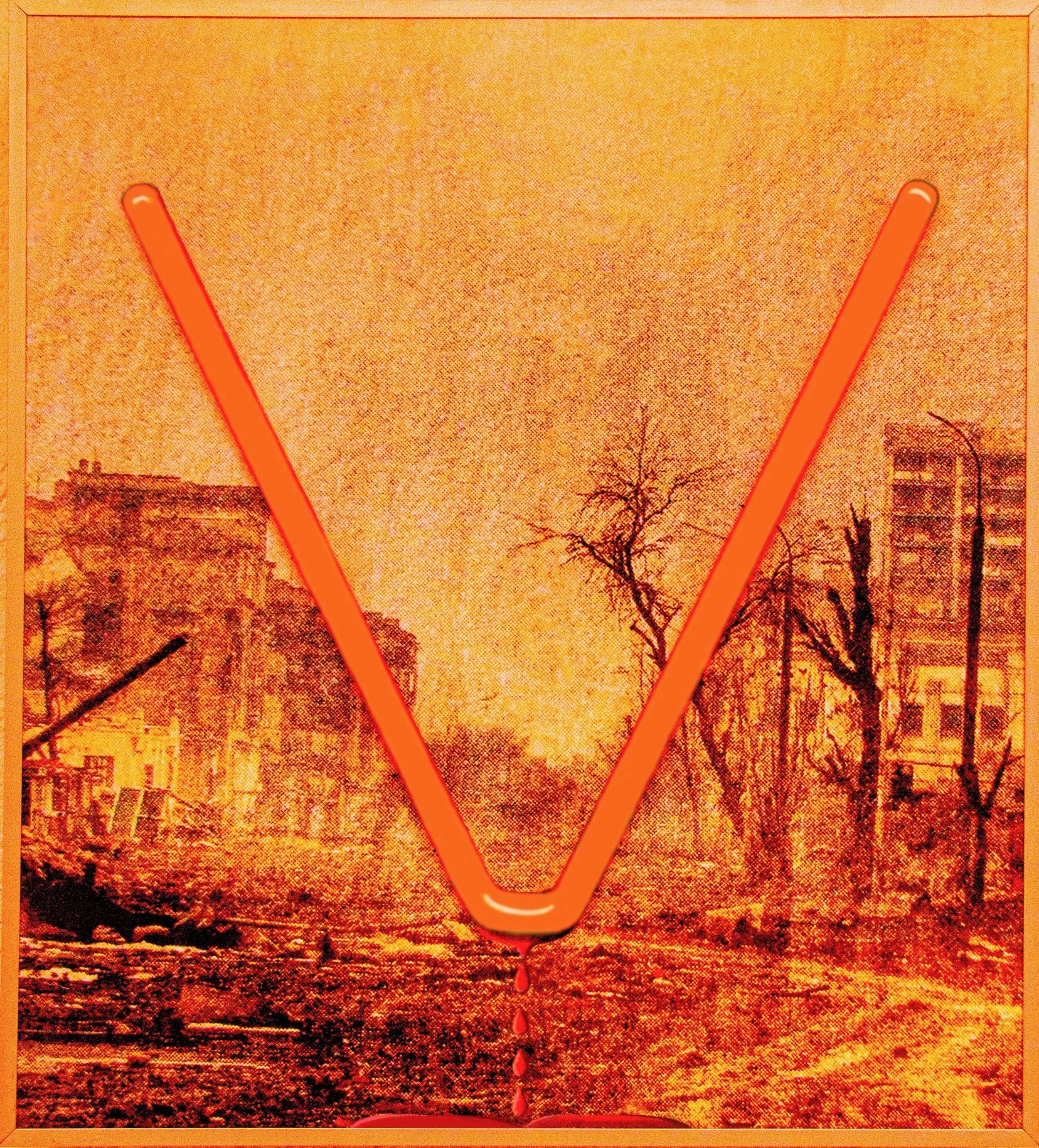
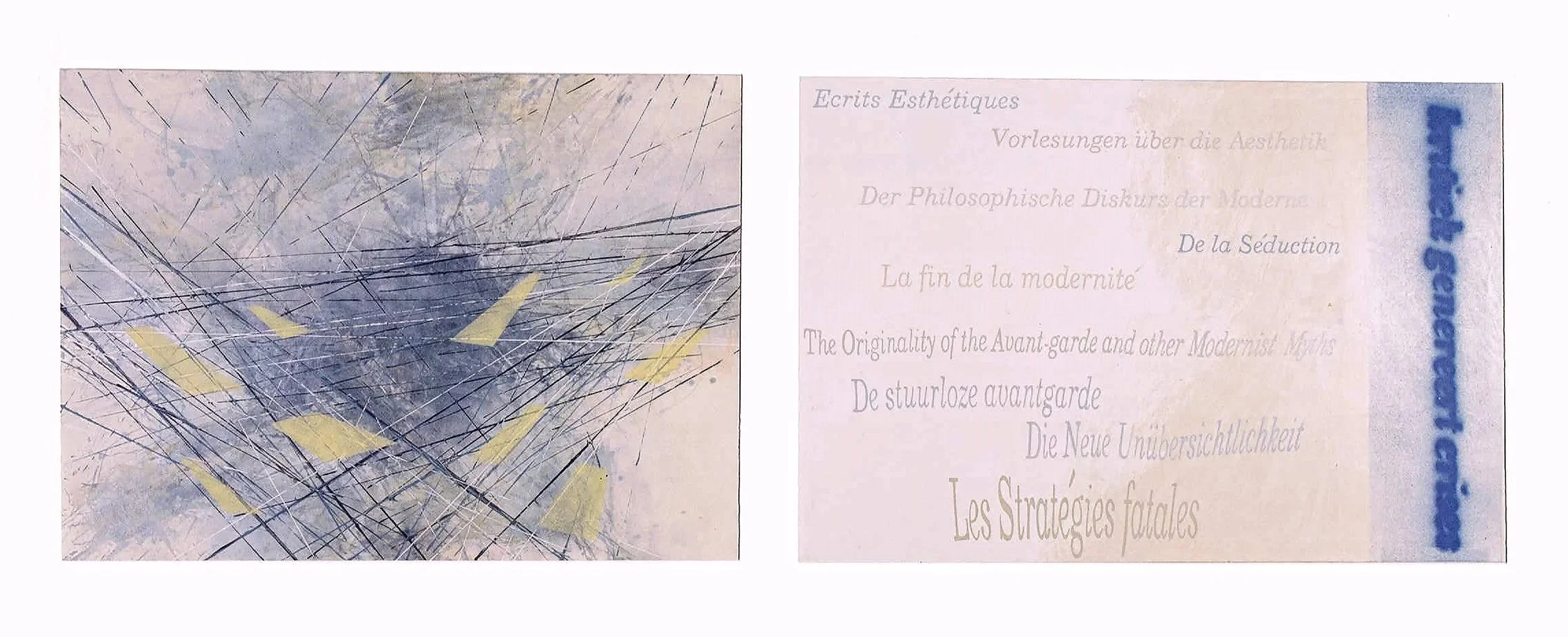
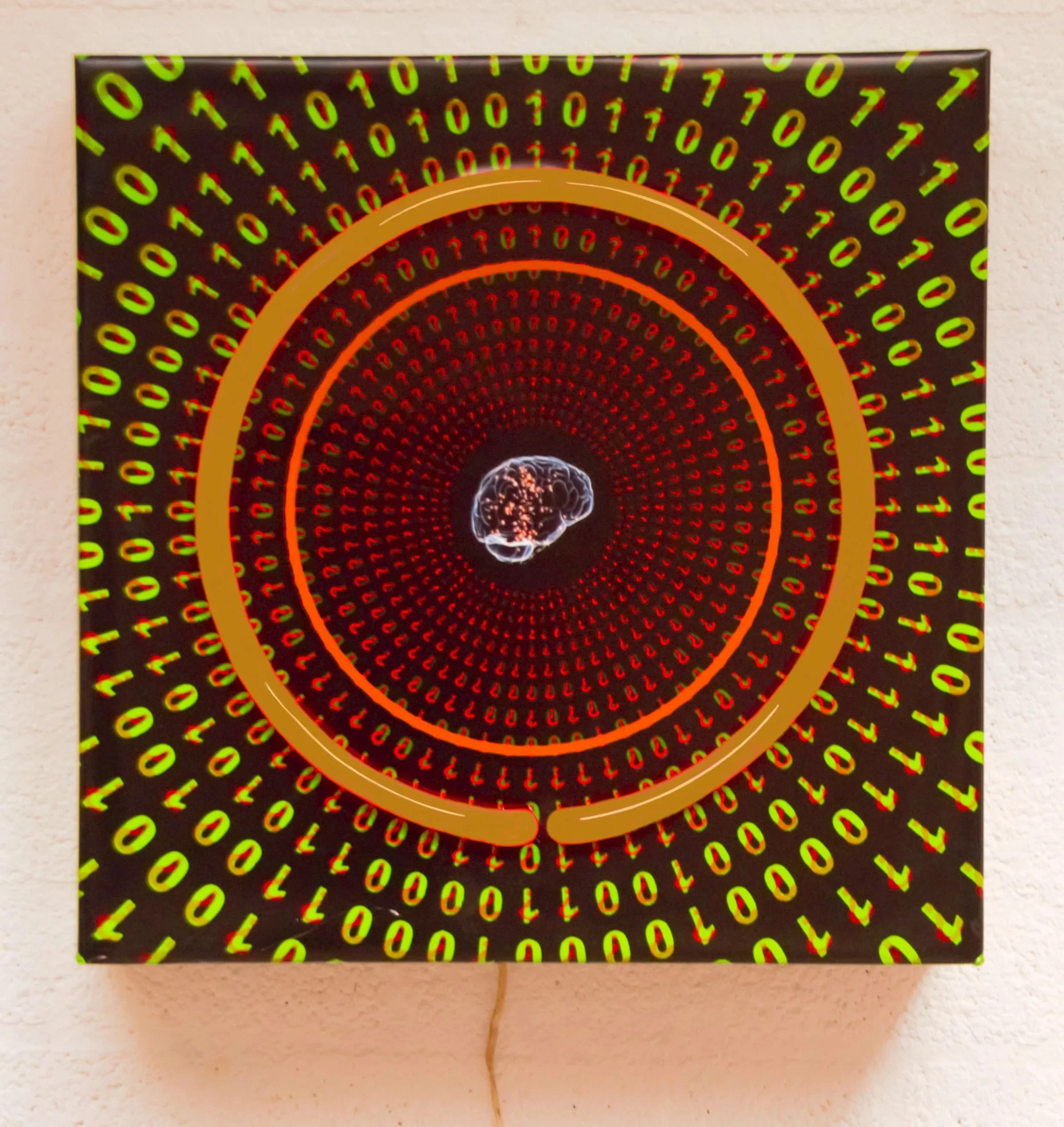
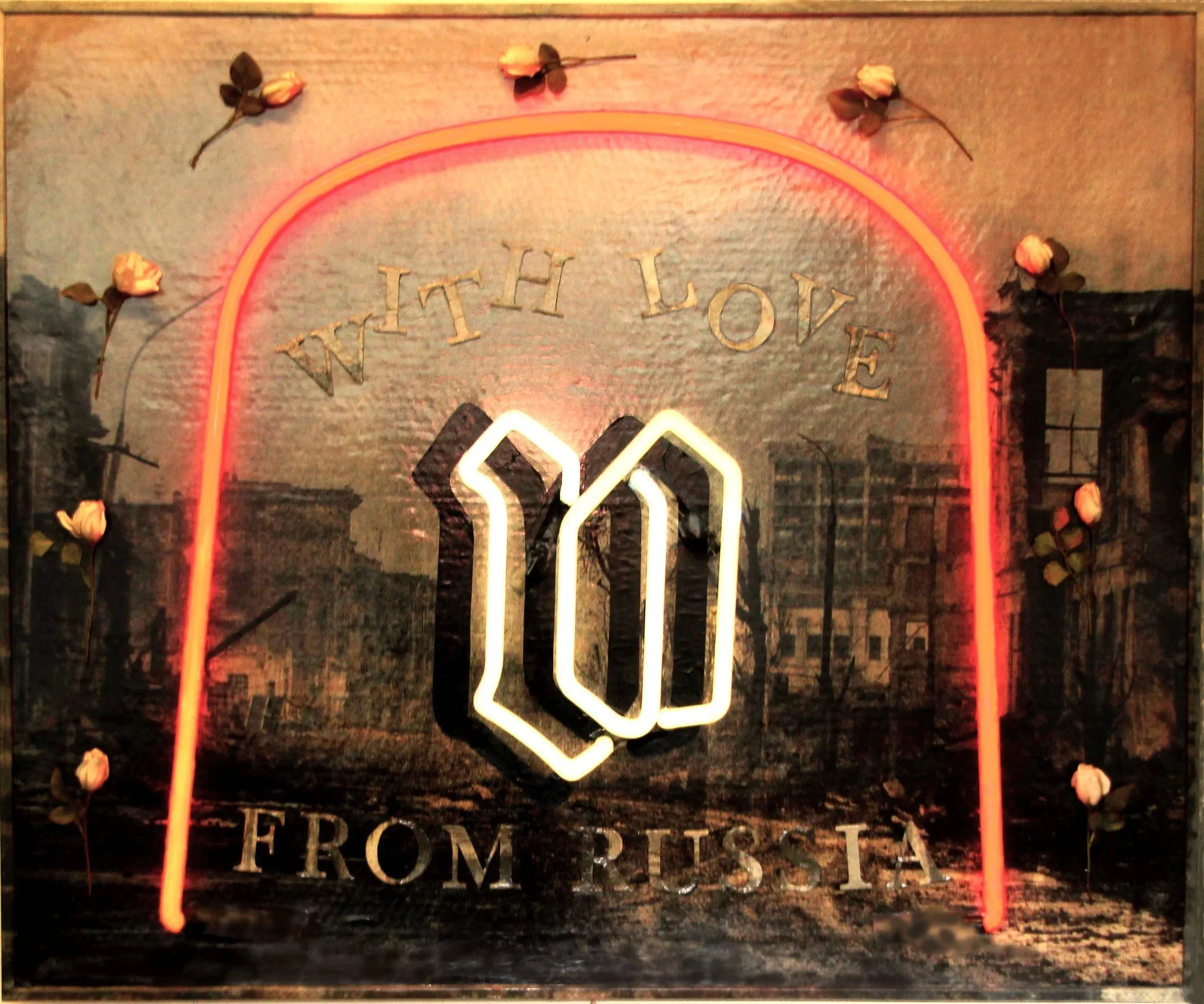
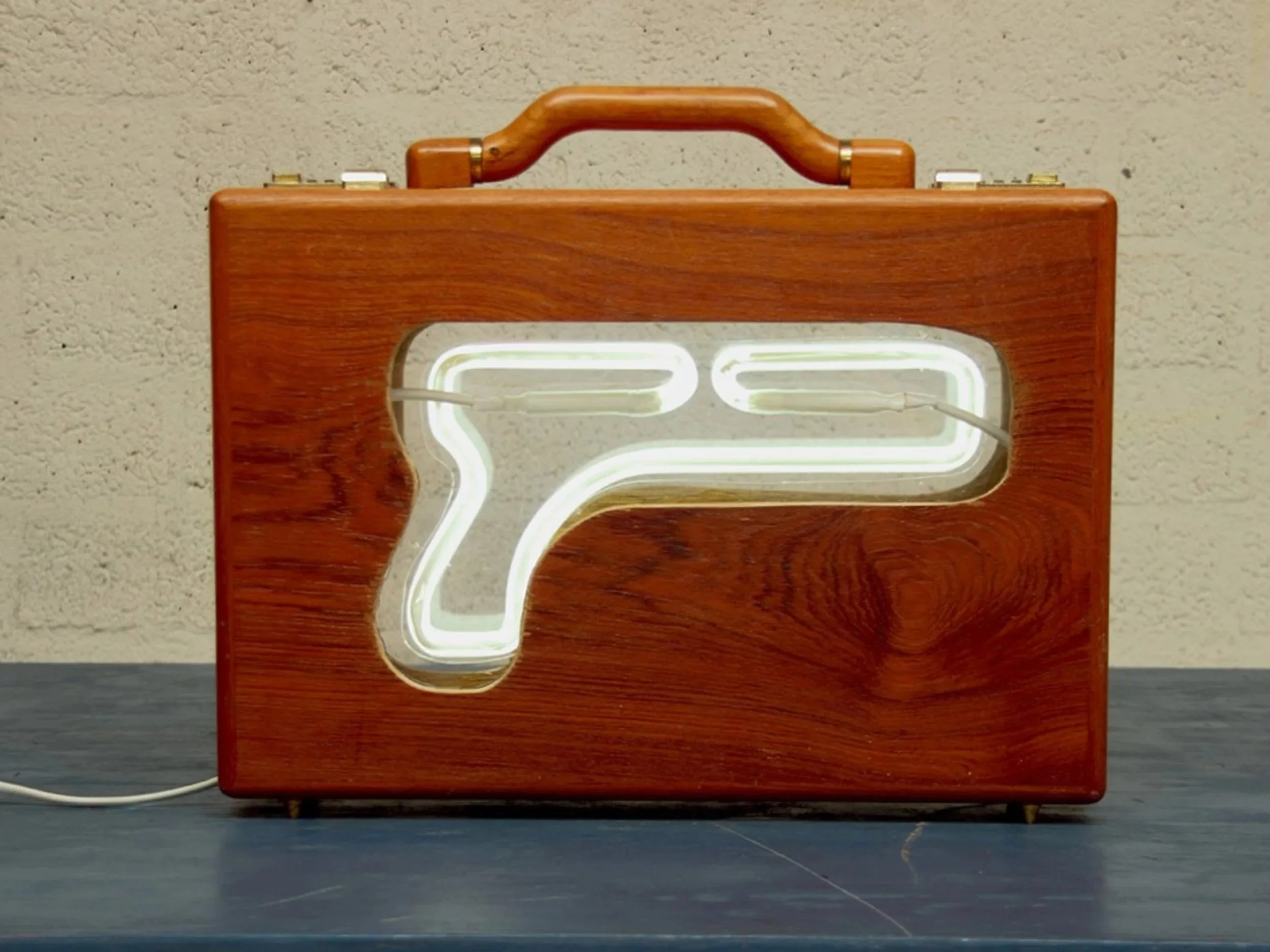
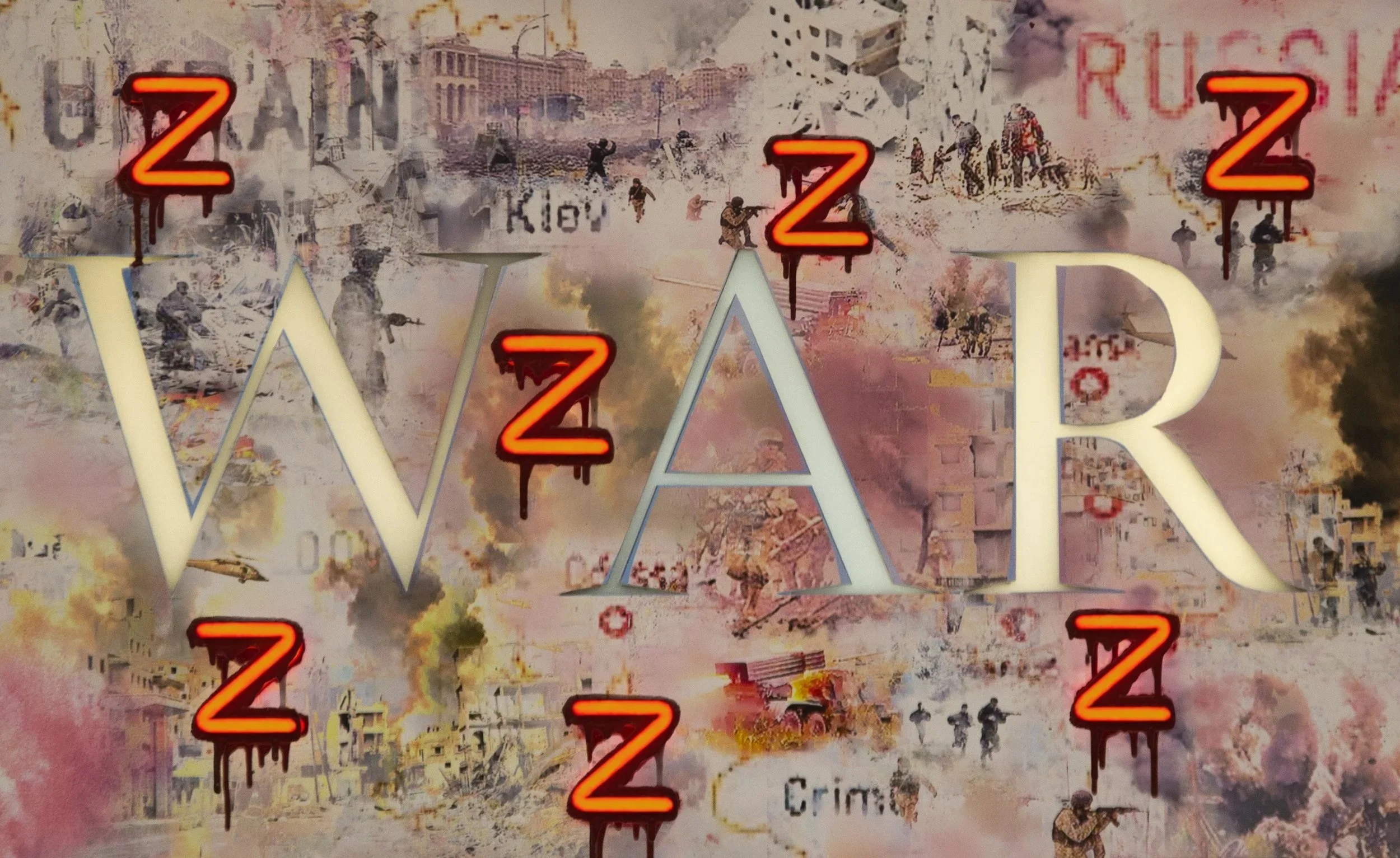
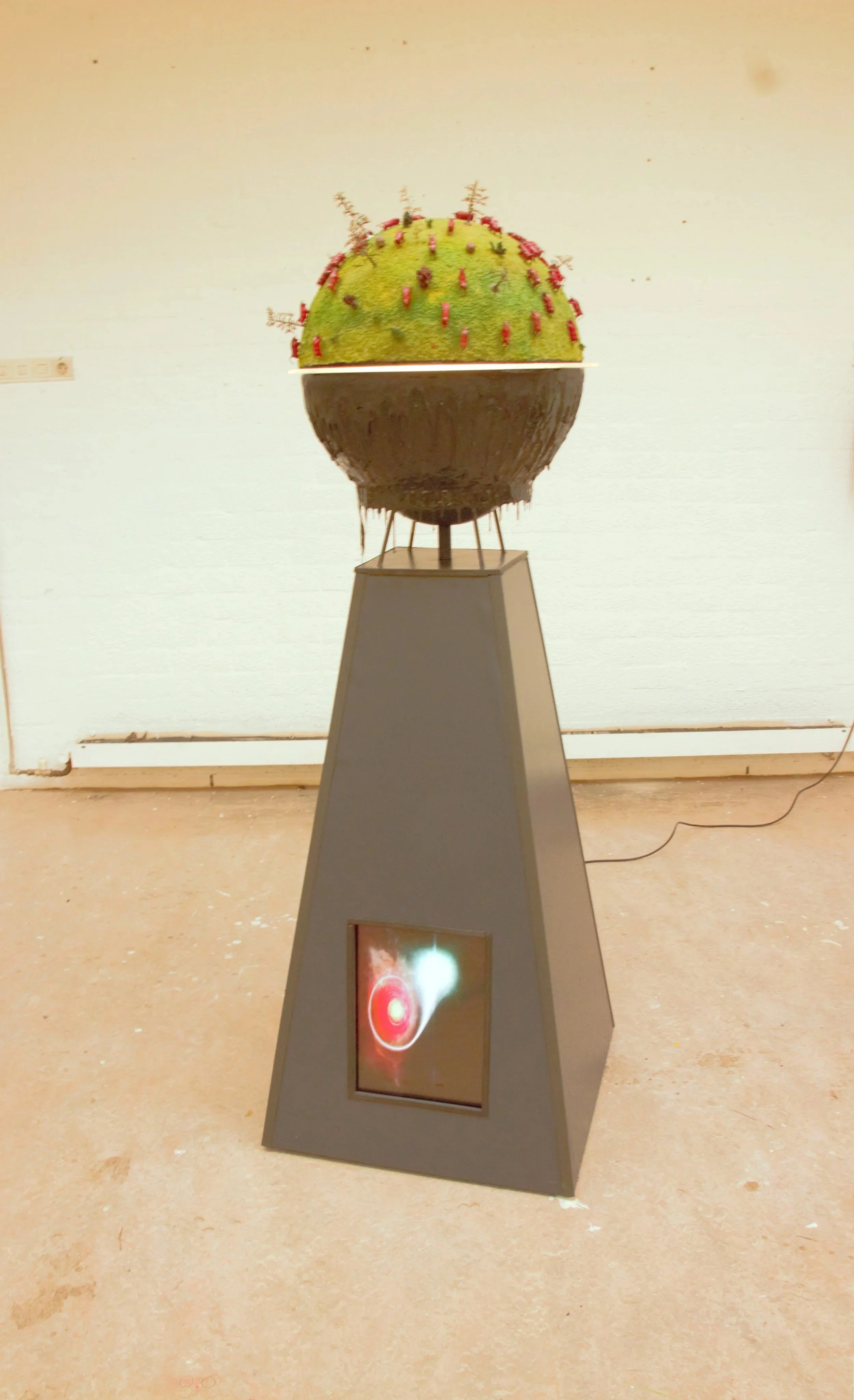
My work has spread across many areas over the past 45 years. Partly out of need, partly out of necessity. For this introduction, need is most relevant.
Starting out as a realist—after all, it was during my graduate studies that photographic realists made their breakthrough—my work underwent several developments. Although I had some success with my photographic realist work (Royal Grant), I still found it too labor-intensive, or perhaps I should say, too artisanal.
After all, the working process consisted of the design, which took only a few hours, and the execution, sometimes several weeks or months. Moreover, interest in this work waned sharply, partly due to the rise of digital photography, so I turned to other forms of expression, such as new figuration, then geometric abstraction, until abstraction followed, which focused solely on the language and sublimation of the act.
These developments certainly weren't abrupt, but rather a gradual transition, both visible and explainable. I never felt focused or inspired by the current trends, which is understandable, as the hypes followed one another quickly and had too many impactful aspects. I followed my own path in my research into the image, the concentration of painting, and the obsession with the act.
After that period, around 1996, after I had painted the entire post-war "avant-garde," everything came together. A working method emerged in which the image acquired a structured and conceptual basis. All the techniques I had previously employed were now secondary, the technical handling of the material sometimes not unimportant, but in service of the meaning.
This conceptual nature of my work has never left me. I have, however, used variations in materials because a meaning requires maximum expression. In this process, the three-dimensional aspect has also become a new possibility. After demolishing a lot of neon from factory buildings that would otherwise have been swallowed up by a dumpster, I started using it regularly, using neon light as a reinforcing element.
Regarding my photography: during my travels, the need to focus on the image that lingers on the retina remained. A side trip to celebrate the beauty of the snapshot.