Maurizio D’Andrea
-
Books:
→https://www.blurb.com/user/maurizio12
Interviews:
→https://www.loonacontemporary.com/it/maurizio-d-andrea
→https://www.melobox.it/viaggio-nellinconscio-larte-astratta-di-maurizio-dandrea-a-bruxelles/
→https://thechicagojournal.com/maurizio-dandrea-a-journey-into-the-unconscious-and-geometric-abstraction/
→https://ritzherald.com/the-pictorial-introspections-of-the-artist-maurizio-dandrea/
→https://www.thenewyorktoday.com/the-psychological-landscapes-of-the-painter-maurizio-dandrea/
→https://washington-mail.com/the-soul-told-by-the-international-artist-maurizio-dandrea/
→https://techbullion.com/maurizio-dandrea-and-jungian-symbolism/
→https://ceoweekly.com/exploring-the-depths-of-the-mind-the-art-of-maurizio-dandrea/
→https://feedsportal.com/maurizio-dandrea-an-abstract-maestro-redefining-the-artistic-landscape/
→https://artdaily.com/news/163432/Maurizio-D-Andrea--The-Alchemy-of-Abstract-in-Contemporary-Art
→https://www.scoopearth.com/the-vortices-of-the-international-abstract-artist-maurizio-dandrea/
→https://apnews.com/press-release/kisspr/visual-arts-11d528fc5f46b0aabd45f310831e23a2
→https://www.newsbreak.com/1681608/3222036400622-italian-abstract-painter-maurizio-d-andrea
→https://hazelnews.com/maurizio-dandrea-the-soulful-brushstrokes-of-an-italian-abstract-painter/
→https://www.ilvaloreitaliano.it/maurizio-dandrea-lartista-vulcanico-tra-numeri-e-colori/
→https://www.expartibus.it/maurizio-dandrea-la-sete-eruttiva-di-un-artista-vulcanico/
→https://creativinn.com/event/metaversi-introversi-maurizio-dandrea/
→https://www.artmajeur.com/dandreart-info/en/artworks/16211305/origine
→https://www.venderequadrishop.it/vendor/maurizio-d-andrea.html/
→https://www.pitturiamo.com/en/modern-painting/lighthouse-244091.html
→https://www.redbubble.com/i/socks/POMPEI-by-dandreart/92584644.9HZ1B
→https://www.xquissive.com/page/9/?author=0
→https://www.blurb.de/user/maurizio12
→https://www.mutualart.com/Artist/Maurizio-D-Andrea/9590B9329CBE1DA9/Biography
→https://www.contemporaryartstation.com/new-era-exhibition-1/maurizio-dandrea
-
Personal exhibitions
→ 2025 – The Redemption of the Ugly Psyche, presented by Radini Tedeschi, Varese, Lombardy, Italy
→ 2025 – Liberarti, Alba, Piedmont, Italy
→ 2024 – Fragments of Psychic Energy, Galleria Steiner, Vienna, Austria
→ 2024 – The Deep Spirit, Jelmoni Studio Gallery, Piacenza, Italy
→ 2023 – Wandering Psyche: Abstract Explorations, Asti, Italy
→ 2023 – Abstract Painting of a Traveling Unconscious, Brussels, Belgium
→ 2023 – Significance – The Depth of Being, Rome, Italy
→ 2022 – The Forms of Being, Paris, France
→ 2022 – Unconscious to Be Read, Milan, Lombardy, Italy
→ 2022 – Metaverses.Introverses, Madrid, Spain
→ 2022 – Direzione.Inconscio, Turin, Piedmont, Italy
→ 2021 – Re-United Gazes, Venice, Veneto, Italy
→ 2021 – Contemporary Art Talent Show, Padua, Veneto, Italy
→ 2019 – Impossible Horizons, Alba (CN), Piedmont, Italy
→ 2016 – Return, Albaretto della Torre (CN), Piedmont, Italy
→ 2016 – Why Not, Alba (CN), Piedmont, Italy
→ 2016 – Gazes from the North, San Giorgio a Cremano (NA), Campania, Italy
→ 2016 – Gazes from the South, Alba (CN), Cuneo, Italy
→ 2016 – Langhe / Social Winery, Diano d’Alba, Piedmont, Italy
→ 2015 – Reflections in the Lagoon, Venice, Veneto, Italy
→ 2014 – Forgive Me If I Start Again, Alba (Cuneo), Piedmont, Italy
Group exhibitions
→ 2025 – Three Shadows Photography Art Centre, Beijing, China
→ 2025 – World Art Dubai, Dubai, United Arab Emirates
→ 2024 – International Triennial of Venice, Venice, Italy
→ 2024 – Biennale di Cremona 2024, Soncino (CR), Lombardy, Italy
→ 2023 – Masters of Color, Noale, Veneto, Italy
→ 2023 – Art Challenges Time, Galleria Milanese, Milan, Italy
→ 2022 – Gabetti in Art, Cremona, Lombardy, Italy
→ 2022 – The Invisible, Paris, France
→ 2022 – Top 200, Treviso, Veneto, Italy
→ 2022 – Grand Collective / DP-Progetti Gallery, Padua, Italy
→ 2022 – Artists of Italy, Monza, Italy
→ 2022 – Grand Collective / Area Contesa International Gallery, Rome, Italy
→ 2022 – Art Biennale, Varallo Sesia (VC), Italy
→ 2021 – Those from London, London, United Kingdom
→ 2021 – Marine Excursions, Genoa, Liguria, Italy
→ 2021 – Landscapes of Italy, Cortina d’Ampezzo, Italy
→ 2021 – Summer Solstice: Untold Stories, New York, United States
→ 2021 – Art Resurfaces, Milan, Lombardy, Italy
→ 2021 – Mosaic / Pulchri Studio, The Hague, Netherlands
→ 2021 – Artbox.Project Zürich 3.0, Zurich, Switzerland
→ 2021 – Swiss Art Expo, Bern, Switzerland
→ 2021 – International Contemporary Art Exhibition, Barcelona, Spain
→ 2021 – International Art Fair Tokyo, Tokyo, Japan
→ 2021 – International Art Exhibition, Berlin, Germany
→ 2020 – Arte Napoli – II Edition, Naples, Campania, Italy
→ 2020 – Invisible Cities, Florence, Tuscany, Italy
→ 2020 – Contemporary Art Fair, Parma, Italy
→ 2020 – Time of the Arts, Turin, Piedmont, Italy
→ 2020 – Art Paper International 2020, Bern, Switzerland
→ 2020 – Saturarte 2020, Genoa, Liguria, Italy
→ 2015 – Gatherings, Preganziol (TV), Veneto, Italy
-
Awards and recognitions:
→ 2025 – El Greco – Premio de las Bellas Artes 2025, Barcelona, Spain
→ 2025 – 1st Place – Painting Section, International Prize “Barone Antonio Mendola”, Favara (Agrigento), Italy
→ 2025 – Grand Prix Excellence Paris Saint-Germain-des-Prés 2025, Paris, France
→ 2025 – Artist of the Year 2025 Trophy, Artexpò Gallery, Cesenatico, Emilia-Romagna, Italy
→ 2024 – Honorable Mention Award, Los Angeles, United States
→ 2024 – Winner of the “Master of Art Caravaggio 2024” Prize, Bergamo, Lombardy, Italy
→ 2024 – Golden Lion, International Triennial of Venice, Venice, Italy
→ 2024 – International Career Award, Galleria Steiner, Vienna, Austria
→ 2024 – Persona Art Honours, Contemporary Art Station, Spain
→ 2024 – Winner of Future of Art Global Masterpiece Award, Contemporary Art Curator Magazine, Spain
→ 2024 – Biennale di Cremona 2024 – Critics’ Prize, Soncino (CR), Lombardy, Italy
→ 2024 – Finalist Award, Teravarna, Los Angeles, United States
→ 2024 – Honorable Mention Award, Los Angeles, United States
→ 2023 – Honorable Mention Award, Los Angeles, United States
→ 2023 – Grand Prix Europe Excellence, Brussels, Belgium
→ 2023 – 1st Place – Master of Color for Life, Official Ranking, Noale, Veneto, Italy
→ 2023 – Winner of Harmony for Humanity: The Global Consciousness Art Prize, New York, United States
→ 2023 – 1st Finalist, CFA Online Art Contest (Circle Foundation for the Arts), Athens, Greece
→ 2023 – Talent Prize Award, Los Angeles, United States
→ 2023 – 1st Place – Art Challenges Time, Milan, Italy
→ 2022 – Certificate of Merit, Varallo Sesia (VC), Veneto, Italy
→ 2022 – Gabetti in Art – Artistic Merit Certificate, Cremona, Lombardy, Italy
→ 2021 – International Michelangelo Prize, Rome, Lazio, Italy
→ 2021 – Oscar of Creativity Prize, Monte Carlo, Monaco
→ 2021 – Mare Nostro Competition – Second Prize, Messina, Italy
→ 2021 – Luxembourg Art Prize – Certificate of Artistic Merit, Luxembourg
→ 2021 – 6Contest Harmony of Art – Nominee, Prague, Czech Republic
→ 2021 – Milanese Gallery – Certificate of Merit, Milan, Lombardy, Italy
→ 2020 – Guglielmo II Prize, Monreale, Sicily, Italy
→ 2020 – Diploma of Merit – Special Mention, Genoa, Liguria, Italy
-
Website:
→https://www.dandreart.info/Facebook:
→https://www.facebook.com/MaurizioDandreaArtistaCreativoContemporaneo/Instagram
→https://www.instagram.com/maurizio_dandrea_artista/Art news site created and managed by me
→https://www.drimmarte.com/Portfolio:
→https://www.dandreart.info/studiomatt/PORTFOLIOING.php
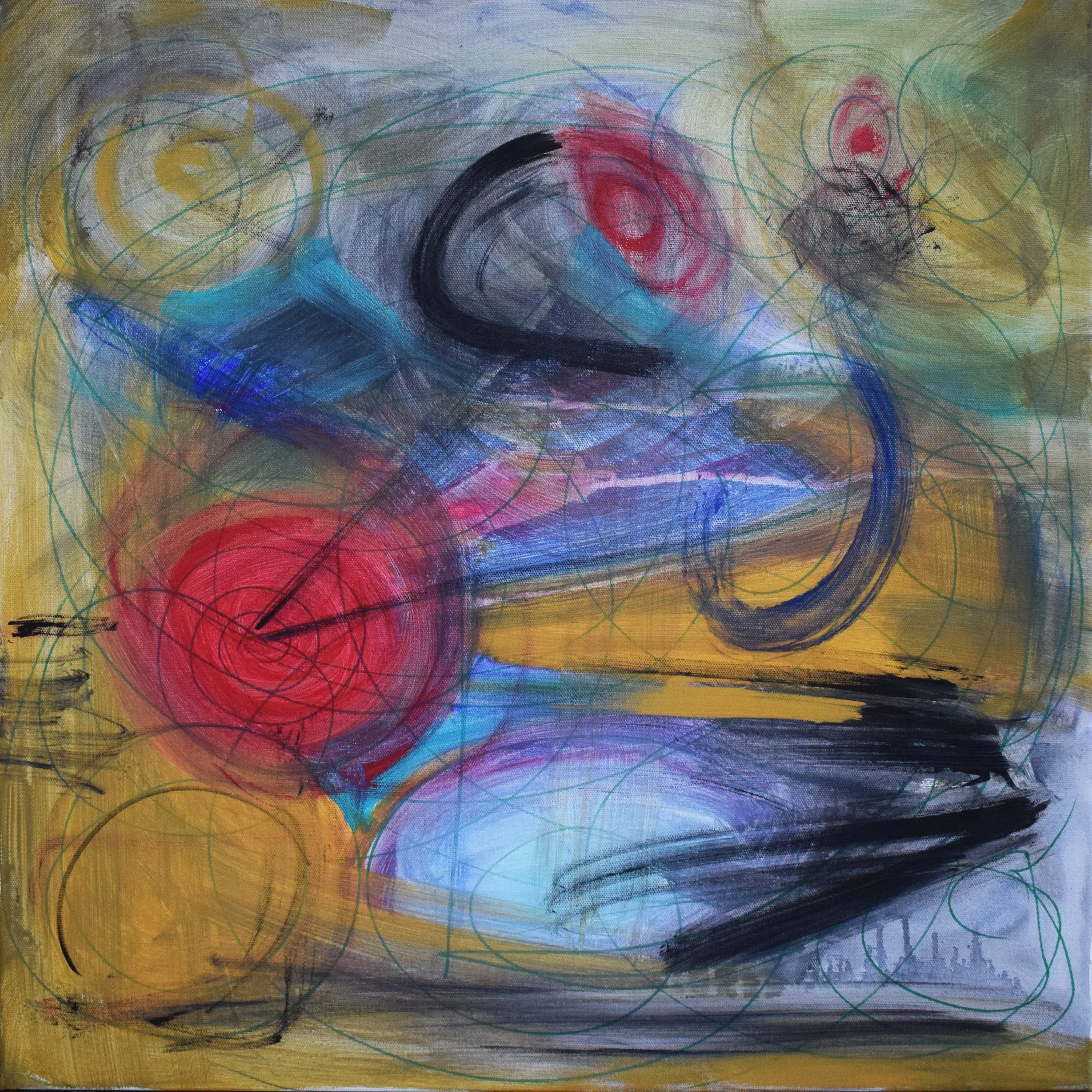
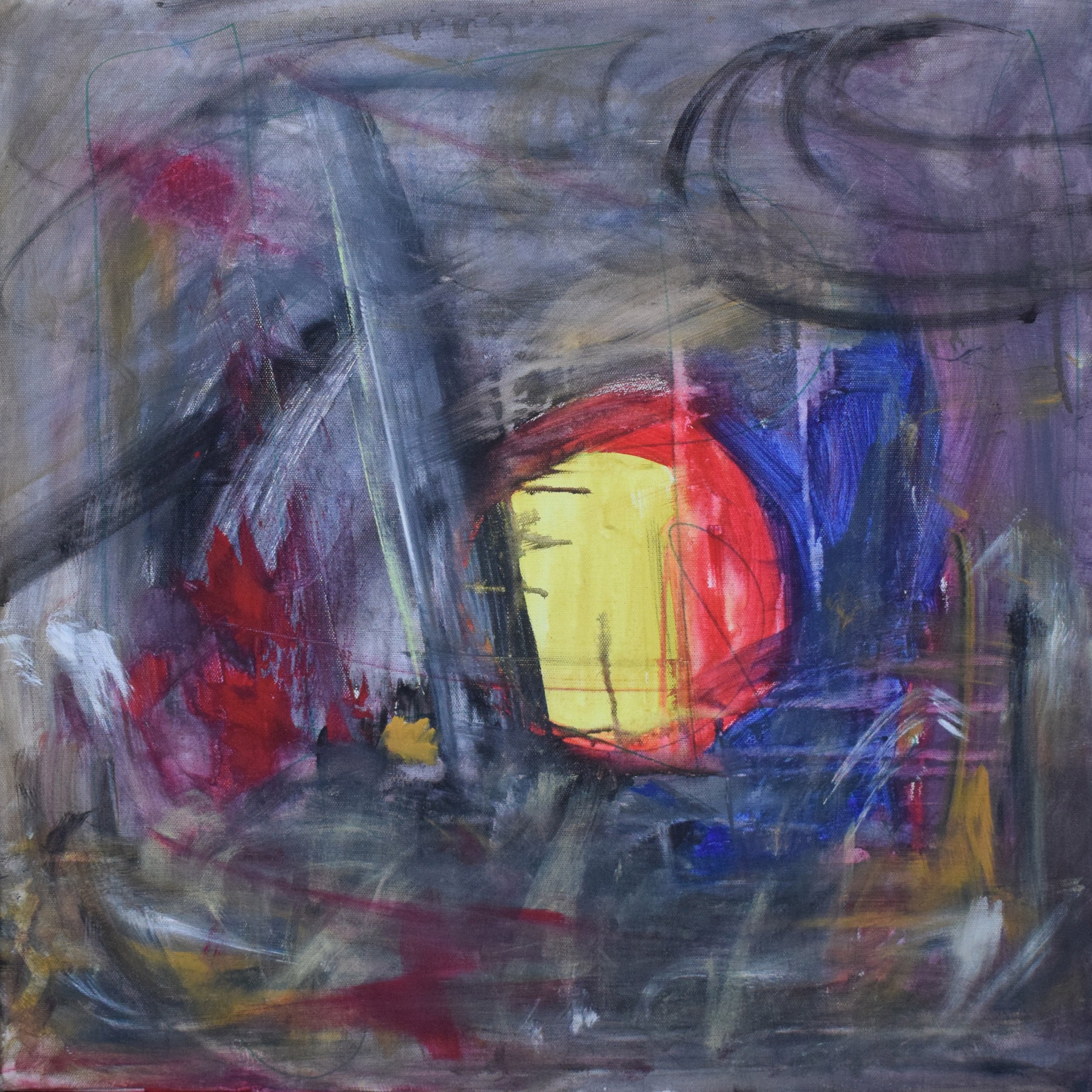
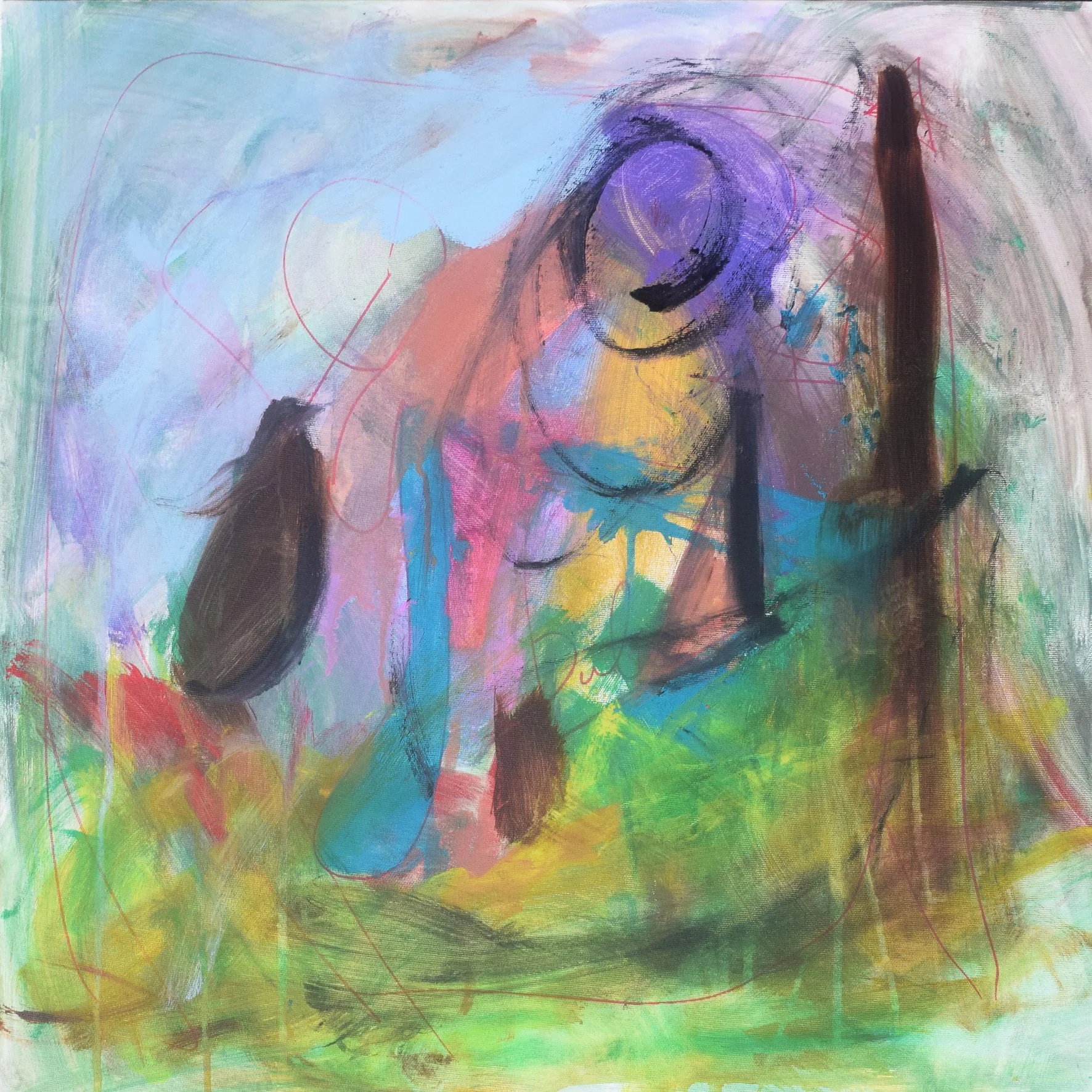
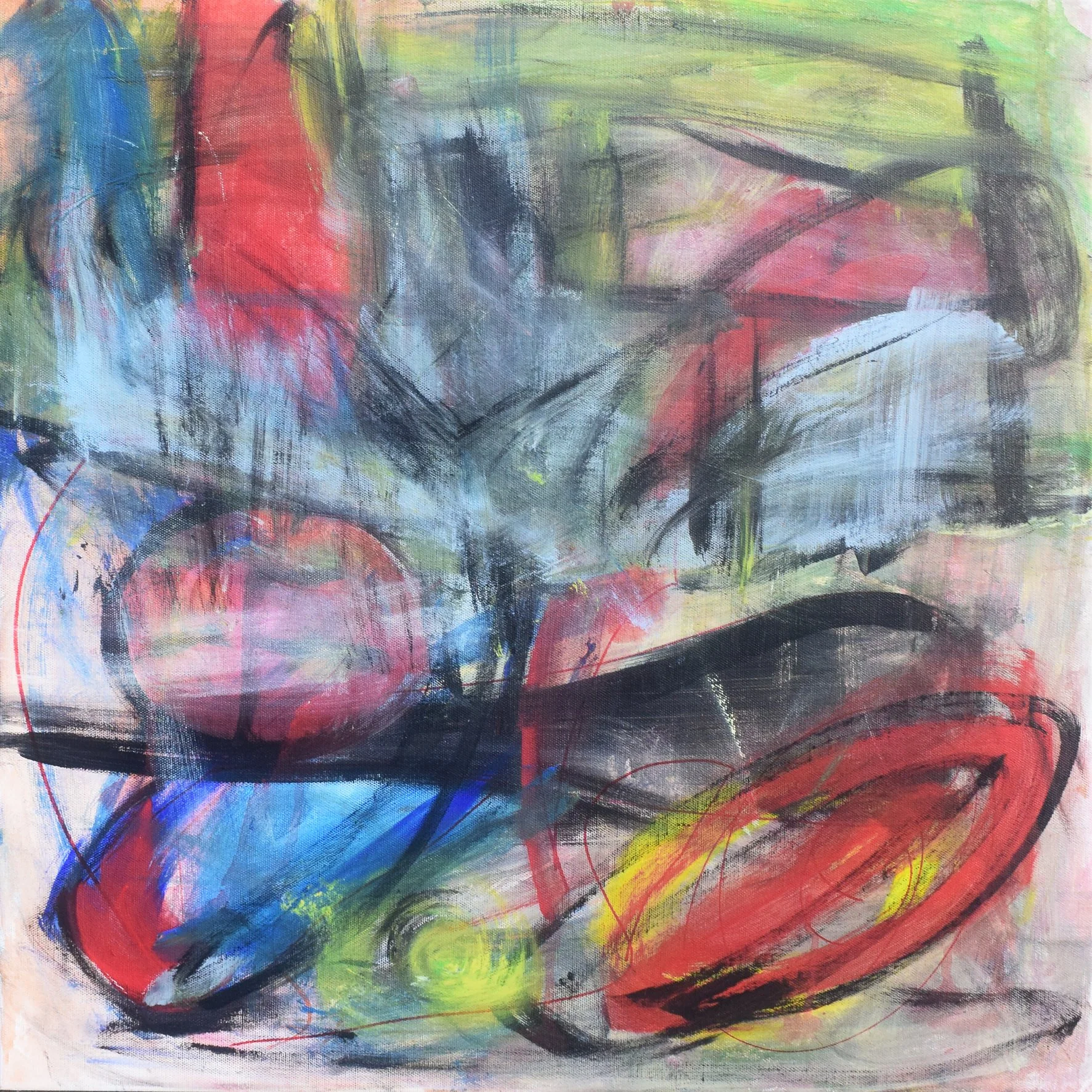
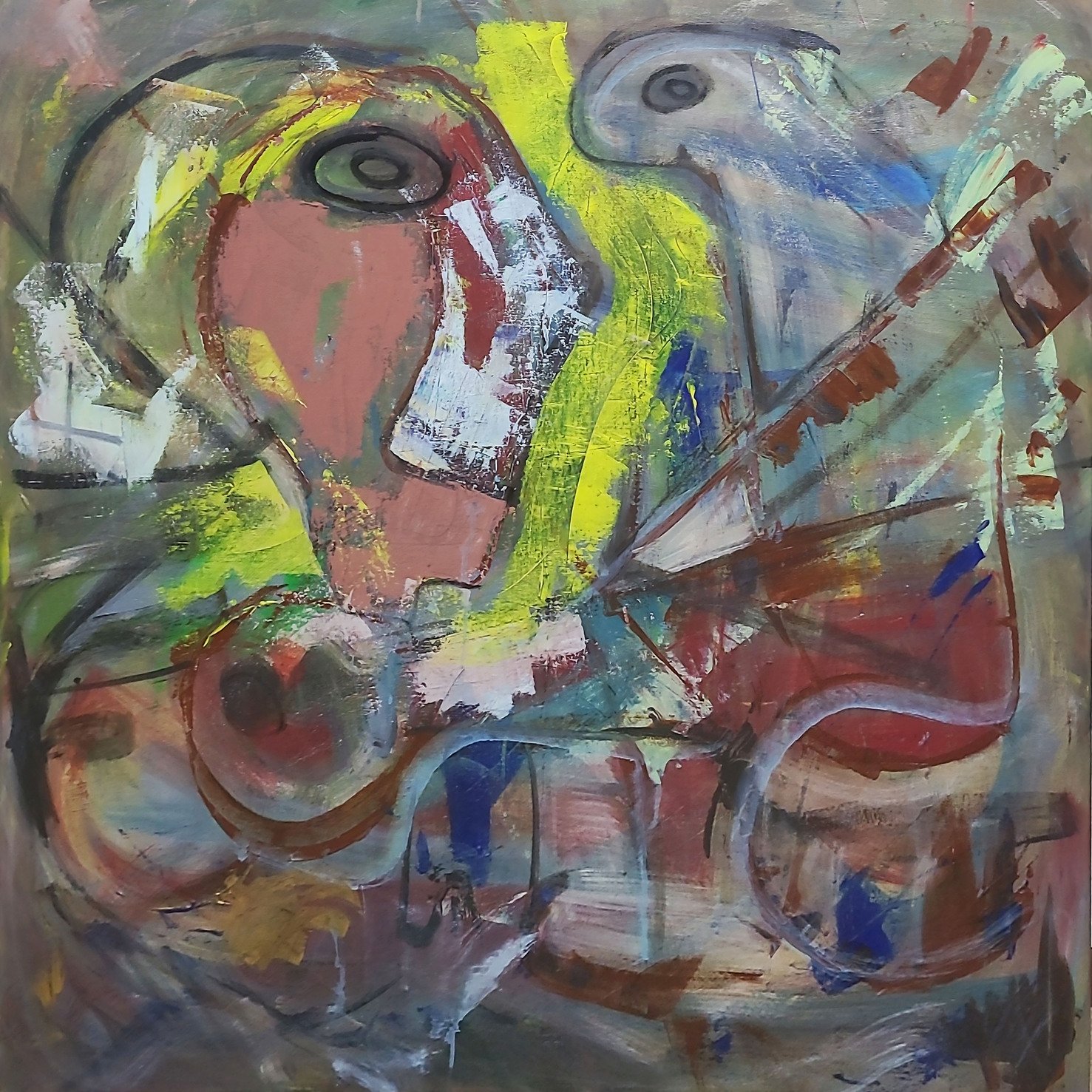
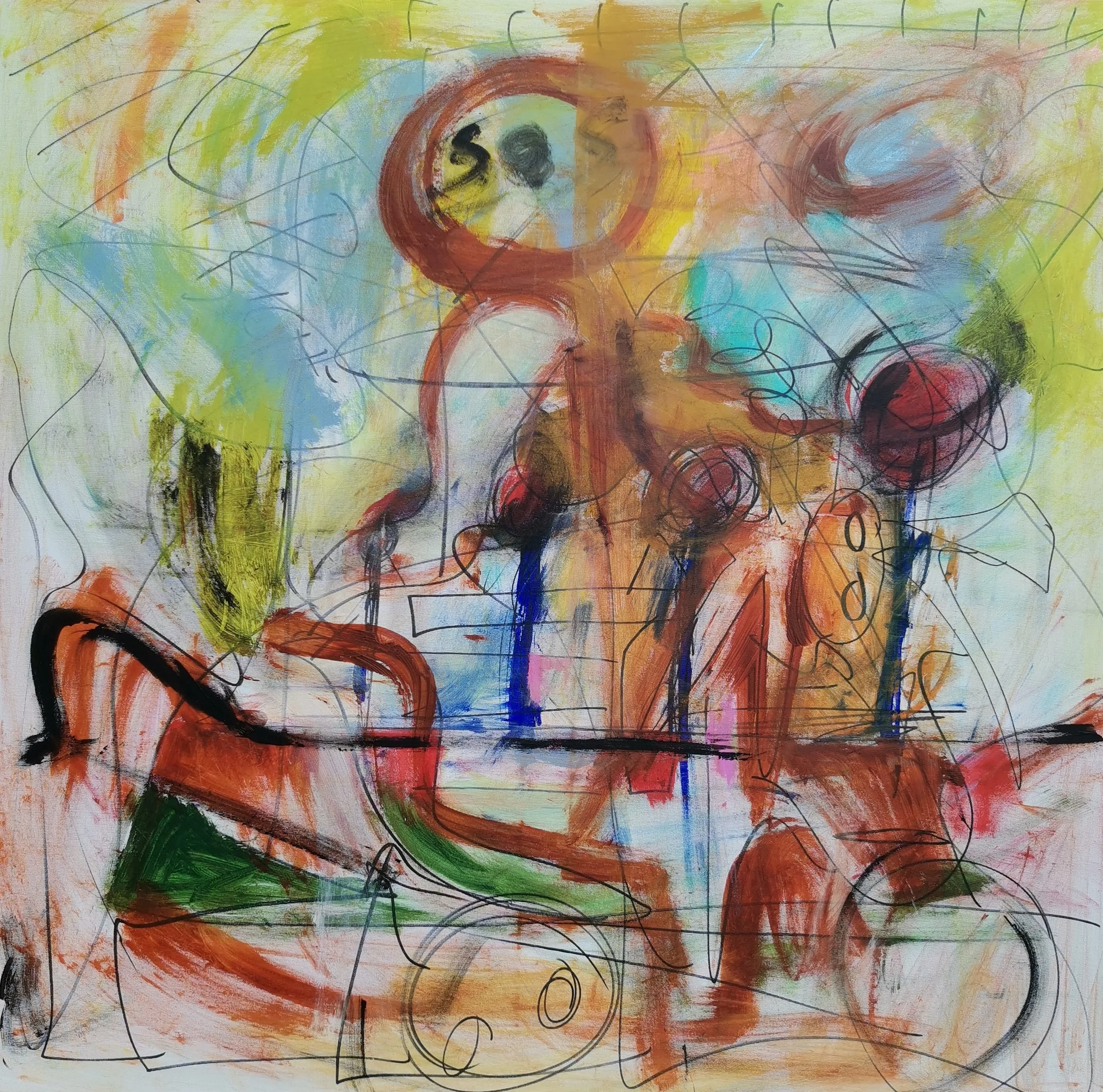
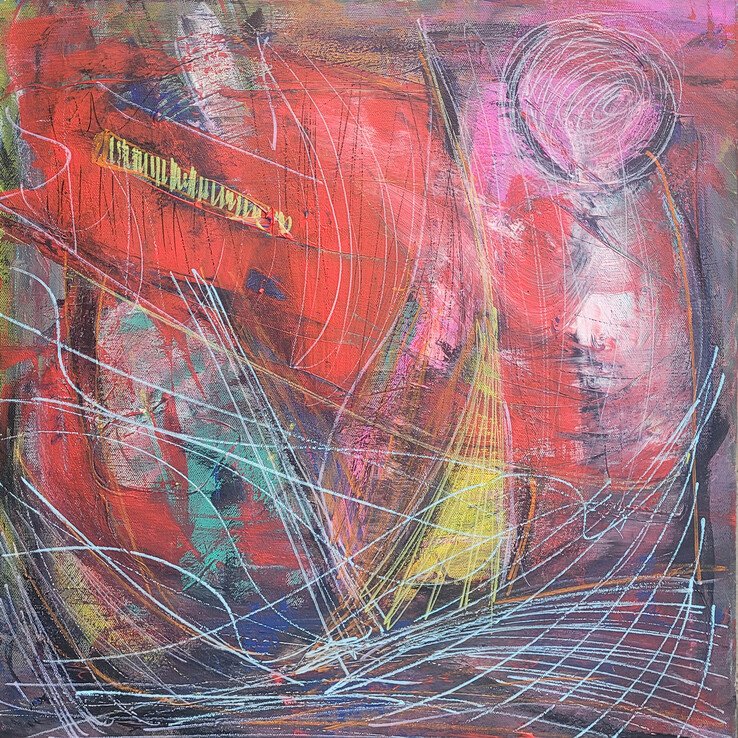
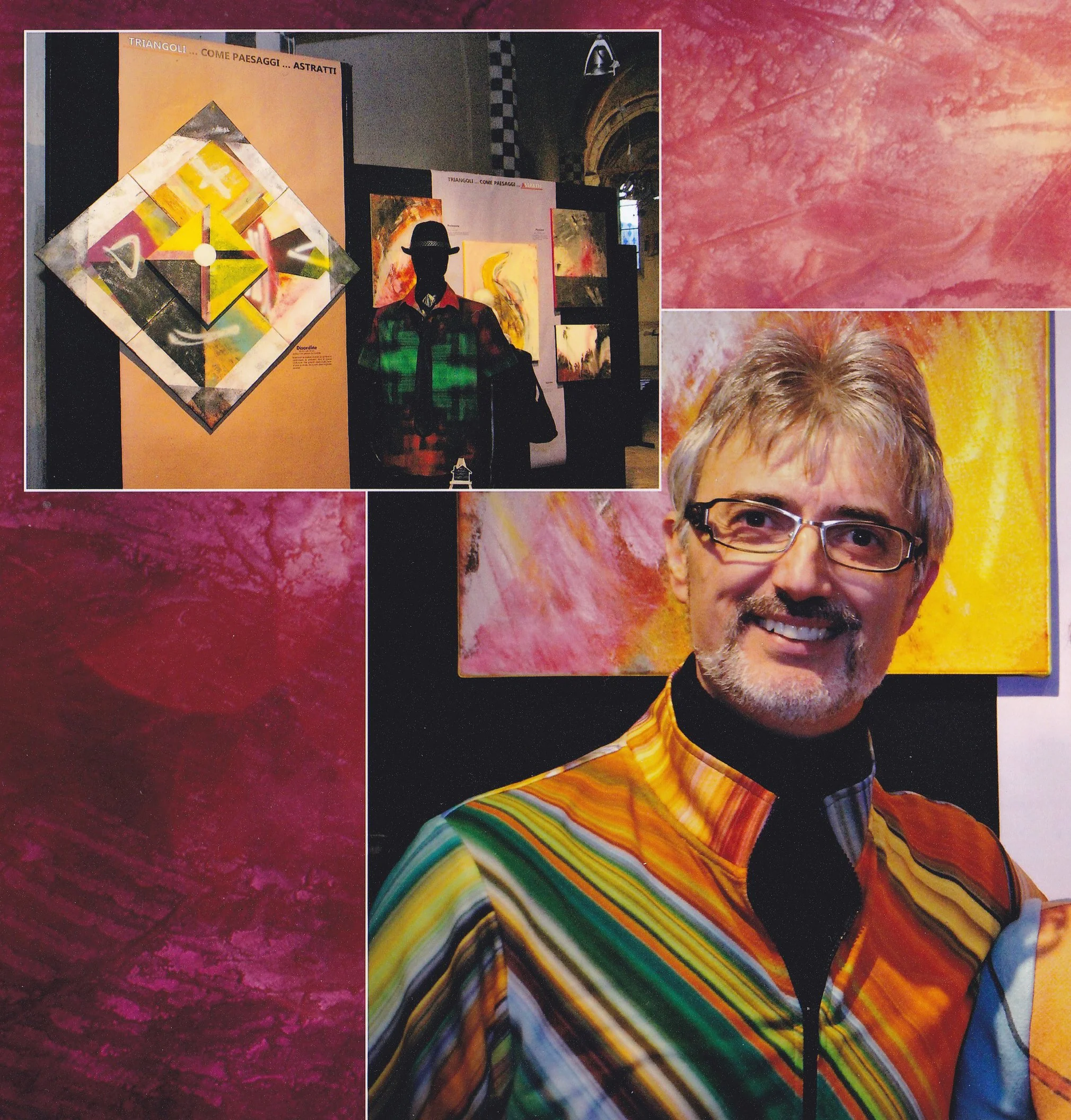
Maurizio D’Andrea was born on January 2, 1967, in San Giorgio a Cremano, near Naples, at the foot of Mount Vesuvius, in a place where the force of nature intertwines daily with that of culture, rooting in his body and in his artistic sensitivity a vivid, layered, and symbolic awareness.
The volcano taught him from the very beginning that what pulses underground—unseen yet powerful—resembles what moves within the depths of the psyche: an invisible energy capable of shaking and transforming.
He graduated with honors in Geological Sciences, specializing in volcanology, but long before earning his degree he was already immersed in another kind of exploration: that of the soul. Almost as an urgency rather than a choice, during his teenage years he began to paint. His first inner landscapes emerged at the age of sixteen: spontaneous visions surfacing as fragments of the unconscious, which he translated onto canvas through a direct, epidermic gesture, using his hands as if in a primordial dialogue with matter. That immediate contact became his first grammar.
Over time, he expanded his expressive vocabulary, experimenting with every surface and object as possible extensions of an original impulse: brushes, spatulas, rollers, rags. His painting has never sought a definitive form, but rather an emotional truth. Passionate about psychology, alongside his scientific background he cultivated the study of the great thinkers of the unconscious: Freud, Jung, Lacan.
D’Andrea’s painting is rooted in informal abstraction, yet over time he felt the need to move beyond it. In 2022, at the Accorsi Gallery in Turin, he founded the Radical Introversive Artistic Movement (MAIR), with the aim of bringing art back to its pulsating core: interiority. He does not paint to sell or to explain, but to provoke disorder, to generate visions, to ignite projections. He does not control the work: he lets it happen, as an unconscious event of which he merely becomes the medium.
He has had the privilege of exhibiting his works in many cities, from Rome to Tokyo, from Venice to New York, from Milan to Paris, passing through Madrid, Brussels, Berlin, Vienna, London, and Zurich. Among the recognitions he has received, the Golden Lion at the International Triennial of Venice in 2024 marked a moment of great resonance, rewarding the radicality and originality of his research. Another unforgettable milestone came in 2025 at the Sorbonne University in Paris, which honored his studies on Freud’s and Jung’s unconscious applied to art, highlighting the profound connection between theoretical reflection and pictorial practice that runs through all his work.
Today he lives in Alba, in Piedmont, where he has his studio, which he has named Orizzonti Impossibili (“Impossible Horizons”): a space that is both refuge and forge, where he continues to question the unknown, to cross the thresholds of the visible, to give form to what, apparently, is not there. For him, art remains—and perhaps always will be—a necessary journey into the heart of the invisible, through the fault lines of the unconscious, to give voice to what has always dwelled within us, silently.
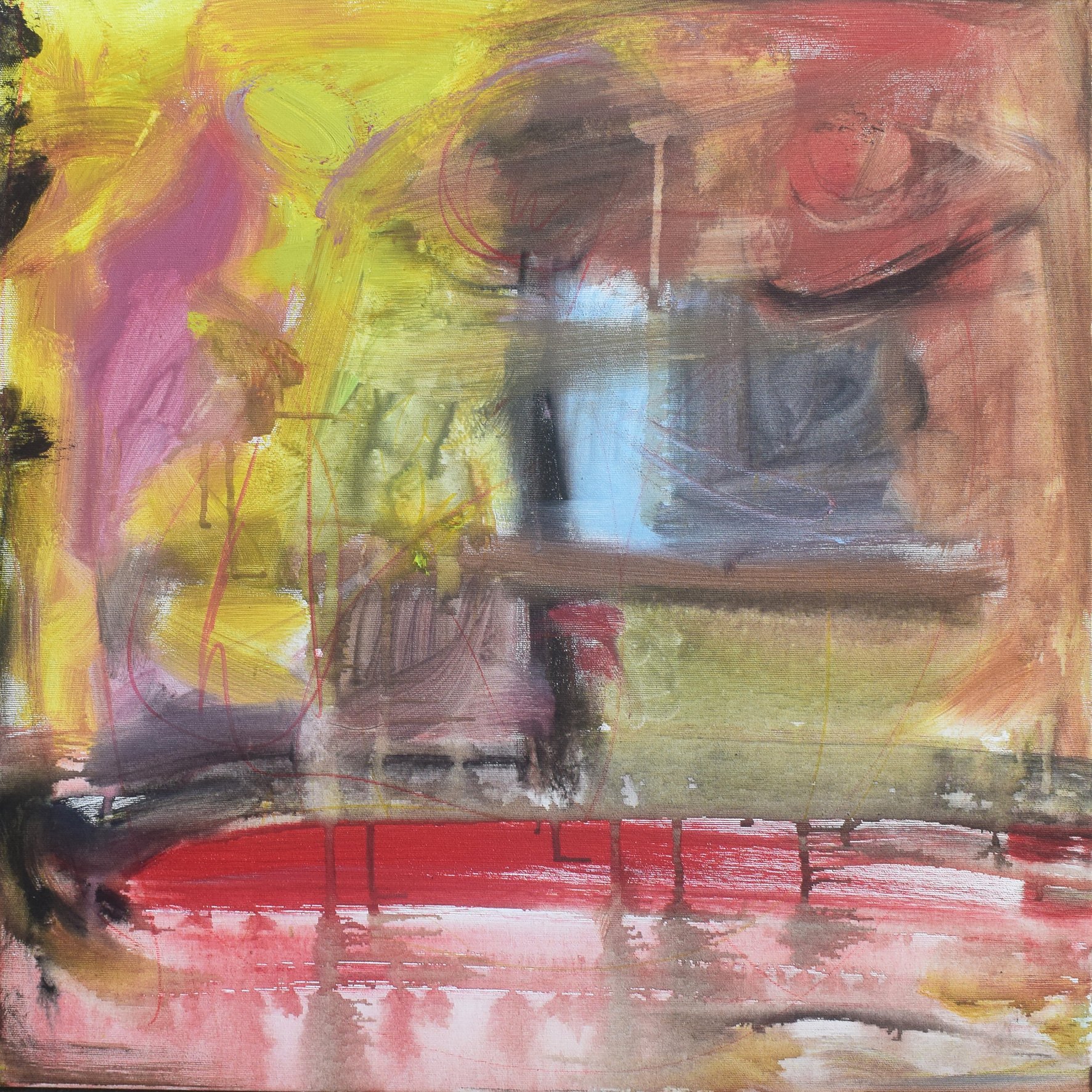
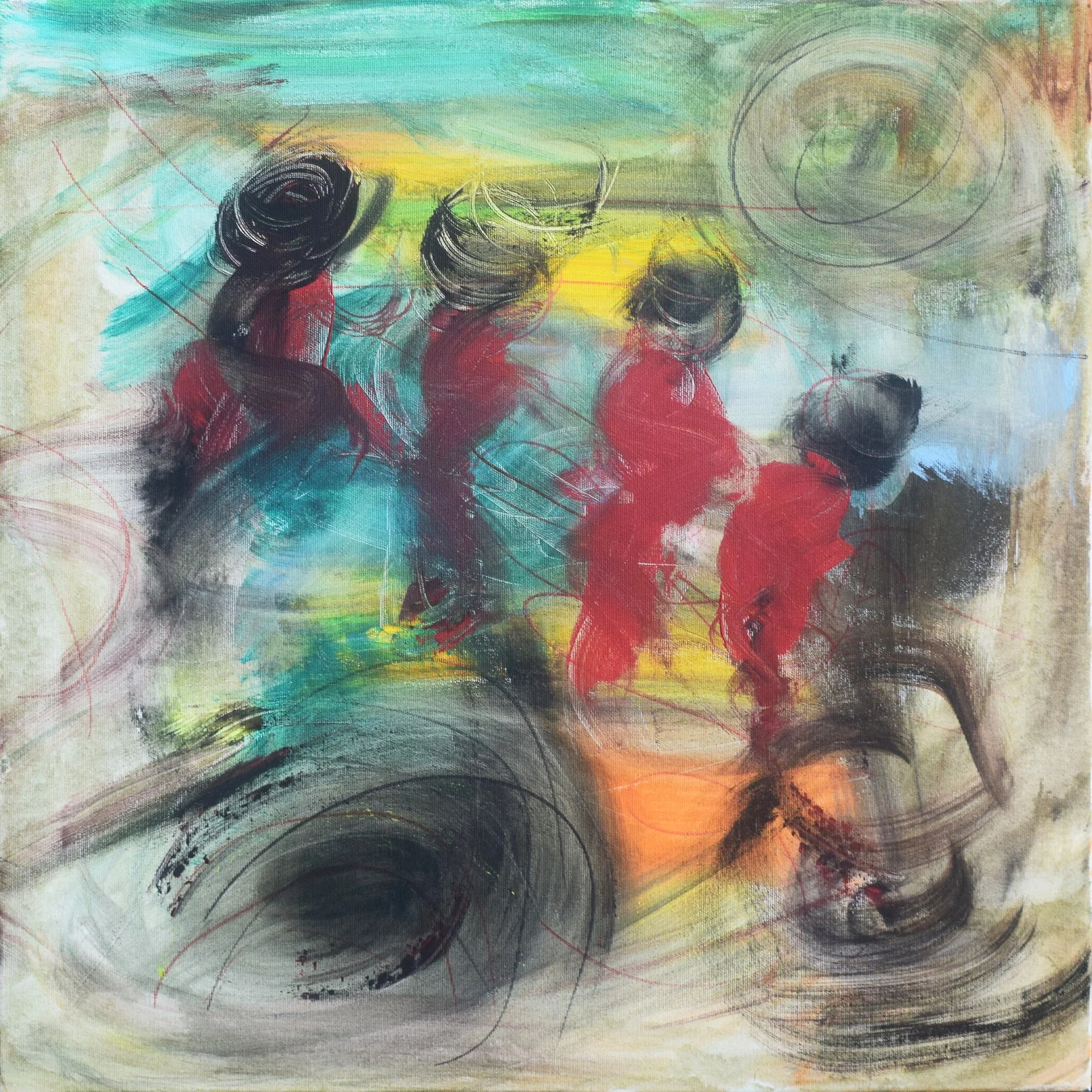
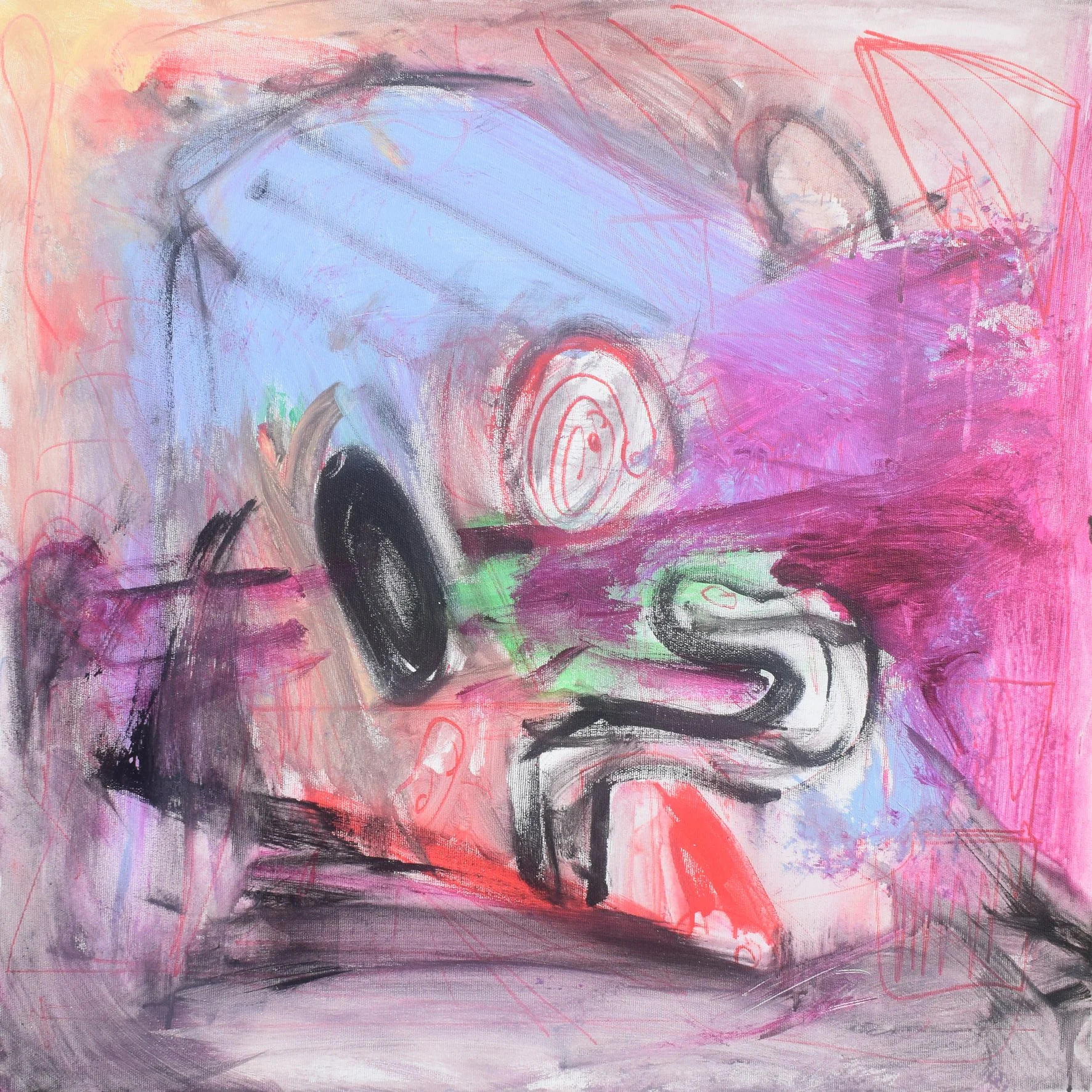
Maurizio D’Andrea’s research explores the unconscious as an active stage: the symbol does not represent, it acts. For him, the painting is not an image to be contemplated but a device that triggers processes—of resonance, of friction, of transformation—within the time of looking. Through material stratifications, abrasions, and glazes, he arranges signs and archetypal figures as acts, not as illustrations: what appears on the surface is the visible echo of an underground work, where gesture, error, and time sediment into fields of force.
He investigates emptiness as a generative space: a reservoir of energy that does not coincide with absence but with the work’s availability to make things happen. In his vision, emptiness opens, suspends, defers: it creates interstices where the image can take shape and thought can breathe. Within this horizon, painting becomes a visual pharmakon: remedy and poison, cure and shock; a practice that disorders perceptual automatisms in order to reorganize them into a broader form of figural attention. Each painting thus configures itself as an event that occurs within the viewer—a threshold where seeing coincides with active imagination, and the image ceases to say “something about” to instead act something within us.
Operationally, D’Andrea works through superimpositions and deferrals: he layers, erases, incises, leaves sediments; alternates densities and rarefactions, shifts of rhythm and visual silences; brings edges into tension, forces the axis, allows matter to resist. The sign, in his work, does not describe: it takes a stance. The archetype is not a predetermined figure but a field of possibilities that manifests through variations, returns, and metamorphoses. The figure arises where matter and gesture attune themselves in extended time, where the image is not concluded but held open.
This posture is nourished by a dialogue with practices and thoughts he considers operative: active imagination (Jung) as method, the notion of pharmakon (from Plato to contemporary rereadings) as the fertile ambivalence of the visual, the phenomenology of matter and emptiness (Bachelard) as dynamics of becoming. He does not illustrate their theories: he enacts their forces. Thus, in his path, painting becomes a site of dramaturgy of the invisible, where image and psyche co-implicate each other in a play of appearances, withdrawals, and reactivations.