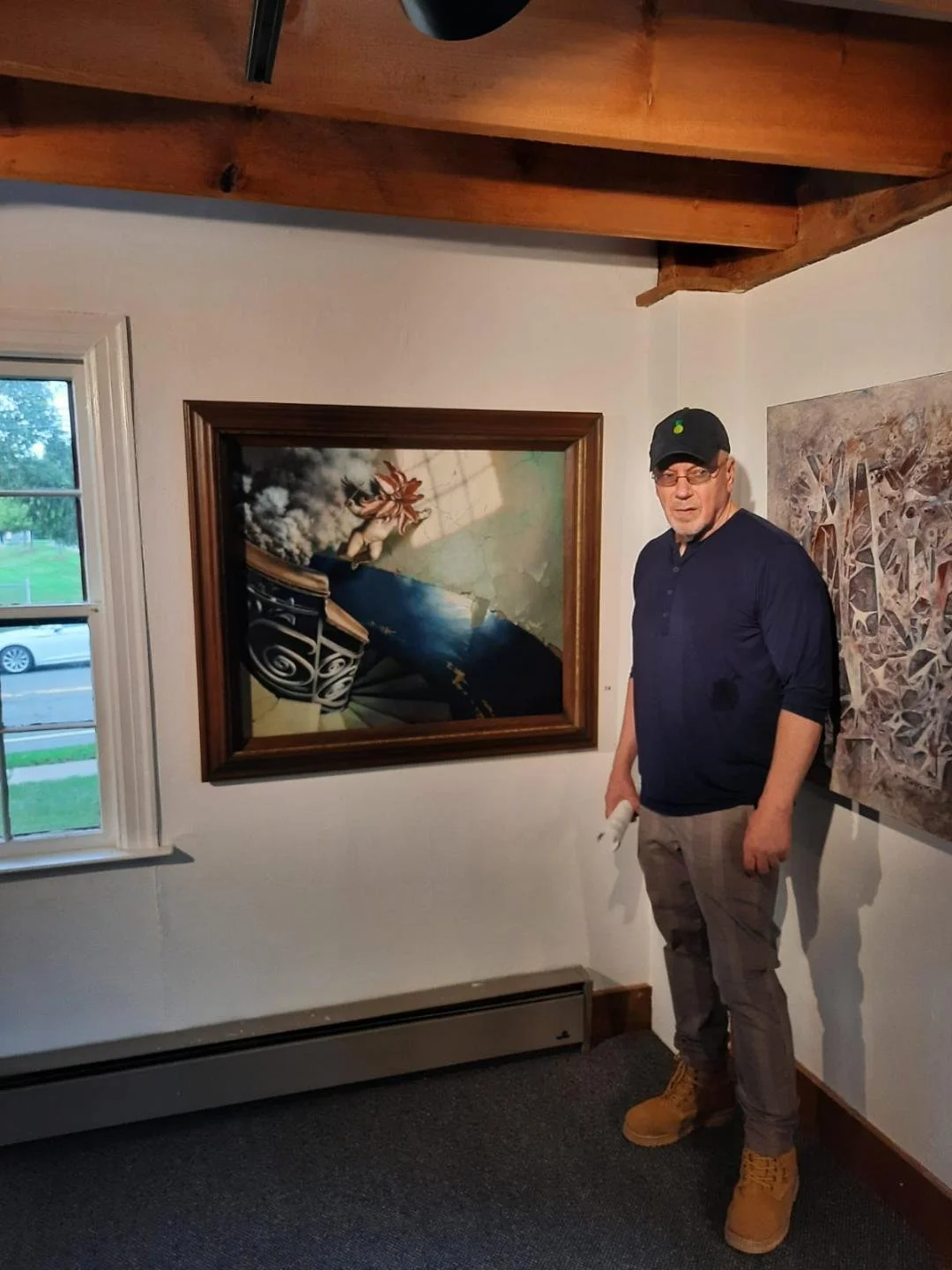
Nicholas Zalevsky
-
→ May 2012, West Hartford Life Magazine, “A look at the Metaphorical Art of Nicholas Zalevsky”, by Tracey Weiss.
→ 2017 In a book: 101 Top Fine Artists of Our Day. 2017: Who's Who in Visual Art. Ulrich Goette Himmelblau. ISBN 978-3-9817701-2-4
→ 2021 In a book: "Contemporary Art of Excellence” by Global Art Agency. ISBN: 978-1-914195-56-3
-
→ 1995 – "A Gallery on the Green", Canton, Connecticut, USA, Best Picture Award.
→ 2006 – Gallery “Collection”, Kiev, Ukraine (personal exhibition).
→ 2009 – Jewish Community Center, West Hartford, Connecticut, USA.
→ 2011 – CT +6, West Hartford Art League, Connecticut, USA, Best of Show Award.
→ 2011 – West Hartford Art League, Connecticut, USA, (personal exhibition).
→ 2012 – Museum of Russian Art, Jersey City, New Jersey, USA, Best Picture Award.
→ 2012 – Museum of Russian Art, Jersey City, New Jersey, USA, (personal exhibition).
→ 2016 – Gallery 25N.com, "Still Life" exhibition.
-
→ 2016 Palm Art Award
→ Winner of the January Artist of the Month Contest on Artavita, January 2017
→ 2017 Circle Foundation Contest Top Ten Award
→ 2018 Artavita29 1st Place
-
Instagram:
→@nicholaszalevsky
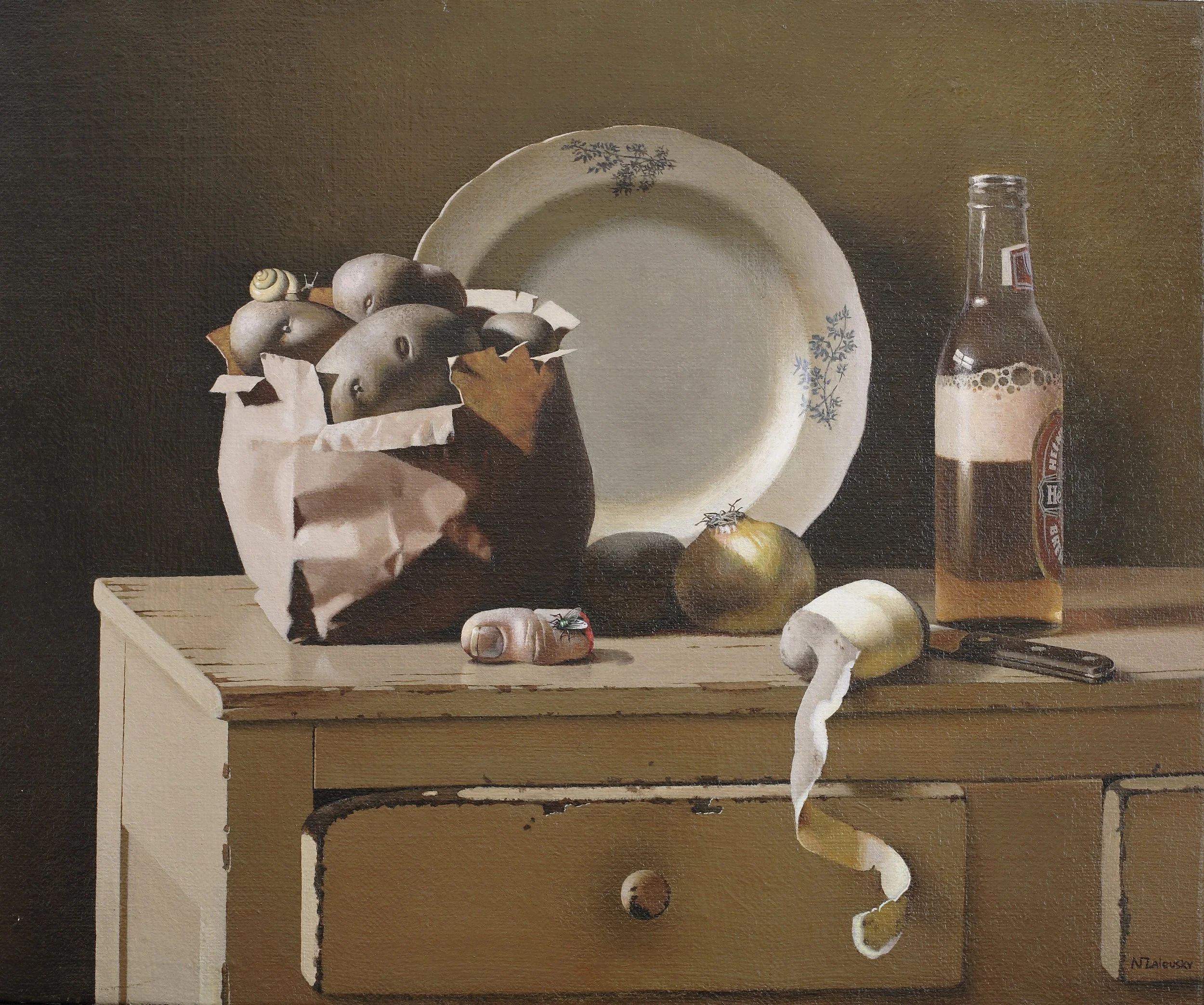
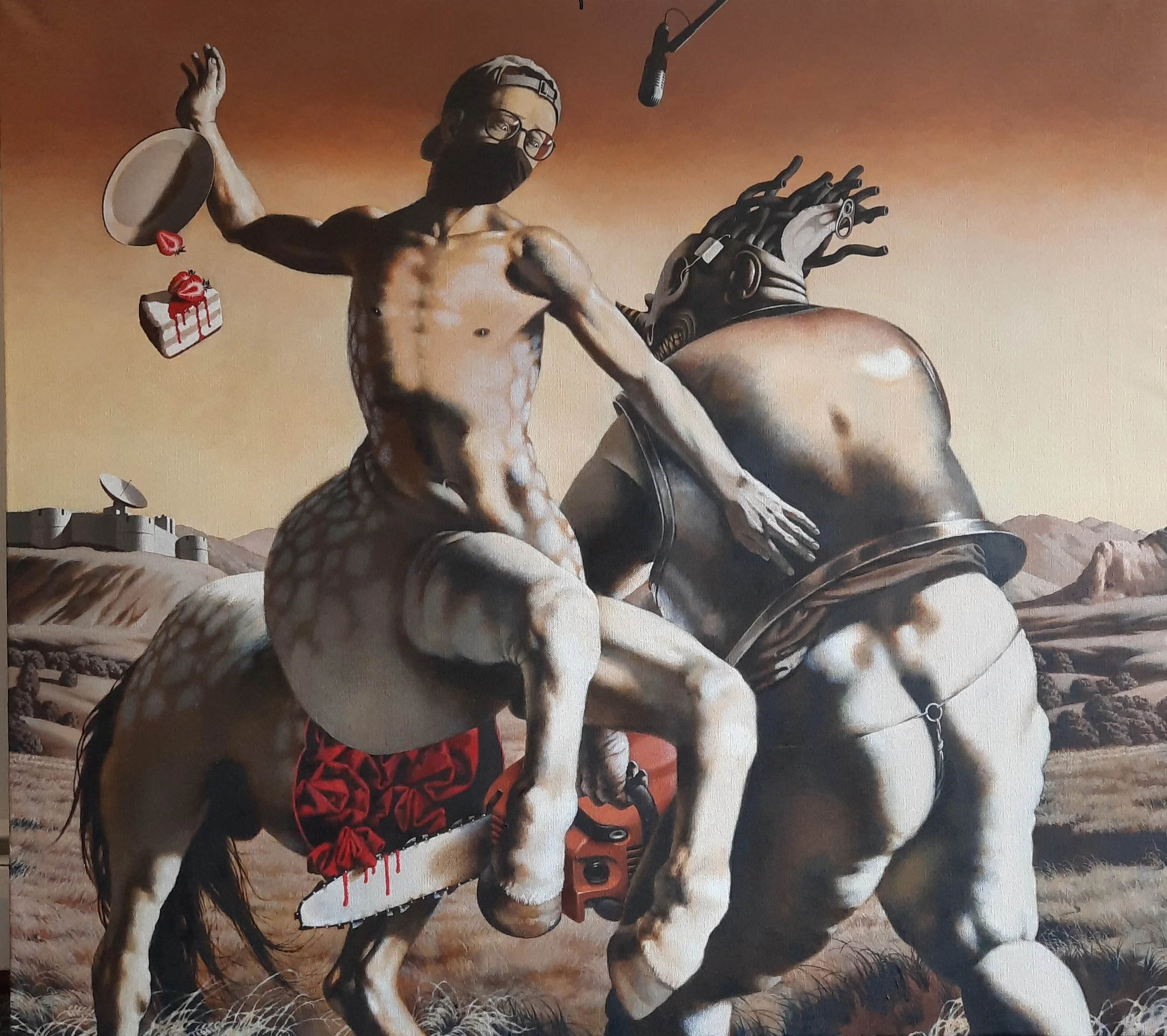
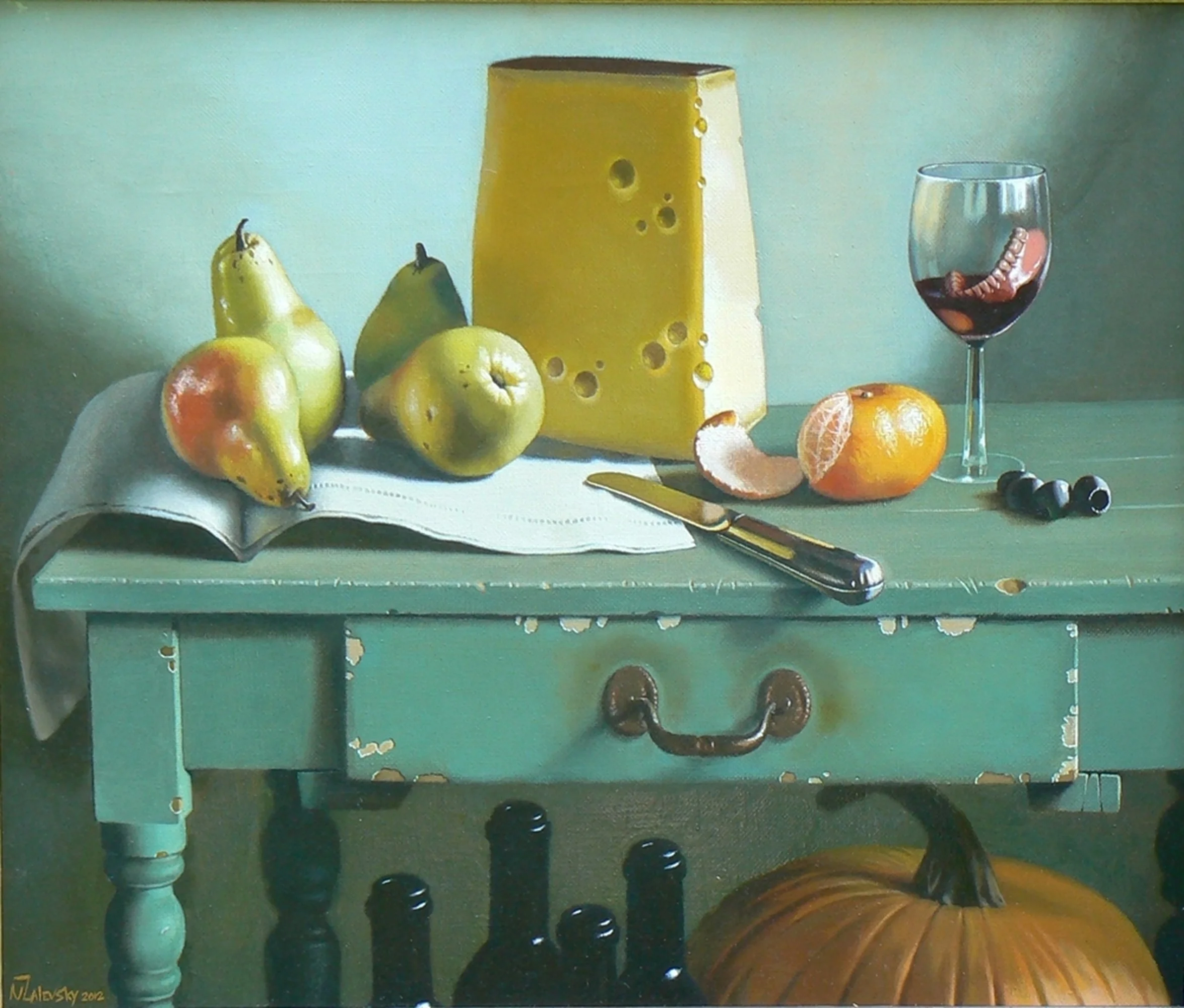
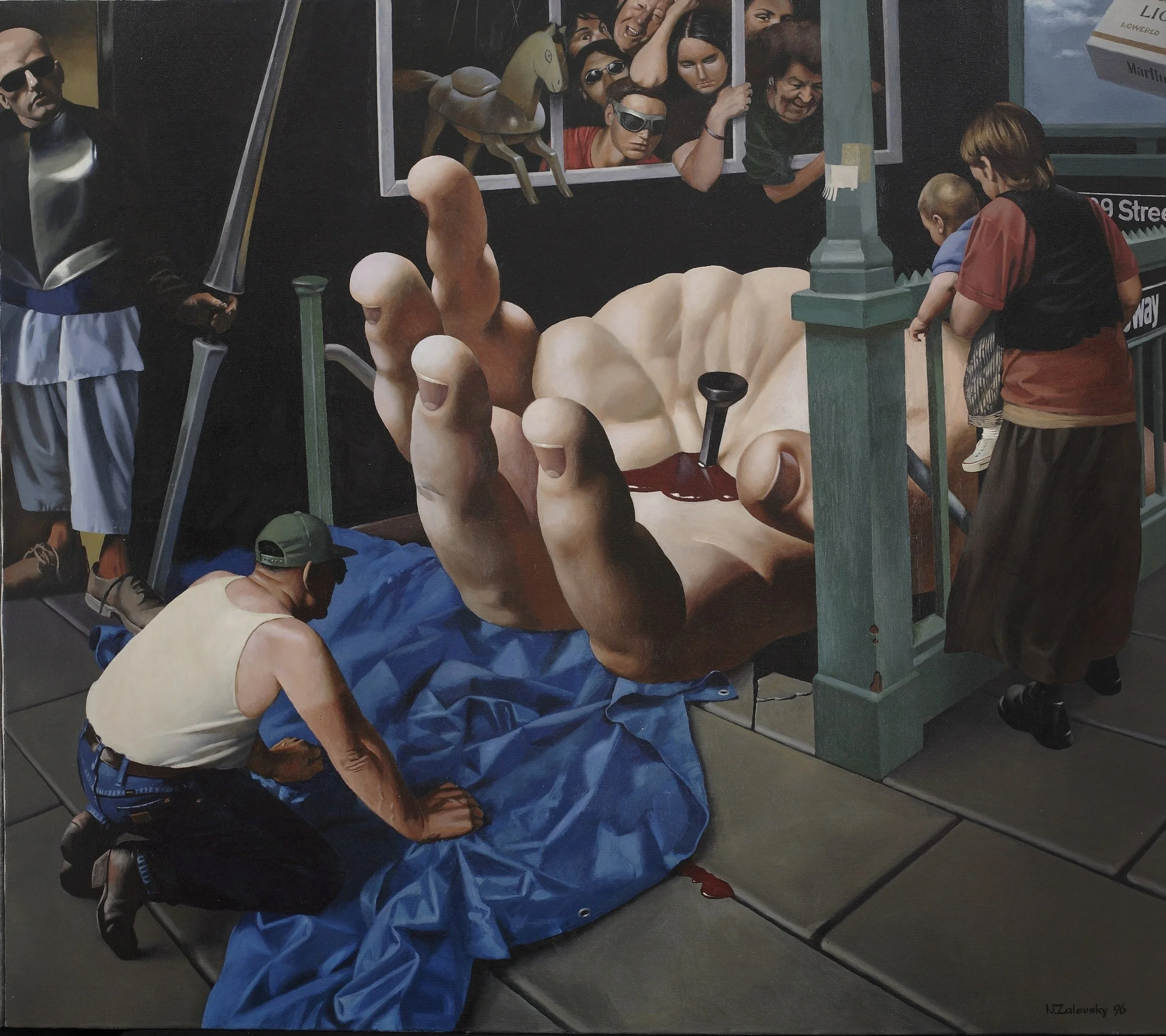
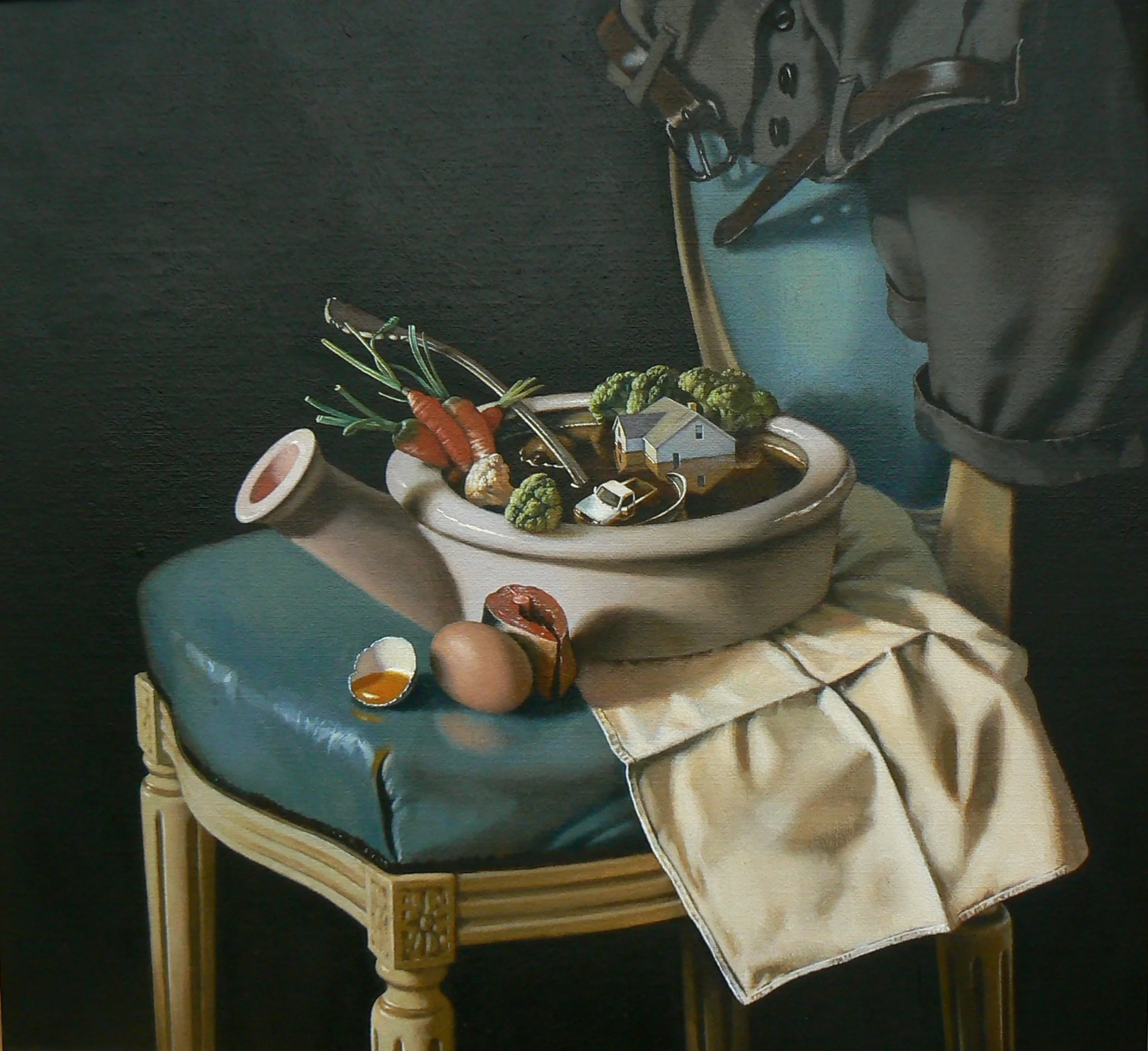
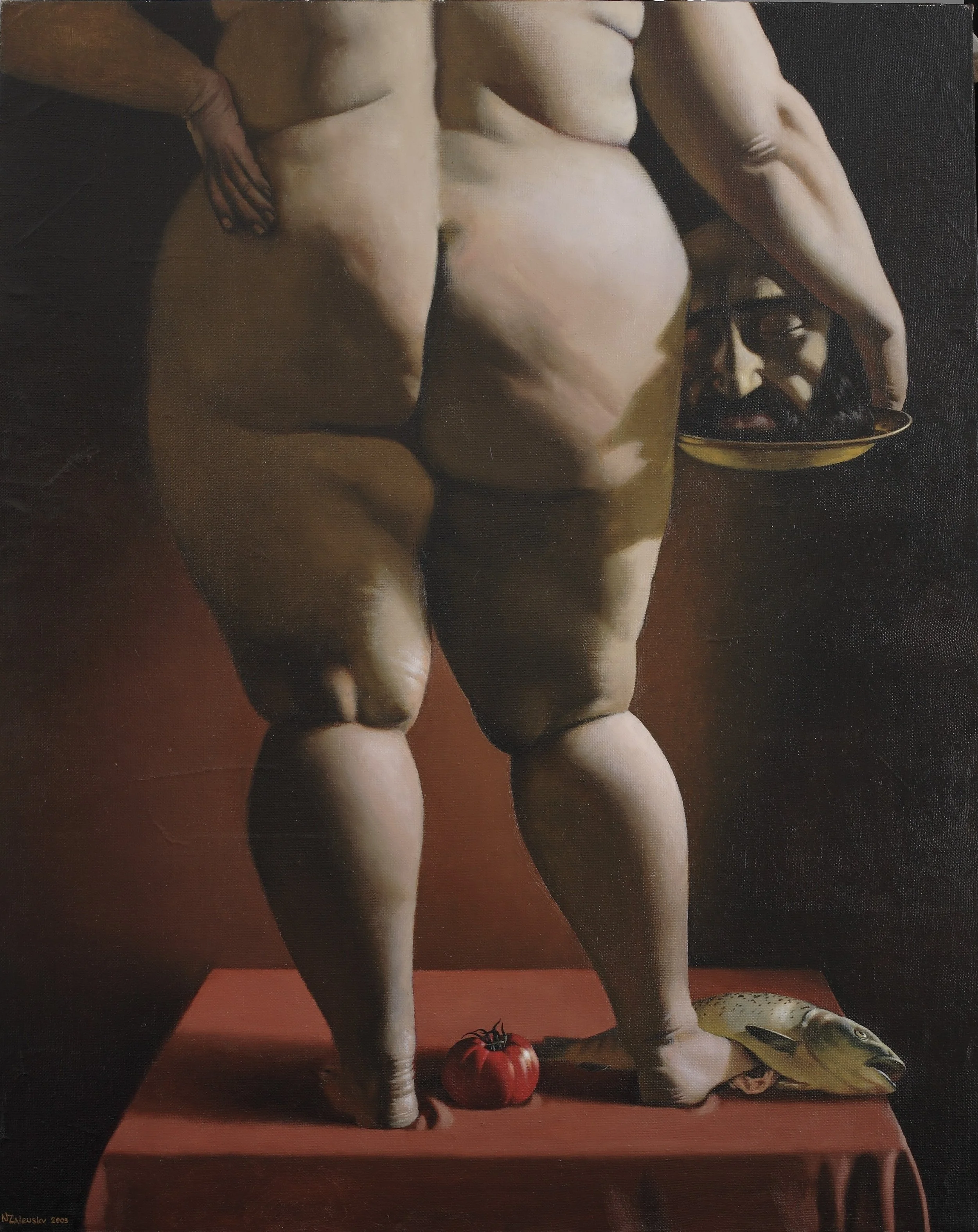
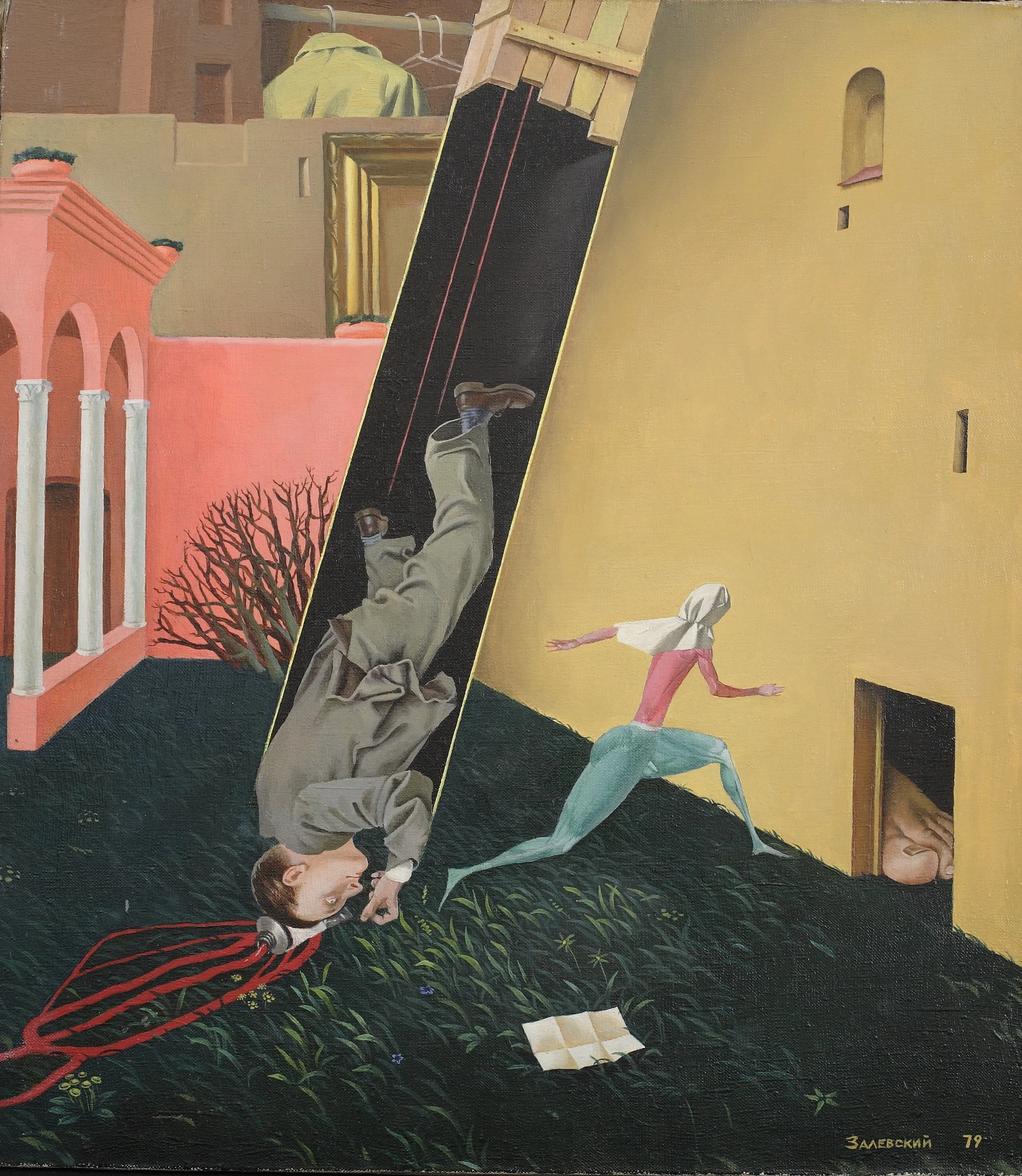
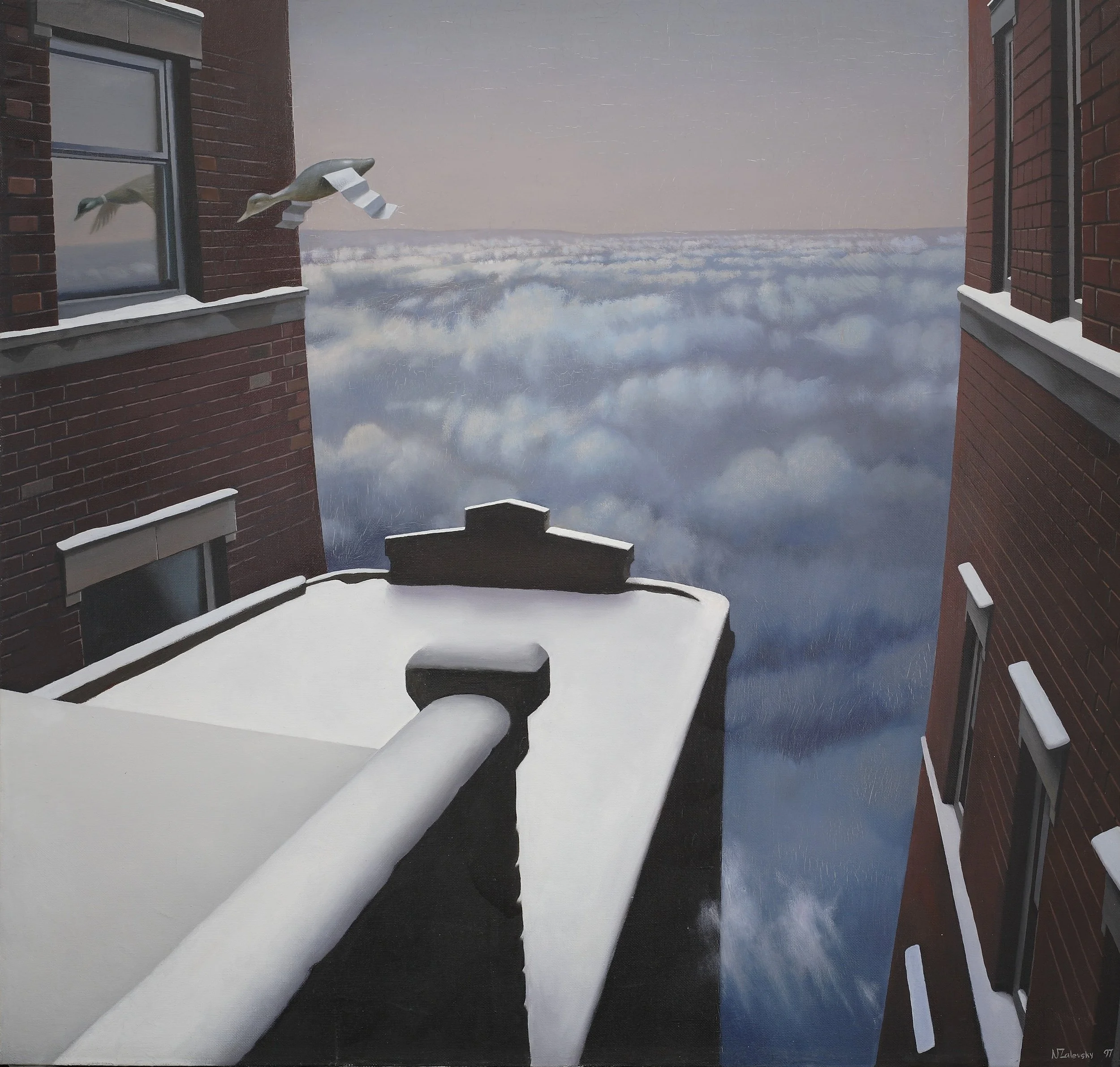
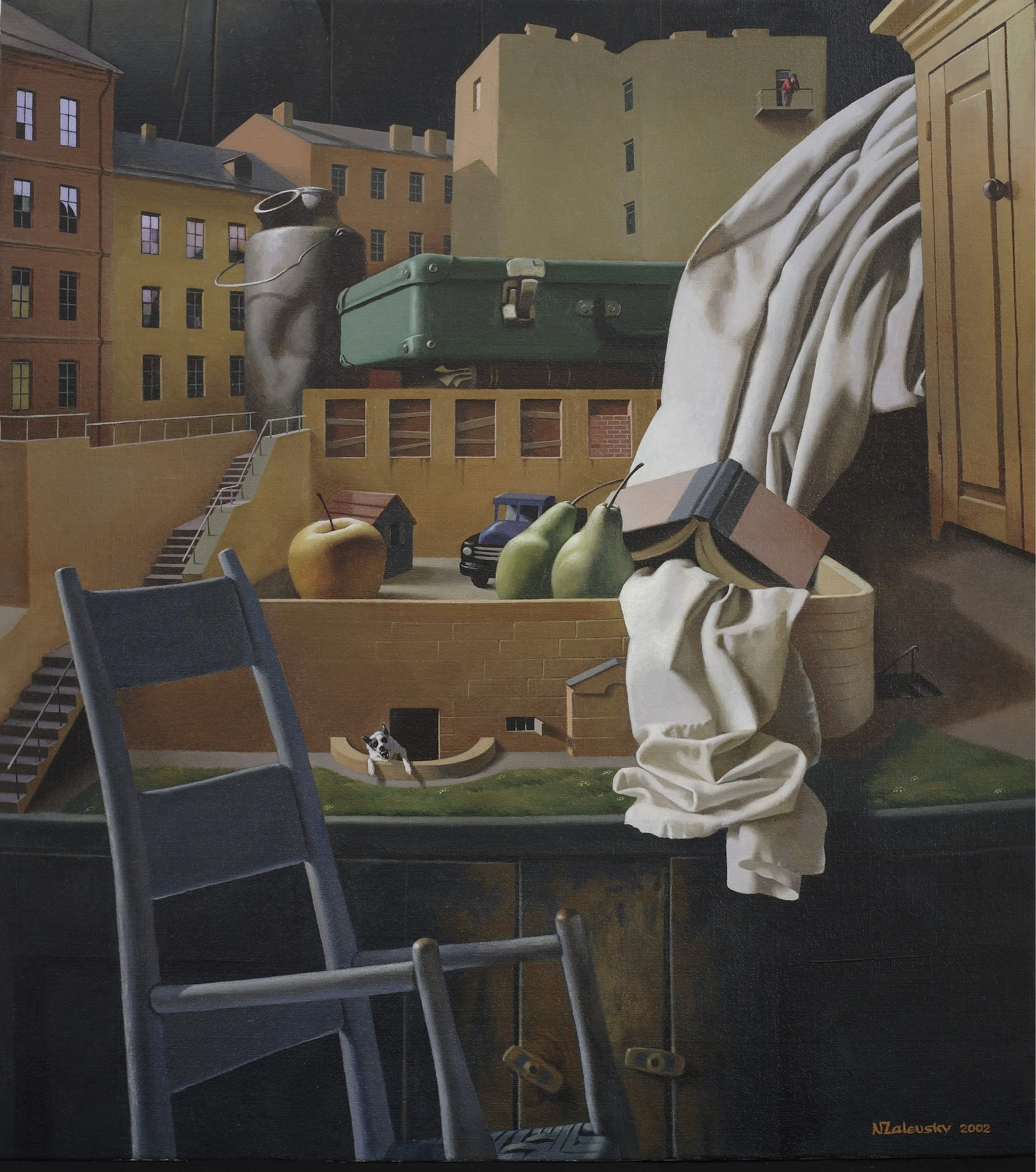
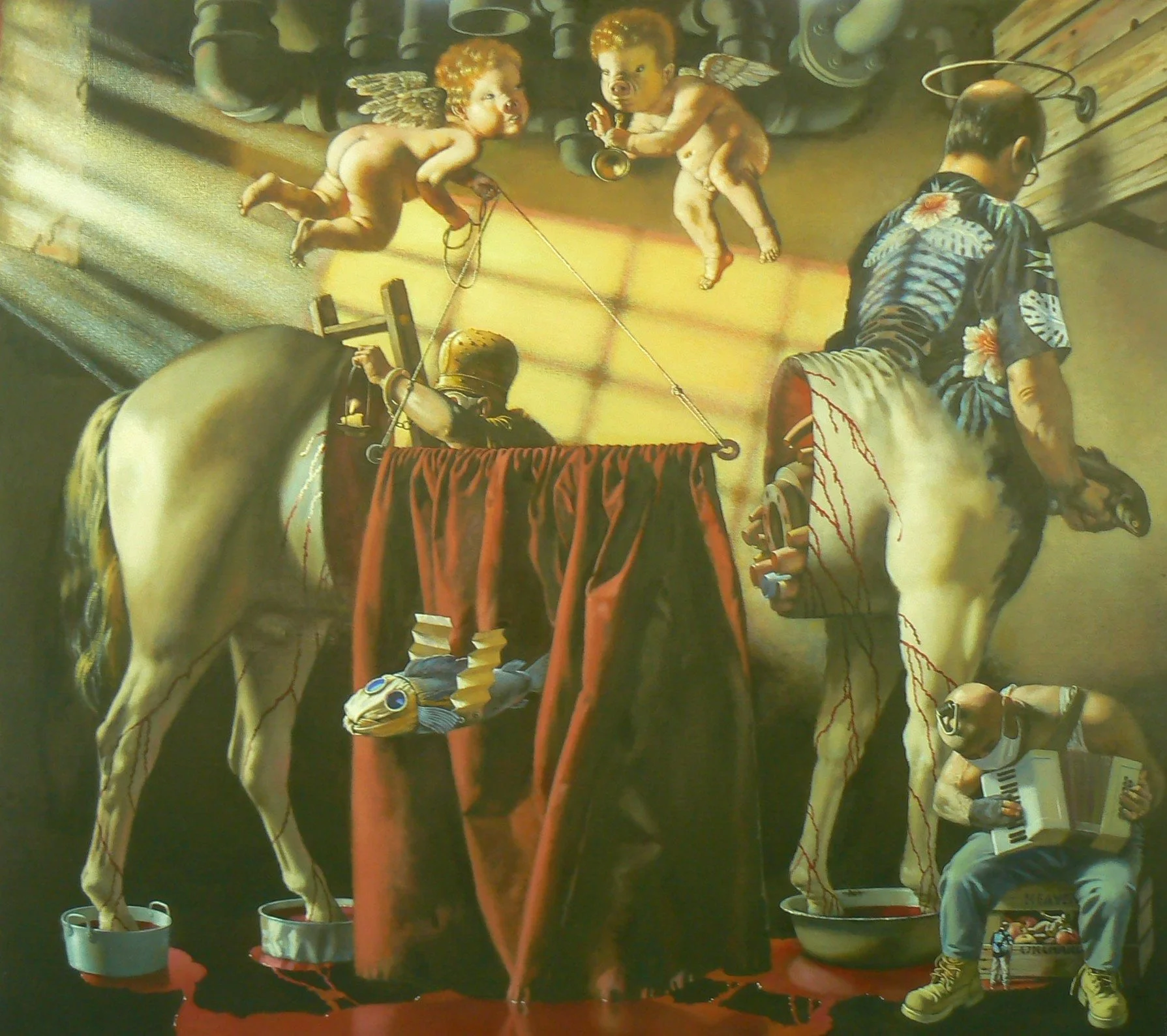
Nicholas Zalevsky was born in Kiev, Ukraine when the country was still a part of the Soviet Union. Nicholas was admitted to a special school for exceptional young artists who provided middle through high school education. He went on to study graphic design at Publishing Institute in L’viv, Ukraine. His diploma work (illustration to “Tom the Thumb” by Charles Perot) was printed 200,000 copies. In the 60's and 70’s, a new generation of painters who rejected any compromises with the official Union of Painters made their voices heard. Their works have become known as artistic underground: a nonconformist art style which evolved as an antipode to the official forms of art of a totalitarian society. Nicholas joined this movement.
The exhibitions of nonconformist artists took place in private apartments, abandoned offices, and parks. Able only to exhibit in the underground art scene, Zalevsky jumped at the opportunity to move to America. His last picture under the Soviets was made in 1989, and he immigrated to the United States in 1991. He now lives in Farmington, Connecticut.
It is snowing. Every snowflake finds its place. For years I have asked where mine is. Painting became the way I search for that answer. I did not choose the conditions of my existence, yet I have always chosen to paint. Since childhood—on walls, on snow, in schoolbooks, and later in subways and zoos—painting has been my primary form of understanding the world. Literature and philosophy shaped me as much as art; Sartre, Camus, Kafka, and Beckett directed my attention toward the absurd, the uncertain, and the unanswerable.
At a certain point, questions overwhelmed images—until mythology allowed me to rebuild meaning on my own terms. Oscar Wilde’s idea that “the mystery of the world is in the visible” clarified what I had long sensed: that the visible world is a constructed surface, a painted layer, a deliberate fiction. My work explores this tension between what is shown and what is concealed. I do not invent alternate realities; I depict the one I inhabit—the world of quiet absurdity, fractured certainty, and fragile meaning. Painting is my language for navigating this world and for reaching those who share a similar sensitivity to its contradictions.
My canvases develop slowly, often over years. I revise them repeatedly—altering composition, characters, and light—seeking the most resonant form out of countless possibilities. Each work is an attempt to communicate, to connect, and to locate my place within the chaos of contemporary existence.
In the end, painting is the way I negotiate meaning—and perhaps the way I ensure that, if there is a next time, I am not born a hotdog.