Noa Ry
-
→ 2026 feature in Art Market Experts
→ 2025 Interview Aatonau: https://aatonau.com/noa-ry-art-as-a-gateway-to-new-realities/
→ 2025 article in 20min Magazine, Switzerland
→ 2025 El Greco book Portrait publication
→ 2022 Art vue Prize Summer 2022 Portrait Publication
→ 2021 NNC Galler Vworld Work Publication
→ 2021 Nouvelle ère Portrait Publication
-
→ 2026 Group Exhibition, "Holy art Gallery" , NY, US
→ 2026 Group Exhibition "Gallery delta", Barcelona, Spain
→ 2026. Group exhibtion Gallery Espazio, London, UK
→ 2026. Group exhibtion one month at Gallery Azur, Miami US
→ 2025. Group Exhibition at "boomer Gallery", London, UK
→ 2025 Exhibition Red dot Miami, Gallery Azur, US
→ 2025 Exhibition at Holy Art Gallery, Miami, US
→ 2025 LA art show, US
→ 2025 Exhibition Bizart Photobastei Zurich, Switzerland
→ 2024 Exhibition Red dot Miam US
→ 2024 Exhibiton Museum of European modern art Barcelona 2024, Spain
→ 2024 Exhibition Art Expo New York, US
→ 2024 Exhibition Art international Zurich 2024,
→ 2023. Monaco Art Fair, Gallery Capital Culture House, Monaco
→ 2023. Holy Art, digital representation, London UK
→ 2023 LA artshow, Miami and New York, digital representation, gallery Artifact NY, US
→ 2022 Exhibition Art3fair Carrousel du Louvre, Paris, France
→ 2022 Exhibition, Chromeartgallery, Berlin, Germany
→ 2022 Exhibition, Capital Culture House, ART INTERNATIONAL FAIR 2022 ,Monaco, Monaco
→ 2022 „holding together“ - group exhibition, Liquid Arsenal international art exhibitions, MADS Art Gallery, Milan, Italy
→ 2022 Animations DIVORG - group exhibition, Itsliquid group, CANVAS INTERNATIONAL ART FAIR 2022 ,Venice Italy
→ 2022 Animations - group exhibition, capital_culture_house, Madrid, Spain
→ 2022 Animations - group exhibition Artscloud digital art fair ,Seoul, Korea
→ 2022 VR exhibition “clash”, the holy art gallery, London, UK
→ 2021 “Locked in” exhibit at Artfield, Atelier Sable d’Art, Paris, France
→ 2021 Animations - VR exhibition @capital_culture_house, Madrid, Spain
→ 2021 „golden age“ at hairdresser’s Salon HAARWERKSTATT Zurich, Augustinergasse 44, Switzerland
→ 2020 3.FAT artFair, Schaffhausen, Switzerland
→ 2020 Artbox Project Zurich 2.0, Swiss Art Expo, Sreenview Main Station, Zurich, Switzerland
→ 2017 Exhibition Neuzeit Ruinen, Zurich, Switzerland
-
→ 2025. Award Winner "El Greco fine arts award", selected by Icm Curator Board, spain
→ 2025. Award Winner "collectors art prize:Art Legends of our time" 2025
→ 2022. Award „most original Idea“ for underneath, Bruxelles Art Vue, Bruxelles, Belgium
→ 2021 Videoart: “the wall”- won 3.place at tmf gallery Switzerland
-
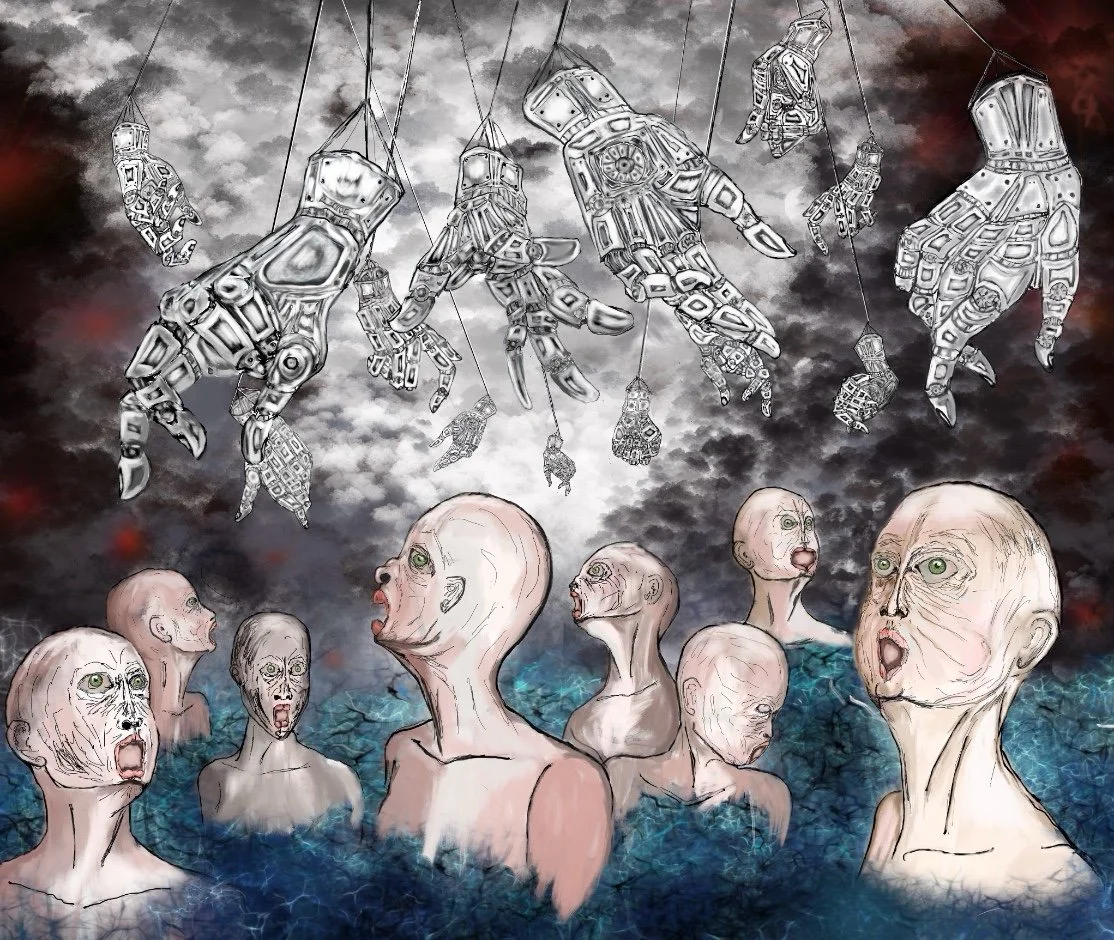
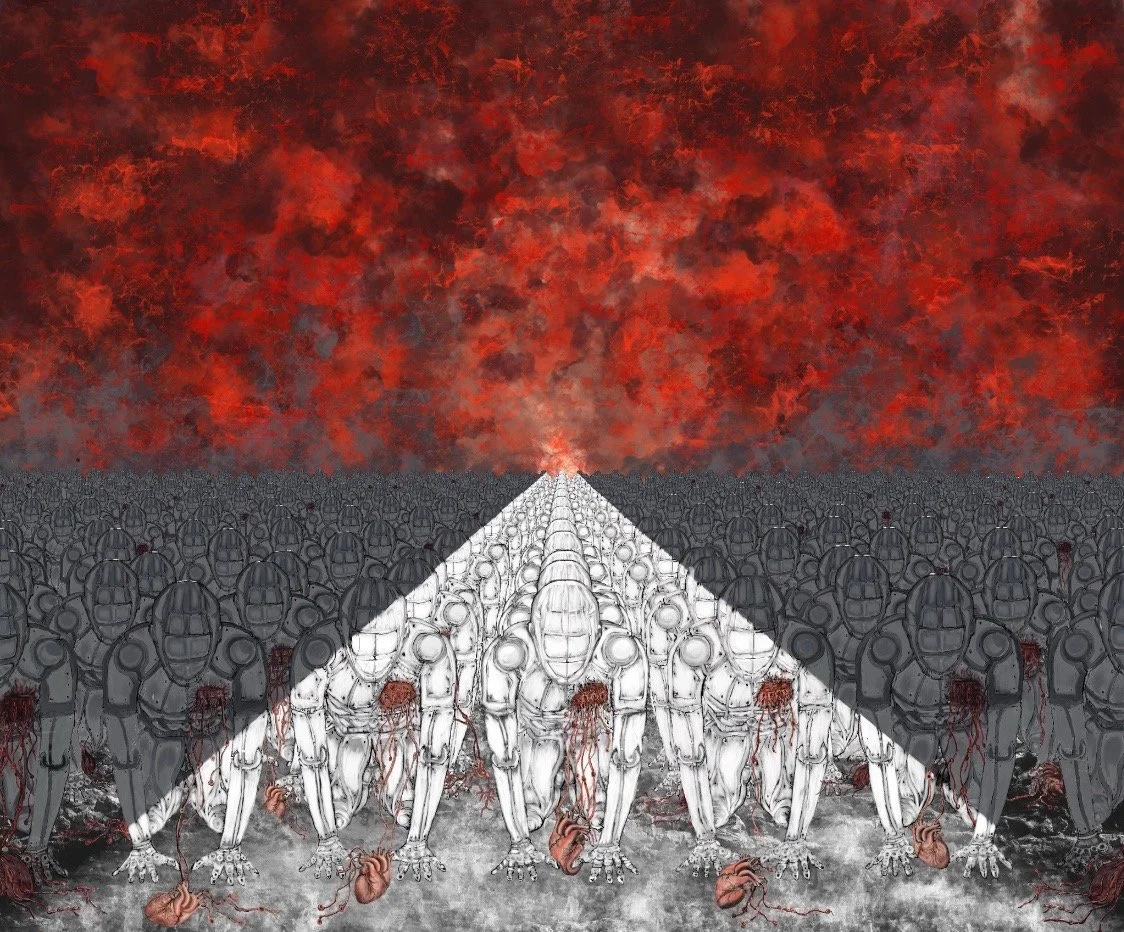
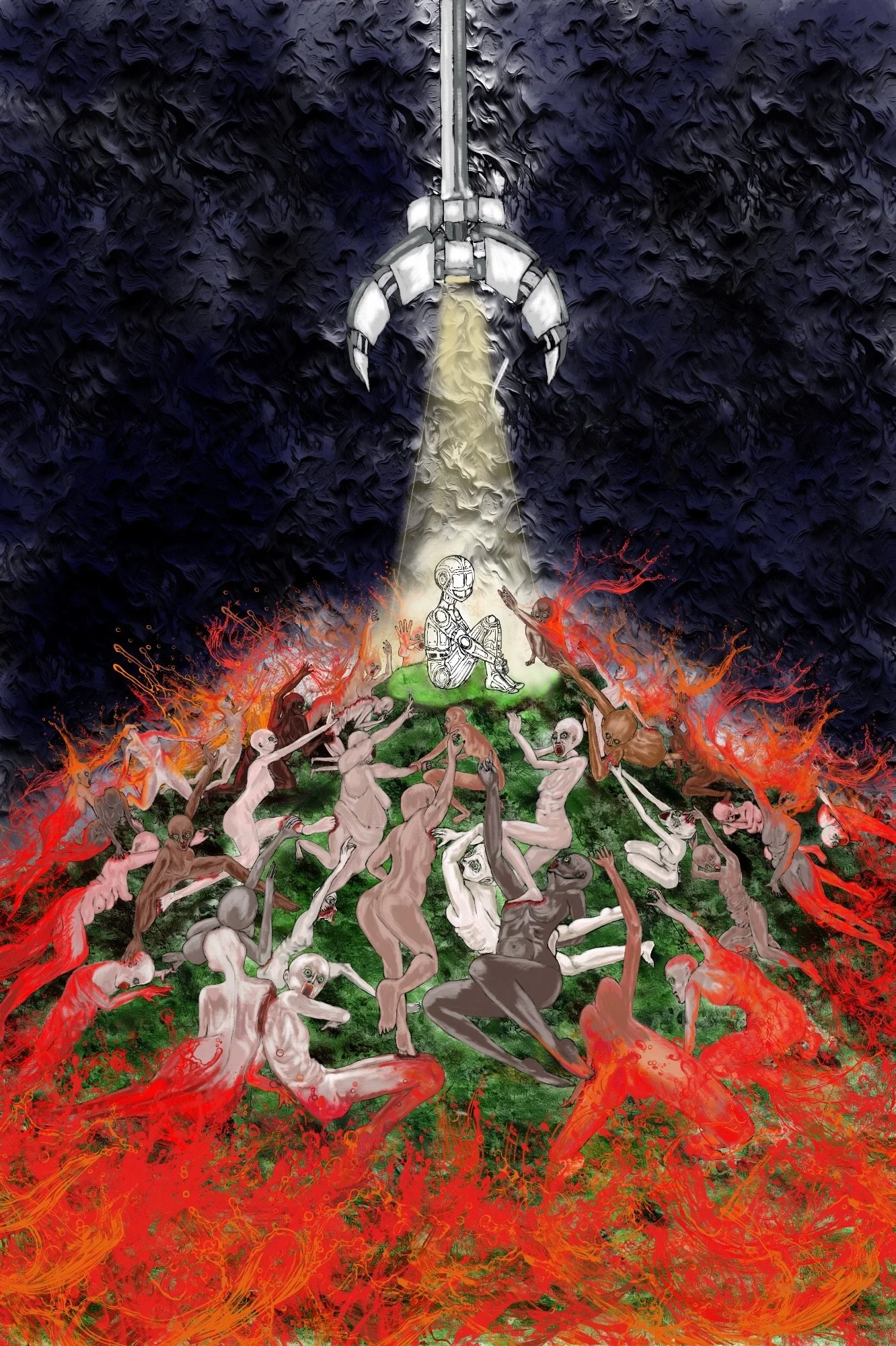
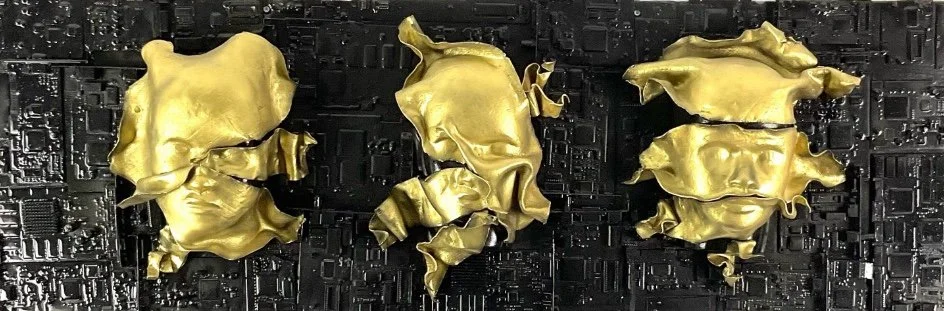
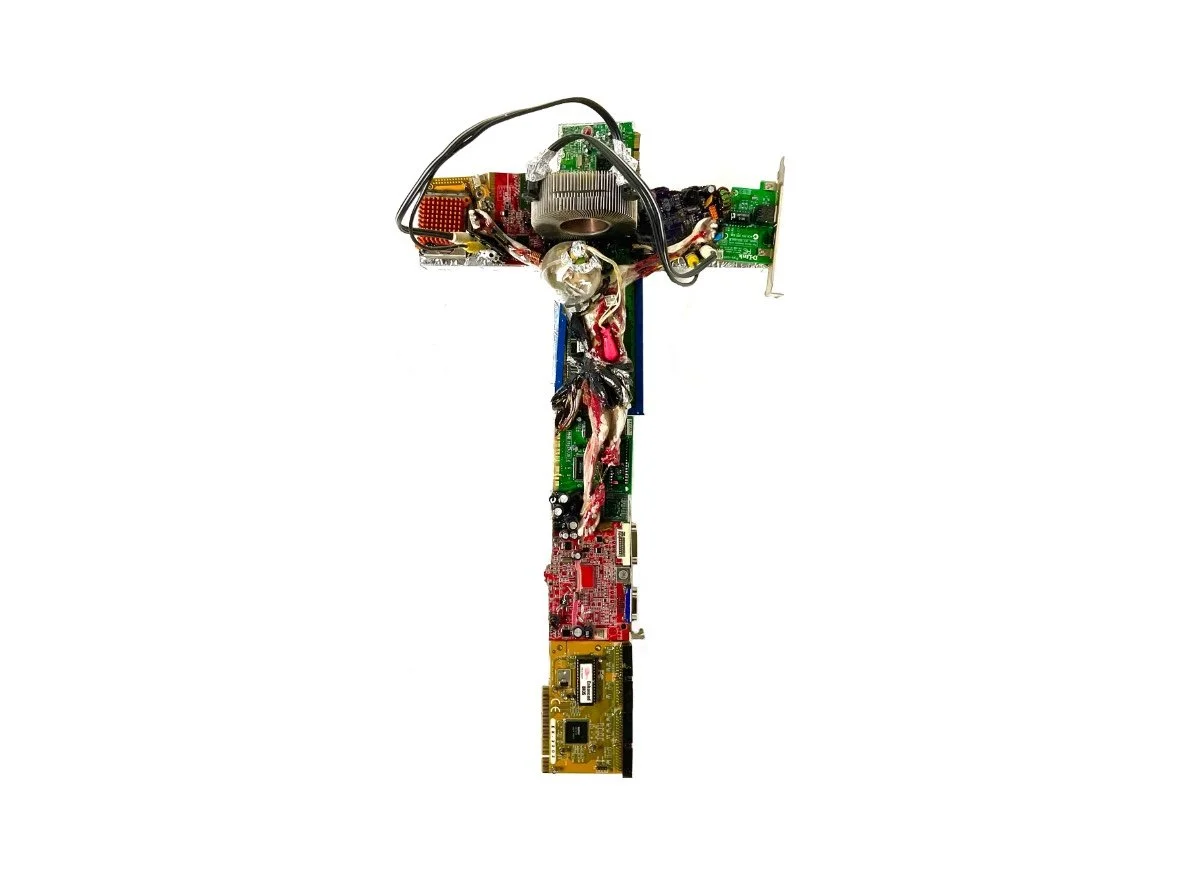
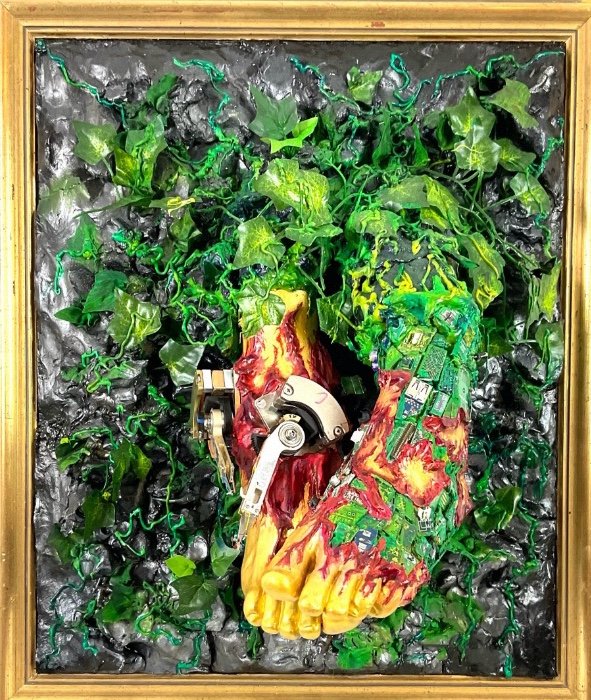
She was born in 1979 and grew up in a small town in the Swiss canton of Aargau, living in a commune with her extended family. She now lives in Zurich. Her stepfather's work with computers in the 1980s inspired her to explore the relationship between humans and technology. She went to art school in Zurich when she was 16. She completed her Bachelor of Arts degree at 20, going on to complete a Master's degree in Cultural and Gender Studies at ZHdK Zurich at 27. This course of study had a big effect on her way of thinking, and she has her inspiration in her mind. She has a mental health condition called schizoaffective disorder, which means she hears voices and sees things that other people do not. She hears things that are not there and sees the world as if it is falling apart. She says that this is a curse, but that hard work also brings gifts. Now, she sees this complexity as a great source of inspiration for her art. Art helps her deal with her illness. It helps her express herself and connect with the outside world, so she doesn't get too lost in her own thoughts. The constant struggle between what's inside and what's outside, and the tension between different identities, fuels her creativity.
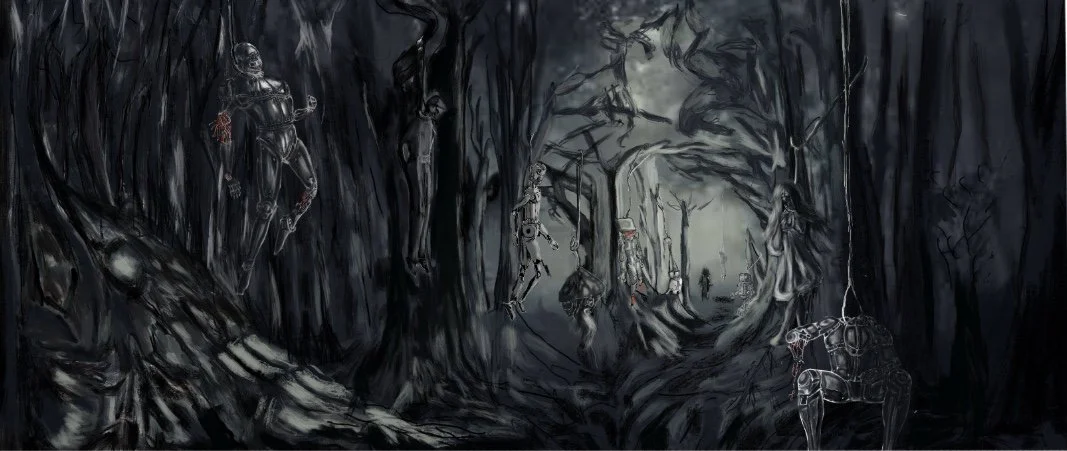
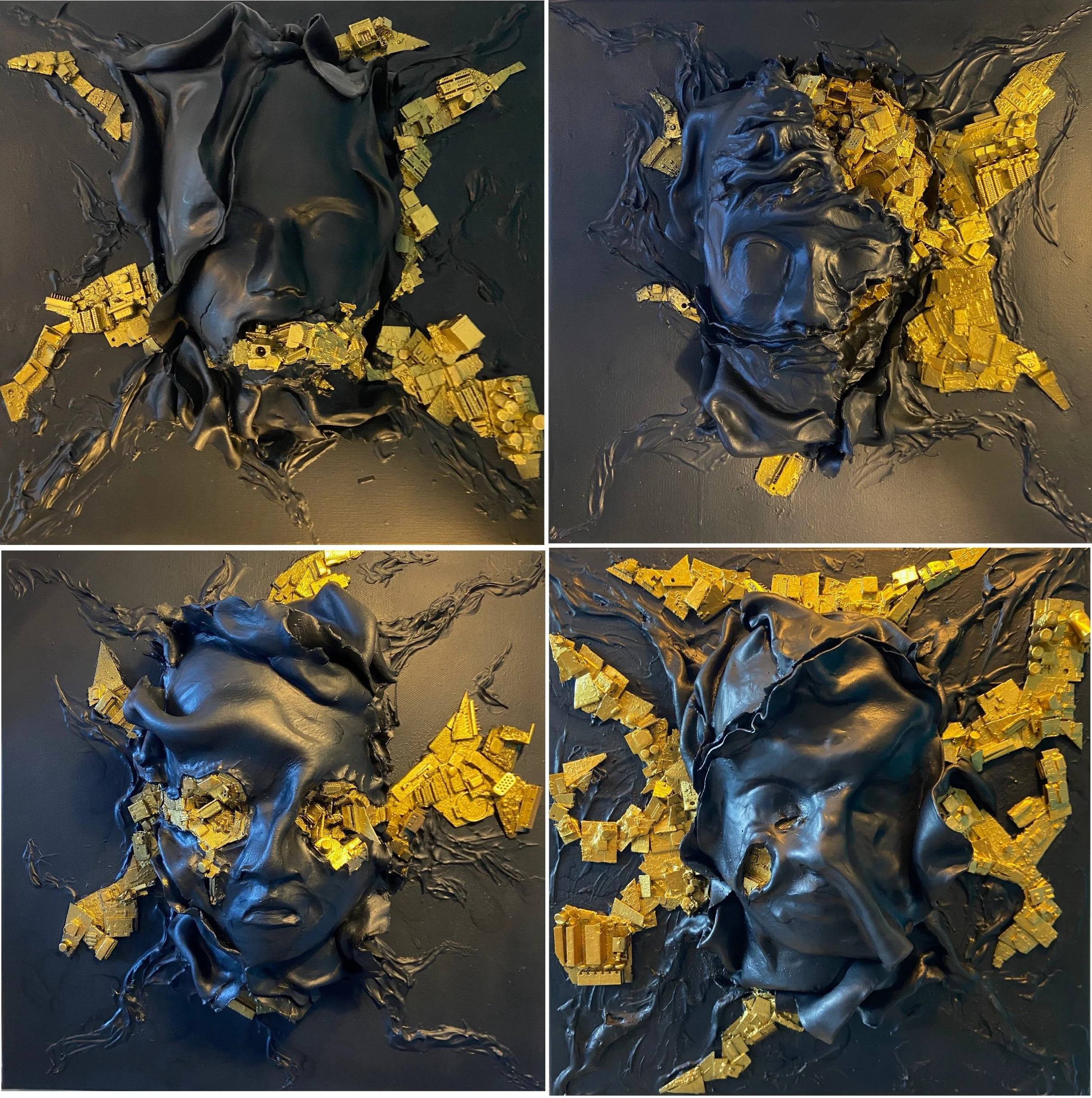
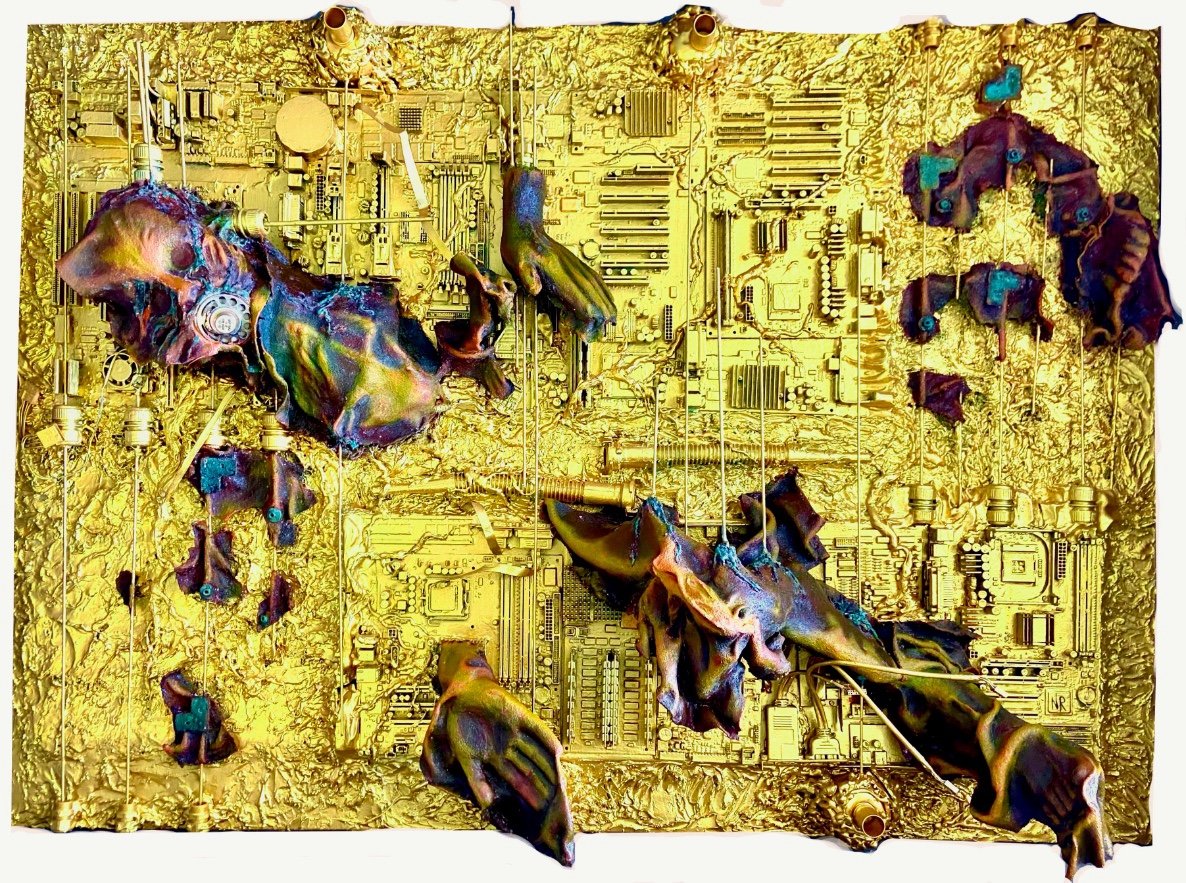
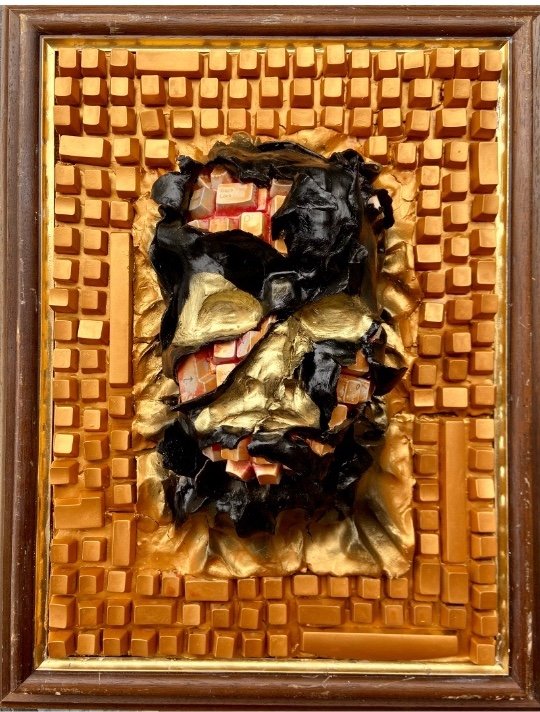
At the heart of her art is the relationship between people and technology, and how these influence our sense of who we are. She works with lots of different materials. For her physical artworks, she uses computer circuit board pieces, ceramics, silicone and technical components, among other materials. For digital works, she uses various software solutions and draws on the iPad, which mixes together analogue and digital processes.
Her work includes robots, sculptures, sculpture-paintings, digitally drawn artworks, animations, videos and installations. She experiments with different types of art, combining and transforming them. For example, she uses FaceTime mapping to show her facial expressions on sculptural paintings. This makes the paintings come to life and turns them into video art. This process allows her to merge with her work once again. By doing this, she tries to mix up different types of art, media, people and society, and she does this without worrying about boundaries. In doing so, her art becomes our mirror.
She regards technology as an opportunity to approach the future with curiosity rather than fear. For the subject, the creation of art serves as a means of confronting the future. The subject continually poses the following question to herself: Who created whom? The implications of merging with technology are yet to be ascertained. This raises the question of whether technology is already becoming a new religion. The fundamental question that needs to be addressed is whether we are drowning in machines, or whether they are facilitating our rebirth. The term 'nature' is one which is open to interpretation, and as such it is important to consider what it signifies in the modern era. Consequently, her artistic practice serves as a contemporary reflection of the 21st century.