Xavier Ponce
-
International Photography & Art Magazines:
→ Art Market Magazine, Featured portfolio (Solitude), extended editorial coverage, and inclusion in the Gold List – Top Contemporary Artists (2025)
→ Lens Magazine: Featured portfolio (Full Circle / Círculo Completo), September 2025, Additional editorial feature (Color Is Undeniable, 2025)
→ Digital Photographer Magazine: Pro Column feature (Being Colorblind), 2025
→ Digital Camera World: Editorial feature on monochrome street and architectural photography
→ Hunter Magazine: In-depth interview and photographic feature
→ InFrame Magazine: Featured work and editorial inclusion
→ Milk X Magazine: Editorial feature showcasing monochrome urban work
Cultural, Business & Lifestyle Media:
→ Mundo Diners: Feature highlighting my photographic practice and artistic trajectory, October 2025
→ YPO Eyes of the World: Published photographic work within an international curated volume 2024
Photography Platforms & Editorial Showcases (Curated, juried, or invitation-based):
→ LensCulture: Curated features and exhibition-style presentations
-
→ BSIDE Gallery, Melbourne - Australia, The Best of Black & White / January 2023 / Digital
→ BBA Gallery Berlin - Germany
→ Art of Photography / January 2023 / Digital→ Espacio El Dorado Gallery, Bogotá - Colombia
→ Exhibition Shot / February 2023 / Digital→ Milan Image Art Fair (MIA), Milan - Italy, The Beauty of Earth / March 2023 / Digital
→ Valid World Hall, Barcelona - Spain, Landscape Photography Exhibit / May 2023 / Digital
→ Bridgeport Art Center, Chicago - USA, Street Photographer of the Year / July - August 2023 / Print
→ Sony World Photography Awards 2024, Somerset House - London, Finalist in the Street Photography Category with the shot "Late for Confession" - May 2024
→ Harbour City Gallery, Hong Kong, Milk X Magazine - 18th Anniversary - Street Photo - August 2024
→ The Artists Gallery, Los Angeles, CA, Black and White Exhibition - January 2025
→ Museo Antiguo Círculo Militar, Quito, Ecuador
→ Expo Fotografía Diversa - August 2025→ OCC Gallery, Laguna Hills, CA, Black & White Captures of the World Exhibition - September 2025
→ Museo Archivo de Arquitectura de Ecuador, Quito, Ecuador, Full Circle - Solo Exhibition - Oct / Nov 2025
-
Awards & Distinctions:
→ Sony World Photography Awards: Shortlisted Finalist, Street Photography category. Exhibited at Somerset House, London (2024)
→ MonoVisions Photography Awards: Honorable Mention, Street Photography
→ For Late for Confession→ ReFocus Awards: Honored Artist, International juried photography awards program
→ OneEyeland Photography Awards: Bronze Distinction, International photography awards platform
→ MonoAwards: Honored Artist, International monochrome photography competition
→ Minimalist Photography Awards, Honored Artist, Recognition for minimalist and concept-driven work
→ LensCulture: Curated selection and editorial recognition, International photography platform with juried exposure
→ 35Awards, Selected Photographer, International photography competition
→ Leica Fotografie International (LFI) Gallery, Selected Photographer
→ Curated inclusion by Leica’s international photography platformProfessional Representation & National Selection:
→ World Photography Cup
Team Ecuador Representative in 2025
Selected to represent Ecuador in international competition
(Captain, 2026 edition) -
Instagram:
→@xpvphoto
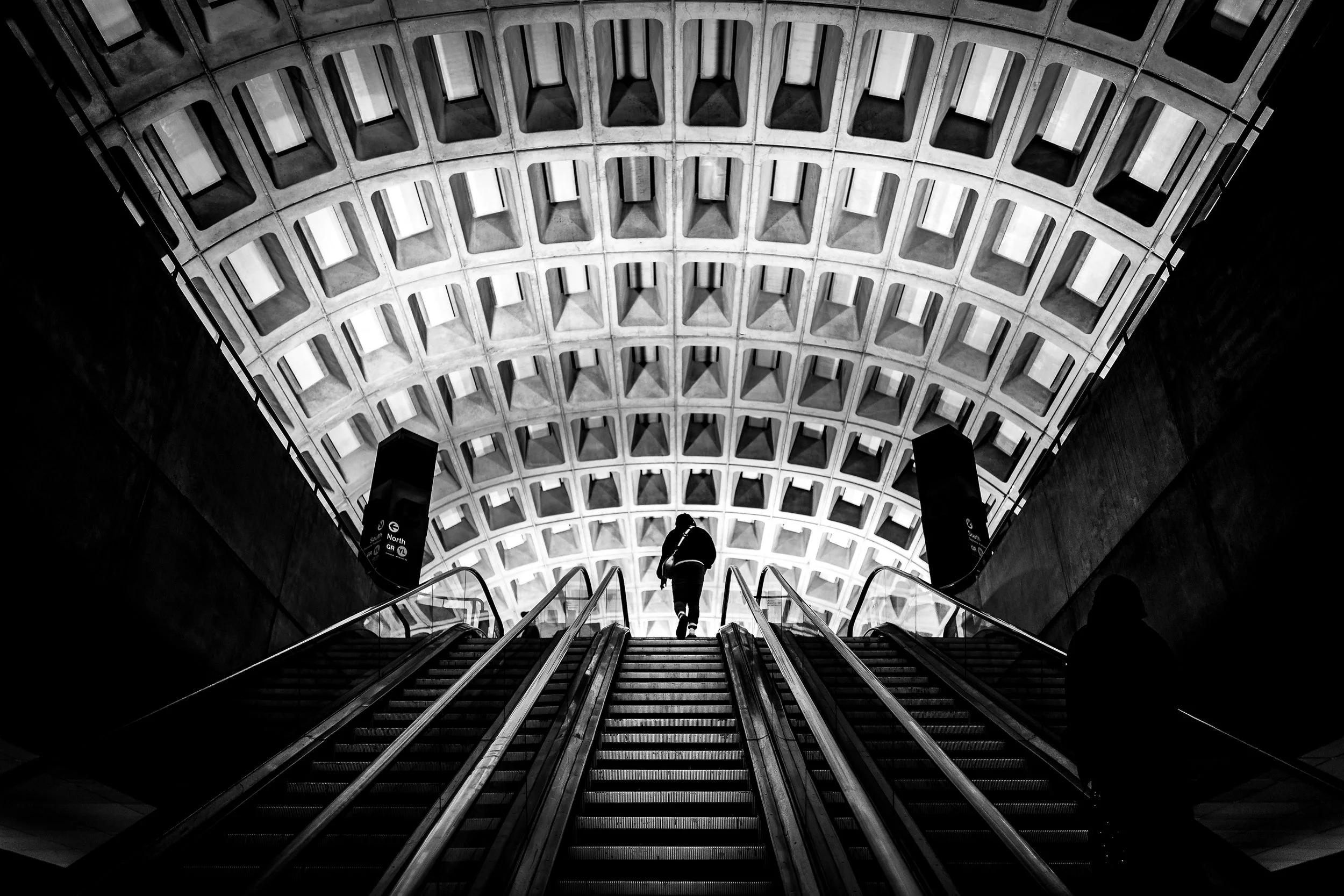
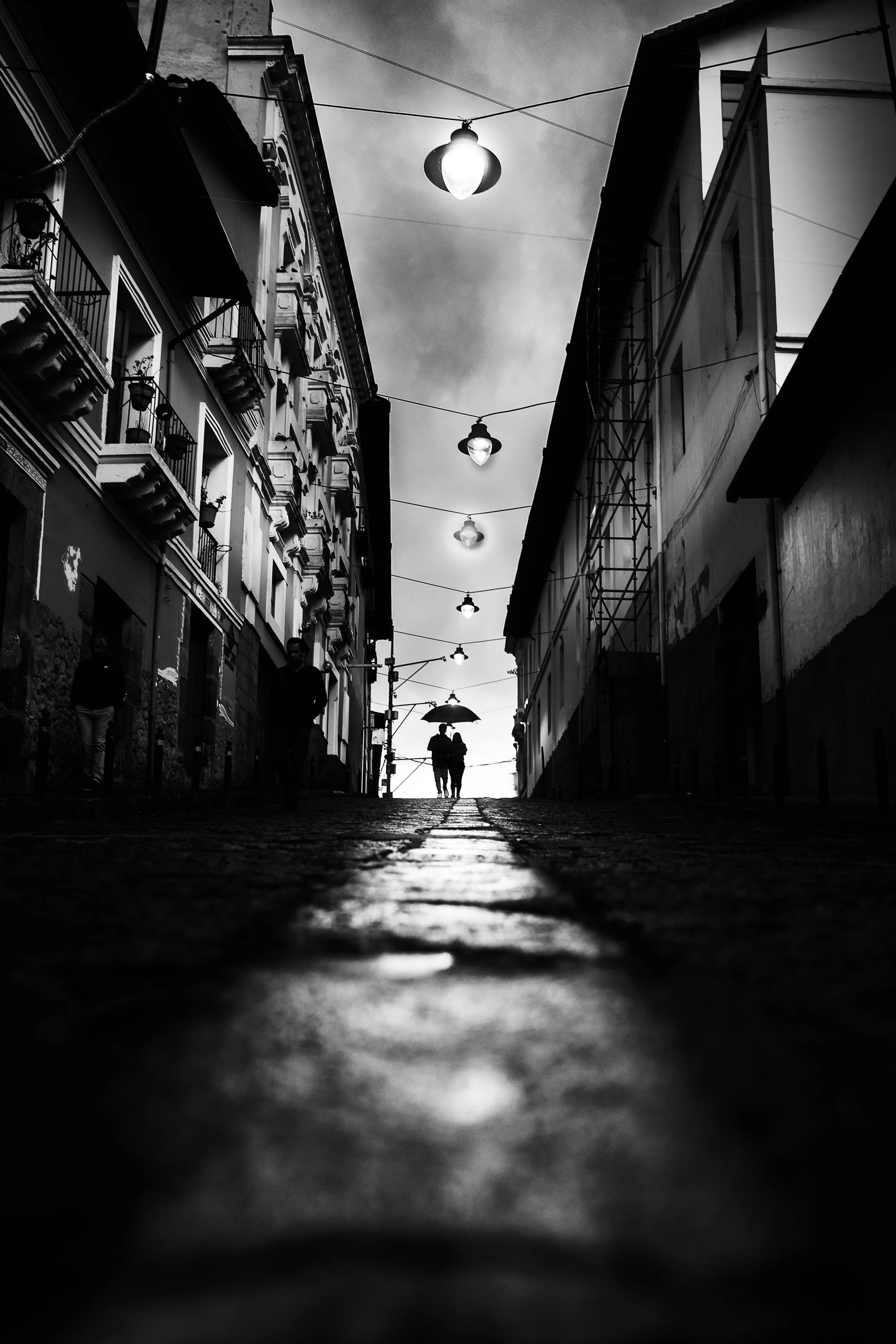
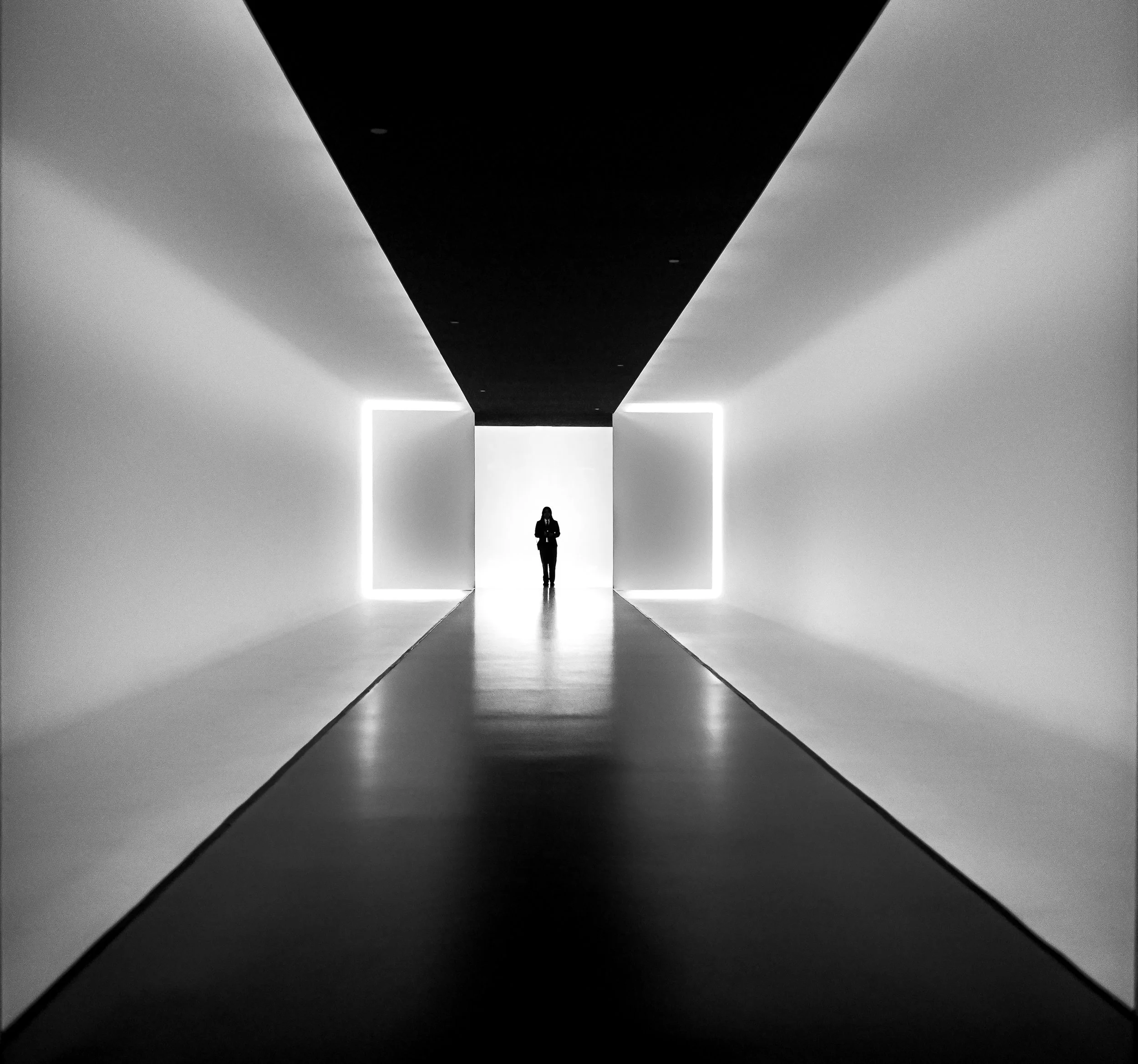
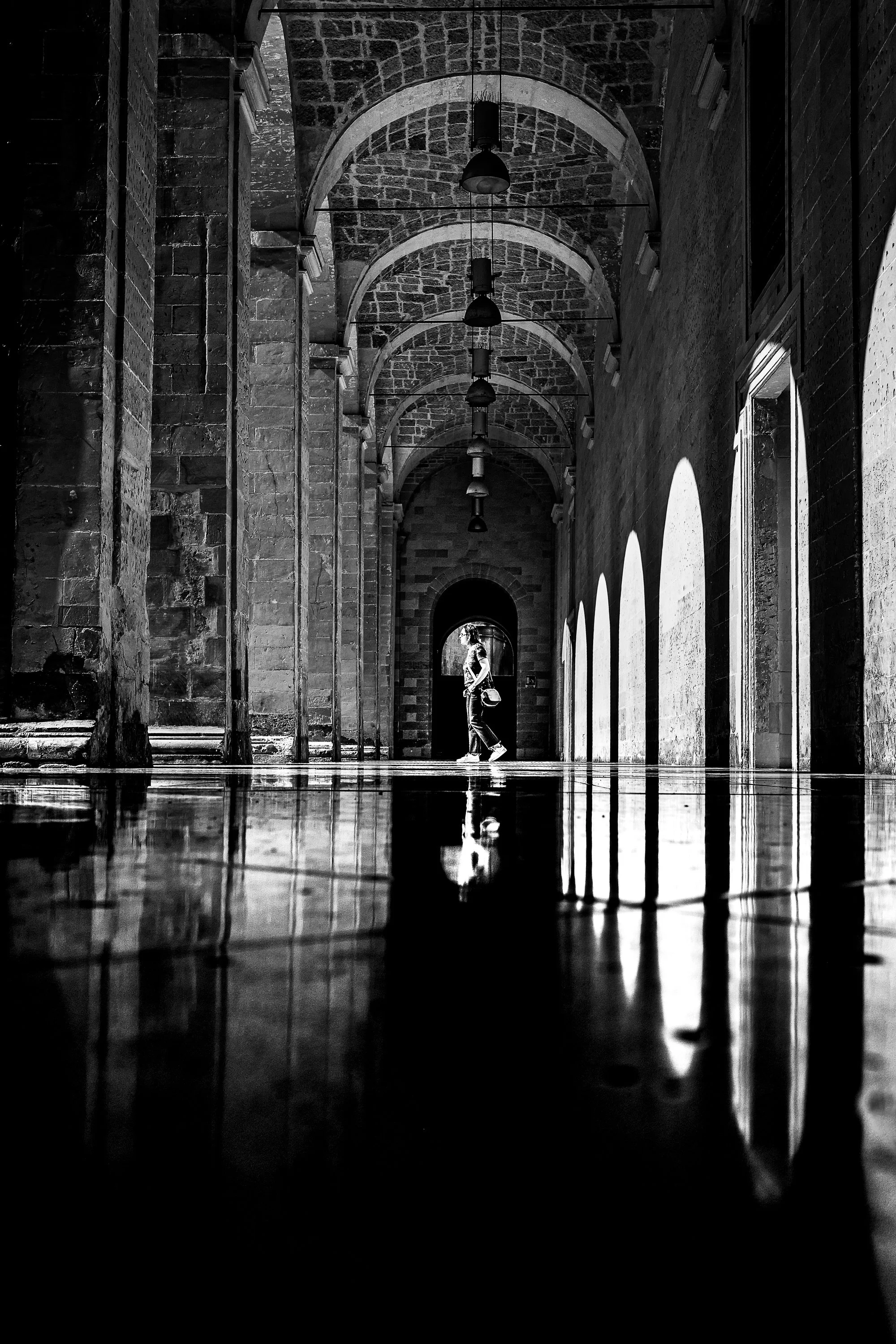
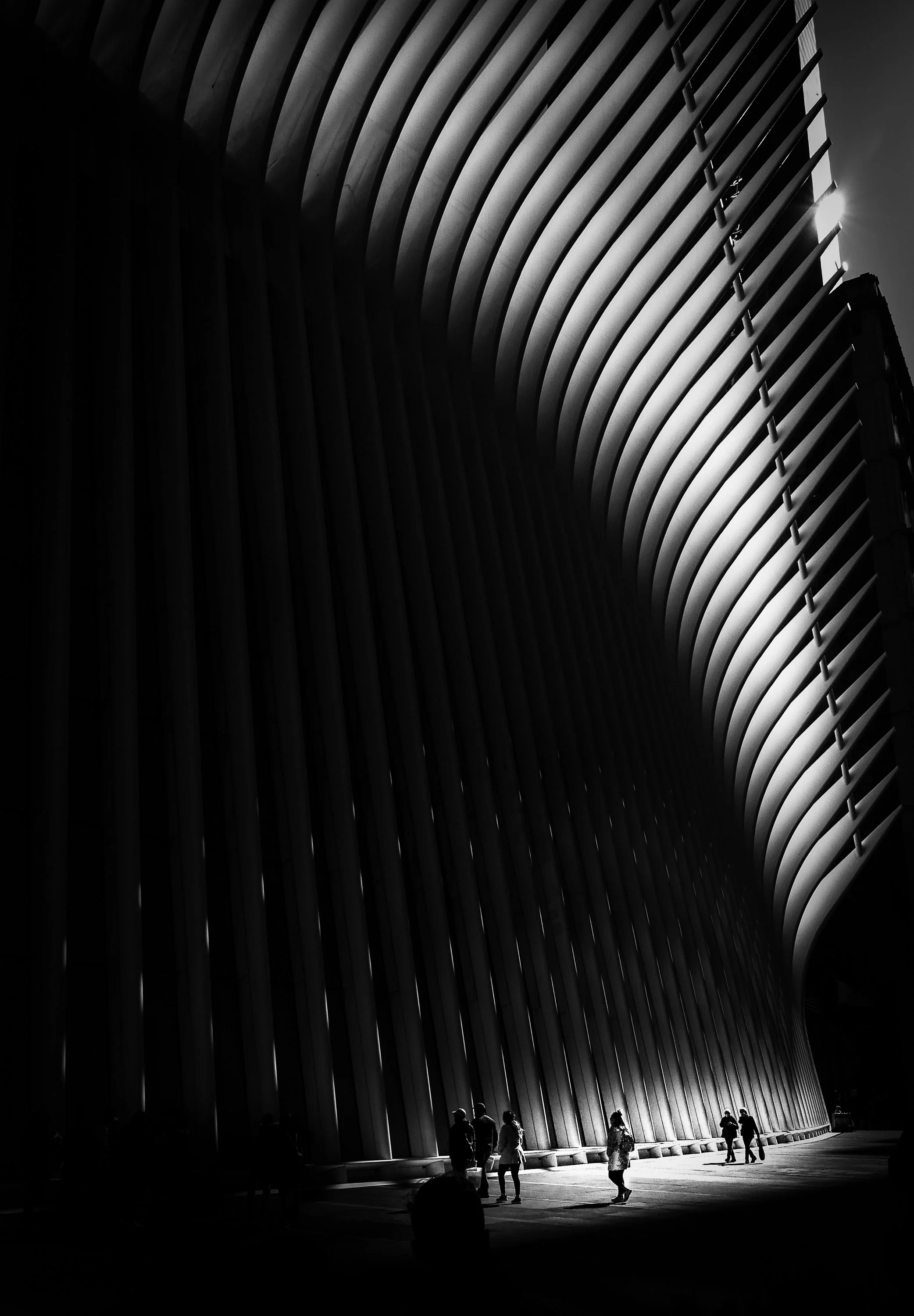
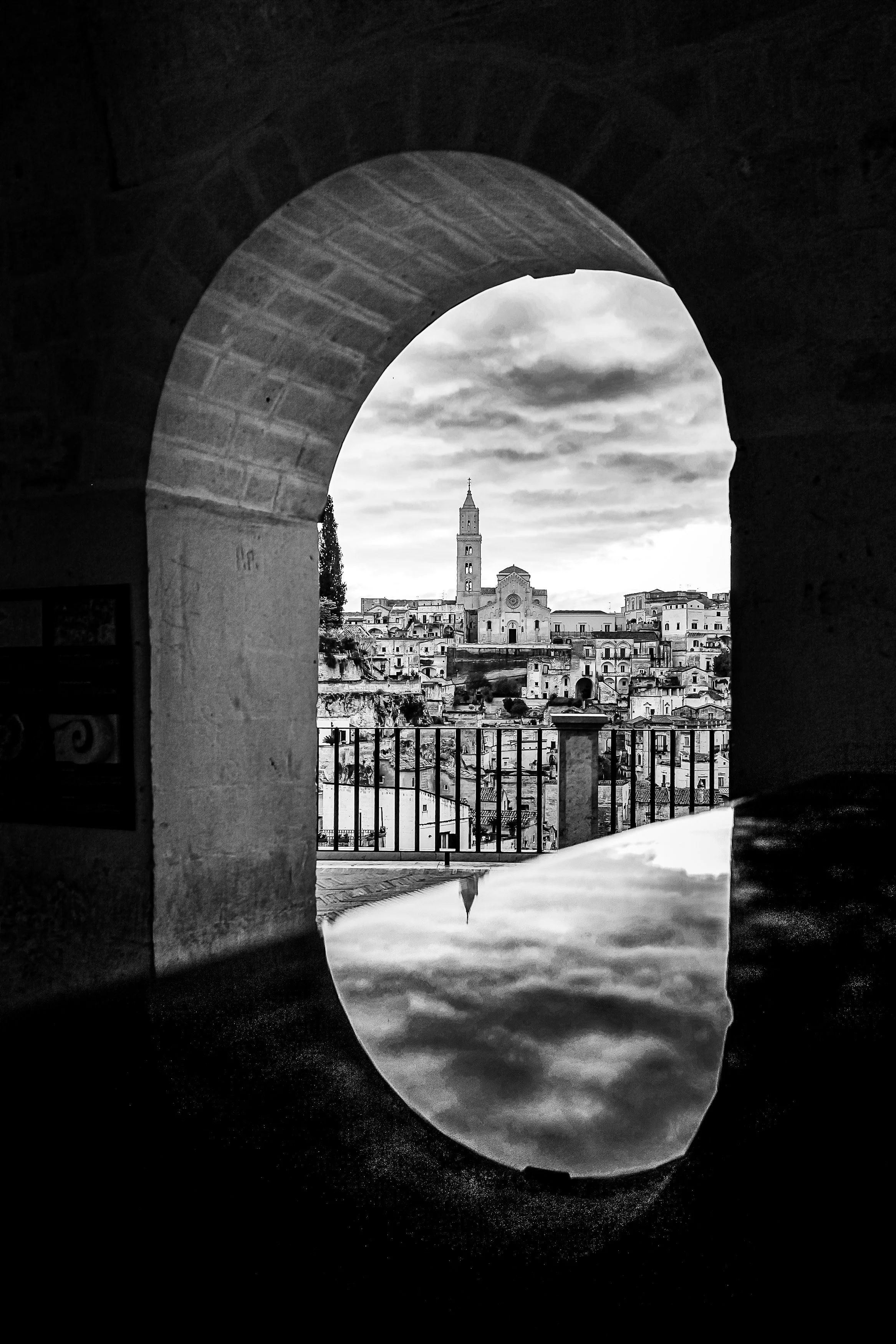
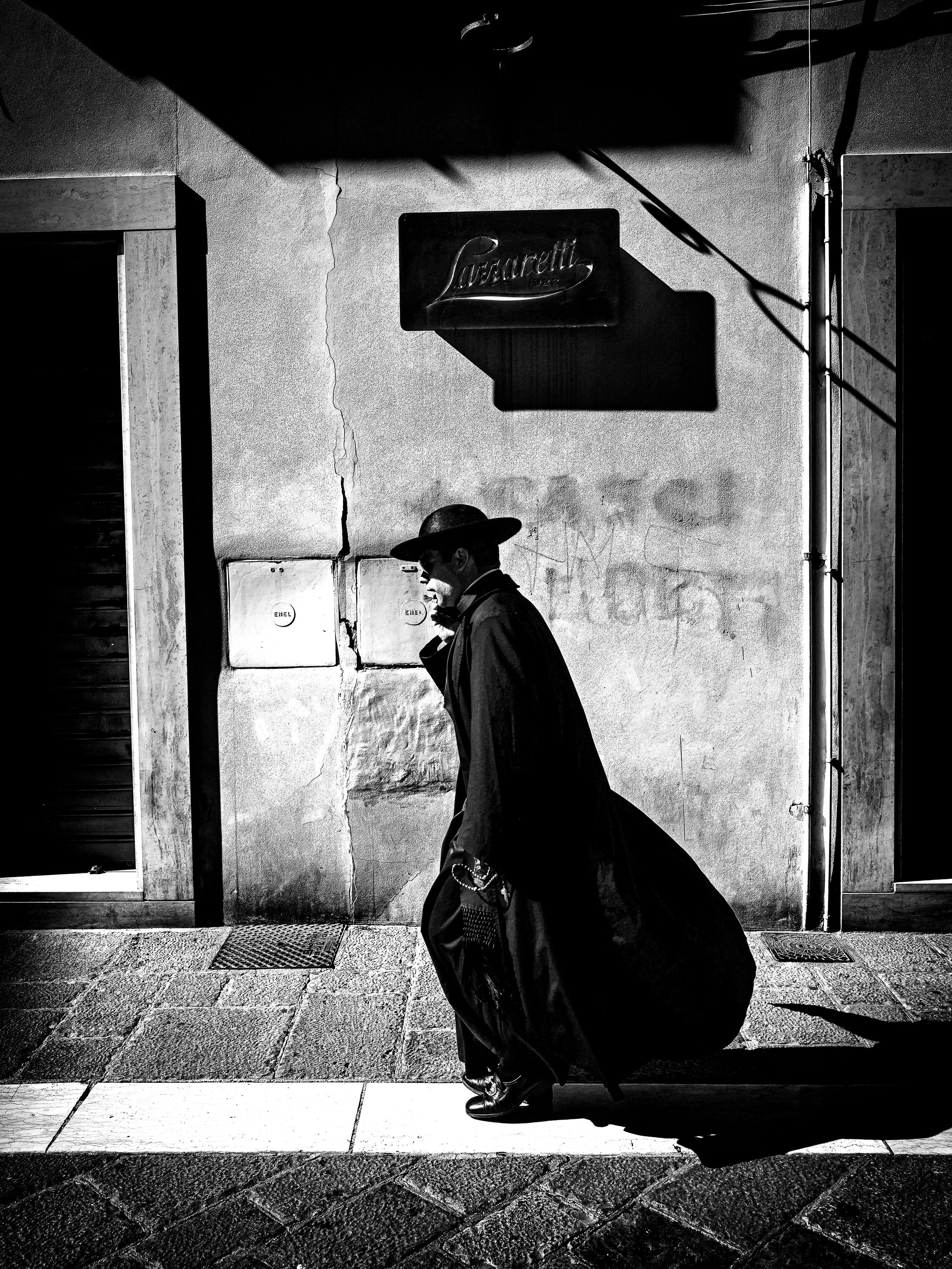
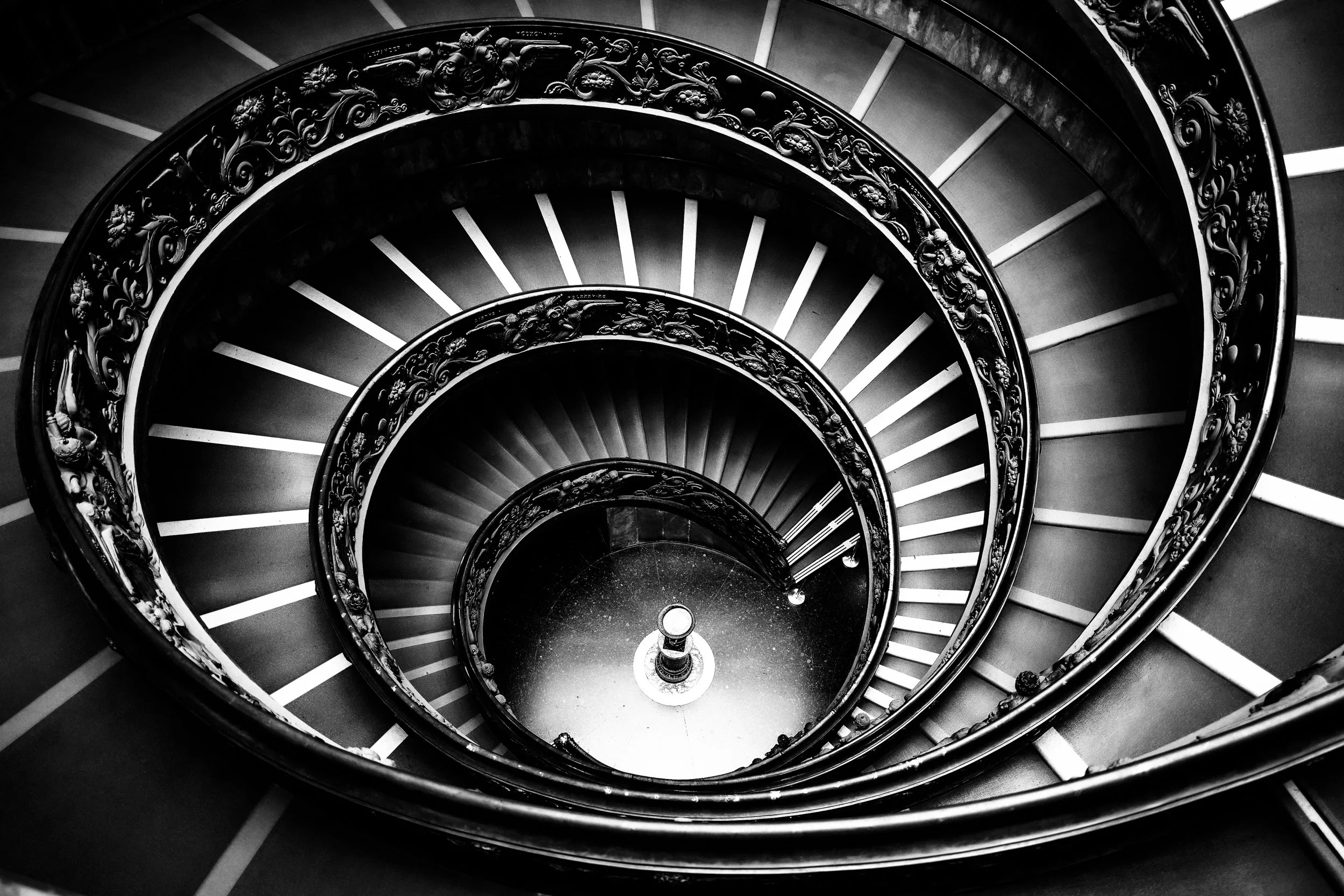
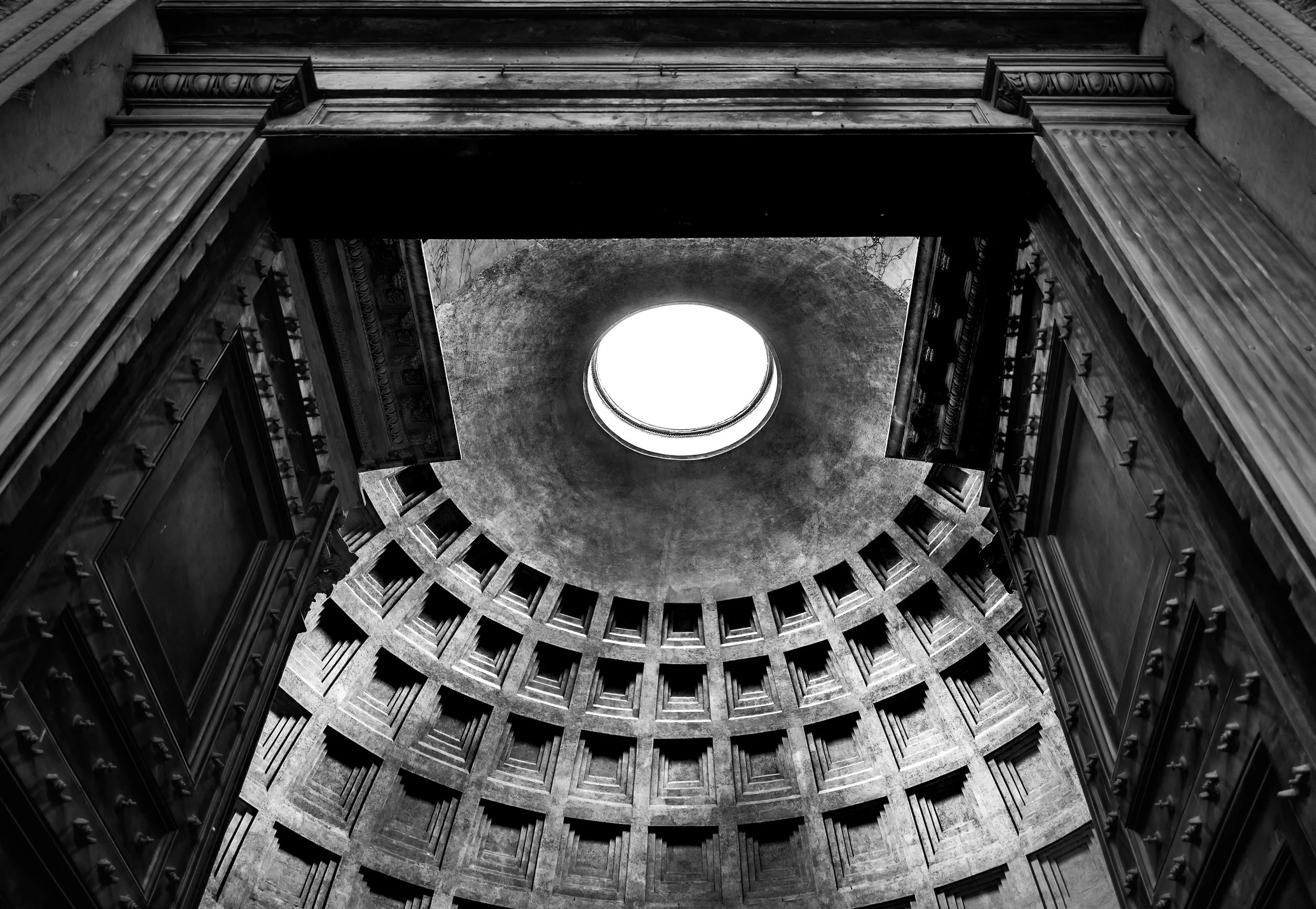
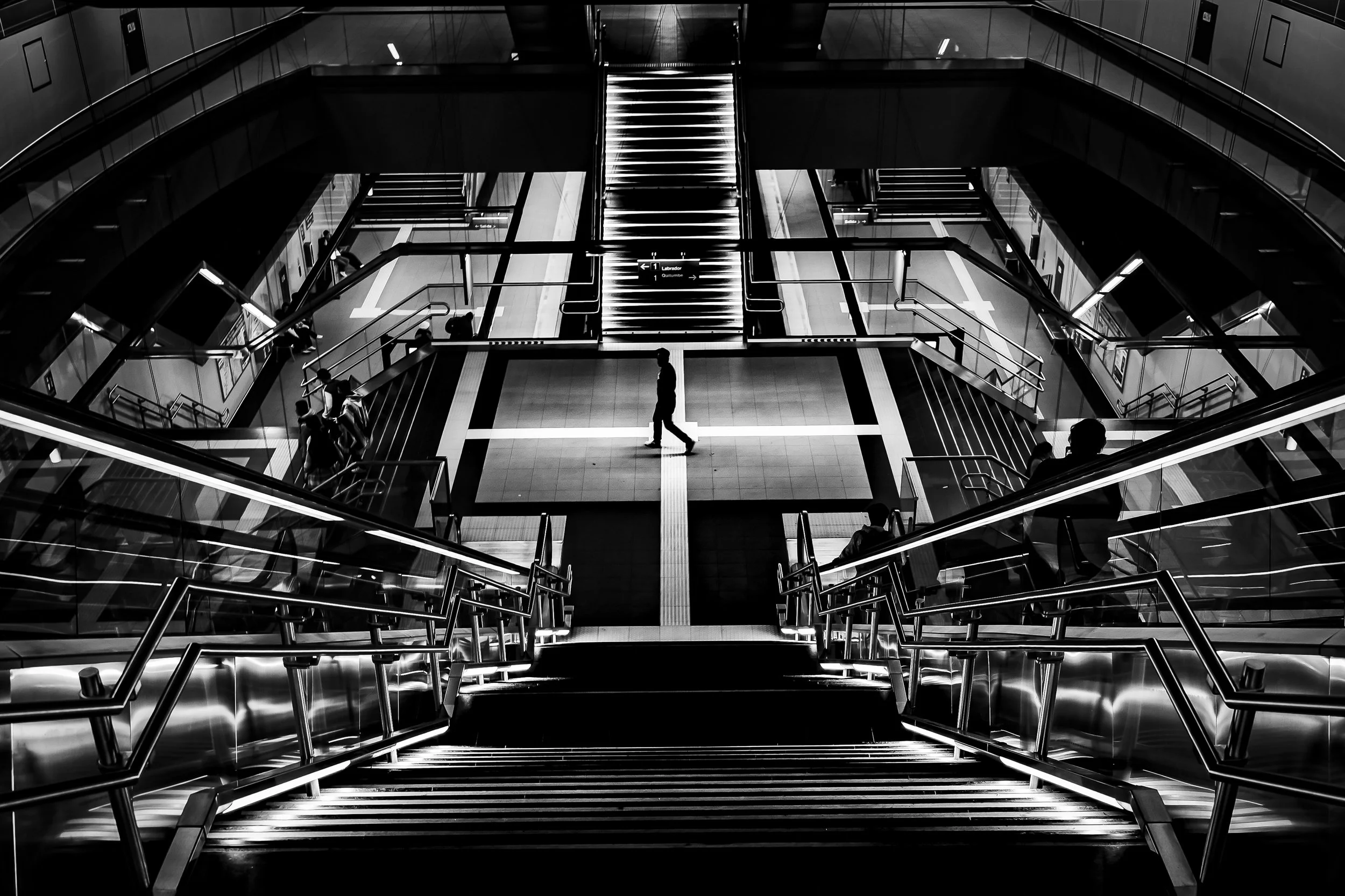
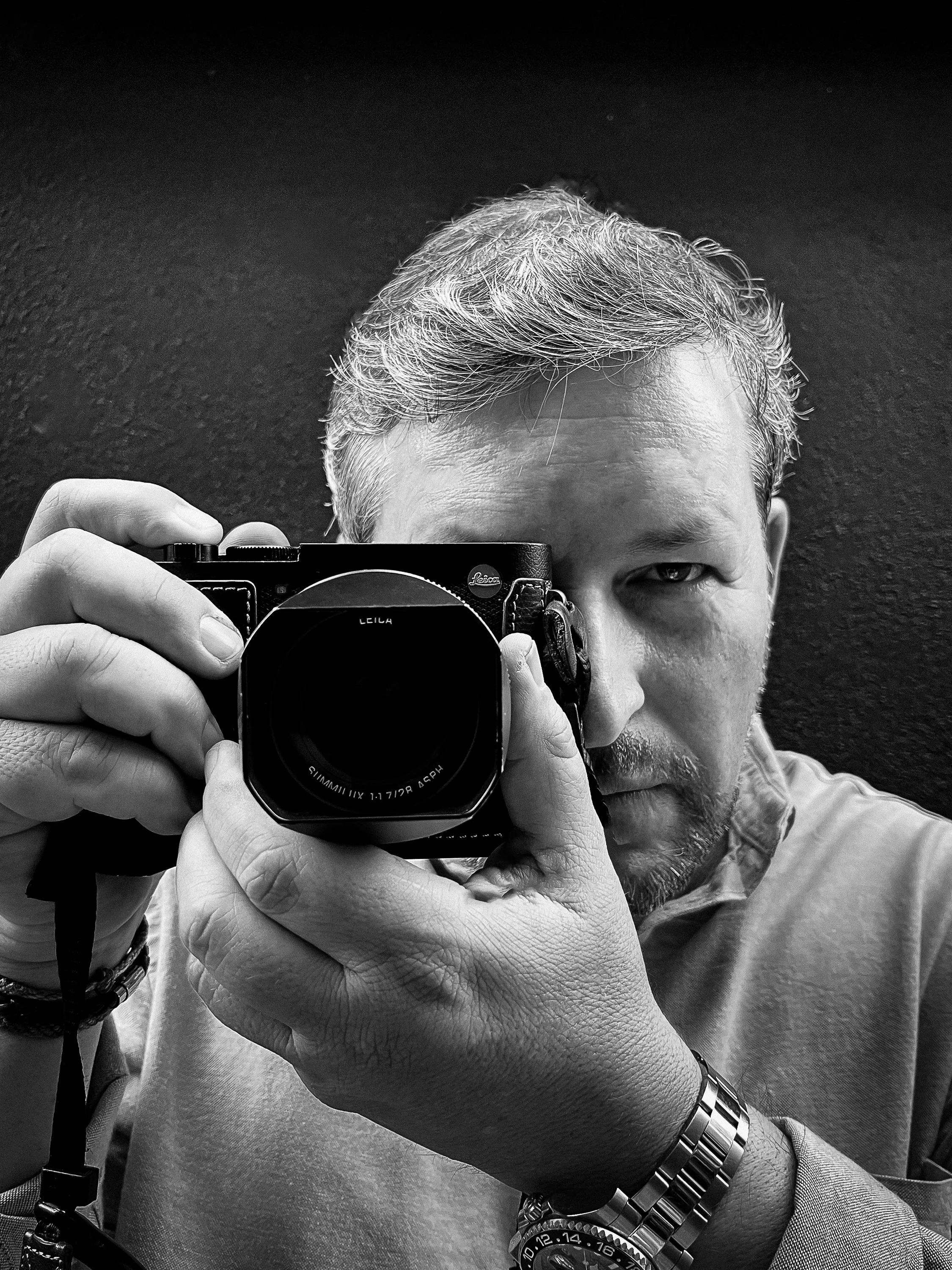
Xavier Ponce is an Ecuadorian fine-art photographer whose work explores the quiet architecture of cities through high-contrast monochrome. Based in Quito, his practice sits at the intersection of street photography and architectural abstraction, where light, shadow, and geometry become the primary language of expression.
His relationship with photography began in the early 1990s, when a first SLR camera and a self-built darkroom sparked a fascination with the physical act of image-making. Over the following decades, Ponce photographed consistently while developing a disciplined visual sensibility grounded in observation, restraint, and composition. At mid-life, he made a decisive commitment to photography as a serious artistic practice, embracing a philosophy he describes as “colorblind by choice” in order to distill images to their essential form.
Working almost exclusively in black and white, Ponce’s photographs transform urban environments into meditative spaces. Architecture is treated not as documentation, but as structure and rhythm, while human presence appears sparingly as scale, tension, or silence. His work has received growing international recognition, including features in Lens Magazine and Art Market Magazine, inclusion in Art Market’s Gold List of Top Contemporary Artists, and selection at the Sony World Photography Awards.
Today, Ponce’s work is held in private collections internationally and continues to evolve as a sustained, concept-driven exploration of the modern city.
In the artist's words: My work explores the relationship between architecture, street life, and human presence through the disciplined language of monochrome photography. I am drawn to cities not for their spectacle, but for their quieter moments, where light, shadow, and geometry intersect with everyday movement. Working in black and white allows me to strip the image of distraction and focus on structure, rhythm, and emotional tension.
I work at the intersection of architectural and street photography. Architecture provides the framework, the order and geometry that shape a space, while street photography introduces unpredictability and human scale. Curves, corridors, staircases, and facades function as compositional anchors, while fleeting figures enter the frame as interruptions, silhouettes, or moments of solitude. Human presence is never illustrative; it exists as a measure of time, distance, and vulnerability within the built environment.
I approach both genres with the same intention. Whether waiting for a figure to cross a shaft of light or studying how shadows reshape a structure throughout the day, I work slowly and deliberately. Perspective becomes a language, not a technique, guiding the viewer through spaces where movement and stillness coexist.
Through high-contrast monochrome, I aim to transform ordinary urban scenes into meditative images that reveal silence within complexity and poetry within the everyday city.