Tim Taylor
-
→ May 2024: Interview and website publication of artwork; Access Art Gallery; New York
→ April 2024: “Visionaries of 2025”; Art Curator Magazine Print Edition; Statement and Two Studies
→ February 2024: Interview; Art Curators Magazine
→ Inclusion in Art in America Annual List, 2019, Artifact Gallery NYC
→ 2nd International Prize Leonardo da Vinci, Borguese palace, Florence Italy January 20, 2018, Award with catalogue and Art International Magazine Publication.
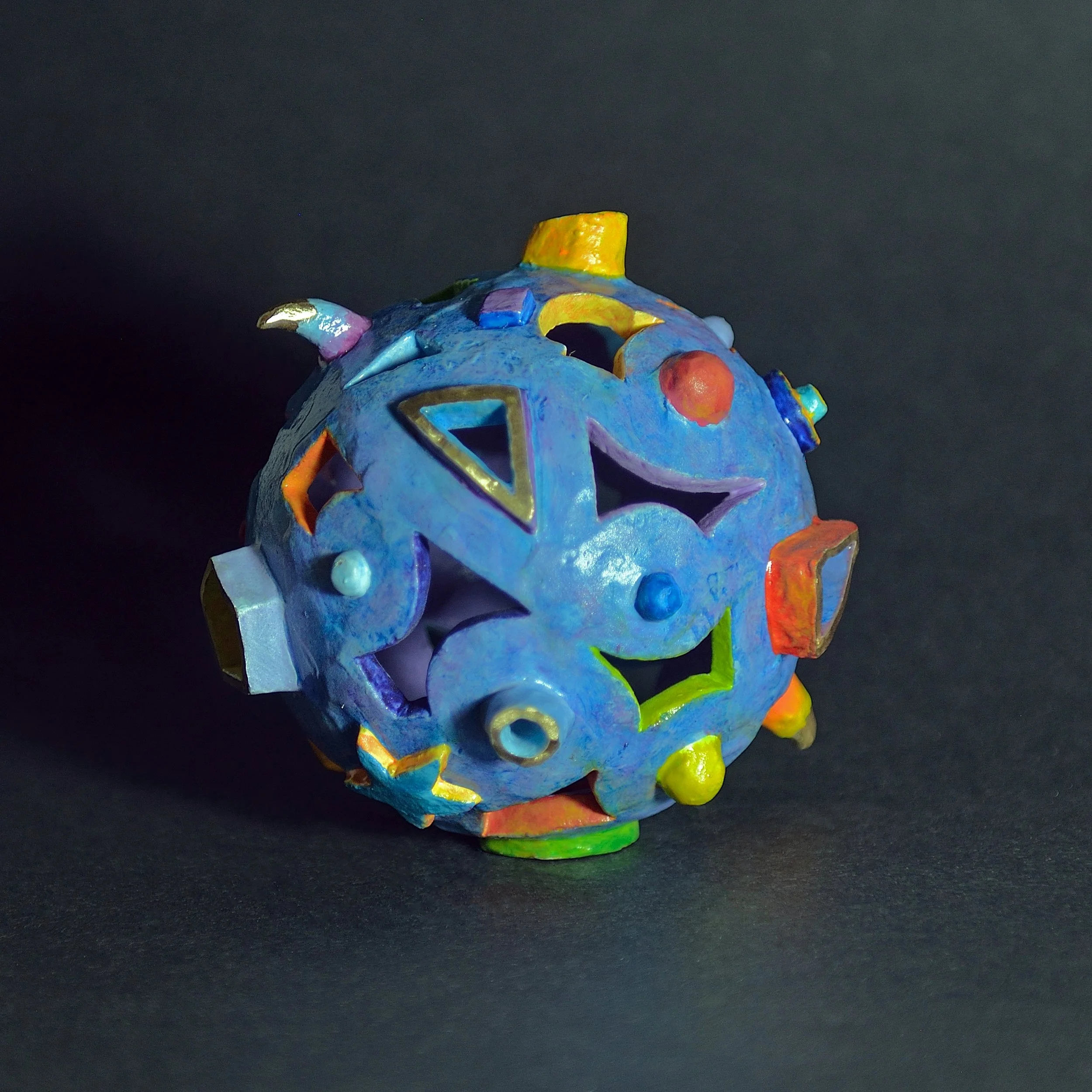
→ "Gold Ball 2" Cover Art for philosophy collection "On Taste", Edited by Lars Mogensen PhD, published by Cambridge Publishers
→ November 2016: “Contemporaries at Uffizi” Uffizi Gallery Museum, Florence Italy, Presentation with catalogue, and Award; with Critique by Sandro Serradifalco in “International Contemporary Art” Magazine.
→ Biancoscuro Magazine, ½ page image, Issues #14 (“Bronze ball”), #15 (“Nightlight”), 2016
→ Marco Polo Art Ambassador International Award, Venice Marin Palace September 5 2015. With One Page Effetto Arte Sept-Oct 2015
→ Louvre Art Shopping, June 2015. With One Page photo of exhibited Artwork in EA Editore, May-June 2015 Issue.
→ Artwork featured in Effetto Arte Magazine May/June. Miami Art Expo, June 19 – 26, 2015, Miami Fla., Global Arts Agency, Digital.
→ Art Shopping Louvre, June 2015, Effetto Arte Gallery, Paris France. Art Featured in Effetto Arte Magazine May/June 2015
→ PaviArt, Palais des Expositions Pavia., April 24 to 26. 2 Page Editorial BiancoScuro Magazine. Critique by Curator Mariarosario Belgiovine
→ First Grand Prix de la Cote d’Azur, Cannes Palace Hotel, April 18, 2015 – Exhibition and Award Ceremony; “Over the Cover” Biancoscuro Magazine back cover award
→ Arte Cremona, March 13 – 15, 2015, ArtExpo Gallery, Lodi, Italy – Artwork Featured in Biancoscuro Magazine
→ Artwork Featured in “The Genius of Art” Editorial by Salvatore Russo, www.ilcuratore.it – With one page of art in Effetto Arte March/April 2015
→ International ArtExpo, 120 International Artists (selected from the 2nd Biennale di Palermo), February 21 – March 3, Guicciardini Bongianni Palace, Florence, Italy – Sandro Botticelli Prize Award, March 1, 2015; Effetto Arte page of Art, Jan/Feb 2015
→ Wunderkammer – Secret Room of Art, January 11 – 25, Reale Albergo Delle Povere Della Povere Museum, Palermo, Sicily
→ Wunderkammer Artwork Featured in Effeto Arte Magazine Nov/Dec, 2014
→ And “25 Stars” Effetto Arte Magazine 25th Edition Special Insert With Critique by Curator Salvatore Russo, EA Editore Gallery, November 2014
→ Premio Arte Catania Exhibit, Ex Manifattura Tabacci San Cristoforo Square, Catania, Sicily
→ Premio Arte Catania Award, November 15, 2014
→ Catania Artwork Featured in “Over Art” publication.
→ March 24, 2010: “Artifact” Published at Wassardelea.blogspot.com
→ July 19-26, 2008: Gesso Form exhibited at “Tortorella”, Mostra a Sala Consiliare, and art featured in Journal of the Elea Arte Club, Salerno Italy.
-
→ Scheduled for April 2026 - Gem Art’s “Art Shopping”, Louvre Carrousel, Paris France; “Tim Taylor” 18 meters space.
→ Parcus Gallery, Austria. Traveling exhibitions 2025.
→ April 2025: Gem Art’s “Art Shopping”, Louvre Carrousel, Paris France; “Tim Taylor” 9 meters space.
→ October 2024: Gem Art’s “Art Shopping”, Louvre Carrousel, Paris France; “Tim Taylor” 9 meters space.
→ Galleria Bruno Massa; Wide Digital release of selected artworks, July 2018 – 2019.
→ PAKS Gallery: "Contemporary Art and Artists Today" in the MAMAG Modern Art Museum in castle Hubertendorf from 29th September to 21th December 2018. With traveling exhibition of selected works.
→ GEM ART Salon Art Shopping, Louvre Carousel Booth G22 “Tim Taylor”, Paris, October 2018.
→ Global Arts Awards, Candidate , several Categories, and Exhibiting Artist.
→ Wednesday 21 November 2018, FIVE Hotel Palm Jumeirah – Dubai
→ Formula 1 Abu Dhabi Art Exhibit. The Rich List, Yas Racetrack Terrace, November 2018.
→ Fiera Vernice Art Fair; catalogue, 2018, Art Expo Gallery
Digital presentation of Selected works:
→ 1) Gallery “Art Up Close” (Artifact Galleries, NYC), with presentations of work at Monaco Yacht Show, Red Dot Miami during Art Basel Miami, Artexpo New York, Los Angeles Art Show, Architectural Digest Design Show, 2018 and 2019.
→ 2) Art Productions, NYC, digital distribution of artworks, 2018.
→ PAKS Gallery Representation 2018, with exhibits:
→ International Fine Art Austria Biennale” from 10th to 18th March 2018, MAMAG Modern Art Museum.
→ Amsterdam Art Fair, Global Art Agency August, 2017.
→ “Art Takes Manhattan”, Group Show old Miller Gallery, NYC, May 2017.
→ November 2016: “Contemporaries at Uffizi” Uffizi Gallery Museum, Florence Italy, Presentation with catalogue, and Award; with Critique by Sandro Serradifalco in “International Contemporary Art” Magazine.
→ Artist in Residence, Wassard-Elea Refugium for Artists, Scholars, Composers and Writers, May/June 2016 and Sept – Nov 2016, Ascea, Italy.
→ With Residency associated exhibit participation in Vallo, and Ascea Italy December 2016; Elea Arte Club Exhibit, December 2016, Ascea Italy
→ Louvre Art Shopping, Paris France, October 21- 23, 2016, 9 square meters, GemArt Inc.
→ Rotterdam Art Fair, Sep. 9 & 10, 2016, Laurenskirk Cathedral, Rotterdam, NL, Global Art Agency
→ Roma “Ars Aeternatatis”, Gallery La Pigna, Rome, by Art Gallery Quirinus, Sweden.
→ Jadite Gallery, “Small Little Worlds”, curated by Adelinda Allegretti, July 8 – 15, 2016, New York, NY
→ Riviera del Brento Biennale, April 23 – 25, 2016, Mira Italy
→ Louvre Art Shopping, June 2015
→ With One Page photo of exhibited Artwork in EA Editore, May-June 2015 Issue.
→ RomArt Rome Biennale, “Nightlight” Installation, May 15 – 18, 2015, Rome, Italy
→ “Roma, from Caravaggio to Modern Days”, Curated by Paolo Levi, Bramante Halls of Piazza del Popolo 12, Rome, Italy, May 16 – 28, 2015
→ Guglielmo II Exhibition, Main Hall (Piano Nobile) Modern Art Museum “Giuseppe Sciortino” of Monreale, Italy, March 21, 2015
→ Artwork featured in Effetto Arte Magazine May/June
→ Miami Art Expo, June19 – 26, 2015, Miami Fla., Global Arts Agency, Digital.
→ Art Shopping Louvre, June 2015, Effetto Arte Gallery, Paris France
→ Art Featured in Effetto Arte Magazine May/June 2015
→ PaviArt, Palais des Expositions Pavia., April 24 to 26 at the
→ First Grand Prix de la Cote d’Azur, Cannes Palace Hotel, April 18, 2015
→ Exhibition and Award Ceremony April 18, 2015
→ “Over the Cover” Biancoscuro Magazine back cover award.
→ Barcelona Biennale, European Modern Art Museum of Barcelona, April 17 – 19, 2015
→ Artwork featured in Effetto Arte Extra “Effetto Arte – Special Biennale de Arte Barcelona”
→ Vernice Art Fair, March 20 – 22, 2015, ArtExpo Gallery, Lodi, Italy
→ Arte Cremona, March 13 – 15, 2015, ArtExpo Gallery, Lodi, Italy
→ Art Featured in BiancoScuro Magazine
→ 1st 2015 ArtSlant Juried Showcase Winner, Sculpture, March 2015, ArtSlant.com
→ Art at Palazzo Fantuzzi Bologna, by Farini Gallery, March 23 – April 9, 2015
→ International ArtExpo, 120 International Artists (selected from the 2nd Biennale di Palermo),February 21 – March 3, Guicciardini Bongianni Palace, Florence, Italy
→ Sandro Botticelli Prize Award, March 1, 2015
→ Effetto Arte page of Art, Jan/Feb 2015
→ Biennale di Palermo, January 11- 25, 2015, Sant’Elia Palace Museum, Palermo, Italy.
→ Dante Alighieri Award February 28, 2015
→ Wunderkammer – Secret Room of Art, January 11 – 25, Reale Albergo Delle Povere Della Povere Museum, Palermo, Sicily
→ Wunderkammer Artwork Featured in Effetto Arte Magazine Nov/Dec, 2014
→ And “25 Stars” Effetto Arte Magazine 25th Edition Special Insert
→ With Critique by Curator Salvatore Russo, EA Editore Gallery, November 2014
→ Casa Battlo Exhibit December 12 & 13, 2014, Barcelona Spain
→ Premio Arte Catania Exhibit, Ex Manifattura Tabacci San Cristoforo Square, Catania, Sicily
→ Premio Arte Catania Award, November 15, 2014
→ Catania Artwork Featured in “Over Art” publication.
→ Art Shopping Louvre, October 24, 25, Paris France
→ Le Grande Exhibition Universelle, Gustave Eiffel Salon, Eiffel Tower, October 23, 2014, Paris, France
→ September 2009: “Mini Porcelains”, Riga Porcelain Museum, Latvia. Two works in juried exhibition.
→ July-August 2009: Resident Artist; International Ceramics Studio, Hungary
→ September 2007 - Present: Exhibition of 3 Gesso Forms at “Il Permanente” Gallery. La Palzzina, Velina, SA, Italy.
→ October, 2008: “Colori, suoni e sapori dell’anima”, Gesso Form exhibited at “L’Ullveto”, Via dello Sporgente 20, Ascea (SA), Italy
→ July 19-26, 2008: Gesso Form exhibited at “Tortorella”, Mostra a Sala Consiliare, and art featured in Journal of the Elea Arte Club, Salerno Italy.
→ August, 2007: “Fresco Forms”, exhibited at “Venti d’Arte”, Sala Consiliare, Commune di Orria, Salerno, Italy.
→ August 2007: Resident Artist at Wassard Elea, Ascea, (SA), Italy.
→ 2006 Acrylic Painting at “A View From Paradise” Gallery, Hilo, HI
→ Fall ‘04 - Fall ‘05: MFA Program student, Claremont Graduate University
→ “Fresh” 1st Year Student Exhibition, “Spackle Forms”, Sculpture Relief Installation
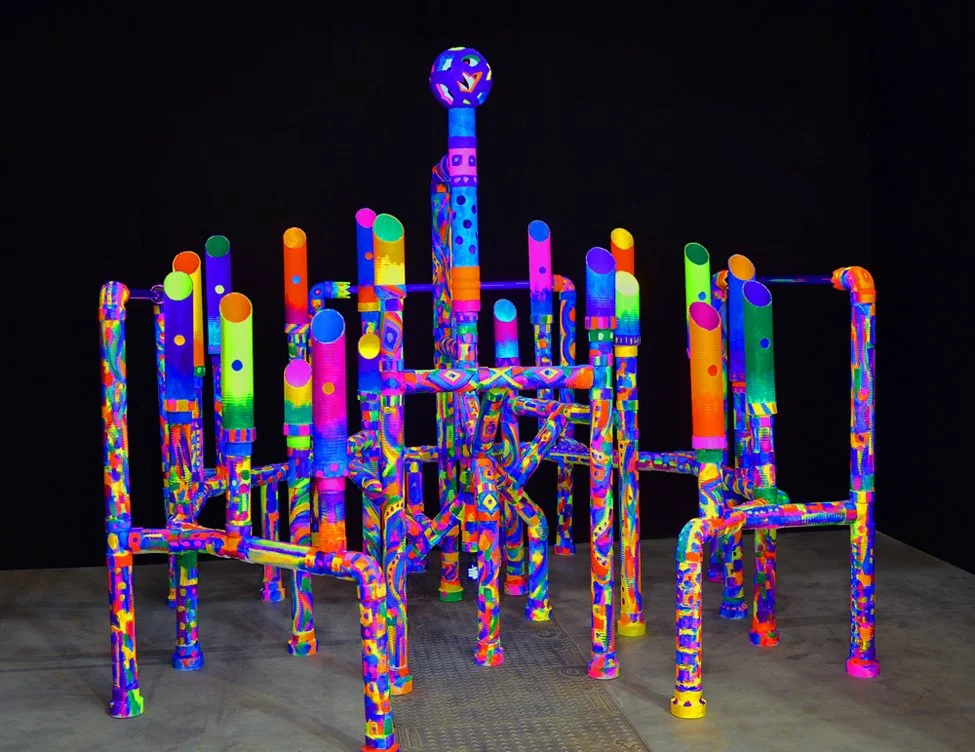
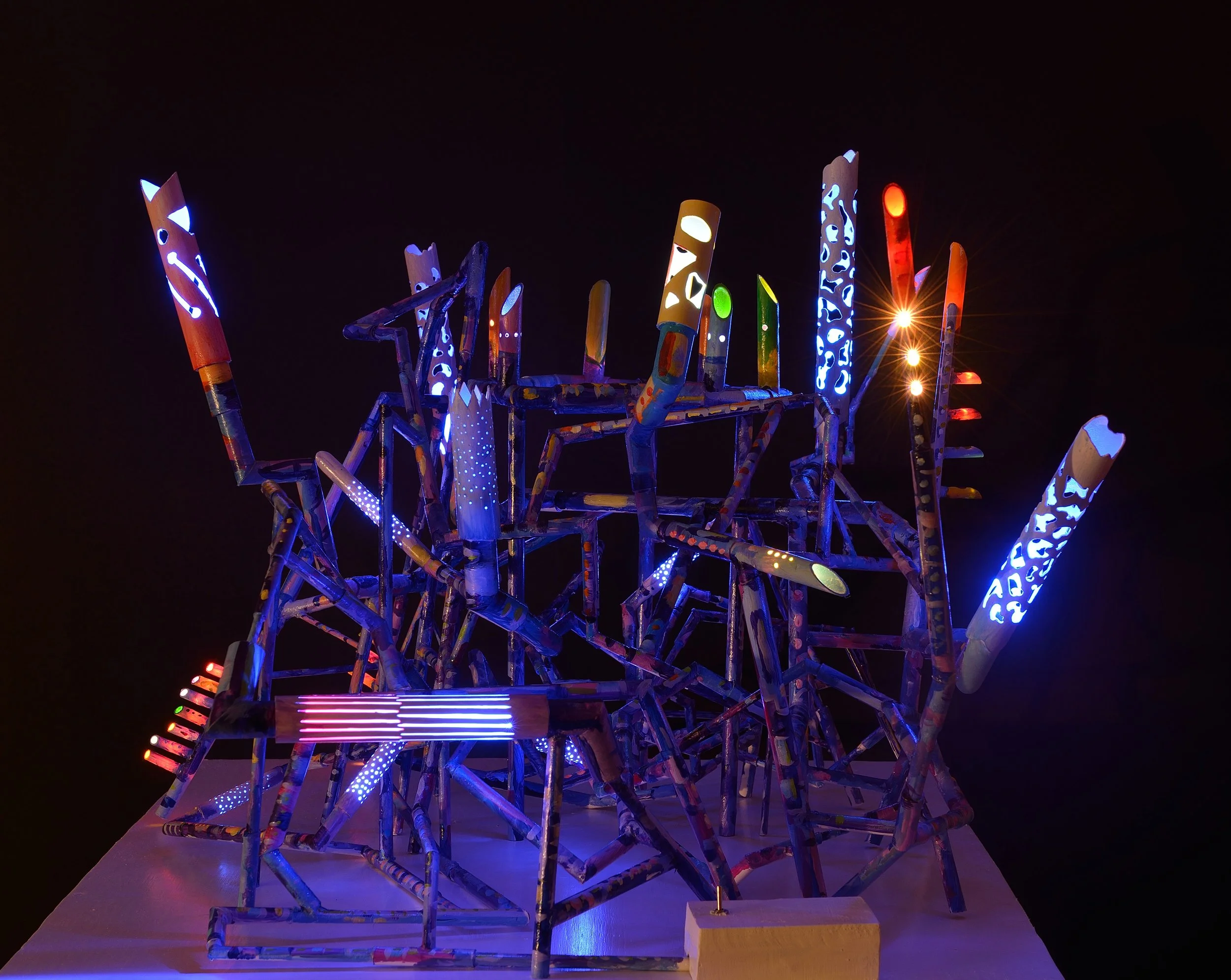
→ Ultraviolet Pipe Installation, Studio Exhibit Summer, 2005
→ Summer 1999 Nashville Imaginarium, Sculptural Installations and re-design/renovate 5000 sq ft laboratory facility into a children’s museum; “Space Room”, “Dinosaur Room” (2 ton Dinosaur Plaster sculpture, and “dino dig“ sculpted bones and excavation interactive exhibit), “Art Room”, “Stage”, “Children’s News Studio”, Market, and facility construction.
→ 1993 - 1999 Community Theater Stage Production Set Work, and Acting Backdrops, Special Props and Set Painting for:
→ Anaheim Civic Theater
→ Cypress Community Theater
→ Oroville High School Theater
→ Paradise Theater on the Ridge
→ 1985 George Washington University Student Exhibition, Wood Sculpture, The Marvin Center, GWU; Bronze “Leaf”, Marvin Center Annual Art Student Show
→ 1983 - 1984: Claremont Graduate School, Art
→ September, 1983 First Year Student Exhibition
→ October 1983: “Boo Art” Autumn Art Show
→ October 1983: San Bernardino Art Museum exhibition of “Search”, Acrylic on Canvas
→ 1984: CGS/UC Irvine Art Show, “Search”, Acrylic on Canvas.
→ 1984: CGS/UC Irvine Art Show, “Search”, Acrylic
→ Summer 1984: Master’s Thesis Exhibition, Claremont Graduate School, Claremont, CA
→ 1976: Fullerton College Drawing Scholarship for Charcoal Drawing “Paper Bags”
→ 1984 to 1972: Various High School and College Awards and Shows/Community Exhibits, Fullerton, CA and Chico, CA
→ 1972-1976 Fullerton High School Art Shows and theater
→ Hillcrest Park Annual Art Show
→ 1975: California High Schools Juried Exhibition, “The Function”, Acrylic on Canvas, Honorable Mention
→ 1978, ‘79: Muckenthaler Center Art Shows, Charcoals and Paintings
→ 1978: Fullerton College Drawing Scholarship, Charcoal “Paper Bags”
→ 1979: Phoenix Records Logo
→ 1983, 1984: CSU Chico Art Student Annual Art Student Show, Acrylic paintings
→ “Paper Crystals”, Print, Permanent Collection, CSU Chico Community Art Center
→ “All Mens Show”, 1983, “Still Life”, Acrylic
→ Self Portraits, 1984, Acrylic “Self Portrait”
→ Gallery 1078, Chico, CA: “Self Portrait”, Acrylic
→ Dean’s List, 1983 and 1984
→ 1971 “Tim Taylor Productions”, painting and cutting seasonal wood puzzles for door-to-door sale, age 10 and 11
→ 1968 and elementary school: Saturday “Plus” Gifted Student Art Classes, and Private Oil Painting lessons
-
→ “Artist of the Year” Contemporary Art Magazine, 2023
→ Global Arts Awards, Candidate , several Categories, and Exhibiting Artist. Wednesday 21 November 2018, FIVE Hotel Palm Jumeirah – Dubai
→ Caravaggio International Prize, “Great Masters of Art”, Little Theater, Milan, December 2018.
→ 2nd International Prize Leonardo da Vinci, Borguese palace, Florence Italy January 20, 2018, Award with catalogue and Art International Magazine Publication.
→ Marco Polo Art Ambassador International Award, Venice Marin Palace September 5 2015.
→ International Rome Imperial Prize Award, May 19, 2015, Sale del Bramante, Piazza del Poppolo
→ Guglielmo II Exhibition, Main Hall (Piano Nobile) Modern Art Museum “Giuseppe Sciortino” of Monreale, Italy, March 21, 2015
→ Guglielmo II Award
→ First Grand Prix de la Cote d’Azur, Cannes Palace Hotel, April 18, 2015
→ Exhibition and Award Ceremony April 18, 2015
→ “Over the Cover” Biancoscuro Magazine back cover award.
→ 1st 2015 ArtSlant Juried Showcase Winner, Sculpture, March 2015, ArtSlant.com
→ International ArtExpo, 120 International Artists (selected from the 2nd Biennale di Palermo), February 21 – March 3, Guicciardini Bongianni Palace, Florence, Italy
→ Sandro Botticelli Prize Award, March 1, 2015
→ Effetto Arte page of Art, Jan/Feb 2015
→ Biennale di Palermo, January 11- 25, 2015, Sant’Elia Palace Museum, Palermo, Italy.
→ Dante Alighieri Award February 28, 2015
→ Premio Arte Catania Exhibit, Ex Manifattura Tabacci San Cristoforo Square, Catania, Sicily
→ Premio Arte Catania Award, November 15, 2014
→ Catania Artwork Featured in “Over Art” publication.
→ 2013: 3rd ArtSlant Showcase Winner, Sculpture
→ 1976: Fullerton College Drawing Scholarship for Charcoal Drawing “Paper Bags”
→ 1984 to 1972: Various High School and College Awards and Shows/Community Exhibits, Fullerton, CA and Chico, CA
→ 1972-1976 Fullerton High School Art Shows and theater
→ Hillcrest Park Annual Art Show
→ 1975: California High Schools Juried Exhibition, “The Function”, Acrylic on Canvas, Honorable Mention
-
→Art now represented at the Parcus Gallery, Castle Aistersheim 1 · 4676 Aistersheim Austria. Four paintings are in the permanent collection
→Riga Small Porcelain Museum - "Oracle" in the permanent collection
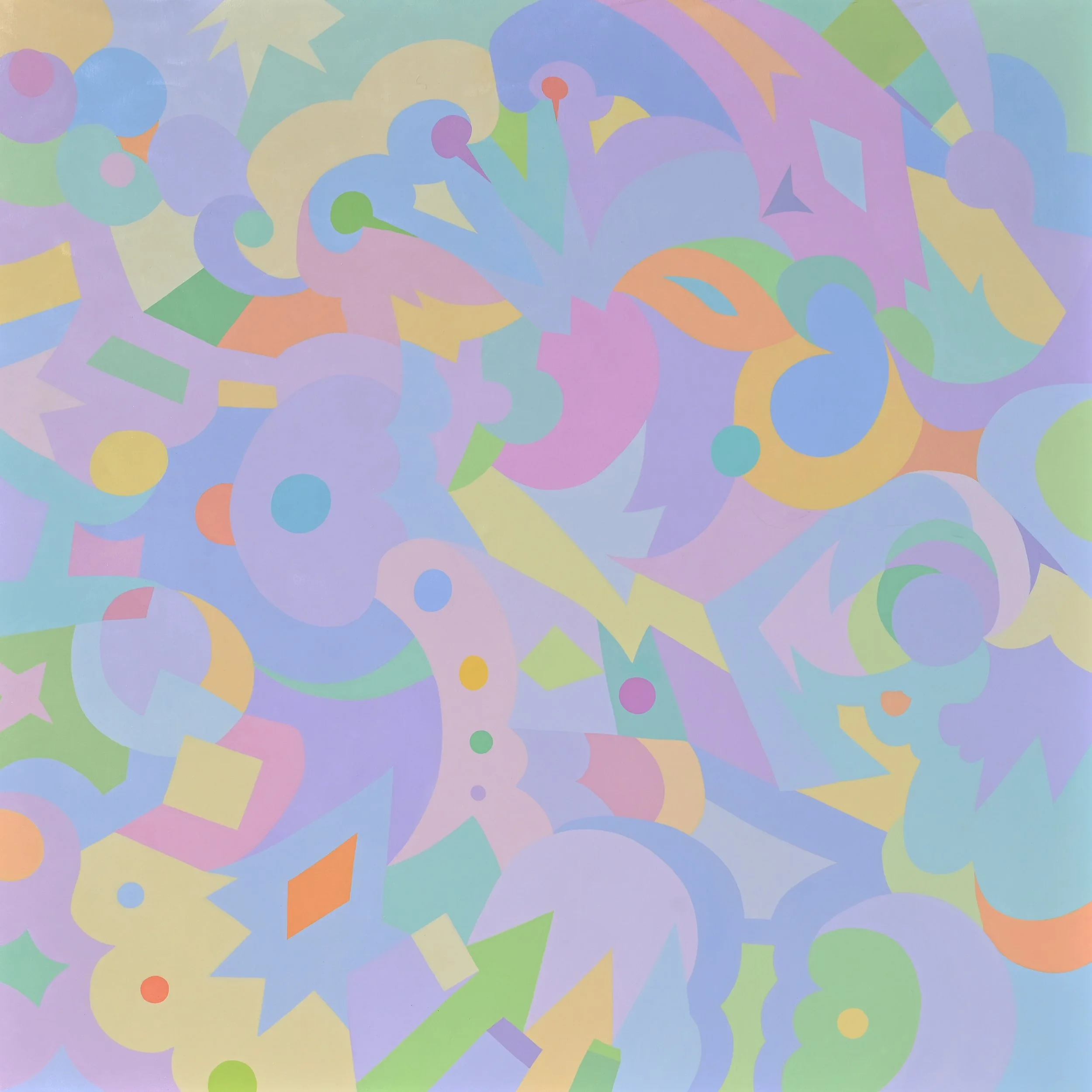
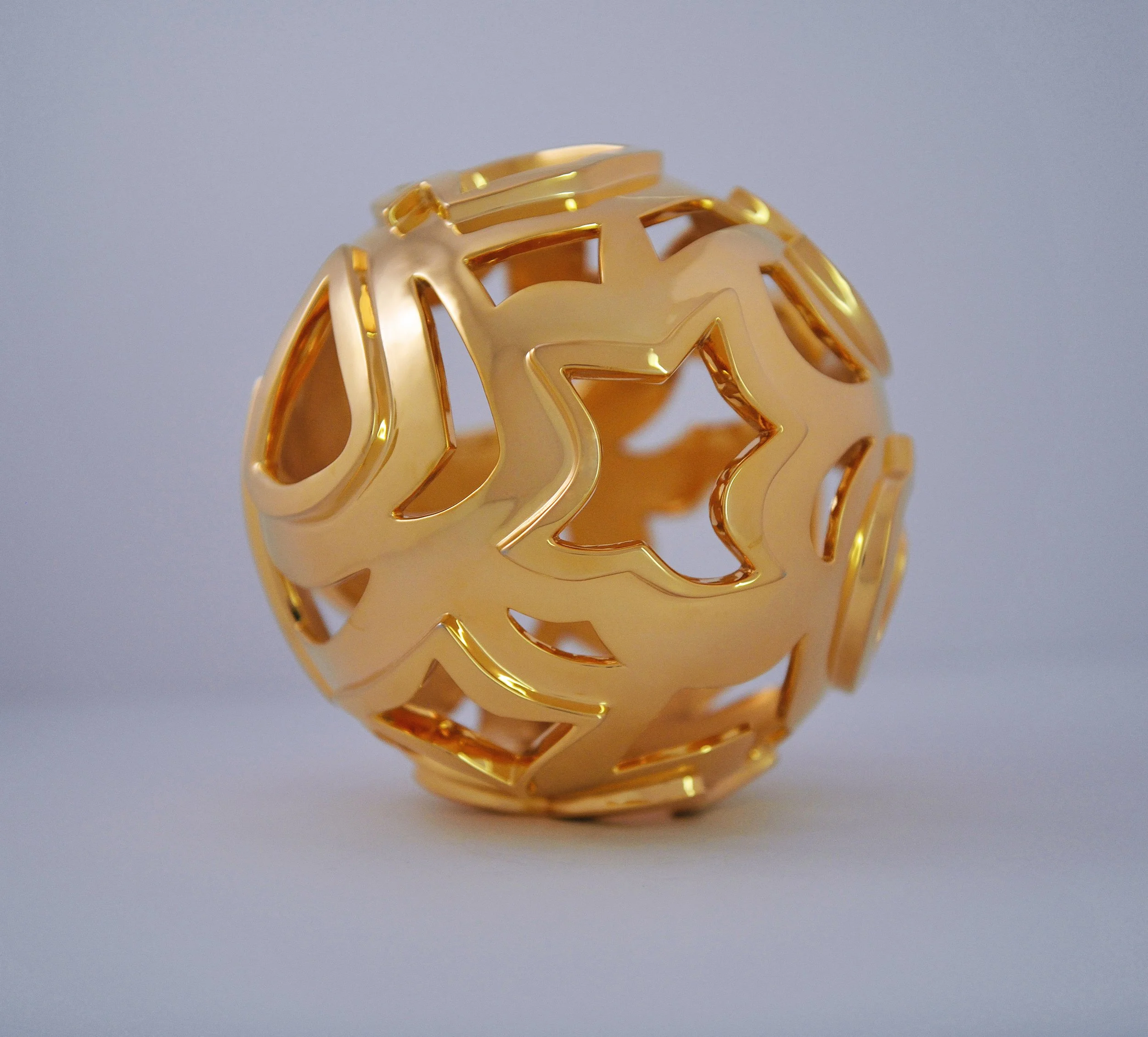
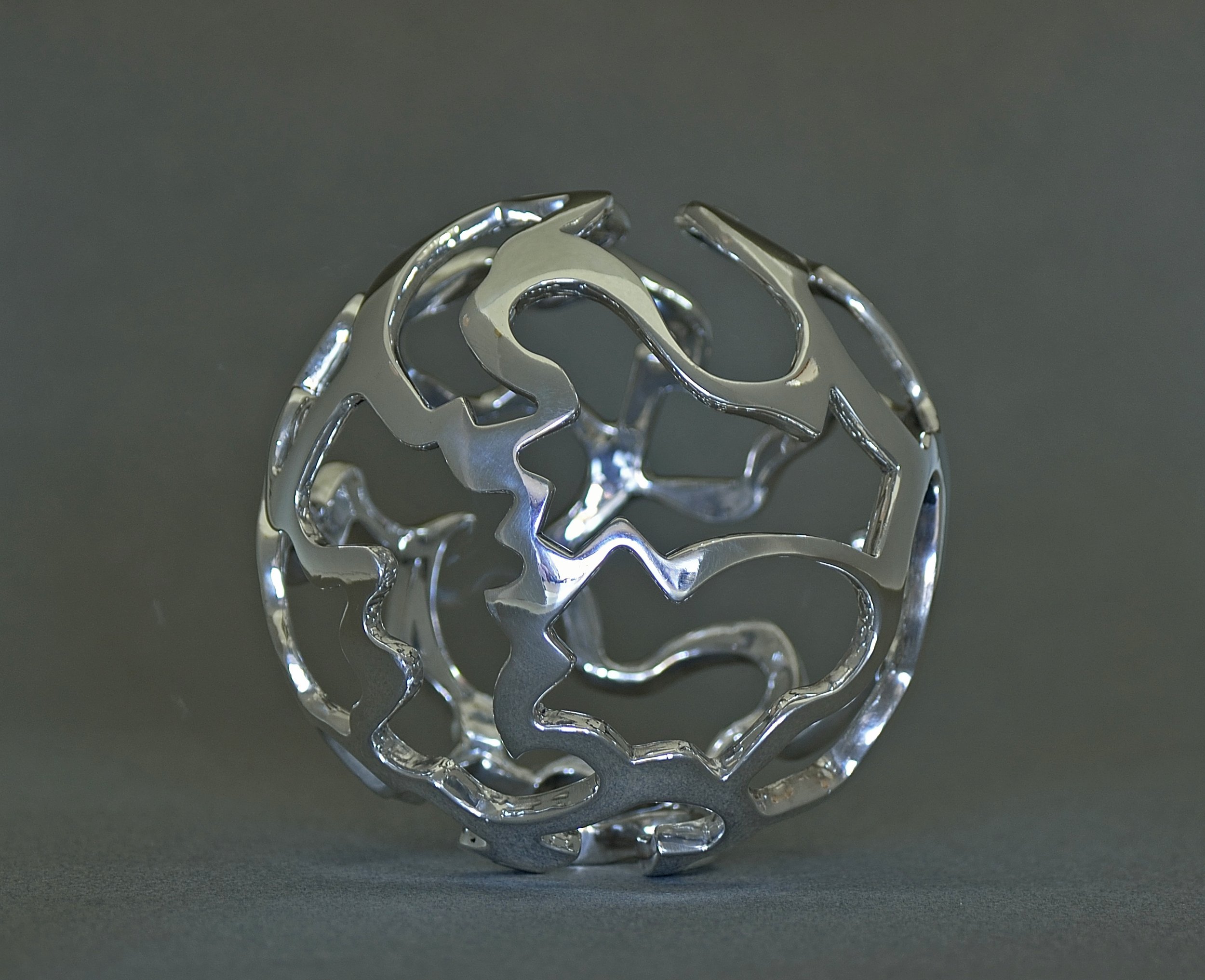
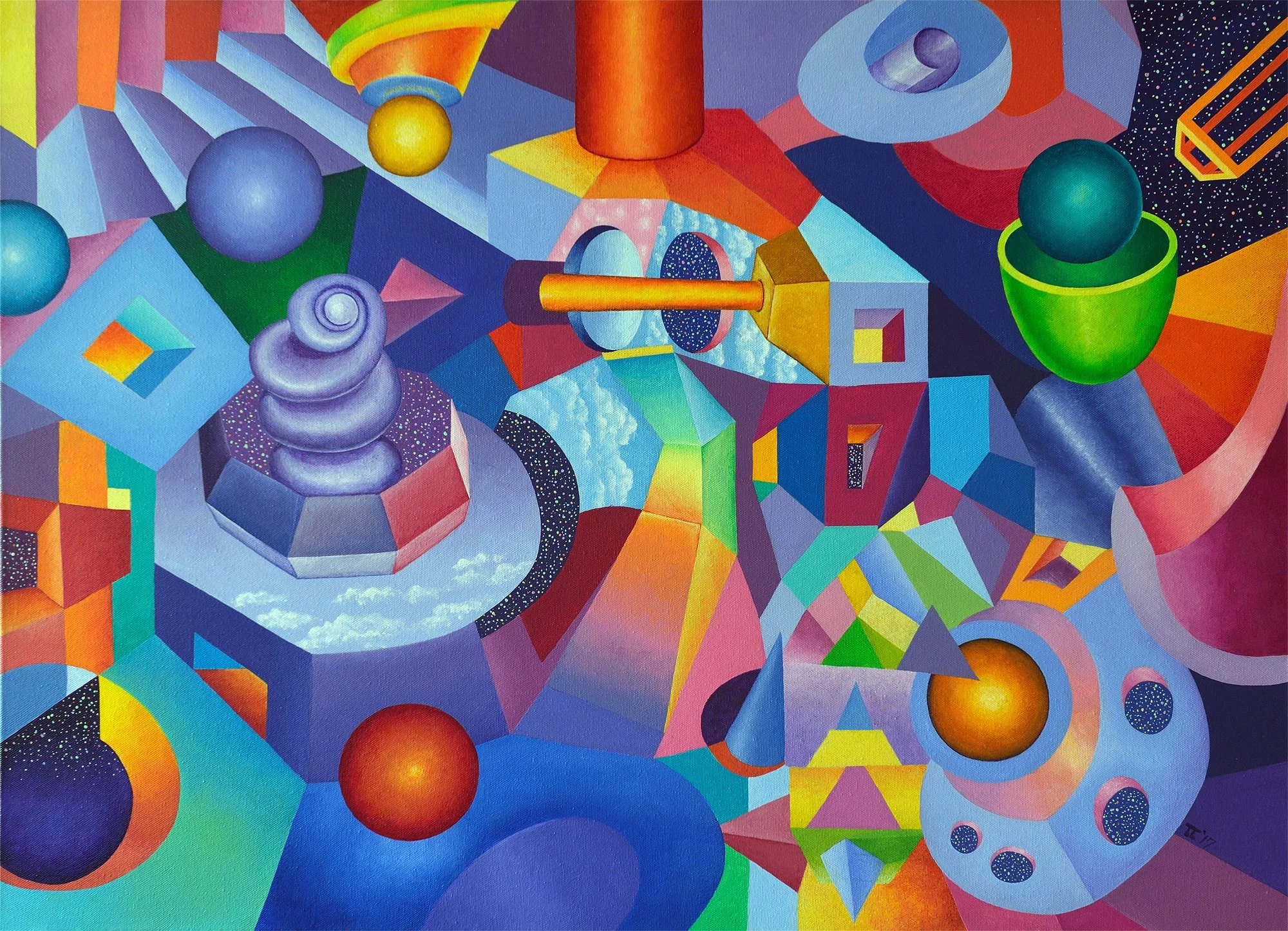
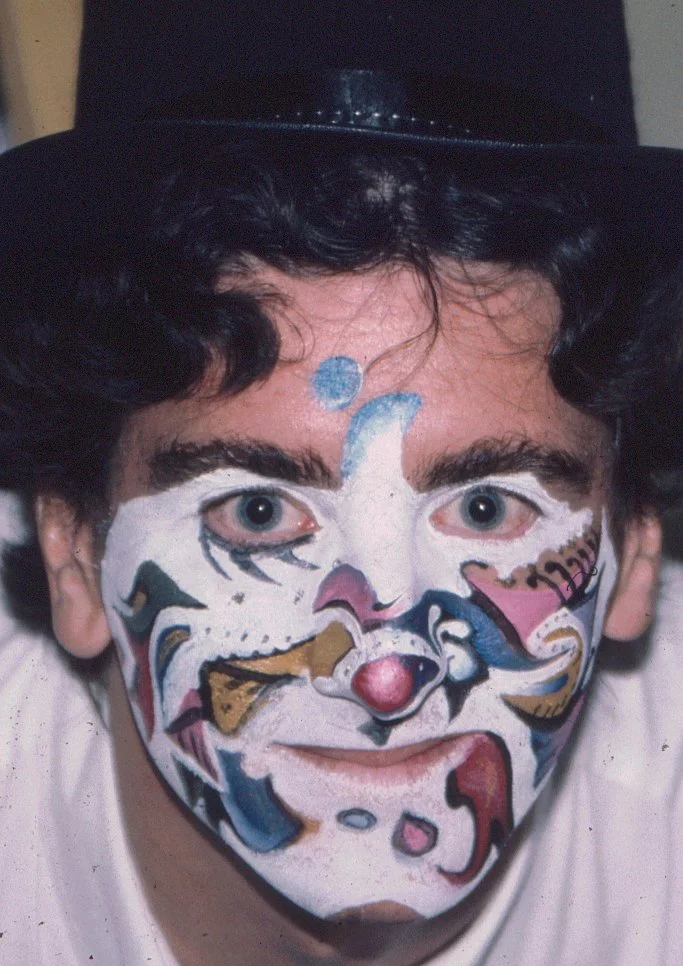
In childhood Tim Taylor started painting in his father's oil painting classes, and his mother put him in piano lessons at age 4. The family would sing in community theater plays. In grade school Taylor painted holiday themed characters on wood and cut them into jigsaws, selling them door to door. His parents put him in weekend art "plus" courses, and encouraged theater arts and music.
Continuing in art and music classes in high school, Taylor's first drawing award was in a district wide show. A scholarship for a charcoal drawing by the community college motivated Taylor to continue with art as a major in college. After a bachelor's degree in art at California State University, and master's art degree from the Claremont Graduate School, he went to medical college and found himself badly missing art and theater. He went into part time practice in his college town, and narrated classical music on NPR and became involved with local community theater, designing sets and sometimes playing roles on stage.
The arts were an ill-esteemed folly that could not pay for the enormous student loan debt incurred from private medical college in Washington DC, which compounded to debt well over 3 million USD. Yet, Taylor could not choose to leave the arts behind to service his medical school debts. After all, wasn't education supposed to facilitate one's talent and interests? He filed bankruptcy within a few years of graduation from George Washington University. Resigning to this, and in an attempt to redeem the lost time, he went to the Johnson Atelier in Hamilton New Jersey as an apprentice in foundry when Segal was casting "Breadline", and was one of the workers commissioned by Andrjej Pitynski to help with casting the horses of "Partisans".
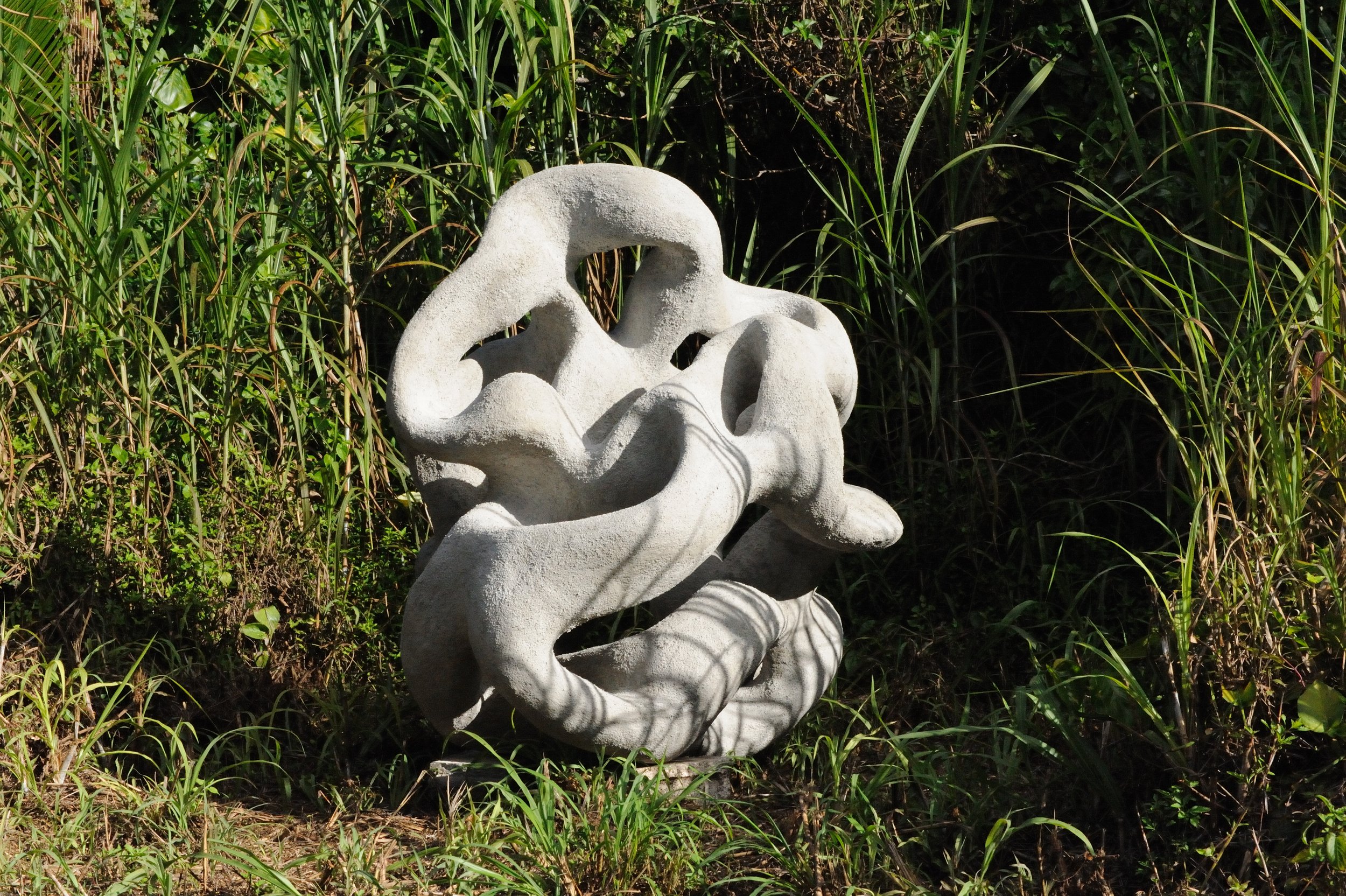
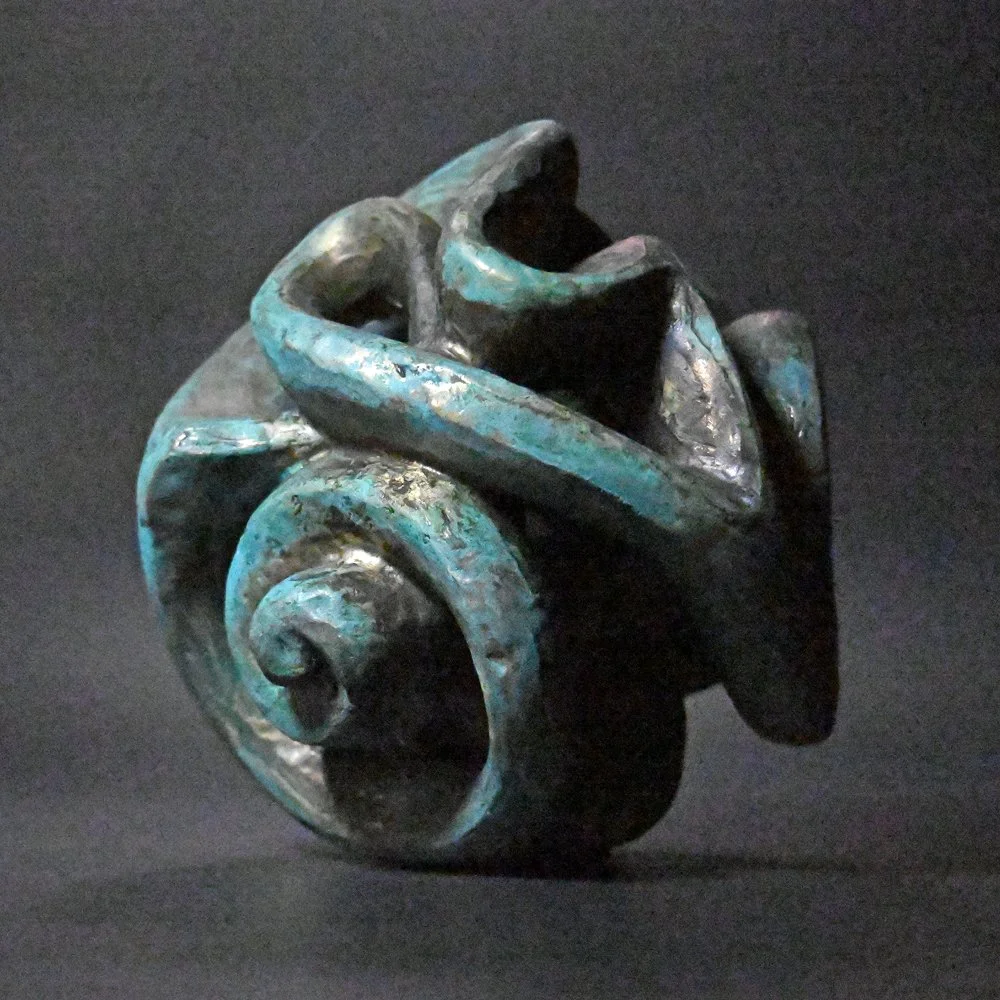
From there he helped a friend with a children's museum in Nashville, sculpting a dinosaur and designing interactive stage-like exhibits. But it was only a matter of time before his bank accounts were frozen and unforgiven student debt again interrupted any progress in art. He fled the USA in 2008, expatriating to Saipan, where he sculpted the "Artifacts" from cement and placed them in the jungle to be overgrown in time. From Saipan, Taylor was able to make art again and entered several international shows and traveled to art residencies.
He made ceramic work at the International Ceramics Studio in Hungary, and returned twice to the retreat for artists and scholars in Ascea Italy. He has worked with ceramic artist Peteris Martinson, sculptor Aldo Casanova, Rocco Cardinali, Roland Reiss, painter Tom Griffith, and several other influences. The pandemic shot down extensive travel and show planned in 2020, and forced relocation back to the USA by default. He now lives in Nevada USA and works in painting and sculpture.
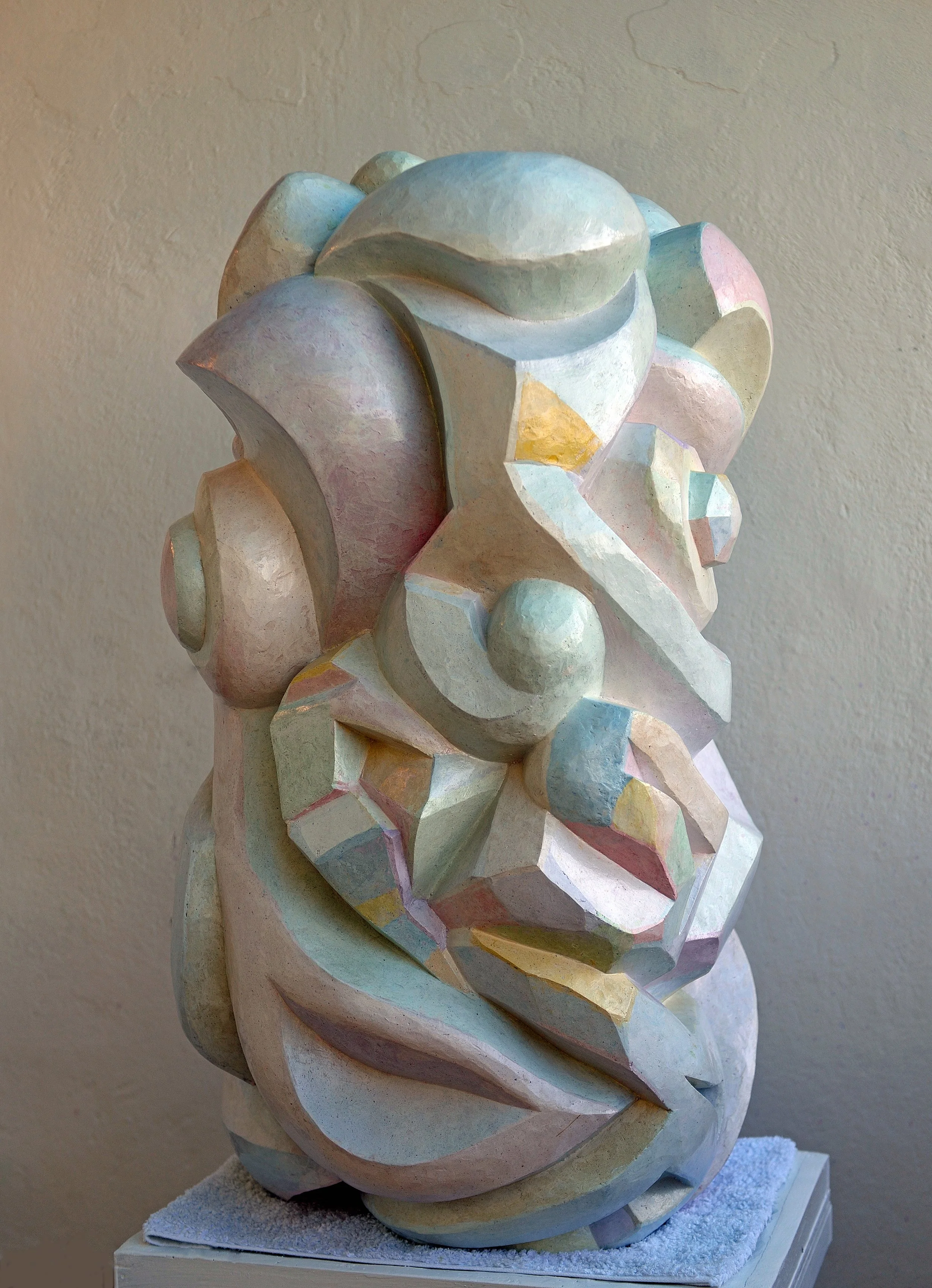
"In studio art we are something like children making sand castles at the beach. The work is delicate and easily leveled by the tides of time. Yet we strive to rise above the pressures of living in society to create objects that bring proof of aesthetic values. They say abstract thinking is a sign of intelligence, but half the highly intelligent are concrete, with no ability to appreciate the abstract. And do the stupid love art? So our audience is a narrow slice of society. The critic is everywhere. Most arts are largely an effort at influence and persuasion. In my work I try to distill out all of what they now call "content". The work itself is it's own object. It owns the space it occupies. Basic shape, form, harmony and elements of the visual art mediums are sufficient to bring a sense of satisfaction, when the art is finely developed. Stories are better told by story-tellers. Visual art is it's own language.