For the world's most affluent collectors, art offers something that conventional investments cannot easily provide: a means of expressing identity, acquiring cultural influence and creating a legacy that may endure beyond personal wealth. As collecting becomes increasingly intertwined with philanthropy and family succession, the significance of ownership extends far beyond financial performance.
The most valuable artworks in private collections are not always those their owners would be willing to sell at the highest price. A painting may represent a substantial financial asset, yet its importance to the collector can be inseparable from personal history, intellectual conviction or the ambition to establish a lasting cultural legacy.
This distinction reveals why art occupies an exceptional position within the portfolios and lives of the world's wealthiest individuals. Unlike conventional financial investments, artworks can simultaneously function as possessions, historical artefacts, symbols of cultural knowledge and instruments of philanthropy.
The economic scale of the market is considerable. According to the Art Basel and UBS Global Art Market Report 2026, international art sales increased by 4% to approximately $59.6 billion in 2025, supported partly by renewed activity at the highest price levels.
Yet financial investment is not the dominant motivation for every collector. The 2026 Art Basel and UBS Survey of Global Collecting found that only 24% of surveyed high-net-worth collectors identified financial investment as their principal reason for purchasing art. Personal pleasure, identity and social motivations also featured prominently.
These findings challenge the assumption that affluent collectors approach artworks primarily as alternative assets. For many, collecting represents a more complex relationship between private wealth, cultural participation and the desire to leave something meaningful behind.
The Difference Between Financial Wealth and Cultural Capital
Luxury assets have traditionally served as expressions of economic achievement. Exceptional properties, rare automobiles, jewellery and other scarce possessions can communicate purchasing power through their exclusivity.
Art possesses an additional characteristic: its value is shaped by cultural interpretation.
A historically significant painting may command an extraordinary price, but its desirability also depends on the artist's reputation, institutional recognition, provenance and importance within a wider artistic narrative.
The distinction gives art a particular role in the construction of identity.
An individual can acquire a luxury object through financial expenditure alone. Developing a respected collection, however, may require sustained research, specialist knowledge and relationships with artists, curators and institutions.
The French sociologist Pierre Bourdieu examined these relationships through the concept of cultural capital, arguing that taste and cultural participation contribute to distinctions within social hierarchies.
Applied to contemporary collecting, this framework helps explain why certain acquisitions communicate more than their financial value.
A collector recognised for identifying an important artist before wider commercial success may acquire cultural prestige through discernment rather than expenditure.
Similarly, a collection assembled around a coherent intellectual or historical theme may carry greater cultural significance than a more expensive group of unrelated artworks.
For affluent collectors, art can therefore provide access to a form of recognition that cannot be obtained through wealth alone.
Nevertheless, this relationship is not without contradictions. The ability to develop specialist knowledge, maintain close institutional relationships and acquire exceptional works remains strongly influenced by financial resources.
Cultural distinction may appear independent of economic wealth while continuing to depend on it.
Why Scarcity Matters More Than Price
One of the defining characteristics of exceptional artworks is their limited availability.
An original painting by an established artist cannot be reproduced as an equivalent object. Its authenticity, historical circumstances and material qualities give it a singular identity.
Scarcity, however, does not automatically establish value. An artwork must also possess significance recognised by collectors, scholars or institutions.
The interaction between rarity and cultural recognition helps explain the behaviour of wealthy collectors.
According to the 2026 Art Basel and UBS collecting survey, 43% of respondents identified uniqueness or rarity as the most important aspect of owning art, compared with 23% who prioritised owning works respected by experts and 22% who emphasised recognition within collector circles.
The preference was particularly pronounced among younger respondents, with 48% of Generation Z collectors identifying rarity as their leading consideration.
These results suggest that the appeal of art extends beyond conventional luxury consumption.
An exceptional work offers something that cannot simply be purchased again if another buyer secures it.
This can make acquisition emotionally compelling even when the price appears difficult to justify through financial analysis.
For collectors with substantial resources, the opportunity to obtain a historically important artwork may arise only once in a generation.
The decision to acquire it may consequently reflect a judgement about cultural opportunity rather than prospective investment performance.
However, scarcity can also encourage excessive valuations when buyers confuse restricted availability with lasting artistic significance.
A disciplined collecting strategy requires distinguishing genuine historical importance from scarcity created primarily through commercial distribution.
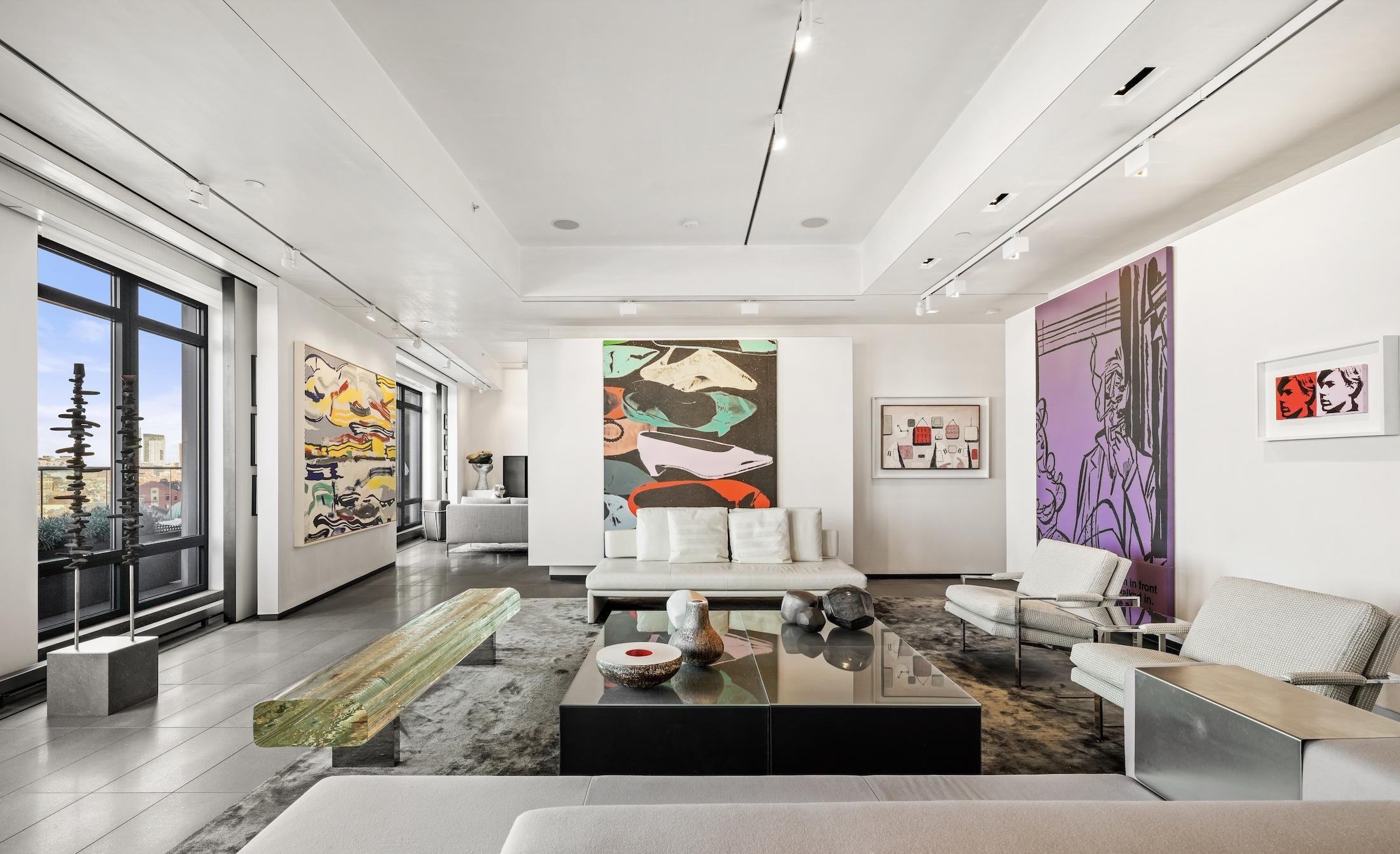
The former residence of art collector Gerald Fineberg, where a substantial collection of contemporary artworks formed part of the domestic environment.
Collecting as an Expression of Personal Identity
The relationship between art and identity becomes particularly visible when collections develop over several decades.
Rather than purchasing works solely according to financial expectations, collectors may gradually construct an artistic narrative reflecting their beliefs, experiences and intellectual interests.
A collection can document changing tastes, encounters with artists and personal responses to historical events.
This process helps explain why collectors frequently describe certain works as irreplaceable even when comparable objects possess higher market valuations.
The emotional significance of ownership is not necessarily irrational.
An artwork displayed in a home for many years can become associated with personal milestones, family relationships and periods of professional or intellectual development.
Its subjective value may therefore exceed the amount another collector would be willing to pay.
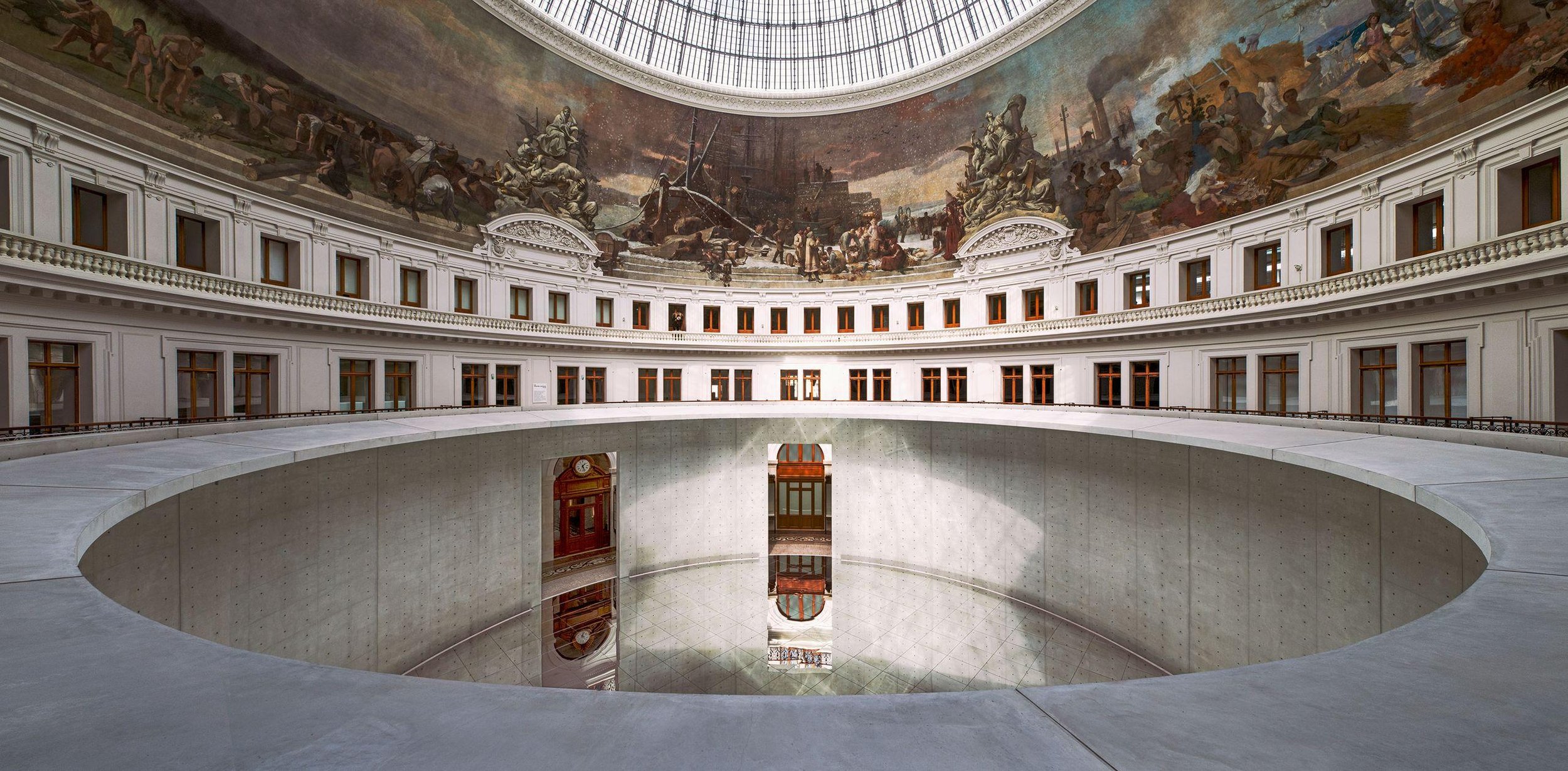
The Pinault Collection provides an important example of how personal collecting interests can develop into a major cultural enterprise.
François Pinault began collecting in the early 1970s and gradually assembled a collection encompassing more than 10,000 works of modern and contemporary art.
The collection's development reflects sustained engagement with changing artistic movements, materials and ideas.
Through exhibition spaces in Venice and Paris, it has evolved from a private body of possessions into an internationally visible cultural institution.
The example demonstrates how collecting can become a means of presenting a particular understanding of contemporary artistic history.
Yet it also reveals a broader issue: when an individual collector establishes a substantial institution, personal taste acquires the capacity to influence public cultural narratives.
Social Capital and the Networks of Elite Collecting
The social significance of art collecting extends beyond conspicuous ownership.
International art fairs, museum boards, private foundations and cultural events provide environments in which collectors develop relationships with artists, dealers, curators and other influential individuals.
Participation can create opportunities for intellectual exchange, philanthropy and professional collaboration.
Such networks also possess economic value.
Access to experienced advisers and established galleries may allow collectors to identify important artworks before they become widely available.
Relationships with museum professionals can provide opportunities to lend collections, support exhibitions and contribute to institutional programmes.
However, recent research challenges the assumption that elite collecting is primarily motivated by public recognition.
The 2026 Art Basel and UBS survey found that 64% of respondents preferred to keep ownership private within their household or a restricted circle. Only 10% sought broad public recognition as collectors.
Among those lending artworks to museums, 30% preferred anonymity and 47% favoured discreet acknowledgement.
These findings suggest that prestige can operate through selective recognition rather than conspicuous display.
A collector may derive satisfaction from participating in a knowledgeable community without seeking wider publicity.
The social value of art may therefore arise from access, relationships and cultural participation rather than simply the visibility of expensive possessions.
For the most affluent collectors, exclusivity can consist as much in belonging to particular cultural networks as in owning exceptional objects.
From Private Collection to Public Cultural Legacy
The desire to establish a legacy becomes especially significant when collectors consider the long-term future of their holdings.
Private collections can be dispersed through inheritance, taxation, changing family priorities or financial necessity.
Establishing a museum or foundation offers an alternative.
Such institutions can preserve collections, maintain relationships with artists and make works available to audiences beyond the original owner.
The Broad in Los Angeles illustrates the scale of this ambition.
Founded by Eli and Edythe Broad, the museum houses more than 2,000 works of postwar and contemporary art by nearly 200 artists.
Its foundation has operated an international lending programme since 1984, while the museum offers free general admission and welcomes more than 900,000 visitors annually.
This model transforms private collecting into an enduring form of cultural infrastructure.
The value created is not limited to the artworks themselves.
Exhibitions, educational programmes, conservation and scholarly research can extend the significance of a collection across generations.
Yet the establishment of a private museum also introduces responsibilities.
A collection assembled through personal conviction must eventually operate within an institutional framework capable of surviving changing financial conditions and family circumstances.
The most durable philanthropic models therefore require professional governance, sustainable funding and a clear public purpose.
Without these foundations, an ambitious collection may remain dependent on the preferences and resources of its founder.
The distinction between a personal monument and a lasting cultural institution lies in the capacity to serve audiences beyond the collector's lifetime.
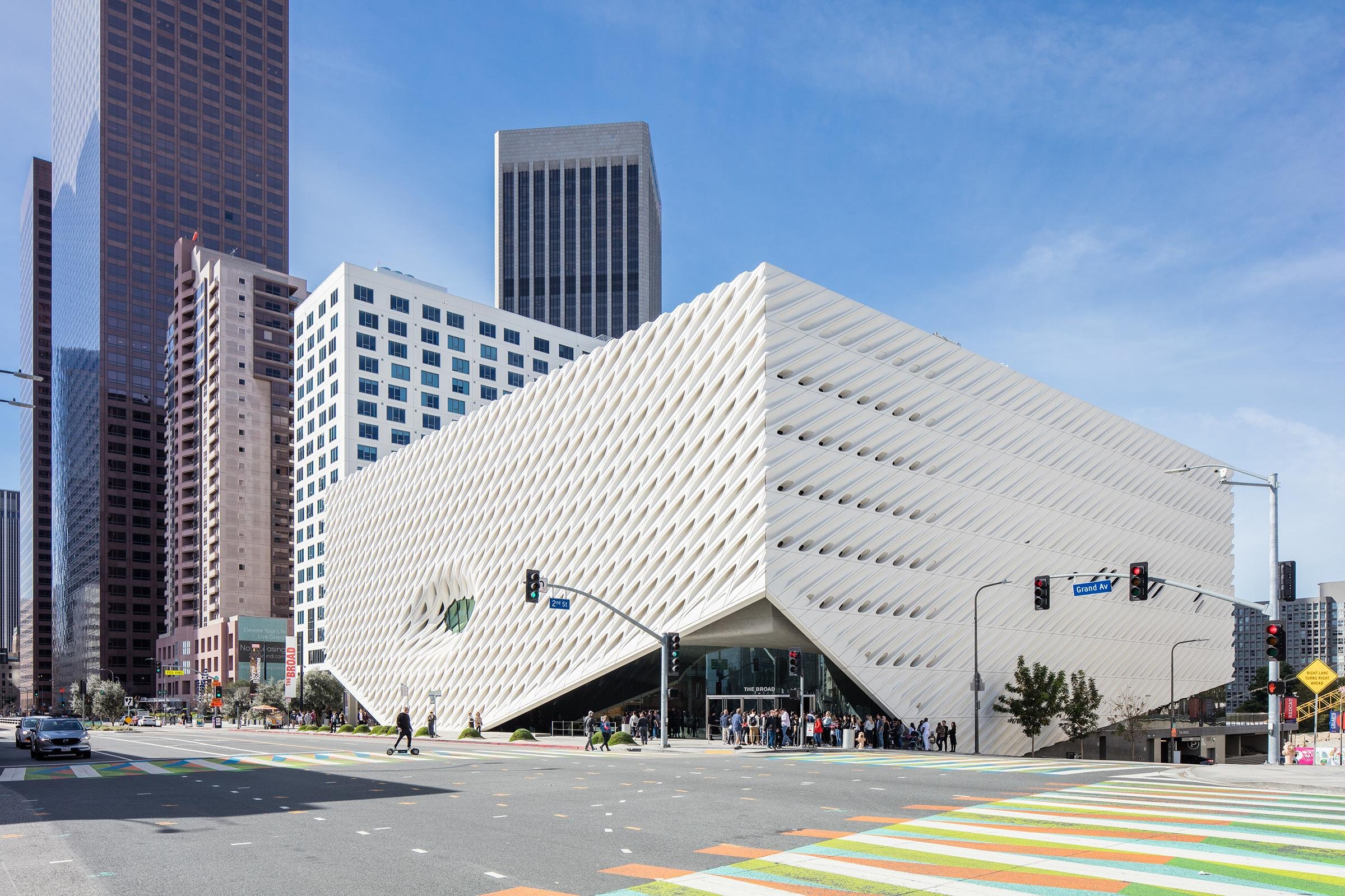
The Broad museum in Los Angeles, founded by Eli and Edythe Broad, reflects the transformation of private collecting into public cultural stewardship. Photograph: Leviclancy.
The Family Collection and the Transfer of Wealth
Art's role in family heritage is becoming increasingly important as substantial wealth passes between generations.
The 2026 Art Basel and UBS collecting survey found that family influence was the most common route into collecting, accounting for 28% of respondents and 40% of Generation Z collectors.
The survey also reported that 72% of respondents had inherited artworks.
These figures demonstrate how collecting can become a family activity rather than a purely individual pursuit.
An inherited artwork may represent far more than its current market valuation.
It can embody family history, cultural interests and memories associated with previous generations.
Younger heirs may consequently face decisions involving emotional attachment as well as financial responsibility.
Some may wish to preserve collections intact, while others may prefer to support museums, establish foundations or sell works that no longer reflect their interests.
Research published by UBS in 2025 found that 80% of surveyed collectors intended to pass their collections to children or spouses.
Such intentions, however, do not guarantee that collections will remain together.
Inheritance planning requires attention to ownership structures, taxation, conservation, insurance and the differing priorities of family members.
The involvement of professional advisers is increasingly important when artworks represent substantial financial value.
Deloitte's Art & Finance research also identifies legacy planning, cultural philanthropy and intergenerational wealth management as areas of growing interest within specialist advisory services.
The central challenge is ensuring that a collection's cultural significance can be preserved without creating financial or administrative burdens that future generations are unwilling or unable to sustain.
Why Financial Returns Are Only Part of the Calculation
The description of art as a luxury asset can create the misleading impression that its investment characteristics resemble those of conventional securities.
In reality, art possesses substantial financial limitations.
It generally produces no regular income, carries ongoing maintenance and insurance costs, and may require considerable time to sell.
Prices can be affected by changing artistic reputations, economic conditions and the availability of suitable buyers.
Transaction costs can further reduce investment returns.
These characteristics make art difficult to evaluate using conventional portfolio measures.
Nevertheless, the world's wealthiest collectors may approach such limitations differently from investors who depend on liquidity or regular financial returns.
For individuals possessing diversified financial assets, artworks can provide forms of satisfaction that are not measured through annual appreciation.
A collector may willingly accept significant holding costs in exchange for the opportunity to live with an important painting, support an artist or preserve a historically meaningful collection.
This does not mean financial considerations disappear.
The 2026 collecting survey found that 19% of respondents intended to use artworks as collateral for loans during the following year.
Art can therefore perform both cultural and financial functions.
However, borrowing against a collection introduces additional obligations and exposes owners to valuation and repayment risks.
The central distinction is between treating art as an asset that must generate returns and recognising it as a possession whose benefits include experiences and objectives beyond finance.
For sophisticated collectors, these motives may coexist without being assigned equal importance.
Philanthropy and the Changing Responsibilities of Wealth
The relationship between art and philanthropy is becoming a significant part of how wealthy collectors define their cultural responsibilities.
According to the 2026 Art Basel and UBS survey, 23% of respondents intended to donate artworks to museums or charitable institutions within the following year.
A further 28% planned to support artists through prizes, mentorship programmes or residencies, while 26% expressed intentions to establish a foundation or private museum.
These are stated plans rather than completed commitments, but they indicate considerable interest in directing private collecting resources towards broader cultural purposes.
The development also raises questions about influence.
Collectors who fund institutions, support exhibitions or establish museums can affect which artists receive visibility and which cultural narratives attract resources.
Philanthropy can provide substantial public benefits while simultaneously strengthening the cultural standing of donors.
These objectives need not be incompatible.
However, institutional independence and transparency become important when private wealth plays a major role in public cultural programming.
The most meaningful measure of philanthropic success is therefore not the financial value donated or the prestige associated with a collector's name.
It is the enduring cultural benefit created through access, education, conservation and support for artistic production.
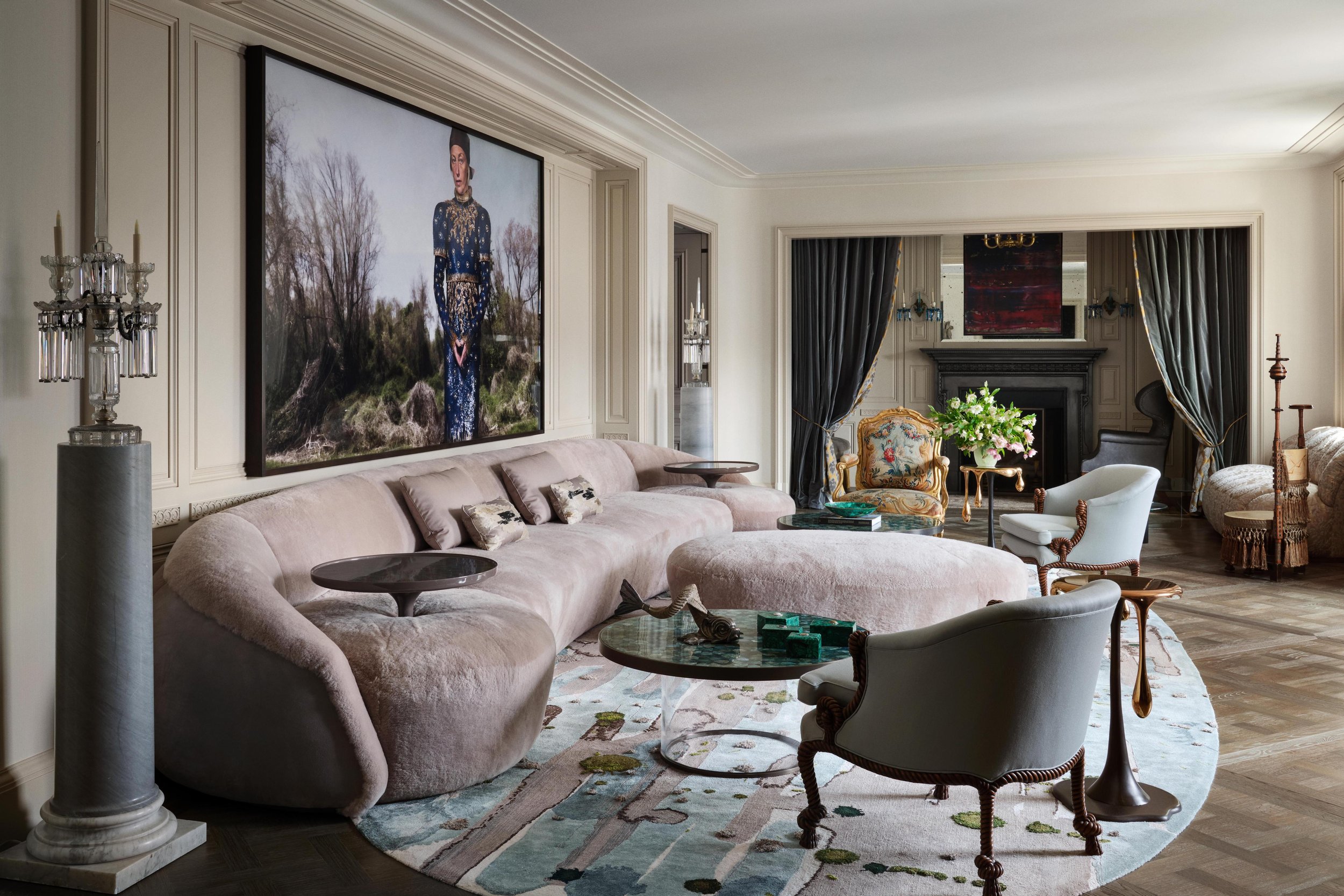
An art-filled Park Avenue residence in New York, where an exceptional collection of modern and contemporary masterpieces reflects the relationship between private wealth, cultural identity and personal legacy.
A Different Understanding of Luxury
The relationship between wealth and collecting is also changing across generations.
The 2026 Art Basel and UBS survey found that Generation Z collectors recorded the highest average fine art expenditure among the age groups surveyed, although the sample's composition means these findings should not be treated as representative of all wealthy young adults.
Younger respondents also demonstrated strong interest in rarity, independent research and maintaining privacy.
These characteristics suggest that luxury collecting is not necessarily moving towards greater public display.
Instead, identity, cultural knowledge and controlled access may remain important forms of distinction.
Digital information has made artistic discovery more accessible, but it has not eliminated the significance of direct relationships with artworks.
The experience of encountering an original painting, understanding its history and incorporating it into a personal collection retains qualities that cannot be reproduced through digital visibility alone.
For affluent collectors, luxury may increasingly be understood through the depth of these experiences rather than the public demonstration of expenditure.
Nevertheless, the long-term development of collecting will depend on wider economic and cultural conditions, including changes in wealth distribution, institutional funding and artistic production.
The evidence supports the importance of non-financial motivations, but it does not establish that financial considerations will become irrelevant.
Conclusion: The Value of Leaving Something Behind
The world's wealthiest collectors occupy a distinctive position within the international art market because their purchasing decisions can extend beyond immediate financial necessity.
Art allows them to express personal convictions, participate in influential cultural networks and develop collections whose significance may endure across generations.
For some, acquisition represents an intellectual commitment. For others, it provides emotional satisfaction, family continuity or an opportunity to contribute to public cultural life.
These motivations complicate the treatment of art as a conventional investment category.
Market prices remain important, but they cannot fully account for the experiences, relationships and historical significance associated with ownership.
The most consequential collecting decisions may ultimately concern not what an artwork can achieve at auction, but what should happen to it when the collector is no longer its owner.
A collection's enduring value depends on its capacity to remain meaningful beyond the circumstances of acquisition.
Financial wealth makes exceptional ownership possible. Cultural knowledge, responsible stewardship and long-term vision determine what that ownership may ultimately contribute.
For collectors seeking a legacy, the distinction is fundamental: the greatest luxury may not be possessing a significant work of art, but ensuring that its significance survives.