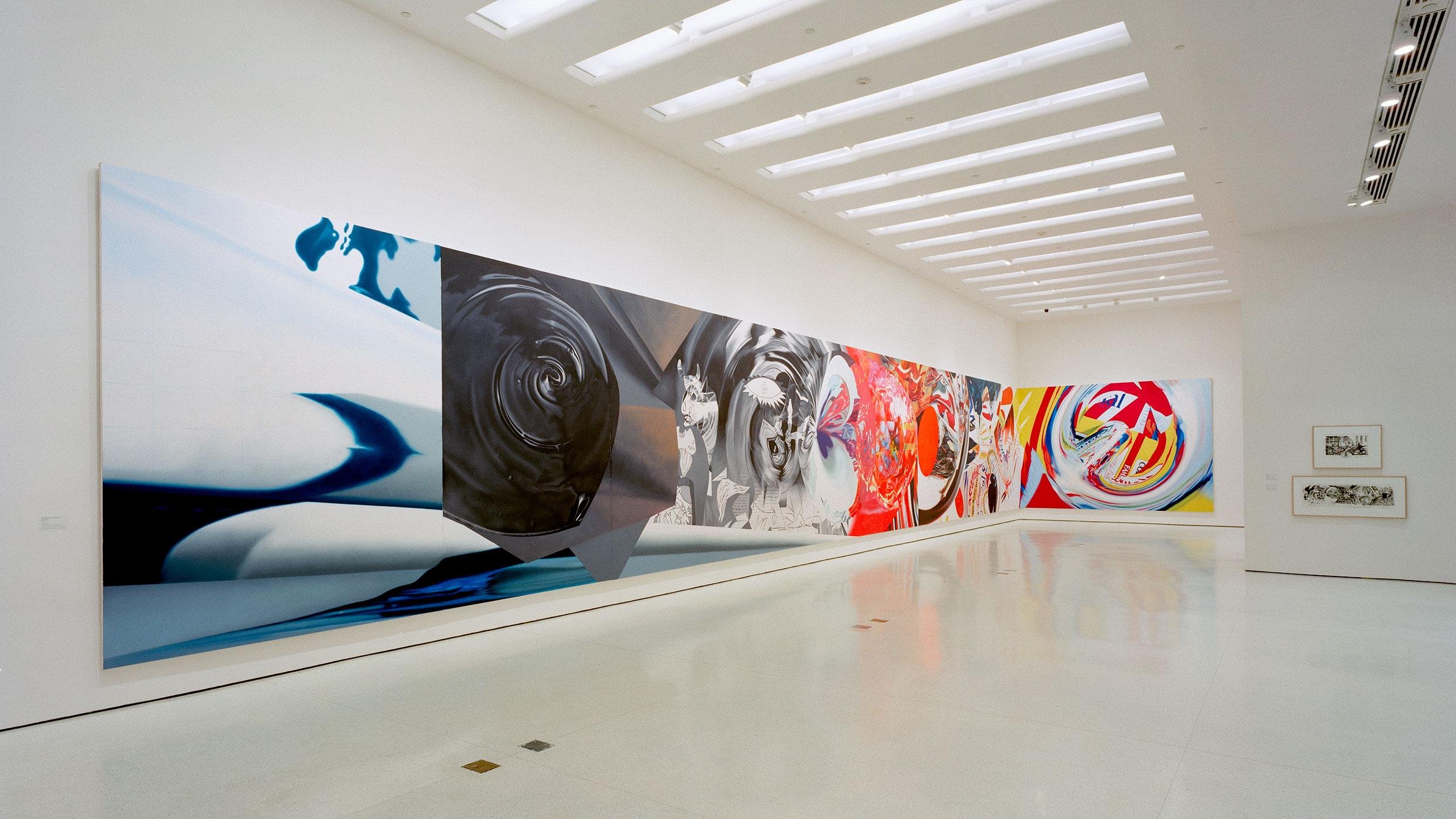
Behind every celebrated artistic career lies a complex network of curators, critics, galleries, collectors and cultural institutions. Their decisions influence which artists gain recognition, whose work enters the historical record and how artistic significance is translated into financial value. Understanding these relationships reveals how reputations are constructed, sustained and occasionally dismantled.
The value of an artwork is rarely determined by the artist alone. Although creative achievement originates in the studio, its recognition depends on a considerably wider network of individuals and institutions. A curator selects an artist for an exhibition. A gallery introduces the work to influential collectors. A critic establishes its place within contemporary discourse. A museum acquisition confers institutional recognition, while an auction result provides a publicly visible measure of financial demand.
Each decision contributes to an evolving assessment of artistic importance.
The process is neither entirely objective nor exclusively commercial. Artistic reputations emerge through a combination of critical judgement, professional relationships, historical circumstances and economic resources. Some artists receive international recognition early in their careers, while others remain relatively overlooked for decades despite producing substantial bodies of work.
Research increasingly demonstrates how profoundly these differences in access can influence professional trajectories. A landmark study published in Science in 2018 examined exhibition histories involving approximately half a million artists and found that early access to prestigious institutions was strongly associated with sustained institutional visibility.
The findings raise a fundamental question about the international art market: when collectors assign substantial financial value to an artwork, how much of that value reflects the work itself, and how much has been established by the institutions and individuals surrounding it?
The Institutional Foundations of Artistic Reputation
Museums occupy a distinctive position in the formation of artistic value because their authority extends beyond immediate commercial transactions.
A museum exhibition can introduce an artist to audiences unfamiliar with the work, provide opportunities for critical interpretation and establish connections with broader historical developments.
Unlike a gallery presentation organised primarily within a commercial context, a museum exhibition generally carries an expectation of scholarly consideration and public cultural responsibility.
This distinction can have considerable consequences for an artist's reputation.
An acquisition by a recognised museum becomes part of an institutional collection, potentially providing opportunities for future exhibitions, research and historical reassessment.
Such recognition can influence how collectors, dealers and auction specialists interpret an artist's significance.
Yet institutional prestige is not distributed evenly.
The 2018 research by Samuel P. Fraiberger and colleagues, Quantifying Reputation and Success in Art, reconstructed networks of artists and exhibition venues to investigate the relationship between institutional recognition and career development.
The researchers found that artists entering highly connected and prestigious institutions early in their careers were more likely to continue exhibiting in similarly influential environments.
Those beginning at the margins of the network faced considerably greater difficulties accessing its central institutions.
The findings suggest that artistic careers can be shaped by cumulative advantages.
An early institutional opportunity may generate relationships and visibility that lead to further exhibitions, publications and acquisitions.
Conversely, the absence of such opportunities can restrict an artist's access to the very institutions capable of establishing wider recognition.
This does not establish that institutional success is unrelated to artistic quality. Rather, it demonstrates that quality alone cannot explain the unequal distribution of professional opportunities.
Artistic recognition depends partly on the structures through which work becomes visible.
Curators as Cultural Gatekeepers
Curators occupy an influential position within these structures.
Their decisions determine which artworks are presented together, how artistic practices are interpreted and which cultural narratives receive institutional attention.
A curator organising an exhibition of contemporary painting, for example, must make choices about artistic relevance, historical relationships and the intellectual questions the exhibition will address.
These decisions can elevate certain artists while leaving others outside the discussion.
Curatorial influence is especially significant when exhibitions introduce overlooked artistic practices into international discourse.
A substantial museum presentation may encourage scholars to reconsider an artist's work, stimulate gallery interest and prompt collectors to investigate previously neglected periods or movements.
However, curatorial recognition does not automatically translate into commercial appreciation.
An exhibition may be critically important without generating substantial buyer demand. Equally, an artist may achieve considerable financial success while receiving limited institutional attention.
The relationship between curatorial judgement and market value is therefore indirect.
Its economic significance arises from the credibility that sustained institutional recognition can provide.
An artist whose work is exhibited, studied and acquired across several independent institutions possesses a broader foundation of cultural legitimacy than one dependent on a single influential advocate.
Nevertheless, curatorial authority also raises questions concerning representation and access.
Institutions operate within professional networks shaped by educational backgrounds, geographical location, funding structures and historical collecting priorities.
Artists outside established cultural centres may face additional barriers to recognition.
The expansion of international biennials, regional museums and independent curatorial initiatives has introduced alternative platforms, but the distribution of institutional influence remains uneven.
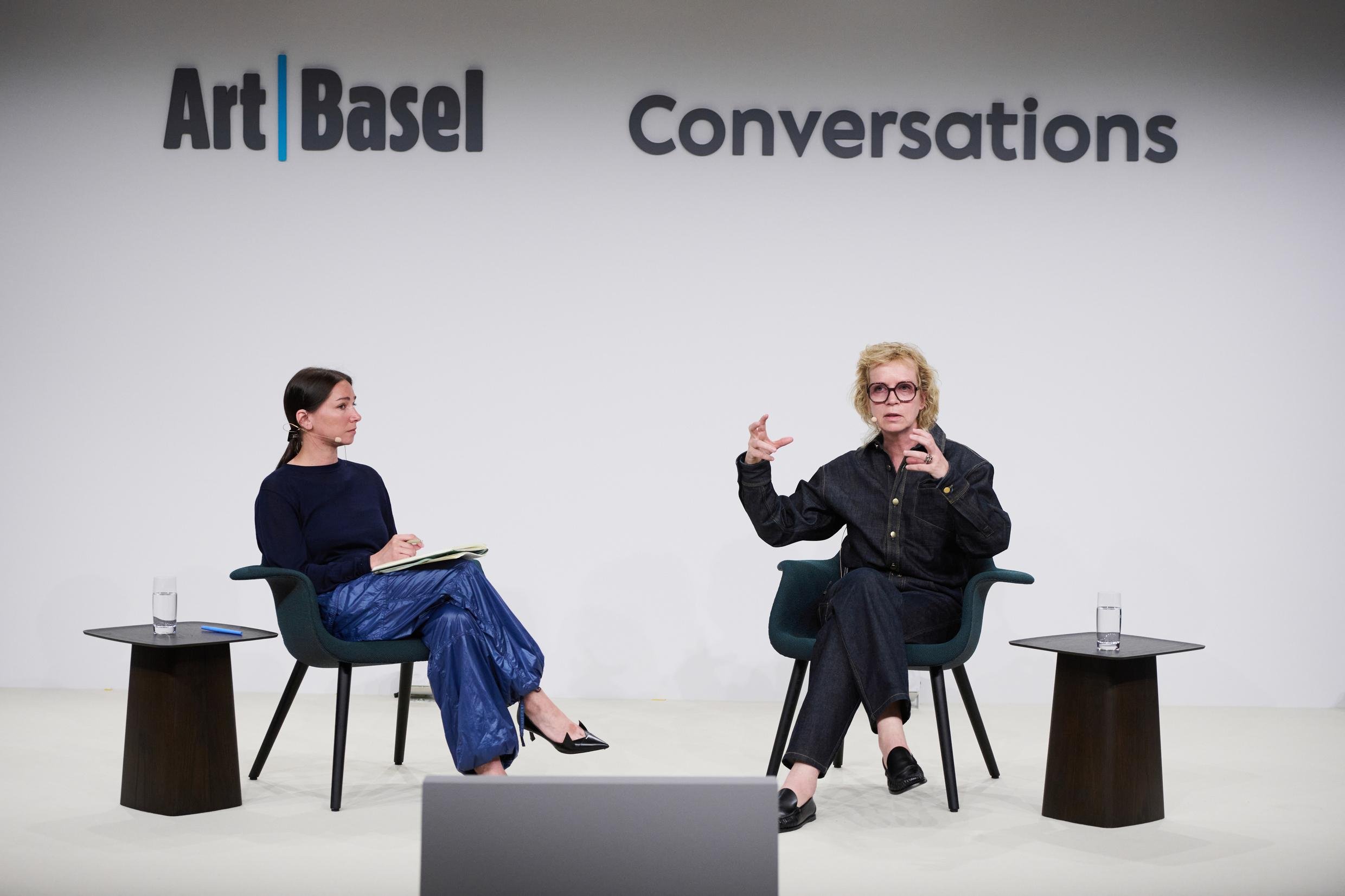
Curator Natalia Grabowska and artist Katharina Grosse in conversation at Art Basel 2025, highlighting the role of curatorial dialogue in shaping artistic recognition.
Galleries and the Commercial Construction of Reputation
If museums contribute to cultural legitimacy, galleries play a central role in translating that recognition into a sustainable professional market.
Leading galleries do considerably more than present artworks for sale.
They finance exhibitions, support production, introduce artists to collectors, facilitate institutional loans and cultivate relationships with curators and museum directors.
For artists working with ambitious materials or complex installations, these resources can be essential.
Gallery representation also influences the pace at which an artist's market develops.
Primary-market prices are generally established through direct negotiations rather than public bidding. Galleries therefore possess considerable discretion over pricing, distribution and the selection of collectors.
An established gallery may prioritise placing important works with museums or collectors known for maintaining substantial holdings.
Such decisions can support an artist's long-term reputation by reducing the likelihood of rapid resale and encouraging sustained engagement.
However, the same mechanisms can create opportunities for market concentration.
When access to desirable artworks depends on a limited network of galleries and collectors, visibility and purchasing opportunities may become unequally distributed.
The commercial scale of this system is substantial.
According to the Art Basel and UBS Global Art Market Report 2026, worldwide dealer sales increased by 2% in 2025 to approximately $34.8 billion.
The report also found that the average number of unique buyers per dealer declined to 57, the lowest level since 2021.
These figures illustrate how the international gallery sector can generate substantial transaction values through relatively concentrated relationships.
For artists, access to such networks can provide opportunities that independent sales channels may struggle to reproduce.
Yet gallery representation should not be mistaken for a guarantee of artistic significance or financial success.
Commercial relationships can dissolve, collector preferences can change and market visibility can decline even after periods of considerable attention.
Critics, Scholarship and the Production of Cultural Meaning
Art criticism performs a different but equally important function.
Where galleries facilitate transactions and museums provide institutional recognition, critics and scholars contribute to the interpretative frameworks through which artworks are understood.
An important critical essay can establish connections between an artist's practice and wider intellectual, political or historical developments.
Such writing may influence subsequent exhibitions, academic research and the reception of an artist's work.
The commercial consequences are rarely immediate or measurable.
A favourable review does not necessarily increase an artwork's price, just as criticism does not automatically diminish collector demand.
Nevertheless, sustained scholarly attention can help establish an artist's importance independently of short-term commercial performance.
This distinction becomes particularly significant over extended periods.
An artist whose work is repeatedly studied, debated and reconsidered may develop a historical presence that survives changing market conditions.
Critical writing can also challenge established hierarchies.
Artists neglected by earlier institutions may receive renewed attention when scholars question the assumptions underlying previous assessments of artistic importance.
Such reassessments demonstrate that the art historical canon is neither fixed nor entirely detached from broader social developments.
However, the changing economics of cultural journalism complicates this role.
As specialist publications face financial pressures and digital communication accelerates, the distinction between independent criticism, institutional publicity and gallery-generated content can become less apparent.
For collectors, visibility across media platforms should not be confused with independent critical consensus.
The source, purpose and intellectual substance of commentary remain essential considerations.
Collectors and the Power of Acquisition
Collectors are frequently presented as participants responding to artistic reputations established elsewhere.
In practice, influential collectors can contribute directly to their formation.
An important acquisition may provide financial support to an artist, strengthen relationships with galleries and encourage institutional attention.
Collectors who establish foundations, lend works to exhibitions or serve on museum boards may exercise influence extending beyond their purchasing decisions.
Their choices can shape which artists receive sustained visibility.
This relationship becomes particularly consequential when collecting activity intersects with institutional governance.
A collector may support a museum exhibition while also owning substantial works by the featured artist.
The resulting exhibition can provide genuine cultural value, yet it may also affect perceptions of the collector's holdings.
Such arrangements are not inherently improper. Museums have longstanding relationships with private donors and lenders.
Nevertheless, transparency concerning financial interests and decision-making is important where private collecting and public cultural authority intersect.
Recent evidence also complicates assumptions about collectors' motivations.
The 2026 Art Basel and UBS Survey of Global Collecting found that 72% of surveyed high-net-worth collectors conducted moderate or significant independent research before purchasing art, compared with 62% in the previous survey.
Auction-house specialists, art advisers, artists and dealers remained important sources of external guidance.
These findings suggest that collecting decisions increasingly combine independent investigation with established professional relationships.
However, information is not equally available to all participants.
Collectors with access to influential advisers, private viewings and institutional networks may encounter opportunities unavailable to the wider market.
Cultural knowledge and social access can therefore become significant forms of economic advantage.
When Auction Prices Become Measures of Importance
Auction houses contribute to artistic reputation through a particularly visible mechanism: the public sale result.
A substantial auction price can attract international attention and establish a reference point for subsequent valuations.
Yet the relationship between financial performance and cultural significance is far from straightforward.
Auction prices reflect competition among particular buyers for an individual object under specific market conditions.
Provenance, condition, scale, rarity and the circumstances of a sale can materially affect the outcome.
Nevertheless, highly publicised records can influence perceptions of an artist's standing.
An artist achieving a dramatic price increase may attract new collectors, greater media coverage and additional commercial interest.
These developments can create feedback effects in which market visibility generates further demand.
The process becomes vulnerable when prices rise considerably faster than broader institutional recognition.
Artprice's Contemporary Art Market Report 2026 documented a 6% increase in contemporary art auction sales value between July 2025 and June 2026, while the segment covering artists under 40 contracted by 26.6%.
The divergence demonstrates that commercial recognition is not equally durable across different career stages.
Artists supported by extensive exhibition histories and geographically diverse collector bases may possess stronger reputational foundations than those whose markets developed rapidly through concentrated speculative attention.
However, declining auction turnover does not necessarily indicate a proportional fall in the value of every artwork.
Changes in supply, the quality of consignments and the willingness of owners to sell can all affect aggregate results.
The essential distinction is between a market price achieved on a particular occasion and the sustained recognition required to support demand over time.
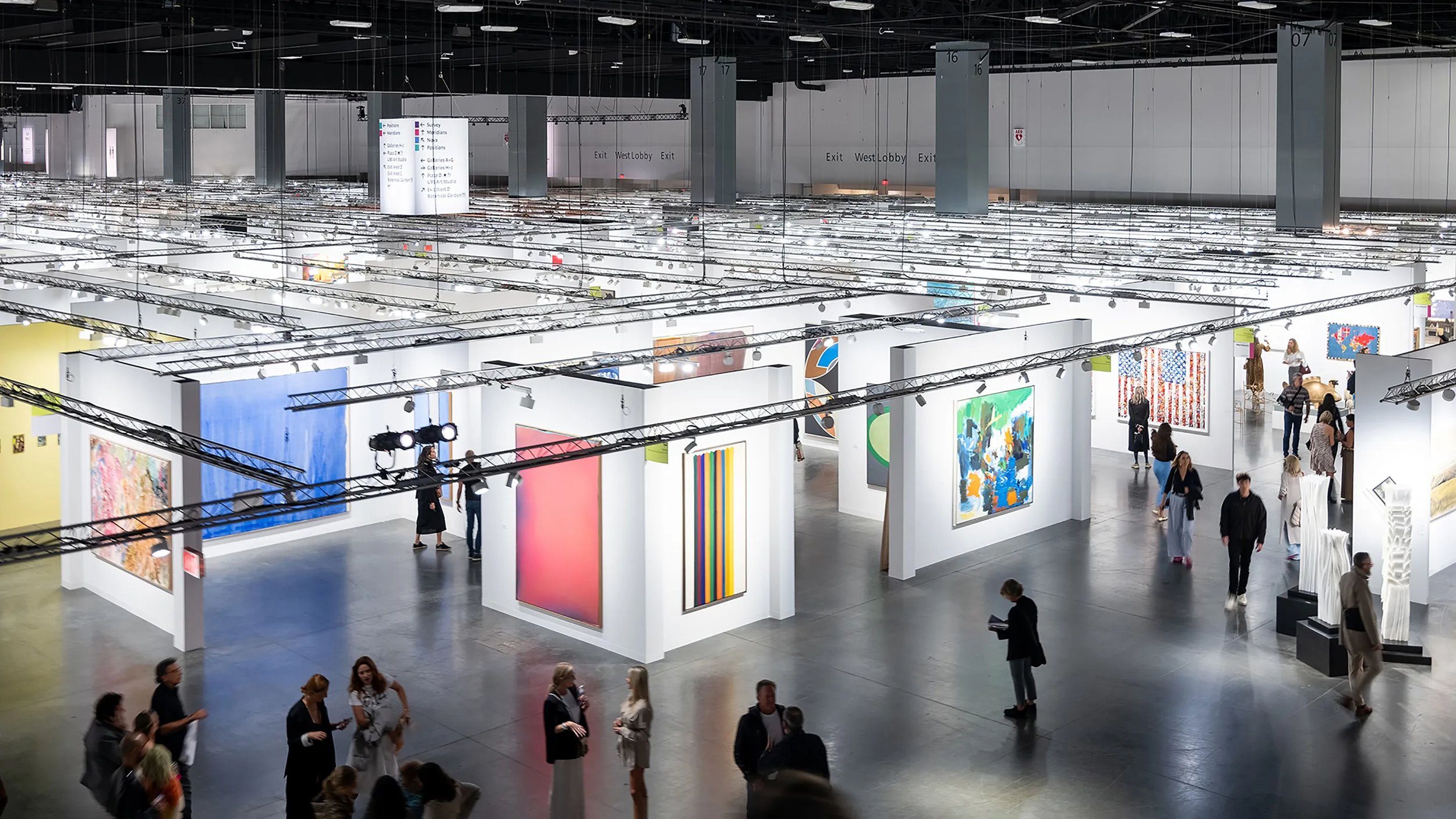
International gallery presentations at Art Basel Miami Beach 2025, illustrating the influence of commercial galleries and collector networks on artistic visibility and market recognition.
The Unequal Distribution of Artistic Opportunity
The institutions shaping artistic value operate within wider economic and social structures.
Access to influential galleries, curators and collectors can depend on geography, financial resources, professional relationships and historical patterns of representation.
Gender disparities within the commercial market provide one measurable example.
The 2026 Art Basel and UBS report found that female artists represented 45% of artists across dealer programmes in 2025, compared with 35% in 2018.
Yet works by female artists accounted for only 37% of dealer sales by value.
The disparity was particularly evident among the largest galleries.
At businesses generating more than $10 million annually, female artists represented approximately 35% of artists but accounted for only 27% of sales.
These figures demonstrate that increased representation does not necessarily translate into equivalent commercial outcomes.
The same broader concern applies to artists working outside historically dominant cultural centres.
International recognition may depend on access to institutions and commercial networks that remain concentrated within particular cities.
Greater geographical diversity among museums, biennials and collectors could gradually broaden the range of artists receiving international attention.
Nevertheless, changing the composition of exhibitions does not automatically transform the distribution of market power.
Lasting progress requires sustained acquisitions, scholarship, professional representation and collector engagement.
Reputation Beyond the Artist's Lifetime
The influence of cultural networks does not end with an artist's death.
Estates, foundations, galleries and museums continue to shape how artistic legacies are preserved and interpreted.
A 2025 study published in the Journal of Cultural Economics, examining more than 22,000 exhibitions and 30,000 auction transactions involving approximately 1,000 artists, investigated the relationship between death, institutional activity and market prices.
The researchers found that exhibition activity often declined temporarily following an artist's death, while auction prices could rise as supply became finite.
Importantly, the magnitude and direction of these effects varied according to the artist's age and established reputation.
The findings reveal that even after an artist's production has ceased, market value remains influenced by expectations about future recognition.
Professional estate management, archival research, authentication procedures and exhibition programming can consequently play important roles in maintaining a legacy.
The market's judgement of an artist is never entirely final.
Historical reassessment can introduce neglected bodies of work to new audiences, while changes in scholarship and collecting preferences can alter established hierarchies.
Artistic reputation is therefore best understood as an evolving cultural process rather than a permanent status acquired at a particular moment.
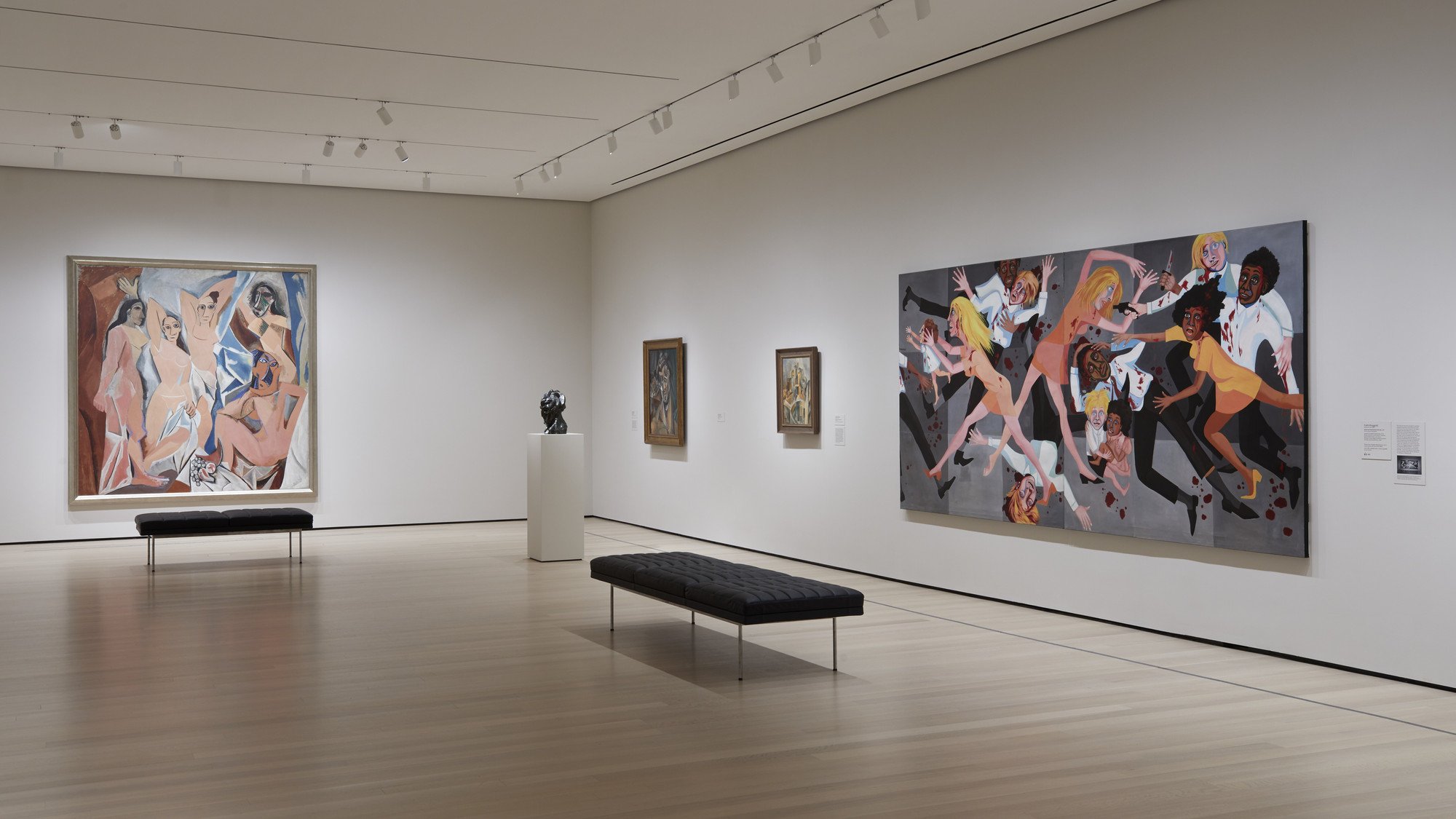
The Museum of Modern Art in New York, one of the institutions whose exhibitions, collections and scholarship influence international perceptions of artistic significance. Photograph: Andrew Milligan.
Conclusion: Who Ultimately Determines Artistic Value?
The international art market does not possess a single authority capable of determining an artist's value.
Instead, reputations emerge through the interaction of curatorial decisions, critical interpretation, gallery representation, institutional acquisitions, collector preferences and public transactions.
Each participant possesses a different form of influence.
Museums contribute historical legitimacy. Curators shape interpretation. Critics develop intellectual context. Galleries establish commercial relationships, while collectors provide financial support and demand.
Auction houses translate certain aspects of that demand into publicly observable prices.
Yet none of these mechanisms operates independently, and none provides an infallible measure of artistic significance.
The challenge for collectors and cultural institutions is to distinguish enduring recognition from temporary visibility, and independent critical judgement from commercial reinforcement.
For artists, the implications are equally important. Professional success depends not only on creative achievement, but on access to the networks through which that achievement becomes recognised.
As the art world becomes more internationally connected, the legitimacy of these networks will increasingly depend on whether they broaden opportunities or reinforce existing concentrations of influence.
Ultimately, artistic value cannot be reduced to a price, an exhibition history or the endorsement of an influential collector.
It emerges through the continuing relationship between the artwork, its cultural significance and the communities that interpret it.
The invisible architects of artistic success may shape reputations, but the most enduring measure of an artist's importance remains the ability of the work to sustain critical attention and cultural meaning beyond the circumstances that first brought it recognition.