Ursa Schöpper: The Provisional Image and the Future of Post-Photographic Art
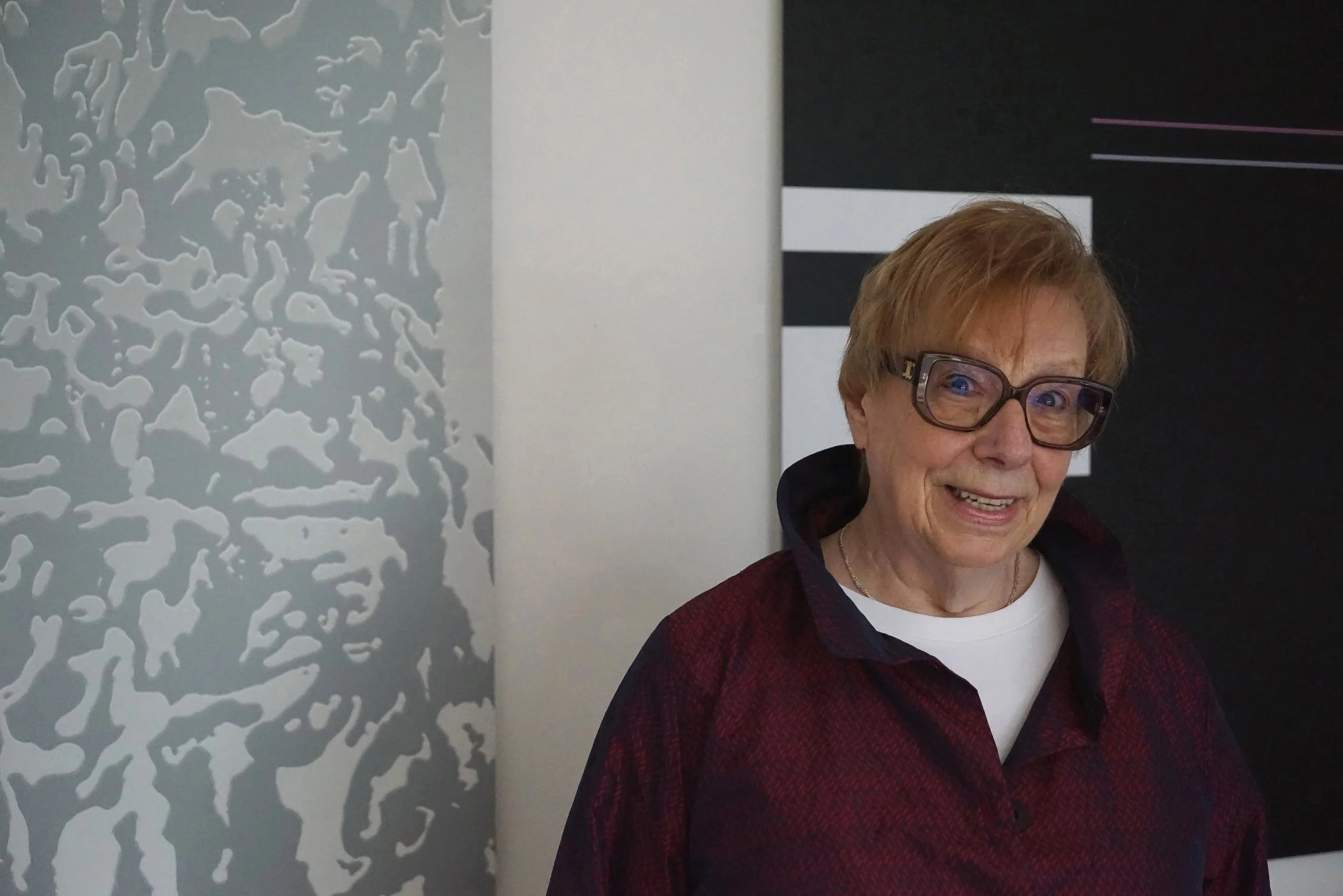
Ursa Schöpper: The Provisional Image and the Future of Post-Photographic Art
Ursa Schöpper’s practice is grounded in a rigorous inquiry into the nature of the photographic image, positioning her within a growing field of artists who challenge the traditional boundaries of the medium. With an academic foundation in natural sciences, completed with a state examination, and further studies in cultural management with a focus on fine arts and new media, Schöpper brings a multidisciplinary perspective to her work that bridges analytical precision and conceptual exploration.
Her early career included the establishment of the Agentur für Virtuelle Denkräume, where she worked as a cultural manager and developed projects at the intersection of art and theory. In 2001, she received the Media Promotion Prize of the German state of North Rhine-Westphalia for Das Museum der abwesenden Bilder, an early indication of her engagement with questions surrounding presence, absence, and image construction. Since 2003, Schöpper has focused primarily on her work as a photographic artist, building an international exhibition profile supported by awards and a substantial body of publications.
Central to Schöpper’s artistic position is a critical rethinking of photography as a medium. Drawing on the ideas of Vilém Flusser, particularly his assertion that perception does not equate to reality, she approaches the digital photograph as both a light-based and data-driven construct. In her view, the photographic image is not a fixed representation but a provisional outcome shaped by layered processes that operate across material, mathematical, and philosophical domains.
This emphasis on process over static form defines her methodology. Schöpper conceives of the photograph not as something premeditated, but as a visualization of perception itself. To generate new perspectives, she advocates the dismantling of familiar ways of seeing, allowing the image to emerge from a transformation of perception rather than from the reproduction of the visible world. In this sense, the photograph becomes an active site of inquiry rather than a passive recording device.
Her distinction between traditional artistic photography and experimental fine art photography is particularly significant. While conventional photographic practices often remain tied to a notion of fidelity to nature, Schöpper’s work deliberately departs from this paradigm. Her images do not seek to replicate reality but instead articulate autonomous visual structures that suggest the presence of virtual realities within the photographic field. This approach aligns with broader developments in contemporary art, where the medium is increasingly understood as a space for construction, interpretation, and conceptual translation.
Schöpper describes the experimental photographic artist as a boundary crosser, one who moves between perception and abstraction, technology and subjectivity. In her practice, the act of image-making is inseparable from a deeper cognitive and sensory process. “My uninterrupted work of seeing is recorded through the intensity of my senses,” she notes, “and transformed through the creative work of mind and soul.” The resulting images are not representations of external reality, but modifications of optical impressions shaped by what she describes as a transcendent mathematics.
Technology plays a central role in this process, not merely as a tool but as a generative force that actively participates in the formation of the work. Through this integration, Schöpper expands the possibilities of photography beyond its conventional limits, situating it within a broader discourse on digital systems and perceptual experience.
For collectors and institutions, Schöpper’s work offers a nuanced engagement with the evolving status of the photographic image. It reflects a shift away from documentary and representational concerns toward a more complex understanding of photography as a dynamic and conceptual medium. Her exploration of perception, virtuality, and formal order resonates with a market increasingly attentive to practices that interrogate the conditions of image production in the digital age.
By positioning photography as a process of visualization rather than representation, Ursa Schöpper contributes to a critical redefinition of the medium. Her work invites a reconsideration of how images are constructed, experienced, and understood, offering a compelling perspective for those engaged in the contemporary art market and its ongoing transformations.
https://www.virtuelledenkraeume.de/ursa_schoepper.html
https://artitious.com/?s=Ursa+Schoepper
https://artitious.com/artist/ursa-schoepper/
https://www.artsper.com/de/zeitgenossische-kunstwerke
https://www.galleriatilde.it/
https://www.galartery.com/artists-new-1/schoepper-ursa
https://www.helmholtz-berlin.de/zentrum/kunst-hzb/schoepper_de.html
https://www.contemporaryartstation.com/la-galeria/p/ursa-schoepper-erlknig
https://www.galleriakookos.fi/portfolio_page/ursa-schoepper/
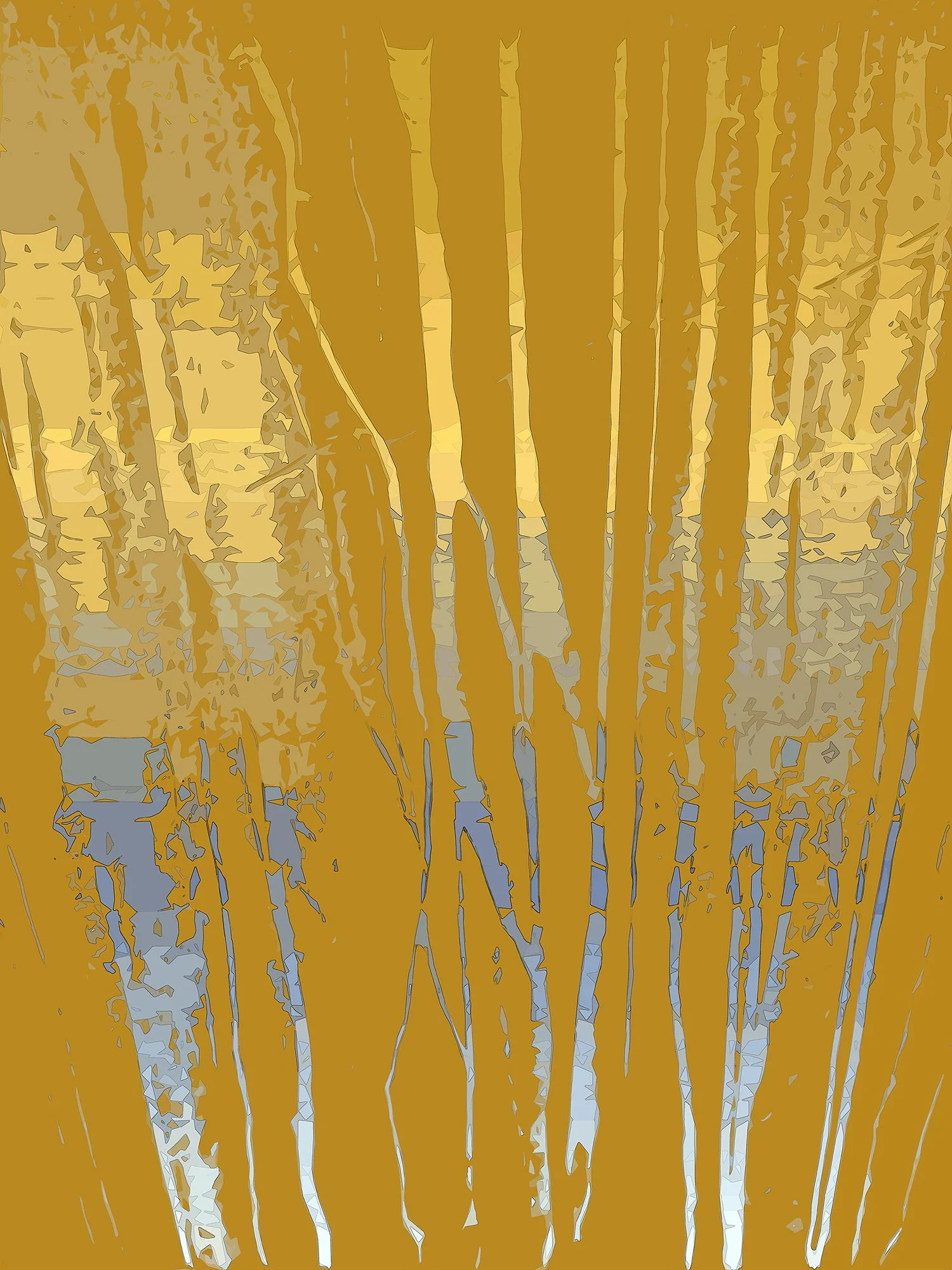
light reflections of nature, 2026
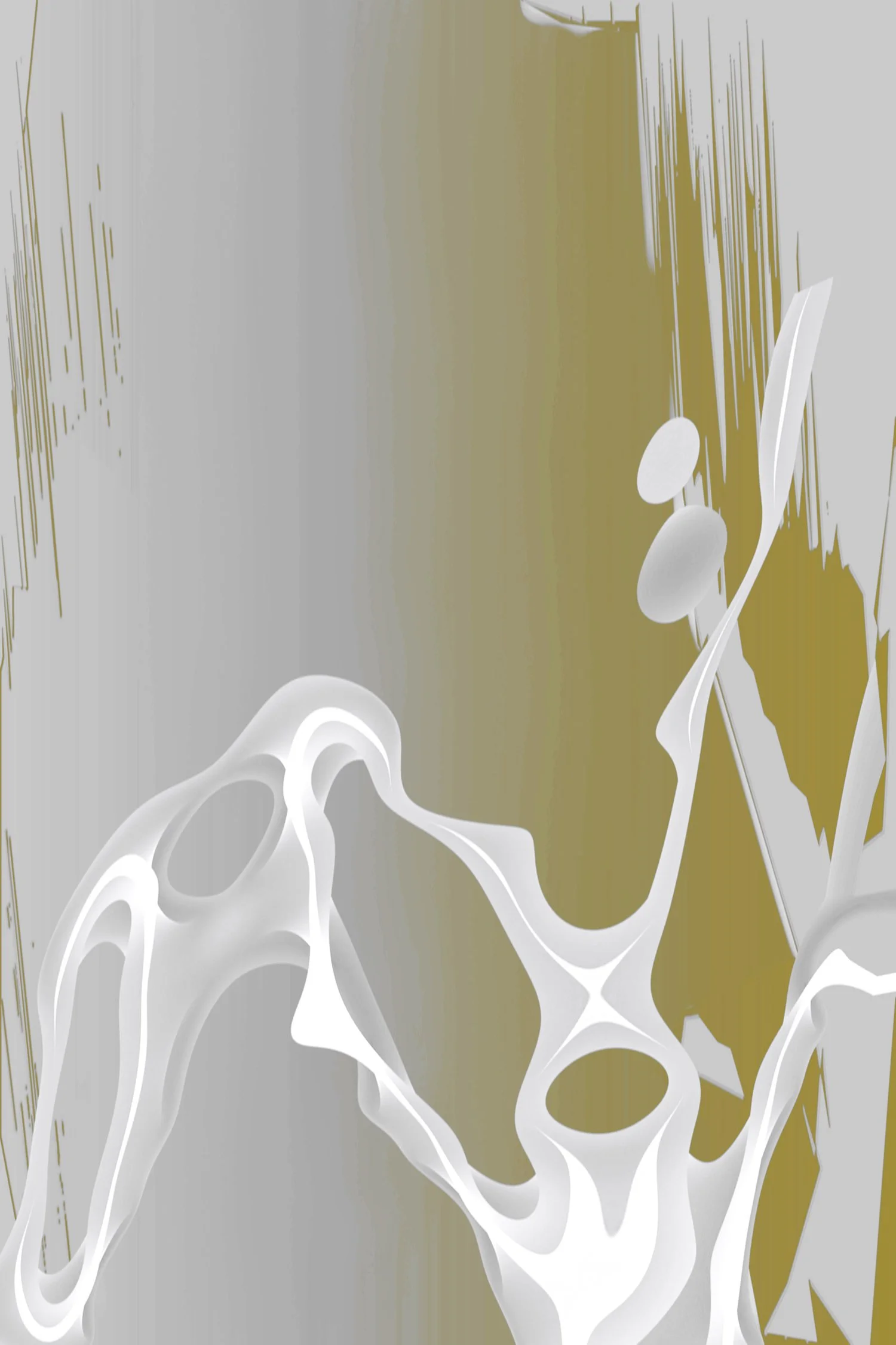
mutation of a plant, 2026
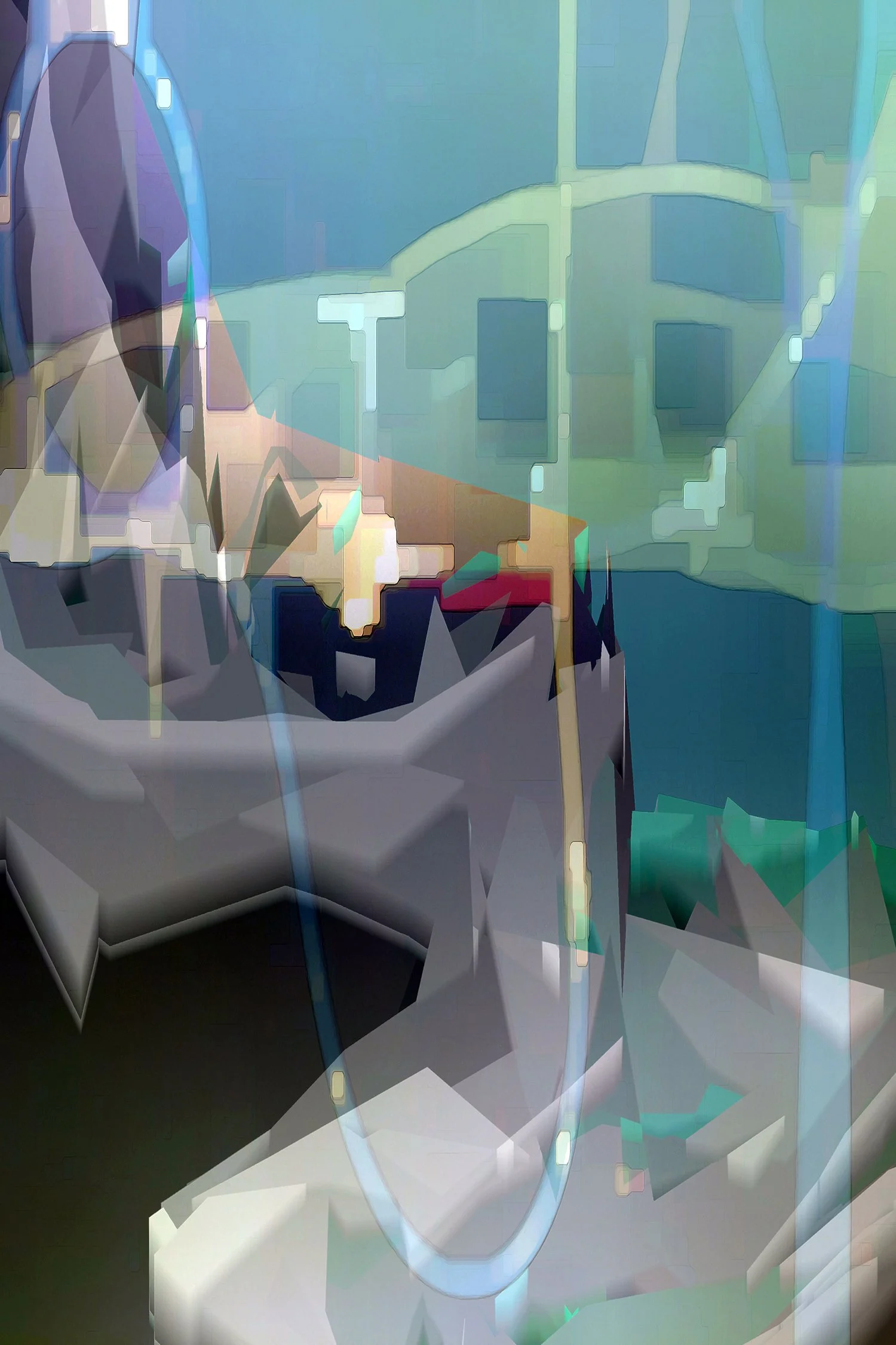
sunken paradise, 2026
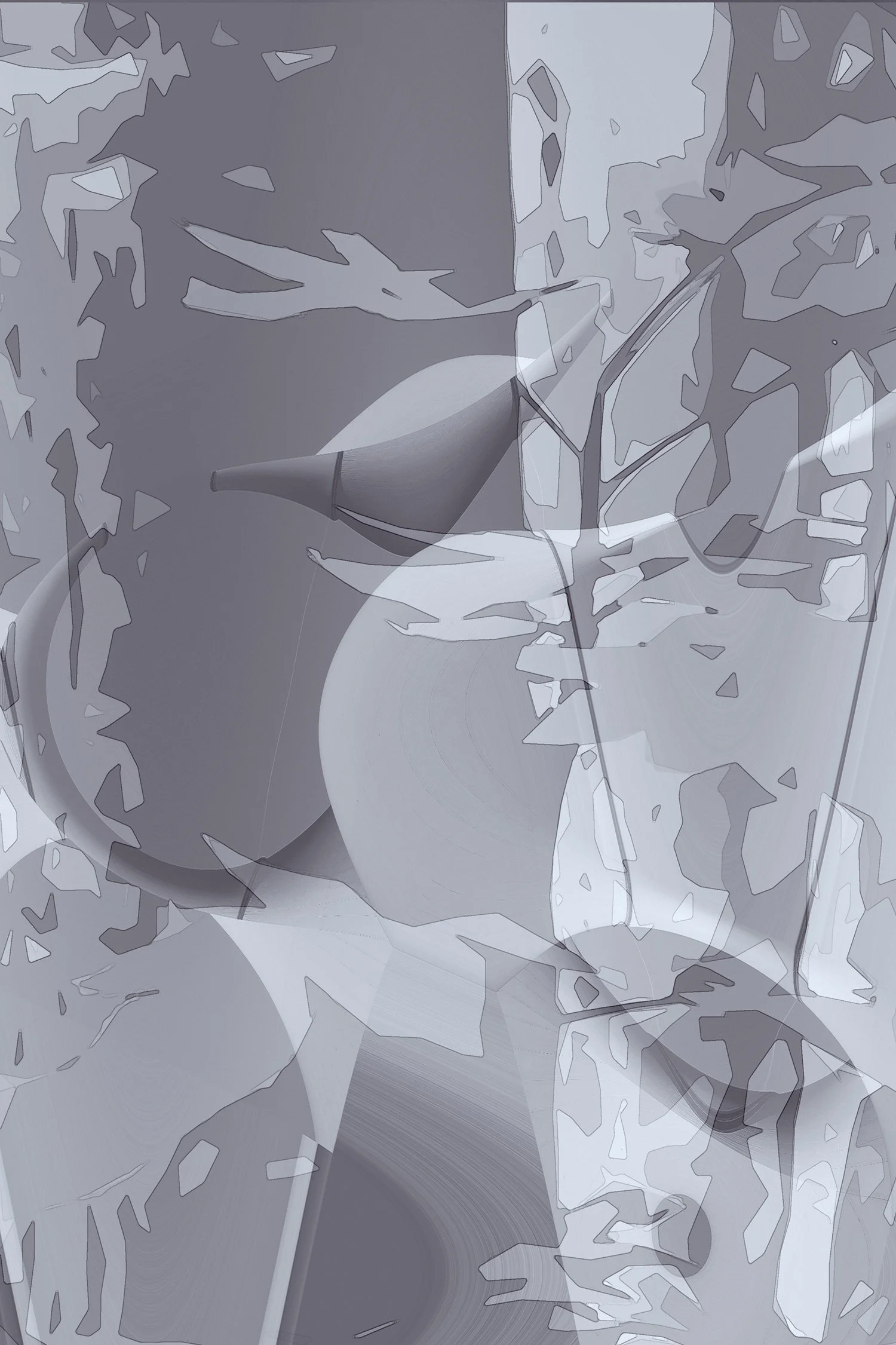
surreal biotope,2026
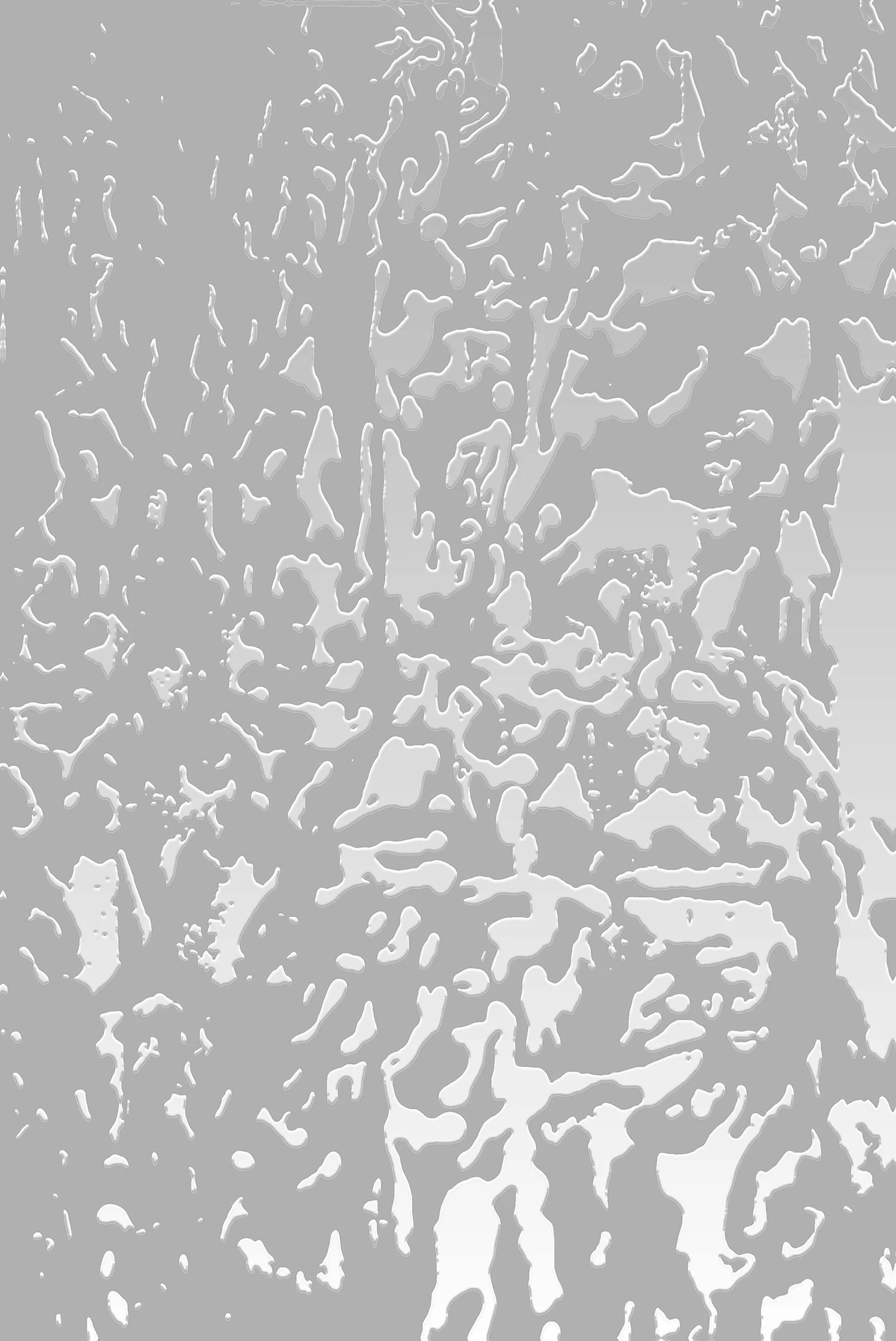
amoeba jungle, 2016
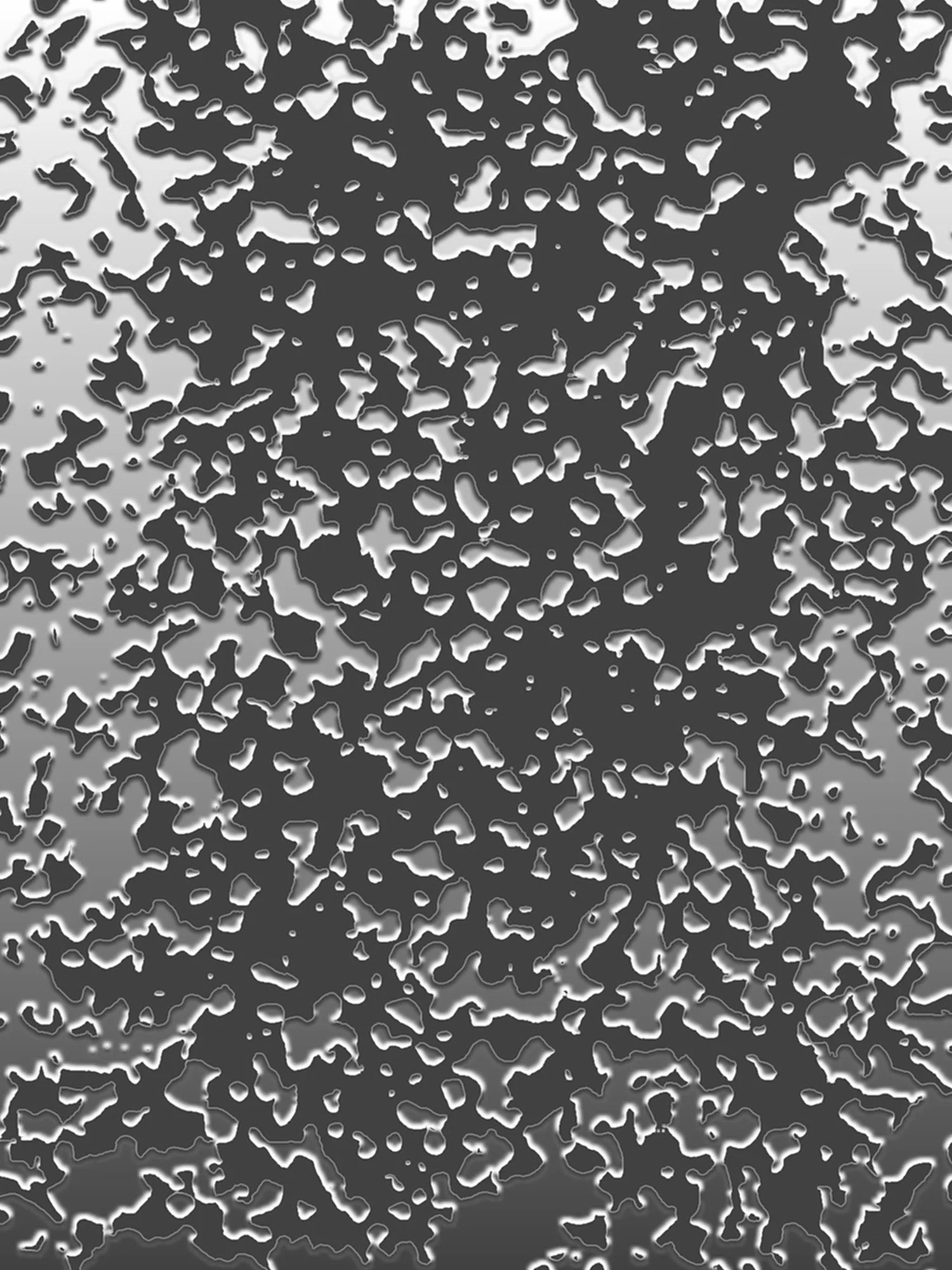
oil slick,2022
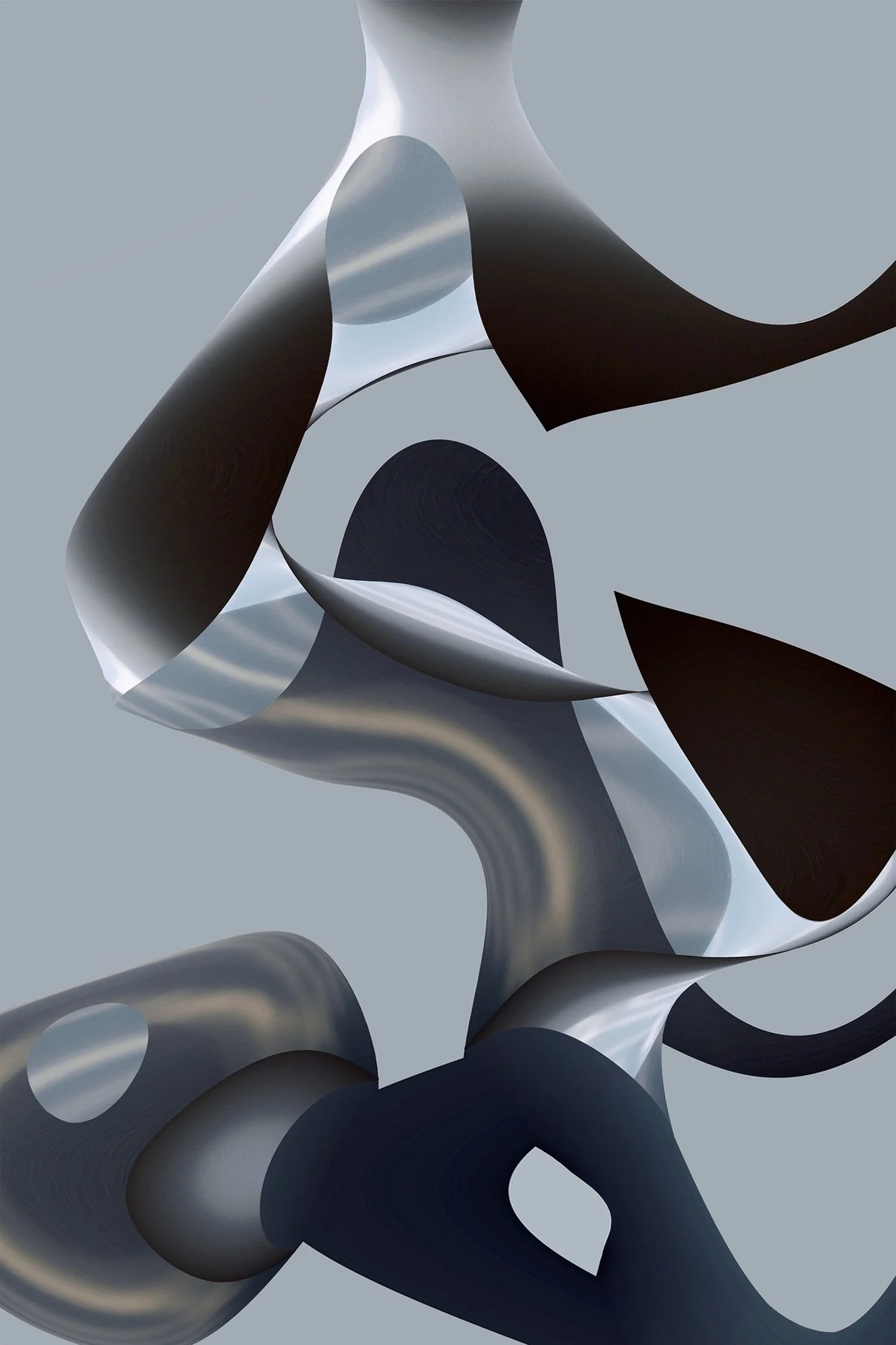
formation im raum, 2015
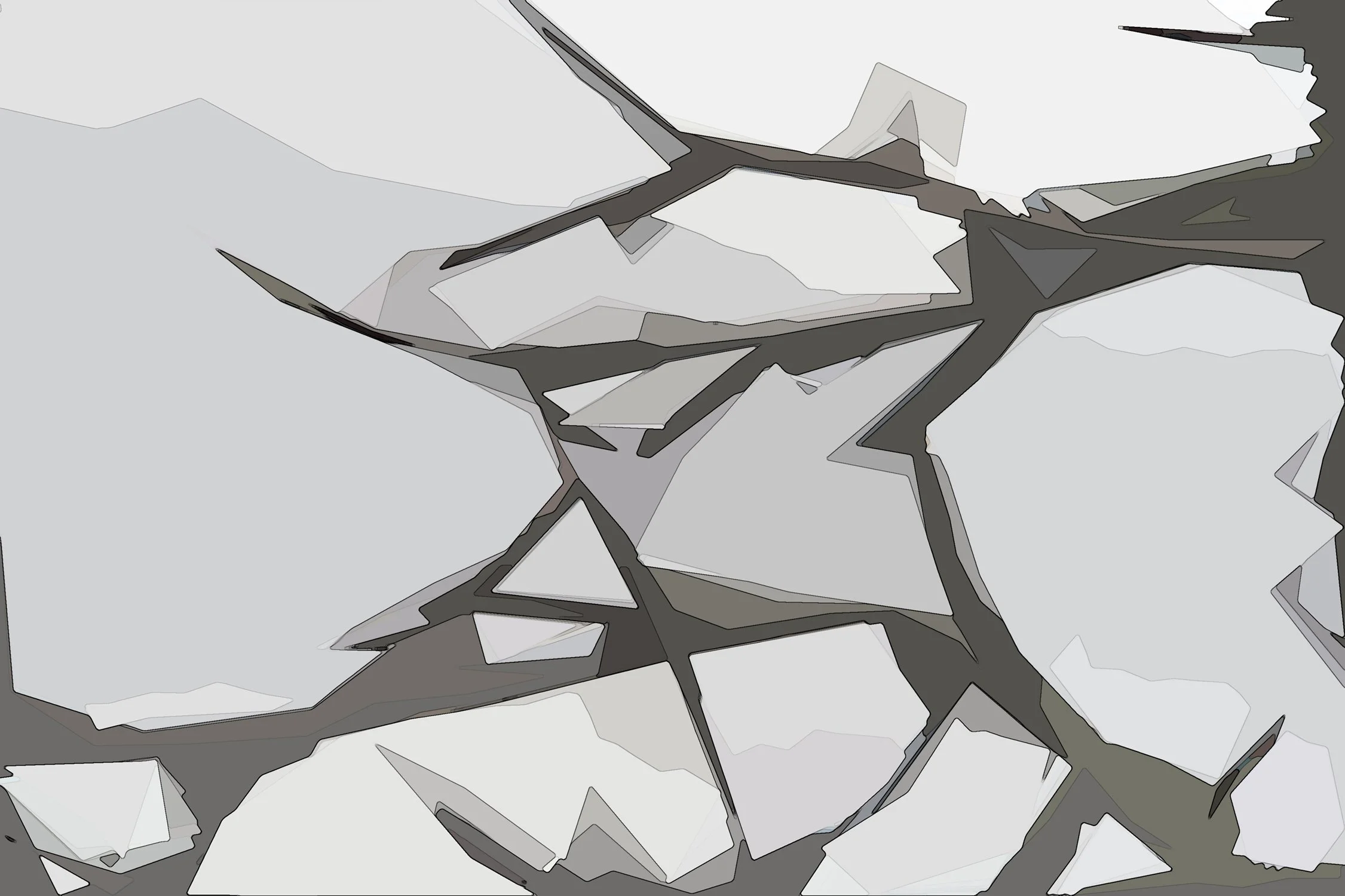
broken ice, 2017
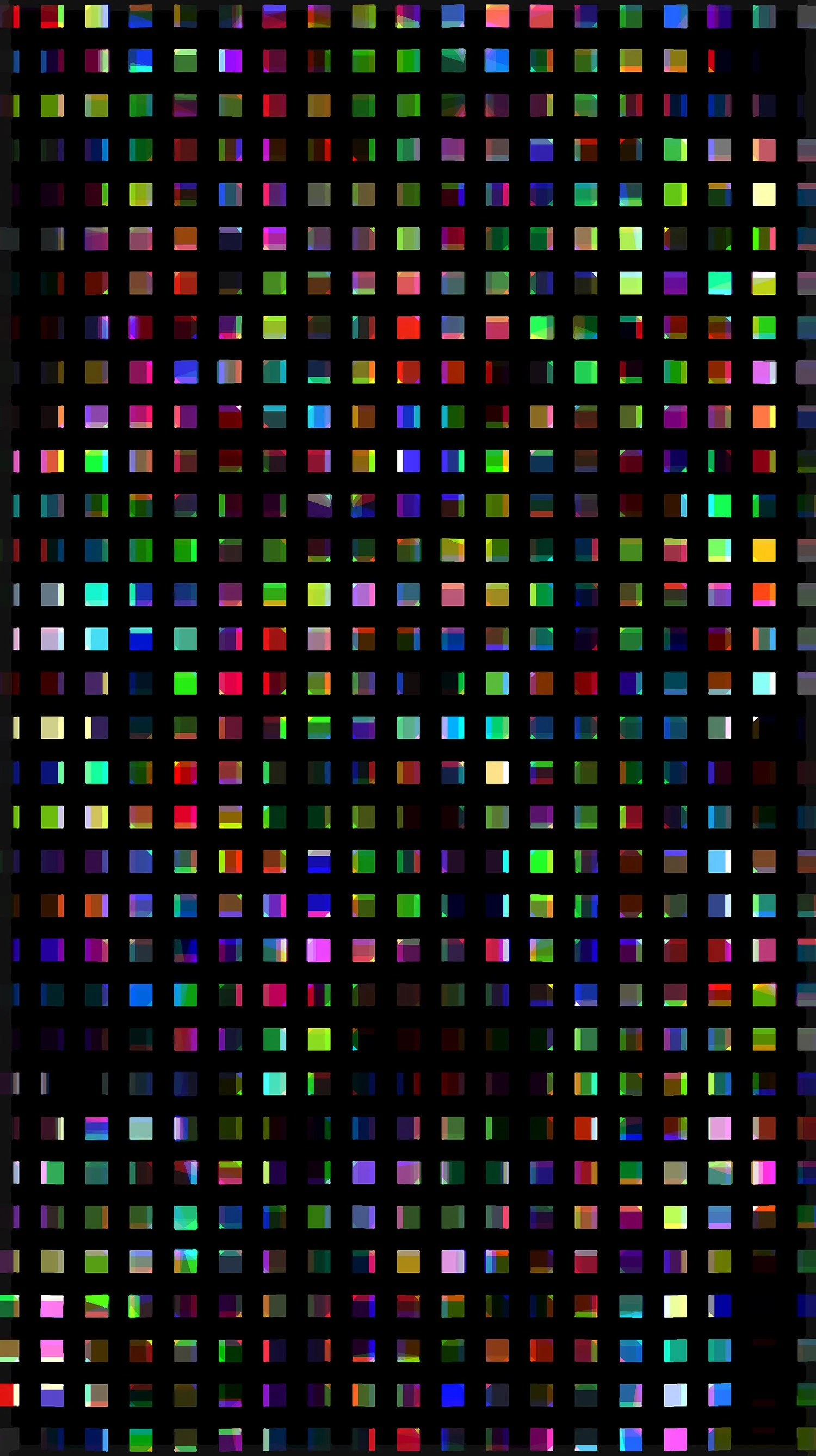
in the grid of nature,2023
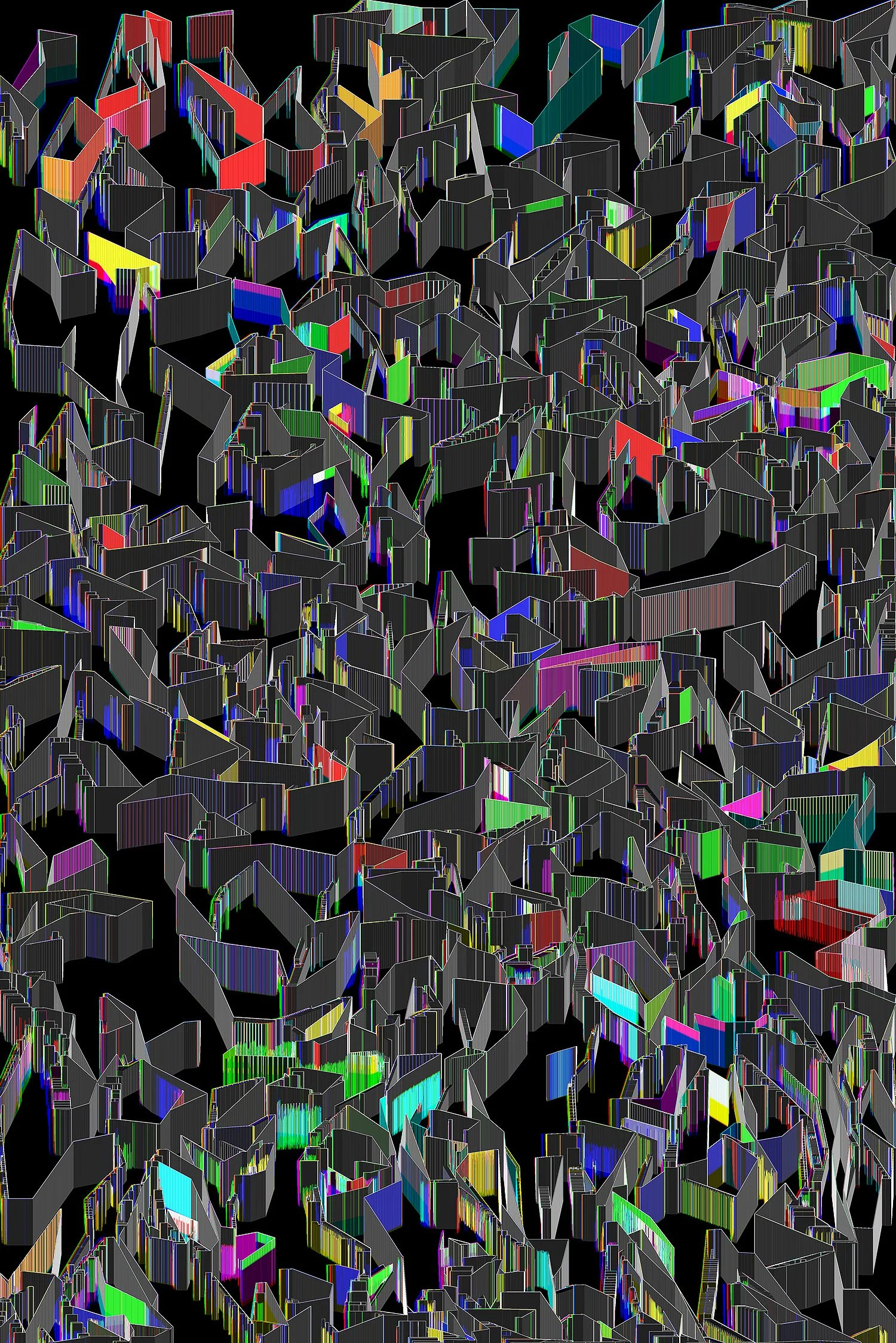
music in the city, 2020