As private fortunes increasingly shape the cultural institutions of the twenty-first century, billionaire collectors are becoming influential participants in the production of artistic reputations, museum programming and public access to art. Their expanding role raises a fundamental question: who should determine the cultural legacy of an age?
The ownership of great art has always conferred prestige. What has changed is the extent to which private collectors can now construct the institutions through which that art is exhibited, interpreted and remembered. Rather than donating collections to established museums, wealthy individuals are increasingly creating their own exhibition spaces, appointing curatorial teams and developing programmes that operate alongside, and sometimes compete with, publicly funded institutions.
This development represents a significant redistribution of cultural influence. Private wealth no longer determines only which artworks can be acquired. It increasingly helps determine which artists receive institutional attention, which exhibitions reach audiences and how artistic significance enters the historical record.
Research by Larry's List and the University of Amsterdam identified 446 privately founded museums of modern and contemporary art worldwide in 2023, with approximately 82% established since 2000. The figures demonstrate that private museums have become a substantial component of the international cultural infrastructure, rather than an occasional expression of individual patronage.
As 2027 approaches, the question is not whether billionaire collectors will continue to influence the art world. Their influence is already established. The more consequential issue is how private financial resources can be reconciled with the independence, accountability and public responsibilities traditionally associated with museums.
The Transformation of Private Collecting into Institutional Power
Historically, wealthy collectors frequently sought permanence for their collections through donations to national museums, university galleries and other established institutions. Philanthropy offered public recognition while transferring responsibility for conservation, interpretation and access to organisations with enduring cultural mandates.
The contemporary private museum offers a different proposition. Collectors can retain considerable influence over their holdings while establishing an institutional identity capable of surviving beyond their personal involvement.
This distinction is economically and culturally significant.
A collector who acquires an artwork participates in its market. A collector who establishes a museum can also influence the conditions under which that artwork is understood, exhibited and valued. Through acquisitions, exhibitions, publications and relationships with artists, private institutions can contribute directly to the formation of artistic reputations.
Their power is not necessarily exercised through explicit commercial intentions. The selection of artists for exhibitions, the commissioning of scholarly research and the allocation of exhibition space all have consequences for visibility and recognition.
These decisions can subsequently influence gallery representation, collector interest and secondary-market demand.
The geographical distribution of private museums also reveals the relationship between cultural influence and concentrated wealth. The 2023 Private Art Museum Report identified Germany as the largest national centre, with 60 institutions, followed by the United States with 59 and South Korea with 50. Greater China and Italy each accounted for approximately 30.
These figures should not be interpreted as a current 2026 census, but they establish the international scale of the phenomenon.
More importantly, the expansion is not confined to traditional Western cultural capitals. Private museums have become significant participants in Asian art markets and are increasingly visible across other regions.
Their geographical reach reflects an important structural change: the capacity to establish cultural institutions is no longer concentrated exclusively within longstanding European and American museum systems.
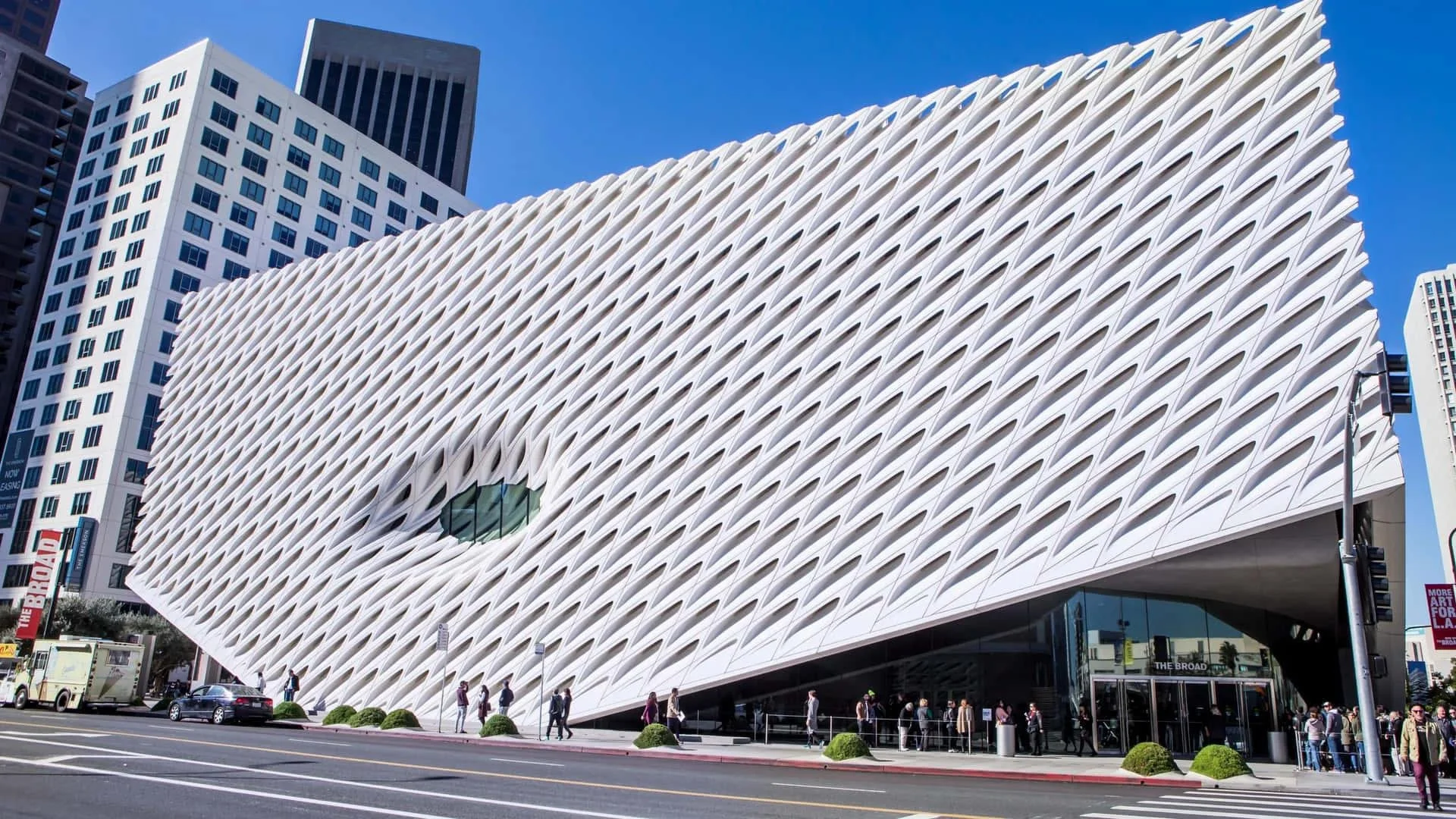
The Broad contemporary art museum in downtown Los Angeles, established by philanthropists Eli and Edythe Broad. The building was designed by Diller Scofidio + Renfro in collaboration with Gensler.
From Private Collection to Public Institution
Several established private museums demonstrate how individual collecting strategies can develop into substantial cultural enterprises.
In Los Angeles, The Broad, founded by Eli and Edythe Broad in 2015, has become an important destination for postwar and contemporary art. Its collection contains more than 2,000 works, while its longstanding lending programme makes artworks available to museums internationally.
The institution offers free general admission and reports attracting more than 900,000 visitors annually.
Its expansion provides an instructive example of the scale at which private cultural institutions now operate. Announced in 2024, the approximately $100 million development is scheduled to open in 2028, adding 70% more gallery space and improving public access to the collection.
The investment demonstrates how privately established institutions can respond to audience demand and infrastructure requirements without depending primarily on conventional government museum funding.
Yet it also highlights a fundamental question of governance. The institution's cultural purpose originated in the collecting vision of its founders. As its public importance increases, expectations of institutional independence, accessibility and professional accountability inevitably become more demanding.
A different model can be observed at Glenstone in Potomac, Maryland, established by Emily Wei Rales and Mitchell Rales.
Glenstone integrates modern and contemporary art with architecture and landscape, creating an environment in which the experience of viewing art is deliberately separated from the commercial atmosphere of the market.
Its major expansion, completed in 2018, included a 204,000-square-foot museum building and substantially enlarged landscaped grounds. Admission remains free.
The project illustrates how private wealth can support ambitious cultural experiences that would be difficult for many publicly financed institutions to undertake.
However, the availability of substantial private funding does not automatically resolve questions of access. Visitor capacity, transport connections, geographical location and admission arrangements all influence who can meaningfully participate.
Public benefit must therefore be assessed through actual accessibility and sustained institutional service, rather than architectural ambition alone.
The Collector as Curator, Patron and Market Participant
The concentration of collecting and institutional authority becomes particularly apparent when private museums actively shape the presentation of contemporary artists.
The Rubell Museum offers an important example.
Founded by Mera and Don Rubell, whose collecting activity began in 1965, the institution originated as the Rubell Family Collection in Miami in 1993. It relocated to a larger complex in Allapattah in 2019, while the family subsequently expanded its museum presence to Washington, DC.
According to the institution, its holdings now encompass more than 7,700 works by over 1,000 artists.
The Rubells' longstanding interest in emerging and underrecognised artists demonstrates how private collectors can provide visibility before broader institutional recognition has developed.
This approach can benefit artists whose work has not yet entered major public collections. Private museums may have greater flexibility to acquire ambitious installations, support experimental practices or develop exhibitions without navigating lengthy acquisition procedures.
Nevertheless, the relationship between collecting and curating introduces potential conflicts of interest.
An exhibition may increase an artist's critical visibility while simultaneously enhancing the cultural and commercial standing of works held by the collector.
Such an outcome does not establish improper conduct. Museum exhibitions, whether publicly or privately financed, can affect market perceptions.
The distinction concerns governance and transparency.
When an institution's founder is also the principal collector, financial beneficiary and influential participant in programming decisions, audiences may have limited means of distinguishing independent scholarly judgement from the preferences of the collection's owner.
Professional curatorial appointments, transparent acquisition policies and independent oversight become particularly important where these interests overlap.
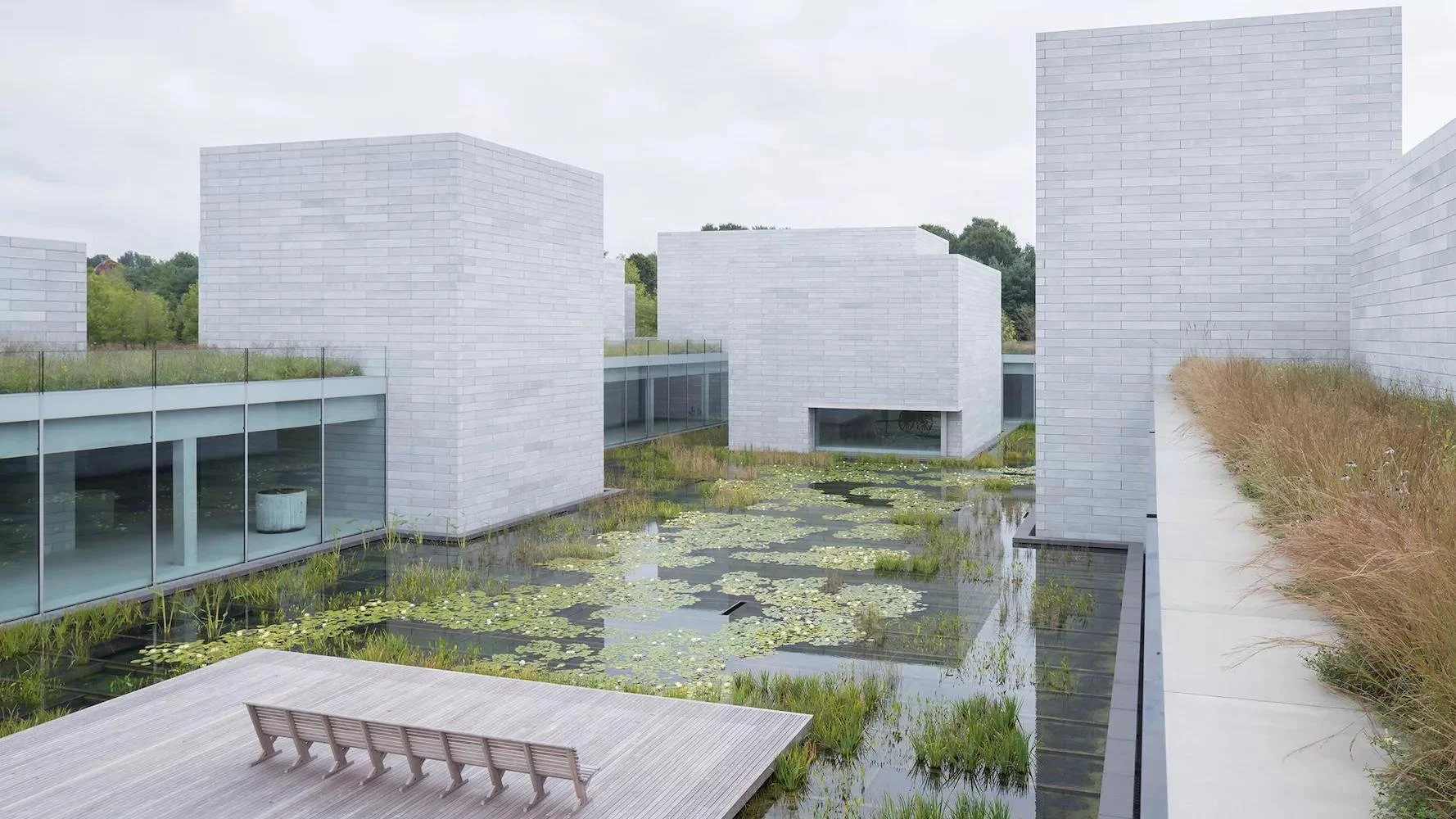
The Pavilions at Glenstone Museum in Potomac, Maryland, founded by Emily Wei Rales and Mitchell Rales. Photograph: Ron Cogswell.
François Pinault and the Internationalisation of Private Cultural Influence
Few collectors illustrate the international reach of private museum patronage more clearly than François Pinault.
The French businessman has developed an extensive institutional network through the Pinault Collection, including Palazzo Grassi and Punta della Dogana in Venice and the Bourse de Commerce in Paris.
The Paris institution, which opened in 2021 following the restoration and architectural transformation of the historic building, provides a prominent platform for exhibitions drawn from a collection encompassing approximately 10,000 artworks.
Its programme has continued to develop beyond exhibitions devoted to the collector's holdings, incorporating contemporary artistic interventions and substantial thematic presentations.
The significance of this model extends beyond the possession of exceptional artworks.
By establishing permanent exhibition spaces in internationally influential cultural cities, a private collector can develop sustained relationships with artists, curators, historians and audiences.
This creates an institutional network through which artistic practices can receive repeated exposure across different locations.
Such networks may complement public museums, but they also introduce competition for important works, curatorial expertise, sponsorship and cultural attention.
Public museums with limited acquisition budgets may find themselves competing against collectors whose purchasing decisions are not subject to comparable financial constraints.
The resulting imbalance raises questions about the future distribution of culturally significant artworks.
Private ownership does not necessarily prevent public access. Indeed, privately financed museums may exhibit works that would otherwise remain largely unseen.
Nevertheless, access depends on the continued decisions and financial capacity of the owner or governing foundation.
The challenge is to ensure that private cultural infrastructure creates lasting public opportunities rather than temporary visibility dependent on individual fortunes.
Wealth, Philanthropy and the Economics of Cultural Legitimacy
The rise of private museums cannot be separated from broader developments in global wealth.
The 2026 Art Basel and UBS Survey of Global Collecting, based on 3,100 high-net-worth collectors across ten markets, identified continued interest in philanthropy and collection planning. Some 23% of respondents indicated that they intended to donate artworks to museums during the following year, while others expressed plans to support cultural foundations, artist programmes and privately established institutions.
These findings suggest that cultural philanthropy remains an important consideration among wealthy collectors, although intentions do not necessarily translate into completed donations or institutions.
Private museum development also involves motivations that extend beyond collecting.
Academic research published in the British Journal of Sociology in March 2026 examined the public mission statements of 399 private museums across 59 countries. The study found that institutions frequently presented themselves through narratives of public benefit, cultural responsibility and institutional legitimacy.
Such research helps illuminate the relationship between economic resources and cultural authority.
A museum can offer its founder more than the prestige associated with owning valuable artworks. It can establish a lasting public identity, influence cultural discourse and place a private collection within an apparently permanent institutional framework.
This creates benefits for collectors, but it also complicates conventional distinctions between philanthropy and personal legacy.
The two are not necessarily incompatible. A museum may genuinely provide education, conservation and public access while simultaneously enhancing the reputation of its founder.
The relevant issue is whether the public benefits are substantial, independently assessable and durable.
The Financial Vulnerabilities Behind the Museum Boom
The expansion of private institutions has also revealed an uncomfortable economic reality: founding a museum and sustaining one are fundamentally different undertakings.
Construction costs are usually visible, substantial and concentrated within a defined period. Operating costs continue indefinitely.
Professional staffing, conservation, insurance, security, exhibition production, transportation, climate control and building maintenance require reliable long-term financing.
Private museums may be particularly exposed when their operating budgets depend heavily on a founder's personal wealth or a business whose financial position can deteriorate.
Developments in China provide a revealing example.
Reporting published in 2025 documented closures and financial pressures affecting privately financed museums, including institutions whose development had been closely associated with property investment and corporate wealth.
Further reporting in 2026 examined attempts to preserve some institutions through revised financial arrangements and partnerships.
These developments challenge the assumption that private ownership necessarily provides greater financial security than public funding.
A museum financed by a single wealthy patron may possess exceptional resources during periods of prosperity, yet have limited protection against changing business conditions, inheritance disputes or shifts in family priorities.
Long-term endowments, diversified income and clear succession arrangements are therefore essential considerations.
The experience also suggests that the future of private museums may depend increasingly on hybrid models combining philanthropic capital, professional governance, partnerships and institutional cooperation.
Rather than continually expanding the number of new buildings, collectors may find greater cultural value in sustaining existing institutions.
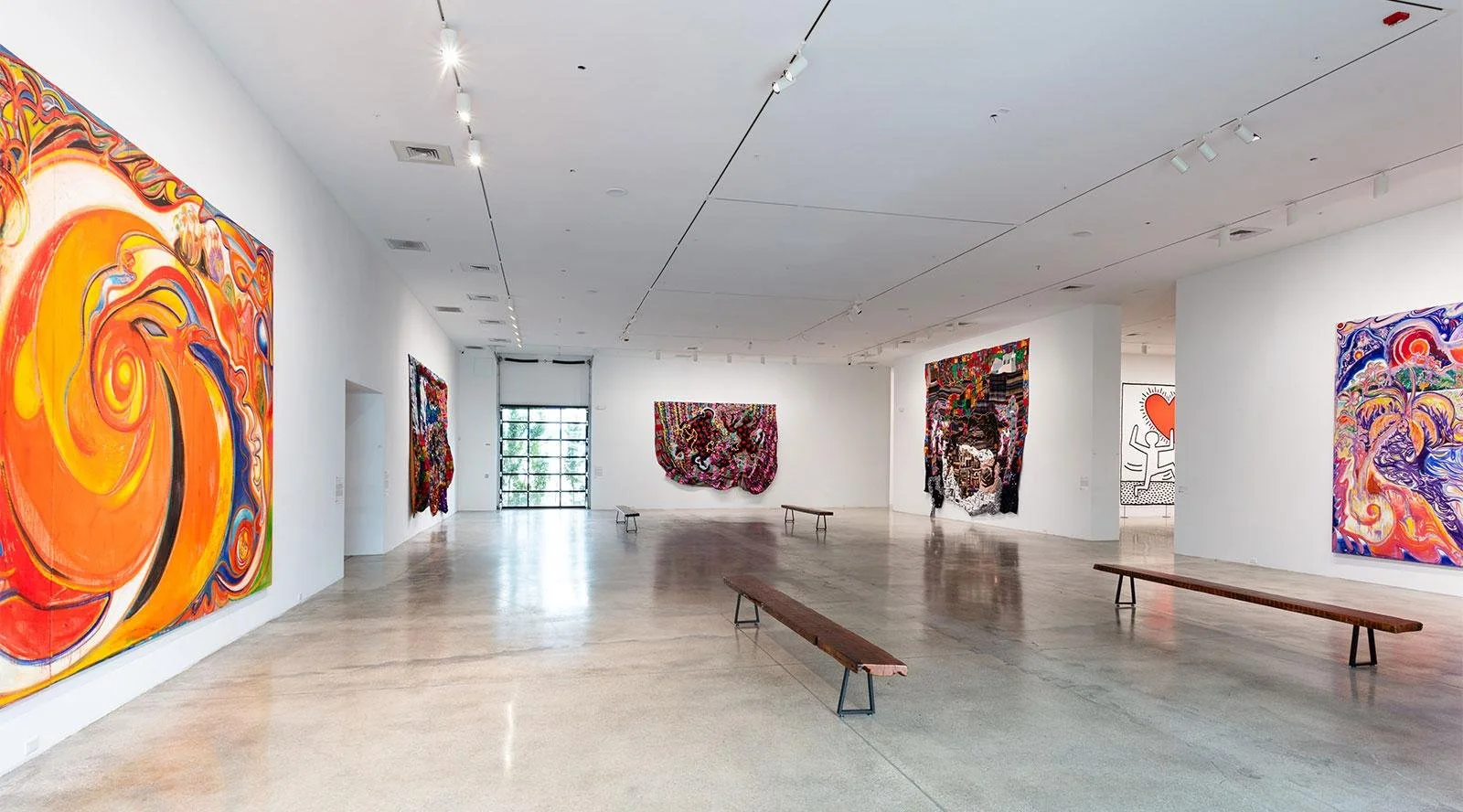
Exhibition galleries at the Rubell Museum in Miami, where the Rubell family's contemporary art collection forms the foundation of an extensive public exhibition programme.
Public Access and the Question of Cultural Accountability
The most important distinction between a private museum and a publicly accountable cultural institution is not necessarily who pays for the building, but who determines its purpose and how its performance is evaluated.
Public museums are themselves influenced by donors, trustees, political priorities and financial pressures. Independence is never absolute.
Nevertheless, publicly supported institutions generally operate within established frameworks of accountability, professional standards and public obligations.
Private museums can adopt comparable principles voluntarily, but their legal structures and governance arrangements vary considerably.
This makes transparency especially important.
Questions about ownership, acquisition policies, exhibition decision-making and succession planning become increasingly relevant as private institutions assume greater cultural influence.
So does the distinction between physical accessibility and meaningful public participation.
Free admission can remove a significant barrier, but it does not guarantee engagement across different communities. Educational programming, geographical accessibility, interpretative resources and relationships with local audiences all contribute to a museum's public value.
Private museums may also influence urban development by attracting visitors, supporting cultural employment and transforming former industrial properties into exhibition spaces.
These effects can benefit neighbourhoods while simultaneously contributing to rising property values and changes in local economic conditions.
The resulting cultural value is therefore not exclusively contained within museum walls.
It extends to the communities surrounding these institutions and to the broader question of whose interests cultural investment ultimately serves.
What Will Define the Private Museum Sector in 2027?
The outlook for 2027 should be understood as a question of institutional development rather than a prediction of uninterrupted expansion.
The available evidence establishes that private museums have become important participants in the international art system. It does not demonstrate that the rate of new foundations will necessarily accelerate.
Indeed, financial pressures in parts of the sector suggest that sustainability may become as significant as growth.
Three developments are particularly relevant.
First, established private museums may increasingly be evaluated according to their educational contributions, curatorial independence and long-term public accessibility rather than the market value of their collections.
Second, succession planning is likely to become a more visible institutional concern as founding collectors consider how their collections and museums should operate across generations.
Third, cooperation between private and public institutions could become increasingly important, particularly through collection loans, shared exhibitions, research partnerships and conservation initiatives.
The 2026 collecting survey also highlights the growing involvement of younger generations in family collecting decisions, suggesting that the cultural priorities of inherited wealth may gradually affect philanthropic strategies.
Whether these developments produce more publicly accessible institutions or simply more sophisticated forms of private cultural influence will depend on governance choices rather than wealth alone.
Conclusion: Who Owns the Cultural Narrative?
The expansion of private museums represents one of the most consequential institutional developments in the contemporary art world. Collectors with substantial financial resources can now establish cultural platforms that rival longstanding museums in architectural ambition, exhibition quality and international visibility.
Their contribution can be considerable. Private institutions preserve collections, support artists, commission research and create opportunities for public engagement that might otherwise remain unavailable.
Yet their growing influence also challenges assumptions about the relationship between ownership and cultural authority.
Artistic significance should not be determined exclusively by purchasing power, just as public access should not depend entirely on the preferences of individual benefactors.
The defining issue for 2027 is therefore less about how many billionaire-funded museums will open than about the standards by which existing and future institutions will operate.
A lasting cultural legacy requires more than valuable collections and exceptional buildings. It depends on independent scholarship, responsible governance, public accessibility and financial continuity.
The private museum's most meaningful achievement is not the transformation of personal wealth into institutional prestige. It is the creation of cultural value that remains relevant, accessible and intellectually independent beyond the collector who made it possible.