Interview with Ursa Schoepper
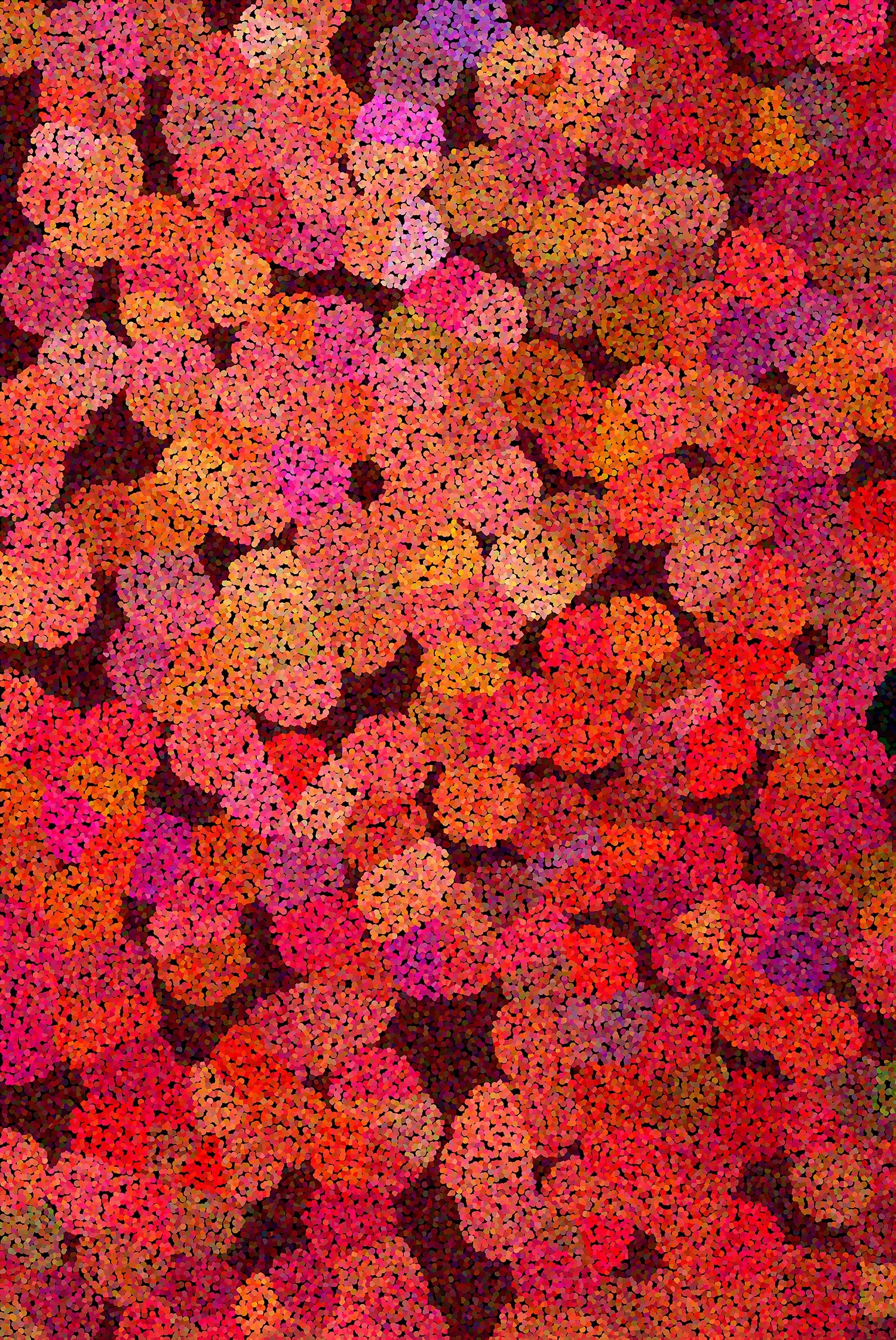
Ursa Schoepper first completed her studies in Natural Science with state examination. In addition she completed a study in cultural management, state examinaten, with a concentration in fine arts, new media. In her Agentur für Virtuelle Denkraeume she was working as a cultural manager. In 2001 she was awarded the Media Promotion Prize of the German state of North Rhine-Westphalia for „Das Museum der abwesenden Bilder“. Since 2003 Ursa Schöpper has been working primarily as a photographic artist. Her artwork has been exhibited internationally and she is the recipient of notable award.
"One day, artists will work with capacitors, resistors, and semiconductors just as they work today with brushes, violins, and refuse." Nam June Paik
My artistic work is conceptual, using photographic material. My artistic roots lie in the visual arts and a background in the natural sciences. I am not a photographer in the classical sense. I use photographic material as a tool. The resulting artworks ultimately serve as a metaphor for opportunity arising from change. They point to further possibilities, to something that exists as potential within the realm of the possible. They are virtual, in that the artistic outcome is potentially contained within digital photography.
Your academic background bridges natural science, cultural management, and fine arts. How has this interdisciplinary foundation shaped the way you understand photography, not only as an artistic medium, but also as a system of information, structure, and perception?
During my studies in cultural management, I became acquainted with Niklas Luhmann’s systems theory. I was fascinated by his ambition to comprehend the world as a whole—as a social system—without making normative judgments. He assumed that every social system is based on a structure that can also be recognized in all other systems, for example, family, religion, politics or the media, including the newly emerging digital photography on the market. I tried to apply systems theory to digital photography in a broader sense and to view photography without value judgments. Experimental, computer-based photographic art is a networked form of art incorporating aesthetic elements of physical-mathematical, logical, and technical origins. When the colors and light intensities of pixels are governed by a specific order, our visual perception no longer interprets them as discrete, adjacent points of light, but rather as the manifestation of an underlying wholeness—a perceived unity. Ultimately, it is our perception that brings the object into being.
Furthermore, I was studying Comparative Literature as a minor subject and was fascinated to discover the new worlds of meaning revealed through the transformation of literary texts. The technical capabilities of digital photography served as valuable tools in my investigations. However, alongside the characteristic "Luhmannian reduction" inherent in digital photography, I sought to add something that transcended a merely constructive system. To this end, I transformed the photograph into a work of art, guided by an artistic concept. Initially, I treated the digital photograph as a record of an image external to myself; Later, after a thorough investigation of its internal systems, I designed it as an artistic, process-oriented work. In this way, a photograph loses its traditional character. Nor is it a matter of concrete photography, since I use exclusively photographic, mathematical, and physical material to create autonomous artworks that point to something beyond themselves, on a possibility, on an absent consciousness. One should have the courage to view photography as a material with which autonomous artistic works can be created. It represents a different perspective on the medium.
Your early project Museum of Absent Images introduced the idea of the "absent image" long before contemporary debates around virtuality, AI, and post-photography became widespread. Looking back, how has that concept evolved within your current practice, and what does "absence" mean to you today?
A "museum of absent images" within the educational institution of the school served as a metaphor for distinct yet interconnected systems. These are communicative and interactive systems—systems that facilitate the organization of learning and cultural education. New media should not only be understood as functional systems that provide information systems or are used functionally as organizational systems, but when used communicatively and creatively, they also serve to create cultural meaning.
A photograph acting as a document conveys information while simultaneously omitting certain perceptual details. An observer of a photographic scene, for instance, perceives the environment differently than the photographer who captured it; consequently, consequently, certain images forming part of the overall impression of the same situation remain unseen. By virtue of its underlying algorithmic systems, digital photography offers additional options for action that can both complement and alter our perceptual systems. Digital photography serves as a unique repository of material and immaterial values. For me, this also entails an awareness of the simultaneous absence of many possibilities for representing my perception – an absence of numerous perceptual options. In a time-based collage, for example, real time is lost yet simultaneously, presentit is absent, yet invisible. Absence always implies a reduction in perception. Exploring these aspects in depth will remain a key focus of my work.
You describe digital photography simultaneously as a "light picture" and a "data image," emphasizing its mathematical and algorithmic nature. At what point in your process does a photograph cease to function as a document and begin to exist as an autonomous work with its own identity?
For the connoisseur, art also encompasses what is new—that which disrupts the familiar, challenges normality, and represents the unconventional or avant-garde in opposition to general acceptance. Art cannot be defined by a specific relationship to reality, be it to nature or to past culture. It is not an imitation of what already exists but is autonomous—independent of the world of the familiar and of habitual perspectives. As soon as a digital photograph, through transformation, sheds its informational character as a record of a realistic reality, it becomes the subject of an autonomous presentation—an autonomous presentation of an artistic idea.
Throughout your work, you speak of "destroying" a photographic image in order to discover a new visual order. This notion of destruction is paradoxically linked to creation. What does this process of dismantling reveal that faithful representation can never achieve?
A photograph is always an interpretation by its creator; thus, a faithful reproduction—in the sense of a realistic depiction—does not exist. In experimental digital photography, realistic reality gives way to the calculated, to imagination, which then becomes realistic reality. The camera loses its character as an objective recording device for factual truths. By destroying or transforming the digital photographic image, I develop a different kind of semantic structure. My experimental photographic art is visually an expression of a conceptually and artistically developed idea. Photography can serve as an image carrier, an object, and even a material. When regarding it as material—specifically in the context of digital photography—I focus on its internal structure and grammar; in this case, these consist of physical and mathematical-algorithmic systems. Such photographic systems of order can be artistically and conceptually rearranged and redesigned by applying algorithmic systems.
Your works often begin with landscapes, flowers, or urban environments, yet these sources ultimately dissolve into complex fields of color and movement. What continues to draw you back to the visible world if your artistic aim is to transcend literal representation?
As a creative idividual as a body-mind-soul being, I am a member of a complex social structure which I first perceive with my eyes open before I analytically understand it with my intellect. Sensory perception precedes intellectual insight. To be in the world means to perceive with all the senses. I scan my surroundings with my eyes and link my perceptions to the themes and subjects that resonate with me. As a being defined by the mind, a human being can not only think, reflect, and gain insight, but also perceive, feel, empathize, and recognize. For this, one requires language, text, visual text, endeetic text, and the work of art. Human beings are free in their observations from established patterns of experience of other ways of experiencing or viewing the world. It is not my computer that is "working," but the artist—who understands the systems in detail and knows how to control them.
A prerequisite for my art is a conceptually artistic idea. The boundless beauty of creation, for example, its inherent formal order, constantly makes me search for the formula of perfection that so touches our souls. Is it possible to discover the ideal formula of this inner order? An inner order that holds everything together and defines an ideal whole? The question arises: can a digital representation of natural beauty—of a landscape—serve as a model for designing new systems of order that pave the way out of chaos? It requires the courage to dissolve formal order and to engage in free, creative shaping during the process. It also means having the courage to let go of established modes of perception. It involves breaking open the perceptual routines that nature reveals to me. There is no "we've always seen it that way". For "whoever seizes an opportunity risks—much like the artist or the strategic genius—disrupting perceptual routines and, in extreme cases, facing (self-)destruction. Yet only the risk of destruction can open the path to innovation." — ECKART PANKOKE
References to order recur throughout your writing, from the "ideal formula of inner order" to the organizational principles of landscapes and algorithmic structures. How do you understand the relationship between natural order, mathematical order, and artistic intuition within your practice?
Humans need structures of order, specific systems of order, to find their way around the world. We are familiar, for instance, with the systems of order found in family, nature, and language, as well as visual systems of order. They serve to provide us with orientation. A digital photograph is likewise composed of various substances and systems—mathematical and physical, as well as philosophical and psychological. In my experimental photographic art, physiological vision plays a subordinate role in the creation of a work. What is decisive is inward-looking vision—imagination. It is not a finished work, but rather the unfolding of an idea in process. Thinking without reason. Reordering through experimentation.
As a result, their appearance always means something provisional. If we think visually in terms of processes rather than static states, then—alongside visual perception—other processes come into play that precede the act of artistic creation. To arrive at new perspectives, it sometimes helps to metaphorically destroy previously familiar ways of seeing things. Thus, a digital photograph is not something merely conceived, but something perceived that has been visualized.
My photographic art is a balancing act between photographic technique and my intended artistic statement—a statement that conceptually employs technical photographic material for its presentation. Ultimately, my photographic art does not refer to an extra-artistic reality but possesses its own realm of reality. It is not the premonition of an idea in the sensory realm, but a sensory reality. The beauty of experimental art, however, is that the value of an idea cannot be mathematically calculated. While digital resources operate according to an "either/or" code, creativity and innovation follow a "both/and" logic. Playing with an artistic idea is unpredictable. The photographic artist, acting as a constructor, is a creator of images—not a draftsman, a graphic artist, or a mere reproducer of images.
You quote Johannes Itten's reflections on subtle color transitions and compare them to musical glissandi, suggesting that color itself can become a carrier of emotion and meaning. How do you compose color in your works, and what role does intuition play alongside the algorithmic processes that generate your images?
Colors are bearers of meaning. They convey information, emotions, and cultural messages without words. In quantum theory, Heisenberg’s uncertainty principle leads to the conclusion that nothing in existence has a precise, fixed state; Whenever an equilibrium state loses stability, new patterns emerge that are based on sine waves or a combination of different sine waves. Scientists therefore refer to sine waves as the "structural atoms" of nature. This offers a multitude of possibilities for creating novel, creative artworks. For example, I draw upon colors derived from natural phenomena that have been stored as light and color data. Following an artistic concept, I use interpolation to make them appear as a fluorescent whole. The beauty of colors in nature serves as my model. The composition is comparable to Josef Albers.’ concept of "factual fact" and "actual fact." In his analysis of the interaction of living things, he referred to the interplay of colors, as well as that of form and space. The viewer is given the opportunity to perceive their own emotional state through specific color gradients. For instance, they experience gradients that are tranquil as well as dramatic.
Although your practice is deeply rooted in digital transformation and virtual realities, your recent work also expresses a strong commitment to peace, environmental preservation, and the protection of vulnerable landscapes. How do you reconcile the immaterial nature of digital art with these profoundly physical and ecological concerns?
Art, including experimental digital photographic art, is always also a reference. I want to raise awareness of the beauty of nature. it heals our souls. This makes protecting nature all the more important. At the same time, processes in nature can give us clues about how we live together in society.
Experimental digital photography enables new forms of visual expression thanks to its algorithmic structure. This also means reassembling the shattered, culturally and communicatively connoted signs. Deconstructivist approaches open up novel dimensions of meaning. It is possible, for instance, to draw parallels to the destruction caused by war or environmental damage. Yet, one can also point to natural processes that—within their own context—exhibit hierarchical patterns similar to those found in our society.
Nature, for example, knows diversity, coexistence and interaction in a constant change of decay and renewal. Its seasonal rhythms mirror the path of our own lives—at times fractured, at times confined within our own private cosmos. Nature’s vibrant diversity, its aesthetic form, and its cycles of emergence and decay can serve as a reflection of a pluralistic society. However, people should always remain aware of their responsibility in their thoughts and feelings and actively participate in cooperative processes in society through dialogue. Art can provide a platform for this.
Your statement suggests that your artworks are not representations of reality but invitations to interrupt habitual perception. What kinds of cognitive or emotional experiences do you hope viewers encounter when they realize they can no longer identify the original photographic source?
If one treats digital photography like a painted picture, it lives in the form of its appearance, in the relationship between the viewer, their sensory performance, and the object, the meaning of the image. The artist makes possible what the viewer actualizes through the act of looking; this is known as "productive seeing." The digitally stored and simulated image takes on form through subjective viewing. The image lives in the form of its appearance—or more precisely, in the correspondence between the viewer, their sensory perception, and the image-object itself, with its inherent meaning.
This is confirmed for example by the visitor response to the solo exhibition at Palazzo Pisani-Revedin during the 61st Venice Biennale in July 2026. Quote: "Your exhibition was very well received. In short: your work captured people's imaginations and inspired a wide range of interpretations—it was wonderful to witness." – Natalia Gryniuk, Director of MUSA International.
Unlike science, photographic art neither negates the past or what has gone before, nor is it required to prove its own correctness. The autonomy of the image leads to an autonomy of vision. A distinction must be made between seeing something new and gaining the opportunity to see something in a novel way—revealing new structures, new forms, and novel connections or interrelationships. This act of making things visible does not reveal a different world, but rather fosters a different attitude toward the world. As a being defined by the mind, humans are capable not only of thinking, reflecting, comprehending, and remembering, but also of perceiving, sensing, empathizing, feeling, and seeing things differently. In dialogue with the artwork, one’s own experiences can be reinterpreted through the act of perception.
It is not the photography that represents art, but rather the artistic idea expressed in it. The intellectual and artistic activity as a concerted action has no result, but is the result. An experimental digital photographic artwork can make visible how manipulative interventions are used to create image statements that serve a content-related purpose, even though a work of art itself is always purposeless. Art is the manifestation of an idea within the realm of the senses. Art does not seek to impose judgments or provide formulas; instead, it invites perception. Visitors enter into a dialogue with the image. The technical aids used become secondary information. Visitors tell me that the artworks also invite them to meditate. Questions about the actual subject matter of the photographs arise less frequently. The power of the artworks encourages visitors to approach them with an open mind.
Having developed a sustained investigation into post-photographic abstraction over more than two decades, where do you see your research leading next? Are there philosophical, technological, or environmental questions that you feel your work has not yet fully addressed but now demand your attention?
It is important to ensure that art and artists are not misused for ideological purposes that require reinforcement. When artists allow themselves to be used to reinforce specific societal viewpoints, they abandon their essential role as artists. For a serious artist, creating art is not merely a matter of unconscious self-expression, but a way of being in the world—a holistic interaction with one’s environment. The artist is also in a constant process. Art, including photographic art, must remain free of purpose. Otherwise, it is artistic design, which does not imply any judgment. It is my attempt to promote more openness in dealing with complex processes in the world, with the tradition that has grown over the course of history; This is the courage for a freedom that keeps alternatives open and encourages renewal, while at the same time not negating archaic-traditional views. It manifests itself as a correspondence to the freedom of artistic design, of artistic composition, and is reflected in the unusual, different composition, release and treatment of the familiar photographic material. Human freedom through art can mean the freedom to break away from the ingrained, stereotypical ways in which we habitually experience the world.
My experimental digital photographic art engages with the many diverse possibilities latent—yet absent—within a digital photograph. Uncovering these possibilities in pursuit of an artistic idea remains a compelling endeavor. It is the art of both/and, not of either/or. It is a method that inspires hope, transforming a state of being—and of not-yet-conscious being—into conscious awareness. In science, the phrase "forming a picture" (*sich ein Bild machen*) encompasses perceiving, observing, researching, recognizing, and documenting. In art, it signifies perceiving, observing, recognizing, and forming—that is, shaping a construct out of a primal substance or matter. This primal substance may be material or spiritual in nature; the specific tools employed are of no consequence. Physical and philosophical questions continue to guide me in making an absent presence visible. For instance, what can an image reveal that remains inaccessible to a text—and vice versa? I remain fascinated by the question of what is simultaneously visible and what remains invisible. How can one describe the gap in perception that arises when something emerges? Can visual language be a way to achieve this? Is the solution to be found in dialogue or communication? It is also interesting to recognize that it is always human beings who develop programs and bear responsibility for them. It is our mind and soul that seek and need answers to these questions. How do we wish to shape our life together in society through cooperation? What forms of expression do we choose? My goal remains to find creative answers to problematic aspects of social life, employing an alert mind and analytical skill.
Furthermore, another phenomenon occupies my thoughts.We can observe how landscape structures constantly change and form new configurations, driven by natural processes. Both lava flows from volcanic activity and deposits resulting from geyser activity give rise to new landscape features. These landscapes exhibit structural similarities to some of my artworks, even though the latter originated under different conditions. I am interested in what the structures of these systems have in common in their development? Are they only transformative processes of material? I suspect that physics is called for here, among other things. My thoughts and feelings are involved in this process.
https://www.virtuelledenkraeume.de
https://artitious.com/artist/ursa-schoepper
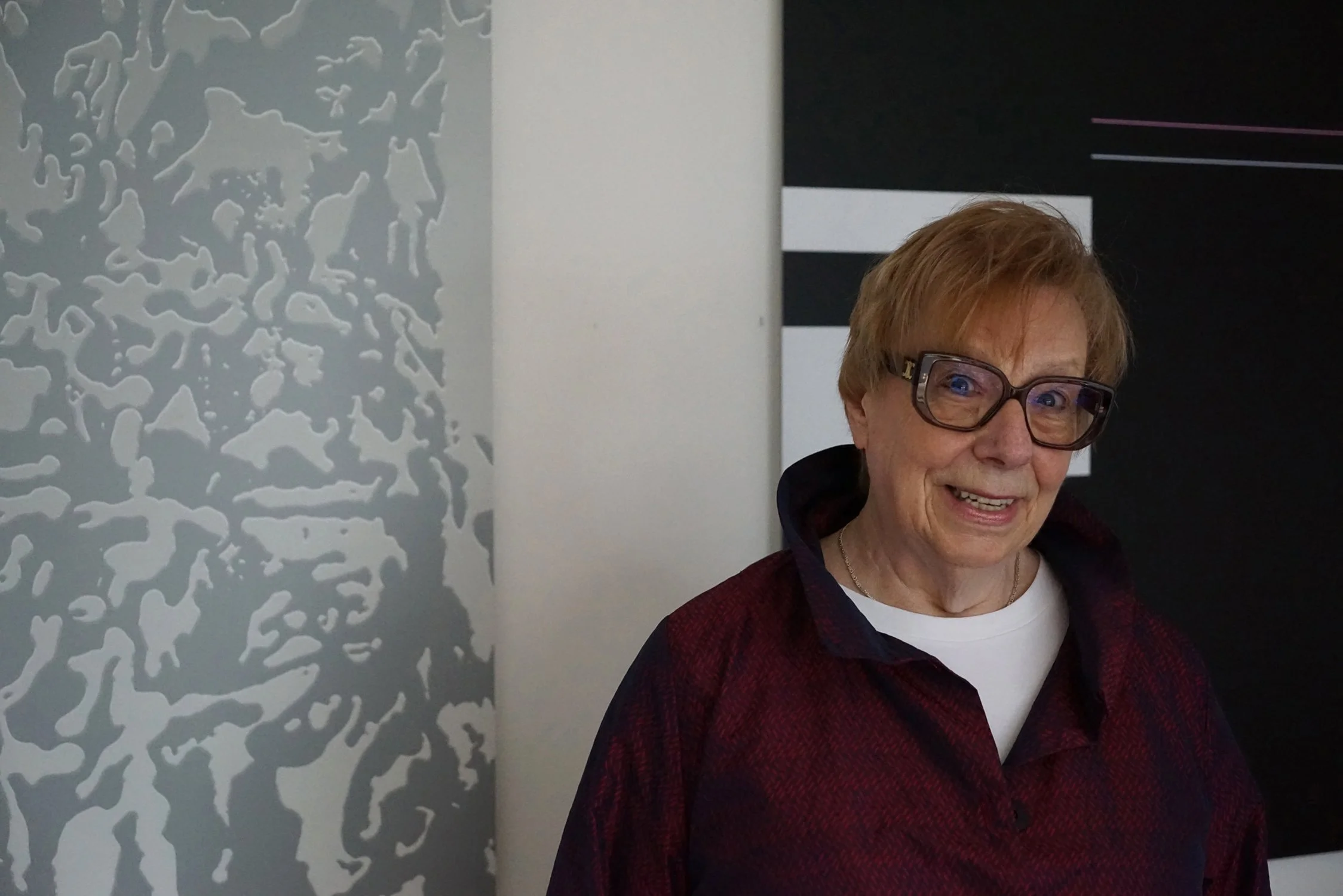
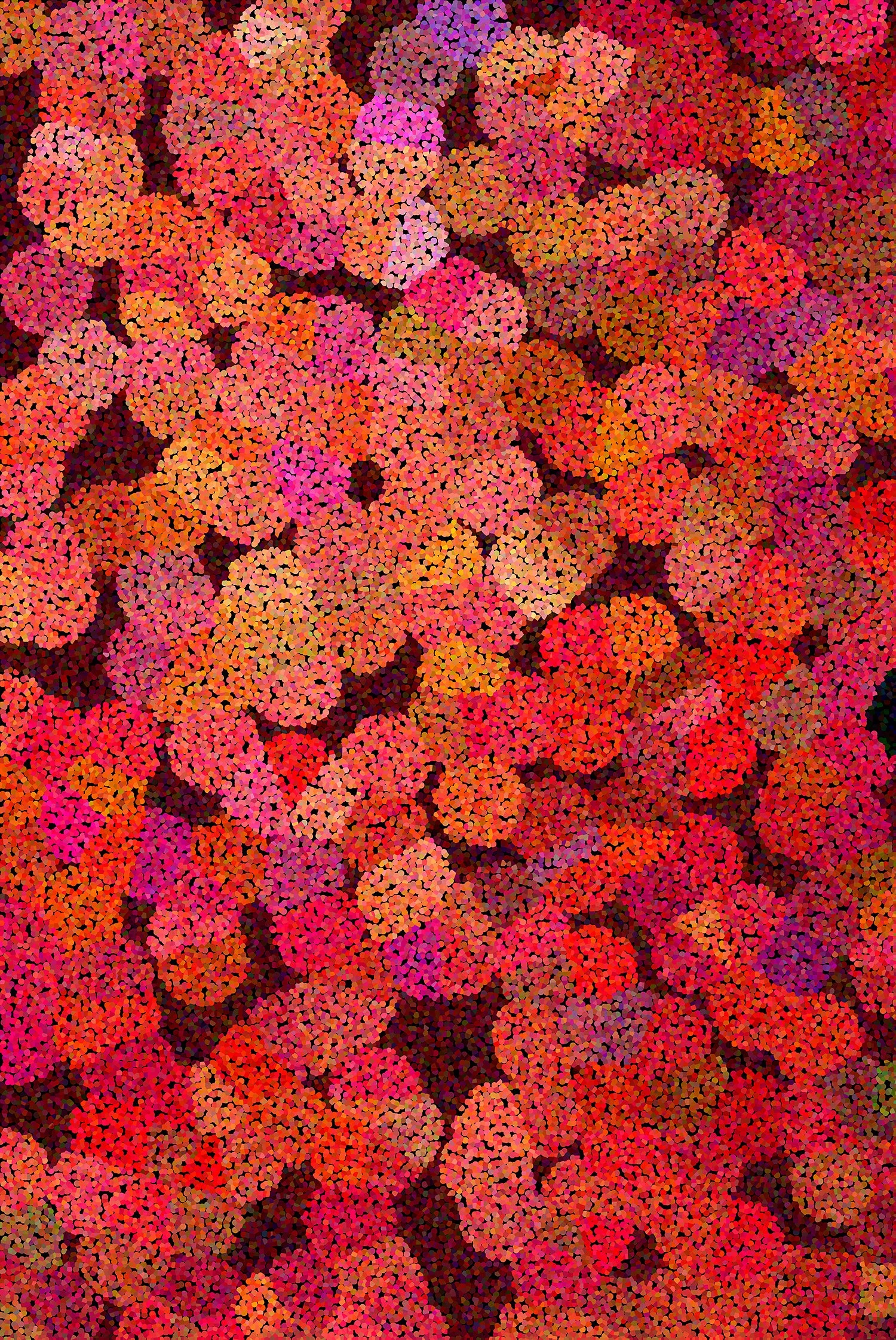
Ursa Schoepper Berry Season, 2026
80 x 120 cm, Photo pigmentprint, Fuji Crystal Archive, mat, protective lamination, mat, on aluminum Dibond, framed and signed on the back
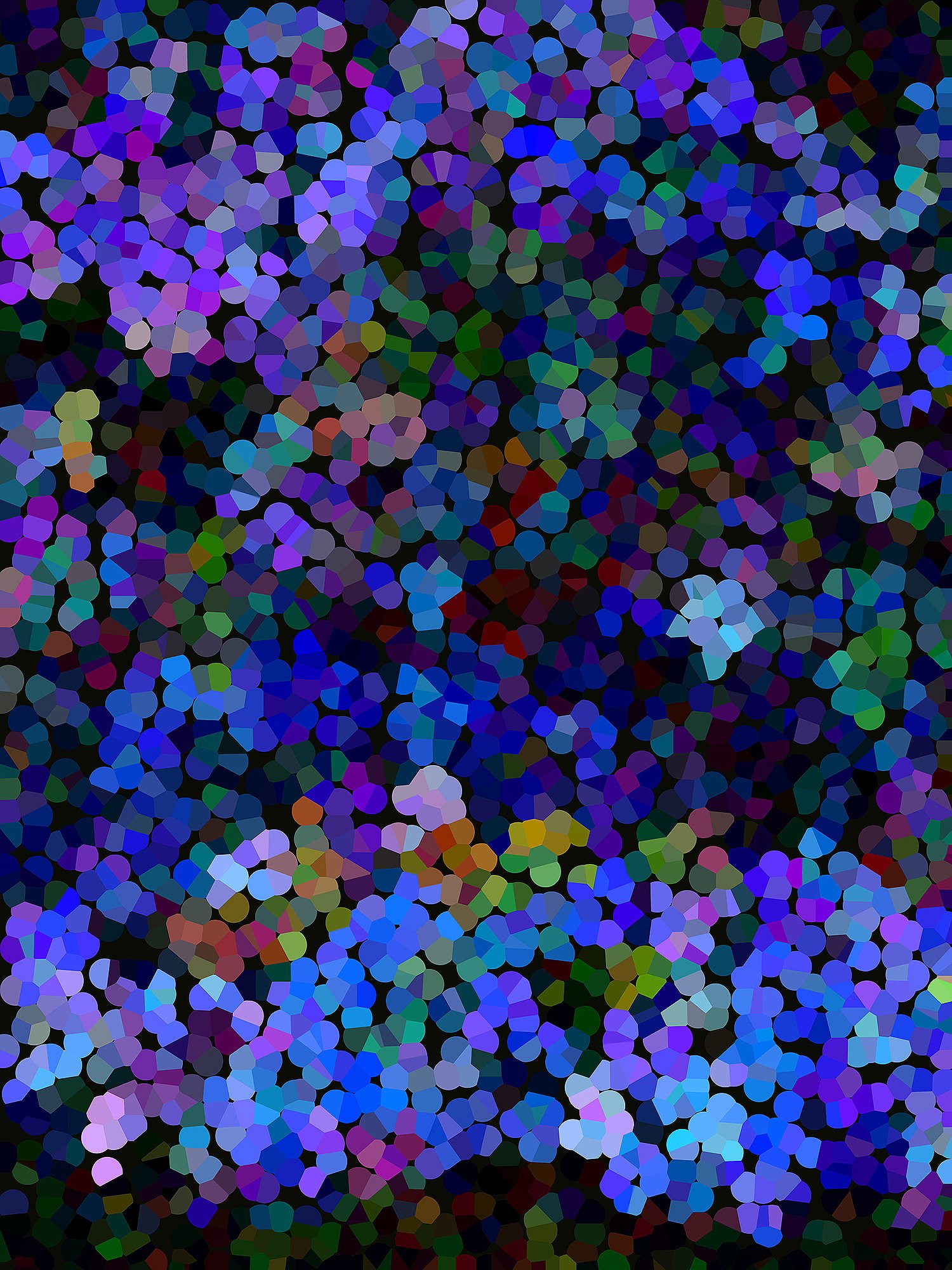
Ursa Schoepper Blooming Diversity, 2026
90 x 120 cm, Photo pigmentprint, Fuji Crystal Archive, mat, protective lamination, mat, on aluminum Dibond, framed and signed on the back
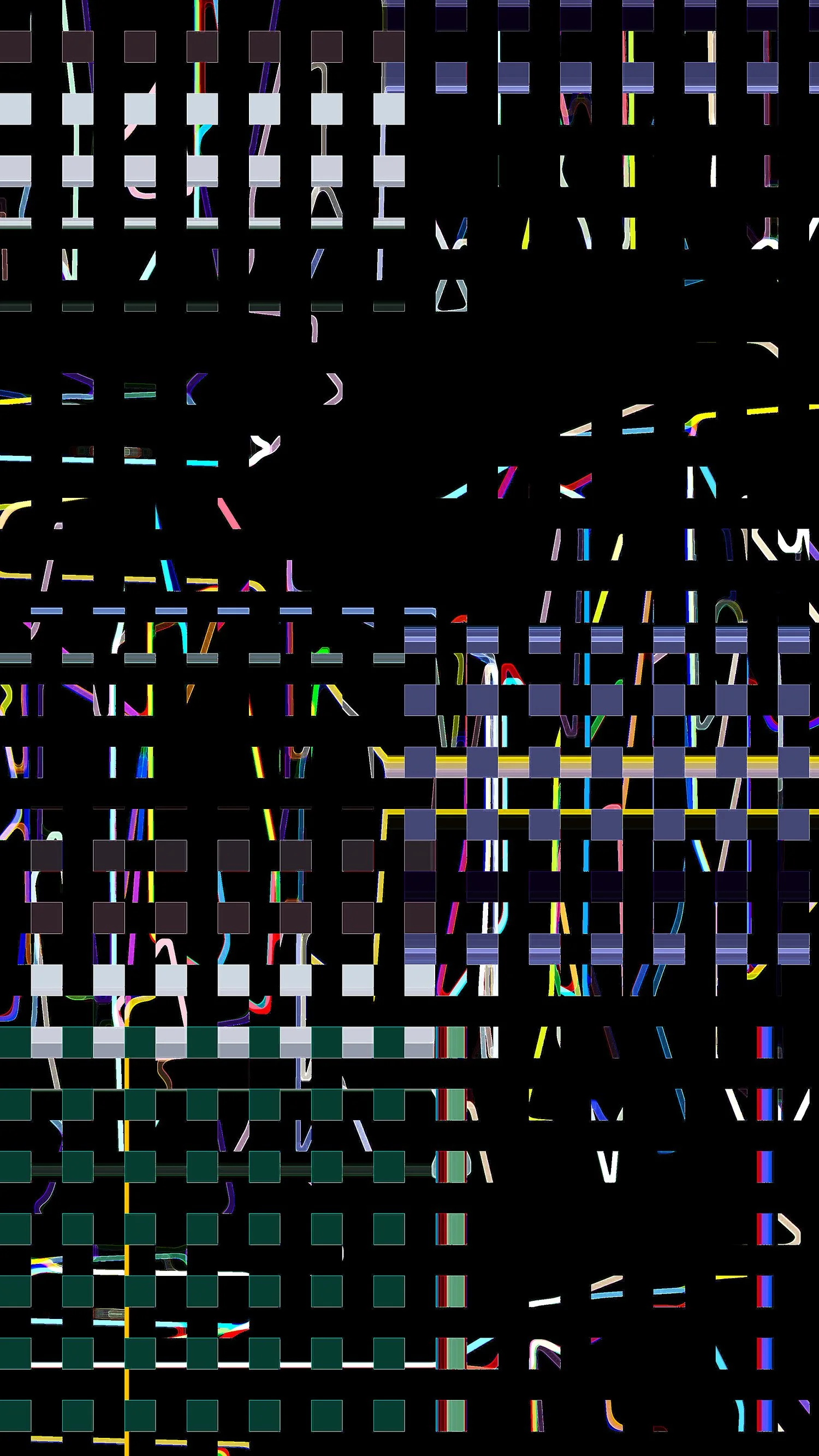
Ursa Schoepper Communication Disorder, 2025
42 x 75 cm, Photo pigmentprint, Fuji Crystal Archive, mat, protective lamination, mat, on aluminum Dibond, Silver aluminum ArtBox, 25 mm profile depth and signed on the back
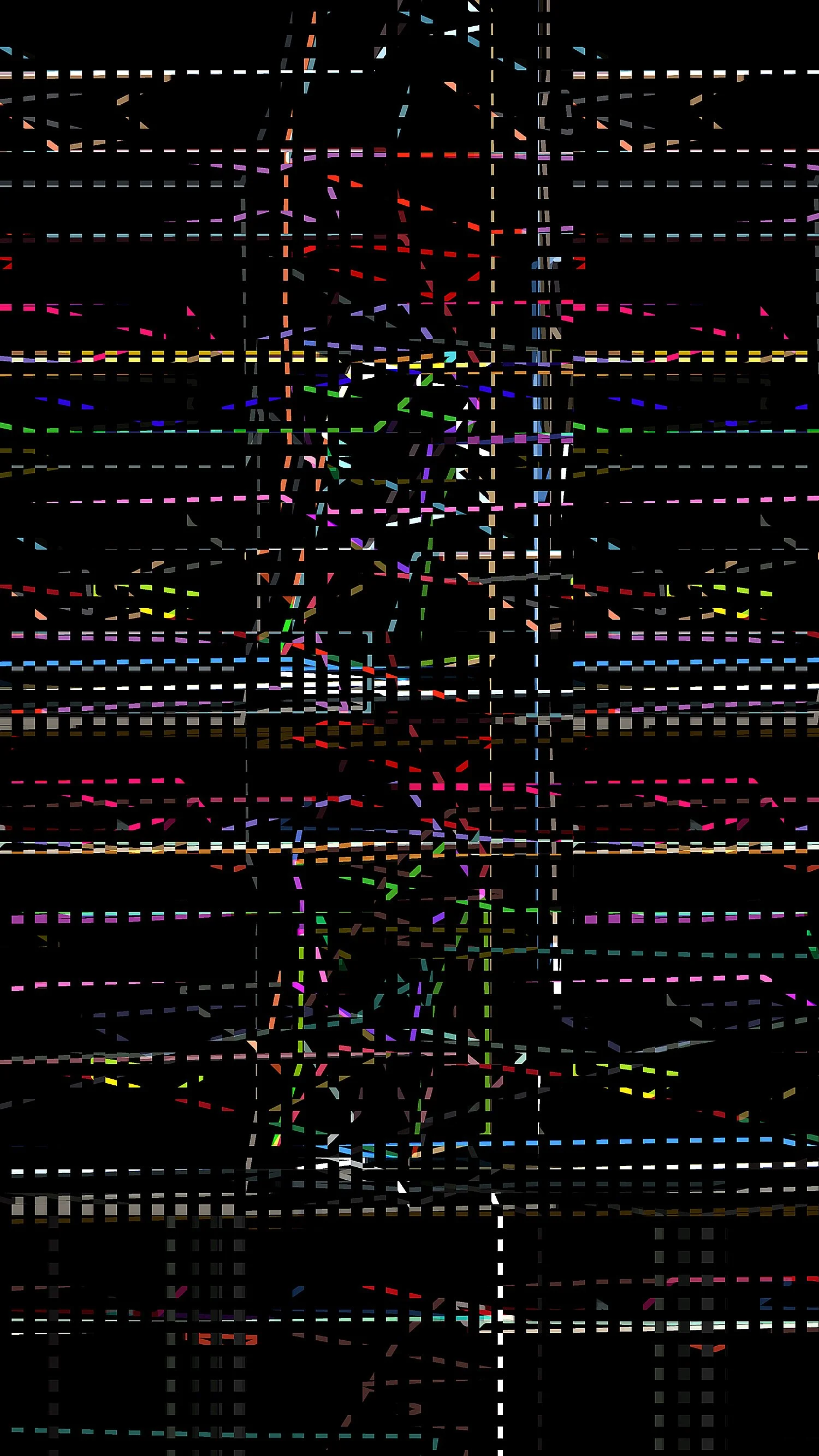
Ursa Schoepper Communication please hold the line, 2025
42 x 75 cm, Photo pigmentprint, Fuji Crystal Archive, mat, protective lamination, mat, on aluminum Dibond, Silver aluminum ArtBox, 25 mm profile depth and signed on the back

Ursa Schoepper Formation of light and shadow in the sea of leaves, 2021,
80 x 120 cm, Photo pigmentprint, Fuji Crystal Archive, mat, protective lamination, mat, on aluminum Dibond, framed and signed on the bac
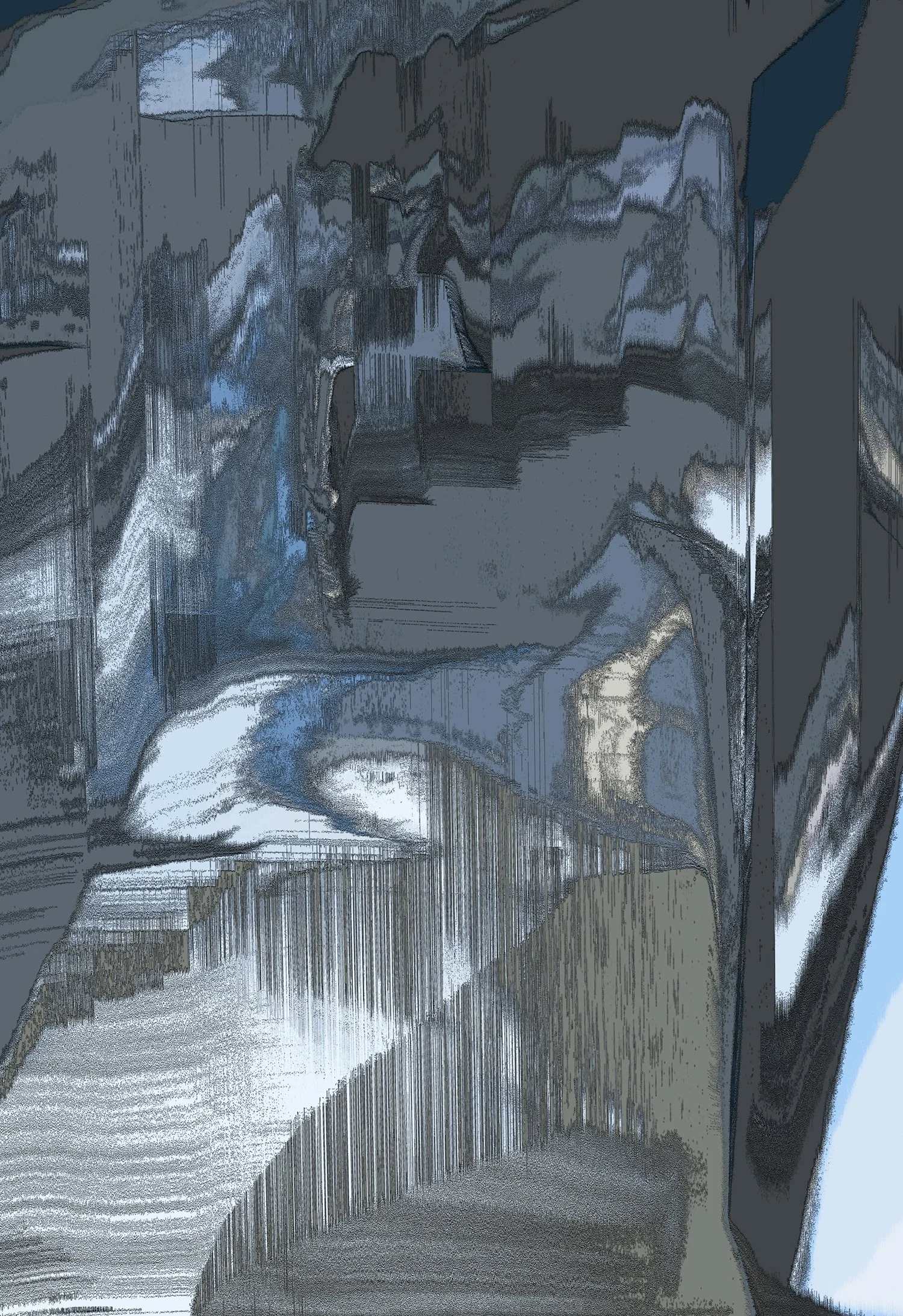
Ursa Schoepper Glacial Landscape, 2025,
50 x 75 cm, Photo pigmentprint, Fuji Crystal Archive, mat, protective lamination, mat, on aluminum Dibond, Silver aluminum ArtBox, 25 mm profile depth and signed on the back
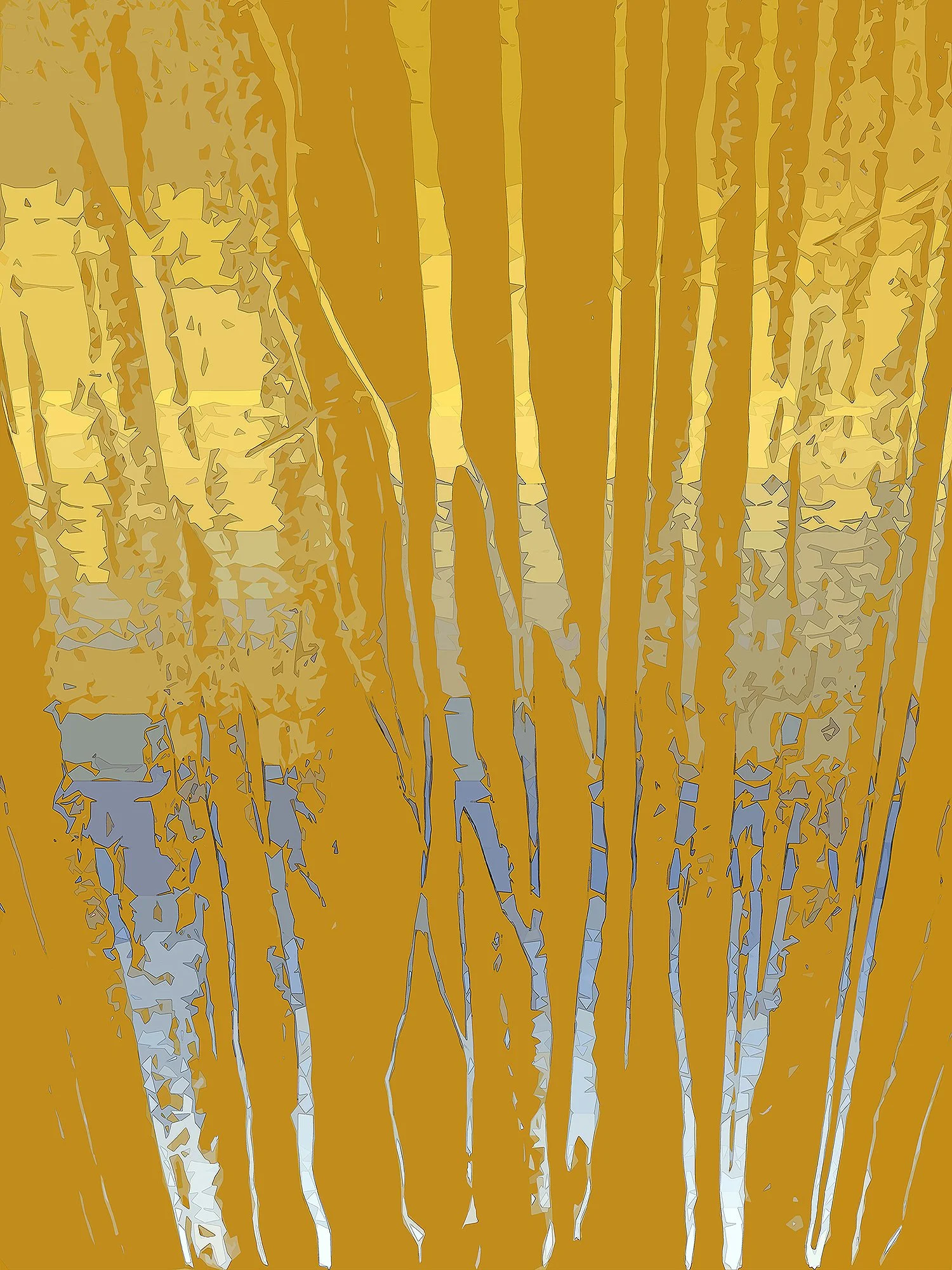
Ursa Schoepper Light Reflections, 2026,
56 x 75 cm, Photo pigmentprint, Fuji Crystal Archive, mat, protective lamination, mat, on aluminum Dibond, Silver aluminum ArtBox, 25 mm profile depth and signed on the back
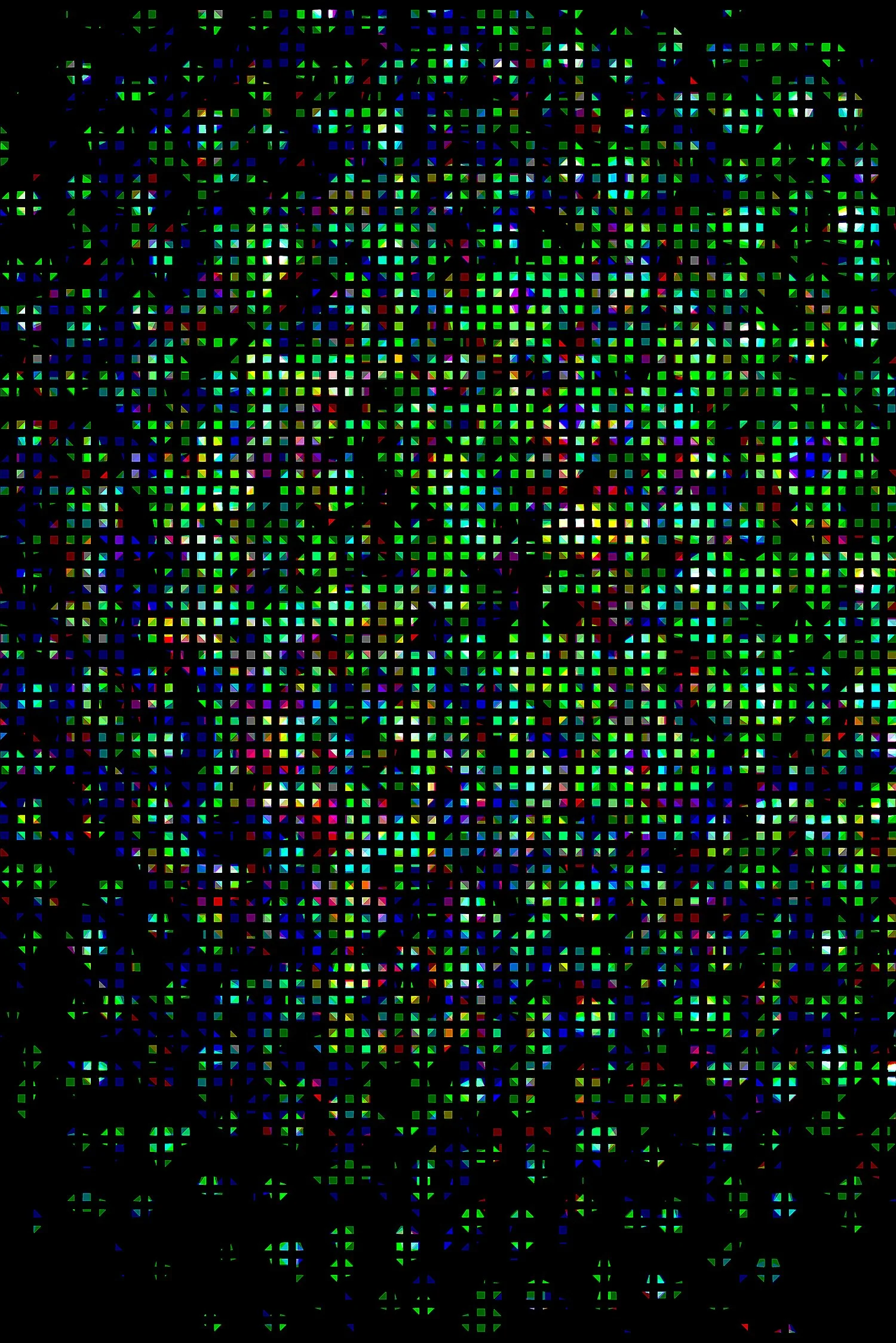
Ursa Schoepper Light Elements Nature’s Ordering Grid, 2023
80 x 120 cm, Photo pigmentprint, Fuji Crystal Archive, mat, protective lamination, mat, on aluminum Dibond, framed and signed on the back
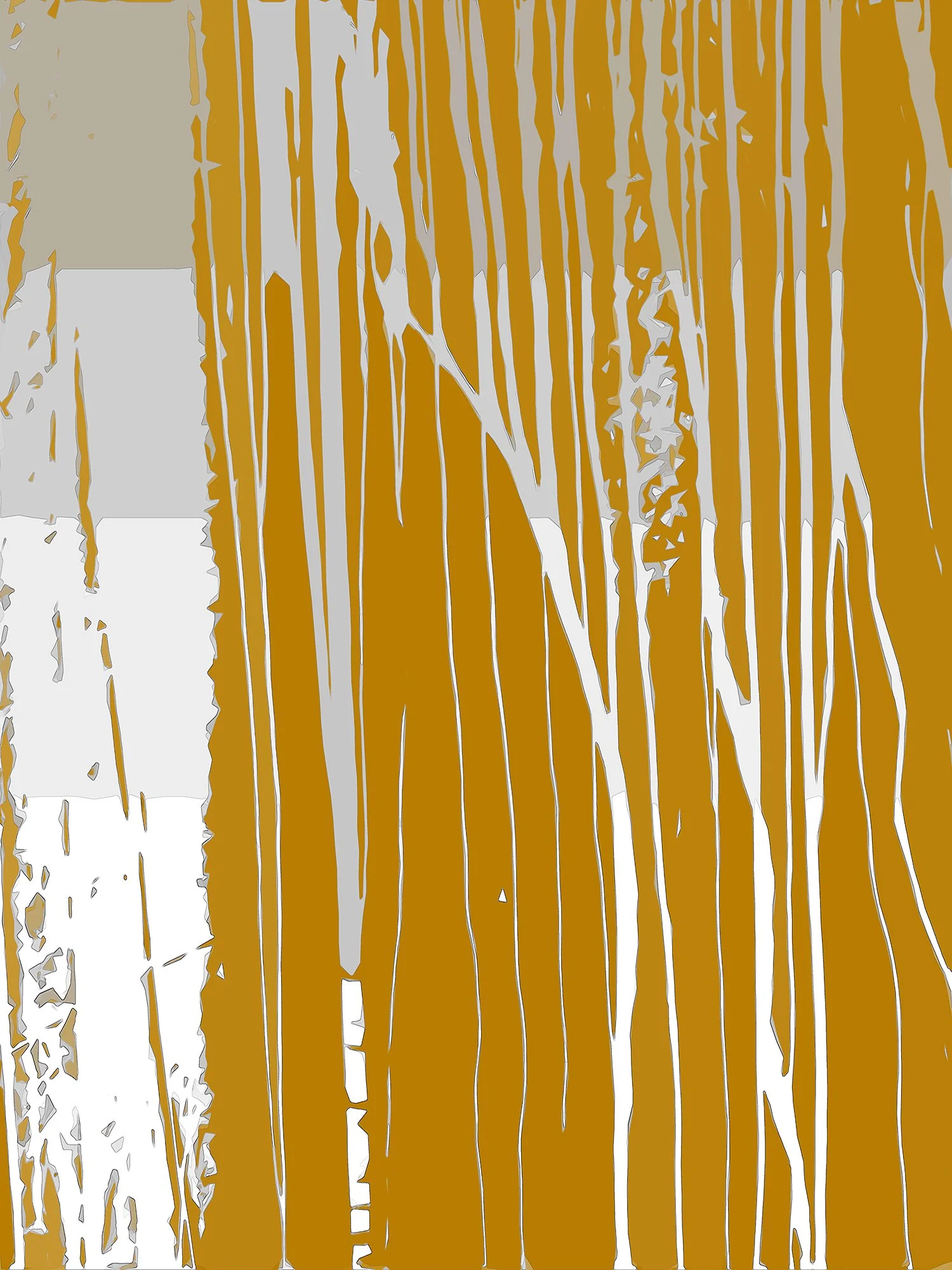
Ursa Schoepper Water Veins, 2026,
56 x 75 cm, Photo pigmentprint, Fuji Crystal Archive, mat, protective lamination, mat, on aluminum Dibond, Silver aluminum ArtBox, 25 mm profile depth and signed on the back
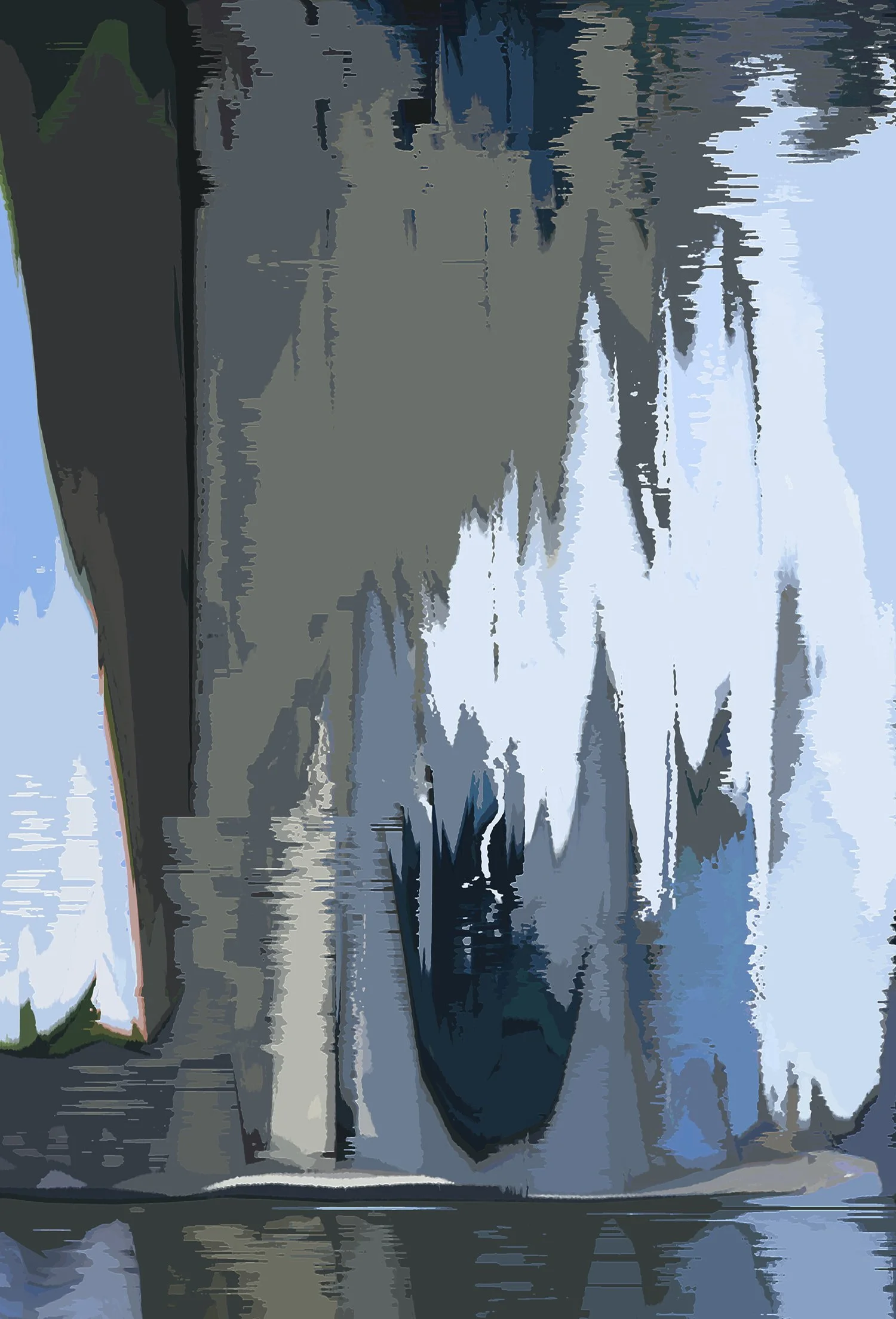
Ursa Schoepper Water Wall, 2025,
80 x 120 cm, Photo pigmentprint, Fuji Crystal Archive, mat, protective lamination, mat, on aluminum Dibond, framed and signed on the back
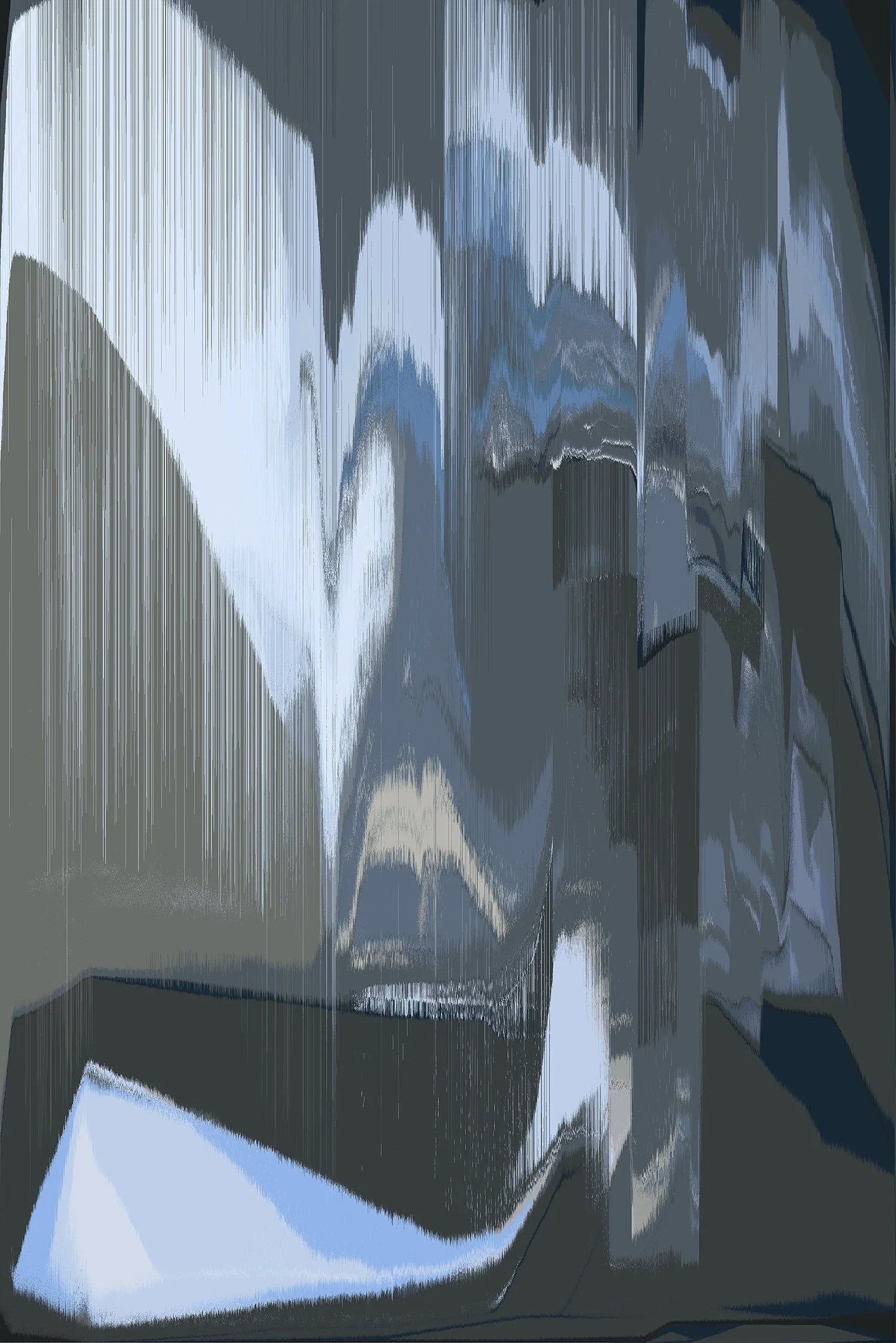
Ursa Schoepper Waterfall, 2025,
80 x 120 cm, Photo pigmentprint, Fuji Crystal Archive, mat, protective lamination, mat, on aluminum Dibond, framed and signed on the back
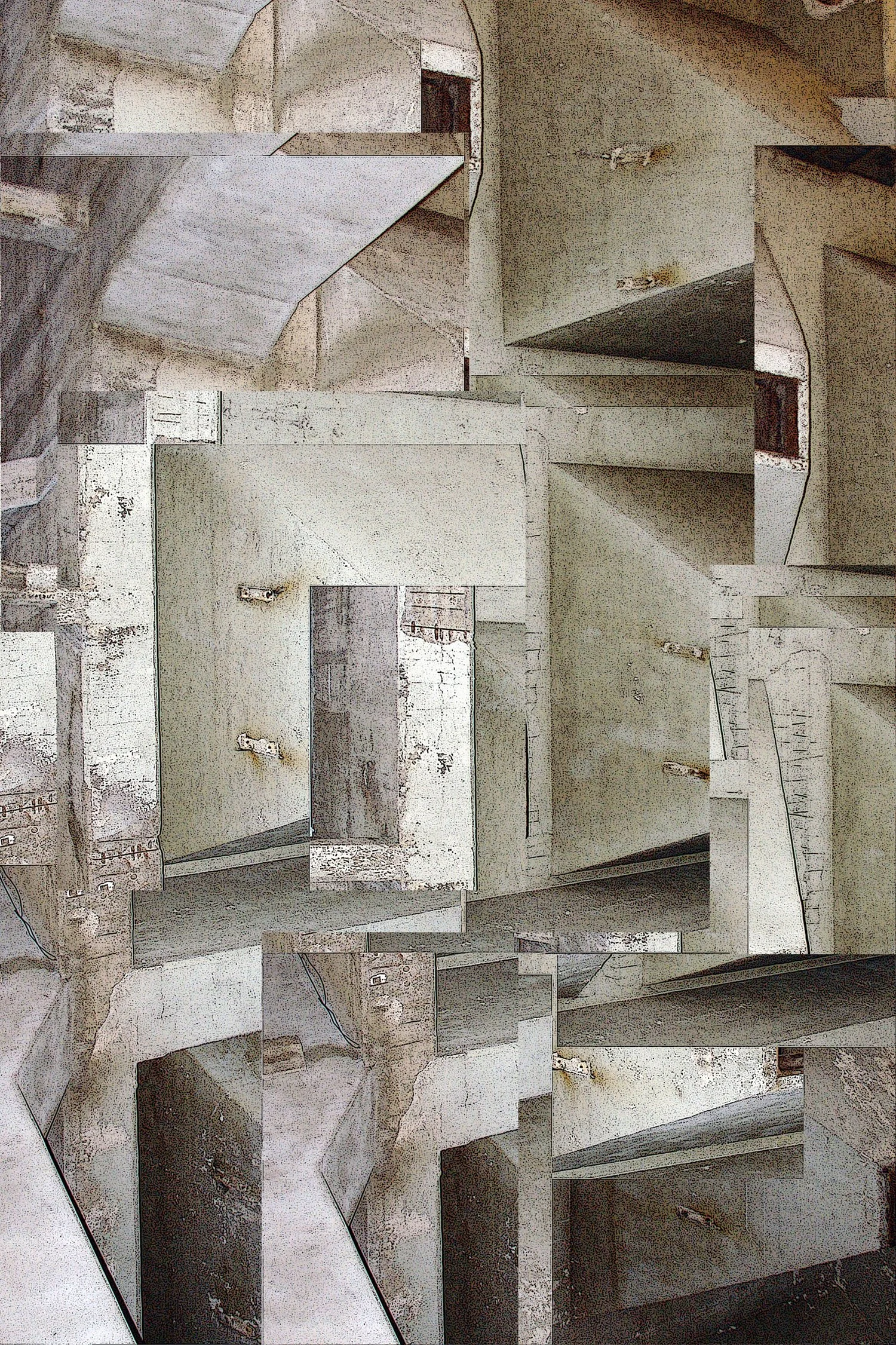
Ursa Schoepper Way Out ConstructionCconflict, 2014,
56 x 75 cm, Photo pigmentprint, Fuji Crystal Archive, mat, protective lamination, mat, on aluminum Dibond, Silver aluminum ArtBox, 25 mm profile depth and signed on the back