Stefano Paradiso
-
→ 2020 - My Quarantine / ARTDOCMAGAZINE
→ 2021 - Analogue Renessaince / ARTDOCMAGAZINE
→ 2022 - ITSLIQUID Interview:
→https://www.contemporary-art-collectors.com/noble-art-conversations/stefano-paradiso
→ 2023 - Artdoc Photography Magazine - "Healing Nature"
→ 2023 - Selected for Emerging Talent Award by the Editors Competition Gallery LENSCULTURE
→ 2025 - Art Leaders of Tomorrow: Defining the Future of Art, published by Contemporary Art Curator Magazine:
https://www.dropbox.com/→ 2025 - Published interview for Noble Art Conversations by Contemporary Art Collectors:
https://www.contemporary-art-collectors.com/noble-art-conversations/stefano-paradiso -
→ 2020 - Before The Storm, Desert Sculpture, Women in Altitude / Urban Photo Award Trieste
→ 2022 - Elogio all’ombra / The Holy Art Gallery, Nostalgia II Virtual Exhibition
→ 2022 - Elogio all’ombra / The Holy Art Gallery physical exhibition in London
→ 2022 - VENICE INTERNATIONAL ART FAIR 2022 - 15th Edition - Palazzo Bembo, Venezia
→ 2022 - CONTEMPORARY VENICE 2022 - 11th Palazzo Bembo, Venezia
→ 2023 - Photography in the Visual Culture - Centro Internazionale Fotografia Letizia Battaglia, Palermo
→ 2023 - ARTBOX.PROJECT New York 2.0
→ 2023 - THOMSON GALLERY Switzerland
→ 2023 - ARTEXPO Basel 2.0
→ 2023 - FINITY GALLERY Berlin/Germany
→ 2023 - CIPRIARTE VENEZIA Italy
→ 2023 - NICOLETA GALLERY Berlin
→ 2023 - Swiss Art Expo September 2023
→ 2024 - Palma 2.0, Casa del Arte - Spain
→ 2025 - International NATURE Exhibition TOOLIP ART GALLERY VIENNA
-
→ 2023 - Premio Maestri a Venezia
→ 2023 - Premio Internazionale Michelangelo - Firenze
→ 2023 - Honorable Mention in Professional Fine Art category - MONOCHROM PHOTOGRAPHY AWARD
→ 2023 - VIEPA Honorable Mention Black & White Award
→ 2023 - International EPEX Awards - Asphodelo, Black & White EPEX BRONZE
→ 2024 - Honourable Mentions - EPA Black & White - Xolivo
→ 2024 - Xolivo - Official entry Lensculture Award
→ 2025 - Jandira - Lensculture Portrait Awards 2025 Competition Gallery
→ 2025 - Juror's Choice Award - Artist of the Year 2024 - Circje Foundation for the Arts
→ 2025 - PX3 Prix de la Photographie PARIS - Imago Plantae GOLD WINNER - Xolivo Honorable Mention
-
Circle Foundation for the Arts:
→https://circle-arts.com/stefano-paradiso/Contemporary Art Curator Magazine Spotlight:
→https://www.contemporaryartcuratormagazine.com/home-2/stefano-paradiso-spotlightContemporary Art Curator Magazine Review:
→https://www.contemporaryartcuratormagazine.com/home-2/stefano-paradiso-reviewPublished interview for Noble Art Conversations by Contemporary Art Collectors:
→https://www.contemporary-art-collectors.com/noble-art-conversations/stefano-paradiso
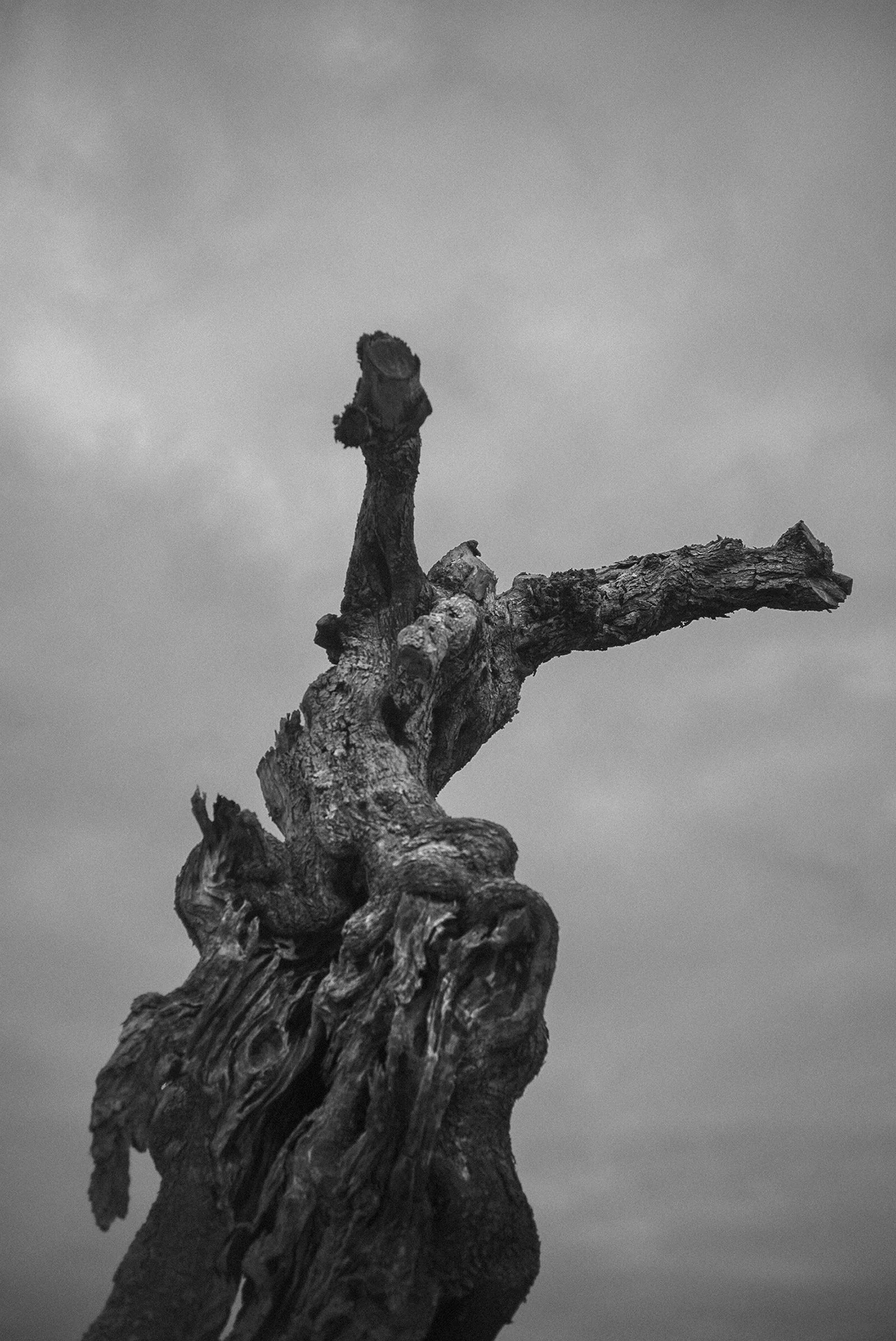
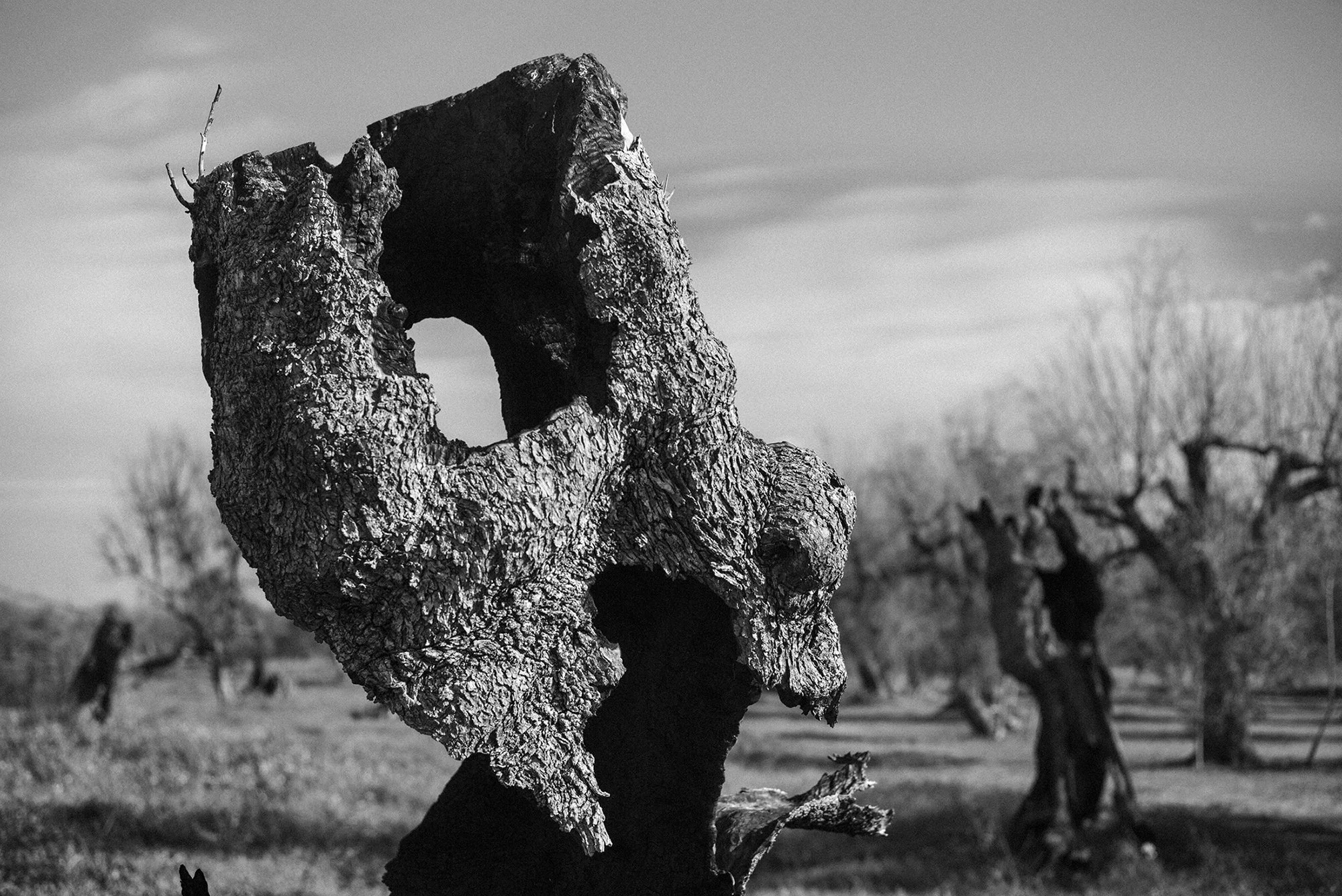
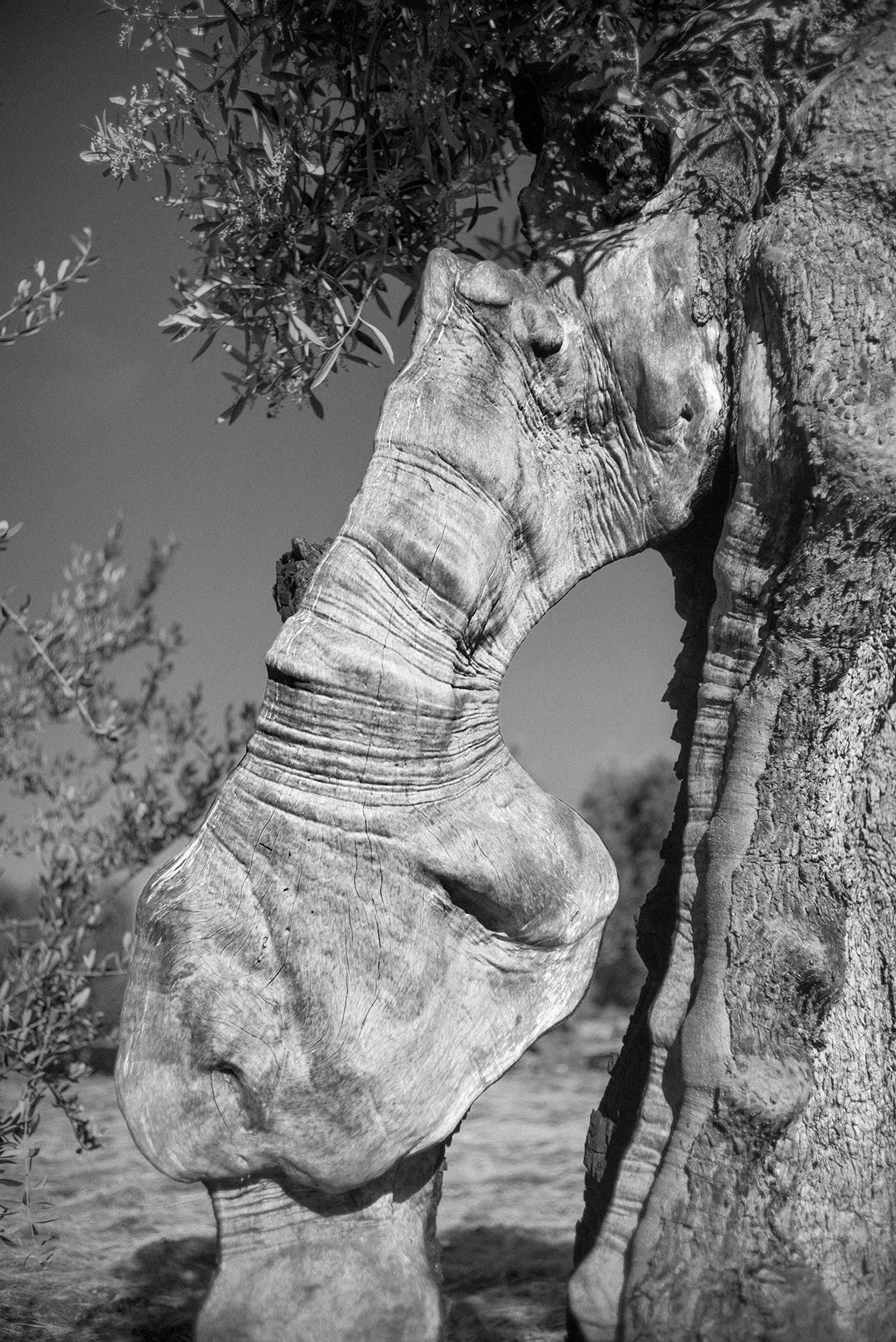
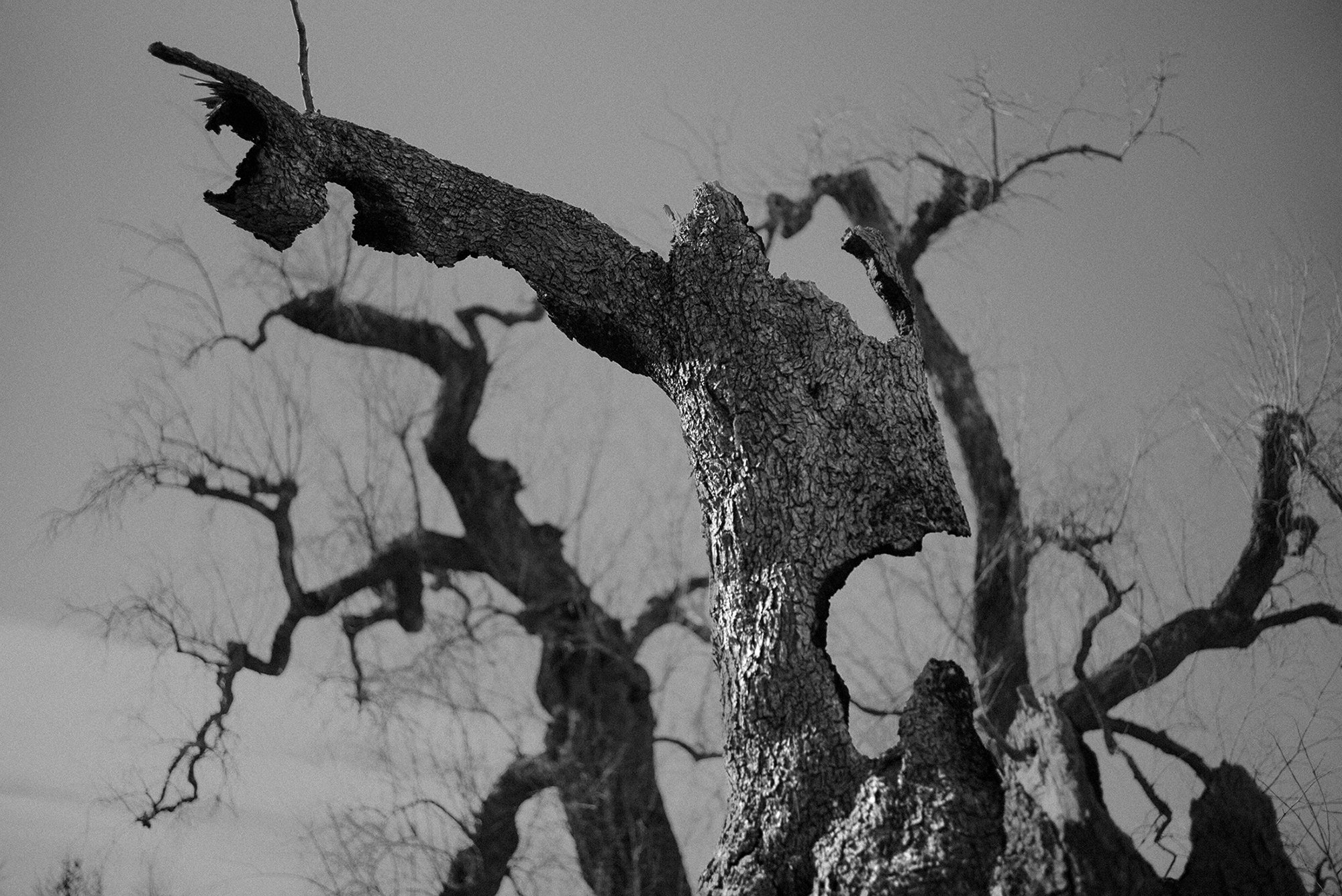
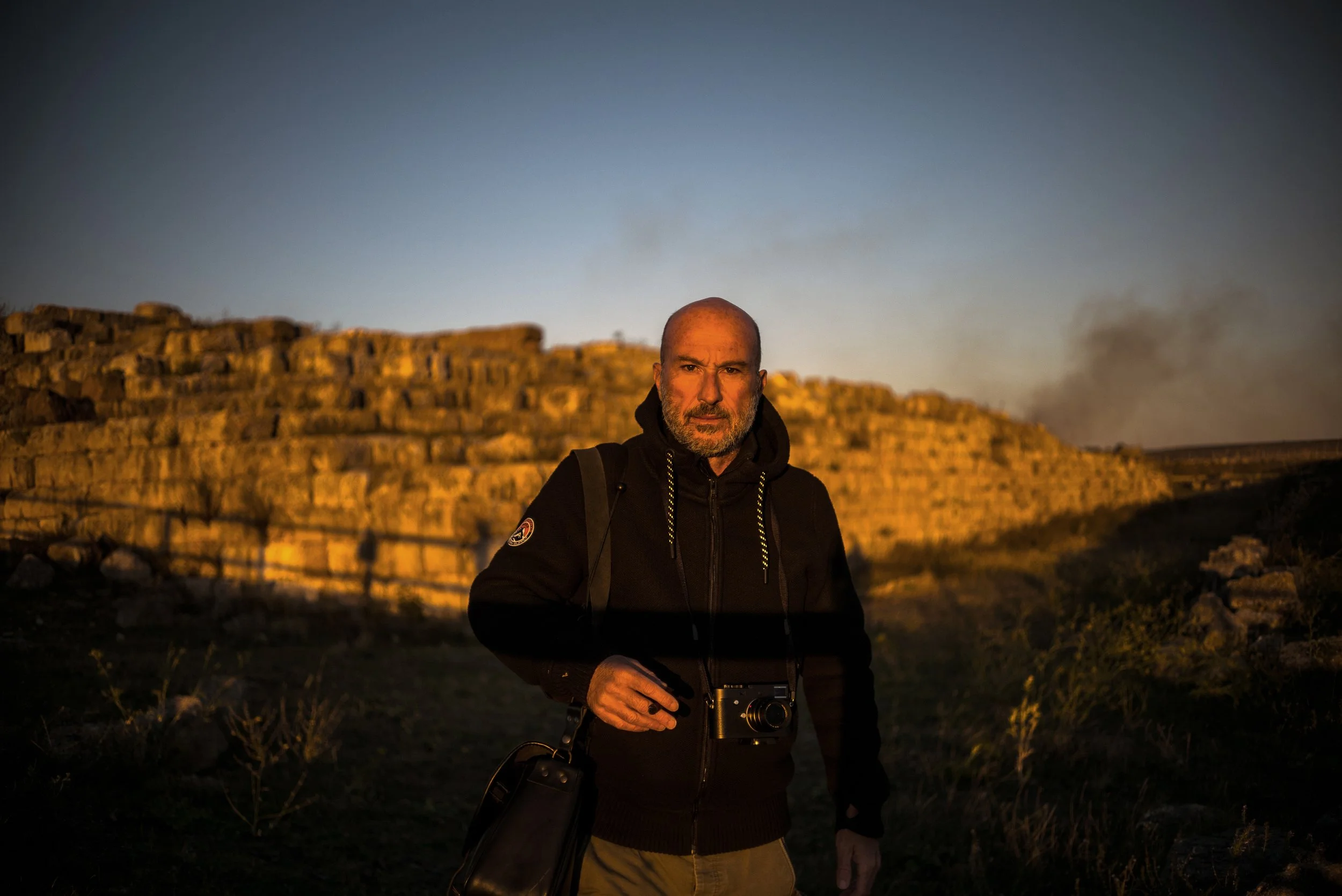
Stefano Paradiso is a photographer and director of photography born in Rome in 1969. Graduated from the R. Rossellini School of Cinematography and Photography in 1988, he works as a director of photography and camera operator in cinema and advertising, boasting numerous collaborations with well-known Italian directors, French and American; for television he has made documentaries and reportages in various countries of the world. A lover and scholar of photography in its broadest sense, he is inspired by great photographers such as Josef Koudelka, Luigi Ghirri, Japanese Nihonga pictorial art, Chinese Guóhuà, impressionism and obviously "le cinéma d’auteur".
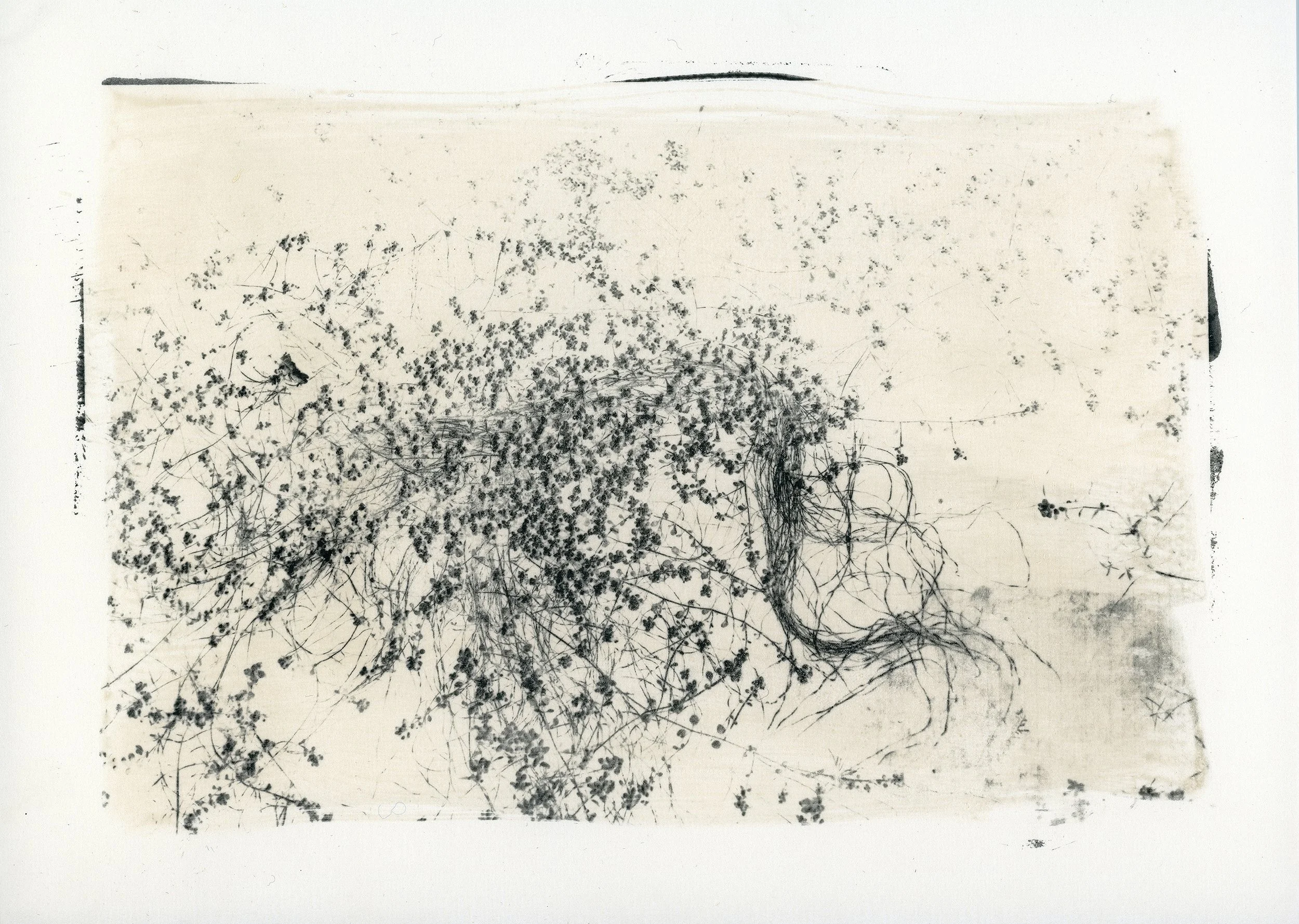
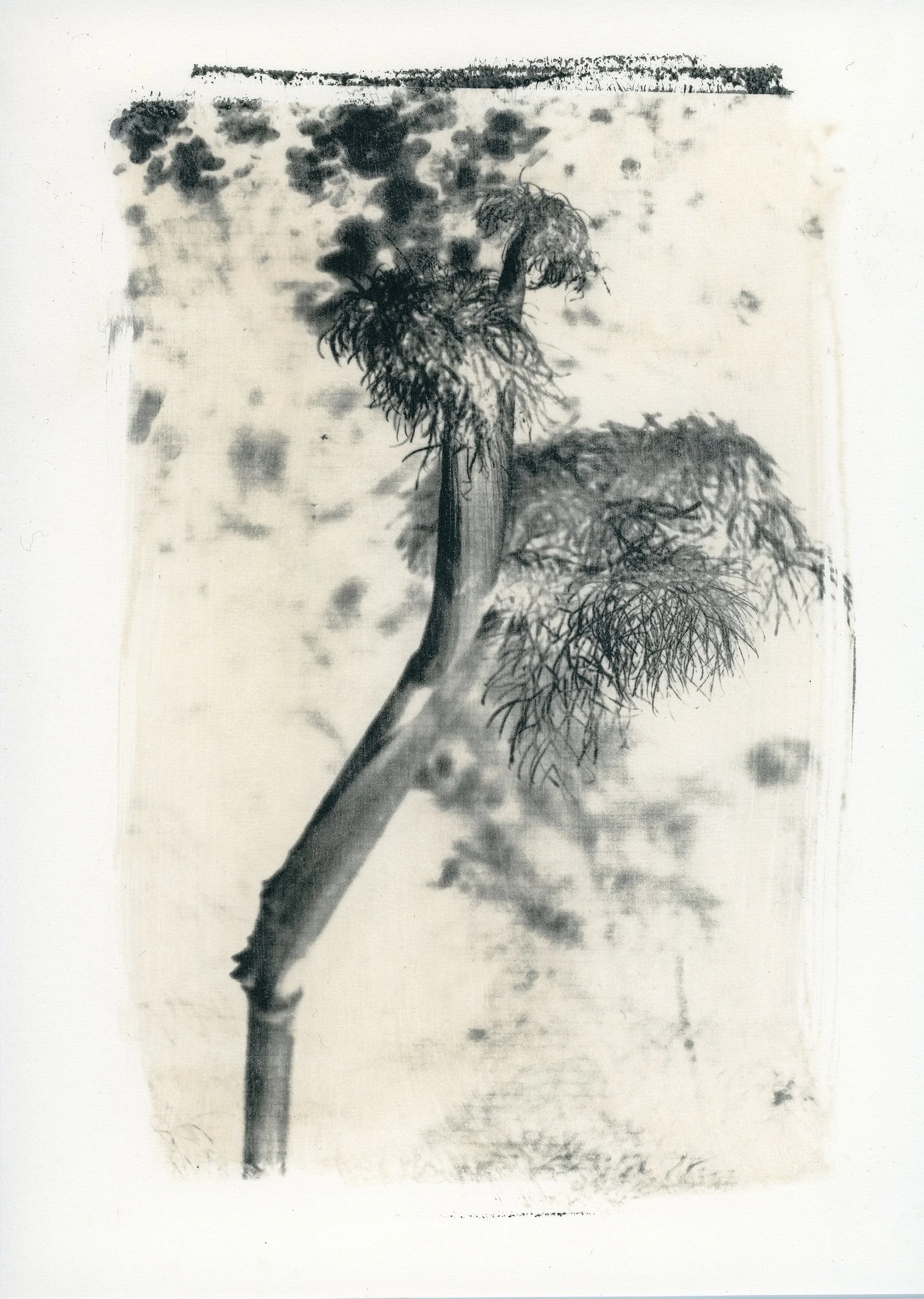
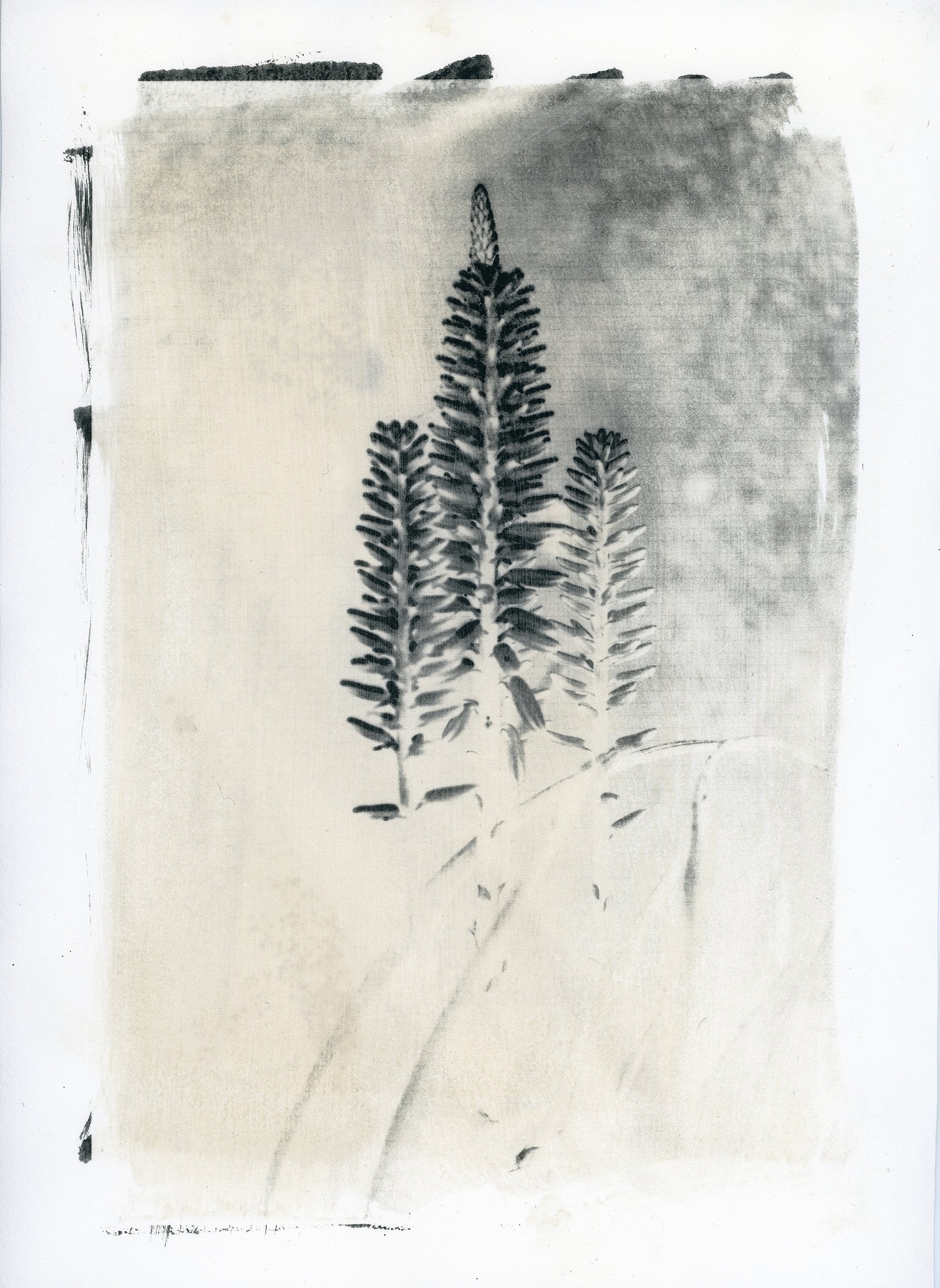
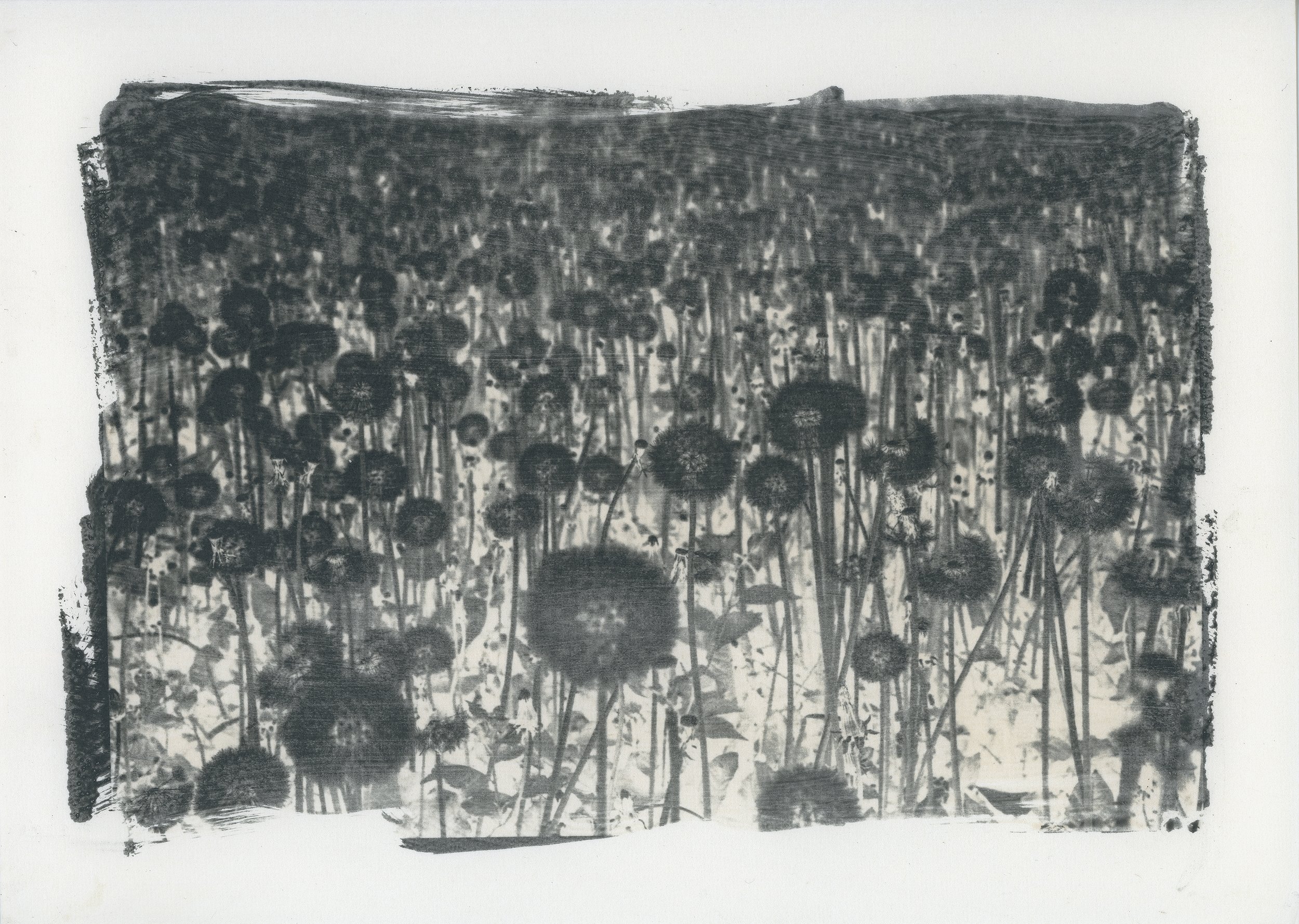
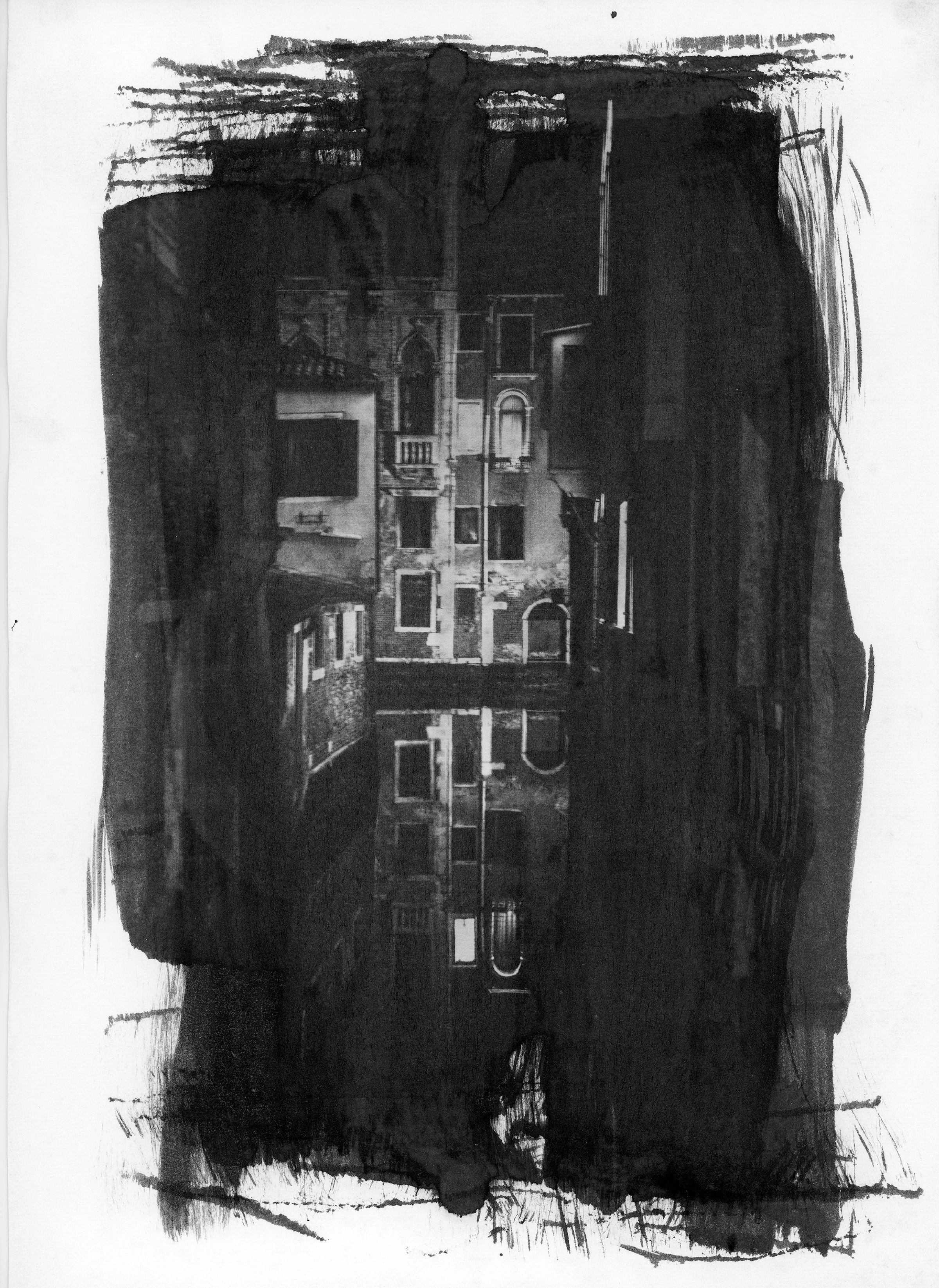
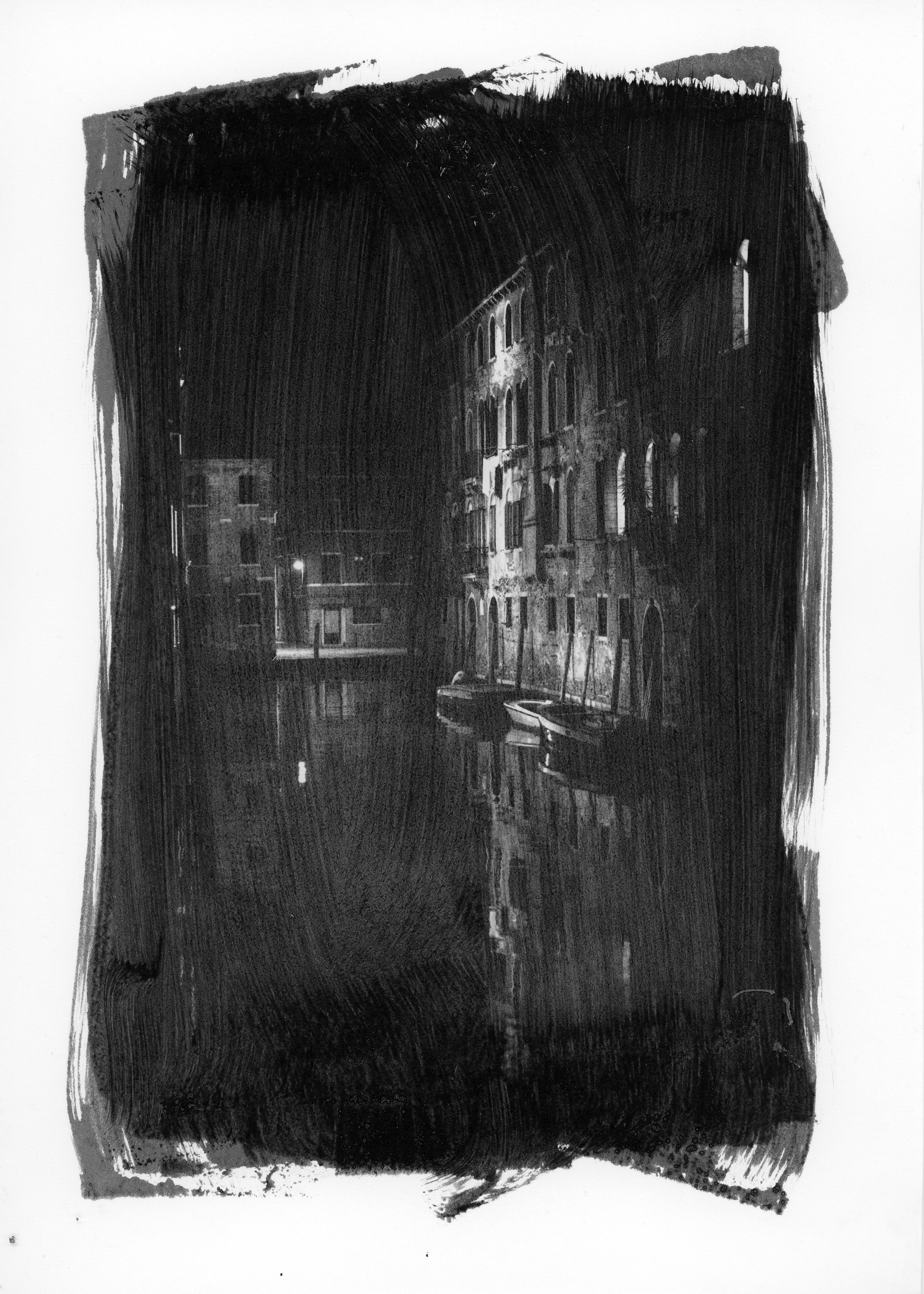
After living for many years in France, he returns to Italy in 2017 where he combines his work in the world of cinema with his personal photographic research which focuses on the use of black and white. He developed his darkroom technique working on the creation of large negatives and contact prints on various papers including Japanese Washi. A combination of experimentation, oriental arts and modern photography.
Never be afraid of the shadow. It is there to signify that nearby, somewhere, there is a light that illuminates.
(Ruth E. Renkel)
In this sentence by the American poet Ruth E. Renkel lies the first stage of my inspiration. This is the starting point for my personal research into mystery, the fascination of things, ancient history and the science of man. My professional history comes from cinema, which expresses storytelling through moving images accompanied by music and spoken language.
My transition to pure photography more intimately captures the power of storytelling in a single image. It is the search for a visual language in which objects are defined not by contours, but by the thickness, density, and energy of forms.
After a long experimentation of technical attempts, readings, chemical and aesthetic research, a stream of unconsciousness has brought to light this fusion between oriental art and the more contemporary vision of black and white photography, all appearing during magical darkroom sessions.
To quote Umberto Eco "The precision of the mechanism led me to the imprecise".
My clear reference to Japanese and Oriental painting in general addresses three fundamental aspects:
- Not pursuing the mimesis of reality, but a creative representation of it.
- Synthesis of tradition and contemporary aesthetics
- The important role of the media used, mainly washi paper.
Hence the choice of using Japanese paper with a lively brushstroke of sensitive emulsion.
The fact that a photo has sharp, defined contours naturally tells of what lies beyond the photo itself, a fundamental peculiarity of photography. That I have blurred them and made them uncertain is an even stronger desire to dissolve the outside world with imagination. The vitality I strive for refers to the flow of energy that belongs to me and that embraces the subject and the work; Xie He, a 5th century Chinese writer, critic and art historian pointed to this vitality as one of the fundamental points for judging a painting, namely 'the resonance of the spirit'. He argued that without resonance of the spirit, there was no need to look further.
This process reminds me a lot of the act of playing jazz music, more specifically the drums that I have been playing since I was a child. Starting from a solid foundation, one begins to improvise. Among my important references I include Josef Koudelka in whom one can read the persistence of human activity in spite of its fragility. This is a fundamental starting point for narrating landscapes empty of the presence of man. Hence my quest to recount man and history without human presence.